The Strange Worlds of Exoplanets

Superfact 13: The Strange Worlds of Exoplanets

Our sun is a star, and it has 8 planets Mercury, Venus, Earth, Mars, Jupiter, Saturn, Uranus, and Neptune (as well as comets, asteroids, dwarf planets, etc.). The stars you see when you look up in the sky also have planets. We have identified 5,765 exoplanets (as of July 24th, 2024) but there are billions more in our galaxy. Some exoplanets are similar to Earth, and some are very different from any of the planets in our solar system.

Exoplanets

We know that exoplanets exist, we know some of them are in the so-called habitable zone and that some of them are very strange and interesting. This is certainly important knowledge for how we view our world and the Universe and yet many people who have not paid attention to astronomy news are very surprised to hear this information.

I’ve met many people who aren’t sure about the difference between a planet and a star, so being confronted with the news about exoplanets can be dizzying. That is why I am referring to the Strange Worlds of Exo Planets as a super-fact.
Star system model. Planets in orbit Straight front of sun. Solar system consisting of planets on a black background | The Strange Worlds of Exoplanets
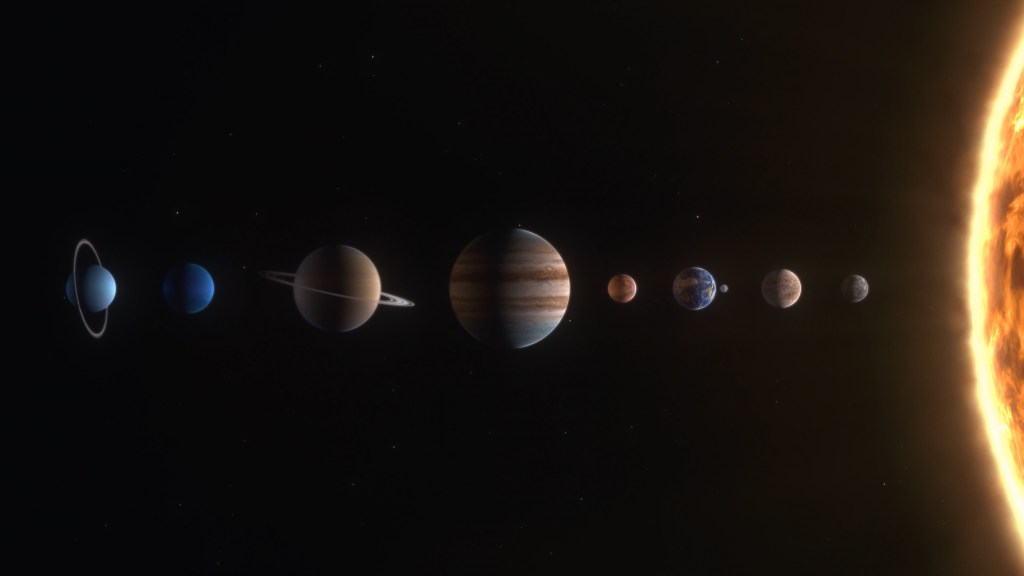
Our solar system. From right to left, the Sun, Mercury, Venus, Earth, Mars, Jupiter, Saturn, Uranus, and Neptune. In the image the planets are lined up in a straight line and they are very close to each other. That is, of course, not realistic. Stock Photo ID: 2504532389 by ibnallahdin.
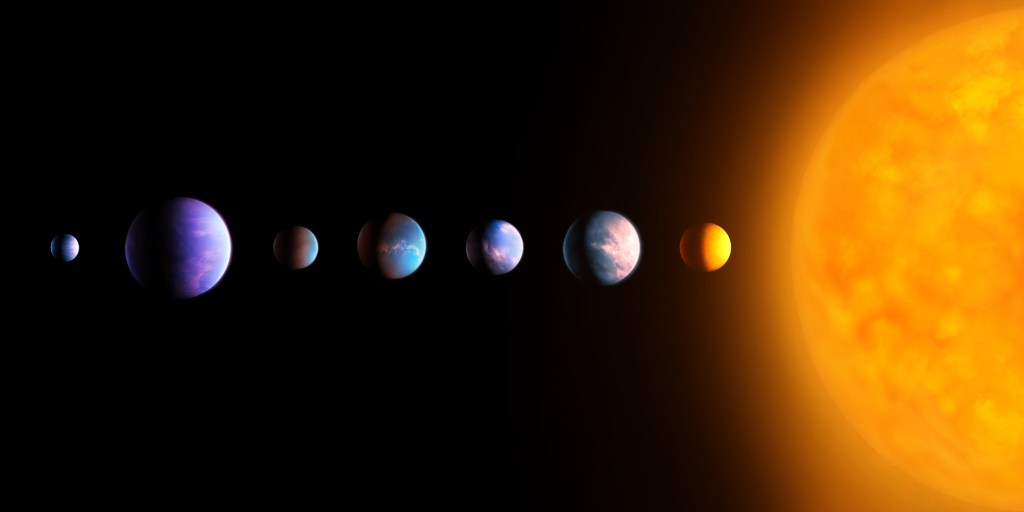
A bright star on the right and from right to left there are seven exoplanets | The Strange Worlds of Exoplanets
This is an imagined star/solar system. Notice that this solar system has seven planets, one less than our solar system. We would refer to these planets as exoplanets, if they were real. Stock Photo ID: 2466463165 by Nazarii_Neshcherenskyi

Most known exoplanets orbit stars roughly similar to the Sun but a lot of exoplanets have been seen orbiting red dwarf stars. It is estimated that there are 11 billion potentially habitable Earth-sized planets in the Milky Way. 40 billion if planets orbiting the numerous red dwarfs are included.
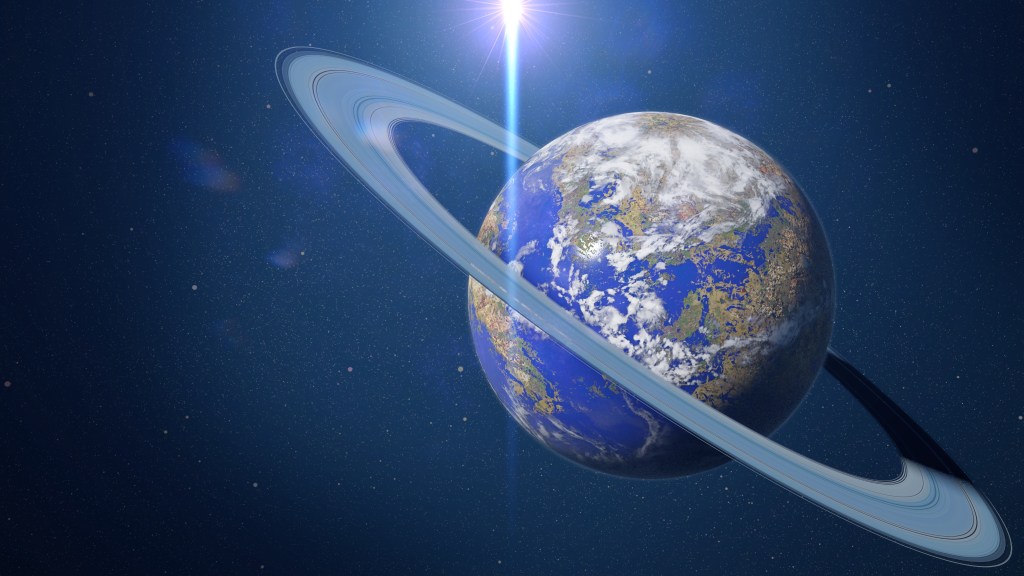
Blue and brown Earth like planet with rings.
An imagined Earth like exoplanet. Stock Illustration ID: 1440413666 by Dotted Yeti.

Habitable Zones

About 1 in 5 Sun-like stars have an “Earth-sized planet in the habitable zone. The definition of “habitable zone”  is the distance from a star at which liquid water could exist on orbiting planets’ surfaces. Habitable zones<<Link-2>>  are also known as Goldilocks’ zones, where conditions might be just right – neither too hot nor too cold – for life. The habitable zone for our solar system goes from the orbit of Venus to orbit of Mars with Earth in the middle.

It may seem strange that Venus is borderline in the habitable zone considering it’s hellish 870 degrees Fahrenheit. However, being in the habitable zone is no guarantee that the planet is habitable, and Venus got unlucky with its greenhouse gases (beginning about 2 billion years ago). Below you can watch a NASA video explaining about habitable zones.

Planets are extremely faint compared to their parent stars. For example, a Sun-like star is about billion times brighter than the reflected light from any exoplanet orbiting it. It is difficult to detect such a faint light source, and furthermore, the parent star causes a glare that tends to wash it out.

Just think about why you don’t see many stars during the day. They are still there and why you can’t see them is not because the sky is blue, but because the sun’s powerful light washes them out. Therefore, it is necessary to block the light from the parent star to reduce the glare while leaving the light from the planet detectable; doing so is a major technical challenge. All exoplanets that have been directly imaged are both large (more massive than Jupiter) and widely separated from their parent stars.
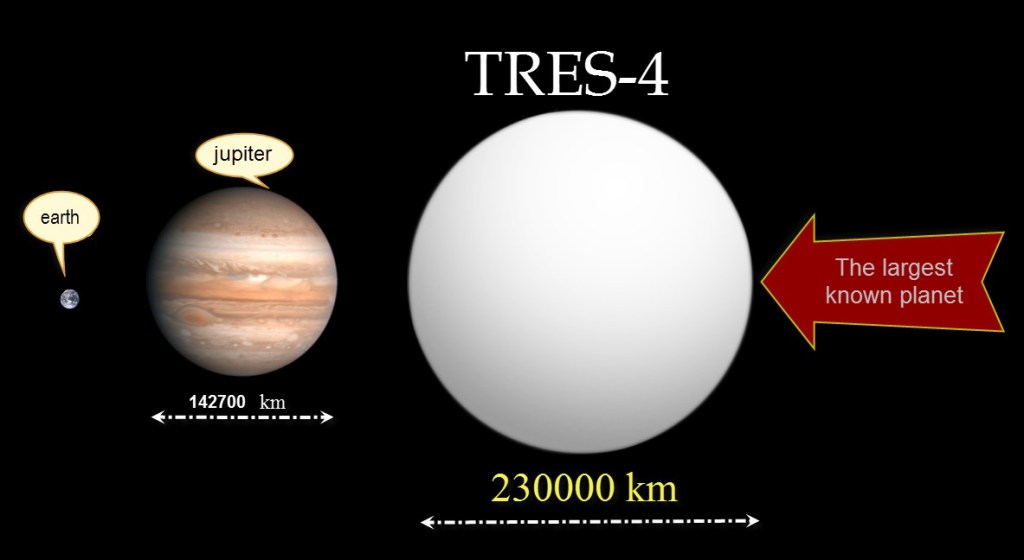
Size comparison between Earth, Jupiter, and Tres-4 | The Strange Worlds of Exoplanets
One of the largest known planets (by volume and mass) is TrES-4b Picture is from NASA.

The vast majority have been detected through indirect methods, such as the transit method. It should be noted that the official definition of the term planet used by the International Astronomical Union (IAU) (since they booted Pluto) only covers our Solar System and thus does not apply to exoplanets. My opinion : we may need another update on the definition of what a planet is as we continue making exoplanet discoveries.
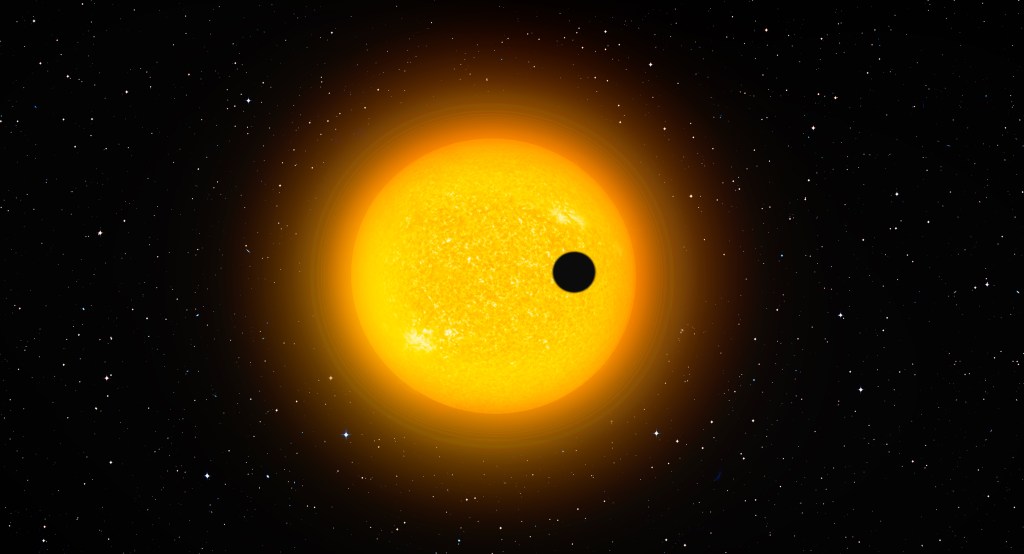
Black dot on a bright star.
Exoplanet transiting in front of its star: Stock Photo ID: 2315686527 by muratart
Star surrounded by four specks that are slowly moving around the star as movie plays | The Strange Worlds of Exoplanets
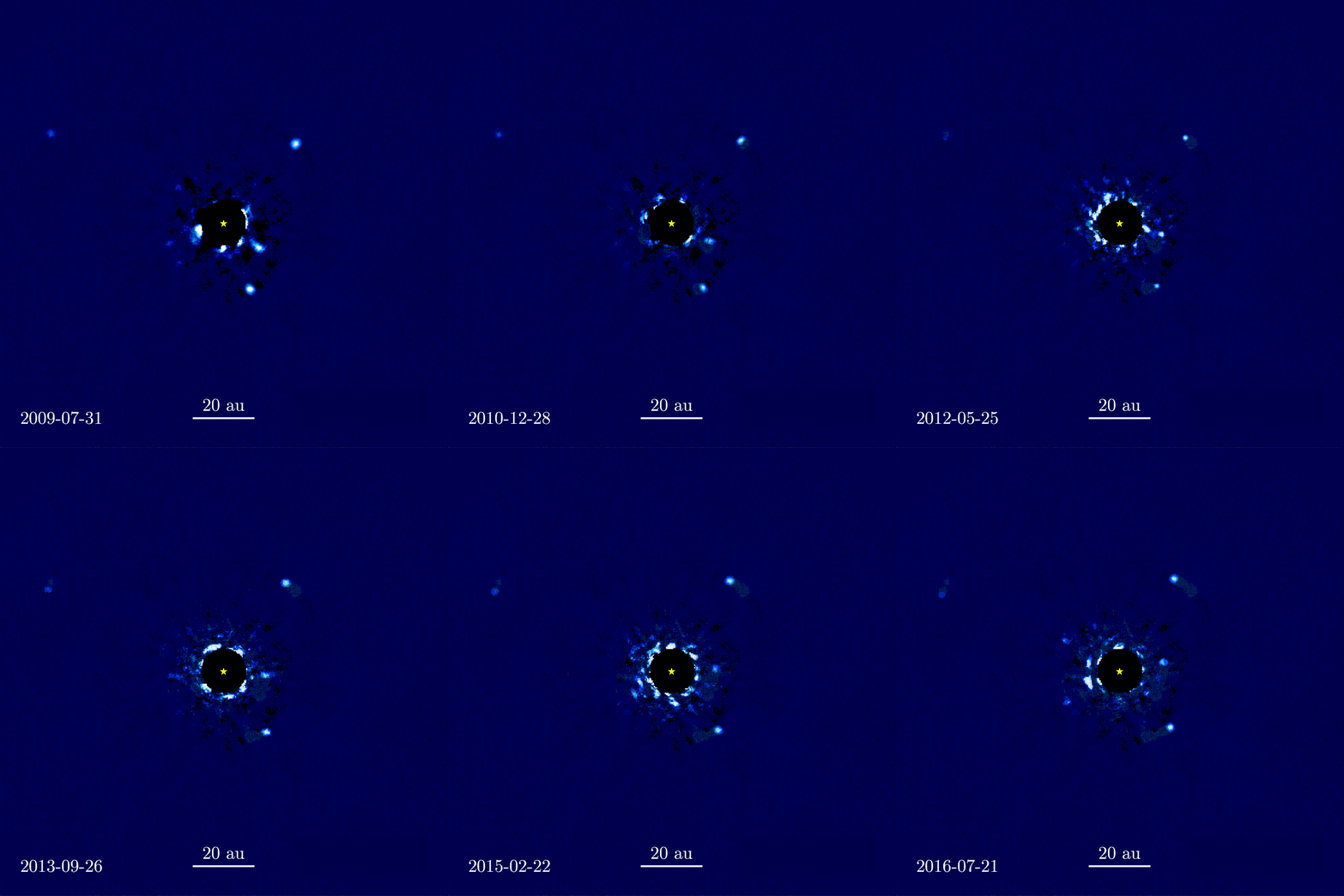
One example of exoplanets that has been directly observed is the HR 8799 system. This system harbors four super-Jupiters orbiting with periods that range from decades to centuries. The footage below consists of 7 images of HR 8799 taken with the Keck Telescope over 7 years. The video was made by Jason Wang, data reduced by Christian Marois, and orbits were fit by Quinn Konopacky. Bruce Macintosh, Travis Barman, and Ben Zuckerman assisted in the observations.

Exoplanets Are Very Strange

Many of the exoplanets are very strange. Gliese 581 is about 20 light-years away from Earth and is very similar to earth, but it doesn’t rotate. The orbit of WASP-17b is the opposite of the rotation of its star (unlike our planets, and most exoplanets). Its radius is 1.9 times larger than Jupiter’s radius. In other words, its volume is 6.86 times larger than Jupiter’s and yet its mass is only half the mass of Jupiter making it a big light puff ball. Like giant cotton candy.

Gliese 436b, this planet has a core made up of ice (yes ice formed from water) that is as hot as fire. TrES-2b or Kepler-1b reflects less than 1% of the light it receives. It is darker than coal. 55 Cancri-e is believed to have an interior of diamond. In addition, the side facing its star/sun is extremely hot (1,700°C or 3,100°F).
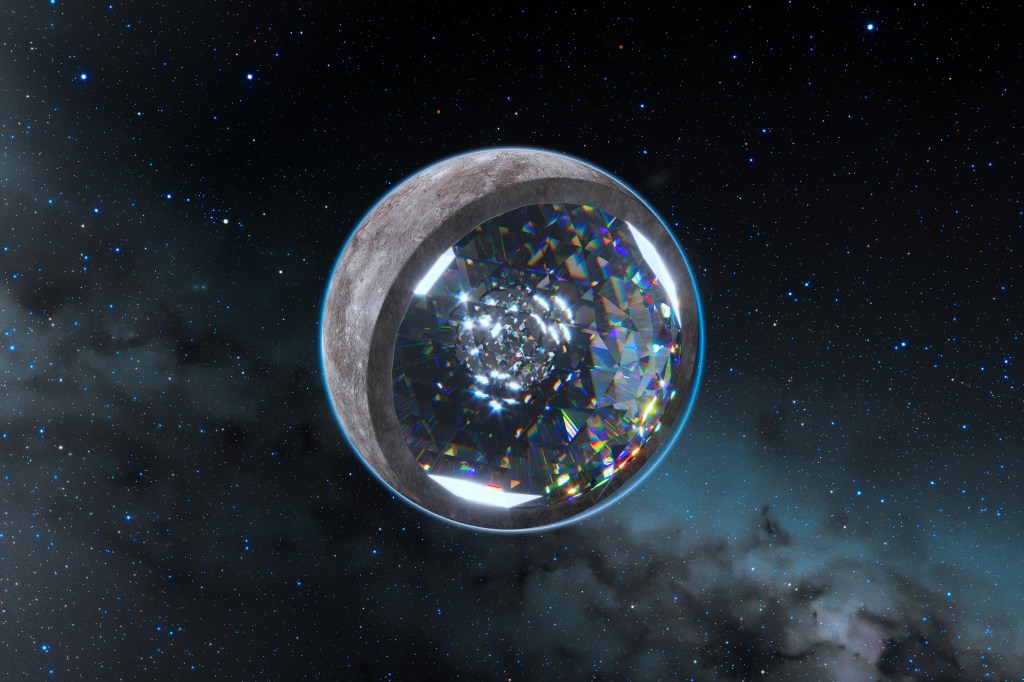
A planet with an inside that is sparkling like a diamond.
A planet being cut in half, revealing a magnificent diamond inside. 55 Cancri e planet. The surreal world of cosmic gemstones. Stock Photo ID: 2381787311 by Dabarti CGI.

Then we also have J1407b, an exoplanet six times as massive as Jupiter and 20 times as massive as Saturn but with a ring system that outshines that of Saturn by far. J1407b is often referred to as Super Saturn.
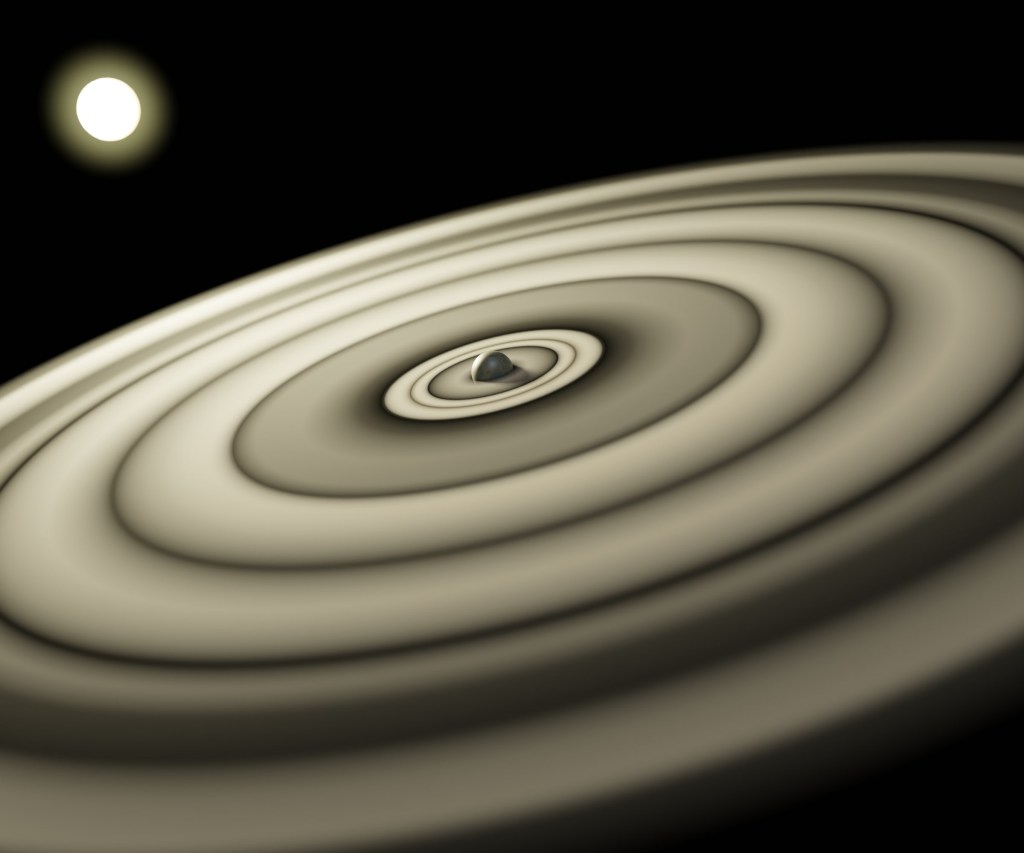
A planet surrounded by rings that are hundreds of times wider than the planet.
The rings of Super Saturn. J1407b is an exoplanet 20 times more massive than Saturn. Stock Illustration ID: 2329821675 by Love Employee.

Determining what materials exoplanets consist of is very difficult but NASA believe they’ve found water planets. Check out this video from NASA and the illustration below.
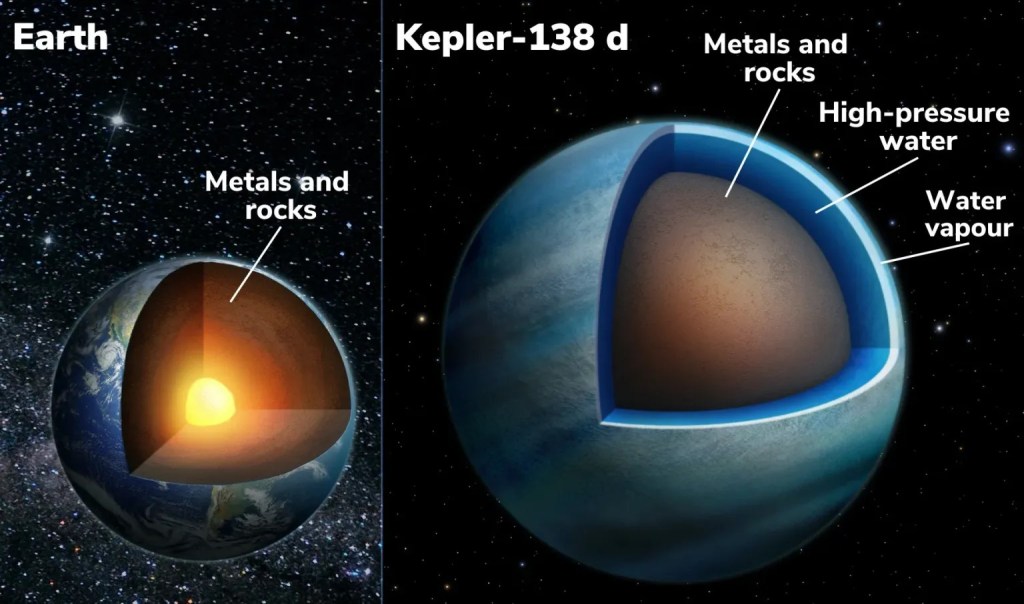
A comparison between Earth (left) and Kepler-138 d (right). The planets are cut like apples so we can see the inside cores. Kepler-138 d has a very deep ocean.
This is an artist’s illustration showing a cross-section of the Earth (left) and the exoplanet Kepler-138 d (right). Like the Earth, this exoplanet has an interior composed of metals and rocks (brown portion), but Kepler-138 d also has a thick layer of high-pressure water in various forms: supercritical and potentially liquid water deep inside the planet and an extended water vapor envelope (shades of blue) above it. These water layers make up more than 50% of its volume, or a depth of about 1,243 miles (2,000 kilometers). The Earth, in comparison, has a negligible fraction of liquid water with an average ocean depth of less than 2.5 miles (4 kilometers).

NASA also believe they have found water vapor in a small exoplanet’s atmosphere, GJ 9827d. Check out the video below.

Below is an imagined exoplanet with mushroom like life
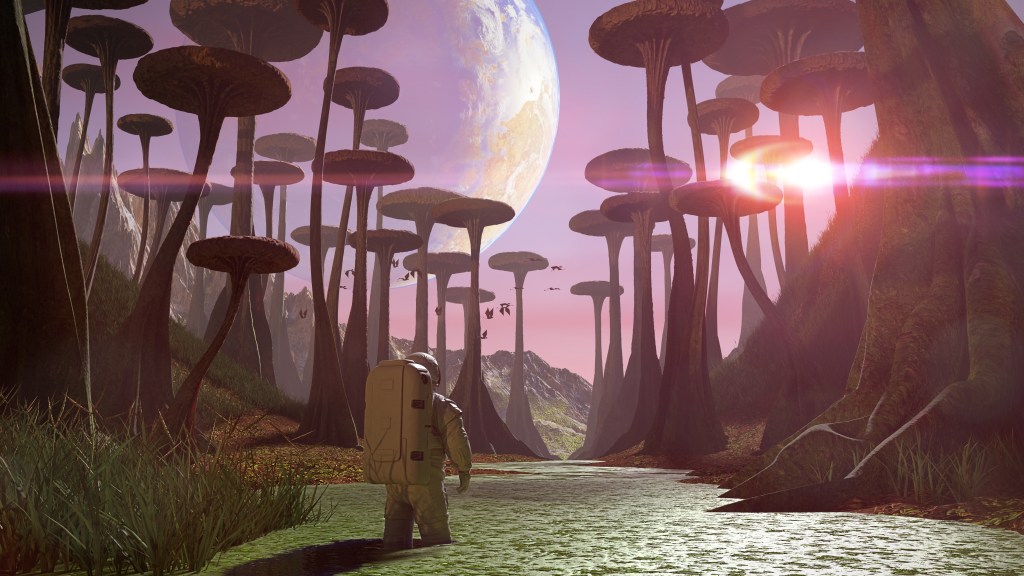
An astronaut is standing on the surface of an alien planet. He is surrounded by giant mushrooms and in the sky, there is a large moon or a planet.
Exoplanet with life Stock Illustration ID: 1524001694 by Dotted Yeti

So, it is estimated that there are 11 billion potentially habitable Earth-sized planets orbiting stars roughly the same size as the sun in the Milky Way. It is estimated that there are an additional 40 billion potentially habitable Earth-sized planets orbiting red dwarf stars in the Milky Way.

The NEID Spectrometer

As you can see in the comment section below, a fellow blogger and on-line friend David Lee Summers mentioned that looking at exoplanets is his “day” job! He spent the last three nights helping to take spectra of exoplanet systems with the WIYN telescope at Kitt Peak. They work with the NASA-funded NEID spectrometer.

A spectrometer is a scientific instrument that measures the distribution of light wavelengths, or the spectral components of a physical phenomenon It is amazing what you can find out from star light, the weight of exoplanets, the size of stars, the elements and substances in stars and planets. Below is the extreme-precision radial-velocity spectrograph mounted on the WIYN 3.5-meter Telescope at Kitt Peak National Observatory. That is the instrument David works with.

David wrote a blog post about his work which I will re-blog in the near future.
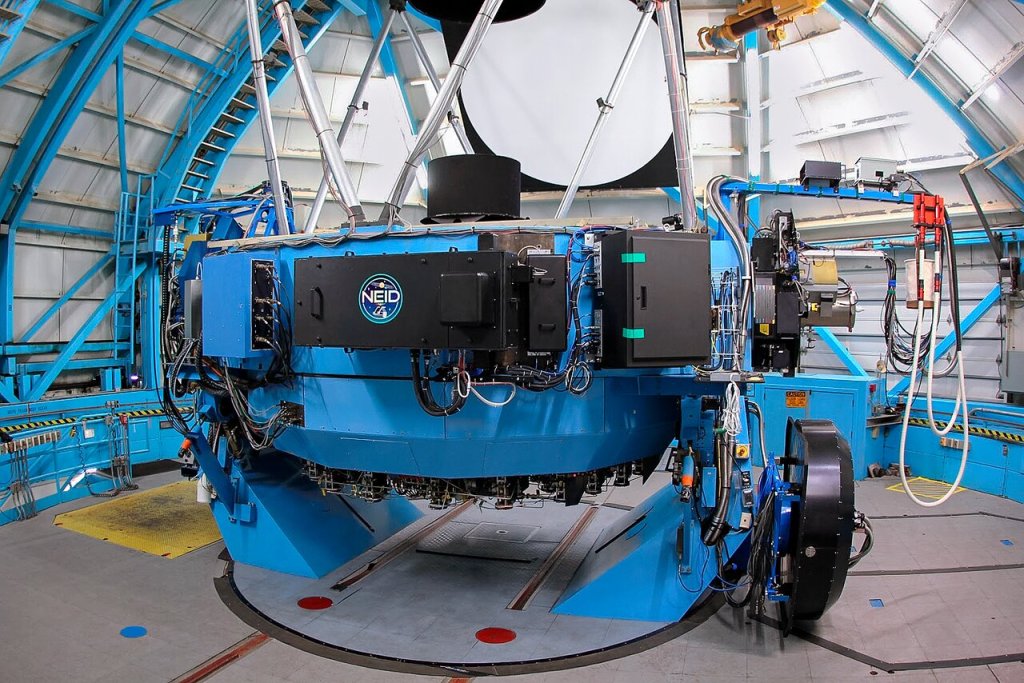
The blue NEID port adapter used for measuring the weight of exoplanets and more.
Image of the NEID fiber feed (Port Adaptor) mounted on the WIYN telescope obtained during commissioning of the instrument. The Port Adaptor feeds light from the telescope to the NEID instrument, which is located on another floor of the building, below the telescope. The WIYN 3.5-meter Telescope at Kitt Peak National Observatory is located near Tucson, Arizona. Click on the image to visit the NOIR lab and read about the NEID spectrograph.

Thank you so much David.


Do you believe there’s intelligent life on any of them? If you do, why haven’t we heard from them?


To see the other Super Facts click here


The United States is a Republic and a Democracy

Superfact 12: The United States is both a Republic and a Democracy

I believe that most people do not find that statement surprising in the least. When I became a citizen of the United States, through naturalization (I am originally from Sweden), I had to learn about the US government, and I was told by the US government officials that the United States is both a Republic and a Democracy.

However, I’ve come across a lot of people who state something like “The United States is a Republic and therefore not a Democracy” as if being a Republic and a Democracy are mutually exclusive. Well, as this article explains it is not. To be very specific, the United States is a “federal constitutional representative democracy.” Because the United States is indeed both a Republic and a Democracy and yet many would dispute that fact, I consider this to be a super-fact.

This is an article from the United States Citizenship and Immigration Services on the topic that confirms that the United States is a Republic and a Democracy. This is an article from NPR on the topic. This is what the Wikipedia entry on the United States says under the headline “Government and politics” “It is a liberal representative democracy “in which majority rule is tempered by minority rights protected by law.””

The picture shows an American Flag and the shadows of people | The United States is a Republic and a Democracy
The United States is a representative democracy. Photo by Brett Sayles on Pexels.com

It should be noted that United States is not a Direct Democracy, like ancient Greece, but it features some aspects of it in referendums. Just like most democracies around the world. Another thing to note is that the Economists Intelligence Unit downgraded the United States from a full democracy to a flawed democracy in 2016. But it is still a democracy.

Is the United States a democracy?

If you ask google / AI this question “Is the United States a democracy?”. The answer you get is:

The United States is a representative democracy. This means that our government is elected by citizens. Here, citizens vote for their government officials. These officials represent the citizens’ ideas and concerns in government.

When I asked ChatGPT the same question (Is the United States a democracy?) I got this answer:

Yes, the United States is considered a democracy, but more specifically, it is a representative democracy or democratic republic. In a pure democracy, citizens directly vote on all laws and policies. In a representative democracy, like in the U.S., citizens elect officials (such as members of Congress, the president, and local representatives) who make decisions and pass laws on their behalf.

The U.S. system is also based on the principles of constitutional democracy, where the rule of law, individual rights, and the separation of powers (between the executive, legislative, and judicial branches) are foundational. The Constitution guarantees these principles, which are designed to protect minority rights while allowing majority rule through democratic elections.

In summary, the U.S. combines democratic elements with a framework that ensures checks and balances to prevent abuses of power.

The photo shows the United States Capitol Building, which is white and is shaped like a roundish tower.
The United States Capitol Building in Washington DC. Photo by Patrick Morris on Pexels.com

Partisan politics aside, the consensus seems to be that the United States is both a Republic and a Democracy.


To see the other Super Facts click here


United States, Europe and the Pacific Ocean Are Bigger Than You Might Think

Superfact 11: United States, Europe and the Pacific Ocean Are Bigger Than You Might Think

  • The area of the United States is around 9,8 million square kilometers
  • The area of continental United States is around 8.1 million square kilometers
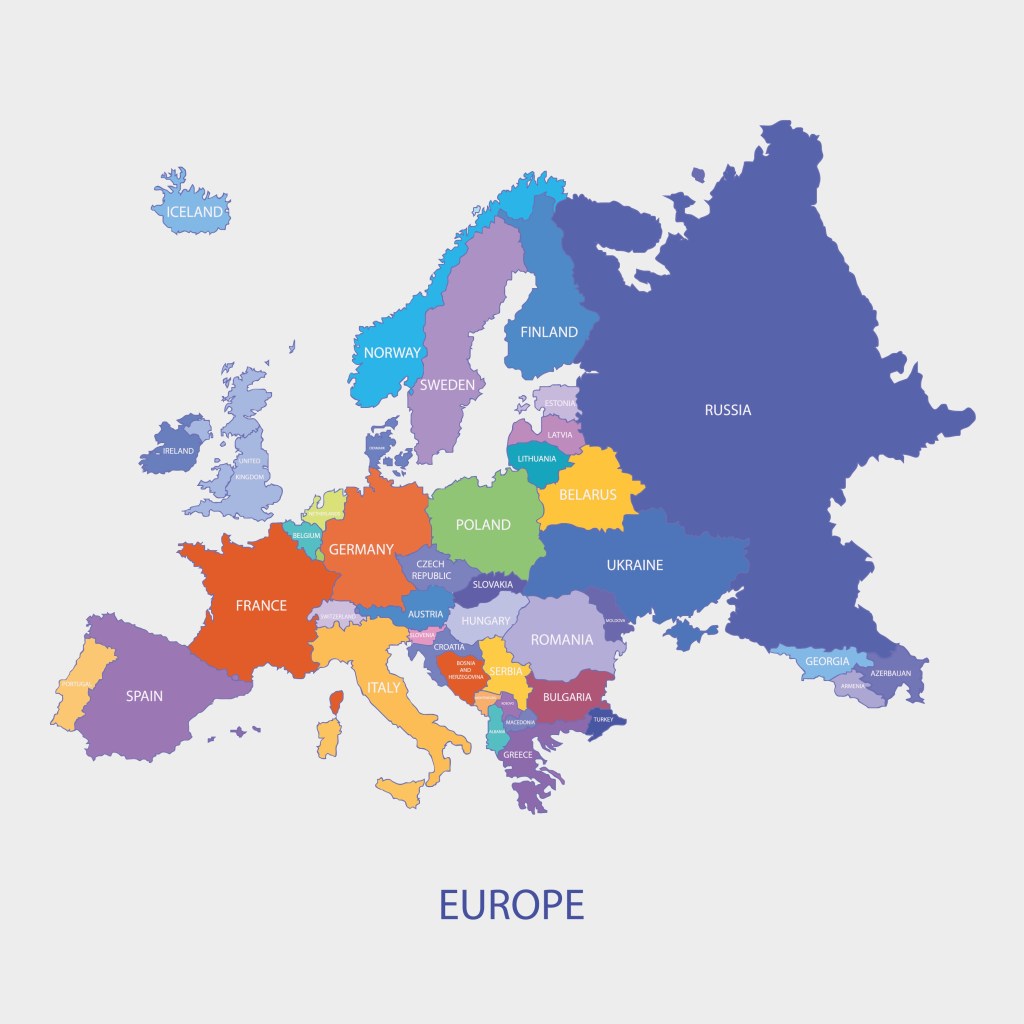
  • The area of Europe is around 10.2 million square kilometers
  • Earth’s total land area is 148.9 million square kilometers
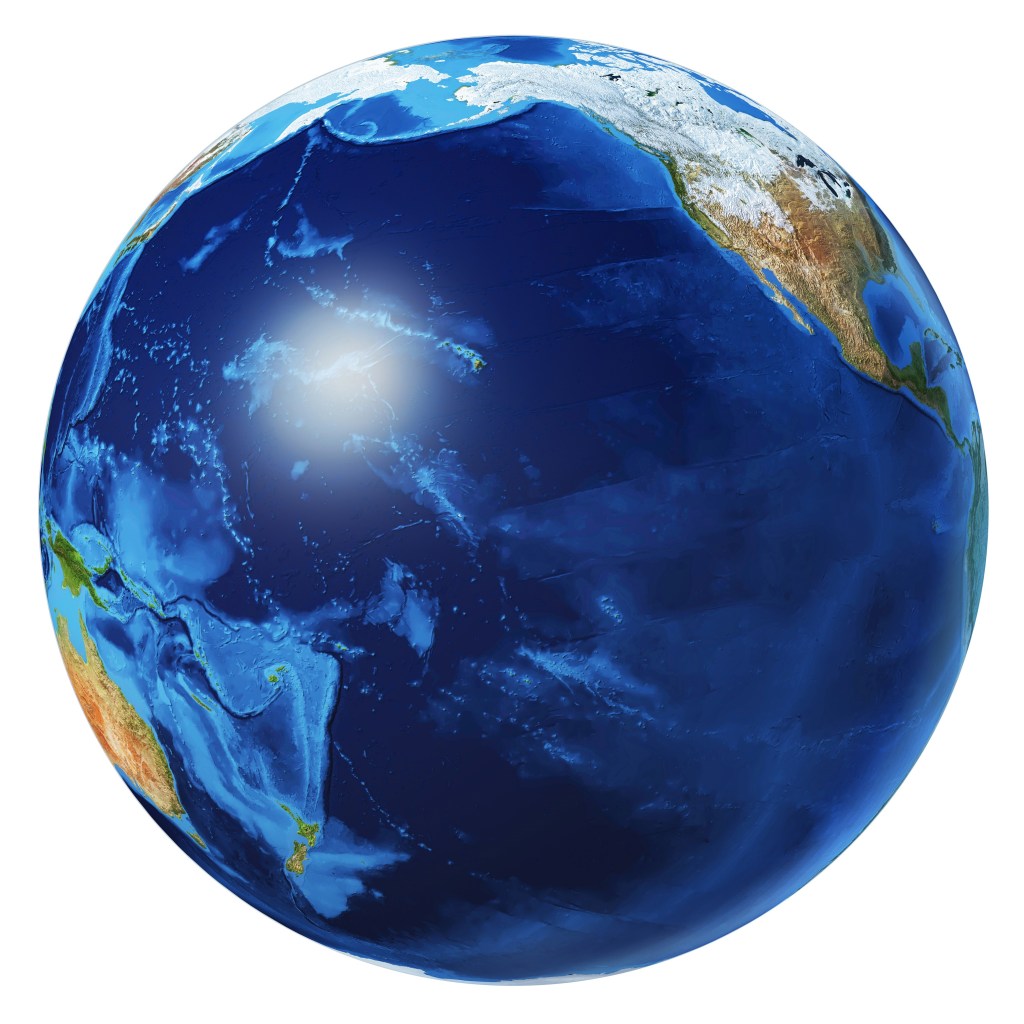
  • The area of the Pacific Ocean is 165.3 million square kilometers
  • The area of the whole earth is 510 million square kilometers

The United States

The United States is much bigger than many Europeans think. Europe is much bigger than many Americans think. Many of us don’t realize that one of the five oceans, the Pacific Ocean, is one third of earth’s entire surface and cover a larger area than all landmass on earth. Since so many of us are surprised to hear these facts and they are not under dispute among experts, they constitute a super-fact, or a few super-facts in my opinion.

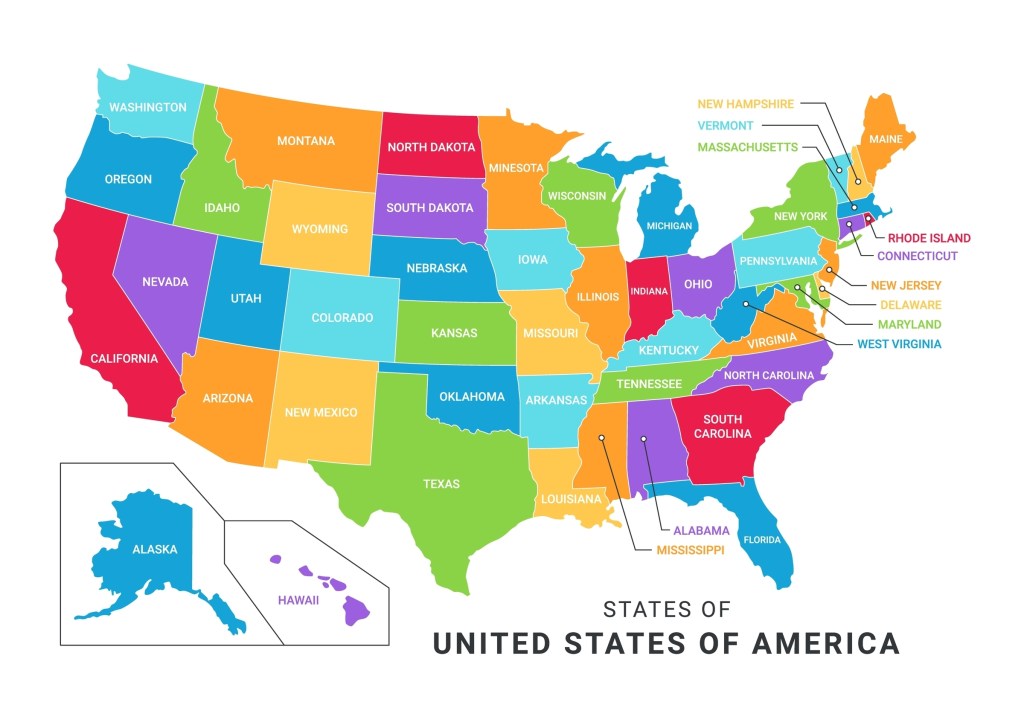
The map of the states in the United States are shown in various colors. It should be noted that some states are quite large and some quite small | United States, Europe and the Pacific Ocean Are Bigger Than You Might Think
Map of the United States. Alaska and Hawaii are not to scale. Alaska is double as big as Texas. Stock Vector ID: 2247501877 by HazimAlfi.

Some time ago I was talking to a Swedish friend of mine who told me something along the lines of “the United States isn’t so big as they say. We drove through half a dozen states in an afternoon.” I asked her, “which states?” It turns out that was the New England states, Maine, New Hampshire, Massachusetts, Rhode Island, Connecticut, and finally New Jersey and New York (New York city). You can do that drive in an afternoon, but you cannot drive through Texas in an afternoon, not even in a day.

The distance from Texarkana to El Paso is 1,300 kilometers and takes more than 12 hours to drive on the highway without stopping. I’ve come across many Europeans who underestimate the size of the United States. The mistake they make is that they don’t realize that while some US states are small, other states are much bigger. Just look at the map.

A to scale map of Europe with the countries having different colors. It should be noted that some countries are quite large and some quite small | United States, Europe and the Pacific Ocean Are Bigger Than You Might Think
Political map of Europe (including European Russia) Stock Vector ID: 319593110 by okili77.

Europe

Interestingly Americans often make the same mistake about Europe. I quite often hear Americans claim that distances are so small in Europe. You can drive through a country in a couple of hours and the language changes. It’s a trope that seems to be repeated every time Europe is discussed on social networks.

Today, as I was talking to a friend of mine about our recent trip to Sweden and Norway, my friend told me that it was good that distances in Europe were so short so we could easily travel between the places I was telling him about. He was more than surprised to hear that was not the case.  The distance between where we were Sweden and Norway was too large for anything other than planes considering we only had 10 days.

The distance from Malmö in southern Sweden to Karesuando in northern Sweden is more than 1,900 kilometers and takes more than 21 hours to drive without stopping. In fact, by area, Sweden is bigger and longer than California. 

The Pacific Ocean

Last but not least. Earth has seven continents (Asia, Africa, North America, South America, Antarctica, Europe, and Australia), and five oceans (the Arctic, Atlantic, Indian, Pacific, and Southern (Antarctic) Oceans). But just one ocean, the Pacific Ocean cover a third of earth’s entire surface. This may come as a surprise to many. See the globe photorealistic 3d illustration below.

Earth globe photorealistic 3d illustration, on white background. Pacific Ocean view. Clipping path included. Without clouds.
Earth Pacific Ocean view Stock Illustration ID: 1617553012 by Matis75.

To see the other Super Facts click here


Tourism in Scandinavia on World Tourism Day

I just returned from a trip to Scandinavia with my son and his wife. Since it is World Tourism Day today, September 27th, I thought I’d make one more post related to our trip. As usual, the post features many interesting facts, but it is not a super-fact post. To provide some background. Me and my oldest son and his wife visited my native country of Sweden and Norway over the last 10+ days. We got a lot done. Unfortunately, we did not have time to visit with family this time.

Three people standing on a boat on the fjord.
From a cruise in Sognefjord. Left to right, me, my eldest son  and his wife.

First, we visited Stockholm including the Old City (Gamla Stan), the Royal Palace in Stockholm and Drottningholm, which is a Royal Palace outside of Stockholm, built in the 1660’s and resembling Versailles in France. We also visited the Ice Bar, a Viking restaurant, many museums including the Vasa Museum and the Abba Museum, and we learned about Karl XIV Bernadotte, the founder of the current Swedish Royal dynasty.

A photo of the Vasa Ship taken from below | Tourism in Scandinavia on World Tourism Day
A photo of the Vasa ship from the bottom floor. My son is standing on the right in a green and black shirt.

We spent a day in Uppsala, the student city north of Stockholm, where I studied engineering physics. Here we visited Sweden’s largest cathedral, the tomb of king Gustav I, Uppsala castle, my old student club (Nation of Norrland), the religious center of the Vikings, a Viking Museum, and we spent the afternoon with a classmate from my days at Uppsala University.

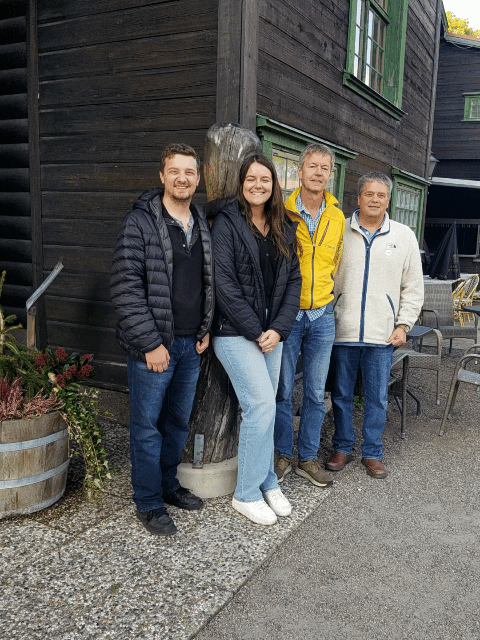
Four people standing in front of a restaurant.
From left to right, my oldest son, his wife, a classmate of mine from engineering physics 35-40 years ago, and finally me in the white jacket. In the background is a restaurant. I had Viking honey mead.

We also visited Oslo, Norway, where we visited several museums including an outdoor museum, the armed forces museum, the Maritime and the Fram Museum, an old fort, and we did some fishing in Oslo fjord. We toured the Norwegian mountains and did a cruise on Sognefjord. As a side note, the Fram Museum was centered around a ship called Fram, which was used by polar explorers such as Roald Amundsen who was the first to reach the South Pole. It is generally considered that the American Robert Peary reached the North Pole first, but that claim is disputed, which makes it possible that Roald Amundsen reached the North Pole first as well.

A side view of the ship Fram, the Norwegian ship used for Polar expeditions. It is fairly large | Tourism in Scandinavia on World Tourism Day
Fram was the Norwegian ship used for Polar expeditions.

With this post I also wanted to focus on practical issues regarding visiting Scandinavia. The Scandinavian countries are relatively wealthy, like the United States, and most people, at least young people, speak English and are friendly towards tourists including Americans. When you visit tourist attractions in Scandinavia you will hear a plethora of languages. However, unlike Texas, Spanish is not a common language, so if Spanish is your first language you’ve got to know English as well. Crime is not high, even though you should watch out for pick pockets. It is rare to encounter Scandinavians who try to trick you or take advantage of you, in contrast to some other tourist places around the world. However, there are some differences between Scandinavia and the United States, especially Texas, that can be challenging to tourists.

An early runestone in Sweden | Tourism in Scandinavia on World Tourism Day
An early runestone in Sweden.

Sweden and to a certain degree Norway are trying to be cashless societies. Banks will not handle cash, most stores, restaurants, hotels, and other businesses will not accept cash. Before leaving I tried to change dollars into Swedish crowns at my bank in Dallas, but I was informed that Swedish banks no longer provide or handle cash, so they did not have any either. There are Forex stores at airports that will exchange dollars and euros into Swedish and Norwegian crowns, but using the cash is a challenge. You pretty much have to use credit cards or a swish app on your phone to pay for anything.

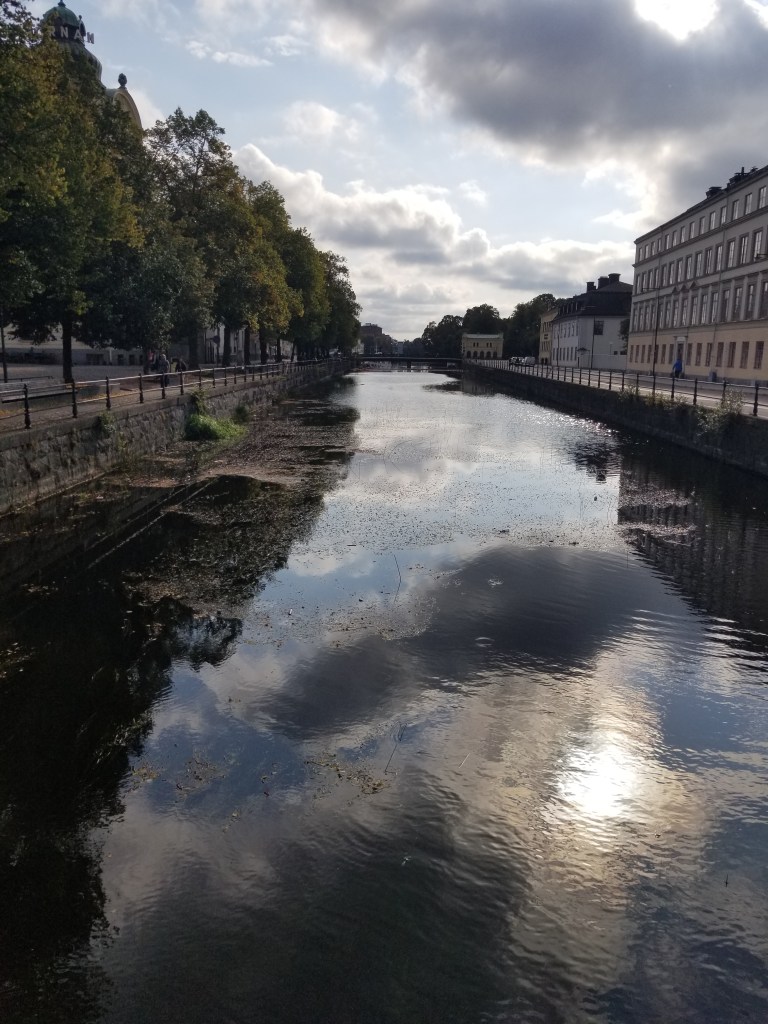
A river with the sun and clouds reflecting in the water | Fyrisån, the small river that flows through Uppsala | Tourism in Scandinavia on World Tourism Day
Fyrisån, the small river that flows through Uppsala.

Personally, I disagree with this. It removes one important option to pay, which becomes a problem if your credit card is stopped, or you don’t have a credit card. It greatly inconveniences tourists, visitors, and many immigrants. In addition, it forces everyone to have a detailed digital footprint that can be used to track everything you buy. Identity theft, power outages, cyber-attacks, natural disasters, and other mishaps that disable electronic payment options can become disastrous without access to cash. Therefore, despite being Swedish I think this is a bad move by Sweden.

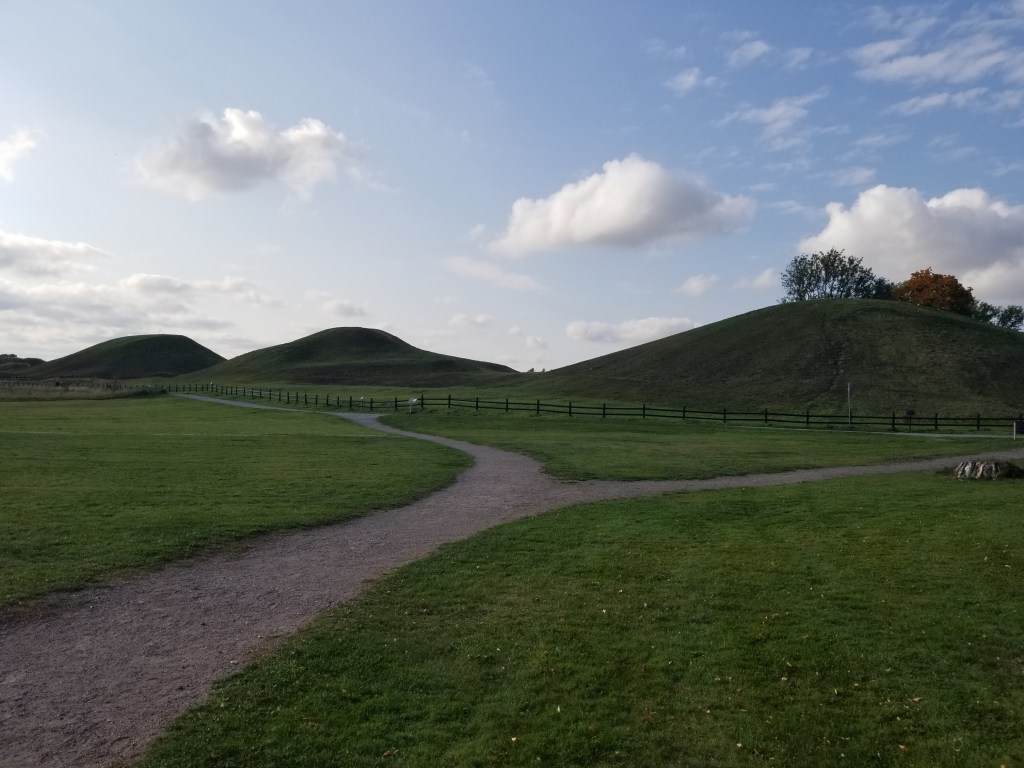
A view of a few of the Viking king and iron age king burial mounds in Uppsala.

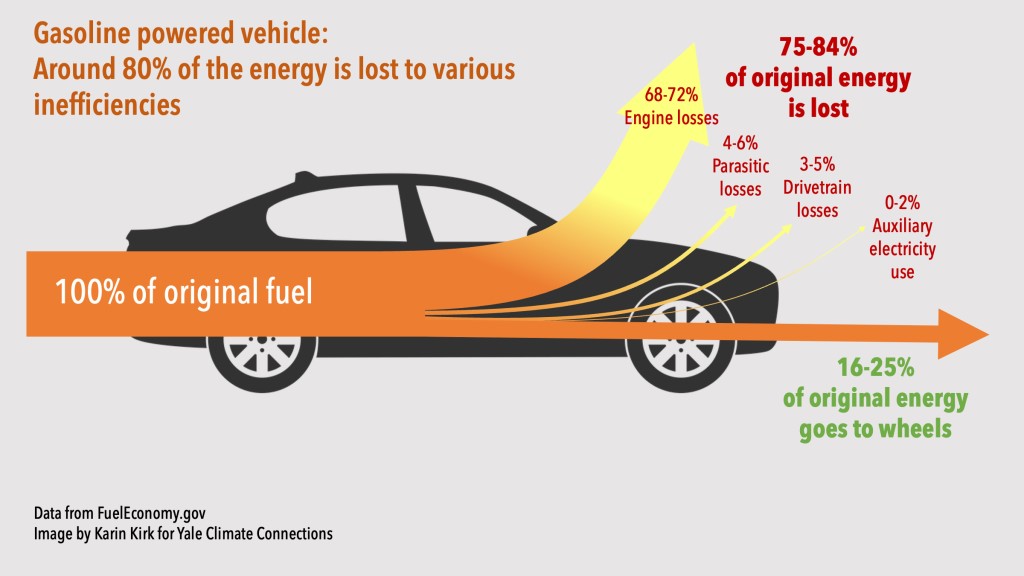
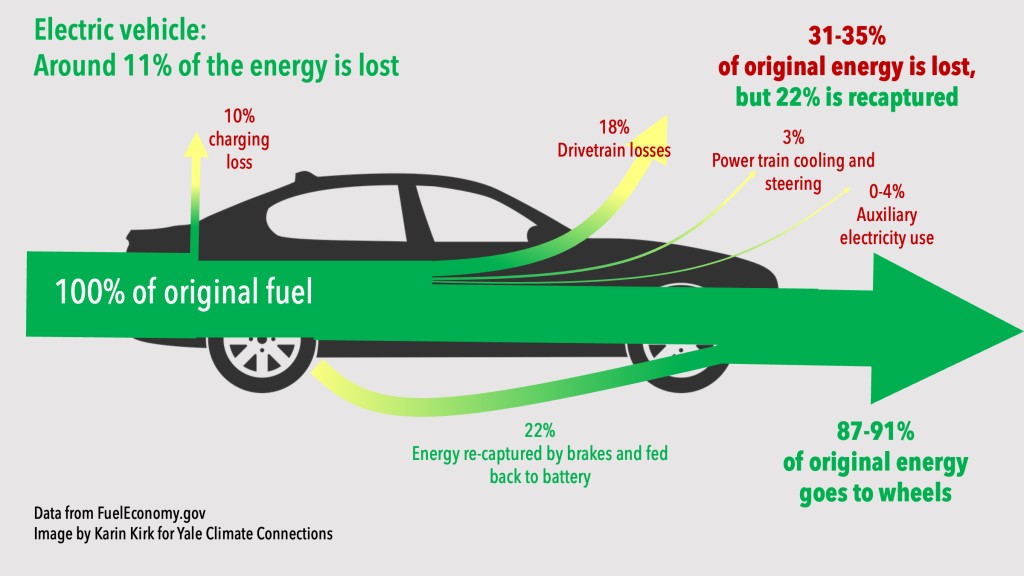
One difference that I personally find more amenable, but I know that many Texans (I live in Texas) will find objectionable, is the focus on reducing one’s carbon footprint and the fight against global warming. You are reminded of this all the time and EV cars are very common. Texans frequently believe that EV cars are not environmentally friendly and does not emit less carbon dioxide than regular internal combustion engine cars. This is a false belief that Swedes do not tend share. Sweden has an almost entirely fossil fuel free grid and Swedes value that their carbon footprint is less than a third of that of, for example, Americans. These are all things that could rub some Texans the wrong way, just like Texas opinions could rub Swedes the wrong way. It is better not to argue.

Image showing an ICE car and its various losses.
16-25% of original energy goes to the wheels. Data from FuelEconomy.gov, Image by Karin Kirk for Yale Connections.
Image showing an EV car and its various losses.
87-91% of original energy goes to the wheels. Since EVs are so much more efficient than internal combustion engines they are cleaner even when their electricity come from a very dirty grid. Data from FuelEconomy.gov, Image by Karin Kirk for Yale Connections.

There are other differences. Public transportation is very good in Sweden and Norway. Public transportation is safe and typically much cheaper than taxi, uber or renting a car. In fact, considering the difference in traffic signs, the difficulties with parking, and the restrictions on driving in inner cities, you may not want to rent a car unless you plan on driving far out into the countryside. Bicycles and bicycle lanes are also very common and need to be respected. Luckily Scandinavian inner cities are very walkable. Doorknobs/handles are not round and are like levers. Scandinavians eat dinner earlier compared to southern and central Europeans and are like Americans in that regard.

Happy World Tourism Day Everyone


To see the Super Facts click here


Sweden and Norway and Carl XIV Bernadotte

I just returned from a trip to Scandinavia with my son and his wife and I thought I would make another post related to our travel. “Sweden and Norway and Carl XIV Bernadotte” is a factual post, but it is not a super-fact post.

This post is about an interesting Swedish and Norwegian king who was imported from France, and who was the founder of the current Swedish dynasty, Bernadotte. While the United States is a democratic federal republic and Sweden is a democratic constitutional monarchy, they are both representative democracies with a lot in common politically.

The Swedish political power is divided between a legislative, executive, and judicial branch, just like in the United States, people vote for their representatives, and the modern Swedish king does not have any significant political power. However, the royal family is an important symbol for Sweden and is in general well liked. Below is the photo of the current Swedish royal family.

This is a photo of a well-dressed 8-member royal family.
The Swedish Royal family. The two people in the middle are Queen Silvia and King Carl XVI Bernadotte. To the right of the king is the future monarch of Sweden princess Victoria and to the left of Queen Silvia is her husband. The others are their other two children and their spouses.

It may come as a surprise to non-Americans that despite the United States being a Democratic Republic and not a monarchy, Americans are obsessed by the British Royal family. I should say that this obsession is only with the British Royal Family and not with any of the other 42 Royal Families of the world. Sweden, Norway and Denmark are all monarchies, but my efforts to create an American obsession with the Swedish royal family might be in vain. Below is a map of northern Europe showing these three countries and a few more north European countries.

Map of northern Europe including Sweden, Norway, Denmark, Iceland, Finland, Estonia, Latvia, Lithuania, United Kingdom, and Ireland | Sweden and Norway and Carl XIV Bernadotte
Northern Europe including Sweden, Norway and Denmark. Stock Vector ID: 2173507635 by Peter Hermes Furian

King Karl XIV Johan of Sweden (or Carl XIV), or Charles XIV John was King of Sweden and Norway from 1818 until his death in 1844 and the first monarch of the Bernadotte dynasty. However, he was elected the heir-presumptive to the childless King Charles XIII of Sweden in 1810 and became the de facto ruler after Charles XIII (Carl XIII) had a stroke in 1812. King Karl XIV was born in France 26 January 1763 and his name was originally Jean-Baptiste Jules Bernadotte.

During the Napoleonic Wars, he participated in several battles as a Marshal of France, and he played a significant role in the French victory at Austerlitz. He became an extended member of the French Imperial family (Emperor Napoleon).

Photo of a painting of Carl XIV wearing a uniform | Sweden and Norway and Carl XIV Bernadotte
This is a painting of Jean-Baptiste Jules Bernadotte  (Carl XIV) hanging in the Royal Palace in the Old City of Stockholm.
10 uniformed soldiers marching outside the Royal Palace.
A photo I took of the guard at the Royal Palace in the Old City of Stockholm. If you zoom in you can see that a few of them are women.
A large room filled with beautiful decorations and paintings.
One of the many rooms inside the Royal Palace in the Old City of Stockholm.
My photo of Drottningholm castle taken from the garden, a very large garden | Sweden and Norway and Carl XIV Bernadotte
Drottningholm, one of the Royal Palaces in Sweden. It was built in the 1660’s and inspired by Versailles.

Sweden took Norway from Denmark in 1814, and Karl XIV Johan became the ruler of both Sweden and Norway and was officially made king in 1818. Sweden was a country that had been almost constantly at war but since 1814 reign Sweden was at peace. Sweden’s longstanding non-alignment and peace was initiated during King Carl / Karl XIV reign (Karl XIV Johan died 1844). Norway and Sweden resolved their union peacefully in 1905. Karl XIV Johan was popular in both countries.

Carl XIV sitting on a throne, wearing white, receiving a crown | Sweden and Norway and Carl XIV Bernadotte
My photo of a painting in the Royal Palace in the Old City of Stockholm. It shows the coronation of Karl XIV Johan.
Statue of Carl XIV sitting on a horse | Sweden and Norway and Carl XIV Bernadotte
Carl XIV of Norway and Sweden. This statue is located in Norway. Stock Photo ID: 191276033 by Toni Genes

To see the Super Facts click here