The goal of this blog is to create a list of super facts. Important facts that are true with very high certainty and yet surprising, misunderstood, or disputed by many. This blog aims to be challenging, educational, and fun, without it being clickbait. I determine veracity using evidence, data from reputable sources and longstanding scientific consensus. Prepare to be challenged (I am). Intentionally seek the truth not confirmation of your belief.
Super fact 110 : At the end of the 18th century there were 30-60 million North American Bison (buffalo) roaming the plains. The mass destruction of the bison began in 1830 and was intentional and by the end of the 19th century there were only a few hundred left. Since then, they have recovered and today there are 500,000 Bison including 30,000 wild Bison.
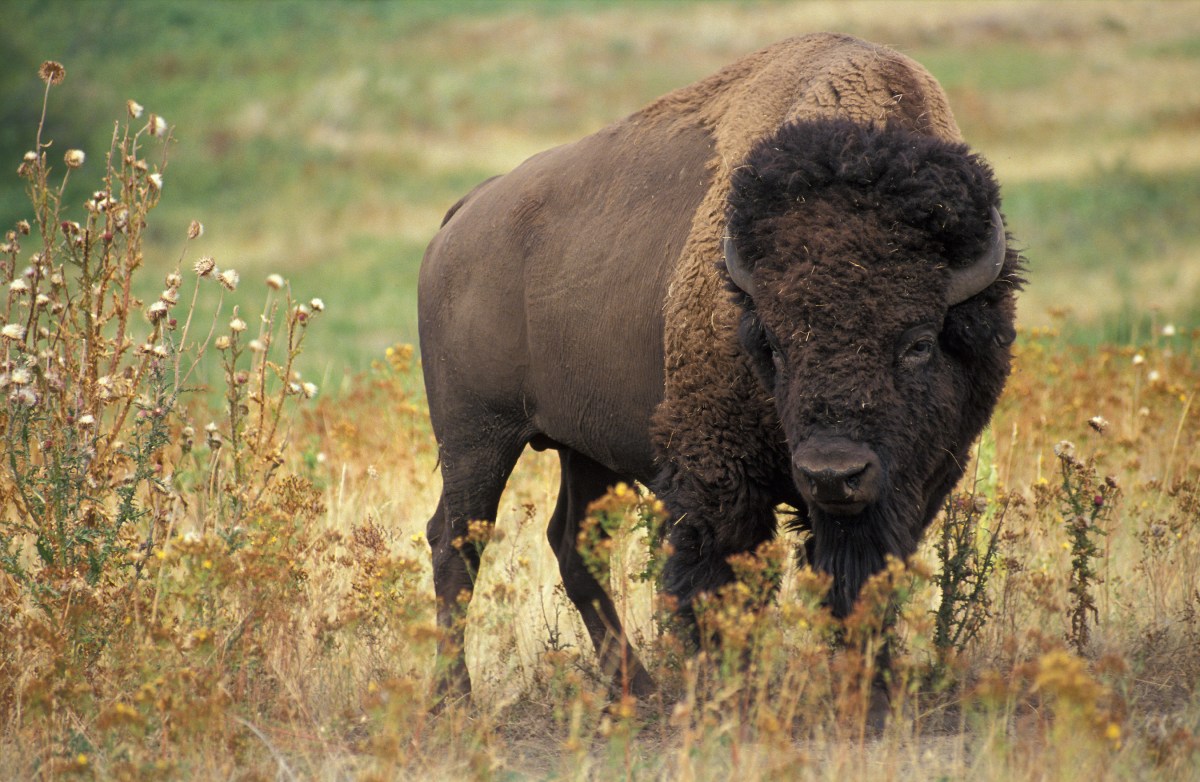
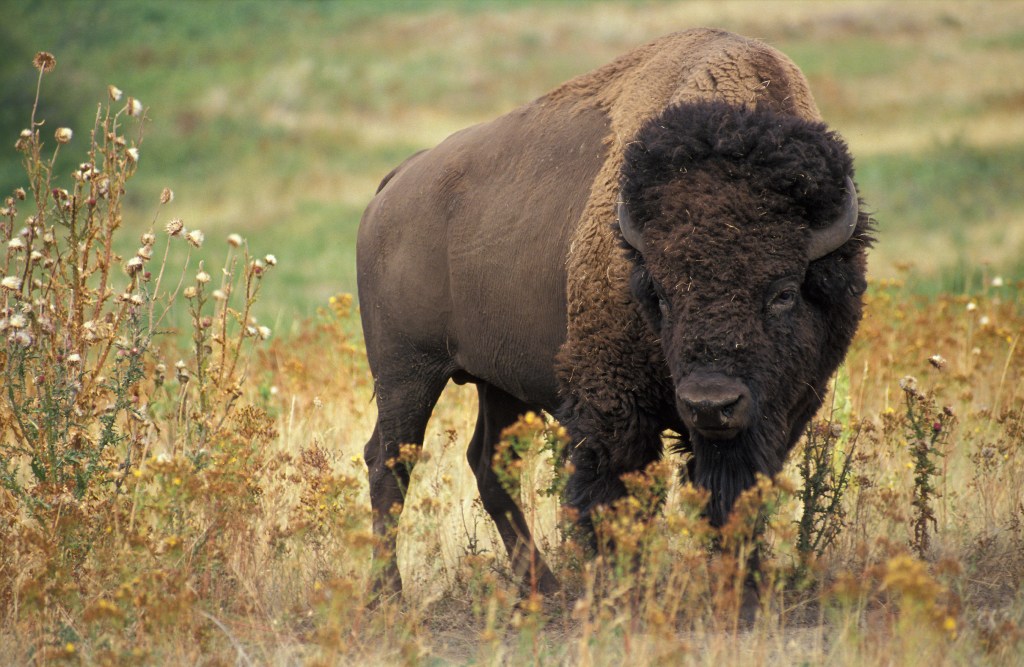
Scientists are helping users of American rangelands meet the challenge of managing multiple uses and sustainably. This picture is in the public domain because it contains materials that originally came from the Agricultural Research Service, the research agency of the United States Department of Agriculture. From Wikimedia commons author Jack Dykinga.
The reason for the extremely sharp decline of the Bison in the 19th century was because the U.S. government intentionally drove the bison to the brink of extinction. The American bison was a major resource for the traditional way of life of the native Americans and therefore the extermination of the Bison became an important tool in the efforts to subjugate Native Americans.
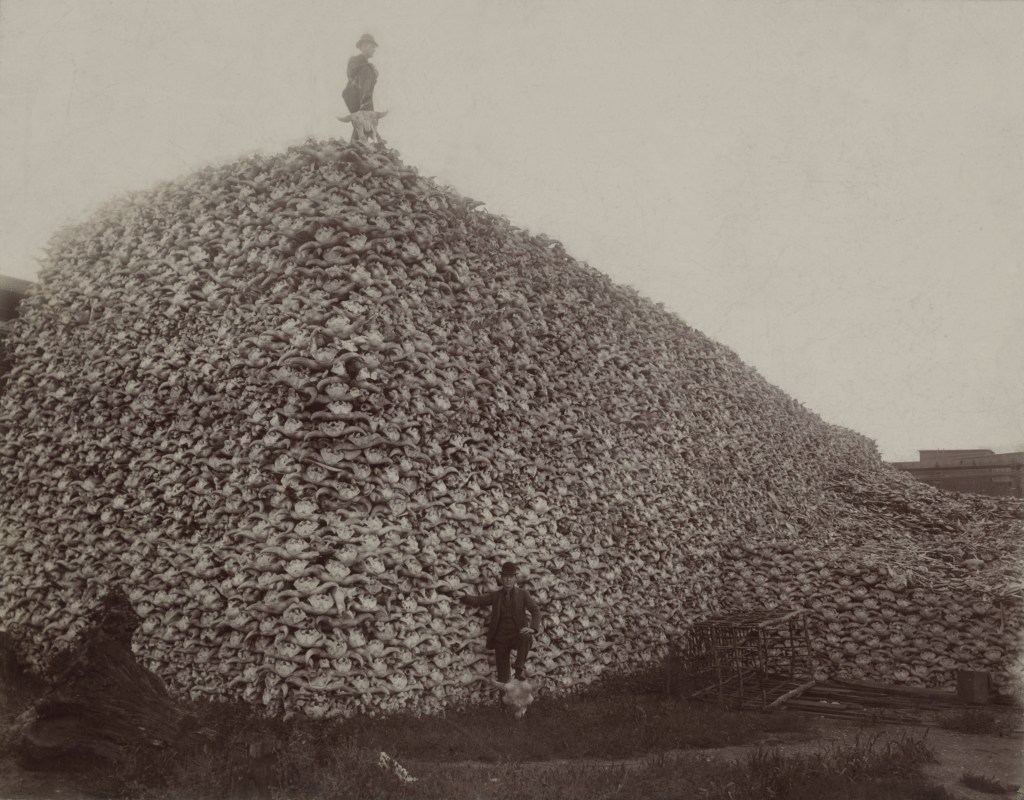
1892: bison skulls await industrial processing at Michigan Carbon Works in Rougeville (a suburb of Detroit). Bones were processed to be used for glue, fertilizer, dye/tint/ink, or were burned to create “bone char” which was an important component for sugar refining. In the 16th century, North America contained 25–30 million buffalo. This picture is in the public domain and taken from this Wikipedia.
I consider this a super fact because it is a shocking historical event that it seems many are unaware of. I was certainly surprised the first time I read about it.
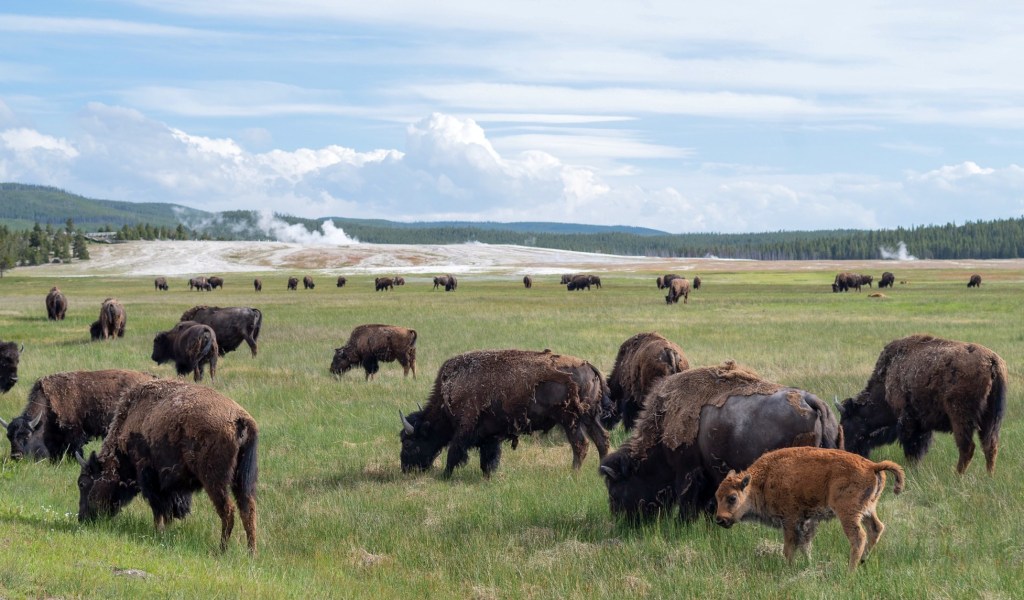
Herd of American bison grazing in a green meadow at Yellowstone National Park, with geysers and mountains in the background under a bright blue sky. Shutterstock asset id: asset id: 2688666937 by NicoleHFlores
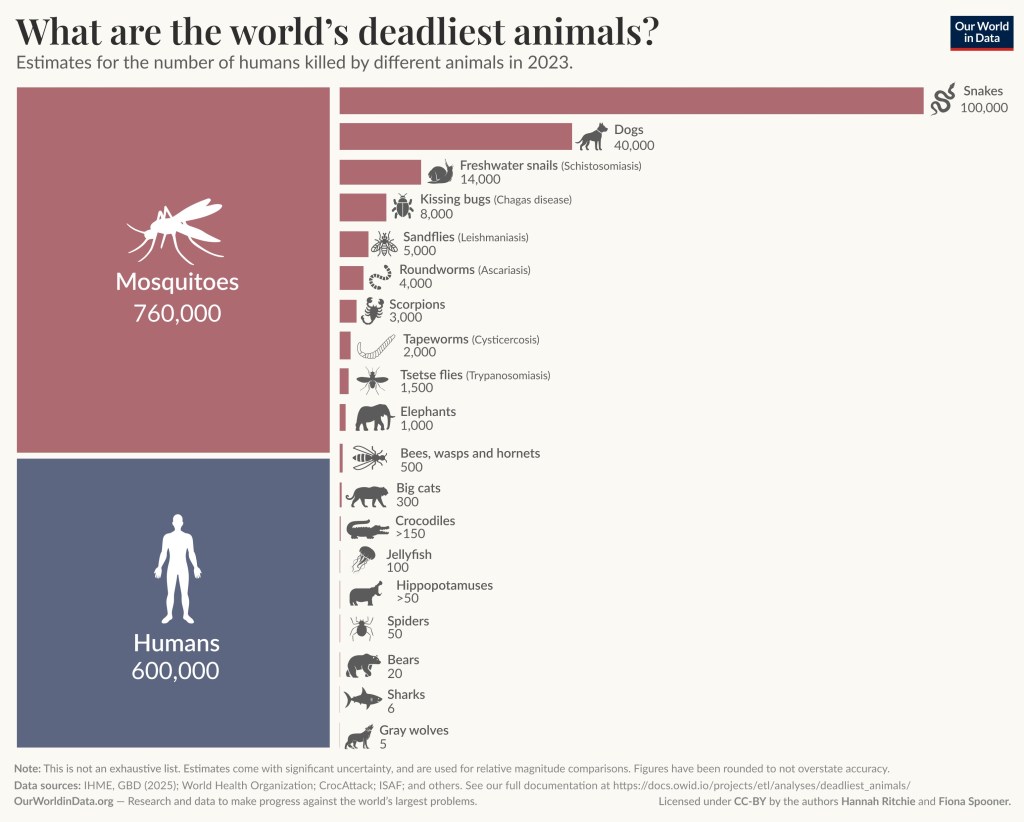
Super fact 98 : The deadliest animals in the world are mosquitos, snakes and dogs. Mosquitos kill an estimated 760,000 people each year. Snakes kill an estimated 100,000 people each year. Dogs kill an estimated 40,000 people each year. By comparison humans kill on average 600,000 other humans annually due to wars and violence.
Estimates for the number of humans killed by different animals in 2023. Note: This is not an exhaustive list. Estimates come with significant uncertainty and are used for relative magnitude comparisons. Figures have been rounded to not overstate accuracy. Data sources: IHME; GBD (2025); World Health Organization; CrocAttack; ISAF; and others. See the full documentation at https://docs.owid.io/projects/etl/analyses/deadliest_animals/OurWorldInData – Research and data to make progress against the world’s largest problems. Licensed under CC-BY by the authors Hannah Ritchie and Fiona Spooner.
The first time I heard that the deadliest animal in the world was the mosquito I was surprised. After I heard that the reason was all the diseases that mosquitos spread, such as malaria, dengue fever, and yellow fever, it made more sense to me. I recently learned that snakes kill 100,000 people every year. It surprised me because it seemed like a lot to me.
I was also surprised to learn that our best friends the dogs, come in as number three on the list of deadliest animals, at an annual kill rate of 40,000 people. Even though scorpions are not at the top of the list they kill 3,000 people annually, while spiders only kill 50 people. We have both venomous spiders and scorpions where I live, but I’ve been worried about spiders, not scorpions. It is also surprising to me that sharks only kill about 6 people per year. I guess my super fact 98 is a collection of facts regarding “killer animals” rather than one specific fact. I am hoping that at least one of the facts will be surprising to you.
I should mention that the numbers vary over time and different sources give different statistics. Therefore, the numbers should be seen as ballpark numbers and not exactly. However, Our World in Data is considered one reputable and highly reliable data source that is frequently cited in scientific journals, and access is free.
Mosquitos Kill 760,000 People Each Year
Mosquitos are the biggest killers of humans by far. 80% of those deaths are the result of malaria which is transmitted and spread by the Anopheles mosquito. We have made progress against malaria, and it used to be worse. In the 20th century 150 to 200 million people died from malaria, which is more than one and half million people per year. Smallpox killed 300 million people in the 20th century, but it was entirely eradicated by 1977 thanks to the smallpox vaccine. The two existing vaccines for malaria are relatively recent (2021 & 2023), not as effective as the smallpox vaccine was, and not yet as widely used, which is one reason malaria is still a major health concern.
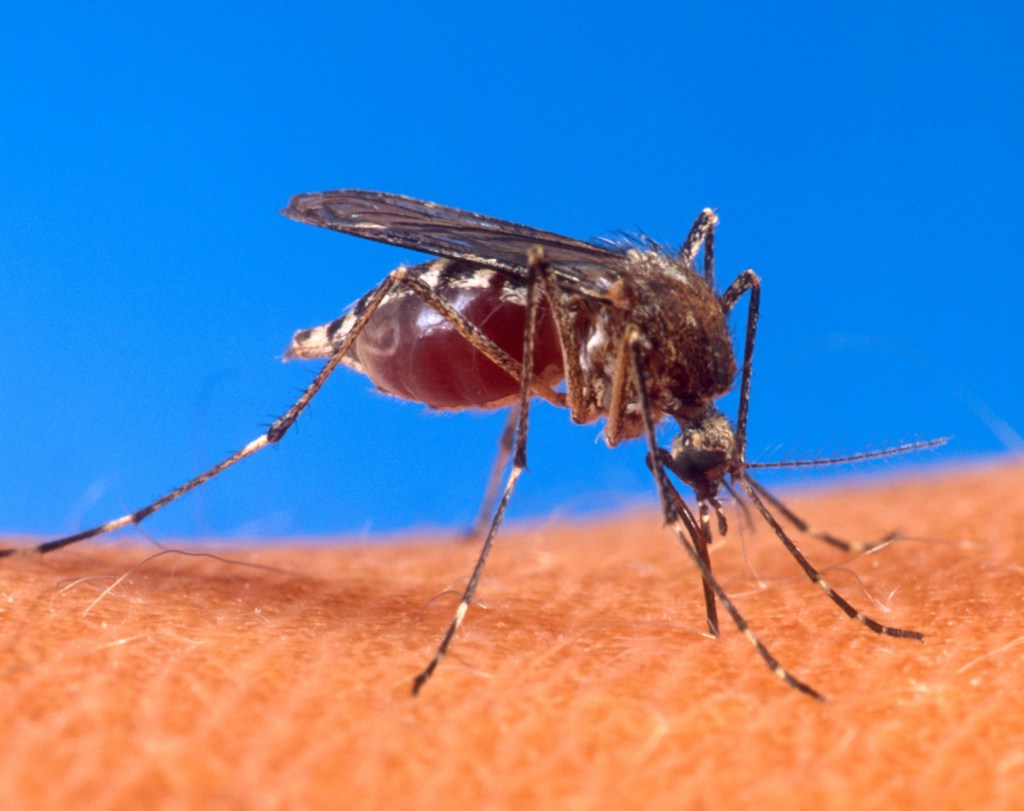
The Aedes aegypti mosquito, which spreads dengue fever and yellow fever. Original author: US Department of Agriculture; then denoised rescaled, enhanced with adaptive denoising filters and minimal resharpening, then unscaled to original resolution, for easier refitting at various resolutions., Public domain, via Wikimedia Commons.
In addition, mosquitos spread other diseases killing more than 100,000 people every year. Dengue fever, yellow fever and Japanese encephalitis, are a few of the more dangerous mosquito borne diseases.
Snakes Kill 100,000 People Each Year
The death toll from venomous snakes is uncertain but it is likely to be 100,000 deaths per year. The World Health Organization estimates that snake bites kill between 81,410 and 137,880 each year.
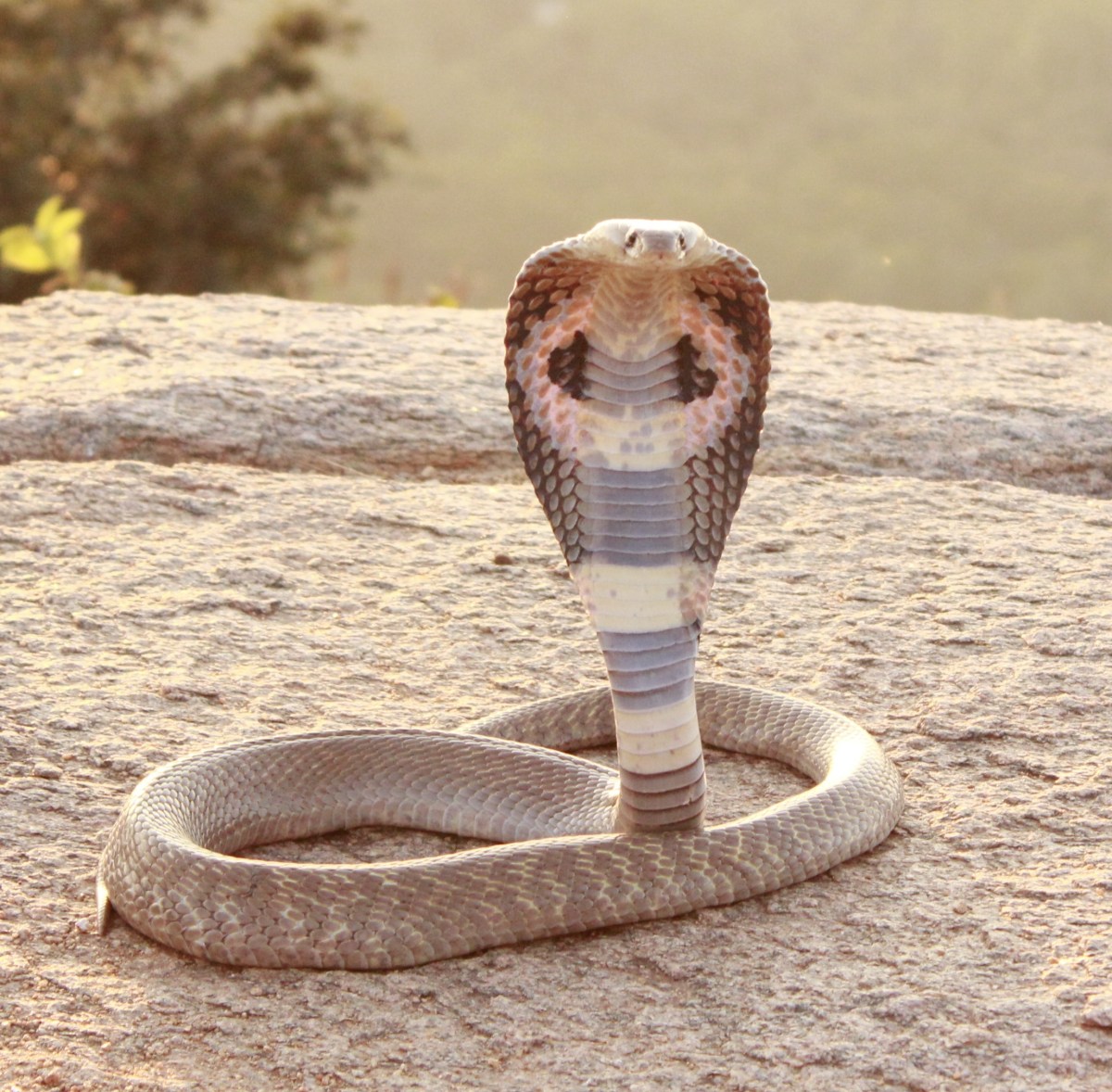
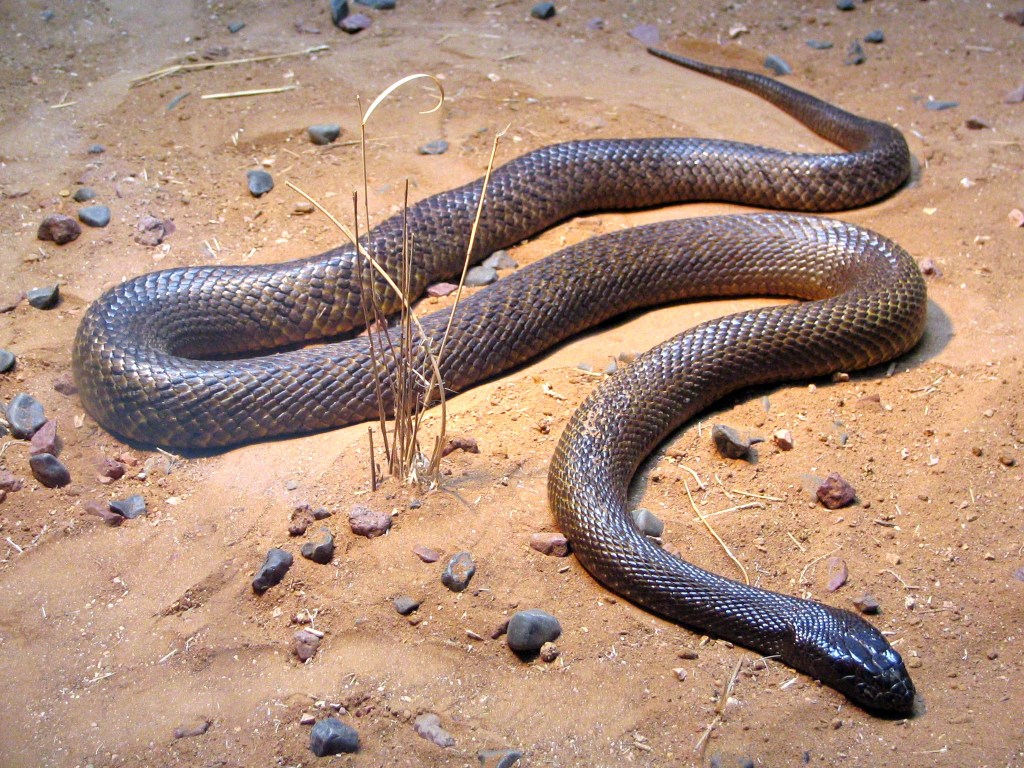
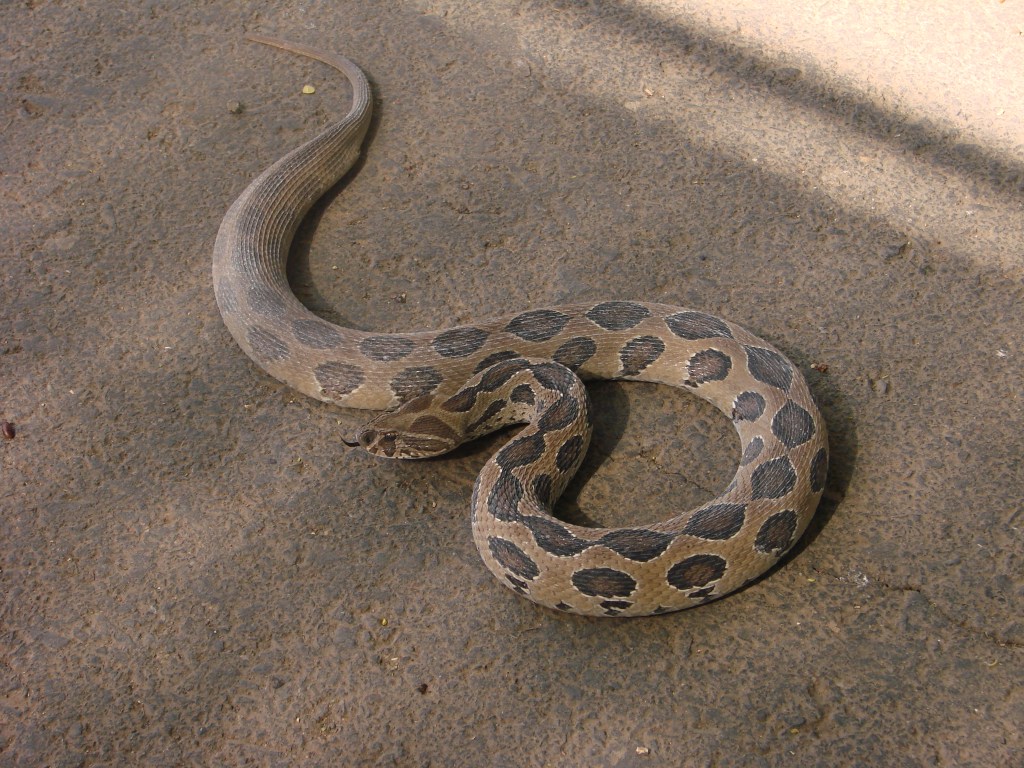
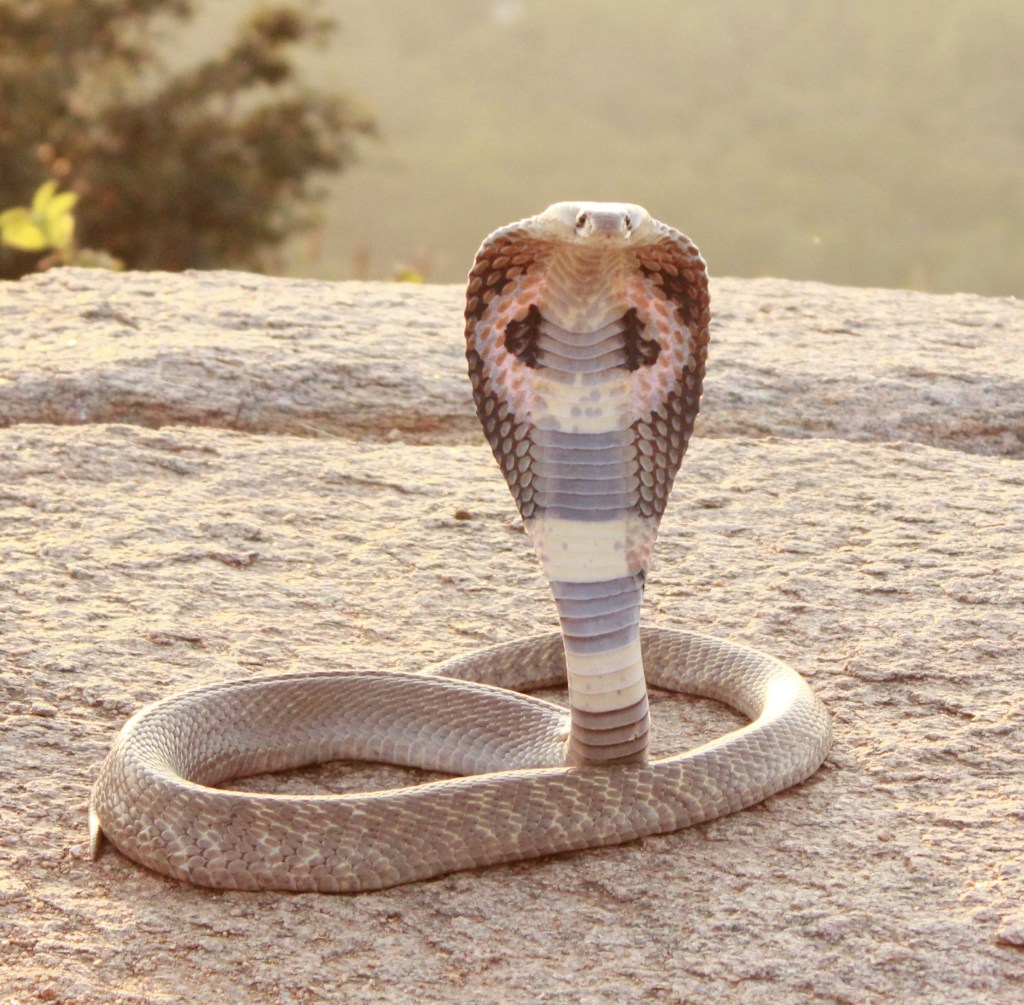
The most venomous snake in the world is the Inland Taipan. Its venom can kill over 100 people in a single bite. However, due to its shy nature and remote Australian habitat, no human deaths have been attributed to it. The most dangerous snake to humans, in terms of fatalities, is often considered the Russell’s viper, responsible for 25,000 deaths annually. Other snakes that kill several thousand people every year are the saw-scaled viper, the common krait, the Indian cobra in Asia, and the black mamba.
Did you kill 40,000 people? Actually, our mini-Australian Shepherd Rollo did not kill anybody.
Even though there are some large and dangerous dogs, most deaths caused by dogs is from rabies resulting from being bitten by a rabies infected dog. See the horror movie Cujo.
Freshwater Snails, Kissing Bugs, Sandflies, Roundworms are Mass Killers
Other critters that kill thousand of people every year are freshwater snails, kissing bugs, sandflies, and roundworms. These critters kill people by infecting them with dangerous parasites or as in the case of roundworms, being a dangerous parasite.
Scorpions Kill 3,000 People Each Year but Spiders Only 50
I was at an overnight outing with the guys at work. I had just moved to Texas. We were standing or sitting around the fire drinking beer when I asked a question. I’ve heard about the scorpions in Texas, but I’ve never seen any. How common are scorpions?
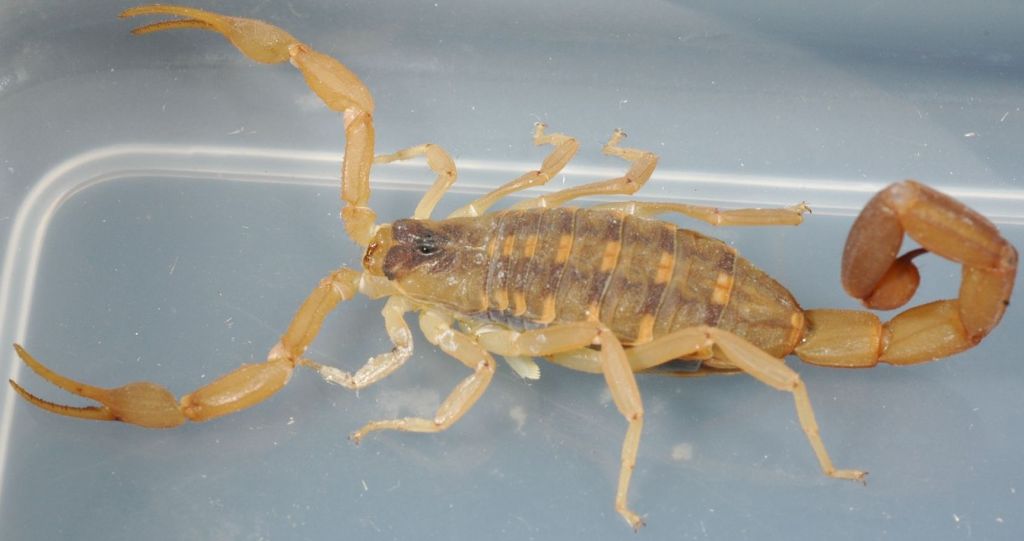
A coworker named Gary told me to turn around, so I did. Behind me was a tree, and the tree was covered by crawling scorpions. Well, I was glad I did not lean on it. The scorpions I saw were the striped bark scorpion.
The reason scorpions kill a lot more people than spiders is that some scorpion species have a very potent and deadly venom. Some spiders are dangerous too, but spiders tend to have less potent venom.
The Big Cats kill only 300 People Annually and Sharks Only 6
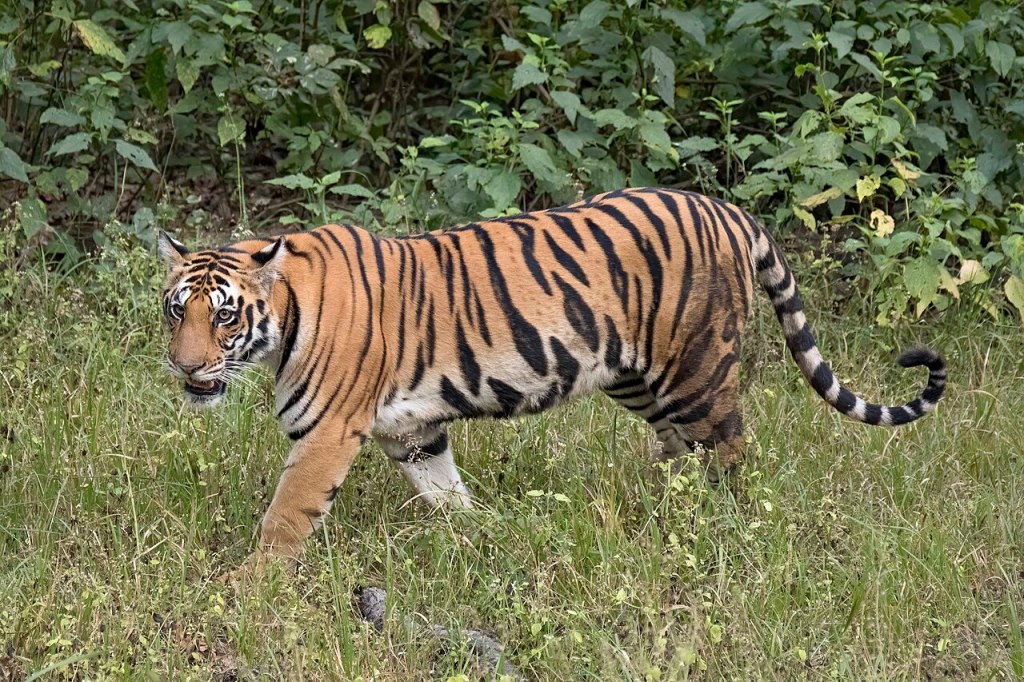
Would you prefer to stay in a room with a Tiger or with a mosquito? Mosquitos kill 760,000 people every year, whilst Tigers only kill a handful of people every year. However, Tigers don’t kill less people than mosquitos because they are less dangerous than mosquitos. The difference is exposure. Mosquitos are everywhere but not Tigers. If Tigers were as common as people and everywhere people were, the numbers probably would be different.
Bengal tiger (Panthera tigris tigris) female, Kanha National Park, India. Attribution: Charles James Sharp.
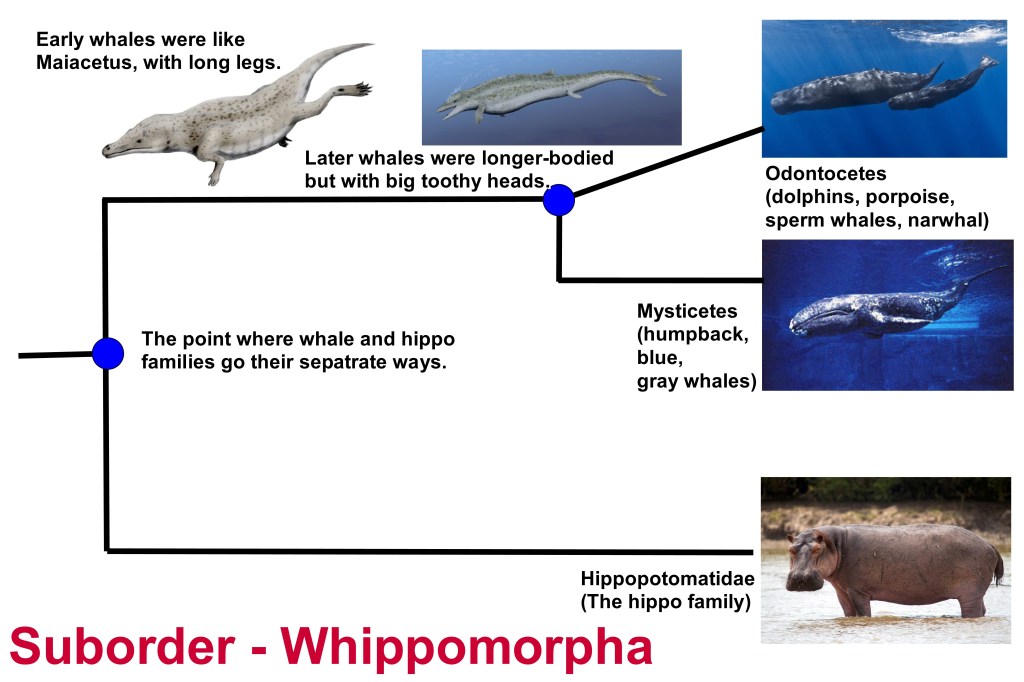
Super fact 85 : Scientists recognized that whales descended from land animals already in the 19th century. However, it was not until the 1980’s that intermediate fossils for whale evolution were found. In addition, molecular and genetic / DNA studies showed that Hippopotamus and whales were closely related. Until then the evolution of whales was a bit of a mystery and creationists frequently mocked the lack of intermediate fossils for whale evolution.
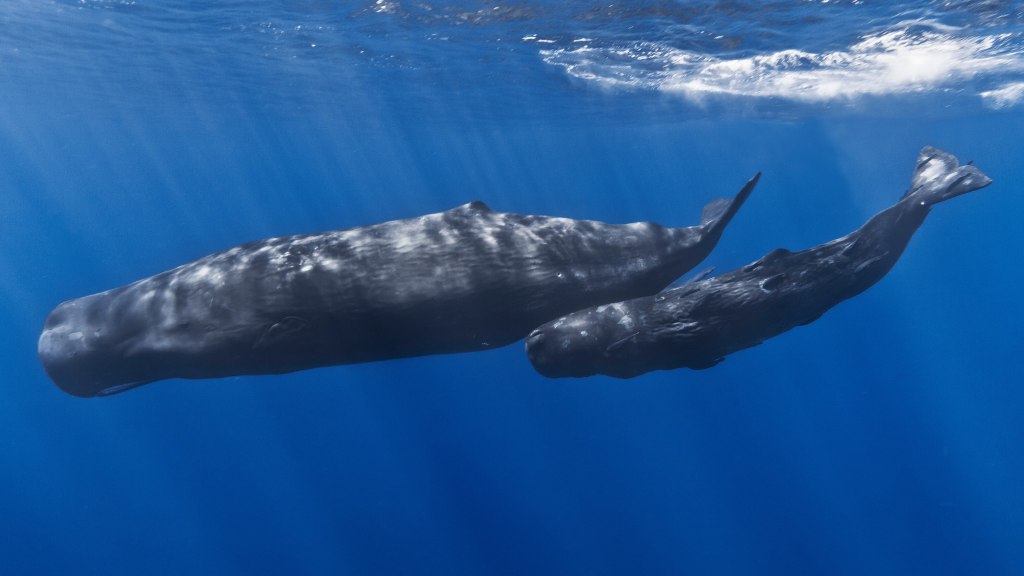
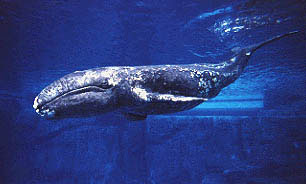
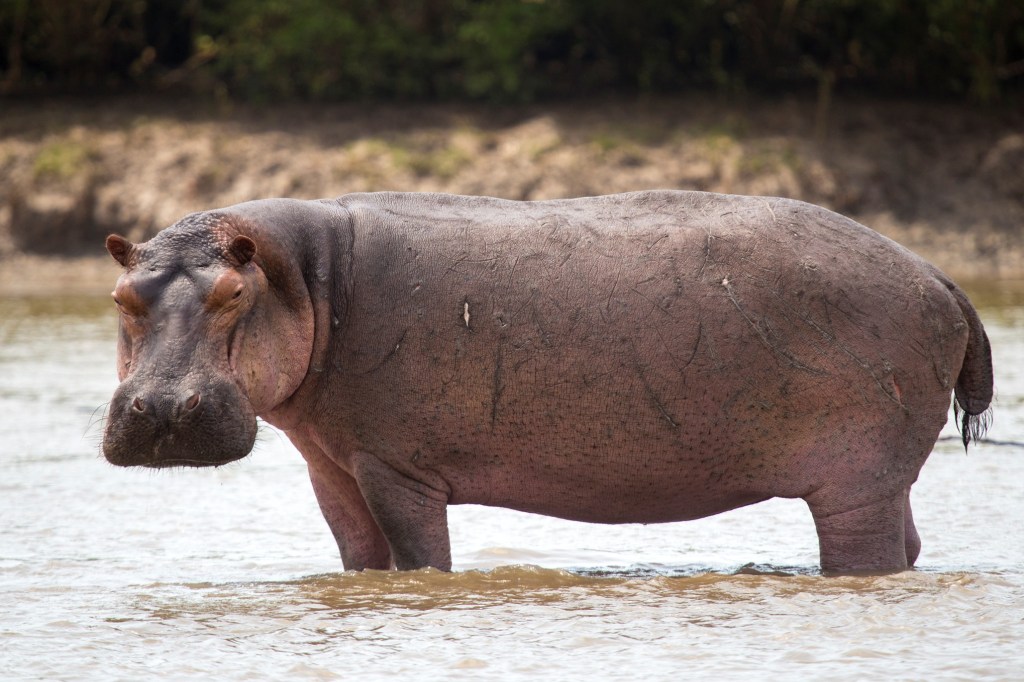
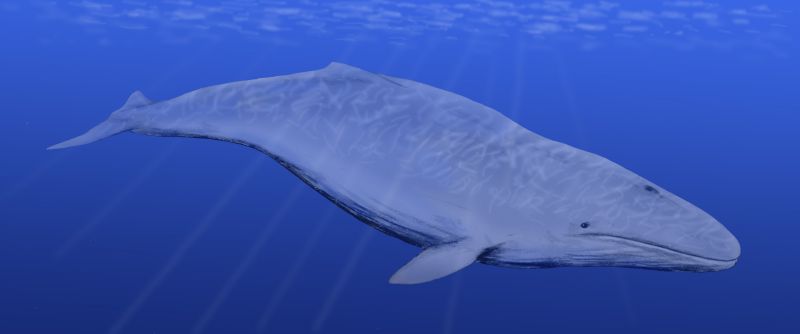
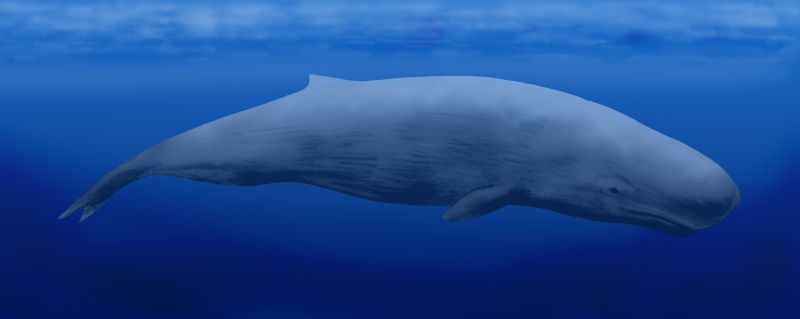
All living cetaceans including whales, dolphins, porpoises, sperm whales and hippopotamids / hippopotamus belong to a suborder of artiodactyls called whippomorpha. Just like humans and chimpanzees have a common ancestor hippopotamus and whales have a common ancestor. Note: I created this image by inserting a few pictures from Wikipedia commons including a mother sperm whale and her calf off the coast of Mauritius, a gray whale in captivity, a hippopotamus and two pre-historic whales (from the section Evolution of Whales – Intermediate Fossils). All pictures are shown below.Sperm whales from Wikimedia commons. A mother sperm whale and her calf off the coast of Mauritius. The calf has remoras attached to its body.A gray whale in captivity. Marine Mammal Commission, Public domain, via Wikimedia Commons.Portrait of a Hippopotamus in water in Saadani National Park. Muhammad Mahdi Karim, CC BY-SA 4.0 <https://creativecommons.org/licenses/by-sa/4.0>, via Wikimedia Commons.
Scientists realized hundreds of years ago that whales were a lot more like mammals than fish, in fact they were mammals. However, the fact that no intermediate fossils between land dwelling mammals and whales had been found presented a mystery and attracted the mockery by creationists. It was said that there was a missing link. Then intermediate fossils were found, and then a lot more of them.
In addition, DNA analysis of modern whales and hippopotamus showed that they were related and had a common ancestor. Just like chimpanzees and humans have a common ancestor, but chimpanzees are not an ancestor to humans, hippopotamus and whales have a common ancestor, but whales did not evolve from hippopotamus. To read more about the evolution of whales click here, or here, or here, or here, or here, or here, or here.
The thing with gaps in the fossil record or so called missing links is that as they are filled out new gaps are created, smaller gaps. Therefore, you can always claim that there are gaps. So be careful when you hear creationists speaking of missing links or gaps in the fossil record. Instead focus on the intermediate fossils that we have found and keep finding.
The fact that we’ve found a lot of intermediate fossils for the evolution of whales and that DNA tells us that Hippos and Whales are related and have a common ancestor probably comes as a surprise to many. It was certainly a surprise to me when I heard it the first time. It is true and kind of important to know. Therefore, I consider this a super fact.
Evolution of Whales – Intermediate Fossils
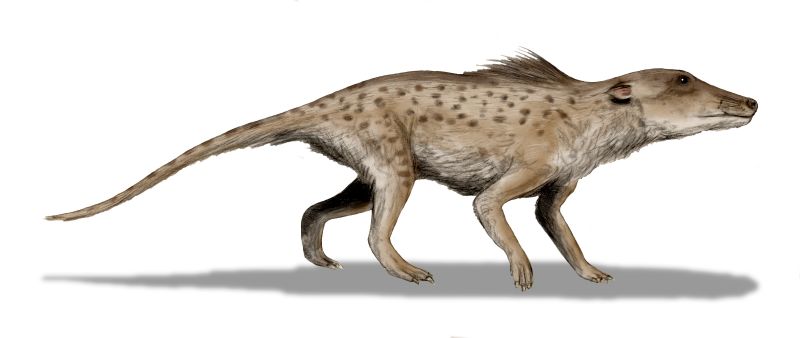
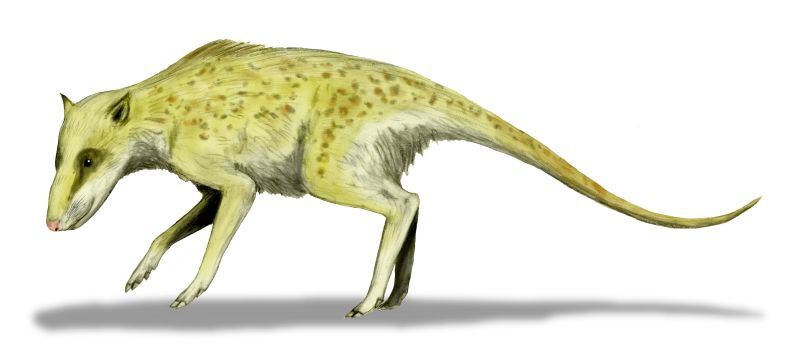
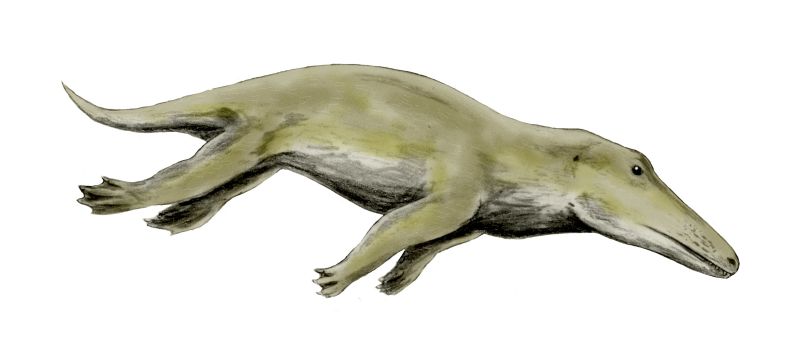
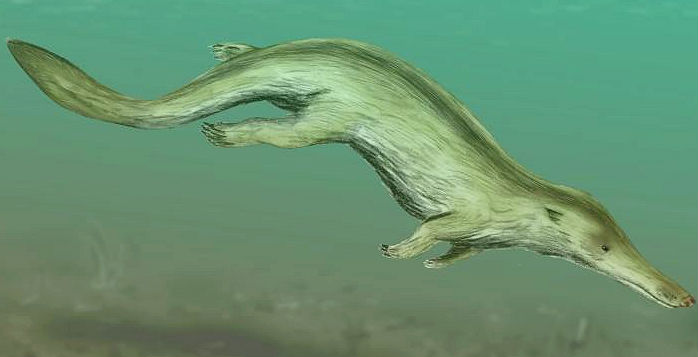
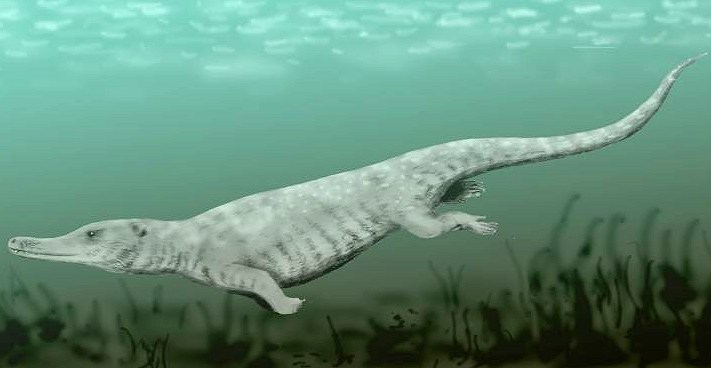
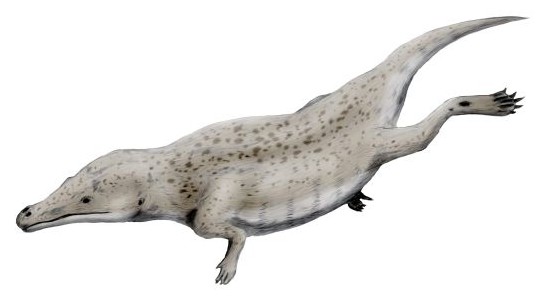
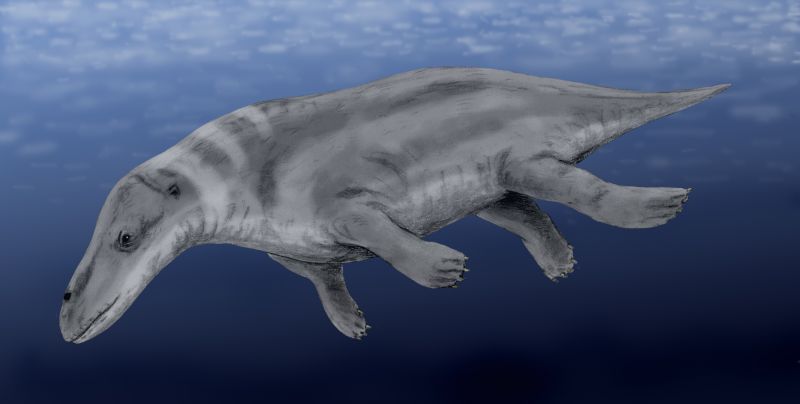
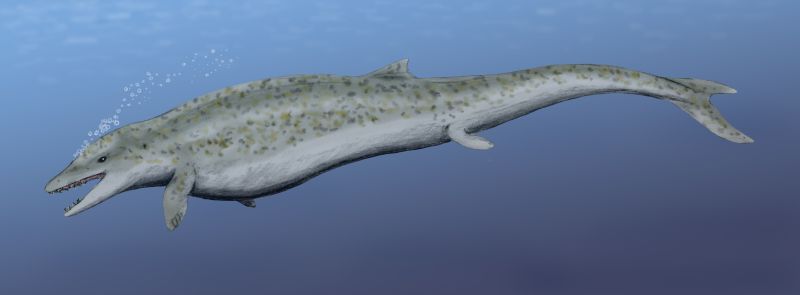
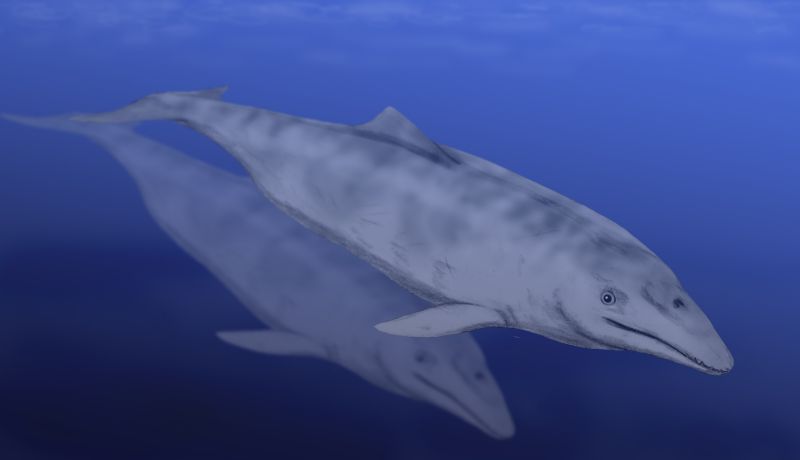
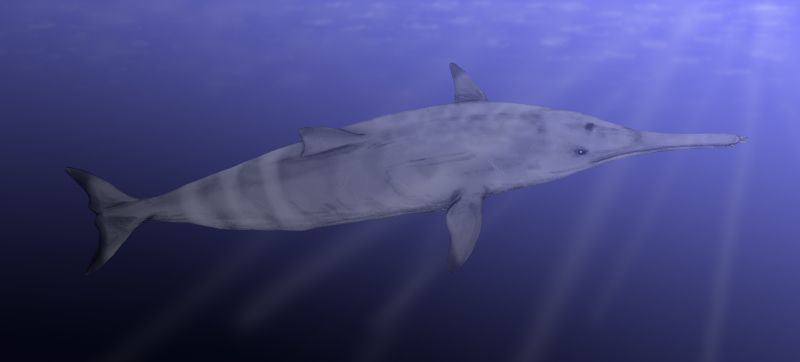
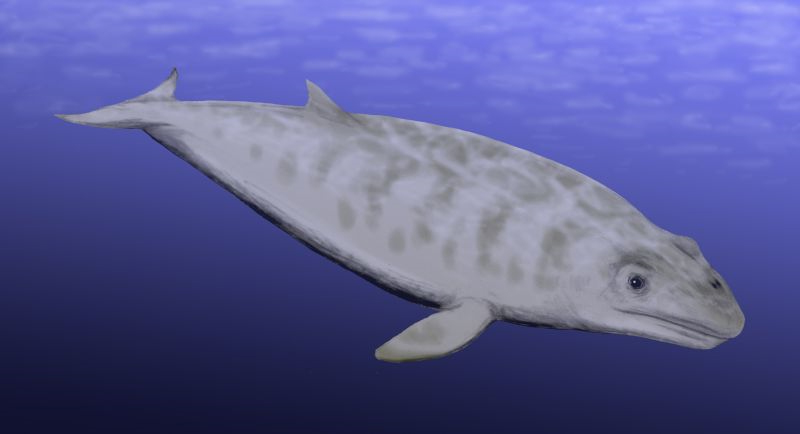
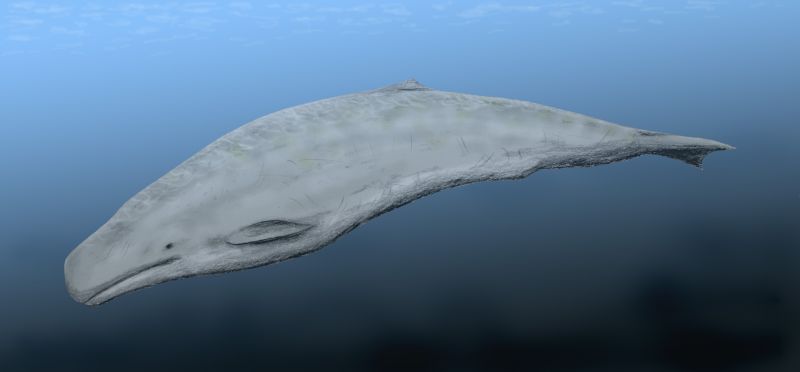
The first intermediate fossil found between land mammals and whales was Pakicetus found in Pakistan in 1983. You may wonder how we know that Pakicetus was related to whales. This evidence includes its fossilized ear bone (auditory bulla), which possesses a unique, thickened shape called an involucrum that is found only in cetaceans. Pakicetus also shares whale-like teeth, an ankle bone and a skull structure similar to other early whale like creaturs. Since the discovery of Pakicetus a lot more whale ancestors (intermediate fossils) have been found. Below is a list with illustrations of the various intermediate fossils.
Super fact 84 : Modern birds are classified as part of the clade Dinosauria. They are direct descendants of small, feathered maniraptoran dinosaurs that survived the Cretaceous-Paleogene extinction event 66 million years ago. Maniraptoran dinosaurs in turn are a major subgroup of coelurosaurian theropod dinosaurs. In other words, birds are avian dinosaurs.
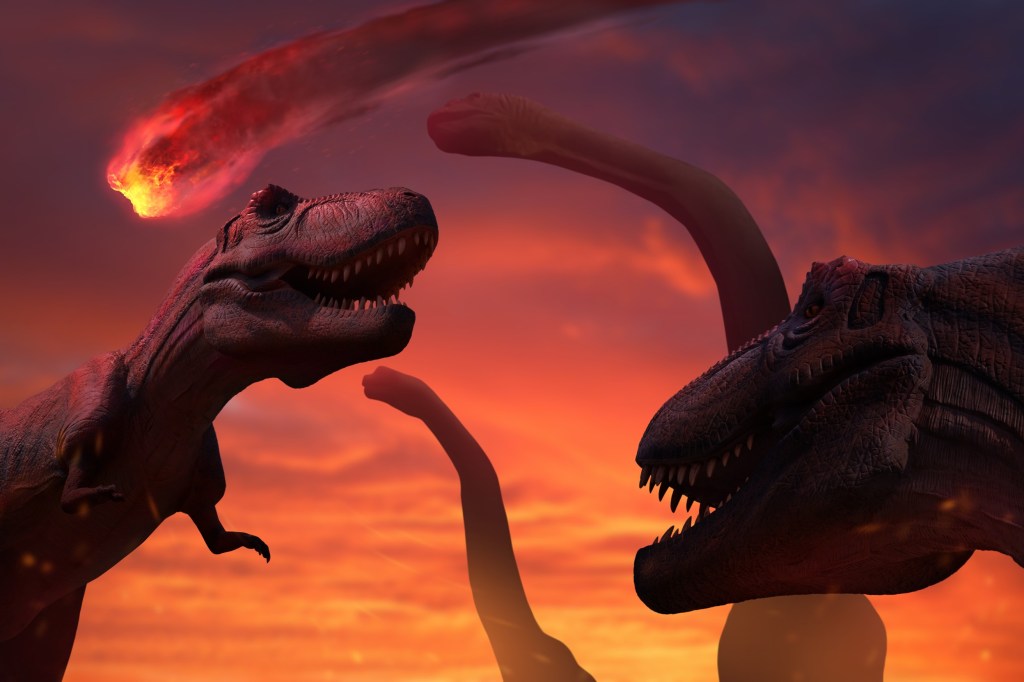
Some dinosaurs survived the Cretaceous-Paleogene extinction event 66 million years ago. Shutterstock Asset id: 2196200279 by funstarts33
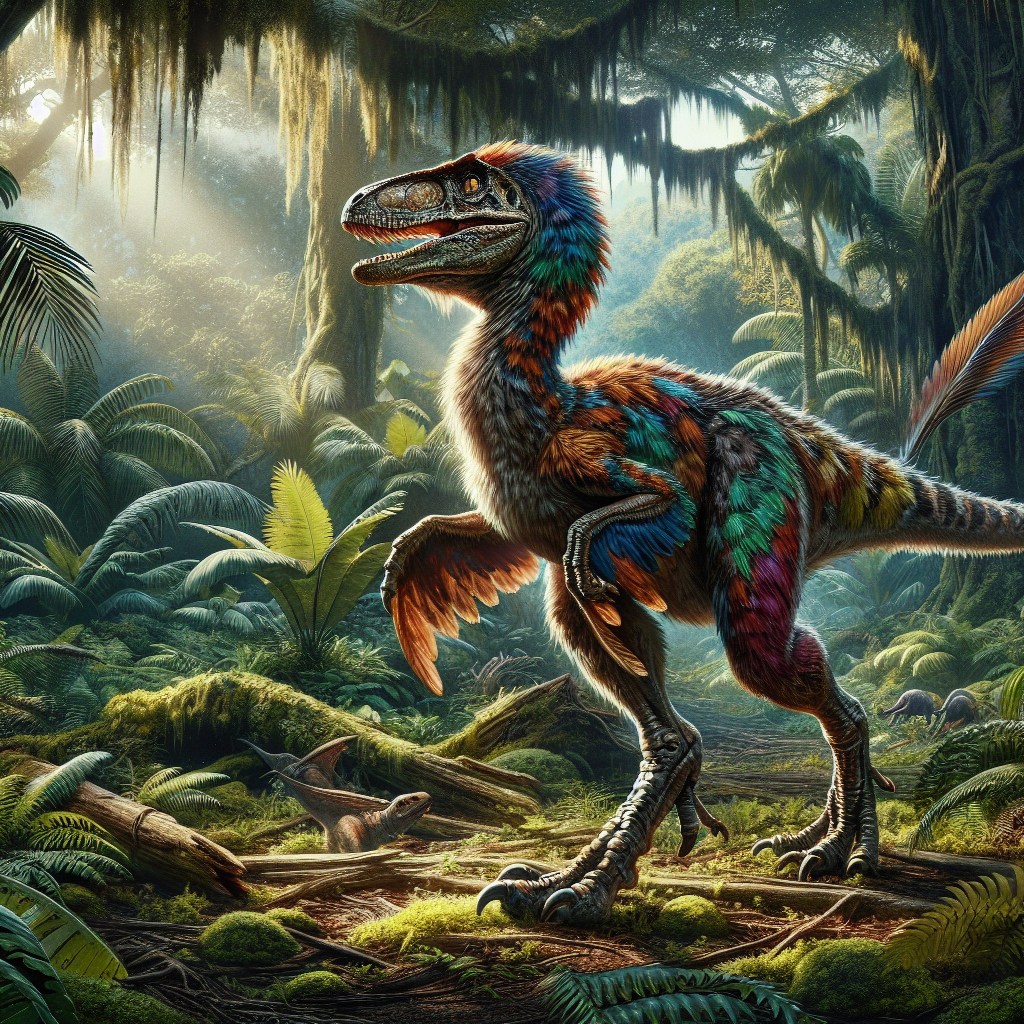
Birds are descendants of specialized maniraptoran theropod dinosaurs that survived the extinction event that killed most dinosaurs 66 million years ago. Maniraptoran dinosaurs in turn are a major subgroup of Tyrannoraptora, which include the well-known Tyrannosaurus Rex. Tyrannoraptora in turn is a major subgroup of coelurosaurian theropod dinosaurs. Both the well-known dinosaur called velociraptor, and birds belong to the group Maniraptora. Even though the velociraptor was not a bird they shared many bird-like features, including feathers, wishbones, hollow bones, and similar wrist joints.
Velociraptor with feathers (well a little bit). Shutterstock Asset id: 2636534673 by Shutterstock AI Generator
Birds evolved during the Jurassic period from two-legged, carnivorous, and often feathered dinosaurs, and are the only surviving dinosaurs. They have been classified as avian dinosaurs since the 1980’s. In other words, they are dinosaurs. Initially feathers evolved among dinosaurs for insulation, sexual display, and camouflage rather than flight. One of the early birds was Eoconfuciusornis. It lived 131 million years ago, long before the Cretaceous-Paleogene extinction event 66 million years ago. Eoconfuciusornis could fly and it had colorful feathers.
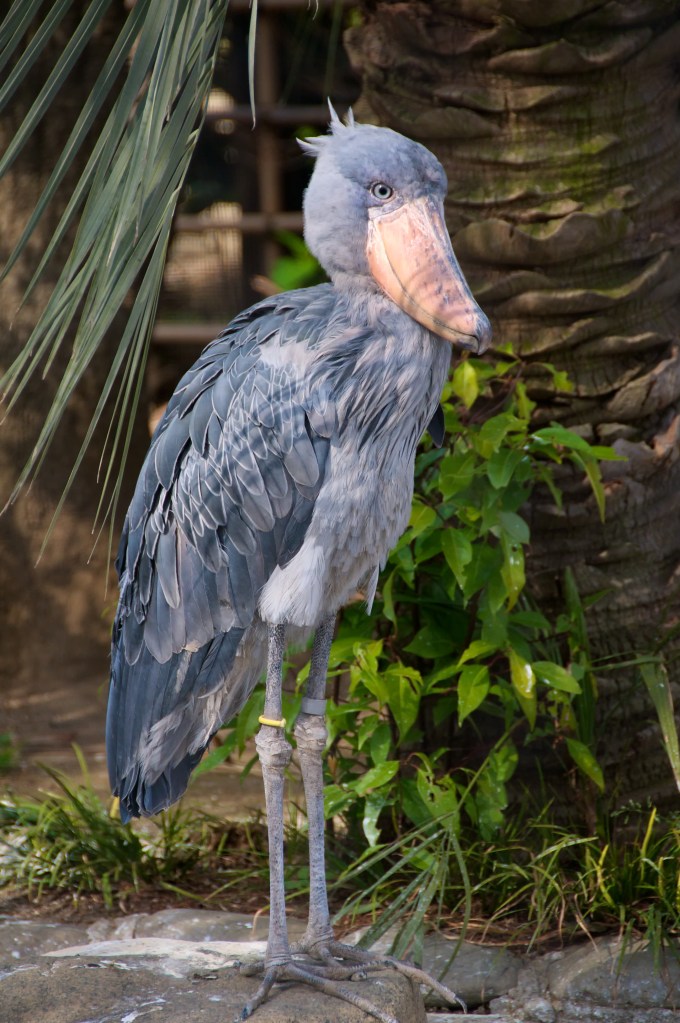
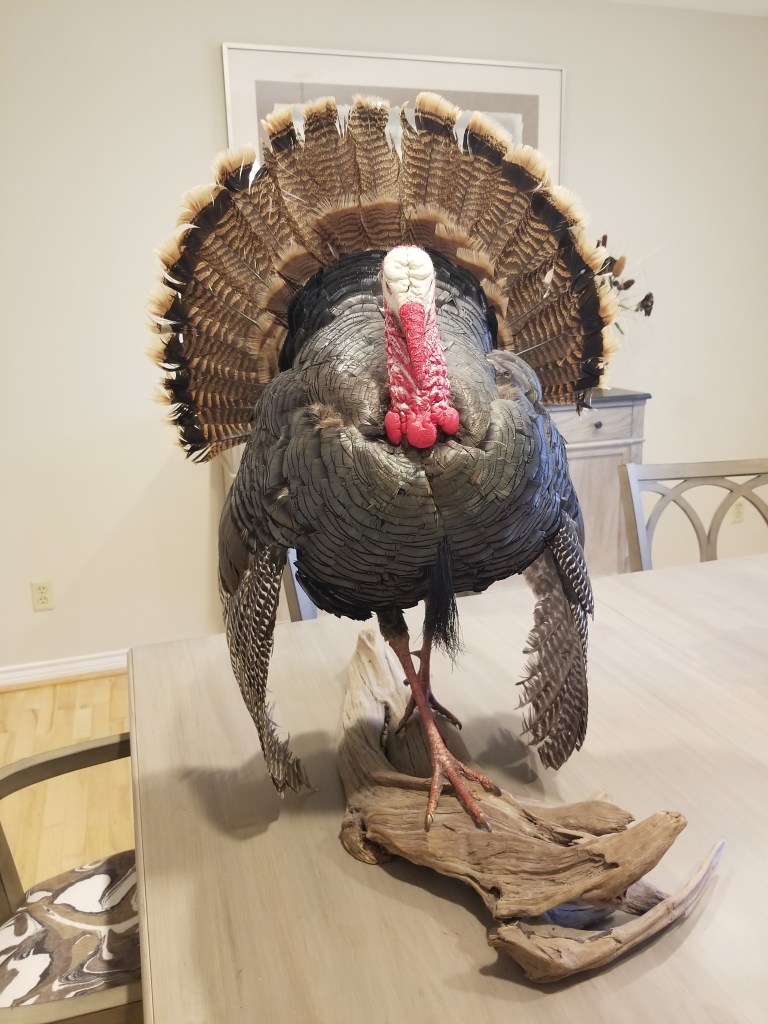
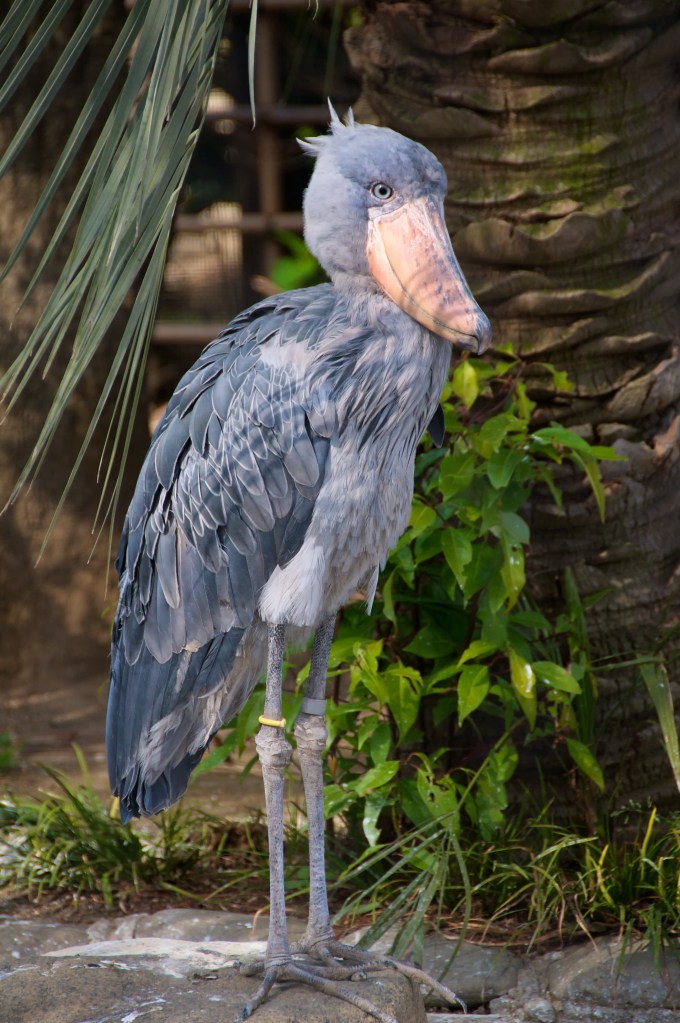
I brought up this fact in a recent post and I hinted that it was a super fact. It is true, surprising and kind of important. After all birds are all around us. In this post I am exploring the fact that birds are dinosaurs a little bit more than I did in my previous post. Below are a couple of modern birds.
A shoebill stork standing at Ueno Zoo, Tokyo, five feet tall. Bob Owen, CC BY 2.0 https://creativecommons.org/licenses/by/2.0, via Wikimedia CommonsA wild turkey in our dining room.
Feathered Dinosaurs
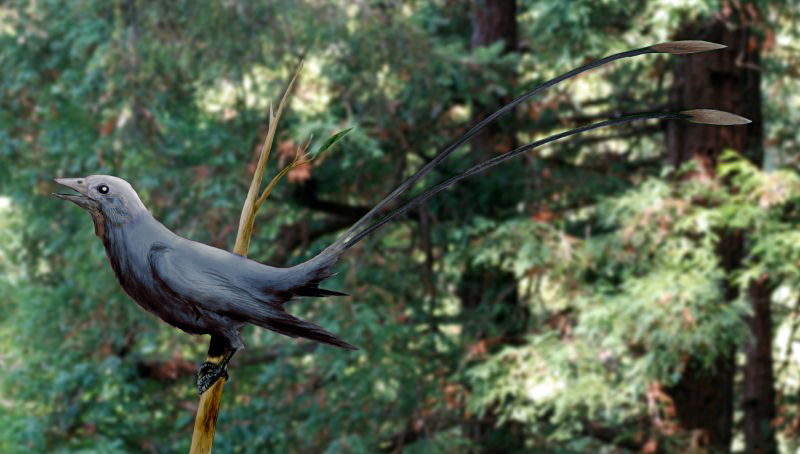
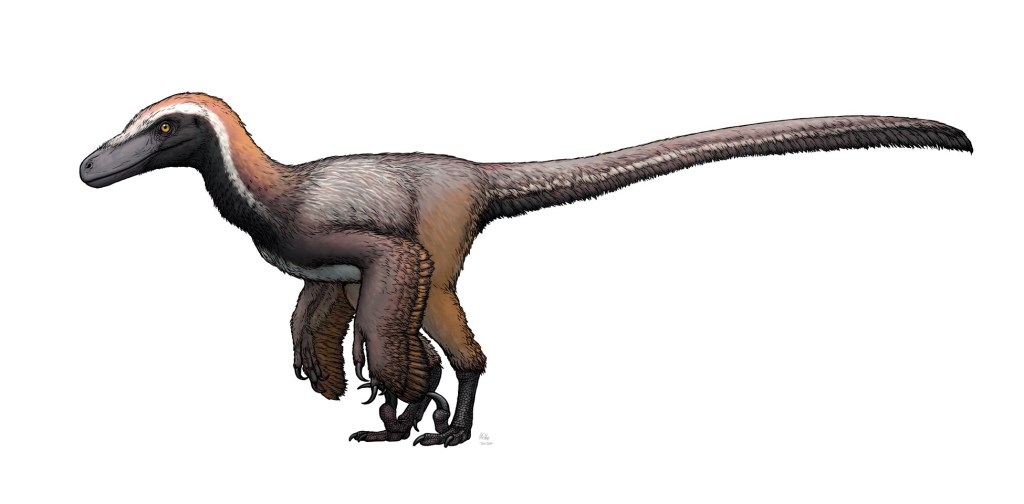
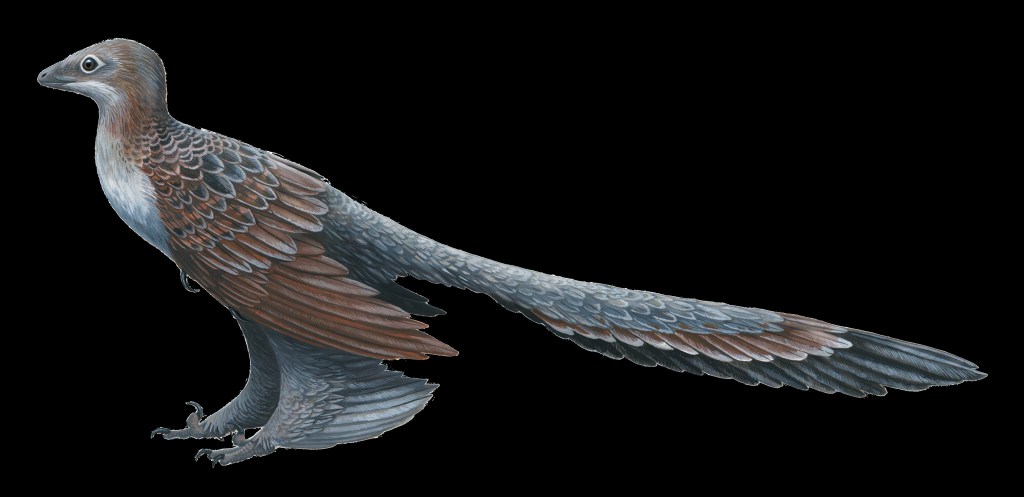
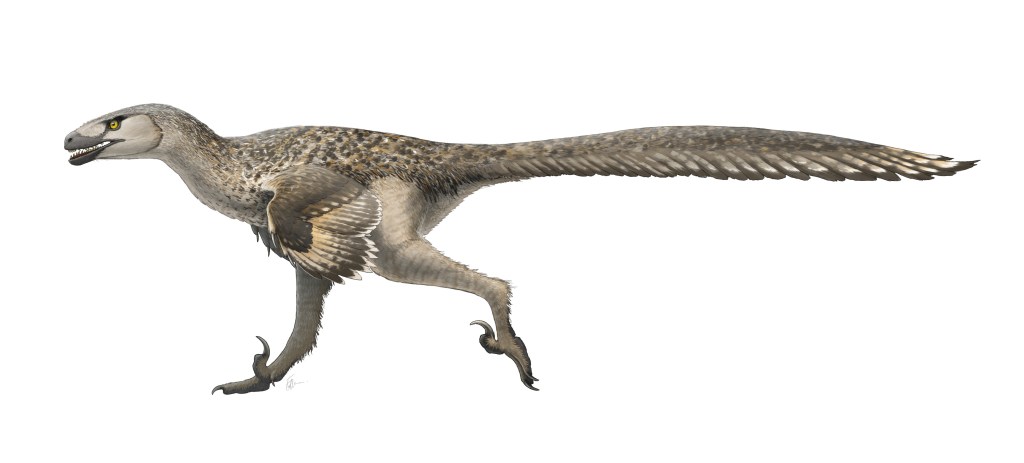
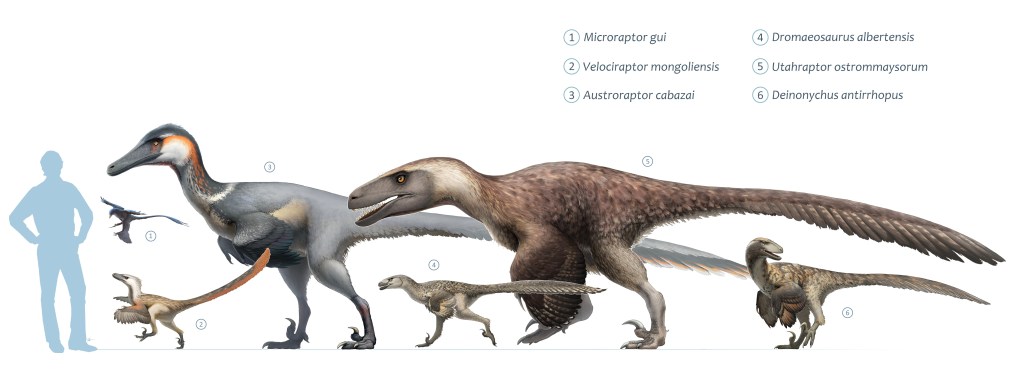
A lot of dinosaurs had feathers, and some could fly. That included many types of dinosaurs other than birds. Dinosaurs with feathers include, for example, Velociraptor, Deinonychus, Archaeopteryx (could fly), Microraptor (could fly), Rahonavis (could fly), Gallimimus, Ornithomimus, Yutyrannus huali, Psittacosaurus, Psittacosaurus, Sinosauropteryx, Sinornithosaurus, Eoconfuciusornis, Wulong, Psittacosaurus, Sciurumimus, Kulindadromeus, Caudipteryx, Utahraptor, Deinonychus, and even young T-Rex and many others. We know that at least some dinosaurs had feathers as well as colors based on fossil finds. Below are some illustrations.
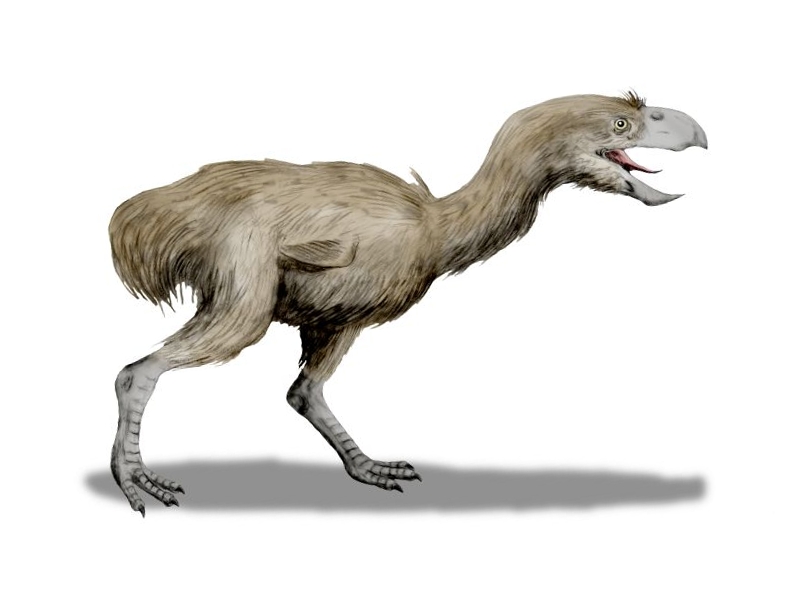
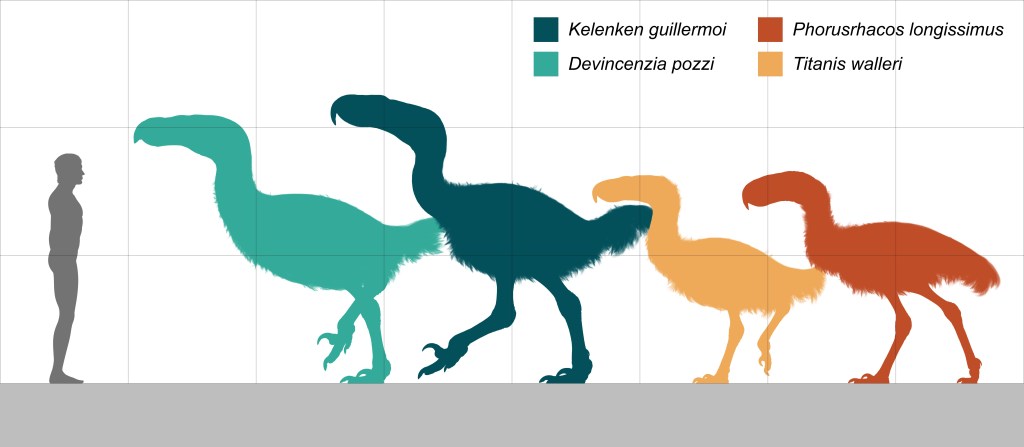
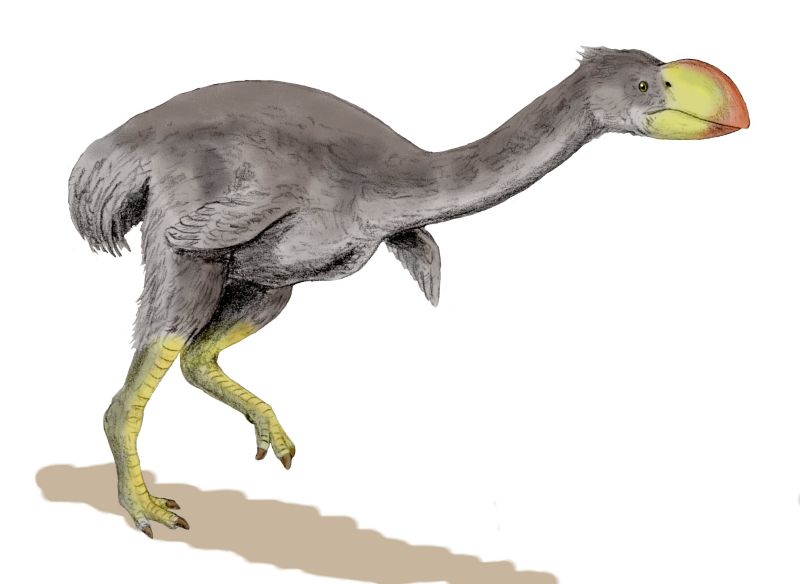
After the Cretaceous-Paleogene extinction event 66 million years ago birds continued evolving. Some of them became large standing 1 – 3 meters (3-10 feet) and weighing hundreds or even thousands of pounds. From about 53 million years ago until 100,000 years ago there were large birds that we refer to as Terror Birds. They lived at the same time as humans. However, there were other large and scary birds. Dromornis stirtoni was a flightless bird that lived 7-8 million years ago, it was over three meters in height (10 feet) and weighed 500-600 kilograms (1,100 to 1,300 pounds). Below are some illustrations.
This is not a super fact post but a post featuring ten wind blowing facts about birds. Let me rephrase that, ten mind blowing facts about birds. Sorry for flying that pun in your face.
My super facts are true based on reputable sources, despite being surprising or disputed. A super fact is also important and educational, unlike typical trivia. I consider the last seven bird facts below to be trivia and therefore not super facts. However, I hope my ten bird facts will at least raise some eyebrows and be somewhat educational. I have listed the ten facts below and if you want to learn more about them you can read the rest of the post.
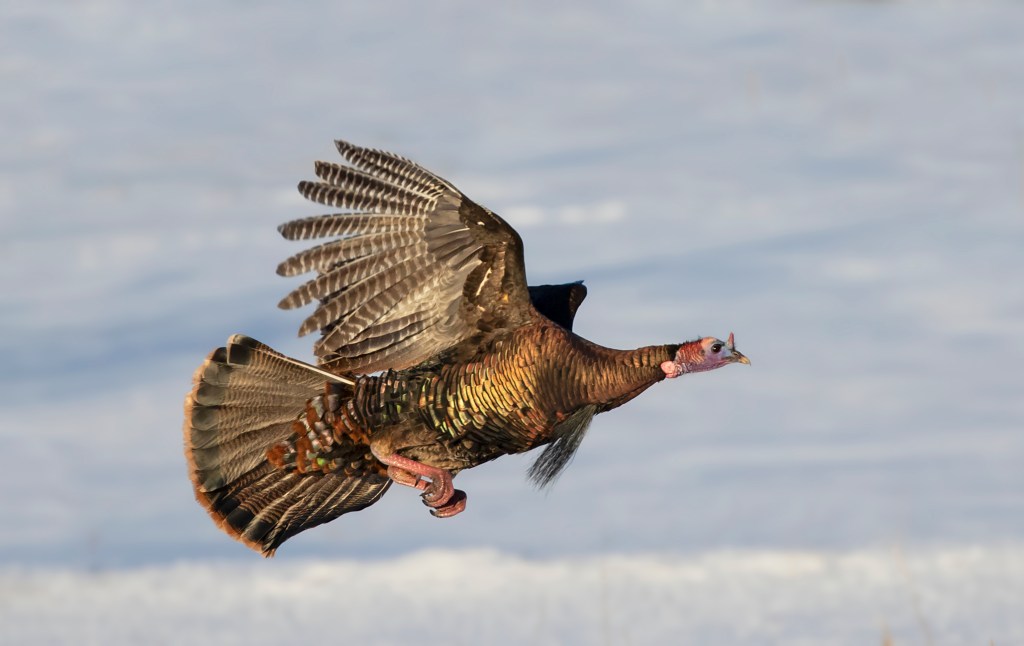
Domesticated Turkeys and Wild Turkeys are the same species, but Wild Turkeys can fly distances of more than a mile, sometimes at speeds of 55 miles per hour. I’ve seen it with my own eyes on turkey hunts. I’ve seen turkeys fly, flap their wings, take off and glide across the sky at the height of 30-50 feet. You can read more about it here and here. Below is a video showing wild Turkeys flying.
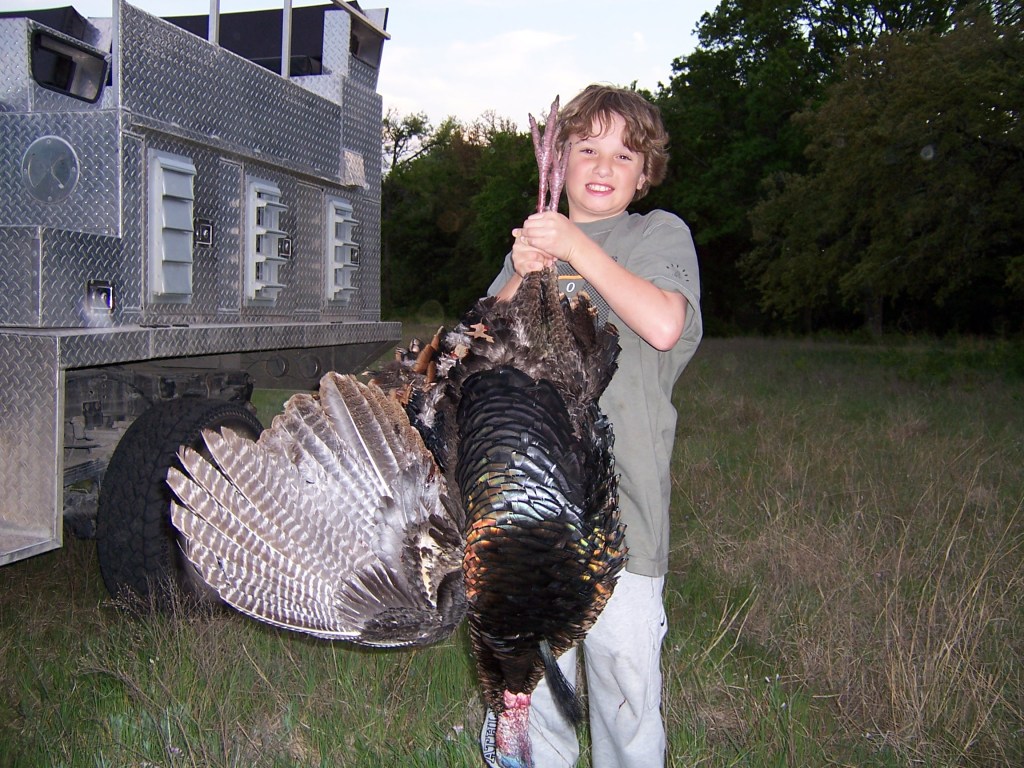
Eastern Wild Turkey Meleagris gallopavo flying over the snow in Ottawa, Canada Stock Photo ID: 1358163995 by Jim Cumming.My son holding the wild turkey he shot.
Birds Are Dinosaurs
Birds are descendants of specialized maniraptoran theropod dinosaurs that survived the extinction event that killed most dinosaurs 66 million years ago. They evolved during the Jurassic period from two-legged, carnivorous, and often feathered dinosaurs, and are the only surviving lineage of this group. They have been classified as avian dinosaurs since the 1980’s. In other words, they are dinosaurs. Initially feathers evolved among dinosaurs for insulation, sexual display, and camouflage rather than flight.
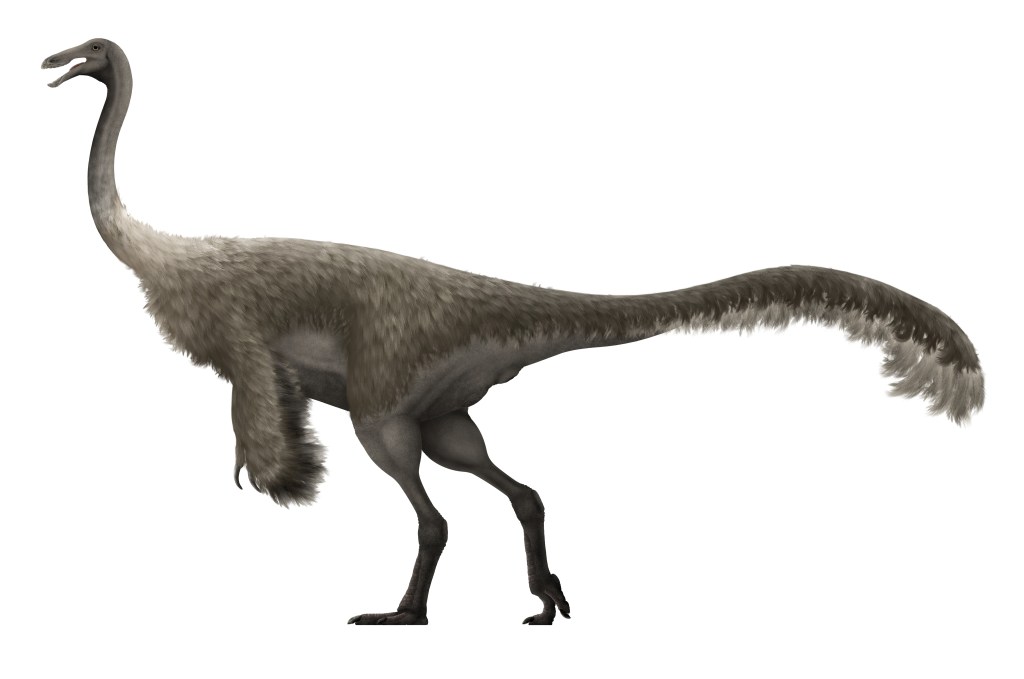
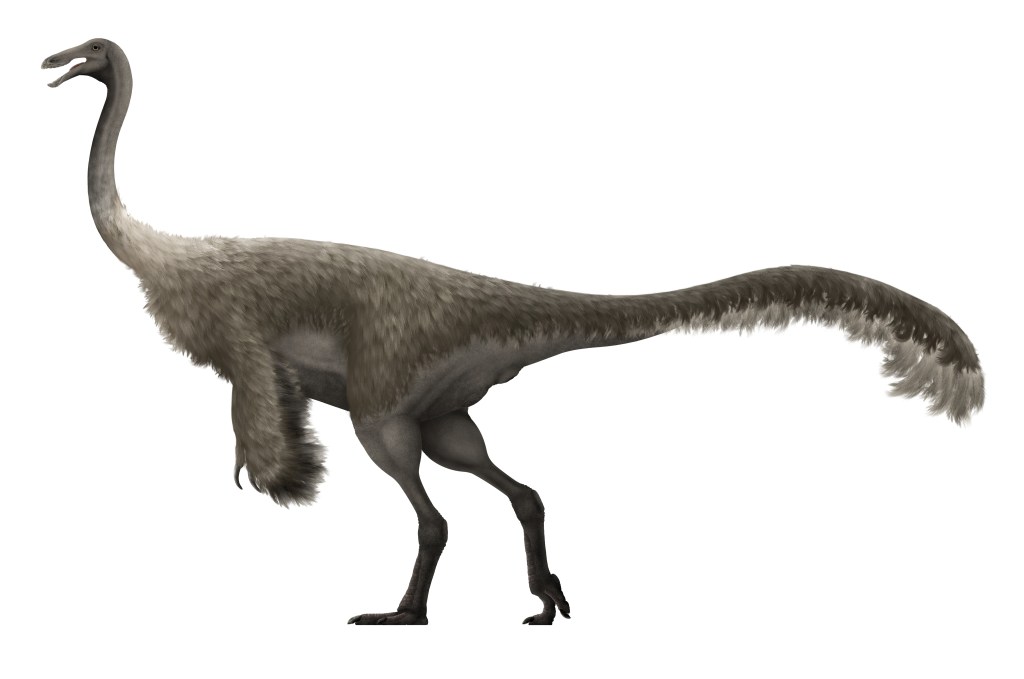
A lot of dinosaurs had feathers, and some could fly. Dinosaurs with feathers include, for example, Velociraptor (it might have been able to fly), Deinonychus, Archaeopteryx (could fly), Microraptor (could fly), Rahonavis (could fly), Gallimimus, Ornithomimus, Yutyrannus huali, Psittacosaurus, Psittacosaurus, Sinosauropteryx, Psittacosaurus, Sciurumimus, Kulindadromeus, Caudipteryx, and even young T-Rex and many others. We know dinosaurs had feathers based on fossil finds.
Life restoration showing an adult with feathers, based on those known from the related Ornithomimus. Picture is from Wikipedia. PaleoNeolitic, CC BY 4.0 https://creativecommons.org/licenses/by/4.0, via Wikimedia Commons
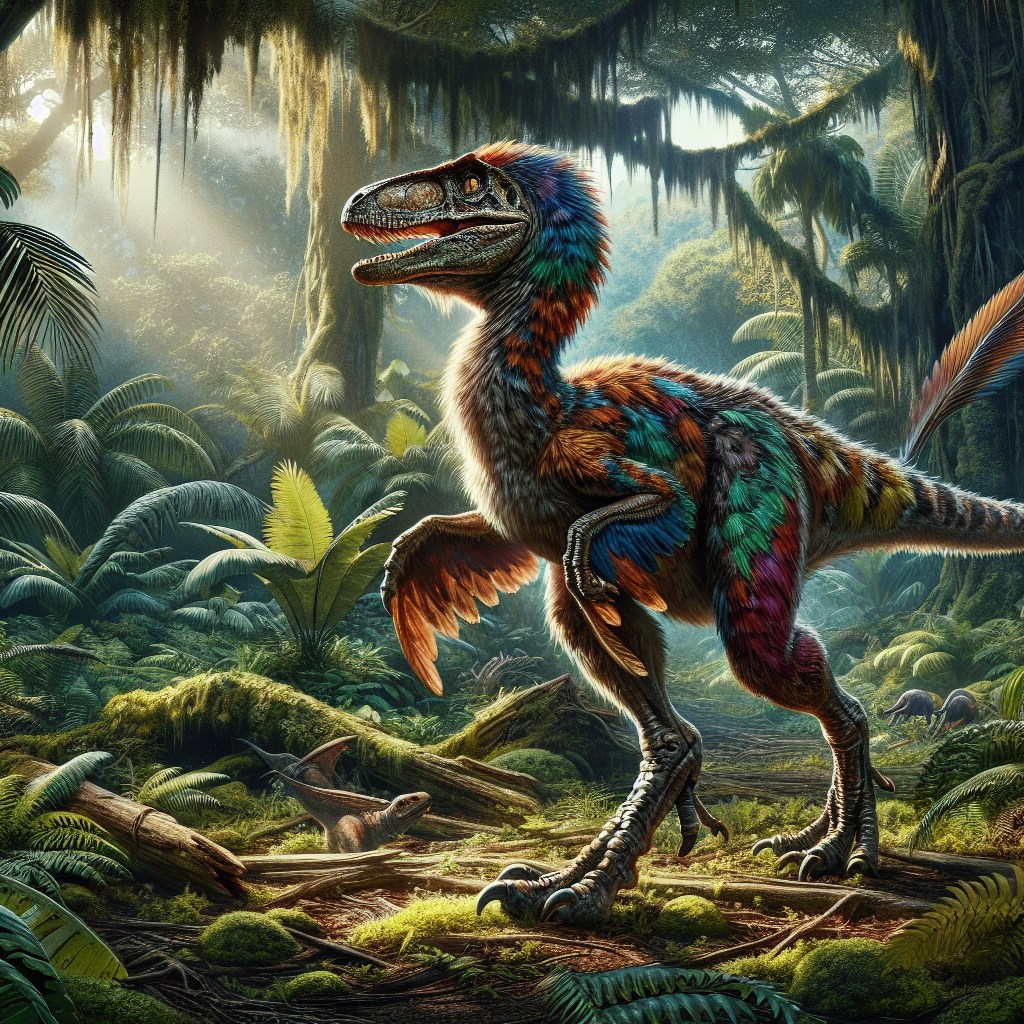
Remember the Velociraptors in the move Jurassic Park? In the movie they had scaly skin, but in reality, they had feathers. Also, the real velociraptors might have been able to fly. Wouldn’t that have made a better movie?
Velociraptor with feathers (well a little bit). Shutterstock Asset id: 2636534673 by Shutterstock AI Generator
Wind power saves a lot more birds than it kills
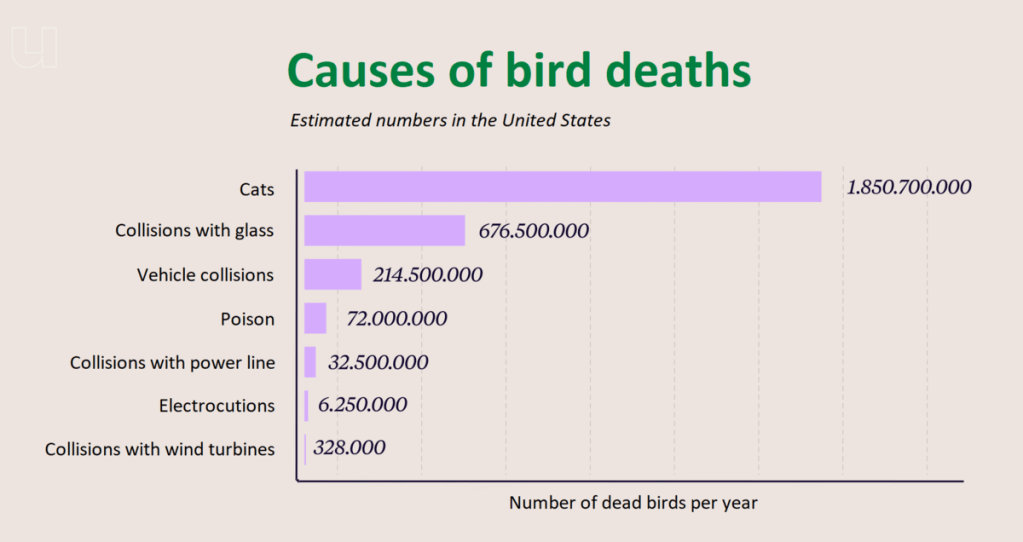
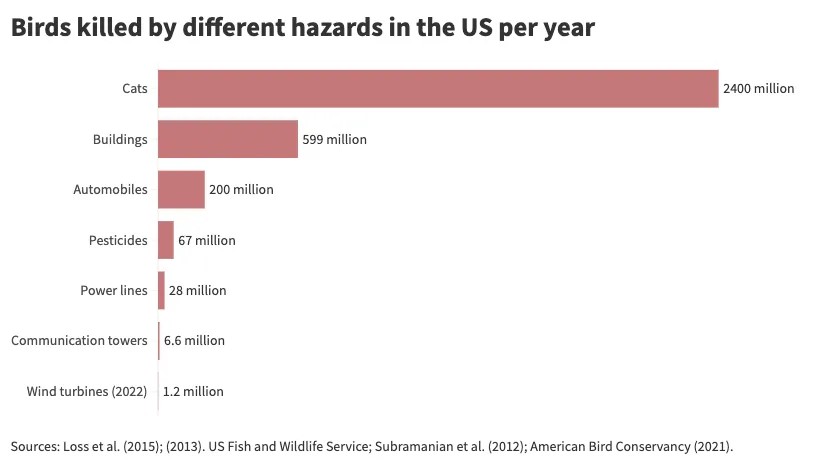
It may come as a surprise to some, but wind power is not a major cause of bird death. Wind farms are estimated to be responsible for losing less than 0.4 birds per gigawatt-hour (GWh) of electricity generated, compared to over 5 birds per GWh for fossil fueled power stations, see, for example this source. This means that replacing fossil fuels with wind power saves a lot more birds than wind power turbines take. In addition, cats, windows, cars, poison and powerlines are examples of things that kill a lot more birds than wind power does. Cats kill thousands of times more birds than wind power does, and this usually does not bother us. Note I love both dogs and cats.
It is difficult to make exact estimates of bird deaths but below are some interesting graphs from reputable sources, confirmed by many other studies and analysis, such as this overview from MIT and this analysis by Hannah Richie. The numbers aren’t the same, but they make the same point. You can read more about this here.
From Wikipedia: Universiteit van Nederland, CC BY 3.0 https://creativecommons.org/licenses/by/3.0, via Wikimedia CommonsAn alternative graph taken from Hannah Richie / Our World in Data, using alternative sources essentially showing the same thing. Sources: Loss et al. (2015), (2013), US Fish and Wildlife Service; Subramnayan et al. (2012), American Bird Conservancy (2021).
That does not mean we shouldn’t do our best to reduce bird deaths from wind power stations. However, don’t fall for the misinformation that is trying to paint it is a big problem specifically for wind power. It is good to keep in mind that there are powerful organizations, politicians and individuals who are intentionally spreading a lot of misinformation about wind power and other renewables in an effort discredit them. One example is the series Landman which repeatedly makes demonstrably false and pretty wild claims. Landman is fiction, of course, but it is presented so it appears to be facts to unsuspecting viewers.
Birds don’t pee
Birds don’t pee liquid like mammals. They excrete waste as a white, pasty uric acid mixed with solid feces through a single opening. This means that they excrete only one type of droppings. This conserves water and keeps them lightweight for flight.
Birds can use Earth’s magnetic field to navigate
Migratory birds navigate long distances by using Earth’s magnetic field, which acts like a built-in GPS-like compass to determine direction and position. They have light-sensitive proteins called cryptochromes in their eyes, which enable them to see magnetic fields, and they can detect field intensity using magnetic crystals (magnetite) in their beaks or inner-ear cells. This enables them to know direction, inclination and position. The detection of the magnetic field is very fine and is believed to involve quantum mechanical mechanisms. You can read more about how migrating birds use quantum effects to navigate here
Silhouette of birds flying in arrow formation at sunset sky. Shutterstock Asset id: 717932599 by Vaclav Volrab
A sleeping bird flying. Picture generated with the help of ChatGPT.
Birds have hollow bones—but they’re super strong
Birds have hollow bones. They are not necessarily lighter but they’re super strong. The structure is denser and reinforced with internal struts, kind of like aerospace engineering. The bones are full of spaces for air giving them a more efficient respiratory system and allowing them to take in oxygen while both inhaling and exhaling.
Some birds use tools
New Caledonian crows craft hooks from sticks to fish insects out of holes. They carve, nibble and peel the tip of the stick until it has a hook. Striated Herons drop larvae, worms, and insects on the water to attract prey. They sometimes break sticks into pieces to use as artificial bait to attract fish. Rooks, corvid bird, drop rocks into water to raise the water level so that they can reach prey. Carrion crows use traffic to crack hard-shelled nuts.
For example, they drop walnuts on busy roads, often at pedestrian crossings, and wait for cars to crush them, then retrieving the food during red lights. Egyptian Vultures pick up stones in their beaks and throw them at large, hard-shelled eggs to break them. There are many other examples.
Swifts can stay airborne for 10 months
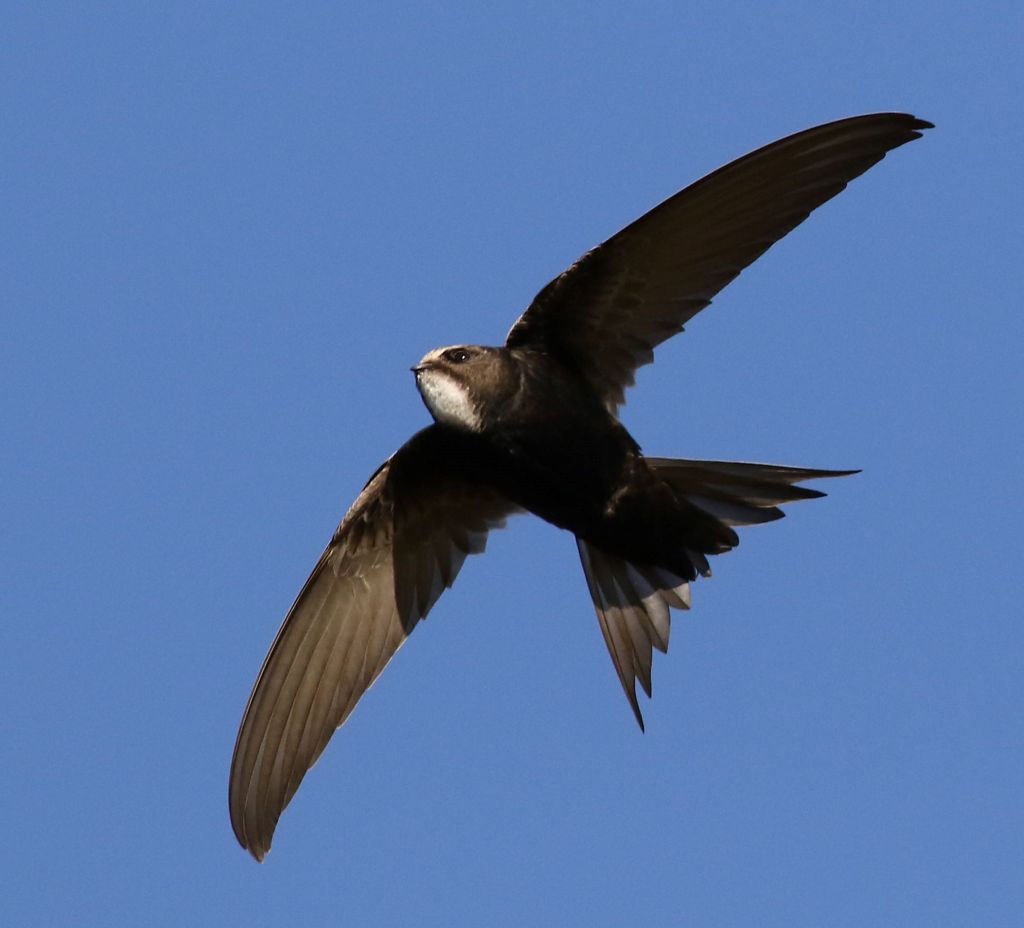
Common swifts can stay airborne for up to 10 months without landing during their non-breeding migration. They eat, drink, sleep, and even mate while in flight, only landing to nest for two months in the summer.
White-rumped swift, Apus caffer, at Suikerbosrand Nature Reserve, Gauteng, South Africa. Derek Keats from Johannesburg, South Africa, CC BY 2.0 https://creativecommons.org/licenses/by/2.0, via Wikimedia Commons.
Chickens can recognize up to 100 faces
Chickens don’t just recognize other chickens; they also recognize human faces. Chickens remember positive or negative experiences with the faces they recognize and pass that information on to members of their flocks. Let’s think about that while we chew on our chicken nuggets.





 Super Facts