
Image above by Kevin from The Beginning at Last
Today, June 6 is the National Day of Sweden (or the Independence Day of Sweden). Gustav Vasa, or Gustav I, Sweden’s hero king and the father of modern Sweden, was elected king of Sweden on June 6th, 1523. This was after the Swedish War of Liberation from Denmark 1521 to 1523. Gustav rose to lead the Swedish War of Liberation following the Stockholm Bloodbath, where his father was executed. Gustav Vasa or Gustav I was King of Sweden from 1523 until his death in 1560. Since I am originally Swedish (now living in Texas) June 6 is a significant date for me.


Depictions of Gustav Vasa
Kevin’s pictures above were, like I said, how I imagine Gustav Vasa. The depictions below might be closer to the truth.


The Kalmar Union
In 1397 a union was formed between Denmark, Norway and Sweden called the Kalmar Union (Kalmar is a city a Sweden). The Kalmar Union came to be dominated by Denmark and there were occasional rebellions. During Gustav’s childhood, parts of the Swedish nobility tried to make Sweden independent. Gustav’s father Erik Johansson Vasa was part of that nobility.
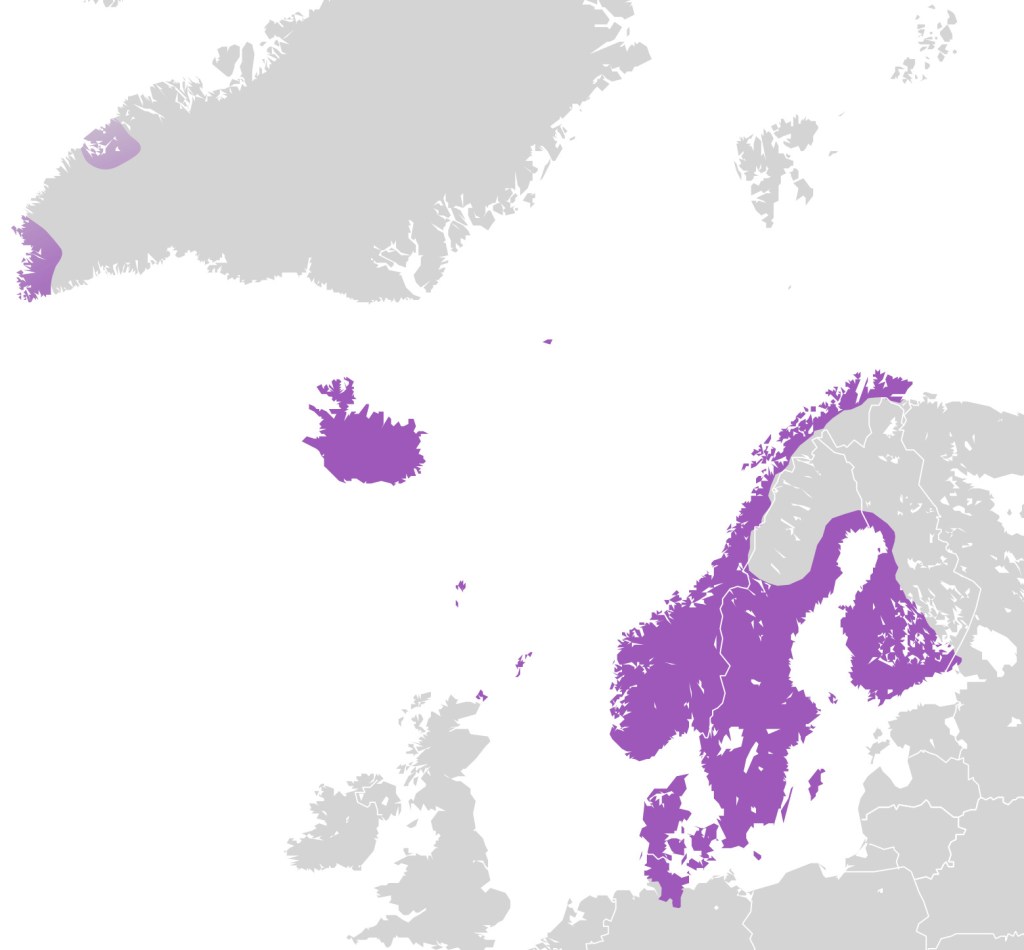
After some problematic interactions with Denmark and the Danish King Christian II, King Christian massacred 100 Swedish nobles, November 7-9, 1520, on Stortorget in Stockholm, including Gustav’s father. In 1521 Gustav led a rebellion (or a civil war) against Denmark, which ended in the deposition of King Christian II from the throne of Sweden, effectively ending the Kalmar Union. I can add that King Christian is called Christian the Tyrant in Sweden and Christian the good in Denmark.
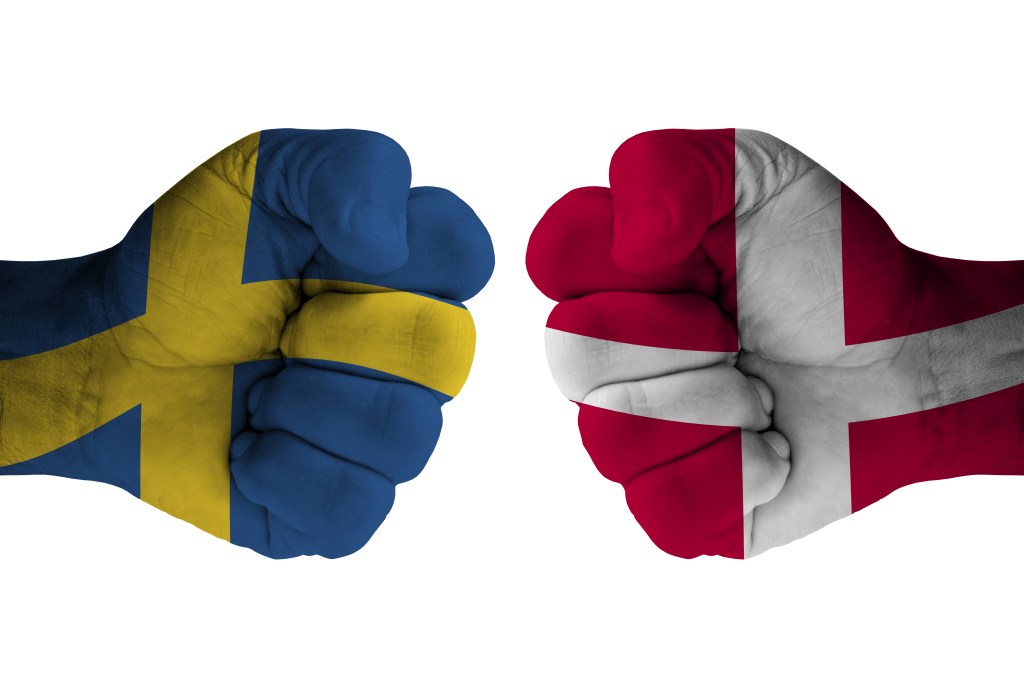
Sweden and Denmark has had a complicated history that included a lot of hostilities and eleven wars, but you wouldn’t know it if you looked at the situation today. There hasn’t been a war between Sweden and Denmark in more than 180 years and Swedes and Danes get along very well. However, it is best not to bring up the past. That is probably true for marriages as well.
Gustav Vasa’s Burial Place
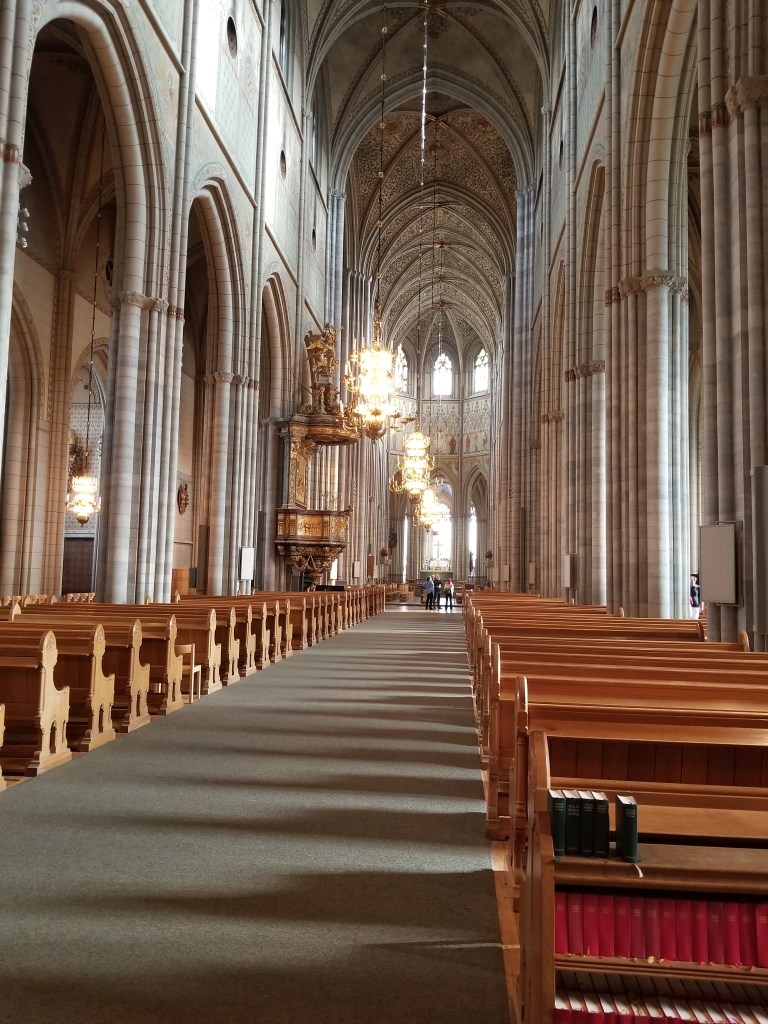
Gustav Vasa died on September 29, 1560, and is buried together with three of his wives (while only two are engraved) in the Cathedral of Uppsala. Uppsala is an old city north of Stockholm famous for its Viking graves/mounds. During the Viking era Uppsala was the religious center of Sweden. Later as Sweden became Christian it remained the religious center of Sweden, however, the Viking temple in old Uppsala was replaced by a Christian church. Uppsala hosts one of the most prominent Universities in the world and it also happens to be where I studied Engineering Physics.


Photos from Sweden




Other Scandinavian Posts
- The 500 Years Anniversary of Swedish Independence.
- Culture Shock Sweden USA.
- Ice Hotel Adventure in Jukkasjarvi.
- Vasa Museum Stockholm.
- Scandinavian Folklore.
- Sweden and Denmark and Gustav I Vasa.
- Sweden and Norway and Carl XIV Bernadotte.
- Tourism in Scandinavia on World Tourism Day.
To see the Super Facts click here


Fascinating post, Thomas!
I’m going to go out on a limb and assume the famous Swedish warship Vasa was named for Gustav Vasa, right?
Happy Swedish Independence Day.
(And…it’s the 81st anniversary of the D-Day landings in Normandy…or…in French, Normandie.)
LikeLiked by 1 person
Thank you so much Alex. The 81st anniversary of the D-Day landings in Normandy is the more famous of them, but if you are Scandinavian you know both. I believe that the Vasa ship (or Wasa ship, as it was spelled back then) was named after the Vasa dynasty. It was Gustav Vasa’s grandson Gustav II Adolph Vasa who built the Vasa ship, well his engineers and builders did. The reason it sank was partially Gustav II’s fault because he kept asking them to add gold and cannons making it top heavy. By the way, about V versus W, both have the same sound V in Swedish and in the past it was more common to use W instead of V so originally the the name of the king was Gustav Wasa. Same thing with my name Wikman. It is frequently spelled Vikman but our family kept the old spelling.
LikeLiked by 2 people
Thank you for this very informative post about some of Sweden’s history, Thomas. I have very much enjoyed my visits to Sweden. Such a beautiful country. Happy Independence Day.
LikeLiked by 2 people
Thank you so much for your very kind words Lynette
LikeLiked by 2 people
What an beautiful page of history you presented us, Thomas. I hope you will suggest some fiction soon.
I liked the ice hotel photo the most 🙂
Happy Swedish Independence Day.
LikeLiked by 2 people
Thank you so much Patricia. About Swedish historical fiction I would suggest The Emigrants by Vilhelm Moberg. It is a story about a family (and friends) who emigrated to Minnesota sometime around 1840 – 1850. It is based on real events but a fictional novel nonetheless. They made a movie out of this book that is available on Amazon. For a children’s book I would suggest the Vasa Pig about a pig who survived when the vasa warship sank, but it is a little bit scary with all the people drowning, so maybe the “Emil i Lönneberga” books by Astrid Lindgren.
LikeLiked by 1 person
I enjoyed this piece of history very much, Thomas. I know more about Danish history than Swedish history so it’s nice to learn more. The way a dictator is seen depends on who is providing the viewpoint.
LikeLiked by 2 people
Thank you so much Robbie. You are right, it all depends on the point of view. I’ve grown up hearing about Christian the Tyrant and then I found the Danes call him Christian the Good, and I thought that was funny. I am sure he must have done something good that the Danes liked.
LikeLike
Lulu: “I bet up on top of a mountain is a fine place for a Leonberger! No fear of chilly winds for them!”
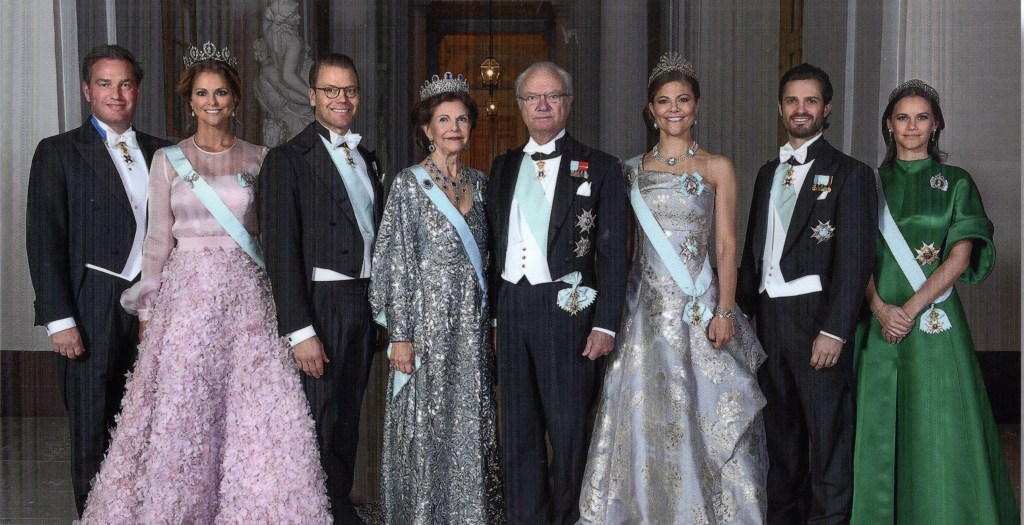
Java Bean: “Ayyy, the Swedish Royal Family looks a lot nicer than the American Royal Family …”
Charlee: “We haven’t got an American Royal Family.”
Java Bean: “Are you sure about that?”
LikeLiked by 1 person
Ha ha Lulu, Java Bean and Charlee, you are funny. I was amazed by the fact that the Leonberger’s owner got her to the top. There is a path, but it is long and steep. Well I guess I am impressed that the Leonberger did it. Thank you for your comment on the Swedish Royal Family Java Bean but Charlee is right, there is no American Royal Family, not yet, I should say the Swedish Royal Family have no political power. In fact they are expected to keep mum about politics. I guess you can say that all Swedes except the Swedish Royal Family have free speech rights.
LikeLike
I would say don’t give them any ideas, but they already have ideas … (That was me, not the animals. Stupid WordPress is leaving comments as them again even though it swears to high heaven I’m logged in as myself and it shows my avatar in the comment box.)
LikeLiked by 1 person
I don’t have that problem because both my blogs are under one name. But I’ve noticed that Word Press have a lot of bugs lately.
LikeLike
I should’ve kept mine together too lo these 16 or 17 years ago rather than splitting Dennis’s content off into his own blog. Doing that cost my author blog a LOT of traffic lol
LikeLiked by 1 person
Well Dennis is very popular
LikeLiked by 1 person
Fascinating, Thomas. I loved reading this post and seeing your children through the years. I’ve never been to any of the Scandinavian countries, but I’ve always wanted to visit. Thank you for sharing as you have.
LikeLiked by 1 person
Thank you so much for your kind words Gwen. Not many people have visited the the Scandinavian countries. They are typically not the first you visit Europe.
LikeLike
Thank you for sharing this fascinating post! I find the Scandinavian countries so interesting.
LikeLiked by 1 person
Thank you so much for your kind words Dawn.
LikeLike
Really interesting post. I don’t know much about Sweden or Swedish history despite predominantly learning European history throughout my school years. So, I’m always excited to read posts like this one.
LikeLiked by 1 person
Thank you so much Pooja. The Scandinavian countries are relatively small countries so I understand they are not the top focus.
LikeLiked by 1 person
You’re welcome and yeah I think that’s probably it.
LikeLiked by 1 person
I am a bit late, but Happy Swedish Independence Day, Thomas! Thank you for another fascinating lesson! Truly enjoyed!
LikeLiked by 1 person
Thank you so much Kevin. I really appreciate it. Participating in the NTT is fun.
LikeLiked by 1 person
I found this post really intriguing
LikeLiked by 1 person
Thank you so much K. Ravindre
LikeLike
That was interesting. I don’t know enough about these countries.
LikeLiked by 1 person
Thank you so much Jacqui
LikeLike
hello, how are you? thank you for sharing. have a nice day!
LikeLiked by 1 person
Thank you Carfax, I am fine, I hope you are fine too and have a nice day you too.
LikeLiked by 1 person
Thanks for sharing a slice of Swedish history with us Thomas. I’m always fascinated at history. That ice hotel was amazing! A lovely tribute to your birth country. 🙂
LikeLiked by 1 person
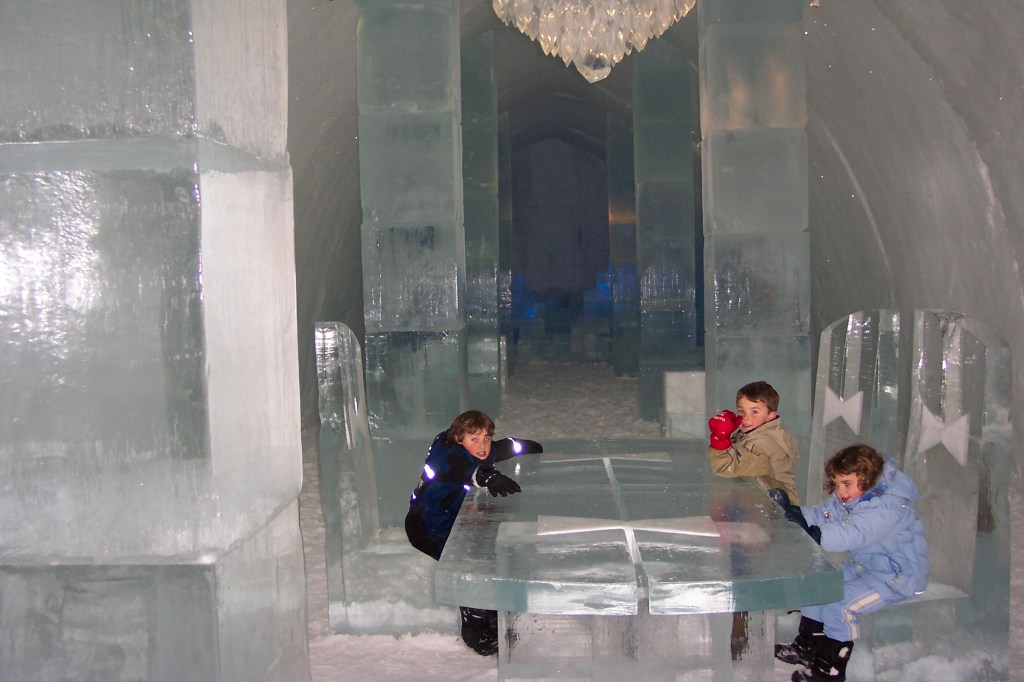
Thank you so much for your kind words Debby. The Ice Hotel was indeed a fun place to visit, especially for the kids.
LikeLiked by 1 person
Even though a bit chilly sitting on ice chairs, lol. 🙂
LikeLiked by 1 person
Ha ha you are right, but they often put some reindeer hide on furniture and beds. Right before the trip I showed my son a photo of an ice toilet at the ice hotel. After seeing that he wanted to cancel the trip. I explained to him that they had real toilets. That was just ice-art.
LikeLiked by 1 person
Lolol. I can imagine an ice toilet. 🙂 🙂
LikeLiked by 1 person
I don’t know much about Sweden or its history, and this post was wonderful. Thanks, Thomas!
LikeLiked by 1 person
Thank you so much for your kind words Olga
LikeLike
Gustav Vasa didn’t dress very “manly” in real life. I know it was fashion but it looked ridiculous.
LikeLiked by 1 person
Yes to us it looks ridiculous, but our modern way of dressing probably would have looked ridiculous to them. But I agree it looks funny. Fashion evolve.
LikeLiked by 1 person
😆 Two sides to every story!
History is a fascinating (to me, anyway) subject and I enjoyed learning more about Scandinavia. Thanks also for the tour of your beautiful homeland! The Ice Hotel must have been a unique experience. A little chilly, though! 🧊
LikeLiked by 1 person
Yes imagine my surprise when we visited a museum in Denmark and they had an exhibit on Christian II (that’s Christian the Tyrant) and they called him Christian the Good. I expected the Danish not to have the same opinion of Christian II as the Swedes, but Christian the Good. That was too much.
The kids loved the Ice Hotel, my wife not so much. She left the room in the middle of the night and walked out and into the wooden and warm building next doors.
LikeLiked by 1 person