Scandinavian Mythology

Since it is Halloween I thought I’d make a fun post (not a super fact) about Scandinavian Mythology or folklore. I live in Texas, but I am originally from Sweden so the various beings I’ll describe or mention below are beings that I grew up hearing about. When I was a kid, we kids used to scare each other with stories about these beings.

I should also point out that it is not ancient Viking mythology but more recent folklore that some people still believe in. I am focusing on Swedish folklore and Norwegian folklore since it is similar to Swedish folklore. Danish folklore is a little bit different, but it has many similarities to Swedish and Norwegian folklore. Denmark is a Scandinavian country, but the post would be too long if I included folklore that is specifically Danish.

I am providing one or more pictures for each being. These pictures are either in the public domain, for example via Wikipedia, or shutter-stock pictures (I have a subscription), or pictures I generated with the help of ChatGPT with varying success. The beings covered are Tomte, Vittra (Vitter folk), Elf, Skogsrå/ /Tallemaja/Huldra, Näcken/Fossegrim, Troll, Myling, Storsjö odjuret (the north Swedish equivalent of the Loch Ness monster), Kraken, and Skvader. Finally, Blodstämmare is not a being but a north Swedish magical practice that you use to remotely stop the blood flow in a person.

Tomte

Tomtar (plural of Tomte) or Nisse in Norwegian is a type of small magical people, or gnomes, related to Vitter folk (described below). They are friendly and is the inspiration behind the Swedish version of Santa Claus, which is therefore a bit different from the Disney version of Santa Claus that has become so popular.

For one thing, the Disney version of Santa Claus works alone while delivering presents and therefore needs to move faster than the speed of light to cover all the good children. A Tomte may help you with your projects and duties if you are nice to them. They may help you with your farm and your animals, warn you of danger, and bring you gifts for Christmas if you in return put out food for them, such as porridge. As mentioned, there are many Tomtar, often one Tomte per house.
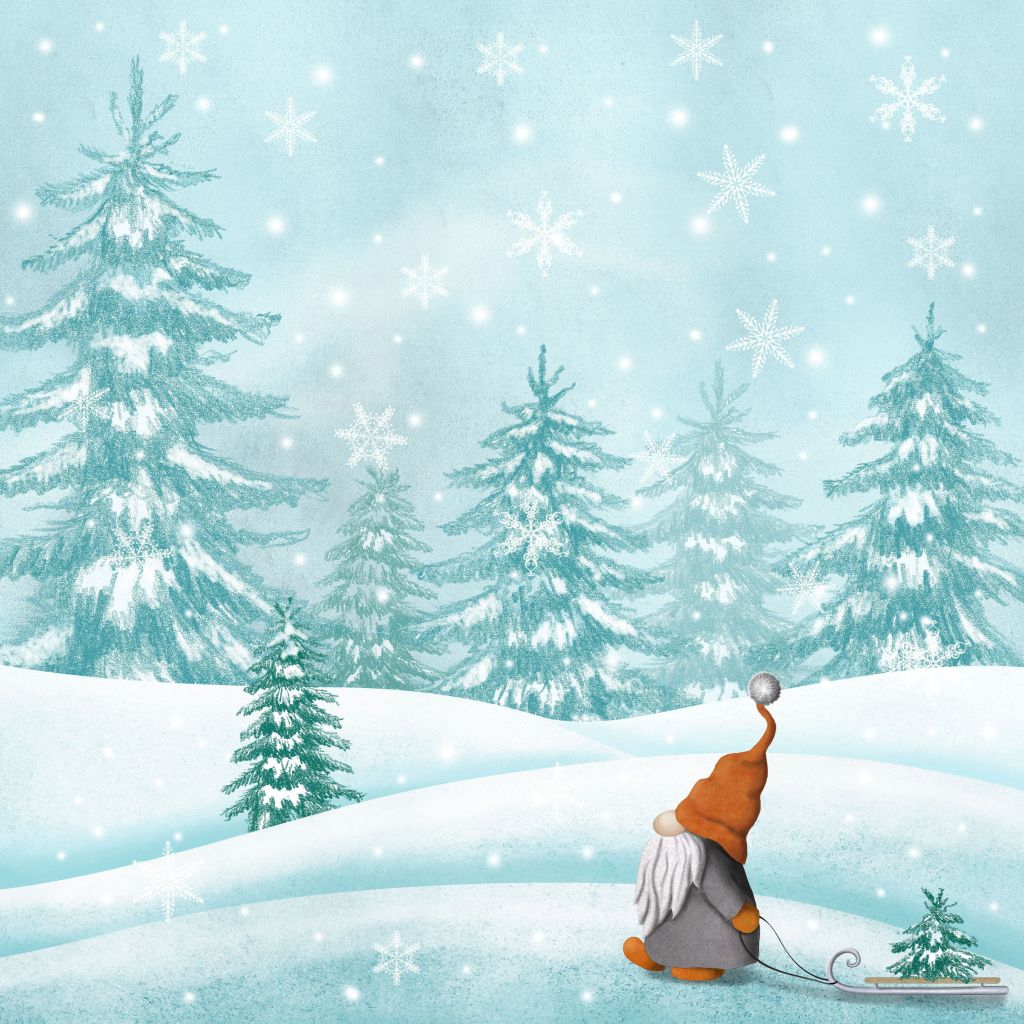
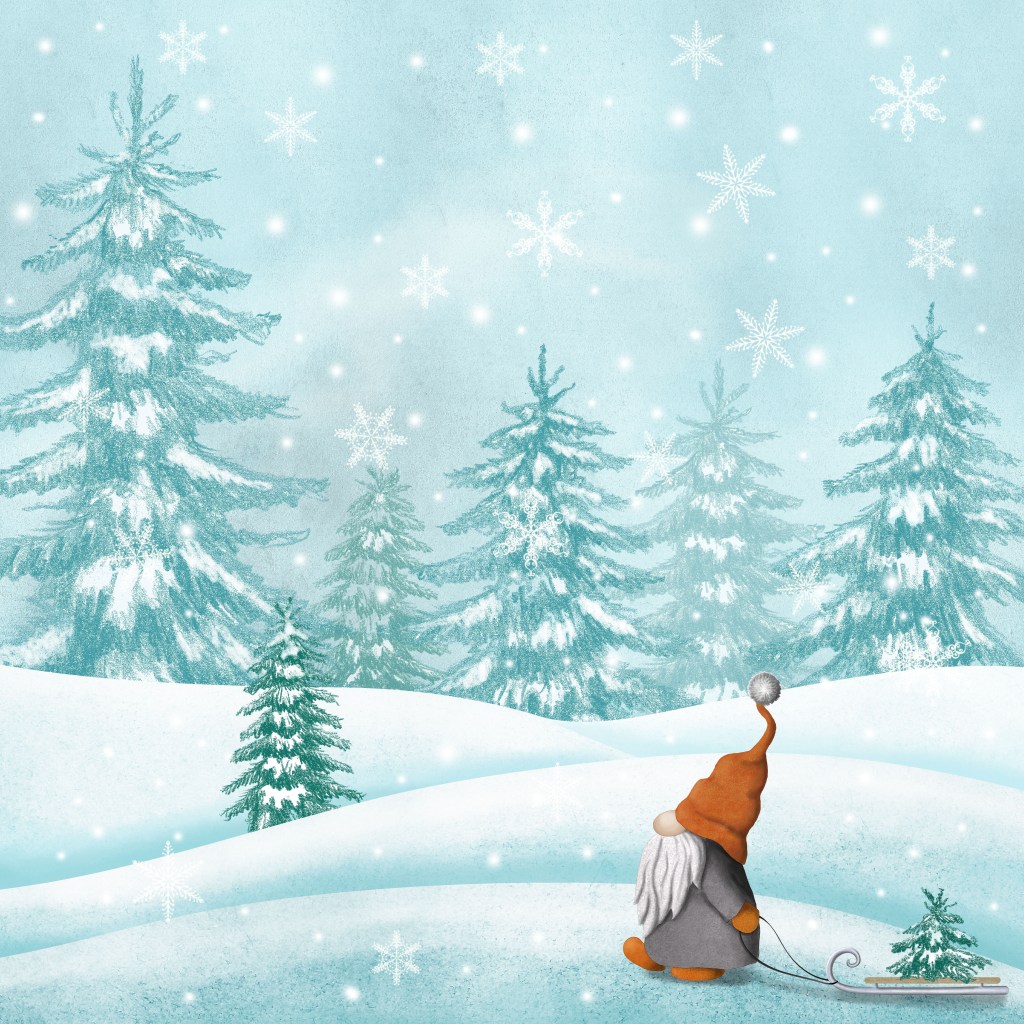
A Tomte wearing a red hat in a snowy winter forest. | Scandinavian Mythology
An illustration of a Tomte. Shutterstock ID: 2060057882 by PLIMPLUM.
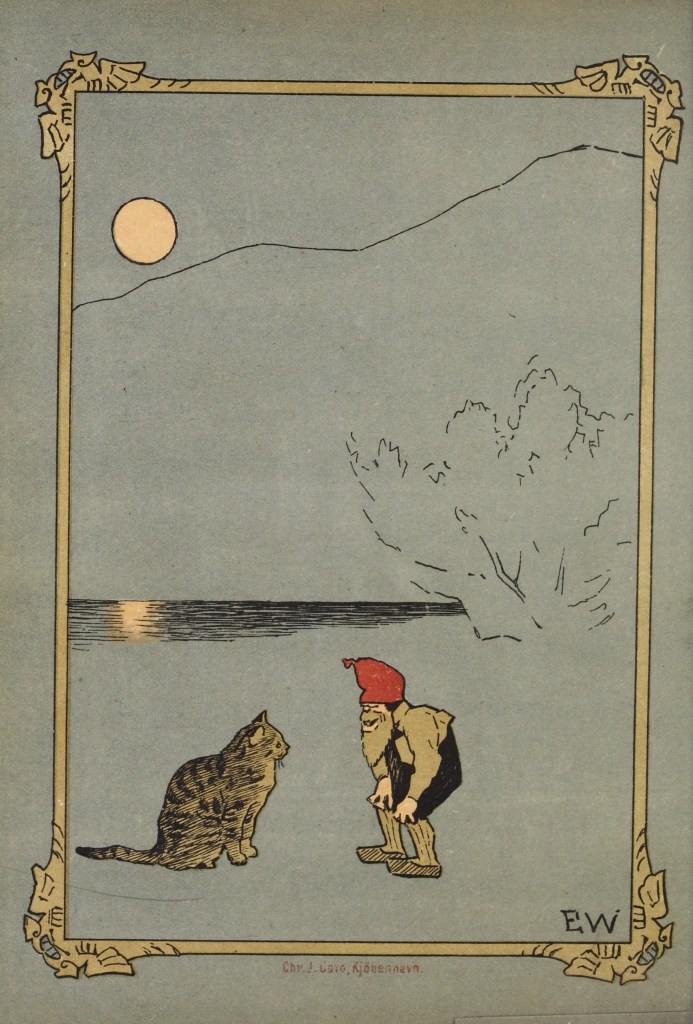
An old illustration of a Tomte conversing with a sitting cat.
A Tomte or a Nisse, about as big as a cat, Erik Werenskiold, Public domain, via Wikimedia Commons
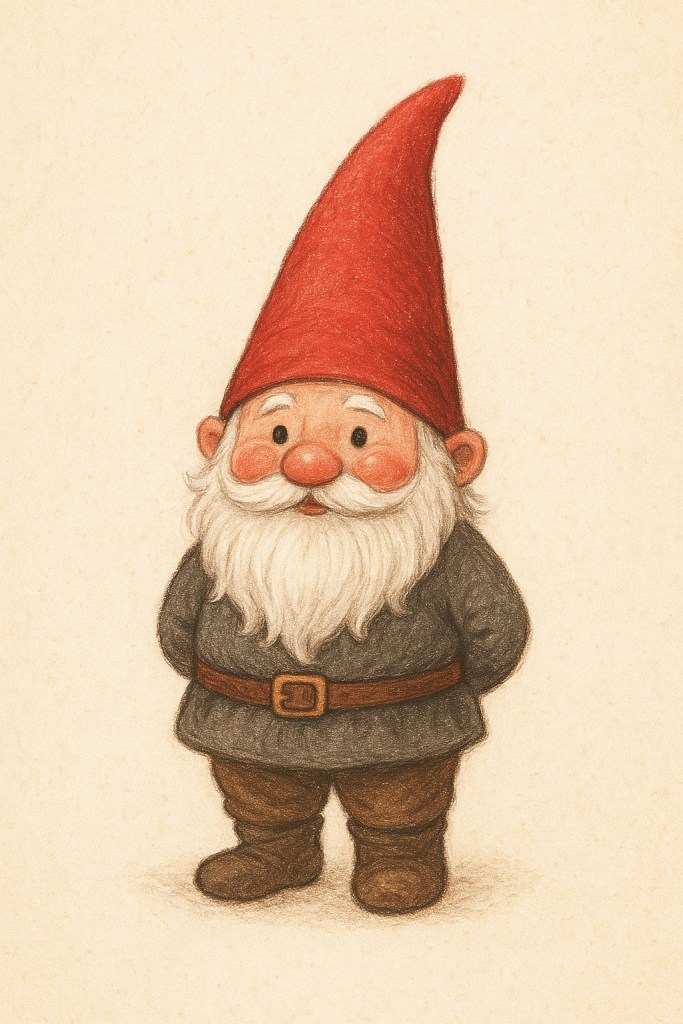
Tomte with a beard wearing a red pointed hat | Scandinavian Mythology
Tomte generated by ChatGPT

Vittra

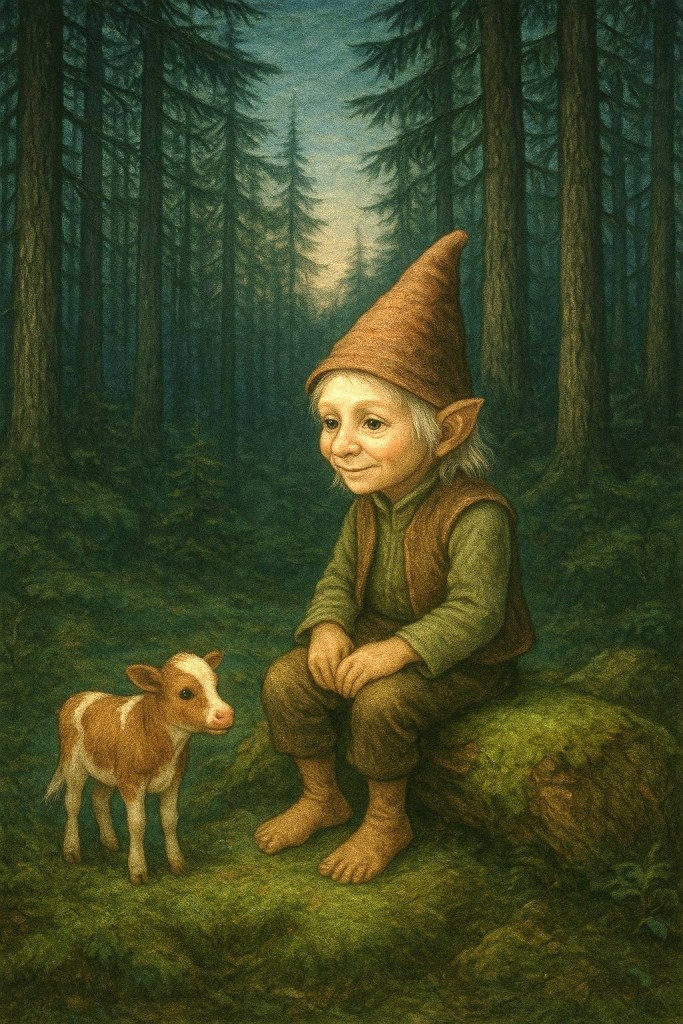
Vittra or Vitterfolk are supernatural spirits or small invisible people who have a lot in common with people as well as Tomtar. They own cattle and they sometimes interact with people. Usually, they stay out of your way, but if you hurt them, for example by throwing hot water out the window without warning them first, they may take revenge on you and burn down your house. Vittra are not evil but not friendly either.

The belief in Vittra is especially prevalent in northern Sweden. On the Swedish island of Gotland, they are often referred to as “Di små undar jordi” in the Got/Goth dialect, or “De små under jorden” in proper Swedish, or “the small ones below ground” in English. They are sometimes depicted as looking similar to Tomtar, gnomes or elves, and sometimes as invisible, or near invisible little spirits. Below are some depictions of Vitter folk.

A Vitter is sitting on a log in the forest and baby cow is standing in front of him.
A Vitter and his mini calf. Generated with the help of ChatGPT

Elf

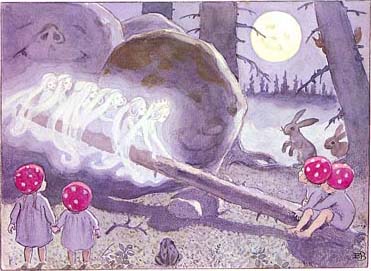
An elf, or elves in plural, is a type of human like supernatural being in Germanic folklore and especially Nordic/Scandinavian folklore. Since elves have been popularized around the world it is a well known being. In Scandinavian mythology they were initially often considered bad news but because of popular culture, such as Tolkien’s books, they have been redeemed into something positive. The first picture below is from a Swedish children’s book written in 1910. I read this book when I was a child. The wispy creatures are elves and the small kids with mushroom hats are Tomte children. In this book the elves are depicted in a Nordic pre-modern fashion, but they are nice.

Wispy spirit like elves are sitting on a log. The Tomte children are standing next to them and talking to them. The Tomte children are wearing red mushroom hats. | Scandinavian Mythology
Little älvor, playing with Tomtebobarnen. From Children of the Forest (1910) by Swedish author and illustrator Elsa Beskow. Elsa Beskow, Public domain, via Wikimedia Commons
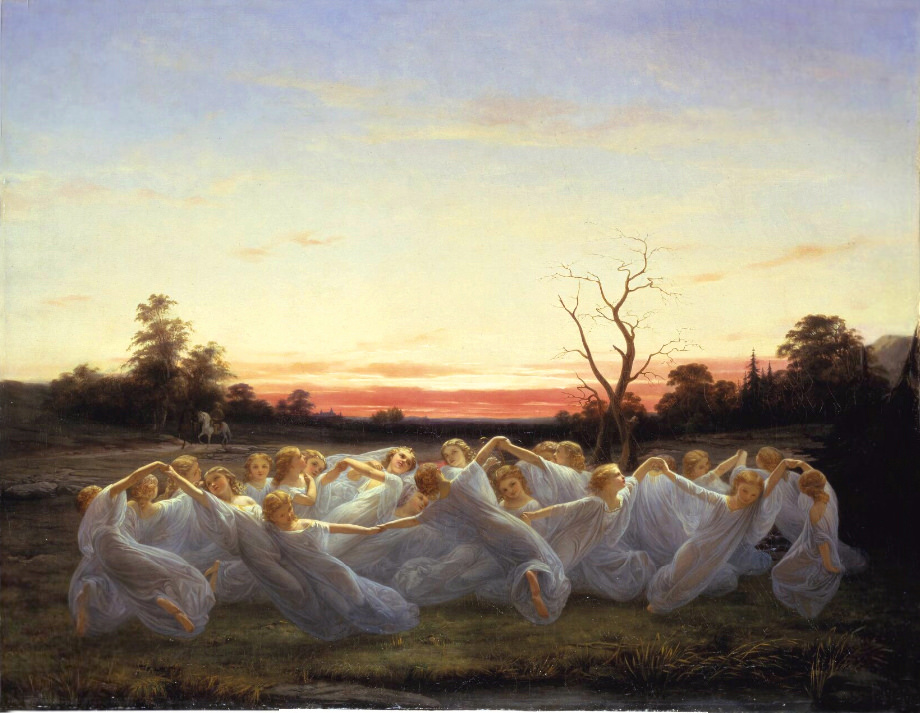
Around 20 white dressed female elves are dancing on a meadow.
Ängsälvor (Swedish “Meadow Elves”) by Nils Blommér (1850). Nils Blommér, Public domain, via Wikimedia Commons.
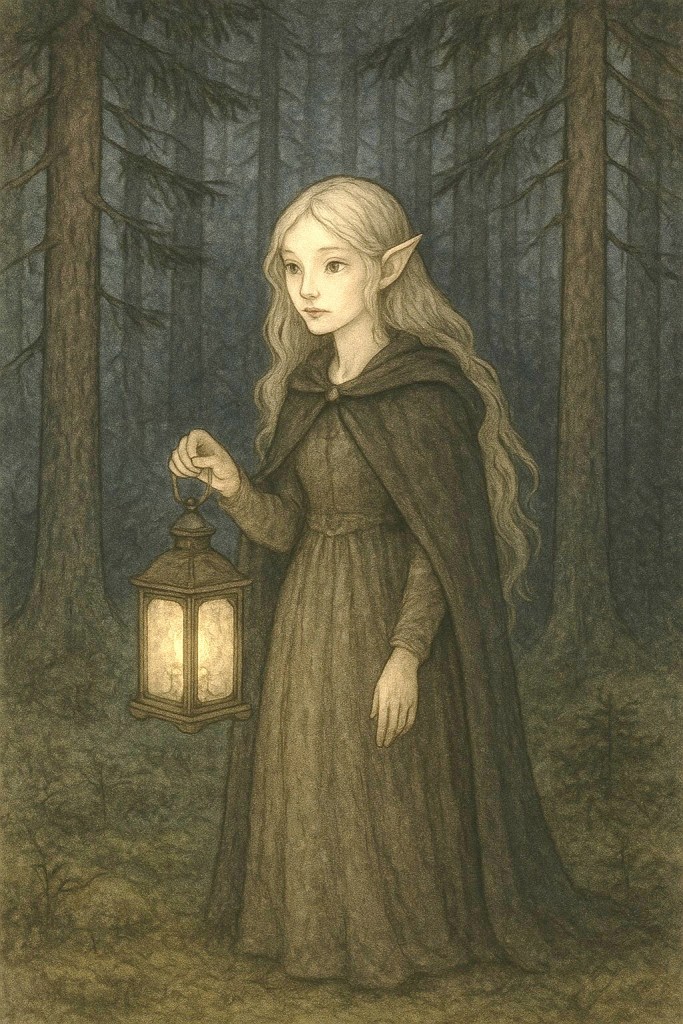
A female elf in the forest. She is holding a lantern. | Scandinavian Mythology
A female elf that I generated with the help of ChatGPT
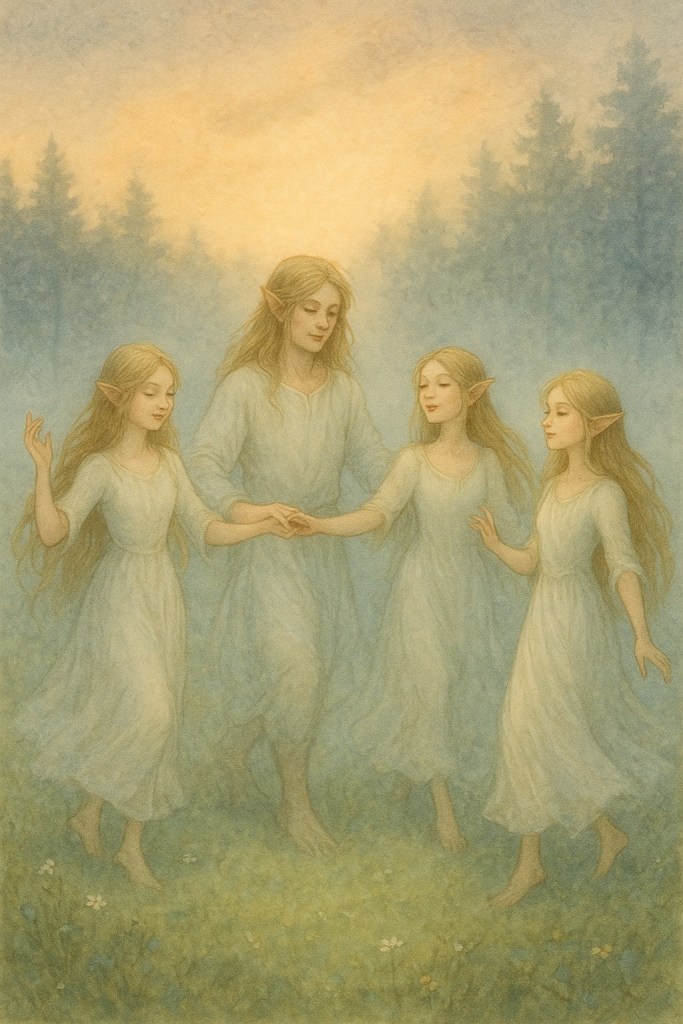
One male elf and three female elves standing in a clearing.
Four elves (one male, three females) standing in a forest glade. I generated this picture with the help of ChatGPT.

Skogsrå,  Tallemaja, Huldra

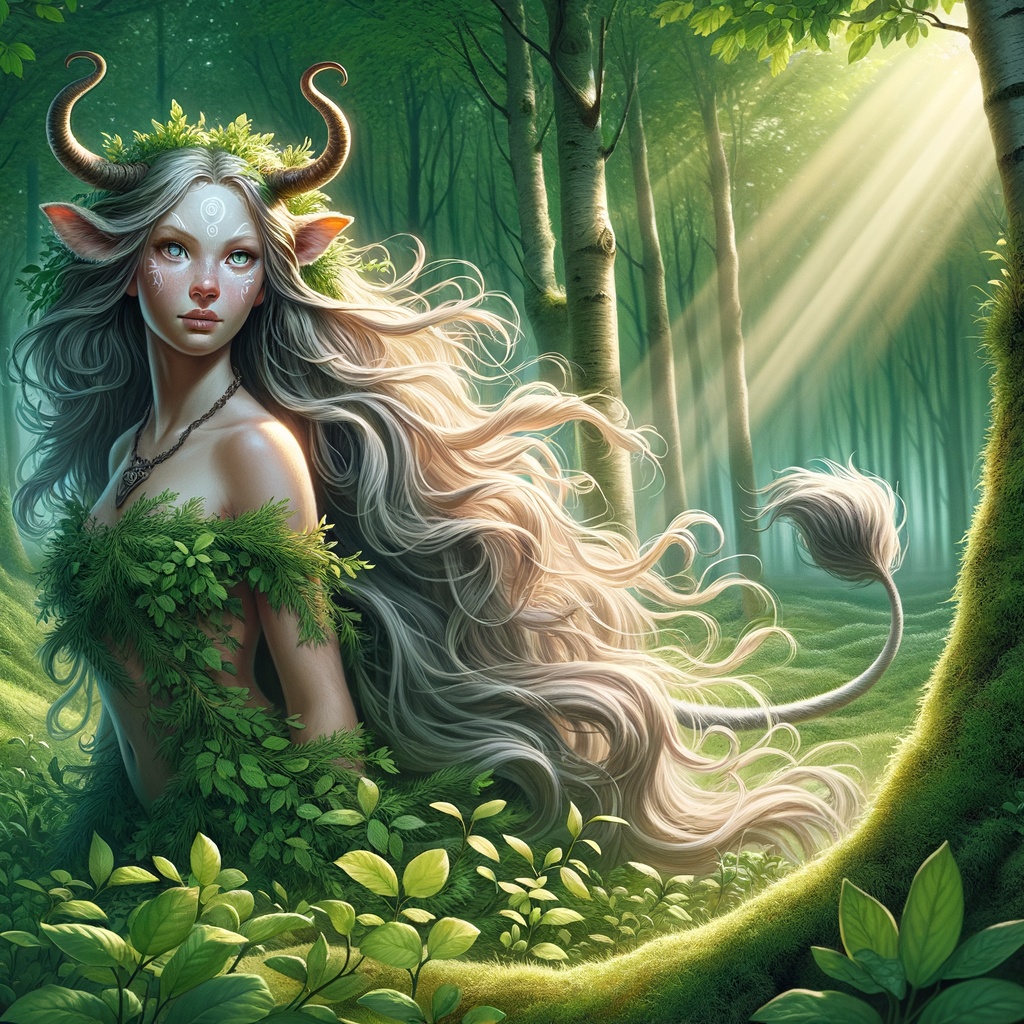
Skogsrå or Tallemaja in Swedish folklore is a seductive female creature who lures men with her beauty or beautiful singing and then kills the men. The Skogsrå / Tallemaja typically has a tail and a hollowed out back, which you can’t see if you are facing each other. In Norwegian this creature is called Huldra (Hulder in plural).

It should be noted that I read that if you meet a Huldra in the forest and you treat her with respect she will not kill you. She would just enjoy your company for a while, talk to you, sing to you, show you the beauty of the forest, and then she would let you go. It is only the rude and selfish men who don’t respect her boundaries whom she kills.

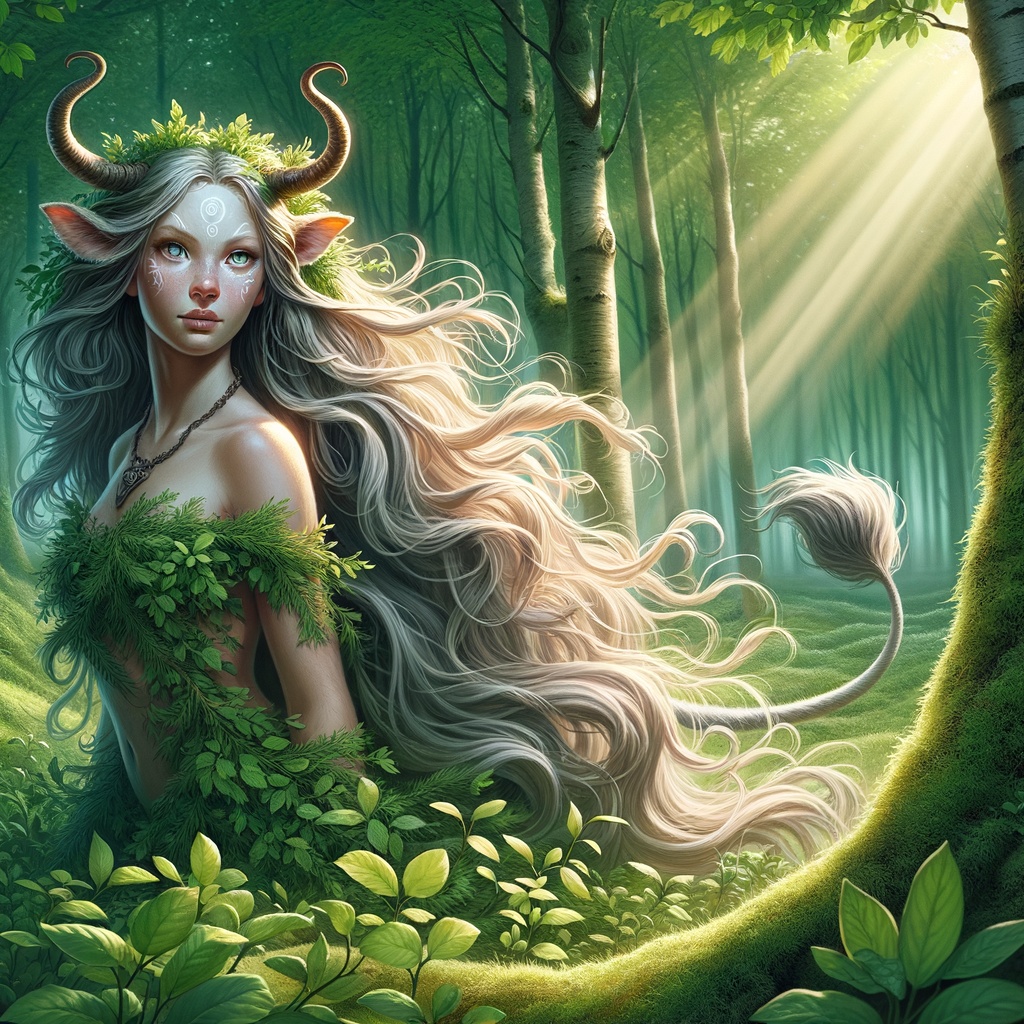
An image AI-illustration of a Huldra
Imagining how a Huldra would look like. Stock AI-generated image ID: 2400845203 by Shutterstock AI Generator.
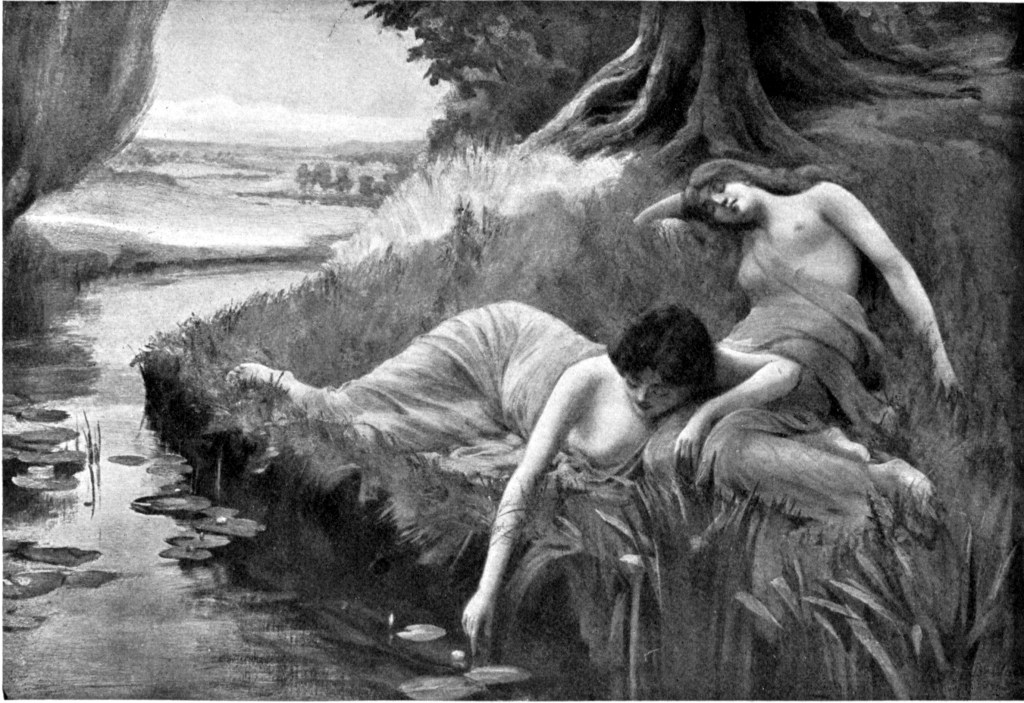
Two lightly dressed huldras / nymphs resting by a creek in the forest. | Scandinavian Mythology
Huldra’s Nymphs (1909) by Bernard Evans Ward, Public domain, via Wikimedia Commons
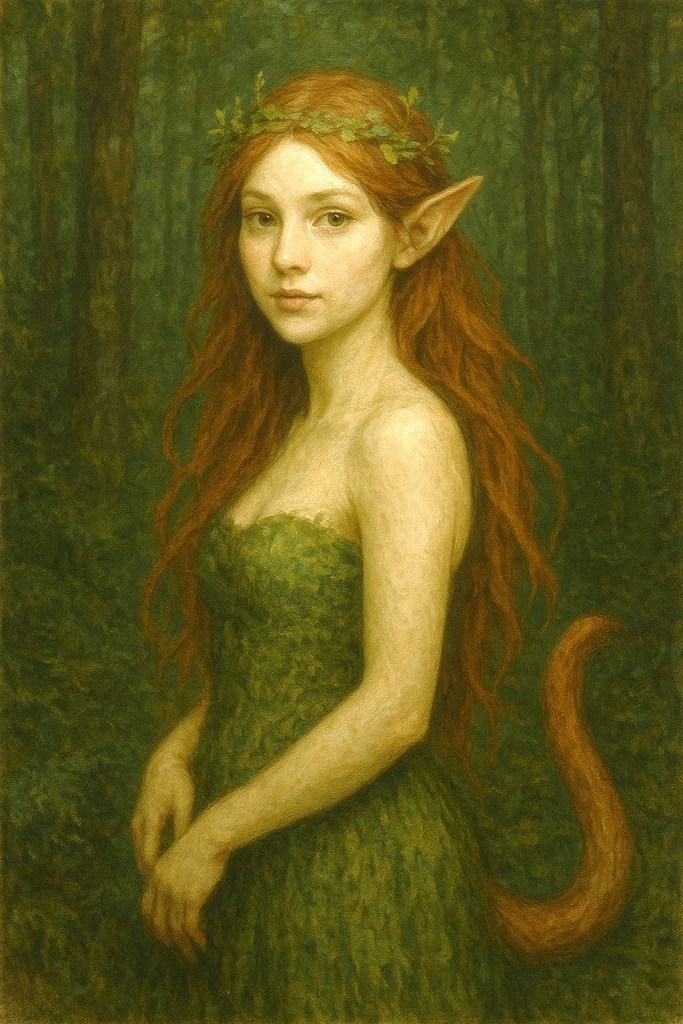
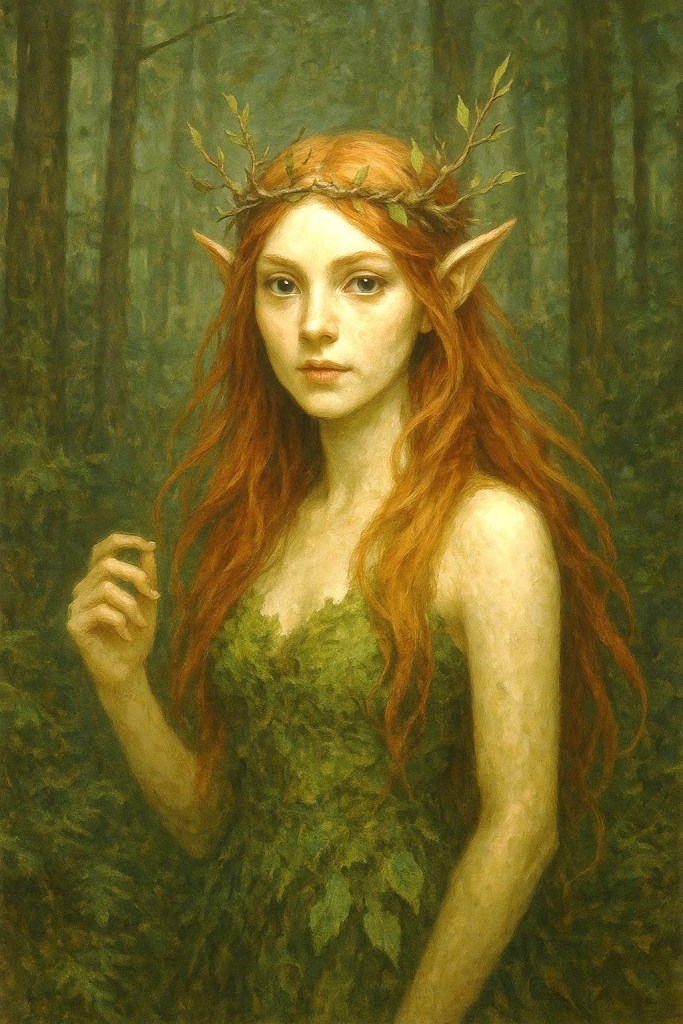
A Tallemaja with pointed ears and red hair. She is wearing a green dress, and she is standing in the forest.
A Skogsrå, Tallemaja or Huldra that I generated with the help of ChatGPT
A Skogsrå with pointed ears and red hair. She is wearing a green leafy dress, a crown of leaves, and she is standing in the forest. | Scandinavian Mythology
Another picture of a Skogsrå, Tallemaja or Huldra that I generated with the help of ChatGPT.
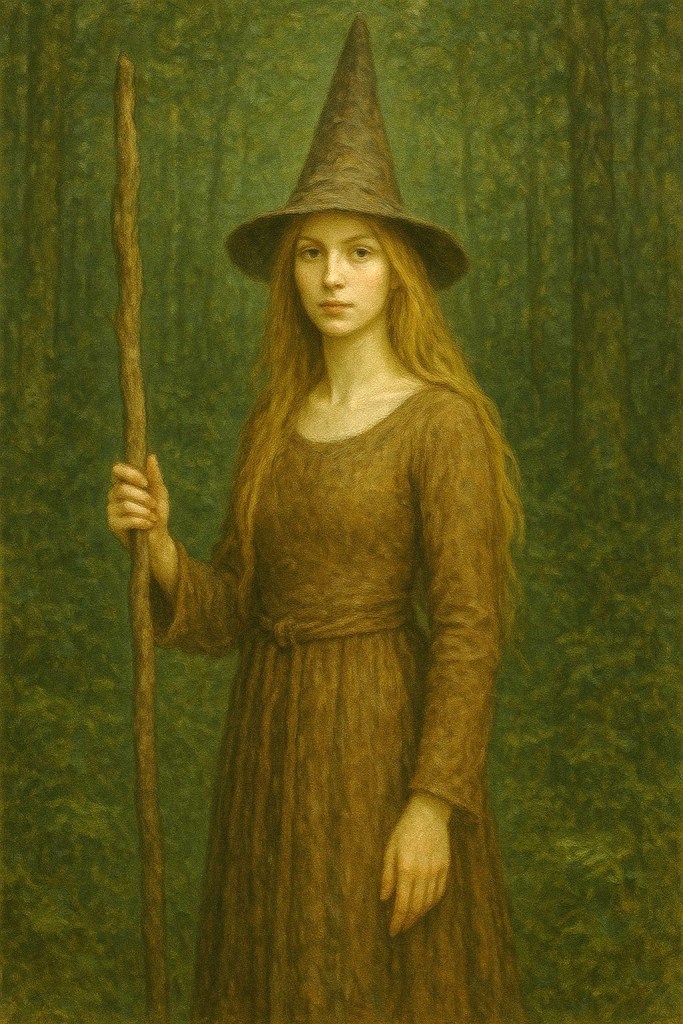
A Tallemaja with long hair. She is wearing a brown dress, a pointy hat, and she is standing in the forest.
A Tallemaja that I generated with the help of ChatGPT.

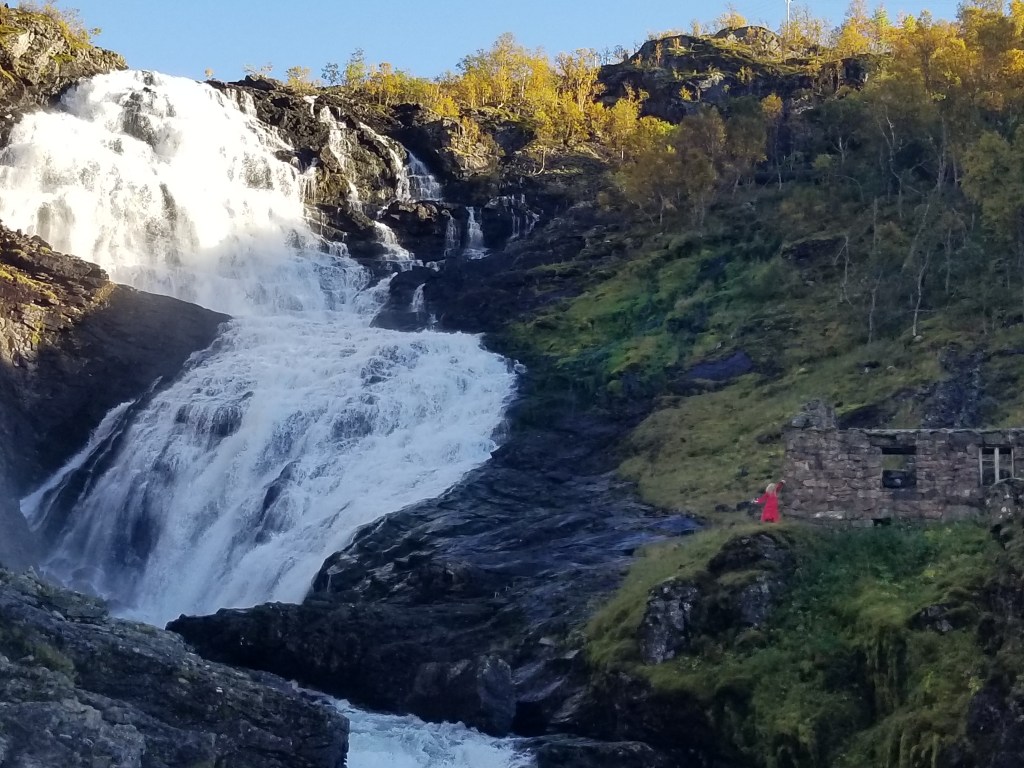
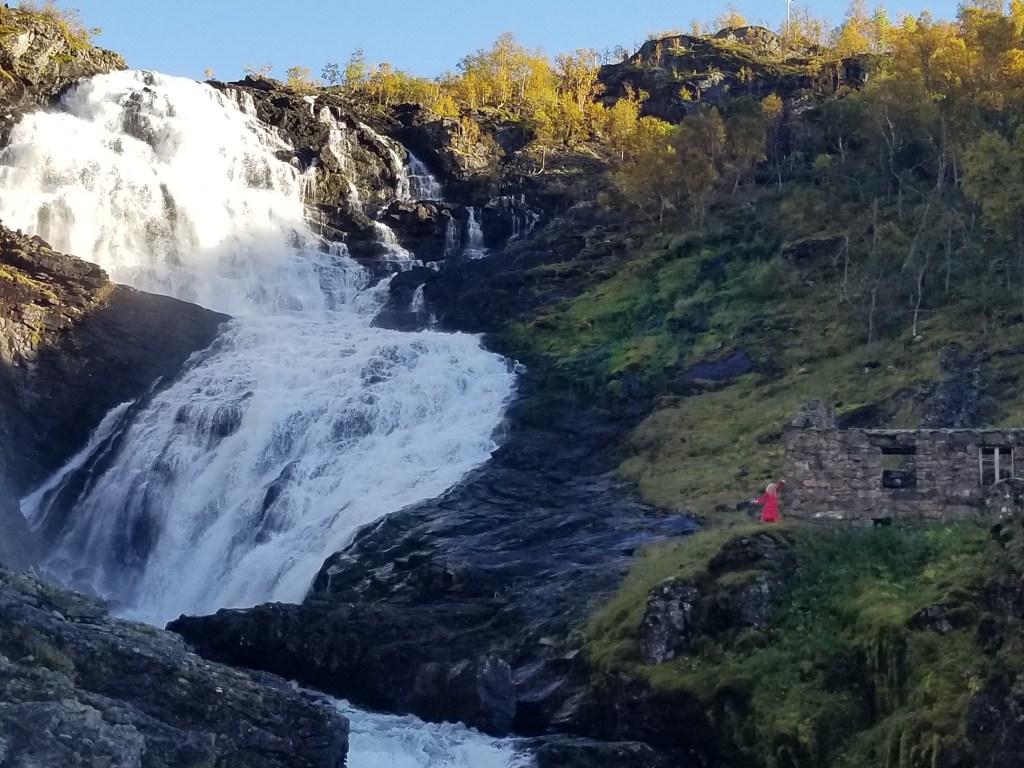
Last summer (a bit more than one year ago) we visited Sweden and Norway. One day we took a tour into the Norwegian mountains and fjords. We took a two-hour cruise on Sognefjord and after the cruise we took a train to the top of the surrounding mountains. Along the way we encountered a Huldra by a waterfall. She sang to us in her beautiful voice, and she seduced us all, both men and women, to take photos of her with our phones and posting them on social media. It was a tourist ploy of course. You can read more about our trip here .

A waterfall in the mountains. A woman in a red dress is standing to the right of the waterfall.
My photo of the Huldra (in red) by the waterfall in the Norwegian mountains. She seduced us all into taking photos of her for Facebook. Her seductiveness was feared in medieval times, but in modern times we refer to the seductiveness of the Huldra as a “tourist trap”.
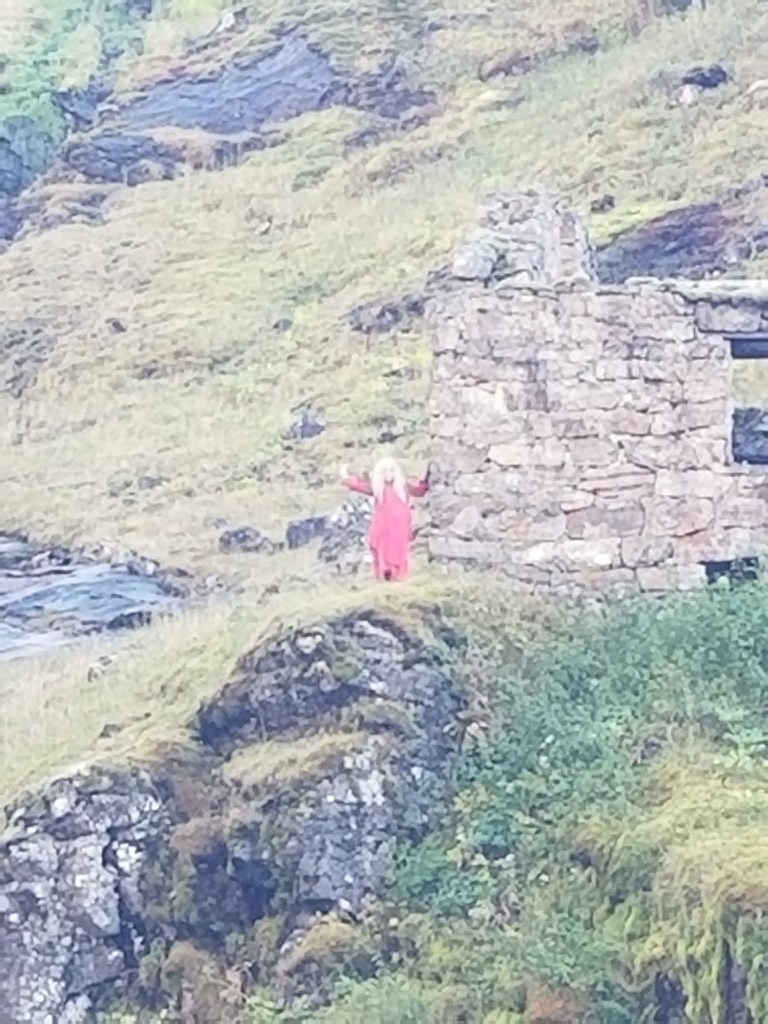
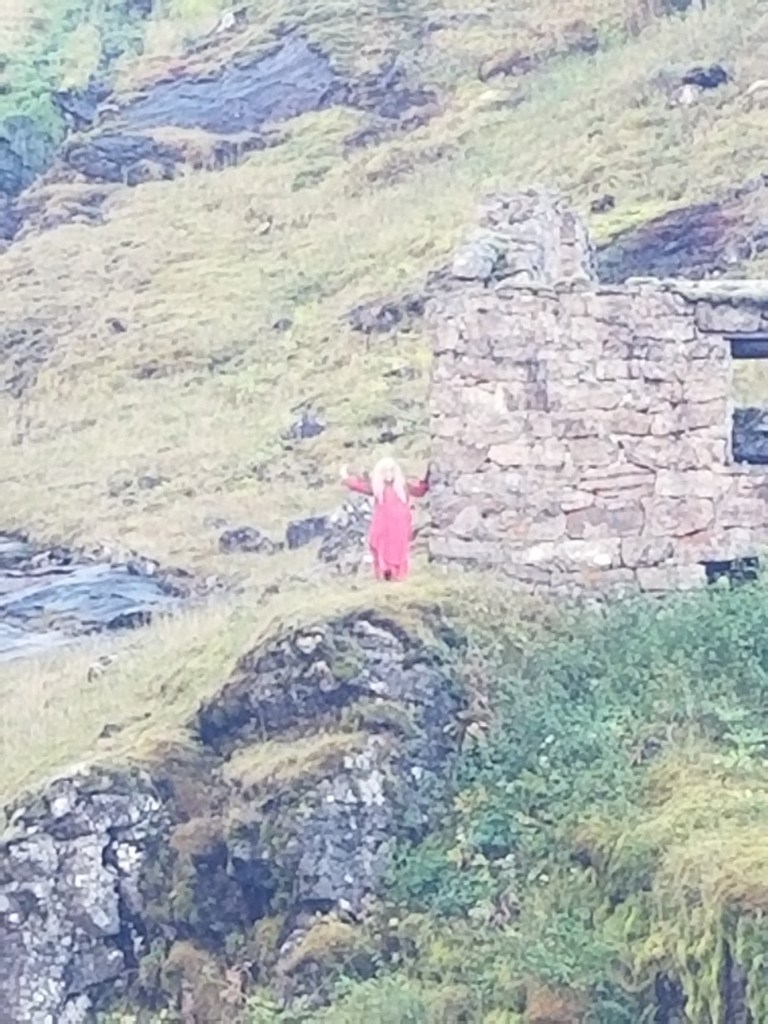
Blurry image of a Huldra dressed in red standing on a mountain side. | Scandinavian Mythology
A close up of the Huldra we encountered. Sorry, my phone camera is the best and it was at a distance.

Näcken, Fossegrim

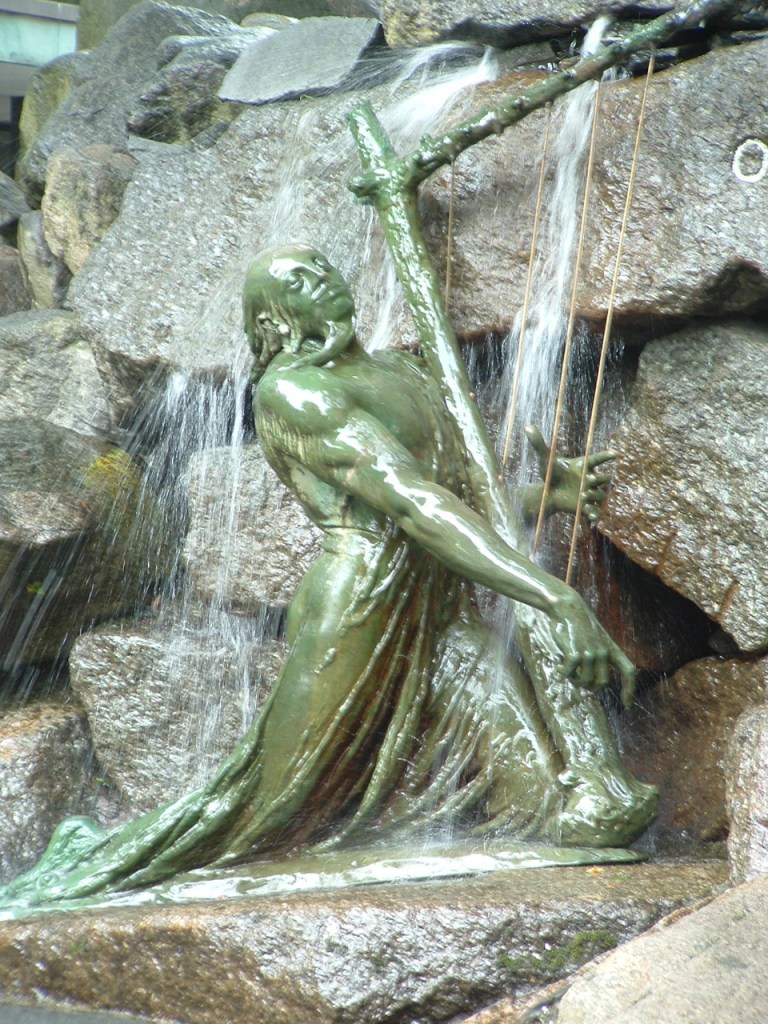
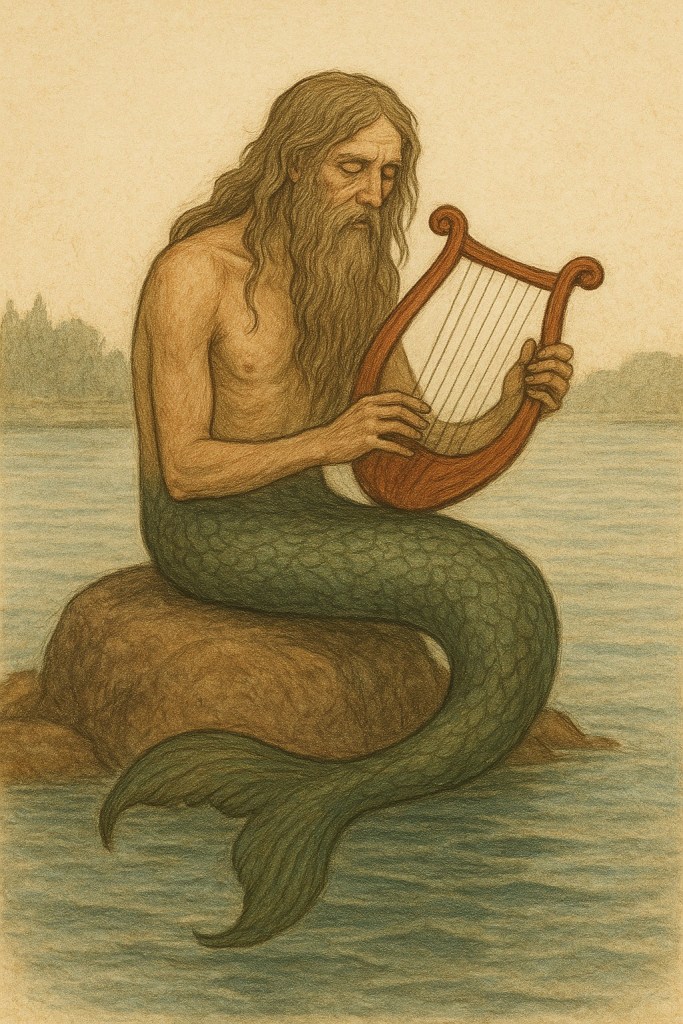
Näcken, Strömkarlen, or Fossegrim in Norwegian is a male creature who lives by the water, creeks, rivers, ponds and lakes. He plays a harp or a violin He lures children and others to their death. In southern Sweden (Scania) he seduces people by skillfully playing a violin thus creating irresistible music.

Greenish statue of Fossegrim standing in a small waterfall playing a harp. | Scandinavian Mythology
Bjørn som tegner, CC BY-SA 3.0 <https://creativecommons.org/licenses/by-sa/3.0&gt;, via Wikimedia Commons
Näcken or Strömkarlen is sitting on a rock in a creek playing a harp. | Scandinavian Mythology
A picture of Näcken that I generated with the help of ChatGPT

Troll

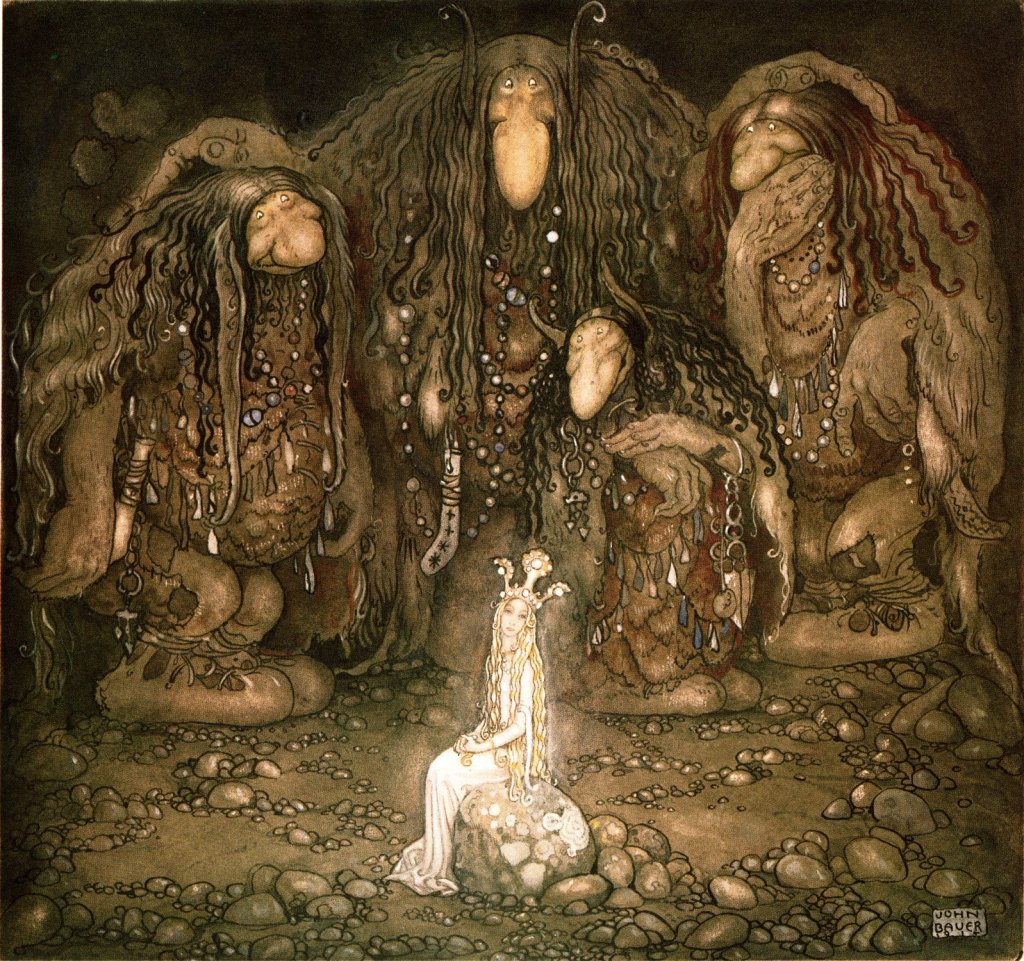
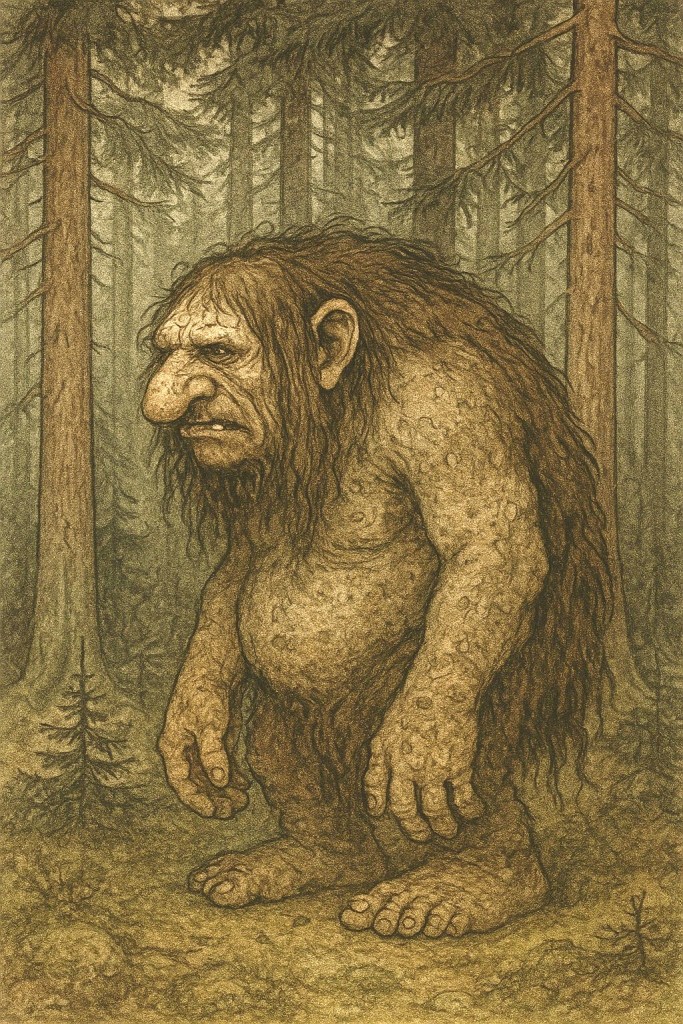
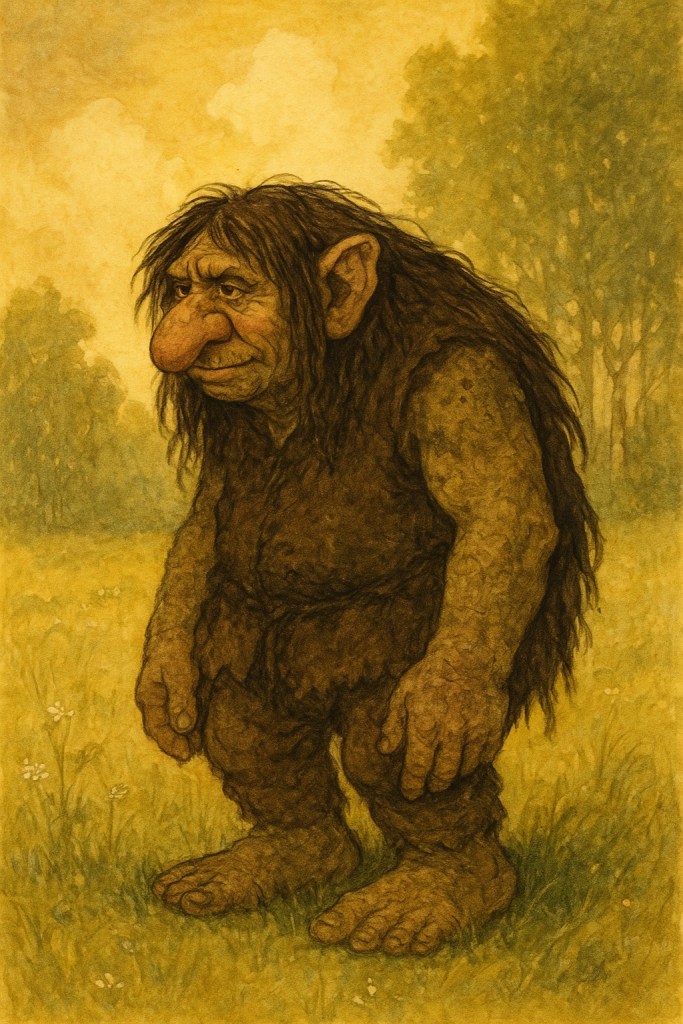
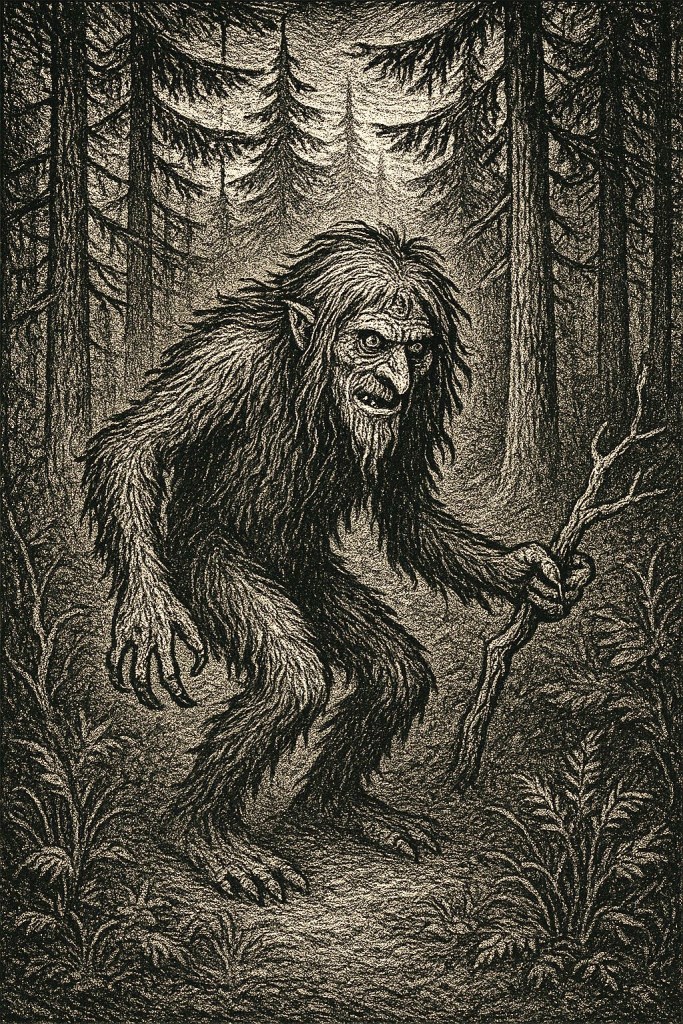
Troll, or Trolls in plural, are large ugly creatures with magical powers. They typically live in caves and sunlight is dangerous to them. They are typically hostile to humans and may kidnap people, including children, to work in their mines. Trolls are called Trolls in both Swedish and Norwegian.

Four big Trolls sitting next a shiny white female elf.
Look at them, troll mother said to the elf girl. Look at my sons! You won’t find more beautiful trolls on this side of the moon. (1915) by John Bauer. John Albert Bauer (4 June 1882 – 20 November 1918) was a Swedish painter and illustrator. wikipedia public domain.
A troll standing in the forest
A picture of a troll that I generated with the help of ChatGPT
A troll standing in the forest | Scandinavian Mythology
Another picture of a troll that I generated with the help of ChatGPT
A very ugly troll standing in the forest
A picture of a troll, a slightly different style, that I generated with the help of ChatGPT

Myling

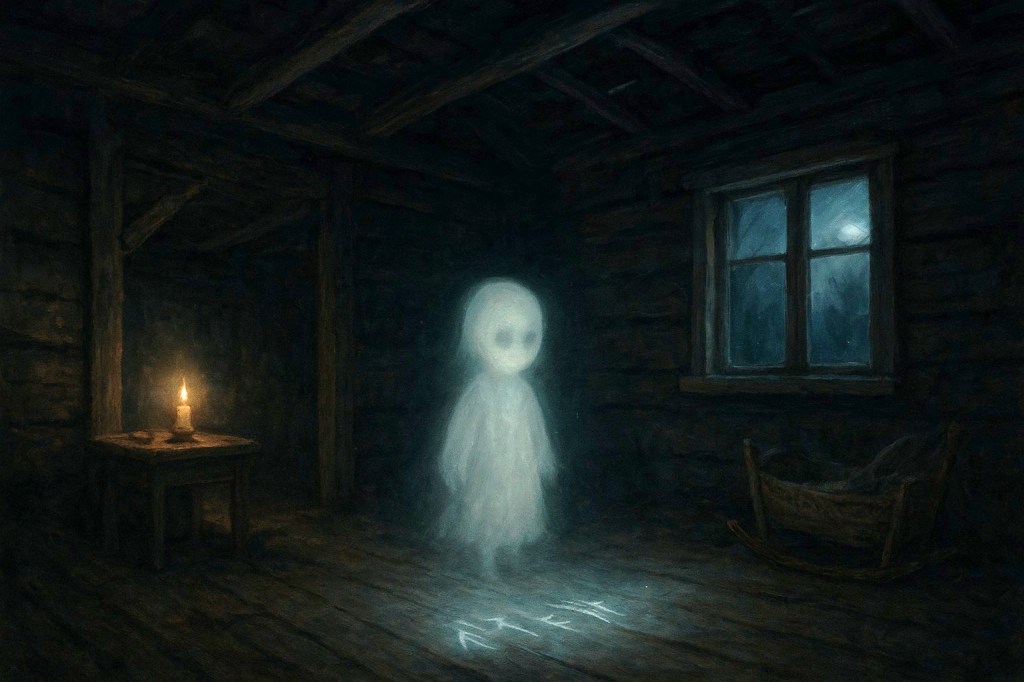
Before modern contraception, infanticide was one way for parents to limit the number of children they had. Unwanted and out of wedlock children were often killed. It is part of our human dark history. These babies were not baptized and in old Scandinavian mythology they became restless spirits seeking revenge on the mother or both parents. Alternatively, they caused mischief until they could convince someone to at least bury them properly. These restless baby spirits are referred to as myling or mylingar in plural.

A myling in the middle of a room of a cottage. The myling looks like a small shiny ghost. It is dark in the cottage and there is a window and a candle. | Scandinavian Mythology
A picture of a myling that I generated with the help of ChatGPT

Storsjö odjuret

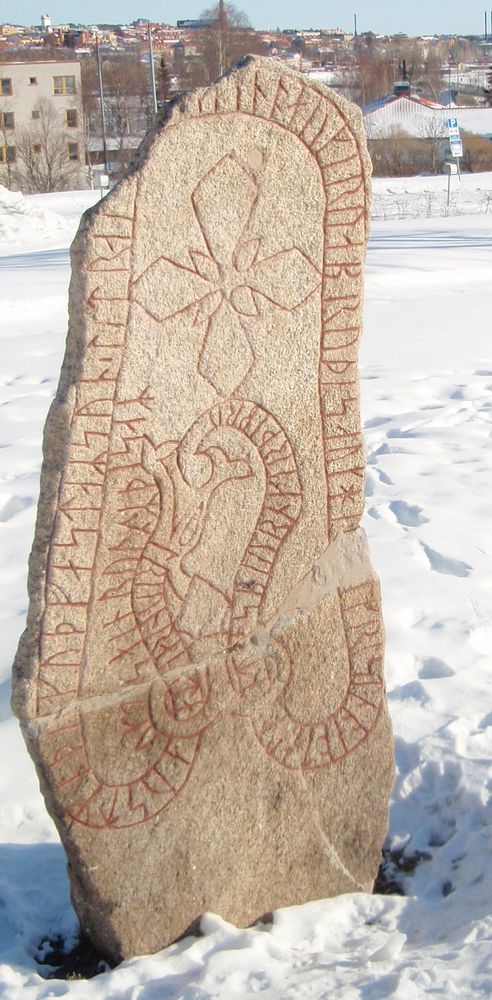
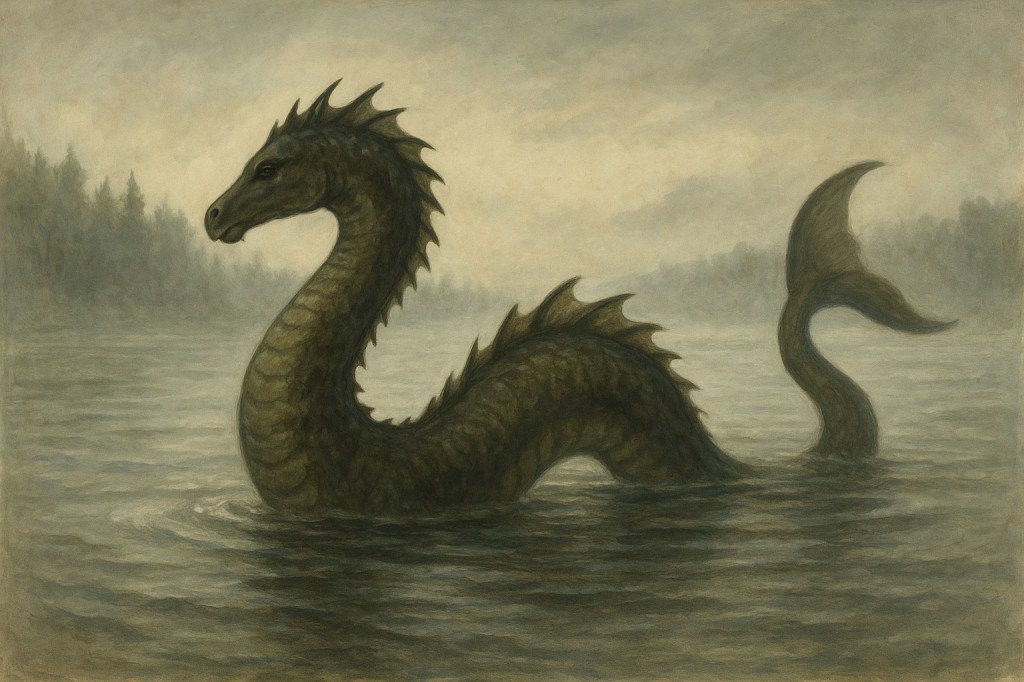
Storsjöodjuret is a large sea serpent like Swedish lake monster like the Loch Ness monster. It resides in a lake in northern Sweden. The English translation of Storsjö odjuret is the monster of the Great Lake. Storsjö / Great Lake is not far from where I grew up. I should say this monster has been hundreds of times since 1635 and seems to have been depicted on a rune stone from the 11th century.

A runestone with runes and a picture of snake like creature.
The Frösö Runestone from the mid-11th century. Frösö is an island located in the middle of Storsjö. In the legend from 1635 Storsjöodjuret is said to be the serpent depicted on the stone. Andreaze, Public domain, via Wikimedia Commons
Depicted is a large sea serpent like creature with a horse like head and a fish tail. | Scandinavian Mythology
A picture of storsjoodjuret that I generated with the help of ChatGPT

Kraken

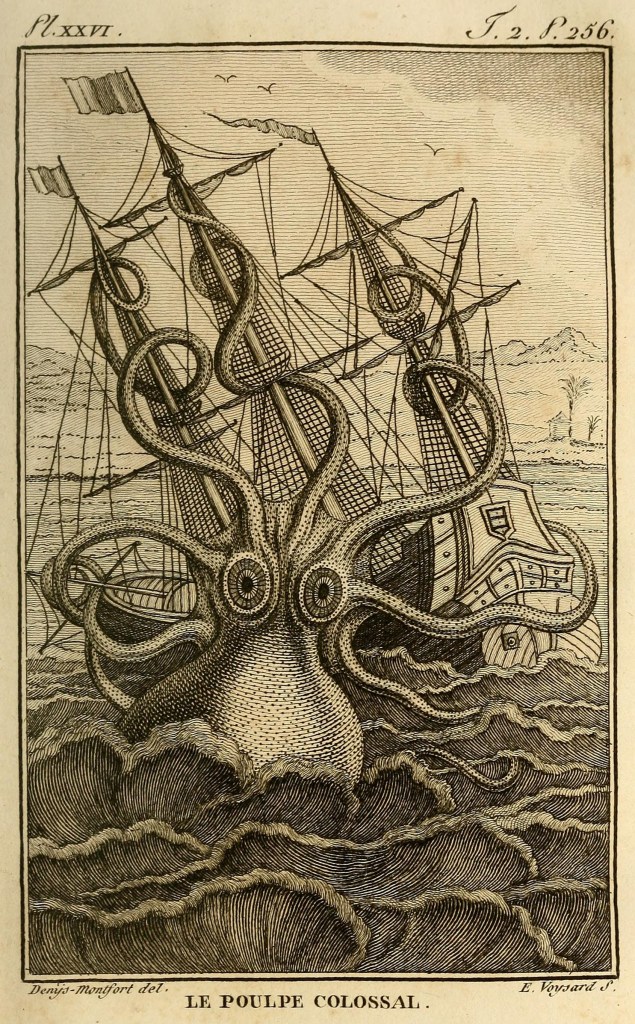
Kraken is a gigantic octopus that can bring down entire ships. It is more of a Norwegian creature but also Swedish.

An old illustration of a giant octopus climbing all over a ship.
Pierre Denys de Montfort (1766–1820) / Étienne Claude Voysard (1746–1812.), Public domain, via Wikimedia Commons

Skvader

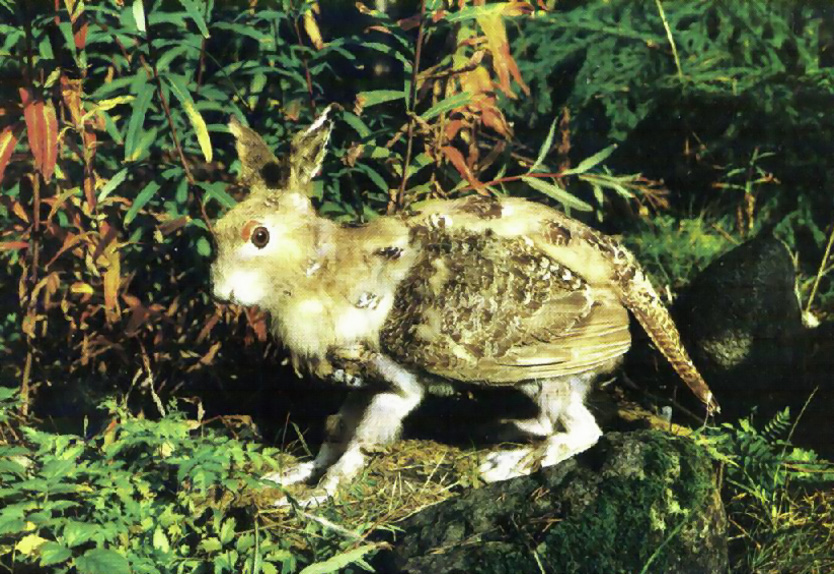
The skvader is a Swedish fictional creature that looks like a mix of a wood grouse and a hare. It started with a taxidermist creating a mixture of the two animals, taking a photo, and a rumor spread that it was real. I am remember watching debates on Swedish TV on whether the creature was real or not. People love to believe strange things. Yet another reason we scientifically valid evidence.

A photo of animal that looks like a mix of a wood grouse and a hare.
Unknown photographer, Copyrighted free use, via Wikimedia Commons

Blodstämmare

This is not a creature but a very common superstition in northern Sweden. There are people, blodstämmare, who can stop the flow of blood by uttering magical phrases while focusing their minds on the person in question. This power is usually used for helping people who are bleeding. It can also be used for evil, like black magic, to stop the blood flow in someone’s heart. This superstition is based on Sami (indigenous north Scandinavian people) Shamanism and north Swedish Christian fundamentalism (Laestadians). It is respected enough that some north Swedish hospitals have used blodstämmare in emergency situations.

The father of a close friend of mine called a blodstämmare when he had a bad nosebleed, and it worked. I know anecdotes are not valid scientific evidence. It is just a good story.

Happy Halloween


To see the Super Facts click here

Scandinavian Folklore

I am currently traveling in Scandinavia with my oldest son and his wife. Therefore, my blogging activities are a little bit less than usual. This particular post is not a super-fact, but it features some interesting facts regarding Scandinavian folklore and mythology. Yesterday, we visited a Norwegian Fjord called Sognefjord, which is said to be the dwelling of a number of Huldra, which is their name in Norwegian, or Skogsrå (forest fairy) in Swedish. Sognefjord is also known to be a narrow deep and long fjord. Sognefjord is one mile deep and 45 miles long and it is surrounded by tall mountains.

The photo is of me standing on the deck of a boat in Sognefjord. There are mountains and a village in the background. I am wearing a white jacket.
Me on a boat in Sognefjord Norway.
The photo is of the beginning of Sognefjord, or rather the end of Sognefjord inland of Norway.
The beginning (or end) of Sognefjord. Sognefjord is one mile deep and 45 miles long and surrounded by tall mountains.

A Huldra or Skogsrå or Tallemaja in Swedish is a seductive female creature who lures men with her beauty and beautiful singing and then kills the men. It should be noted that I read that if you meet a Huldra in the forest and you treat her with respect she will not kill you. She would just enjoy your company for a while, talk to you, sing to you, show you the beauty of the forest, and then she would let you go. It is only the rude and selfish men who don’t respect her boundaries whom she kills. What do you think is the truth?

An image AI-illustration of a Huldra | Scandinavian Folklore
Imagining how a Huldra would look like. Stock AI-generated image ID: 2400845203 by Shutterstock AI Generator.

We took a two-hour cruise on Sognefjord and after the cruise we took a train to the top of the surrounding mountains. Along the way we encountered a Huldra by a waterfall. She sang to us in her beautiful voice, and she seduced us all, both men and women, to take photos of her with our phones and posting them on social media.

A waterfall in the mountains. A woman in a red dress is standing to the right of the waterfall | Scandinavian Folklore
My photo of the Huldra (in red) by the waterfall in the Norwegian mountains. She seduced us all into taking photos of her for Facebook. Her seductiveness was feared in medieval times, but in modern times we refer to the seductiveness of the Huldra as a “tourist trap”. On Facebook we call it clickbait.
A Huldra dressed in red standing on a mountain side | Scandinavian Folklore
A close up of the Huldra we encountered. Sorry, my phone camera is the best and it was at a distance.

Scandinavian Folklore Creatures:

The Huldra / Skogsrå is not the only creature in Scandinavian folklore. There are many. Below is a list of Scandinavian folklore creatures.

  • Huldra / Skogsrå – the aforementioned female forest spirit who may kill the men she lures with her beauty and beautiful singing.
  • Troll – Trolls are large ugly creatures with magical powers. They typically live in caves and sunlight is dangerous to them. They are typically hostile to humans and may kidnap people, including children, to work in their mines.
  • Näcken – is a male creature who lives by the water, creeks, rivers, ponds and lakes. He lures children and others to their death. In southern Sweden (Scania) he seduces people by skillfully playing a violin thus creating irresistible music.
  • Vittra or Vitterfolk – are supernatural spirits or small invisible people who have a lot in common with people. They own cattle and they sometimes interact with people. Usually, they stay out of your way, but if you hurt them, for example by throwing hot water out the window without warning them first, they may take revenge on you and burn down your house. Vittra are not evil but not friendly either. The belief in Vittra is especially prevalent in northern Sweden.
  • Tomtar – gnomes – nisse – is another type of small magical people related to vittra but unlike vittra they are friendly. They may help you with your projects and duties as long as you are nice to them. They help you with your farm and your animals, warn you of danger, and bring you gifts for Christmas if you in return give them food, such as porridge. The Swedish Santa Claus is not one guy, but a Tomte, and there are many Tomtar, often one Tomte per house. It makes a lot more sense. How could one guy bring presents to all the children around the world? He would have to fly faster than the speed of light. No, it is rather an army of Tomtar who does that work. The Walt Disney Santa Claus invention is not realistic. Ancient superstition makes more sense.
  • Storsjö odjuret – this is a Swedish lake monster like the Loch Ness monster. It resides in a lake in northern Sweden.
  • Kraken – a gigantic octopus that can bring down entire ships.
  • Blodstämmare – this is not a creature but a very common superstition in northern Sweden. There are people, blodstämmare, who can stop the flow of blood by uttering magical phrases while focusing their minds on the person in question. This power is usually used for good to help people who are bleeding. It can also be used for evil, like black magic, to stop the blood flow in someone’s heart. This superstition is based on Sami (indigenous north Scandinavian people) Shamanism and north Swedish Christian fundamentalism (Laestadians). It is respected enough that some north Swedish hospitals has used blodstämmare in emergency situations. The father of a close friend of mine called a blodstämmare when he had a bad nosebleed, and it worked. I know anecdotes are not valid scientific evidence, but maybe someone should do a study.
A tomte wearing a red hat in a snowy winter forest | Scandinavian Folklore
An illustration of a Tomte. Shutterstock ID: 2060057882 by PLIMPLUM.

Do I believe in the existence of any of these creatures? No, I don’t, but I am curious, what are the mythical creatures in your culture?


To see the Super Facts click here