
Since it is Halloween I thought I’d make a fun post (not a super fact) about Scandinavian Mythology or folklore. I live in Texas, but I am originally from Sweden so the various beings I’ll describe or mention below are beings that I grew up hearing about. When I was a kid, we kids used to scare each other with stories about these beings.
I should also point out that it is not ancient Viking mythology but more recent folklore that some people still believe in. I am focusing on Swedish folklore and Norwegian folklore since it is similar to Swedish folklore. Danish folklore is a little bit different, but it has many similarities to Swedish and Norwegian folklore. Denmark is a Scandinavian country, but the post would be too long if I included folklore that is specifically Danish.
I am providing one or more pictures for each being. These pictures are either in the public domain, for example via Wikipedia, or shutter-stock pictures (I have a subscription), or pictures I generated with the help of ChatGPT with varying success. The beings covered are Tomte, Vittra (Vitter folk), Elf, Skogsrå/ /Tallemaja/Huldra, Näcken/Fossegrim, Troll, Myling, Storsjö odjuret (the north Swedish equivalent of the Loch Ness monster), Kraken, and Skvader. Finally, Blodstämmare is not a being but a north Swedish magical practice that you use to remotely stop the blood flow in a person.
Tomte
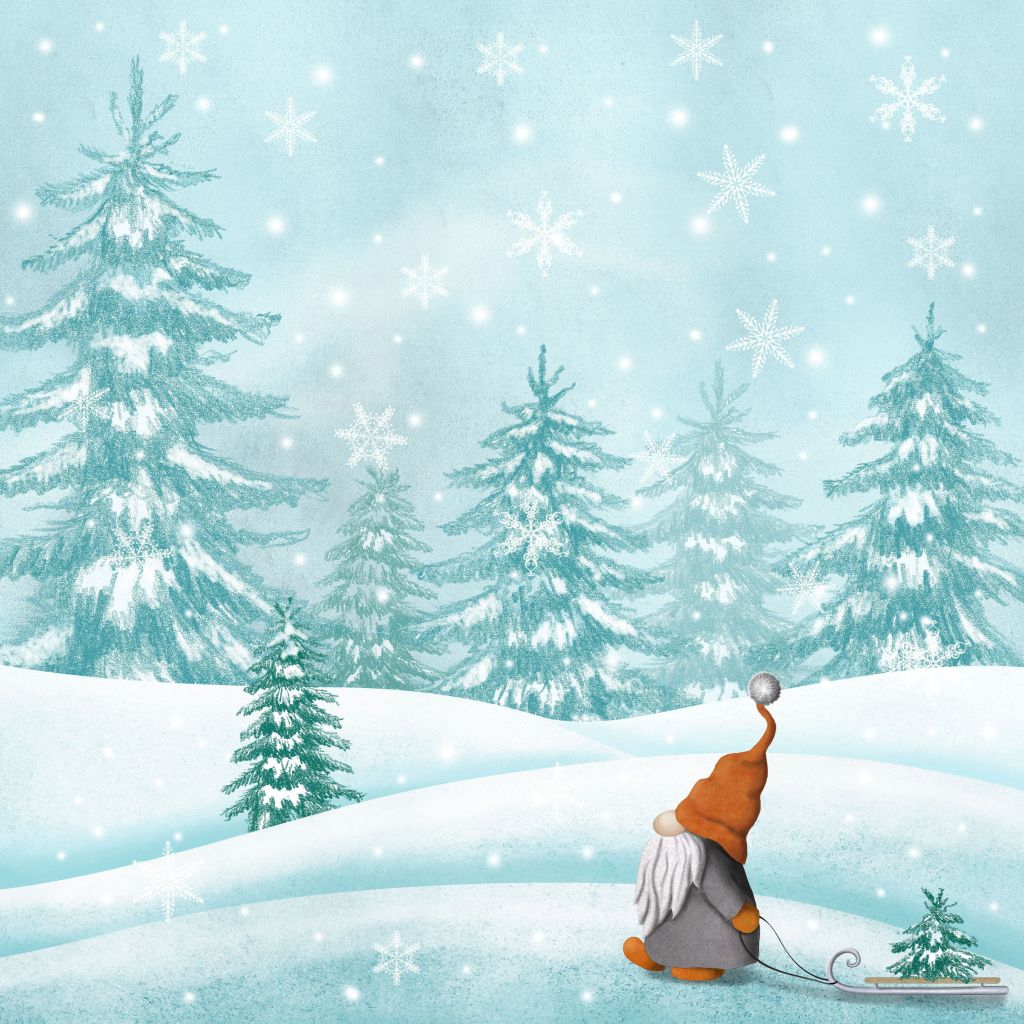
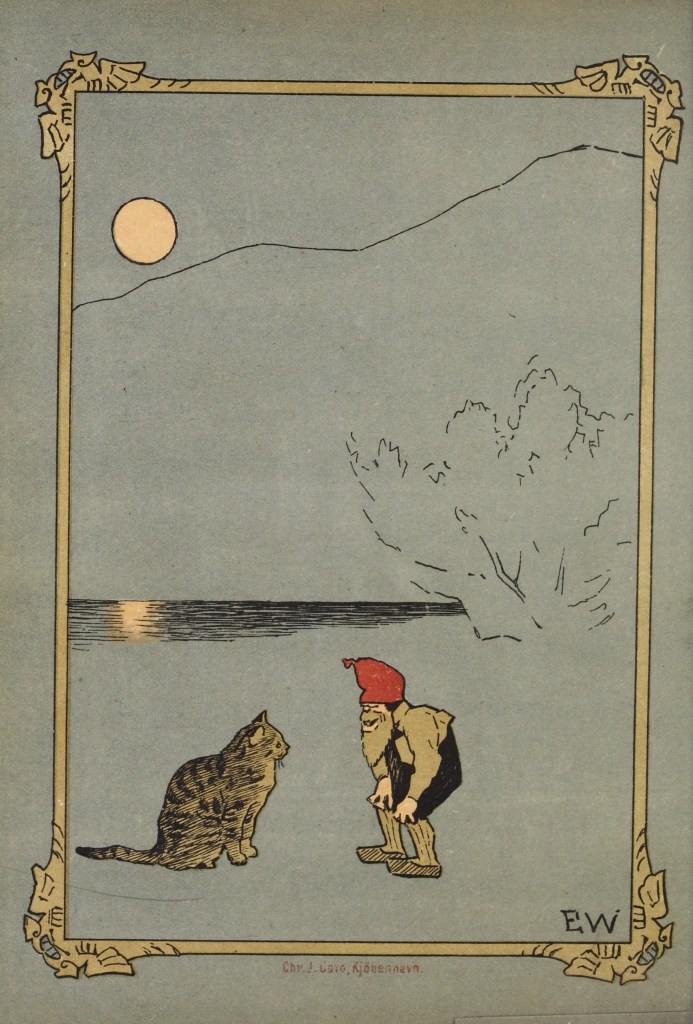
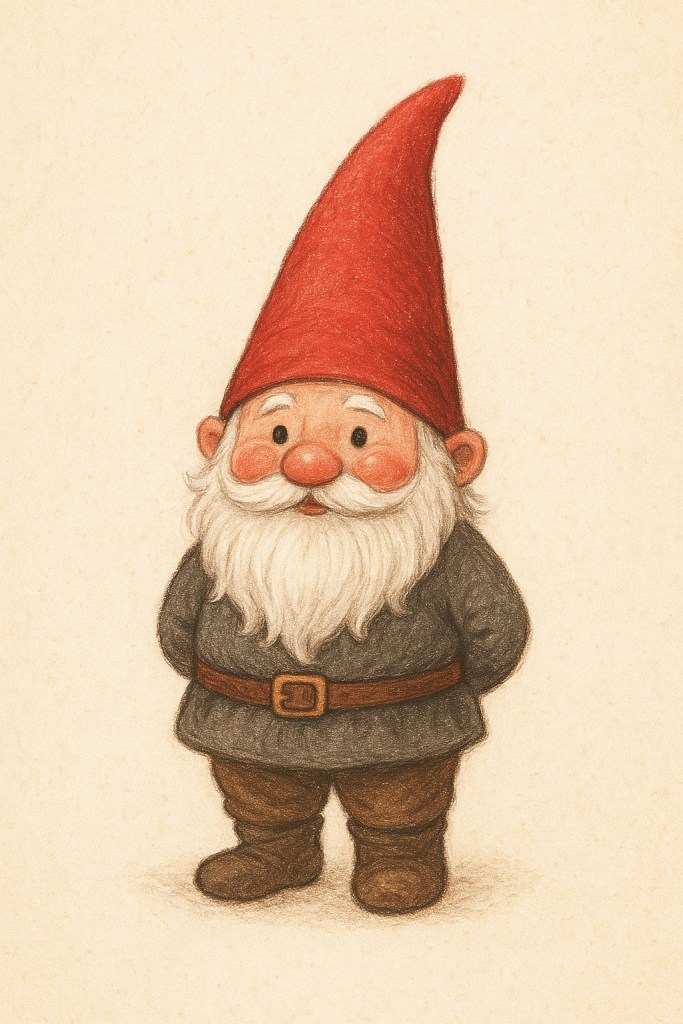
Tomtar (plural of Tomte) or Nisse in Norwegian is a type of small magical people, or gnomes, related to Vitter folk (described below). They are friendly and is the inspiration behind the Swedish version of Santa Claus, which is therefore a bit different from the Disney version of Santa Claus that has become so popular.
For one thing, the Disney version of Santa Claus works alone while delivering presents and therefore needs to move faster than the speed of light to cover all the good children. A Tomte may help you with your projects and duties if you are nice to them. They may help you with your farm and your animals, warn you of danger, and bring you gifts for Christmas if you in return put out food for them, such as porridge. As mentioned, there are many Tomtar, often one Tomte per house.
Vittra
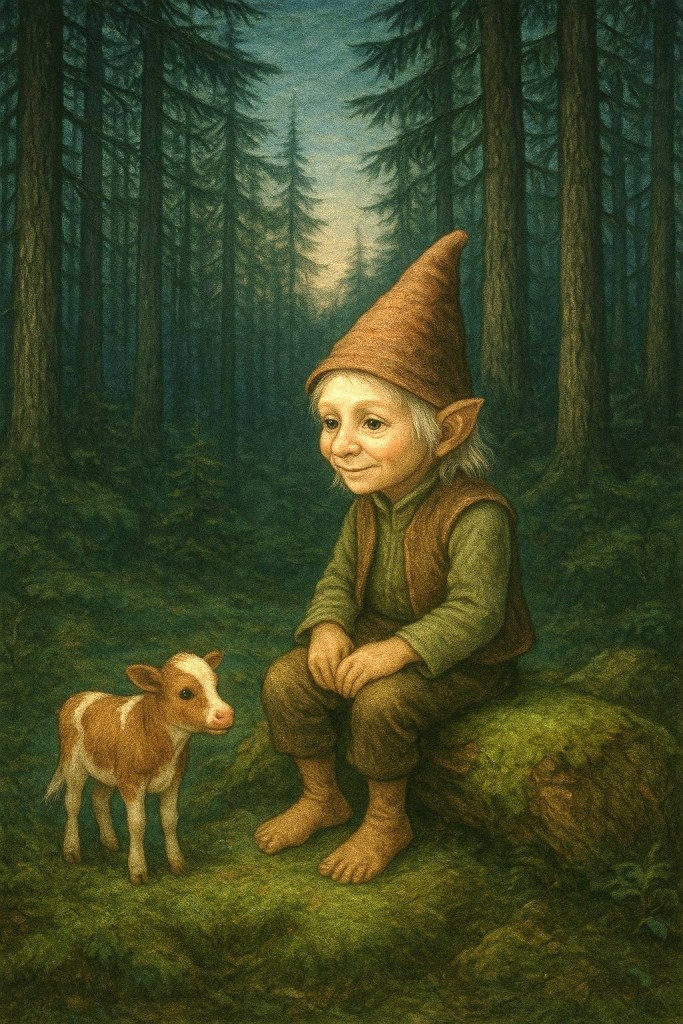
Vittra or Vitterfolk are supernatural spirits or small invisible people who have a lot in common with people as well as Tomtar. They own cattle and they sometimes interact with people. Usually, they stay out of your way, but if you hurt them, for example by throwing hot water out the window without warning them first, they may take revenge on you and burn down your house. Vittra are not evil but not friendly either.
The belief in Vittra is especially prevalent in northern Sweden. On the Swedish island of Gotland, they are often referred to as “Di små undar jordi” in the Got/Goth dialect, or “De små under jorden” in proper Swedish, or “the small ones below ground” in English. They are sometimes depicted as looking similar to Tomtar, gnomes or elves, and sometimes as invisible, or near invisible little spirits. Below are some depictions of Vitter folk.
Elf
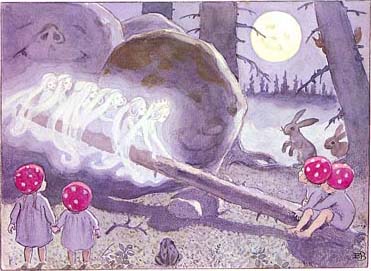
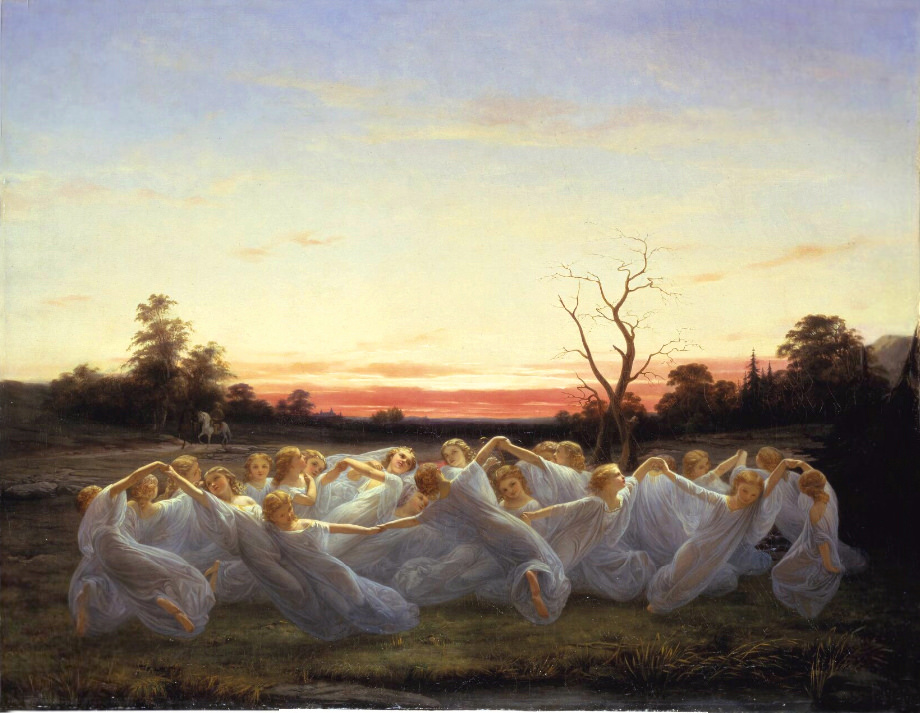
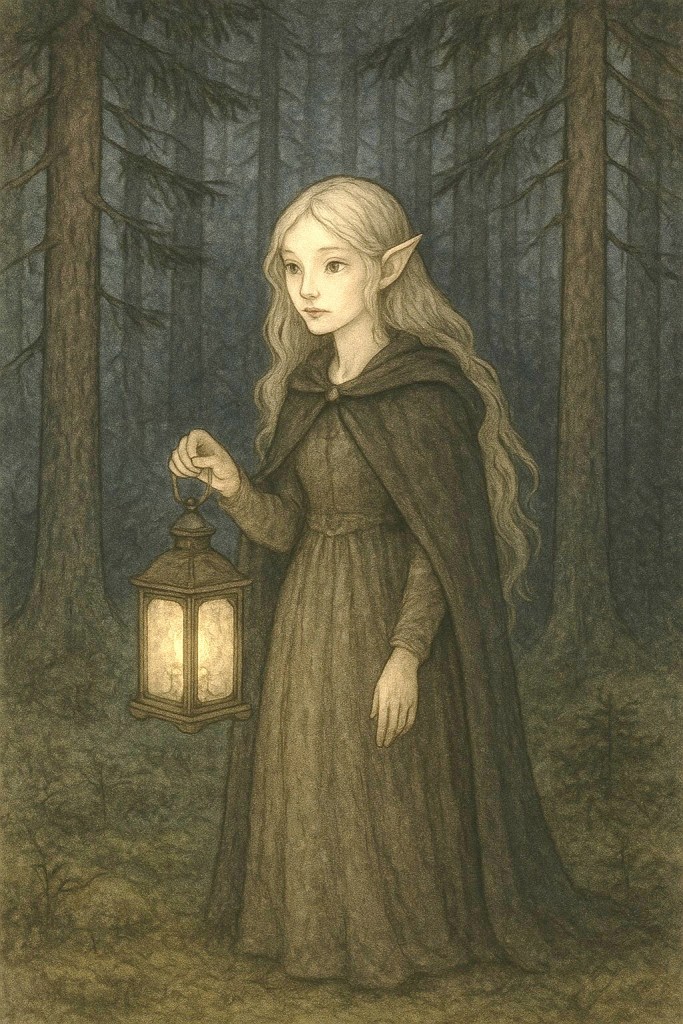
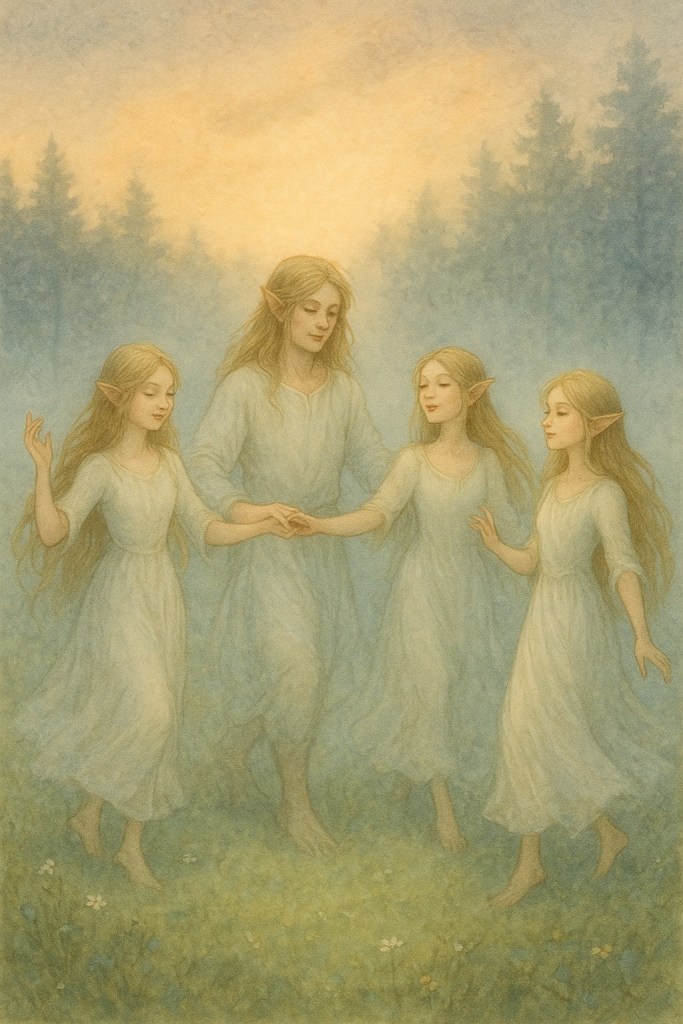
An elf, or elves in plural, is a type of human like supernatural being in Germanic folklore and especially Nordic/Scandinavian folklore. Since elves have been popularized around the world it is a well known being. In Scandinavian mythology they were initially often considered bad news but because of popular culture, such as Tolkien’s books, they have been redeemed into something positive. The first picture below is from a Swedish children’s book written in 1910. I read this book when I was a child. The wispy creatures are elves and the small kids with mushroom hats are Tomte children. In this book the elves are depicted in a Nordic pre-modern fashion, but they are nice.
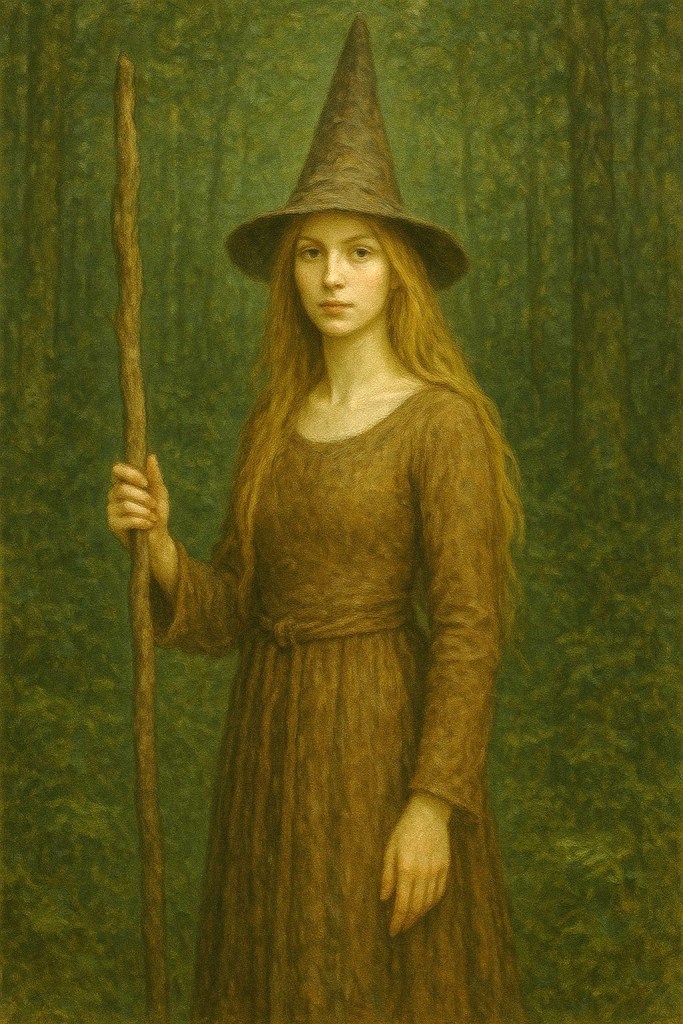
Skogsrå, Tallemaja, Huldra
Skogsrå or Tallemaja in Swedish folklore is a seductive female creature who lures men with her beauty or beautiful singing and then kills the men. The Skogsrå / Tallemaja typically has a tail and a hollowed out back, which you can’t see if you are facing each other. In Norwegian this creature is called Huldra (Hulder in plural).
It should be noted that I read that if you meet a Huldra in the forest and you treat her with respect she will not kill you. She would just enjoy your company for a while, talk to you, sing to you, show you the beauty of the forest, and then she would let you go. It is only the rude and selfish men who don’t respect her boundaries whom she kills.
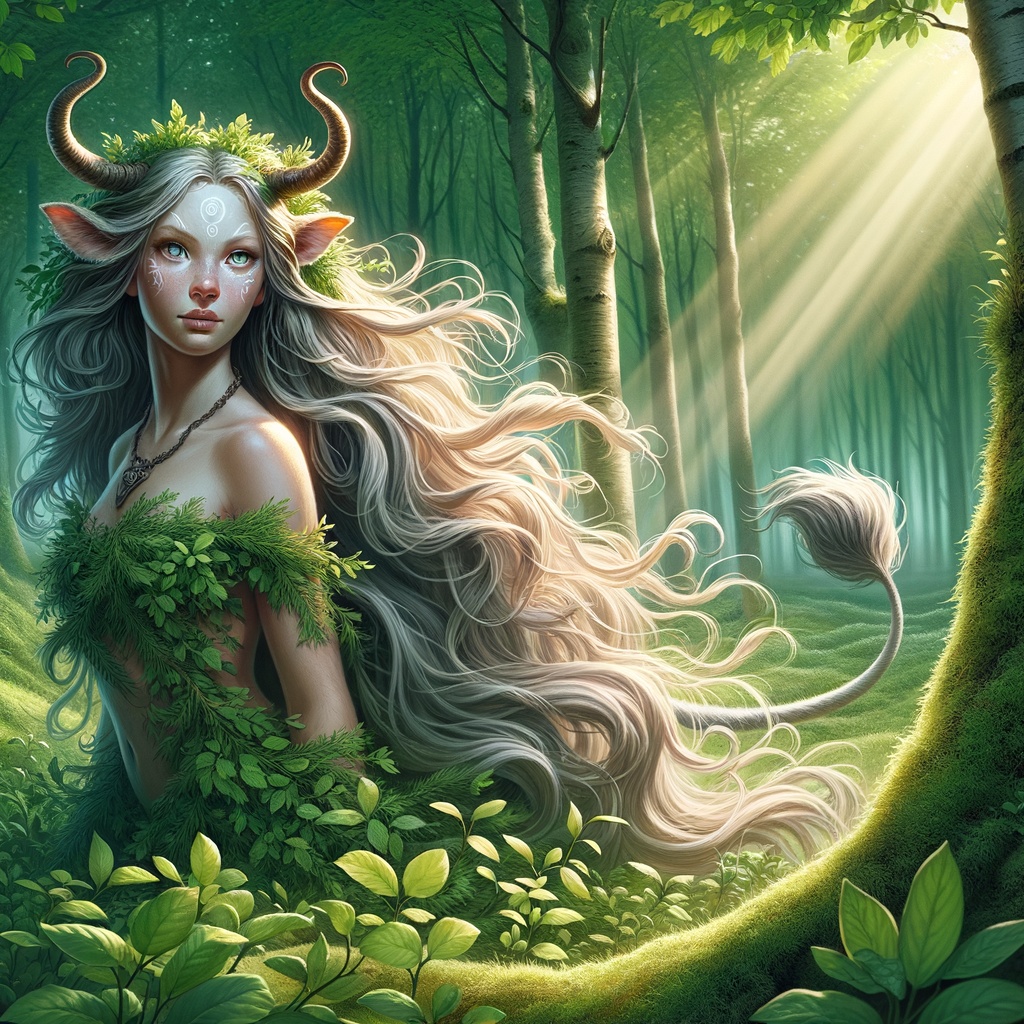
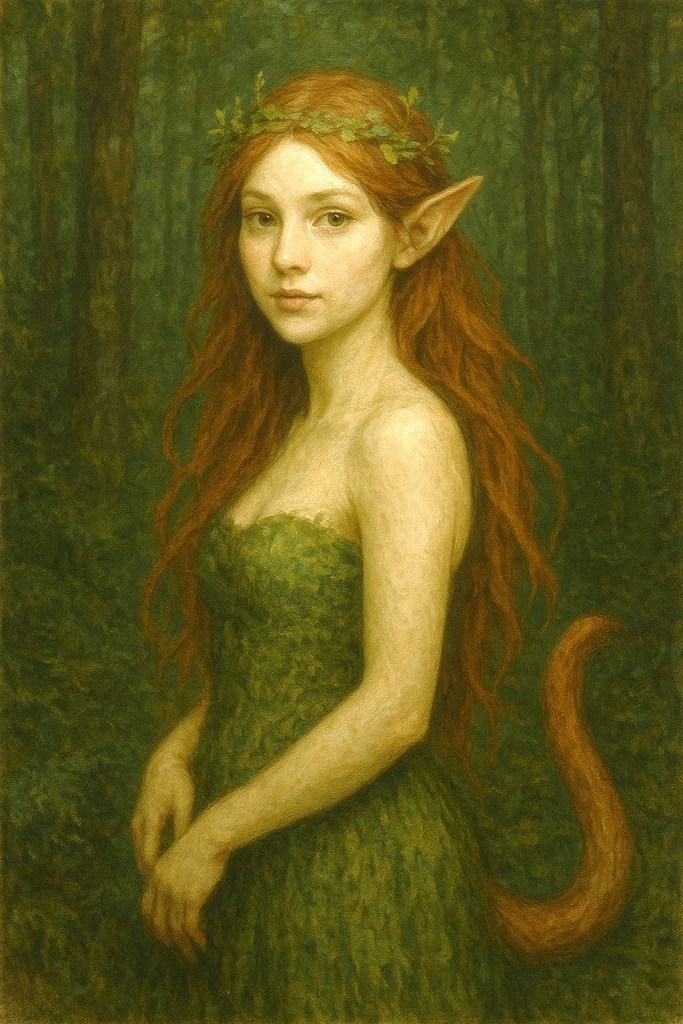
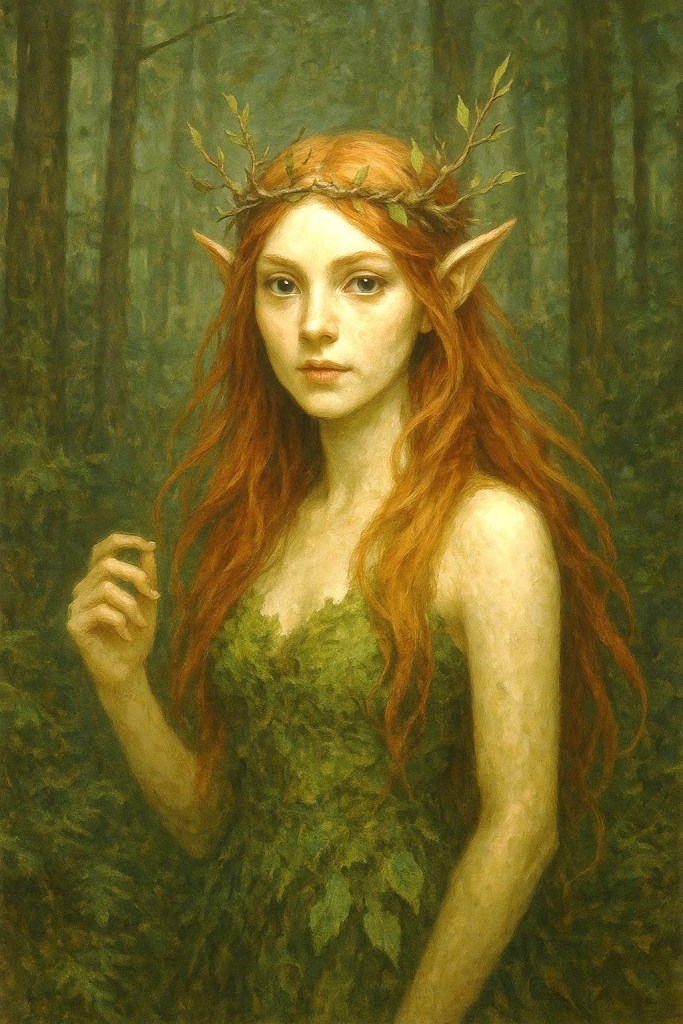
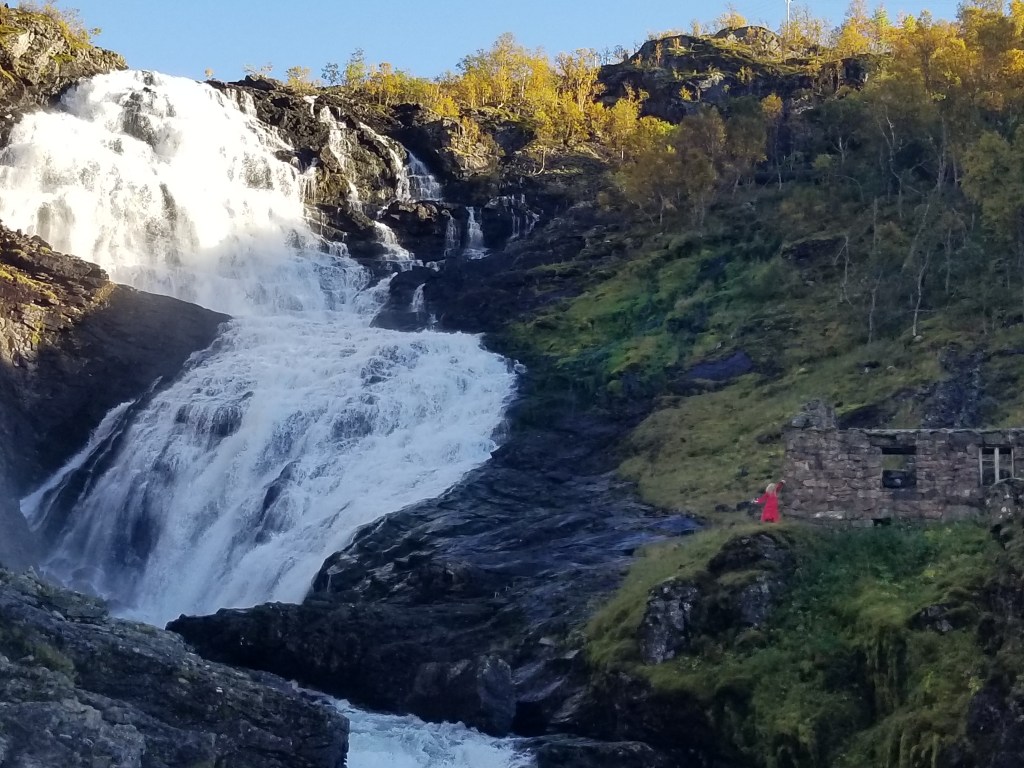
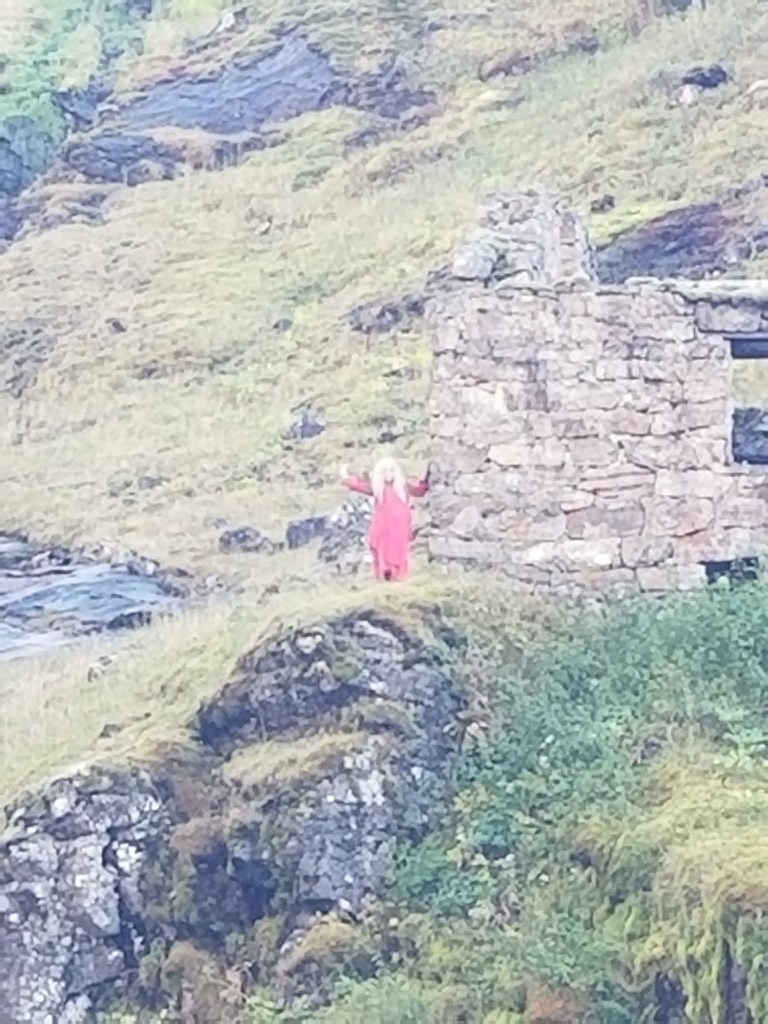
Last summer (a bit more than one year ago) we visited Sweden and Norway. One day we took a tour into the Norwegian mountains and fjords. We took a two-hour cruise on Sognefjord and after the cruise we took a train to the top of the surrounding mountains. Along the way we encountered a Huldra by a waterfall. She sang to us in her beautiful voice, and she seduced us all, both men and women, to take photos of her with our phones and posting them on social media. It was a tourist ploy of course. You can read more about our trip here .
Näcken, Fossegrim
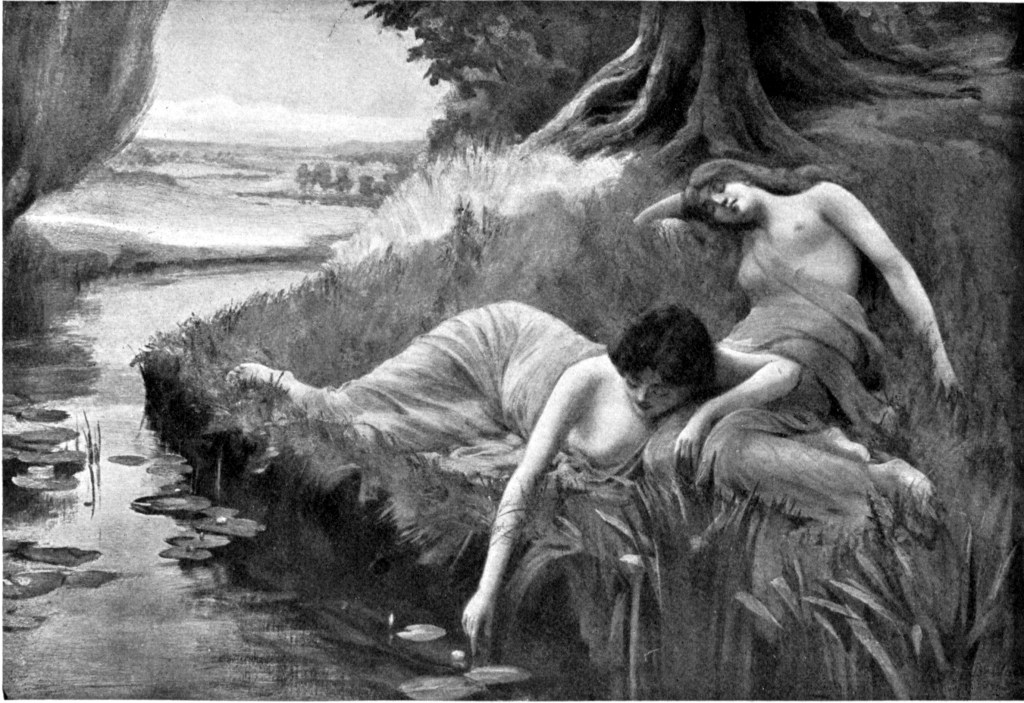
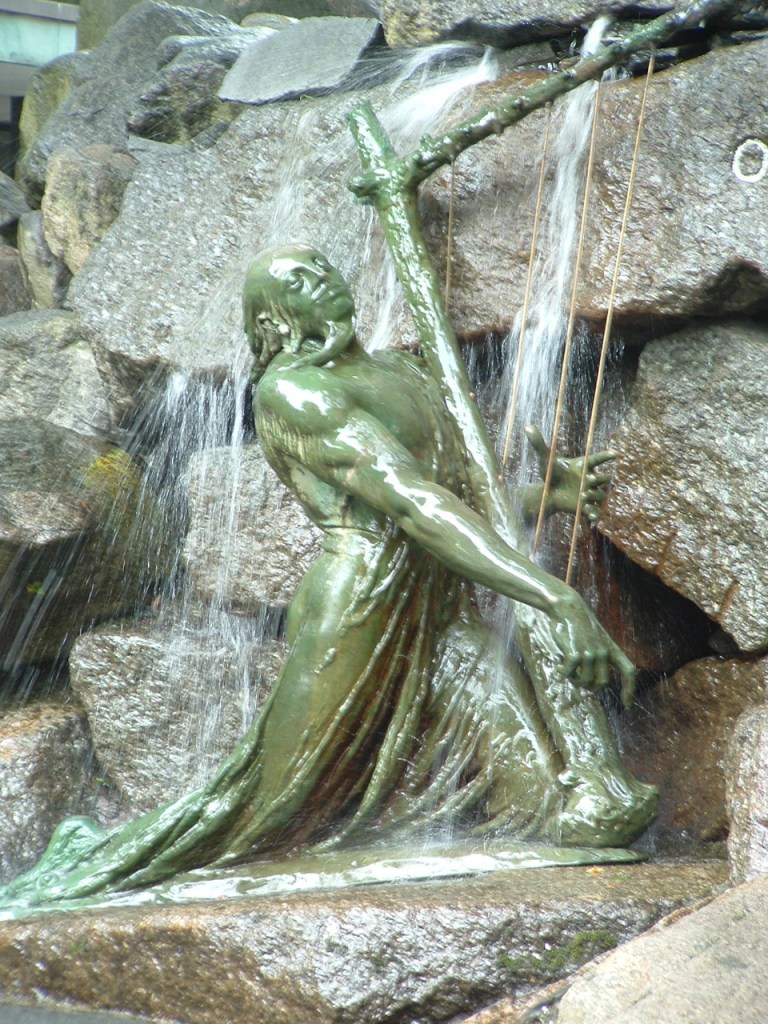
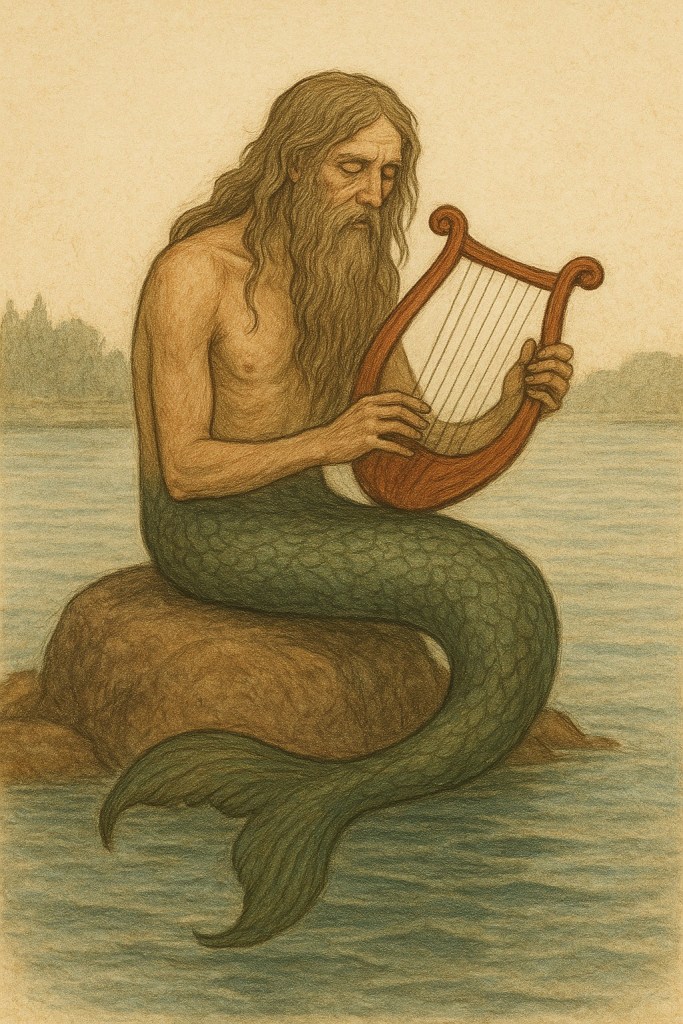
Näcken, Strömkarlen, or Fossegrim in Norwegian is a male creature who lives by the water, creeks, rivers, ponds and lakes. He plays a harp or a violin He lures children and others to their death. In southern Sweden (Scania) he seduces people by skillfully playing a violin thus creating irresistible music.
Troll
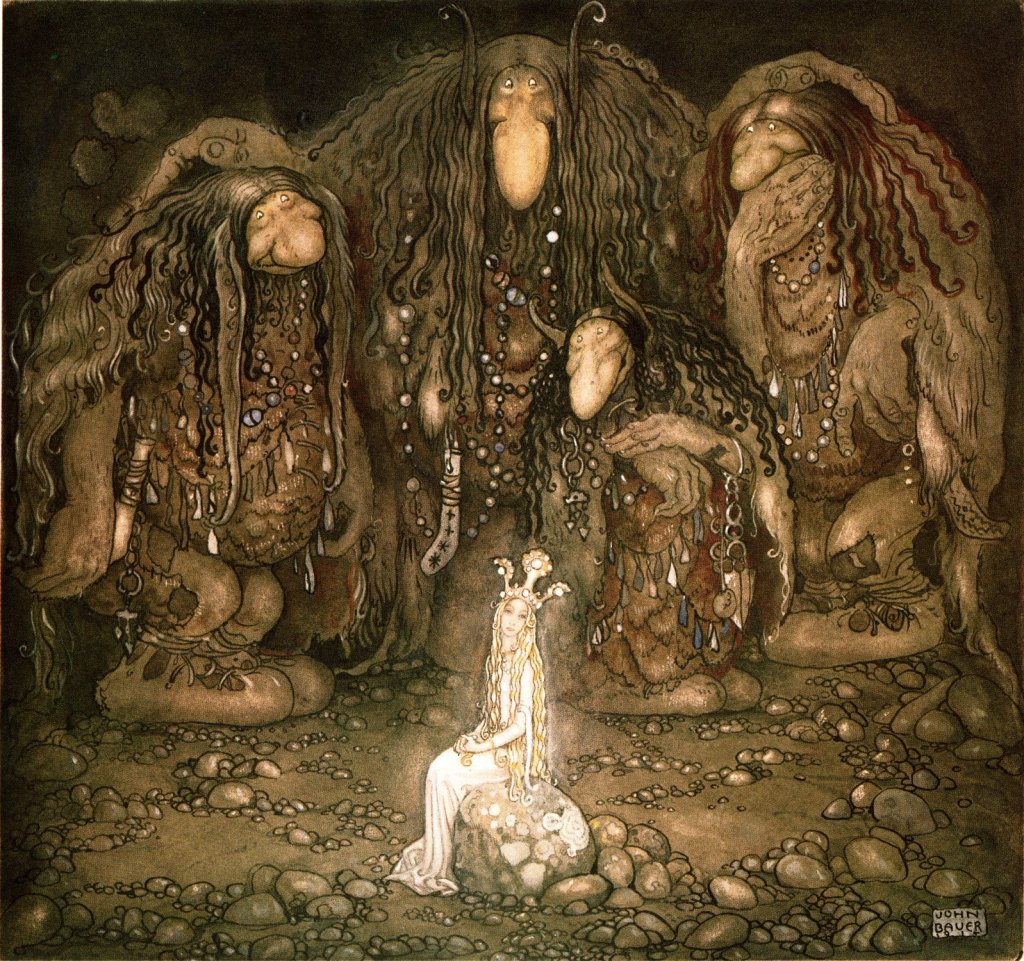
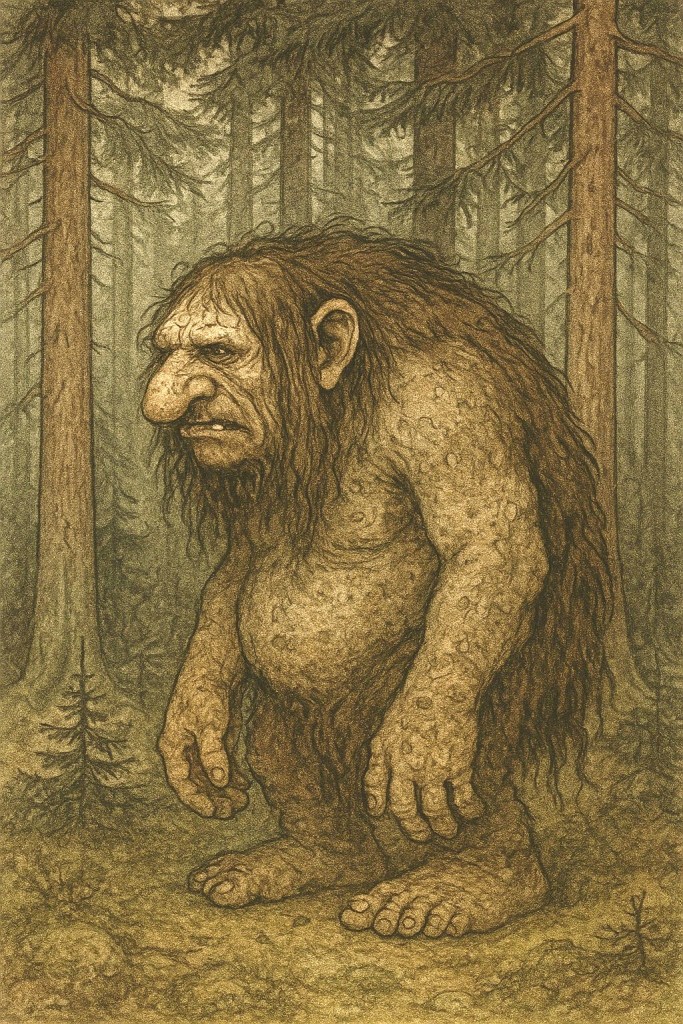
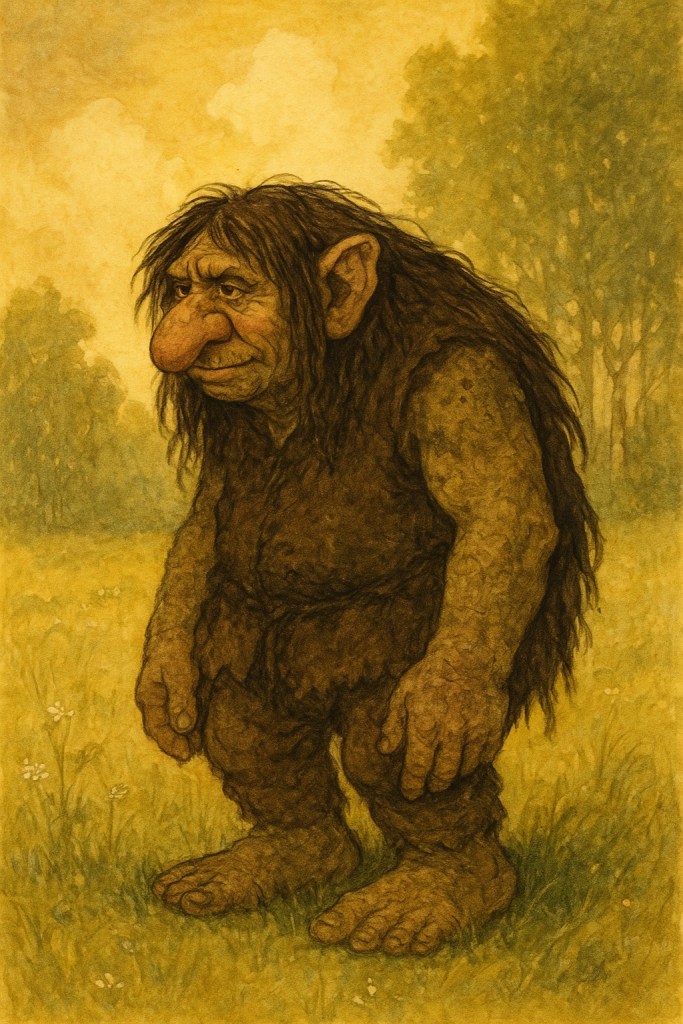
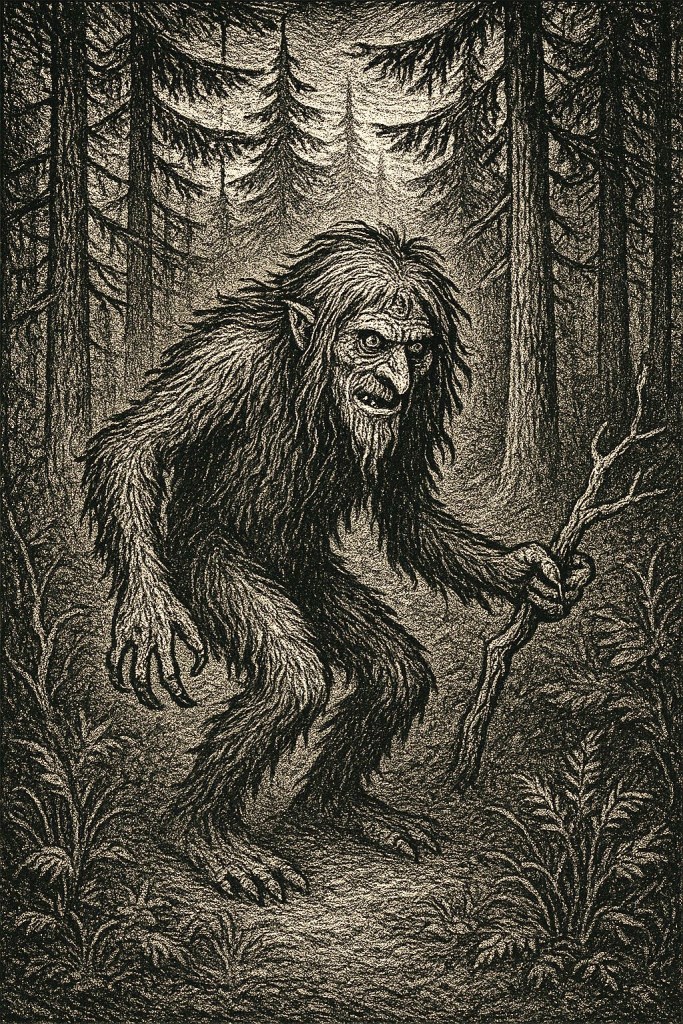
Troll, or Trolls in plural, are large ugly creatures with magical powers. They typically live in caves and sunlight is dangerous to them. They are typically hostile to humans and may kidnap people, including children, to work in their mines. Trolls are called Trolls in both Swedish and Norwegian.
Myling
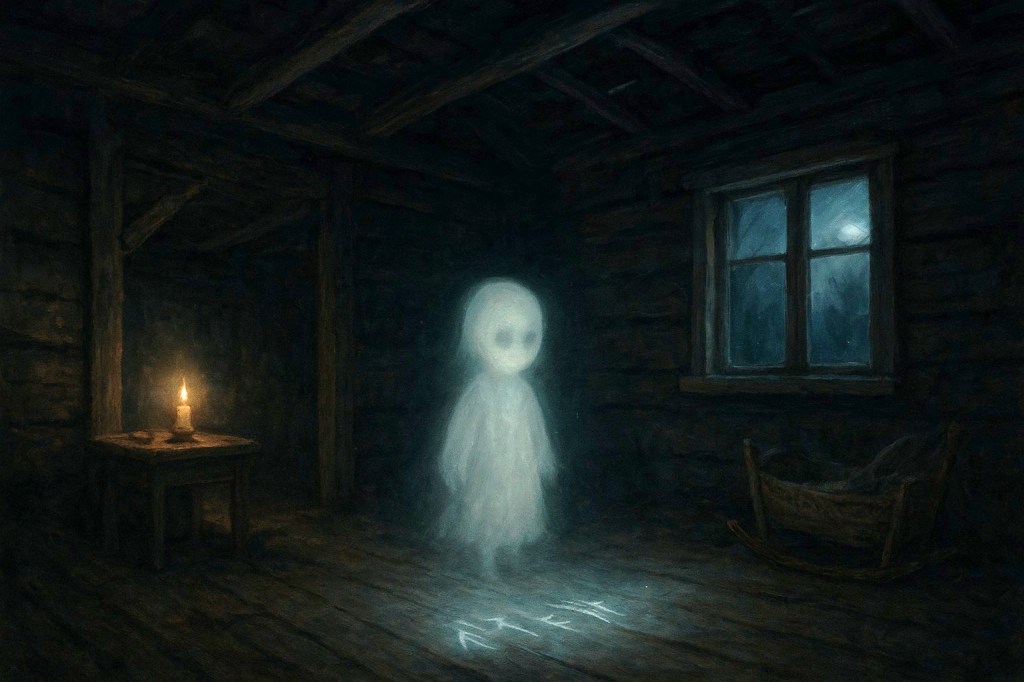
Before modern contraception, infanticide was one way for parents to limit the number of children they had. Unwanted and out of wedlock children were often killed. It is part of our human dark history. These babies were not baptized and in old Scandinavian mythology they became restless spirits seeking revenge on the mother or both parents. Alternatively, they caused mischief until they could convince someone to at least bury them properly. These restless baby spirits are referred to as myling or mylingar in plural.
Storsjö odjuret
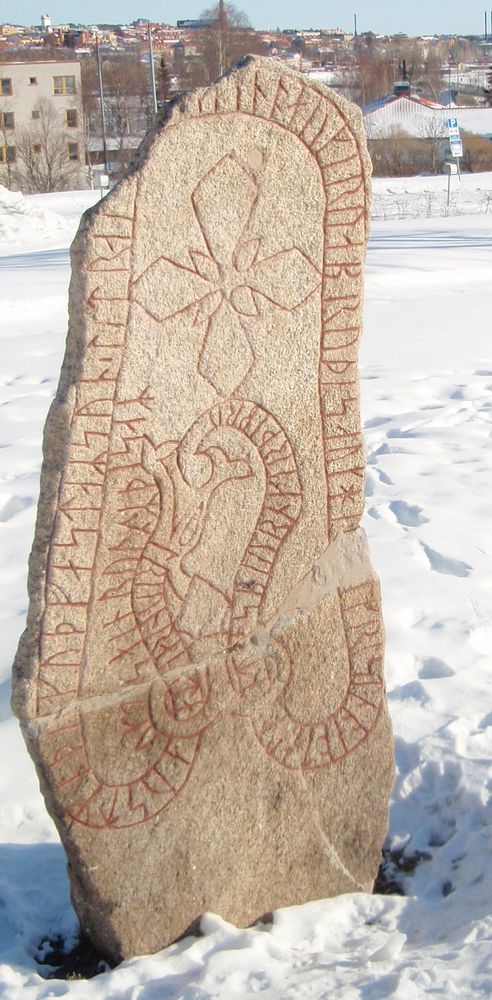
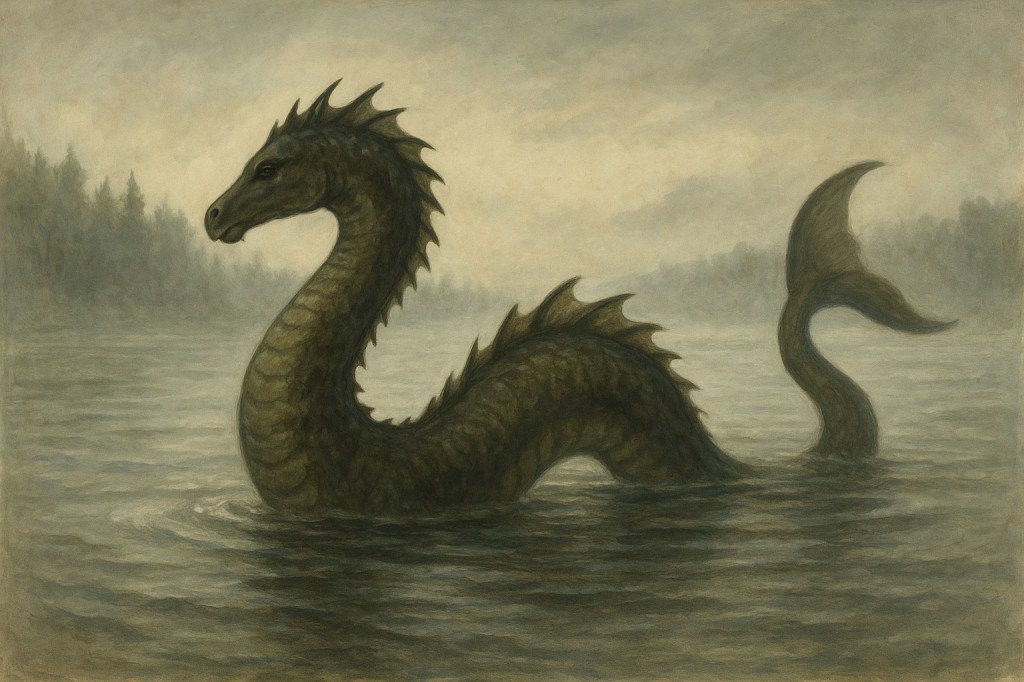
Storsjöodjuret is a large sea serpent like Swedish lake monster like the Loch Ness monster. It resides in a lake in northern Sweden. The English translation of Storsjö odjuret is the monster of the Great Lake. Storsjö / Great Lake is not far from where I grew up. I should say this monster has been hundreds of times since 1635 and seems to have been depicted on a rune stone from the 11th century.
Kraken
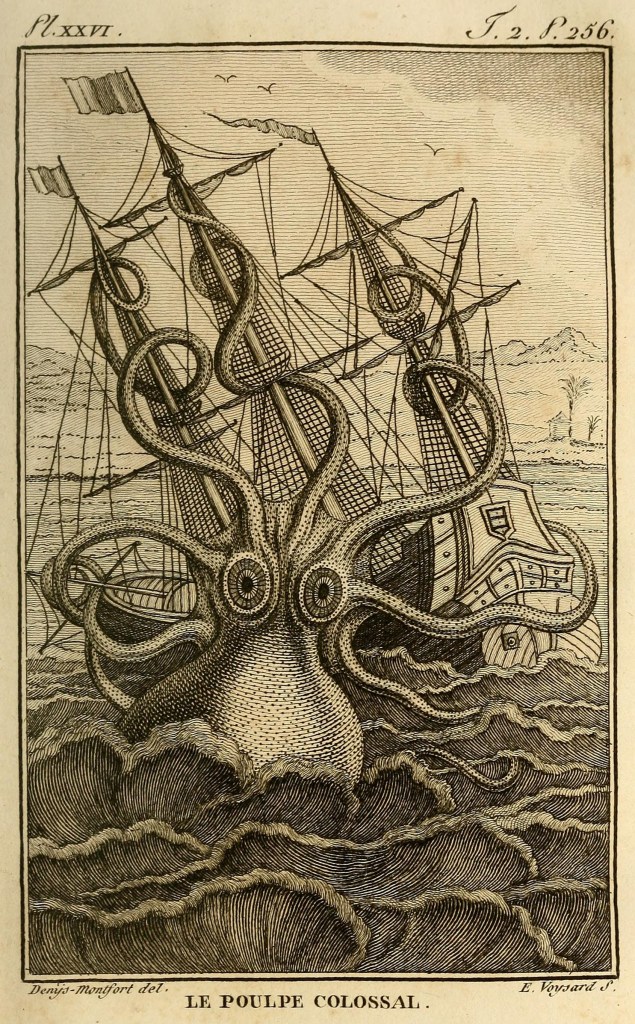
Kraken is a gigantic octopus that can bring down entire ships. It is more of a Norwegian creature but also Swedish.
Skvader
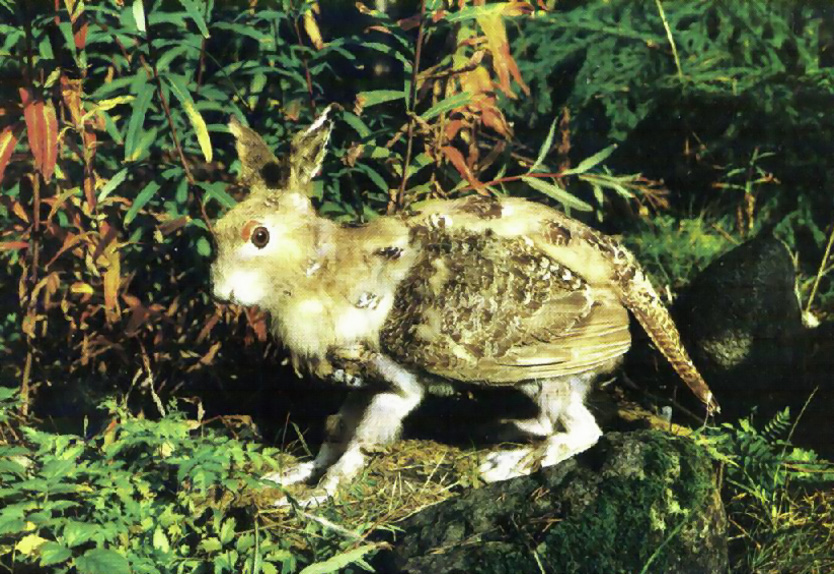
The skvader is a Swedish fictional creature that looks like a mix of a wood grouse and a hare. It started with a taxidermist creating a mixture of the two animals, taking a photo, and a rumor spread that it was real. I am remember watching debates on Swedish TV on whether the creature was real or not. People love to believe strange things. Yet another reason we scientifically valid evidence.
Blodstämmare
This is not a creature but a very common superstition in northern Sweden. There are people, blodstämmare, who can stop the flow of blood by uttering magical phrases while focusing their minds on the person in question. This power is usually used for helping people who are bleeding. It can also be used for evil, like black magic, to stop the blood flow in someone’s heart. This superstition is based on Sami (indigenous north Scandinavian people) Shamanism and north Swedish Christian fundamentalism (Laestadians). It is respected enough that some north Swedish hospitals have used blodstämmare in emergency situations.
The father of a close friend of mine called a blodstämmare when he had a bad nosebleed, and it worked. I know anecdotes are not valid scientific evidence. It is just a good story.
Happy Halloween
To see the Super Facts click here

 Super Facts
How fun. Thanks, Thomas! I remember your pic of a Huldra.
LikeLiked by 1 person
Thank you so much Denise. Yes I posted when we visited Norway last summer.
LikeLiked by 1 person
What a great recap of Swedish folklore. I’ve heard of some of the, but not the details. I also didin’t know there were similar but different gnome type characters like Tomte, vittra and elves. I thought they were all one-in-the-same. Happy Halloween. Maggie
LikeLiked by 2 people
In northern Sweden where I come from the one people talk the most about Vittra and many claim to have seen them. Thank you for your kind words Maggie.
LikeLiked by 2 people
Hi Thomas, thanks for this synopsis of Swedish and Norwegian folklore, particularly all the detail. I am fairly familiar with some of it since I have spent considerable time in Norway – a country I really like – and while there learned a bit about it. (No offence intended; I have only been to Sweden once for five days so I don’t know it very well. I suspect it’s a country I would also like a lot, though.) An interesting and enjoyable Halloween post. 🎃
LikeLiked by 1 person
Thank you so much Lynette. Norway has a lot mountains and fjords while Sweden is a lot flatter. However, in the north there are big forest and mountains, and where I am from the high coast, there are fjords, called fjärds in Swedish.
LikeLiked by 1 person
Thomas, this is wonderful! A true treasure trove. I love learning about these. Thank you!
LikeLiked by 1 person
Thank you so much for your kind words Stacey
LikeLiked by 1 person
Most interesting, Thomas! Thank you and Happy Halloween (a bit late)!
LikeLiked by 1 person
Thank you so much Audrey and Happy Halloween to you. BTW Jacqui said that November 1st is author’s day. Happy author’s day too.
LikeLiked by 1 person
You’re welcome, Thomas, and thank you. It’s perfect that today is Authors’ Day!
LikeLiked by 1 person
I love this Thomas thank you so much for sharing 🙂 x
LikeLiked by 1 person
Thank you so much Carol
LikeLiked by 1 person
Wow, what a fascinating post! I love how you combined Halloween fun with Scandinavian folklore. The mix of myth, history, and personal stories makes it really engaging. I especially enjoyed learning about the Tomte and the Huldra — such rich traditions!
LikeLiked by 2 people
Thank you very much for your very kind words Glowith. Yes the Tomte and the Huldra are beings that are very important folklore in Scandinavia. There are a lot of stories and poems about them. An example is a very long winter poem about a Tomte. It is difficult to translate but it goes like this:
The cold of the midwinter night is hard,
the stars sparkle and twinkle.
Everyone sleeps in their houses
deep in the midnight hour.
The moon walks its silent course,
the snow shines white on pine and fir,
the snow shines white on the roofs.
Only the Tomte is awake.
Standing there so gray by the barn door,
gray against the white drift,
watching, like many winters before,
up against the disk of the moon,
looking towards the forest, where spruce and fir
draws its dark wall around the yard,
ponders, although it doesn’t teach boating,
over a strange riddle.
The poem continues but it will be revealed that the strange riddle is that people are born, they go through childhood, they become adults, they get old and then they disappear, and the Tomte does not know where. He is an immortal creature so he does not understand what makes people disappear.
LikeLiked by 1 person
I decided to translate the Tomten poem from Swedish to English and here it is. At first I tried Google Translate but that became complete nonsense.
LikeLike
Really interesting, I love reading about the different folklores that origniate from different areas. Other than trolls, I hadn’t heard of any of these. Skogsrå sounds a little similar to Succubi’s.
LikeLiked by 1 person
Scandinavia folkore isn’t very well known outside of Scandinavia. About succubi, as I understand that a female demon that would come when you are sleeping, in your dreams, a skogsrå is a flesh and blood creature that you meet while walking in the forest, and they are different folklore. But I think there are also similarities that a lot of people will think about. Thank you Pooja.
LikeLiked by 1 person
Yeah that’s true, I think the main similarity if that they’re both attractive females that use that to lure men. My pleasure, thanks for sharing these they really were very interesting to read about.
LikeLiked by 1 person
Yes you are so right. Thank you so much Pooja.
LikeLiked by 1 person
You’re most welcome.
LikeLiked by 1 person
There’s a lot of appeal to living at one with nature. Not sure about being a troll, though!
LikeLiked by 1 person
Yes I would not like to be a Troll, but maybe a Tomte.
LikeLiked by 1 person
Hi Thomas, this is a great post. I enjoyed all these mythological creatures. I am familiar with many of them through my extensive reading including the Danish, Hans Christian Andersen. He features else with hollow backs in his story The Elven Mound.
LikeLiked by 1 person
Thank you so much Robbie. That is interesting. I’ve always considered Danish mythology as a little bit different from Swedish and Norwegian but the elf with a hollow back that you describe sounds very much like a skogsrå.
LikeLike
Oops it’s The Elf Mound 🩵
LikeLiked by 1 person
I’ve read a lot of Hans Christian Andersen but I think I missed that story. I will look for it.
LikeLike
Happy Halloween, Thomas! This was a fun post. I knew about a few of these creatures but several were new to me. I found the Myling interesting and a bit sad. The Huldra was also new to me, but I liked that encounters with her don’t always end in tragedy. Thanks for this informative post!
LikeLiked by 1 person
Thank you so much David. I agree, Myling is a sad one, a reminder that the good old times were not good old times. Happy Halloween to you, and today is National Author’s Day so Happy National Author’s Day.
LikeLiked by 1 person
Thank you, Thomas and Happy National Author’s Day to you as well!
LikeLiked by 1 person
A delightful post, Thomas!
LikeLiked by 1 person
Thank you so much Dawn
LikeLike
In elementary school I read a book called The Hero from Otherwhere which drew heavily on Norse mythology (Fenris, Ragnarok, etc.) That was probably my intro to Scandinavian folklore. Then years later playing D&D, all our characters wanted to choose the Finnish god Ukko as their patron because there was a small chance he would send Air Maidens to help you out if you were in trouble, and an even smaller chance he would turn up himself. Obviously that’s all much more cosmic than these creatures.
The ancient runestone in the park there is fascinating. I love things like that. The Scandinavian places at the Hospitality Houses in Balboa Park where you can read up on this kind of folklore and I remember flipping through one about trolls the last time we were down there.
LikeLiked by 1 person
Thank you so much James. That is very interesting. I should say that I focused on more recent folklore and not the older viking mythology. It would have made the post too long. However, back in school we learned about the viking mythology and we also learned how to read runes. I did not include Finnish mythology even though it is somewhat similar to Norwegian and Swedish mythology not only because it is a bit different, but also the names are totoally different because Finnish is a completely different language from Swedish and Norwegian. It is not even a European language. Swedish and Norwegian are simular enough that I can speak with a Norwegian without problem, imitate Norwegian well enough to fool AI, and read Norwegian, without having taken a single class of Norwegian.
LikeLiked by 1 person
What a fascinating and beautifully detailed post! I truly enjoyed reading about these Scandinavian folklore beings — Tomte, Huldra, Näcken, and the rest. Each story carries such rich imagination and mystery. Thank you for sharing a part of your childhood and culture — it made this Halloween post truly magical! 🎃✨
LikeLiked by 1 person
Thank you so much Glowith for your very kind and supportive words.
LikeLike
helo, how are you? thank you! a very interesting article. i really like mythology. have a nice week!
LikeLiked by 1 person
Thank you so much Carfax and have a nice week you too
LikeLiked by 1 person
This was fun learning about Scandinavian mythology and folklore. What shocked me was Myling, killing unwanted babies. Pure evil.
LikeLiked by 1 person
Yes I agree. Unfortunately, this was pretty common once upon a time.
LikeLiked by 1 person
Thomas, your post is more than folklore — it’s a bridge between memory and myth. You bring these old Scandinavian spirits to life not as distant legends, but as familiar whispers from your homeland. It’s touching how your childhood stories now travel across cultures and generations.
One thought that struck me is how these beings reflect moral lessons — kindness, respect, humility, and harmony with nature. Even the darker ones, like Myling or Näcken, seem to echo human fears and guilt. Perhaps folklore endures not because of magic, but because it reveals what we most need to remember about being human.
LikeLiked by 1 person
Thank you so much for your very kind words Livora. You are right, they are both myth and memory. I believed some of this when I was a kid and we used to scare each other with stories about vitter folk, and there were old people who claimed to have seen them. I think your are right the mythology expresses feelings and fears, and with the Myling and Näcken guilt and fears like you say.
LikeLiked by 1 person
That’s such a fascinating memory — how stories we once feared as children later reveal so much truth about human emotions. You’ve captured that beautifully. Myth and memory really do intertwine, shaping how we understand ourselves.
LikeLiked by 1 person
Thank you so much for your kind words Livora and I believe that you are right.
LikeLiked by 1 person
Thank you
LikeLiked by 1 person
Such fun to read about the mythical creatures of Sweden and Norway! 😀 The Hulder share several characteristic with mermaids. And who doesn’t love Trolls? They are a world-wide phenomenon, and I had a bunch of little troll figurines as a child. And the Kraken is also world-famous. The Seattle NHL hockey team adopted the name, and chants of “Bring on the Kraken” abound. 🐙 Also featured in Disney’s “Pirates of the Caribbean” movies.
LikeLiked by 1 person
Thank you so much Debbie. You are right. Many of these are well known outside of Scandinavia. I did not know that NHL Seattle had a “Bring on the Kraken” chant. That is funny. Now that you say it, I remember the Kraken in the “Pirates of the Caribbean” movies.
LikeLiked by 1 person
That was fun, Thomas. I love folklore, as you know, and am fascinated by the stories. I was somewhat familiar with about half of these. The mylingar were rather sad and have a dark origin it seems. They remind me a little of Celtic changelings and how that mythology was often used to rid families of disabled babies. I remember your post about the singing Huldra. How fun. 🙂
LikeLiked by 1 person
Thank you so much Diane. I can certainly understand that you are interested in folklore. I agree the story about mylingar and the changelings you mention are sad.
LikeLiked by 1 person
Fun and interesting post! I’m mildly infatuated with Tolkien’s elves.
LikeLiked by 1 person
Thank you so much JoAnna. I like the elves in Tolkien too.
LikeLiked by 1 person
Thank you for the detailed introductions! The Tomte has been a Christmas decoration favourite in my country since the late 2010s. But they are always called Nisse. Good to know their other name.
LikeLiked by 1 person
Thank you so much for your kind words Scribbling Geek. Nisse is the Norwegian name for them. I guess you are either from Norway or your country borrowed the Norwegian name.
LikeLiked by 1 person
I’m from Singapore and I guess the places here just stuck to Nisse as it was the name first used.
LikeLiked by 1 person
I see, thank you
LikeLike
This was such a compelling read. What struck me most is how these beings function almost like ethical mirrors, rewarding respect, punishing arrogance, and enforcing boundaries between humans and nature. The Skogsrå and Vittra, especially, feel less like monsters and more like guardians of balance. Folklore like this reminds us that mythology often preserves ecological and moral wisdom long before we had modern language for it.
LikeLiked by 1 person
Yes I believe you are right. Thank you very much for your kind words and insights Nehal.
LikeLiked by 1 person