The goal of this blog is to create a list of super facts. Important facts that are true with very high certainty and yet surprising, misunderstood, or disputed by many. This blog aims to be challenging, educational, and fun, without it being clickbait. I determine veracity using evidence, data from reputable sources and longstanding scientific consensus. Prepare to be challenged (I am). Intentionally seek the truth not confirmation of your belief.
Grant from “Grant at Tame Your Book” have written an excellent and well researched post about the dark side of Artificial Intelligence. It has nearly a hundred references and it is very professionally written. It is called Don’t Confuse AI with a Benign Tool. With this post I just wanted to highlight this important post. Please check it out.
Superfact 90: Large Language Models (LLMs) such as ChatGPT, Claude, Llama and Gemini are just one type of popular applications of Artificial Intelligence among hundreds of applications of Artificial Intelligence, and LLMs represents just one branch of Artificial Intelligence.
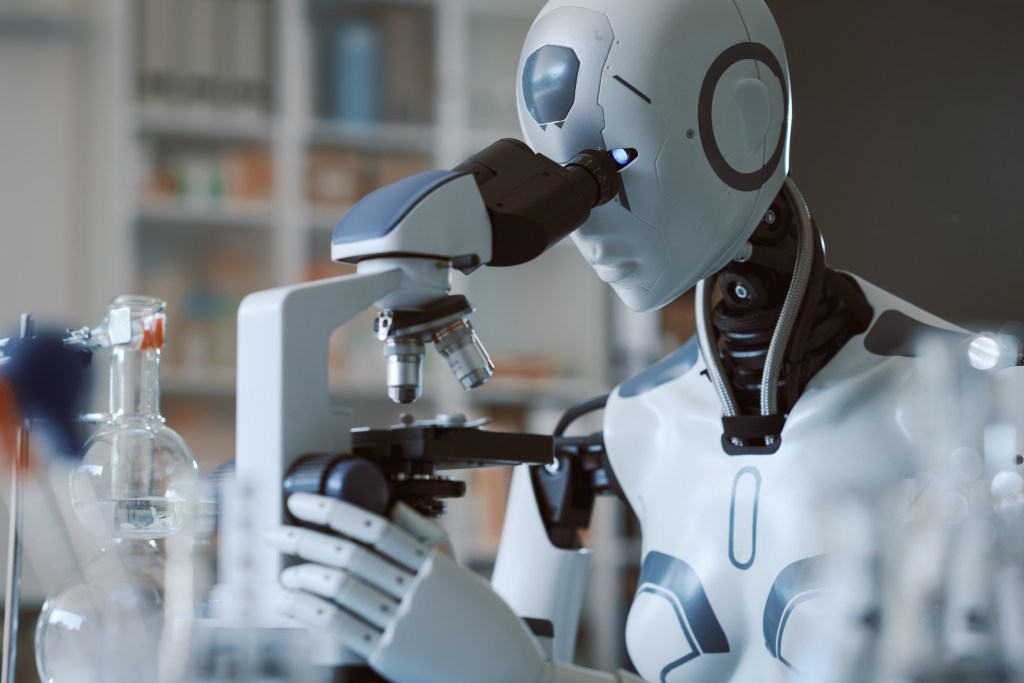
Artificial intelligence and research concept. Shutterstock Asset id: 2314449325 by Stock-Asso
LLMs are currently the most popular “viral” AI. We can all access LLMs in our browsers. This has created the common misconception that Artificial Intelligence is the same as Large Language Models. However, LLMs represent only one branch of narrow AI systems designed to perform specific tasks.
Applications of Artificial Intelligence other than what Large Language Models are used for include robotics, robot motion planning, advanced control systems using AI, self-driving cars, image processing, optical character recognition, classification, facial recognition systems, medical imaging diagnostics, game playing such as chess playing computers, financial fraud detection, cybersecurity, investment robots, route optimization, mathematical proof generation, recommendation algorithms, virtual assistants, programming code generation, smart home devices, drug discovery, and that is just for starters.
There are probably many applications and types of Artificial Intelligence that we have not yet invented.
Two Robots powered by Artificial Intelligence. Shutterstock Asset id: 558350728 by Willrow Hood.
LLMs use large neural networks with many hidden layers, so called deep learning algorithms, and they employ the Rumelhart backpropagation learning algorithm invented by David Rumelhart, Geoffrey Hinton, and Ronald Williams. Clearly neural networks with multiple hidden layers and using the Rumelhart backpropagation algorithm are incredibly successful but it is just one of many kinds of Artificial Intelligence algorithms, and who knows what we will see in the future. Related to this post is my previous post Artificial Intelligence is Not New. We have only just begun.
I consider this a super fact because it is true, kind of important, and I believe that the multitude of Artificial Intelligence algorithms and applications is a surprise to many.
The many Artificial Intelligence Algorithms
Shutterstock Asset id: 2645975149
Due to the great improvement and success of Neural Networks, they have become very popular and Large Language Models use very large Neural Networks with multiple hidden layers (employing the Rumelhart back propagation algorithm). You can read more about that here.
However, there are many other AI algorithms, hundreds, maybe thousands. One example is genetic algorithms. These are types of algorithms that mimics evolution. They iteratively select a set of the best candidate solutions, then combine them (crossover), and also add random changes (mutation) to generate new solutions. Then select the best solutions and then you do it again. Selecting the best solutions corresponds to natural selection. I tried out such algorithms at my work, and over many iterations / generations you can get some impressive results. It is easy to understand how a complex organ such as an eye can evolve in a similar way in nature.
One type of decision tree based machine learning algorithm that I used specifically for classification tasks at work was C4.5 and C5. More specifically I used this type of machine learning algorithm for evaluating the results from automatic mail sorting systems. Basically, how well can a result from a certain machine be trusted. I don’t remember exactly but my classes were something along the line of super reliable, pretty reliable, average, and this result probably sucks. Other examples of this type of machine learning are ID3, Random Forest, Gradient Boosting, and CART. These types of algorithms are still very popular.
One advantage of using decision tree based machine learning over neural networks for the same task is that when a decision has been made you can follow the decision tree backwards and see why a decision / classification was made. In fact, if you have less than 100 parameters you could likely do it over a lunch. When a neural network makes a decision all you have is a large bunch of numbers that were spit out by an algorithm that looped possibly thousands of times and changing all the numbers every time. You can’t backtrack and figure out exactly how a decision was made. You just have to trust the neural network. The advantage of a neural network in this situation is that if it is trained properly, it is likely to have a better result.
Another type of algorithm used in Artificial Intelligence is search algorithms. For robot motion planning I used an algorithm called A* or A-star, which is a very efficient pathfinding algorithm. It comes in dozens of variants and there are hundreds of other types of search algorithms.
These are just a few examples, but there’s also knowledge based agents, AI-agents with reinforcement learning algorithms, algorithms based on Bayes’ Theorem, Vector Machines, Markov Decision Processes, clustering algorithms, K-nearest neighbor (KNN) algorithm, simulated annealing, hill climbing, the ant colony optimization algorithm, and of course neural networks and there are also many types of neural networks. I used a relatively unknown form of artificial intelligence called reflex control for my robotics research. The point is, there is zoo of artificial intelligence algorithms out there. Deep learning neural networks are very popular AI algorithms but far from the only ones.
My Personal Experience with Artificial Intelligence
In 1986, when I was in college in Sweden, I took a class in the LISP programming language. LISP was the first Artificial Intelligence programming language, and it was invented in 1958. In 1987, as a university level exchange student, I took a class called Artificial Intelligence at Case Western Reserve University. That same year I also took a class called Pattern Recognition which introduced neural networks to me.
In 1986 a landmark paper was published by David Rumelhart, Geoffrey Hinton, and Ronald Williams introducing the Rumelhart backpropagation algorithm. Geoffrey Hinton received the Nobel Prize in physics in 2024. David Rumelhart and Ronald Williams were both dead and could therefore not receive the Nobel Prize. The Nobel Prize was also given to John J. Hopfield, another pioneer in neural networks. He invented the Hopfield network. You can read more about neural networks and the Nobel Prize in physics in 2024 here.
The Rumelhart backpropagation algorithm was a giant leap forward for neural networks and for Artificial Intelligence and it is the algorithm used by ChatGPT and the other large language models. Geoffrey Hinton is often interviewed in media and often presented as the father of Artificial Intelligence. He is not, but he us arguably partially responsible for the greatest leap forward in neural networks, as well as Artificial Intelligence.
In the pattern recognition class, we used the Rumelhart backpropagation algorithm on a simple neural network to read images with text. Later I did research in the field of Robotics where I implemented various Artificial Intelligence algorithms as mentioned above. I have a PhD in Applied Physics and Electrical Engineering with specialty in Robotics. Later I would use artificial intelligence algorithms in my professional career.
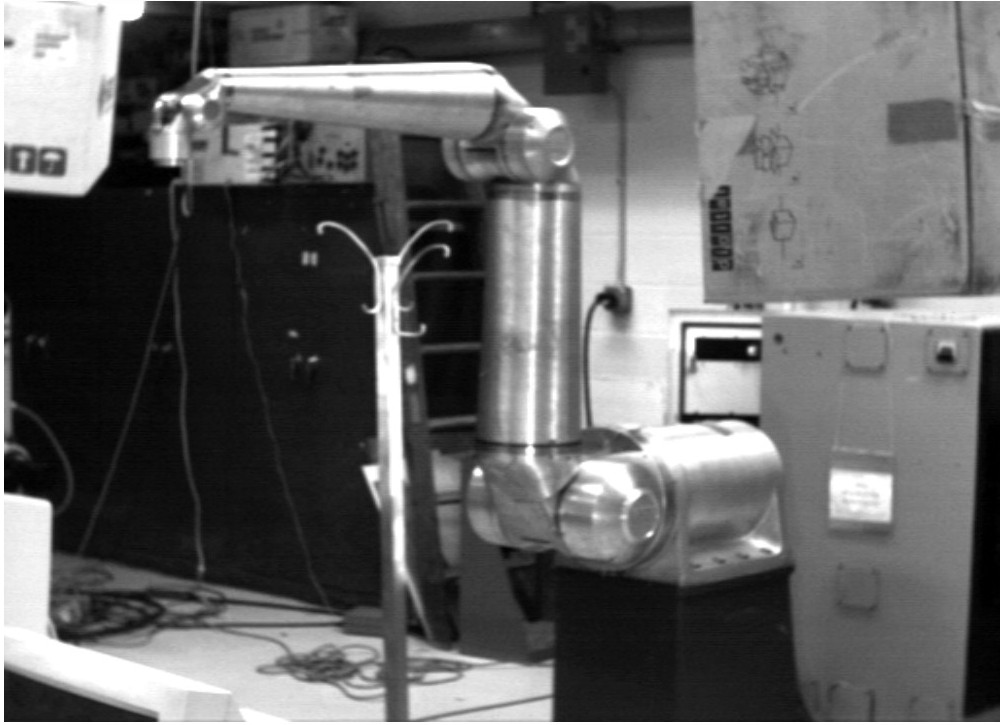
I used mostly the seven joint Robotics Research Corporation Robot for my robotics research. The robot was able to detect and avoid colliding with the objects surrounding it. I used echolocation for object detection.
The potential harm of AI is a related and important topic that I did not address. I don’t know much about this topic. However, Grant from “Grant at Tame Your Book” have written an excellent, well research and professional post about this issue called Don’t Confuse AI with a Benign Tool. Please check it out.
Superfact 88: The history of artificial intelligence (AI) began in antiquity, with stories of artificial beings. The first artificial neural network model was created in 1943. The Turing test was created in 1950. The field of “Artificial Intelligence Research” was founded as an academic discipline in 1956. The first trainable (able to learn) neural network was demonstrated in 1957.
Since then, artificial intelligence has come a long way. Did you hear about the computer that defeated the reigning world champion in chess? A computer finally defeated the supreme human intellect in the world in an intellectual field. Is this the end of humanity? Oh, wait, that was in 1997.
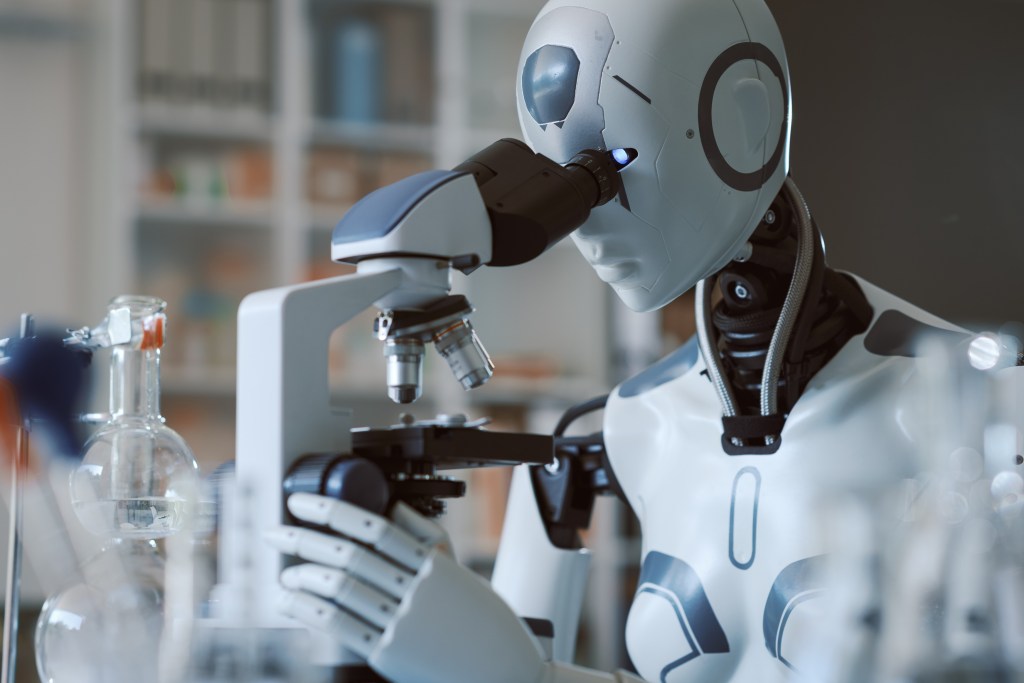
Artificial intelligence and research concept. Shutterstock Asset id: 2314449325 by Stock-Asso
The various recent launches of large language models such as ChatGPT, Gemini, Claude, Llama, Deep Seek, etc., have impressed many people but also fooled many people into thinking that Artificial Intelligence is a new invention. It is not. Artificial Intelligence has been around for a long time, and its past is filled with many success stories as well as disappointments. Click here to see a timeline for Artificial Intelligence stretching from antiquity to 2025. For additional sources click here, here, here, or here.
I consider this a super fact because it is true, kind of important, and based on my personal experience I believe that the long old history of Artificial Intelligence is a surprise to many.
My Personal Experience with Artificial Intelligence
In 1986, when I was in college in Sweden, I took a class in the LISP programming language. LISP was the first Artificial Intelligence programming language, and it was invented in 1958. In 1987, as a university level exchange student, I took a class called Artificial Intelligence at Case Western Reserve University. The book we used was Artificial Intelligence by Elaine Rich published in 1983. This book and the course were focused on decision trees and rule based algorithms and did not even mention neural networks.
That same year I also took a class called Pattern Recognition which introduced neural networks to me. In 1986 a landmark paper was published by David Rumelhart, Geoffrey Hinton, and Ronald Williams which introduced the Rumelhart backpropagation algorithm. Geoffrey Hinton received the Nobel Prize in physics in 2024. David Rumelhart and Ronald Williams were both dead and could therefore not receive the Nobel Prize. The Nobel Prize was also given to John J. Hopfield, another pioneer in neural networks. He invented the Hopfield network. You can read more about neural networks and the Nobel Prize in physics in 2024 here.
The Rumelhart backpropagation algorithm was a giant leap forward for neural networks and for Artificial Intelligence and it is the algorithm used by ChatGPT and the other large language models. Geoffrey Hinton is often interviewed in media and often presented as the father of Artificial Intelligence. He is not, but he is responsible for arguably the greatest leap forward in neural networks, as well as Artificial Intelligence.
In class we used the Rumelhart backpropagation algorithm to read images with text. It is one thing to type in a character on a keyboard and quite another to have a computer identify a character in an image. We trained our primitive neural networks to recognize images of letters using the Rumelhart backpropagation algorithm. We coded the backpropagation algorithm using the C programming language over perhaps 100 neurons/parameters and a few hundred synapses/weights (in AI). It worked pretty well. In comparison, ChatGPT 4 is estimated to have 1 trillion neurons/parameters. Our class was among the first in the world to try out this, at the time, new algorithm and at the time I did not realize the importance of it.
Later I did research and I worked in the field of Robotics where I implemented various Artificial Intelligence algorithms but not neural networks. I have a PhD in Applied Physics and Electrical Engineering with specialty in Robotics. At my next workplace Siemens I used decision tree algorithms, also Artificial Intelligence but not neural networks.
What is a Neural Network
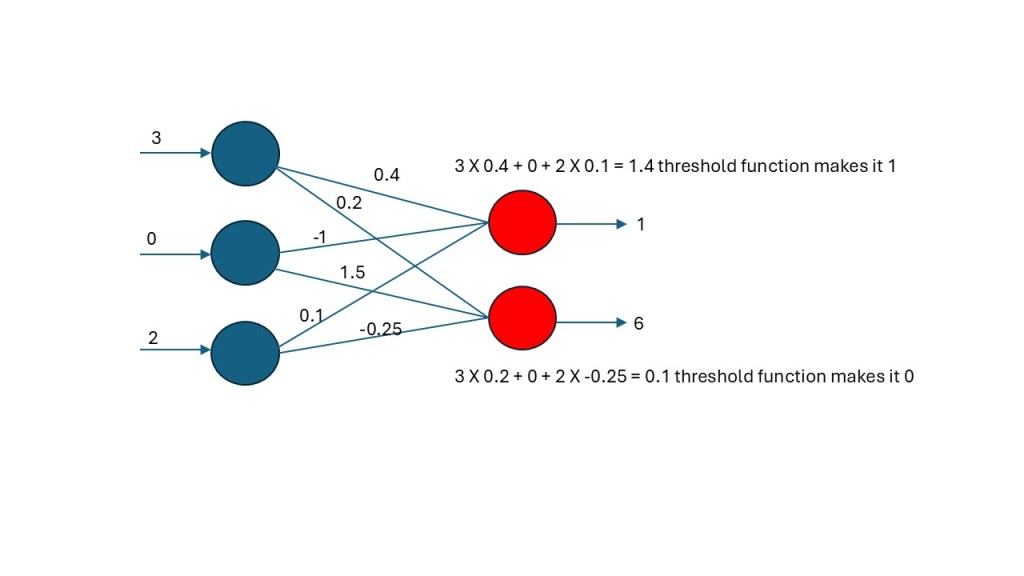
A simple old-style 1950’s Neural Network (my drawing)
The first neural networks created by Frank Rosenblatt in 1957 looked like the one above. You had input neurons and output neurons connected via weights that you adjusted using an algorithm. In the case above you have three inputs (2, 0, 3) and these inputs are multiplied by the weights to the outputs. 3 X 0.2 +0 + 2 X -0.25 = 0.1 and 3 X 0.4 + 0 + 2 X 0.1 = 1.4 and then each output node has a threshold function yielding outputs 0 and 1.
To train the network you create a set of inputs and the output that you want for each input. You pick some random weights and then you can calculate the total error you get, and you use the error to calculate a new set of weights. You do this over and over until you get the output you want for the different inputs. The amazing thing is that now the neural network will often also give you the desired output for an input that you have not used in the training. Unfortunately, these neural networks weren’t very good, and they sometimes could not even be trained.
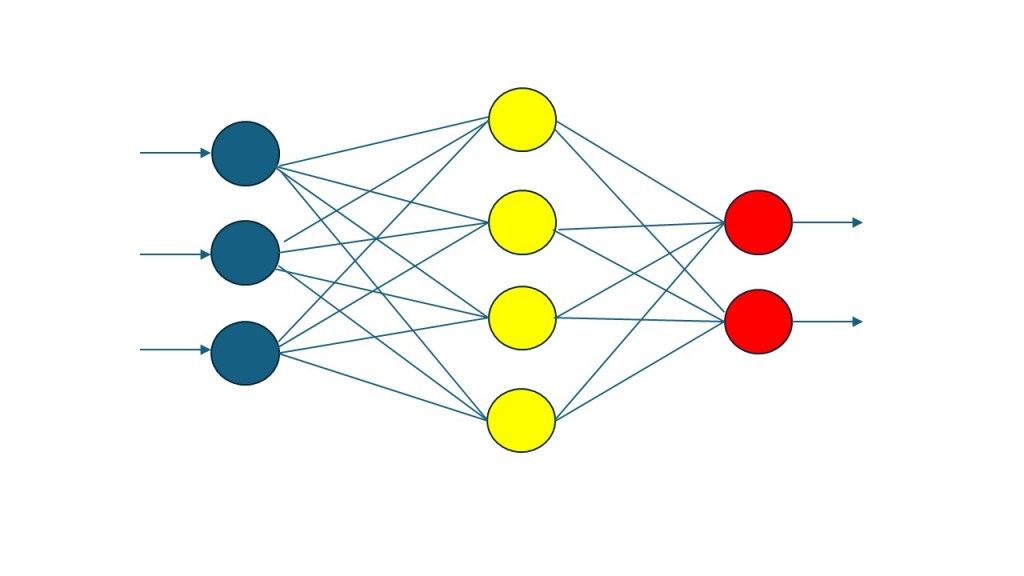
As mentioned, in 1986, Geoffrey Hinton, David Rumelhart and Ronald J. Williams presented the Rumelhart backward propagation algorithm which were applied to a neural network featuring a hidden layer (at least one hidden layer). It was effective and it was guaranteed to learn patterns that were possible to learn. It set off a revolution in Neural Networks. In the network below you also use the errors in a similar fashion as in the Rosenblatt network. However, the combination of a hidden layer and the backpropagation algorithm make a huge difference.
A multiple layer neural network with one hidden layer. This set-up and the associated backpropagation algorithm set off the neural network revolution. My drawing.
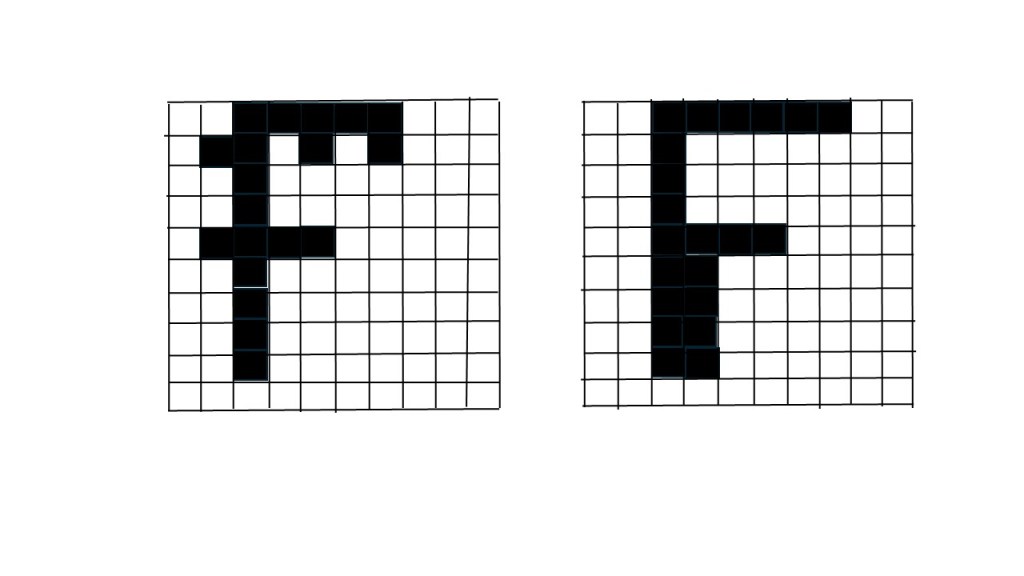
Below I am showing two 10 X 10 pixel images containing the letter F. The neural network I created in class (see above) had 100 inputs, one for each pixel, a hidden layer and then output neurons corresponding to each letter I wanted to read. I think I used about 10 or 20 versions of each letter during training, by which I mean running the algorithm to adjust the weights to minimize the error until it is almost gone. Now if I used an image with a letter that I had never used before, the neural network typically got it right even though the image was new.
Two examples of the letter F in a 10 X 10 image. You can use these images (100 input neurons) to train a neural network to recognize the letters F.
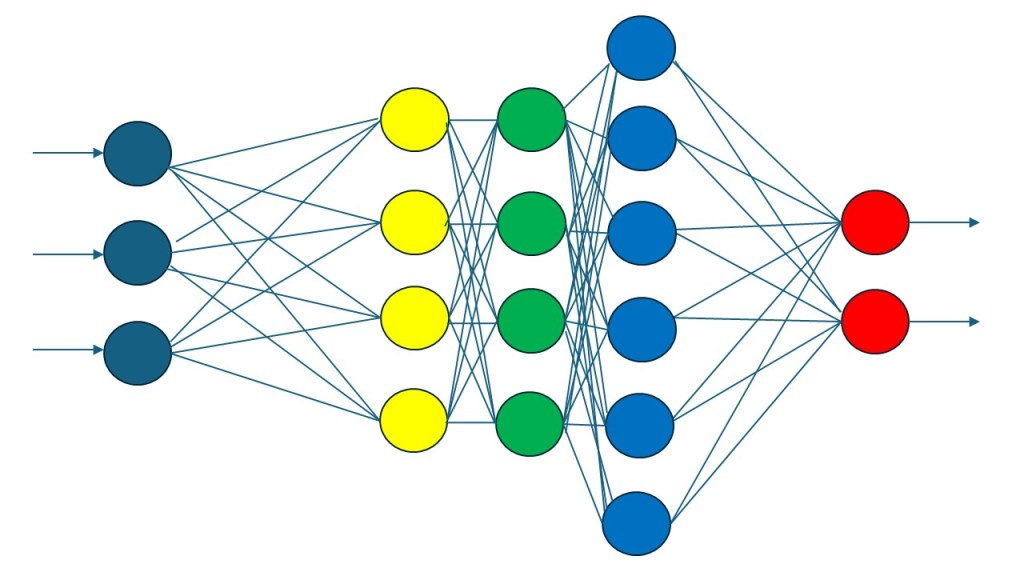
At first, it was believed that adding more than one hidden layer did not add much. That was until it was discovered that by applying the backpropagation algorithm differently to different layers created a better / smarter neural network and so at the beginning of this century the deep learning neural networks were born (or just deep learning AI). I can add that our Nobel Prize winner Geoffrey J. Hinton was also a pioneer in deep learning neural networks.
My drawing of a deep learning neural network (deep learning AI). There are three hidden layers.
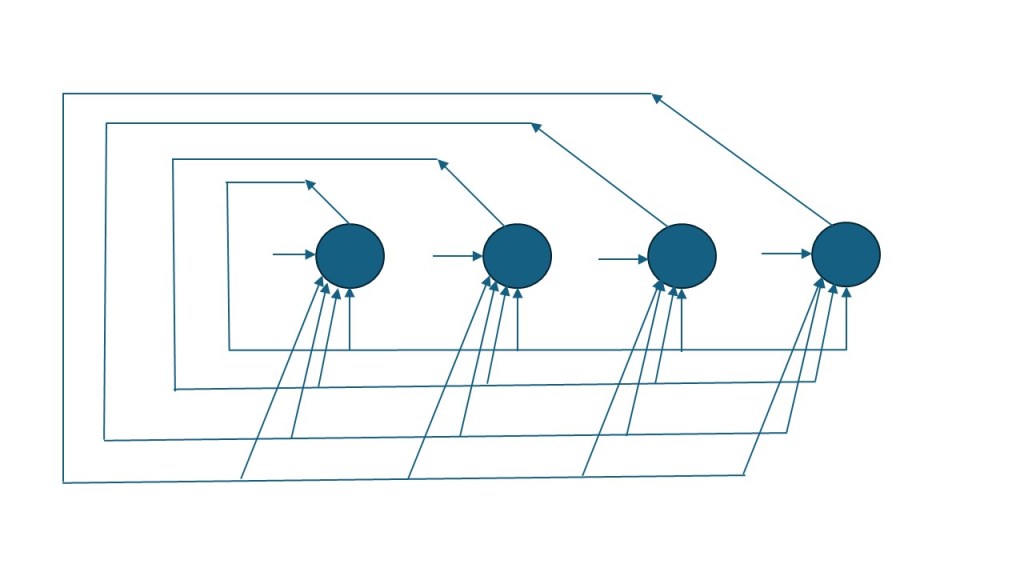
I should mention that there are many styles of neural networks, not just the ones I’ve shown here. Below is a network called a Hopfield network (it was certainly not the only thing he discovered).
In a Hopfield network all neurons are input, and output neurons and they are all connected to each other.
For your information, ChatGPT-3.5 and ChatGPT-4 are deep learning neural networks, like the one in my colorful picture above, but instead of 3 hidden layers it has 96 hidden layers in its neural network and instead of 19 neurons it has a total of 176 billion neurons.
The Dark Side of AI
The potential harm of AI is a related and important topic that I did not address. However, this is already a very long and complex post, and I don’t know enough about this topic (yet). To read more about this topic check the comments made by “Grant at Tame Your Book” (in comment section). Better, Grant wrote and excellent, well research and professional post about this issue called Don’t Confuse AI with a Benign Tool. Please check it out.







 Super Facts