
Super fact 86 : Early humans, early homo sapiens, lived at the same time as many other human species including Neanderthals, Denisovans, Homo floresiensis, Homo naledi, Homo luzonensis. Homo heidelbergensis, Homo erectus, and maybe other species as well.
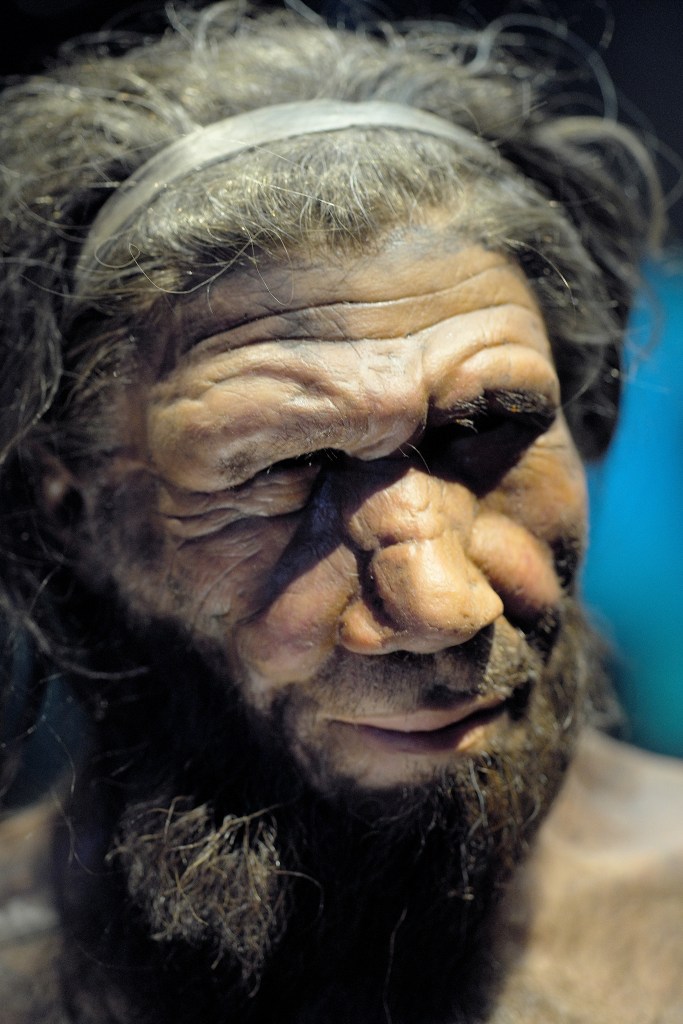
Homo sapiens co-existed with several other Homo species. Homo erectus and Homo heidelbergensis are direct ancestors to Homo sapiens that survived long enough to exist at the same time as Homo sapiens. Homo sapiens emerged around 300,000 years ago in Africa and Homo erectus died out around 100,000 years ago and Homo heidelbergensis died out around 200,000 years ago. Homo floresiensis died out 50,000 years ago, the most recent Homo luzonensis is 50,000 years old but they may have survived longer, Homo naledi existed approximately 335,000 to 236,000 years ago, Neanderthals interbred with homo sapiens and died out around 40,000 years ago, the Denisovans also interbred with homo sapiens and died out around 30,000 to 50,000 years ago. You can read more here and here. You may wonder how different species can interbreed with each other. More on that later in this post.
I consider this a super fact because it is true, surprising to those who did not know this, and ancient human history is kind of important. Even if you knew that homo sapiens lived along other homo species the fact that the world used to be so crowded with different homo species may come as a surprise. Where did they all go?
Direct Ancestors of Homo Sapiens
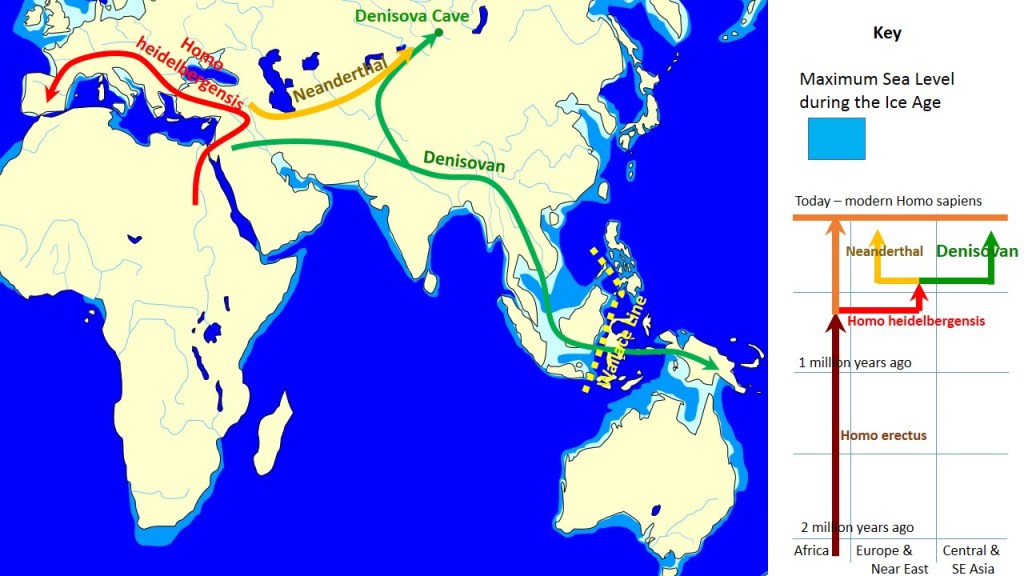
Homo heidelbergensis is widely considered a pivotal common ancestor to Homo sapiens, Neanderthals, and Denisovans. Since Homo Erectus is a direct ancestor to Homo heidelbergensis it is also a direct ancestor to Homo sapiens, Neanderthals, and Denisovans. Homo Erectus is also a direct ancestor to Homo floresiensis but Homo heidelbergensis is not considered an ancestor to Homo floresiensis. The picture below shows the direct ancestors to Homo Sapiens.

Geographic spread of Homo Sapiens and other Homo Species
Homo heidelbergensis is an ancestor to Neanderthals, Denisovans and Homo sapiens (and Homo erectus is an ancestor to Homo heidelbergensis). However, whilst Neanderthals emerged in Europe and Asia, Denisovans evolved in Asia, and Homo sapiens emerged in Africa.
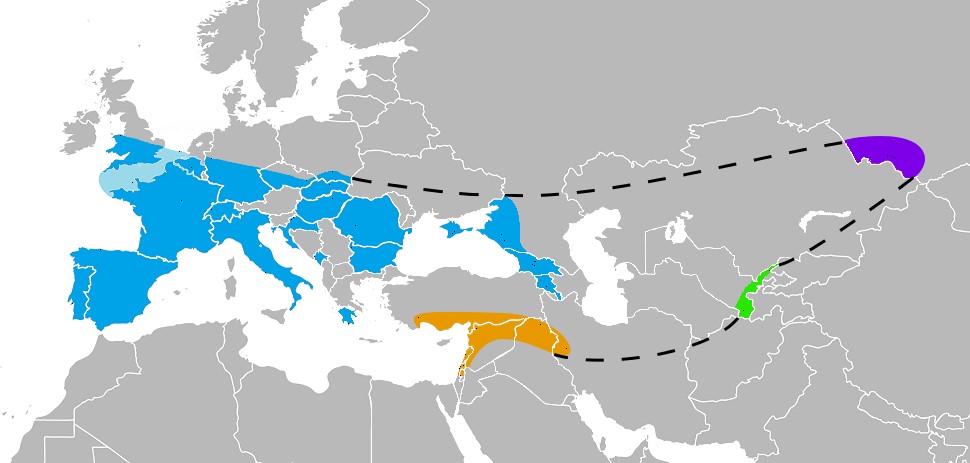
The map below indicates where skeleton remains of Neanderthals had been found as of 2017.
Interbreeding and Defining a Species
Homo Neanderthalensis and Homo Sapiens (or Homo Sapiens Sapiens) interbred, and so did Homo Denisova and Homo Sapiens, and Homo Neanderthalensis interbred with Homo Denisova. What a mess! Homo Neanderthalensis and Homo Sapiens were different species, so it may seem strange that they could interbreed. However, species is a complex concept.
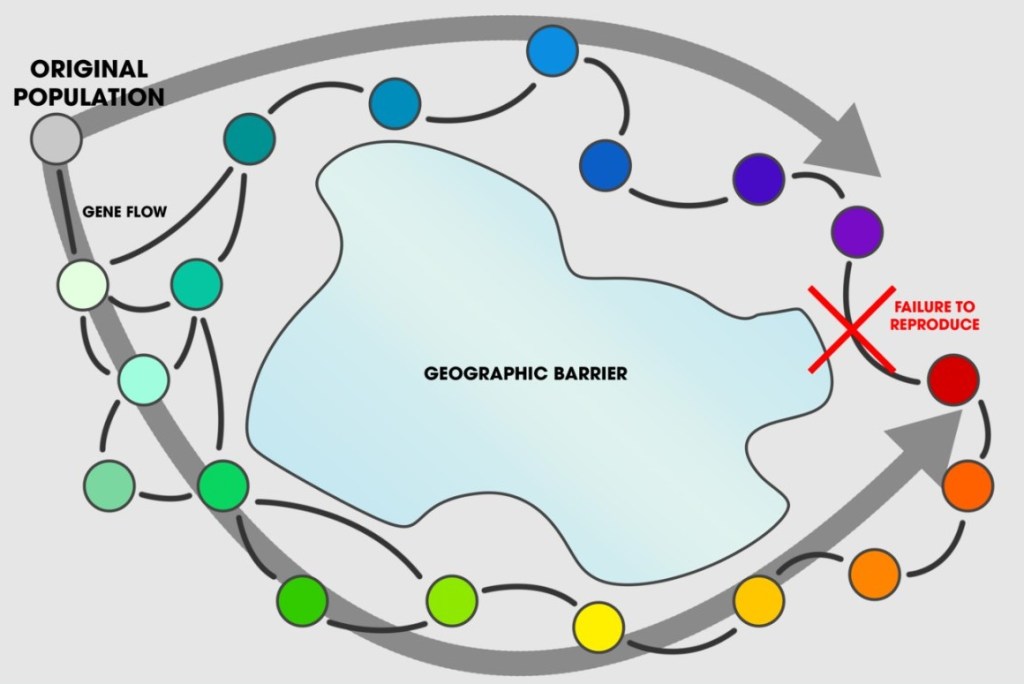
Speciation is considered relative. It is often said that two animals belong to the same species if they can interbreed in nature and produce viable, fertile offspring. However, it is not that simple. An animal A may be able to successfully interbreed with an animal B, and that animal B may be able to successfully interbreed with an animal C, but animal A and C cannot interbreed. Animal A could be said to be a different species relative to animal C but animal B could be said to be the same species as both animal A & C. A great geography related example of this is ring species. In a ring species, gene flow occurs between neighboring populations of a species, but at the ends of the ring the populations don’t interbreed.
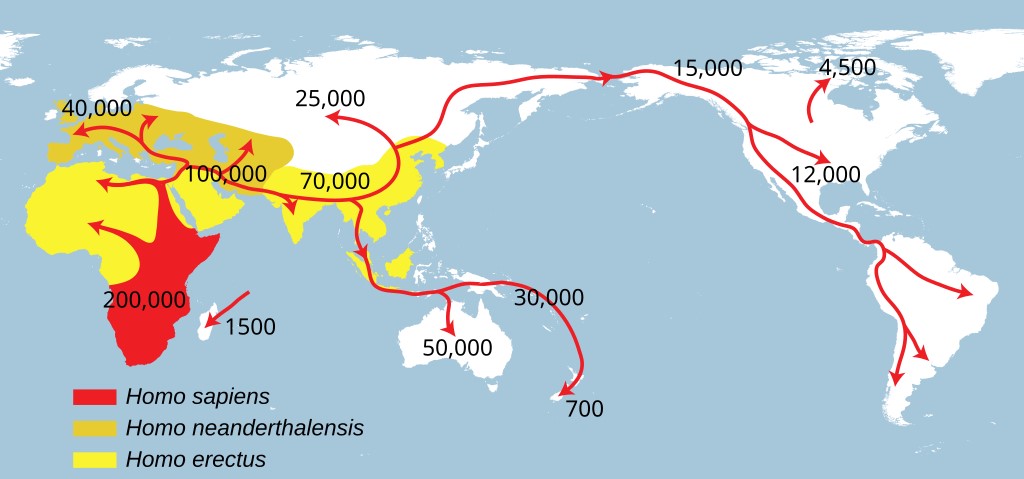
For the case of Neanderthals and Homo sapiens (and Denisovans); at certain points in history, you could consider Homo Neanderthalensis and Homo Sapiens to be different subspecies rather than different species. That is why you sometimes hear the terms Homo Sapiens Neanderthalensis and Homo Sapiens Sapiens. I can add that Homo sapiens certainly got around, as you can see on the map below.
Is Thomas Wikman a Neanderthal ?
I can add that genetic testing can reveal how much Neanderthal DNA you have. I took a test with 23AndMe to find out about my ancestry (it was 98% Scandinavian and Finnish) and to find out about my risk for genetic illnesses. 23AndMe also told me that I was in the 99 percentiles with respect to carrying Neanderthal genes, meaning that I had unusually many Neanderthal genes. I joined the 23AndMe Neanderthal club (you had to be in the 98 percentile). However, I quit after people in the club started saying that we should demand reparations from those with less Neanderthal genes because they exterminated us. It might have been a bizarre joke, but I decided not to stay around to find out. Later, after 23AndMe went bankrupt, I deleted mine and my wife’s data and quit. I was afraid 23AndMe might sell the DNA data to health insurance companies.

This is some other evolution and natural history related posts
- We Know That the Earth is Billions of Years Old
- Neanderthals Never Lived in Africa
- Evolution is a Fact
- Humans and Chimpanzees Have a Common Ancestor
- All Life Have a Common Ancestor
- Birds are Avian Dinosaurs
- The Evolution of Whales is No Longer a Mystery
 Super Facts