
Super fact 65 : The United States covers approximately 6.14% of Earth’s total land area. Despite that approximately 75% of the world’s tornadoes occur in the United States, making the risk of a tornado in the US 46 times higher than in the rest of the world. Tornadoes are particularly common in Tornado alley. Canada is the country with the second-highest number of tornadoes globally.
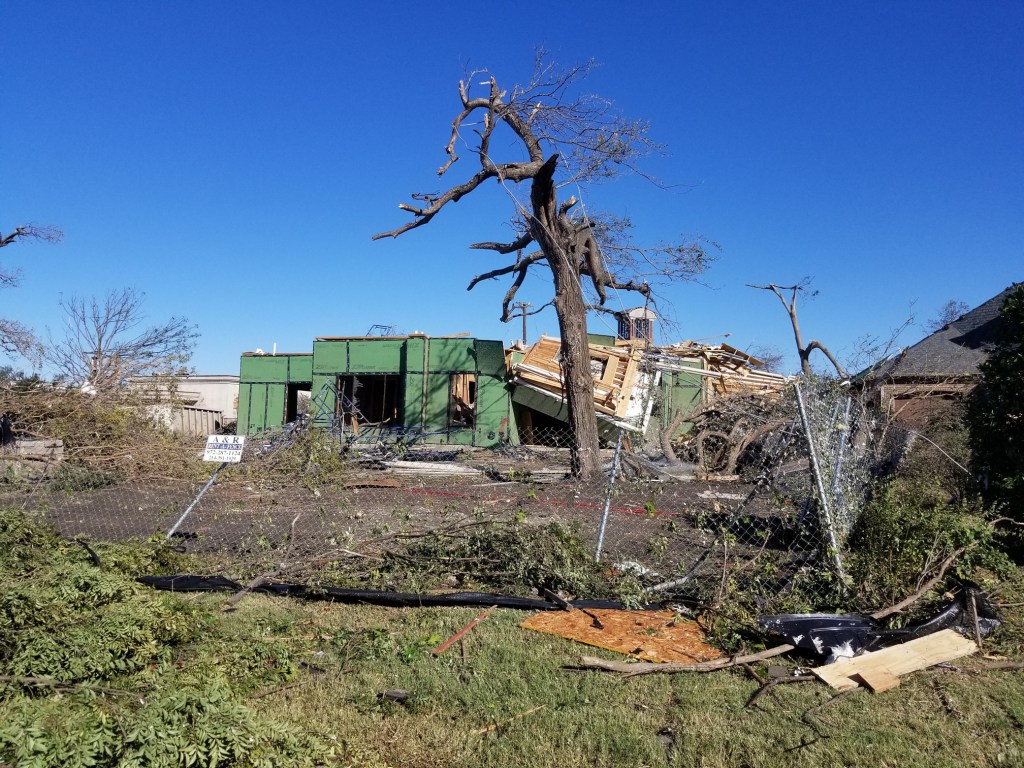
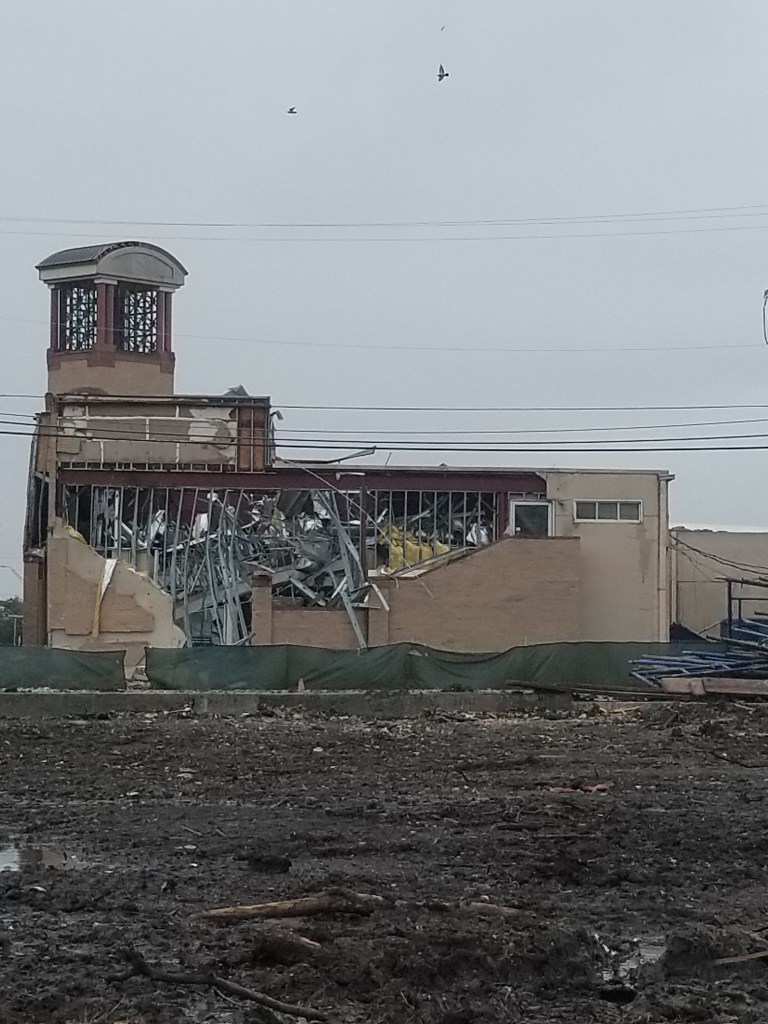
Our neighborhood was ravaged by an EF3 tornado in the evening of October 20, 2019. Today is the six year anniversary of that event. One year ago, I was interviewed by the NBC about this event. Yes, I was on TV. NBC had found me via my Leonberger dog blog. I’ve included the clip below.
It appears that the most common statistics stated by reliable sources is that approximately 75% of the world’s tornadoes occur in the United States (click here, here, or here). As stated, 75% is an approximate number and another common number is 90%. 90% might be overstated because smaller tornadoes are underreported in the rest of the world. Whether the correct number is 75% or 90% it is clear that the United States has the most tornadoes. It is the Tornado Country of the world.
It is quite astonishing that one country, the United States, has such a high concentration of this extreme weather phenomenon. Most Americans know that their country is special in this regard. I’ve met a lot of Europeans (I am from Europe / Sweden myself) who thinks tornadoes is just Hollywood thing. However, it is a real and very common phenomenon in the United States, and that is surprising to much of the rest of the world. It is also an important extreme weather phenomenon that kills a lot of people and causes billions of dollars in damage every year. This is why I consider “United States is Tornado Country” a super fact.

Tornado Alley
Tornadoes can happen anywhere, but as mentioned they are more common in North America and especially in tornado-alley. Despite tornado alley’s small size, a quarter of all significant tornadoes in the world occurred there according to a study (1921 – 1995). The extent of tornado alley includes north Texas, Oklahoma, Kansas, Nebraska, South Dakota, Iowa, and the corners of Minnesota, Wyoming, Colorado and New Mexico. Dallas, where we live, is in Tornado Alley.
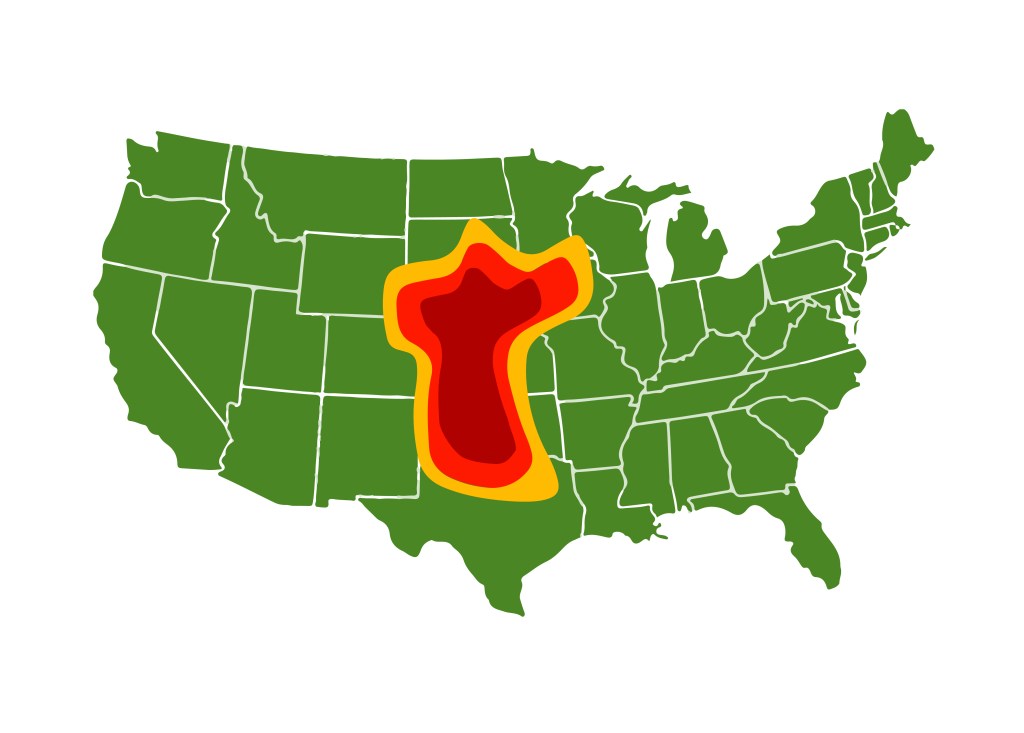
Dixie Alley
Another region with a lot of tornadoes is Dixie Alley. Dixie Alley stretches from eastern Texas and Arkansas across Louisiana, Mississippi, Tennessee, Alabama, Georgia, and mid to western Kentucky to upstate South Carolina and western North Carolina; the area reaches as far north as southeast Missouri.
Dixie Alley has fewer tornadoes than Tornado Alley, but they tend to be deadlier and more violent than in Tornado Alley. The tornadoes in Dixie Alley occur year-round, at night, and the Tornadic storms in Dixie Alley are often high precipitation supercells due to an increase of moisture from proximity to the nearby Gulf of Mexico. The heavy rain makes it difficult to detect the tornadoes. Dixie Alley also has more mobile homes, homes tend to not have basements, and it is more densely populated than Tornado Alley. NOAA records indicate that the majority of deaths from tornadoes in the US have occurred in Dixie Alley.

Tornadoes and Hurricanes Are Different
Another related issue that has been brought to me is that many Europeans do not know the difference between a hurricane and a tornado. This is not strange since both of these extreme weather phenomena are less common in Europe.
A hurricane is a big rotating storm system originating in the ocean that sometimes makes landfall and devastates our coasts. Hurricanes are big, thousands of square miles and even a million square miles. A hurricane has wind speeds of 74 miles per hour (mph) or higher. That’s 119 kilometers per hour or 33 meters per second. They are called hurricanes in the Atlantic and the northeast Pacific, and Typhoons in the northwest Pacific, and otherwise just cyclones.
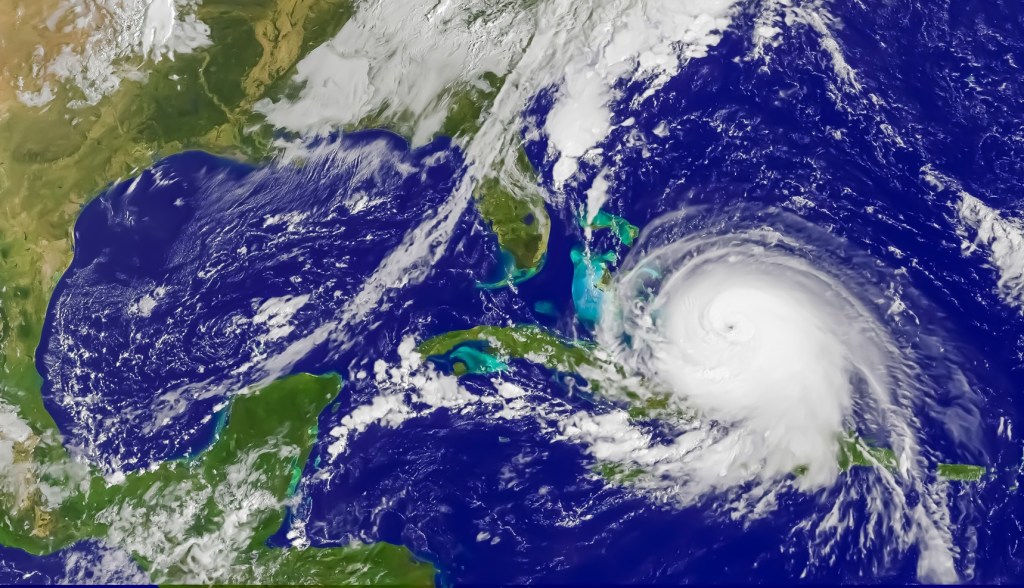
A tornado is a violently rotating column of air that is in contact with both the surface of the Earth and a cloud. They originate with thunderstorms, especially supercells, and are more of an inland phenomenon even though hurricanes can sometimes generate tornadoes. Tornadoes are much smaller than hurricanes in area, almost always much smaller than a square mile, or just 10 or 30 meters across. The reason they can be as deadly as hurricanes is that they tend to have stronger winds and they appear and disappear quicker thus taking people by surprise.


So, in summary, Hurricanes cover a large area and lasts a long time. They come from the sea and devastate coastal areas and are less common than tornadoes. Tornadoes are formed on land from thunderstorms, typically supercells. They are particularly common in tornado-alley. They cover a small area and go high up into the air forming a funnel and are commonly more intense. They are also more common, and they can surprise people. Therefore, on average, tornadoes cause more deaths in the US than hurricanes. You can read more about it here.
Our Tornado Experience
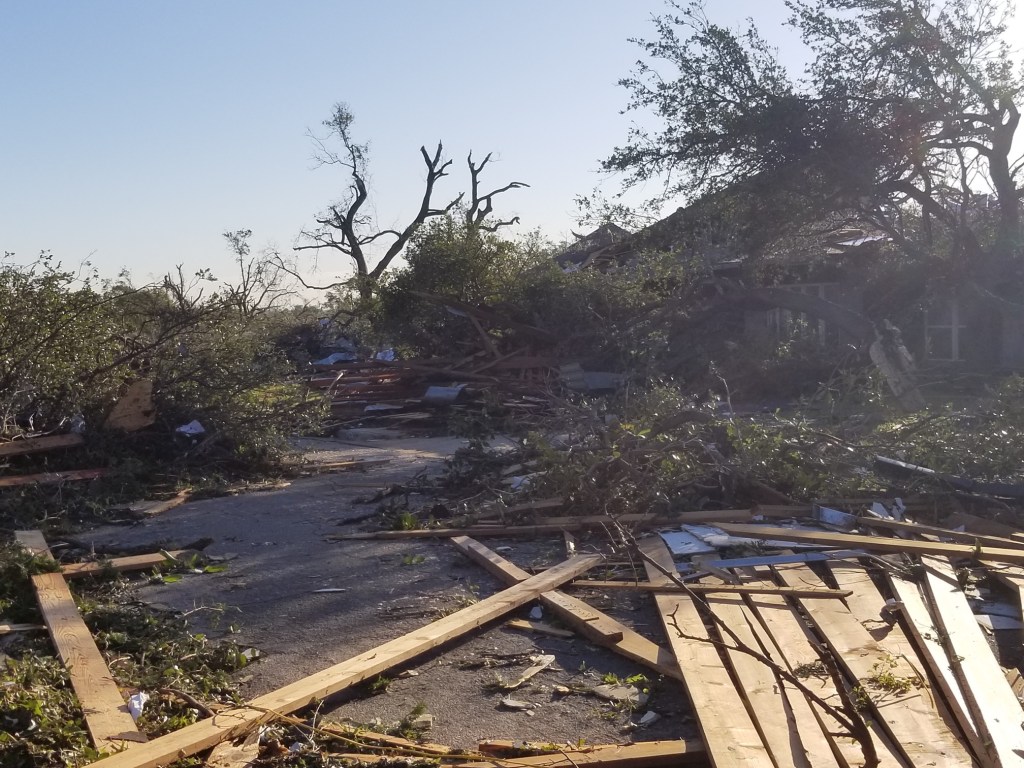
As mentioned, on October 20, 2025, our neighborhood was ravaged by an EF3 tornado. I was sitting outside in the backyard drinking a beer (Yellow Rose from Lone Pint brewery) when the sirens went off and my cell phone started screaming tornado warning “seek shelter immediately”. I did not see any problem, so I thought it was just one of unnecessary warnings again and I wanted to finish my beer. However, I decided to walk back into the house. About one minute later there was a lot of noise and a piece of the neighbor’s roof flew into our chimney, smashed it and it started raining bricks.
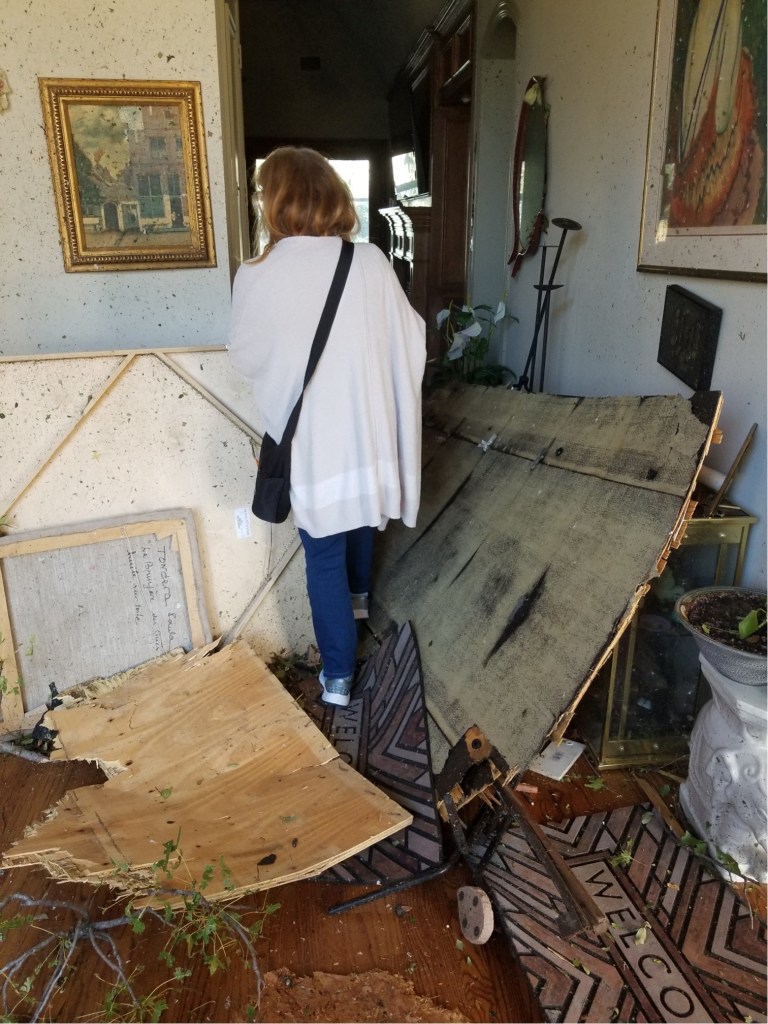
The house shook and thought to myself, “that was some thunderstorm”. I opened the door to the backyard, and I was astounded when I saw the devastation. My backyard was covered in debris, bricks, trees, garbage, my grill had flown off, several of our neighbors’ houses were just rubble. I guessed it must have been a tornado. My wife Claudia told me to go and check on her parents who lived about a mile away. I started driving my Toyota Prius, but I did not get very far because a neighbor’s roof was lying across the road. We live on a circle, so I decided to go the other way instead but about 30 trees lying across the road stopped me. So, I started walking but four firemen stopped me and told me that it was too dangerous to walk around. I had to go home. We would later learn that my wife’s father was injured. I am describing this in the NBC interview below.
We lost power for four days, we needed a new roof and a new chimney, the wiring and piping (for air conditioning) in the attic was destroyed, the fence and garage door were broken. It cost $50,000.00 to repair, nut our house stood, the frame was fine, and luckily our insurance paid for all of it, except for the parasol the flew away. We had no proof it ever existed. Not everyone was that lucky, especially those whose houses were destroyed. Unfortunately, our Leonberger dog Bronco had a heart failure one week after this. However, he recovered. But we are guessing that the fact that we did not have air conditioning for a while could have affected his heart. It was a tough day for Bronco, our Leonberger Dog. <<Link-13>>







My Interview with NBC
As I mentioned, last year NBC interviewed me about this event. They said that they had been reading my Leonberger blog and were interested in a post that I had made about the tornado in Dallas on October 20, 2019. They wanted to interview me and asked for permission to use a few of my photos.

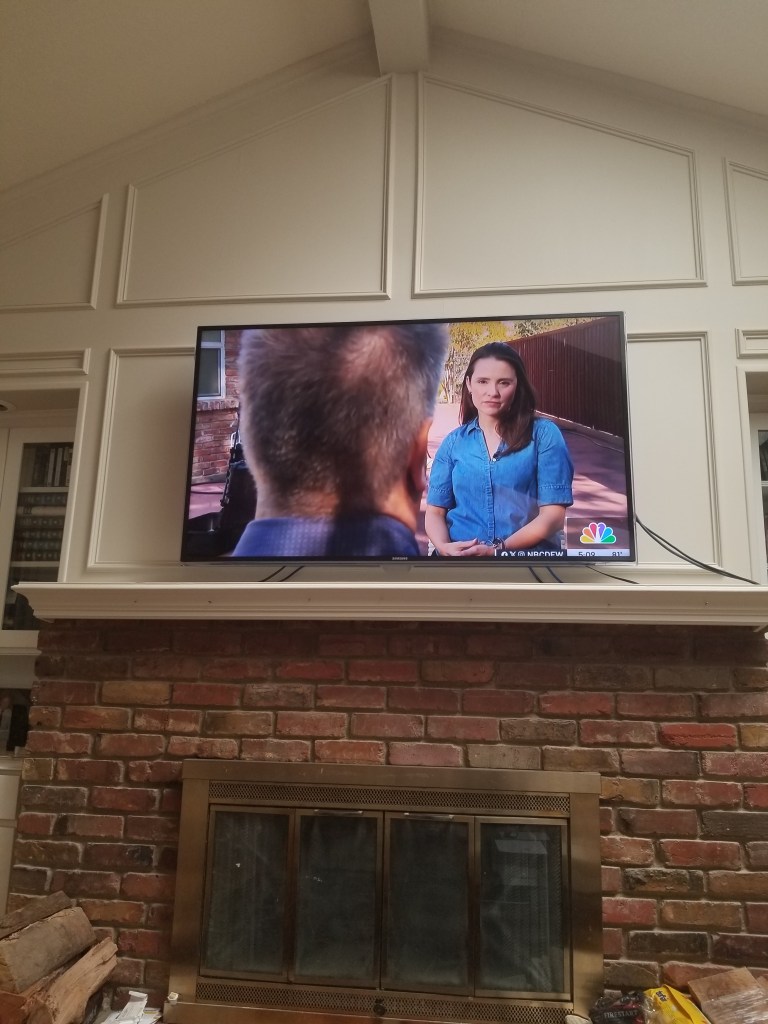
I would like to stress that there are thousands of people whom they could have interviewed. Thousands of people who probably would have been better candidates. What made all the difference was the post I made on my blog. Therefore, fellow bloggers, perhaps this is an example of the fact that blogs bring attention.
 Super Facts