
Super fact 71 : Based on the fossil record today’s extinction rate is hundreds, or even thousands, of times higher than the natural baseline rate.
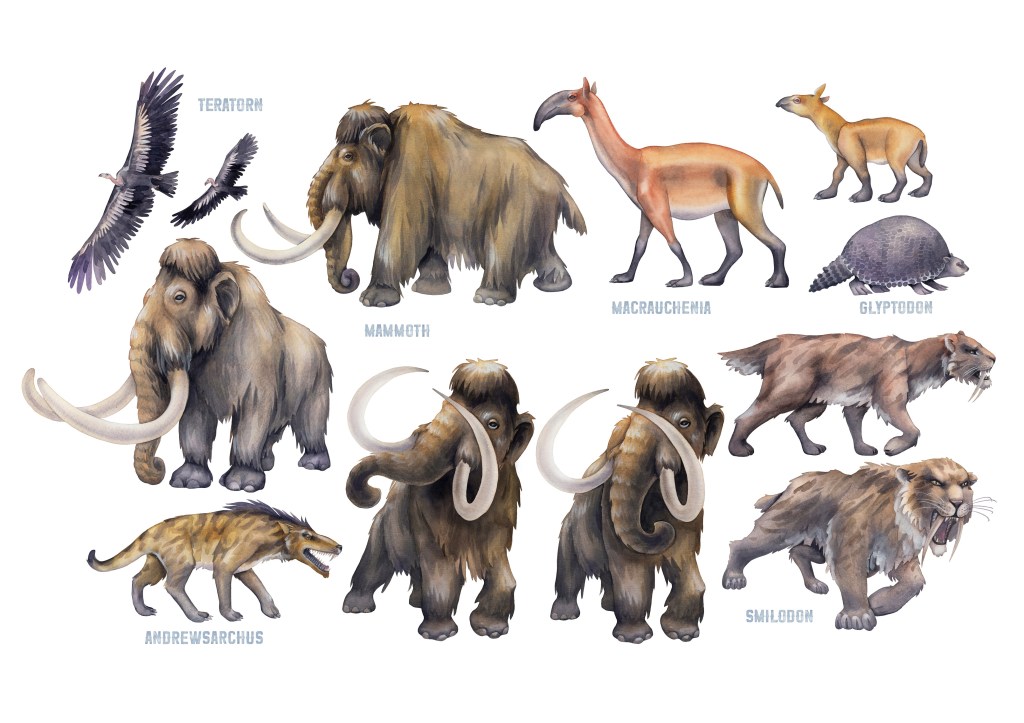
Estimating the extinction rate is a complicated task that requires some assumptions and estimations. This article from the National Library of Medicine use what it claims to be conservative estimates, which would tend to minimize evidence of an emerging mass extinction. Despite that fact the average rate of vertebrate species loss over the last century is up to 100 times higher than the extinction rate without/before humans (background rate). Other sources claim an extinction rate that is 1,000 or even 10,000 the background rate.
To put some specific numbers on what a high extinction rate means, scientists count 881 animal species are known to have gone extinct since around 1500. If we include animal species that scientists suspect might be extinct, that number shoots up to 1,473. You can read more on the issue here or here or here.
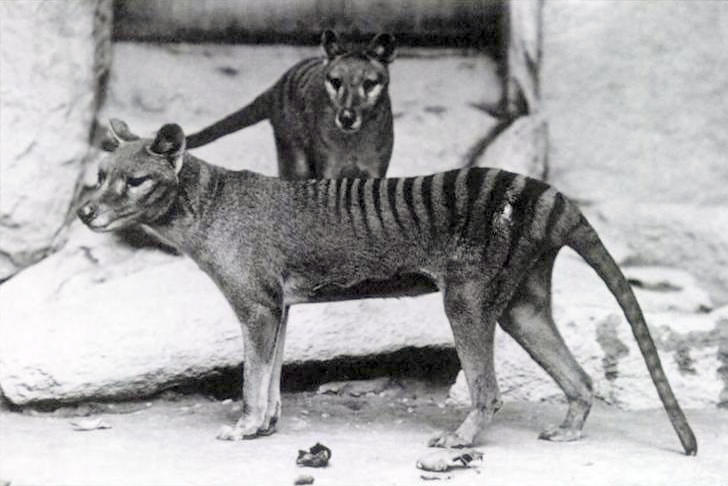
What is clear is that the current extinction rate is much higher than what is typical and we humans are the cause. This came as a shock to me the first time I found out about it, and it is certainly an important topic, and therefore a super fact. It is true, surprising to many, and important.
Those who want to minimize the problem with the ongoing extinctions often point out that extinctions are a natural part of evolution and that throughout Earth’s history up to around 98% of all species that have ever existed are now extinct. In my opinion, that argument fails to consider the enormity of Earth’s four billion year natural history. A lot of evolution happened during that time.
Modern humans have only been around 300,000 years, or 0.0075% of that time, a tiny blip in time. Human civilization has only been around for 12,000 years, or 0.0003% of that time, an even tinier blip in time. Like comparing an ant head to a mile. Us having a large negative impact on the natural world in such an extremely short time is quite notable.
By considering the extinction rate you get a better idea of the scope of the problem. The fact that the extinction rate today is significantly higher than the expected natural rate and that the primary cause of modern extinctions is human impact as opposed to natural phenomena, makes it a case for concern. To read about a related issue, “The Wild Mammal Biomass Has Substantially Declined”, click here.
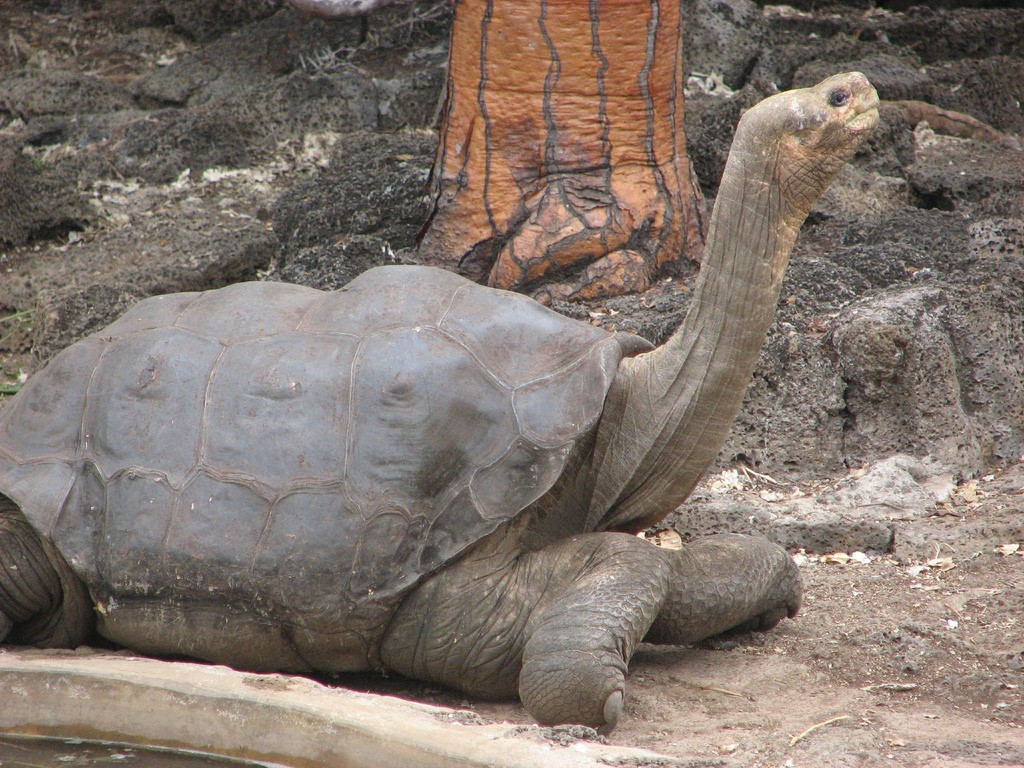
The Five Past Mass Extinction Events
Over the last 440 million years life on Earth has experienced five so called mass extinctions. A mass extinction event is when at least 75% of the world’s species are lost during a short period of time – geologically speaking. This period is not clearly defined but often defined to be two million years. Two million years may seem like a long time, but geologically speaking, it is a short time.

The five mass extinction events were:
- Late Ordovician mass extinction (444 million years ago; mya)
- Late Devonian mass extinction (360 mya)
- Permian–Triassic extinction event (250 mya)
- End Triassic extinction event (200 mya)
- End Cretaceous (65 mya) – the event that killed off the dinosaurs.
Below is an overview of the five big mass extinctions in Earth’s history. The graph is from Our World in Data.
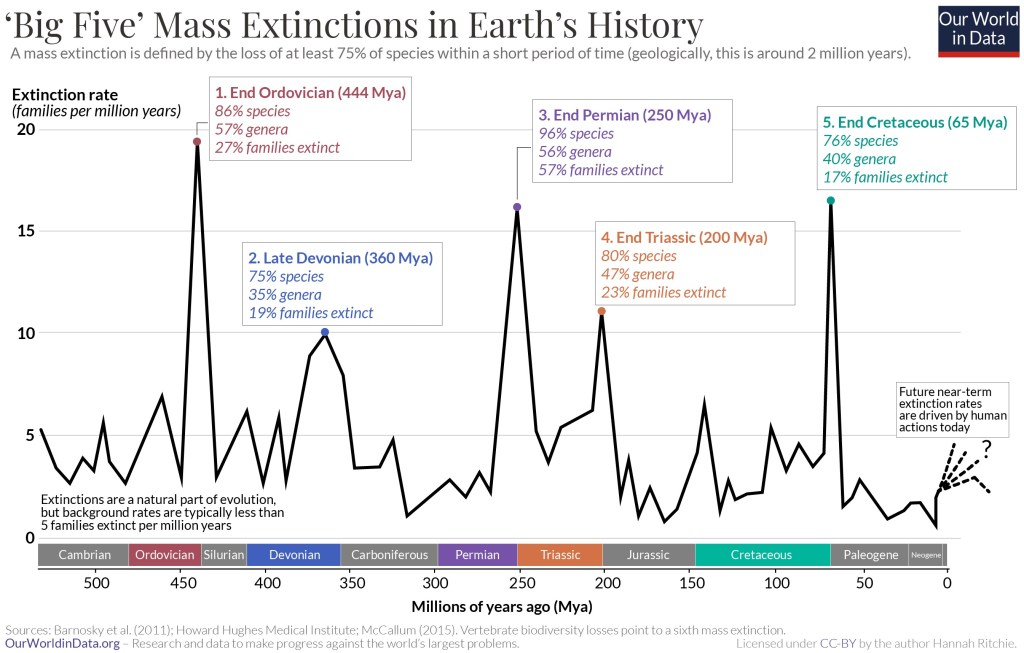

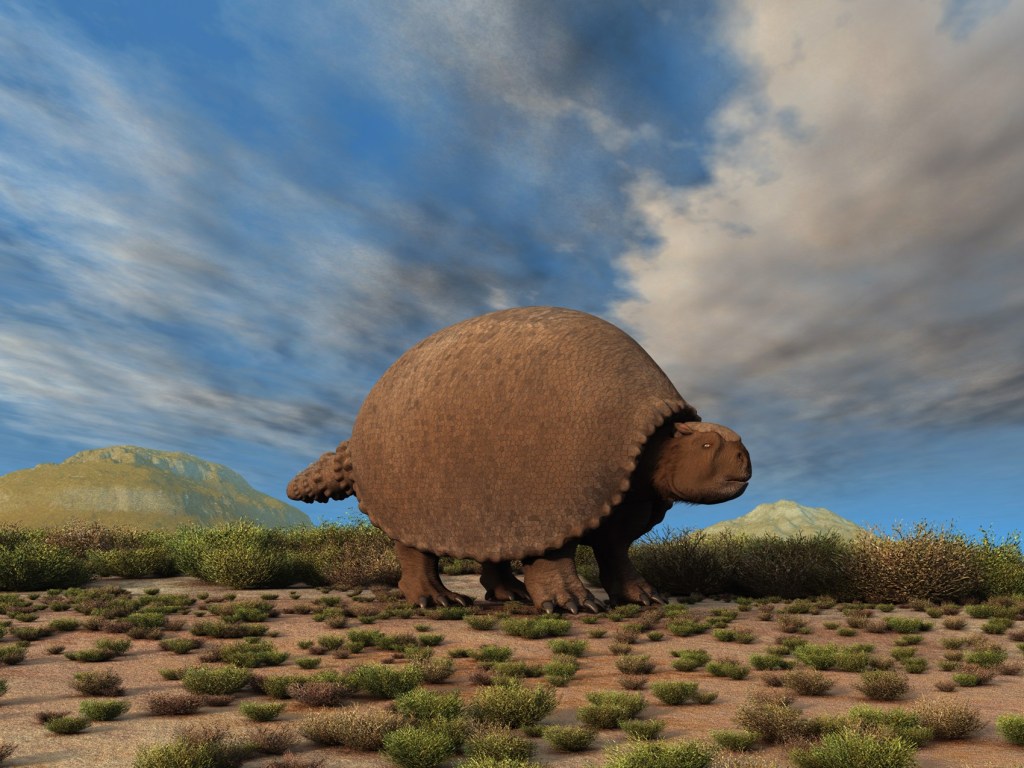
Biodiversity experts have estimated that about 30% (uncertainty range: 16–50%) of species have been globally threatened or driven to extinction since the year 1500. 30% globally threatened or extinct is not 75% that are actually extinct, but in just 500 years that looks like a quick start on a mass extinction. It should be noted that 500 years is just 0.025% of two million years. Issues such as deforestation, chiefly the result of replacing forests with agriculture, overexploitation, and global warming / climate change are driving extinctions and represent big biodiversity threats in the near future.
This is why there is talk about the so called Holocene or Anthropocene extinction and it possibly being a sixth mass extinction, this one being human caused. It should be noted that there are credible sources that question whether we are at the cusp of a sixth mass extinction event.
Posting this on Thanksgiving Day may seem awkward. However, whether there will be a human caused sixth mass extinction or not depends on us, and it looks like more people want to protect our natural world. Many animals, such as the giant panda, bald eagle, the sea otter, black footed ferret, the Peregrine falcon, the blue whale, Rodrigues fruit bat, the Island night lizard, and the California condor, have been saved from extinction through conservation efforts like habitat restoration, anti-poaching laws, captive breeding programs, and reintroduction to the wild. Perhaps we are turning things around. We should give thanks to all who care.
To see the other Super Facts click here

 Super Facts
We humans seem to do so much damage wherever we go and it’s usually driven by greed and/or power. Then there are those who continue to deny that climate change is even real. That said, I agree with your last paragraph. I hope we are getting better at living respectfully with other species.
LikeLiked by 3 people
Thank you so much Lynette. Climate change denial seem to be very strange. The evidence overwhelming. People are easy to bamboozle. However, once upon a time I doubted it myself because I did not know much about it and it was a political thing. I only paid attention to right wing media and I got fooled. Then I took a deep dive into the topic and realized it was real and we were the cause and there was not any doubt about it. However, the young generation seems to smarter about these issues and positive things have happened.
LikeLiked by 2 people
I’ve heard the argument that we’re in the sixth great extinction. One person can’t change the world, but one person can change their behavior. That’s all. Does it matter? I don’t know.
LikeLiked by 2 people
You are right Denise. One person may not make a big difference but many individuals do. It seems like we are now doing better. Maybe a sixth mass extinction will be averted. Well, we’ll know in two million years, or sooner.
LikeLiked by 1 person
As the self declared smartest animals, we have cased so much destruction to the earth and other living things. Let’s hope the anti-clmate change side wises up soon. Maggie
LikeLiked by 2 people
Yes I hope you are right Maggie. There are a lot of clueless people who don’t care about the environment and the natural world. However, looking at what we have done over the last five decades it looks like we are turning things around and that the anti-climate change crowd are loosing.
LikeLiked by 1 person
It is worrying that we’re the cause of all this destruction. Very interesting post, Thomas.
LikeLiked by 2 people
Thank you so much Esther. Despite certain people it seems like we overall are doing better though.
LikeLiked by 1 person
Another animal being saved from extinction by captive breeding and human help is the Vancouver Island marmot. The population is now about 400, after being reduced to only 30 individuals a few decades ago.
On the whole, though, I’m constantly distressed by what a destructive species we humans are. It’s almost as though we evolved in a different world and arrived in this one that is not adapted to us. That’s a science fiction scenario, but it has an appeal.
LikeLiked by 3 people
That science fiction scenario sounds like the begining of an intriguing story. I’ve read some so called cli-fi novels, science fiction novel with a climate change theme and they were good books. It is new popular genre. I am glad to hear about the recovery of the Vancouver Island Marmot. We’ve lost a lot but lately there’s been many success stories.
LikeLiked by 2 people
There have been big forward steps taken to save African Savannah elephants and giraffes from continuing to decline in numbers, Thomas. Sadly, with some species like African painted dogs the battle is being lost. Black rhinos are also extremely rare. I have had the extreme good fortune to see both of these creatures in the wild
LikeLiked by 2 people
There’s been some success stories but unfortunately some species losses. At least some people are trying to do something about it now. I am very grateful for your wonderful books, poems and art raising the issues and respect for the natural world.
LikeLike
Thank you, Thomas. We do what we can to help in small ways 💗
LikeLiked by 1 person
Thank you so much Robbie
LikeLike
🌈
LikeLiked by 1 person
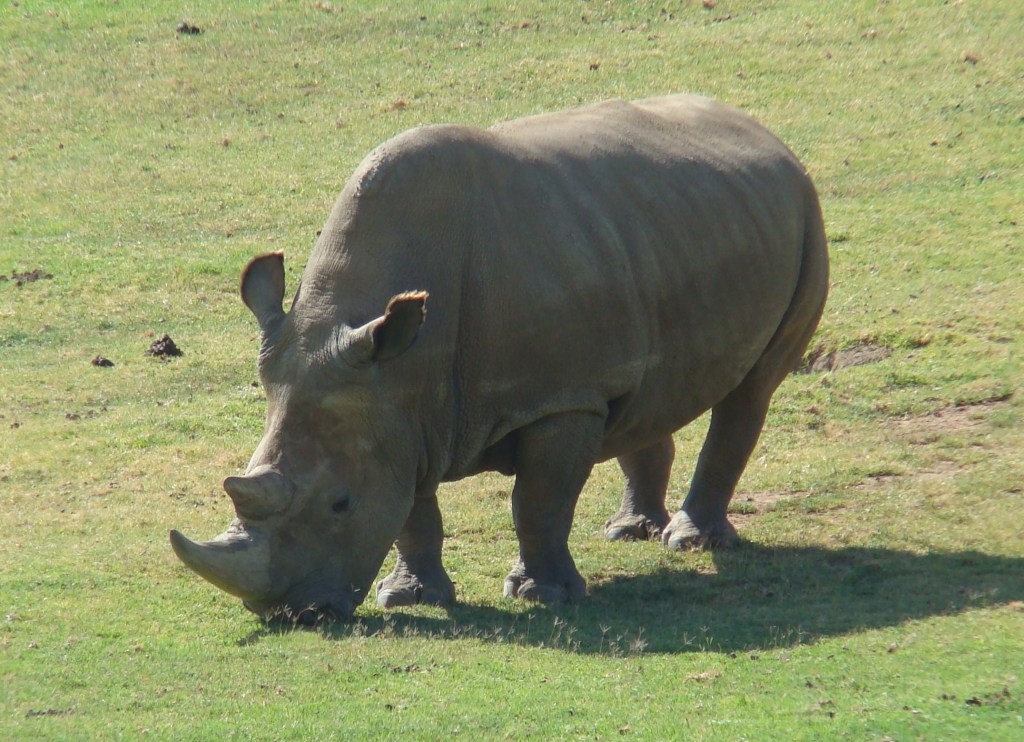
Lulu: “Our Mama and Dada saw Angalifu at the Safari Park and may even have fed him apples. They fed some rhinos apples, anyway. I sure would miss the humans if they went away but I wish they would go a bit easier on our wild cousins …”
LikeLiked by 3 people
Lulu that is so cool. I would have loved to see and feed Angalifu. What a special experience. I don’t think our dog Rollo would mind to be the last dog in the world. He doesn’t like other dogs very much. However, in general being the last of your species is kind of sad.
LikeLike
Such a shame that so many species have gone or are going extinct. We really need to do more to protect them.
LikeLiked by 2 people
Yes you are right. Luckily there are people who care and does something.
LikeLiked by 1 person
Yes, there definitely are. There’s lots of activists trying to protect the wildlife.
LikeLiked by 1 person
Yes a lot has happened in this area since mid 20th century and there has been some successes.
LikeLiked by 1 person
this is so very sad. we are such a destructive and self centered species
LikeLiked by 1 person
Yes you are right. Luckily there are people who care and progress has been made. The people who care may have helped us avoid another sixth mass extinction.
LikeLike
As always, a fascinating post. As it turns out extinction events are among my daughter’s primary interests in geology. She’s studied sharks, which have survived every mass extinction event in the planet’s history since they first appeared. However their numbers are declining rapidly now and there’s a chance they may go extinct during the anthropocene. She would like to find clues about their survival through other mass extinction events with hopes of determining how they, along with other species, might survive the antropocene. Wishing you a happy Thanksgiving. I’m especially thankful for science and rational thought.
LikeLiked by 1 person
Thank you so much David. It sounds very interesting what your daughter is studying. That sounds like a great topic to study in science. I wish her all the very best of success. I hope she finds some clues. I wish you and your family a Happy Thanksgiving as well and I am also especially thankful for science and rational thought.
LikeLiked by 1 person
So sad, isn’t it.
LikeLiked by 1 person
Yes, unfortunately extinction is for ever, and it effects the entire eco system. Fortunately, over the last decades, people and government have started to take action and it looks like things are improving.
LikeLiked by 1 person
Human overpopulation is to blame for these animals going extinct since 1500. If the population only grew to say, 2 billion, not nearly as many animals would go extinct.
The Earth’s human population limit is at least ten billion, perhaps 12 billion.
LikeLiked by 1 person
Yes you are right World Questioner. It is very difficult to do anything about our large population. However, we could for example eat less red meat. There are 1.5 billion cattle, which considering their size is even larger than the human biomass. At the same time as the biomass of wild animals have severly declined. I’ve read that the United Nations estimate that the global human population is projected to reach its maximum of just under 10.3 billion in 2084. Then it will decline. For the sake of wildlife I hope it will not be much more than that.
LikeLike
The world would be happier if the human population was just 2 billion.
If the world population declined, it would be worth having fewer kids or more people not having kids at all.
Many Americans are no longer getting married, in particular Millennials, and Millennials that do get married are voluntarily childless. This could lead to a population decline in the future of the Unitetd States.
LikeLiked by 1 person
Yes more than half the world’s countries have a birth rate below the replacement level of 2.1 children per woman, not just the US. That is why the UN says the world population will come to a maximum around 2084. You are right, we are probably too many and it causes harsher competition for resources and is a burden on the environment and wildlife. 2 billion people seems like a more reasonable number. But we are going to have to wait. However, as the population growth stalls and begin to decline young people are going to have take care of more elderly. On the other hand, maybe robots could do that.
LikeLike
I’m not surprised that humans are the cause of this trend. I’ve heard about this since the 70s ecology movement. But there’s still hope, and I’ll try to do what I can, in my small ways, to minimize the risk. Thank you for shining a light on the truth we need to face.
LikeLiked by 1 person
Thank you so much JoAnna. I am not surprised that you are not surprised. You know this stuff. However, there are people who do not know and even people who deny it. But like you I am hopeful. There’s been a lot of damage done but many people have taken action, like you say. It looks like things are turning around.
LikeLiked by 1 person
Fascinating and sobering. We are very poor stewards of our home planet. There are just too many humans competing for too few resources… something’s gotta (and will) give. Great post, Thomas 😎👏
LikeLiked by 1 person
Thank you so much for your kind words Darryl. You are right we certainly could do better.
LikeLike
How about the Lions ?somehow I feel like in few years to come Lions won’t be around
LikeLiked by 1 person
I have to admit I don’t know much about it but I know Lions are considered vulnerable but not yet endangered. However, I just looked it up and the West African lion subpopulation is critically endangered, Thank you for your comment radiokenya.com.
LikeLiked by 1 person
Well-written and deeply thought-provoking! I had heard about the five major mass extinctions in Earth’s history, but I had no idea that scientists now warn of a potential sixth one.
Recently, I read a study about the Laysan Albatross, a species listed as near threatened globally. One heartbreaking reason for their decline is that mother birds often mistake floating plastic for food and unknowingly feed it to their chicks, leading to sickness and death. It ultimately shows how human activity is destroying our planet.
LikeLiked by 1 person
That is very sad about Laysan Albatross. It is still early to tell but the very high extinction rate leads many scientists to believe that we humans are in the process of causing a sixth mass extinction, while others are saying that recent efforts to save species shows otherwise. A sixth mass extinction due to us would be really bad, but hopefully we won’t get there.
LikeLiked by 1 person
With enough awareness, policy change, and global action, we can still prevent the worst outcomes.
LikeLiked by 1 person
Yes that is a very good point. Thank you Melanie
LikeLiked by 1 person
Thank you for this eye-opening piece. You helped us see that the beauty of our world stands dangerously close to loss. Each line gently reminds us not to turn away from other beings who share this home. I hope more hearts awaken before everything becomes too late.
We often forget that when a species disappears, a long story of evolution also fades away. Every creature has an irreplaceable role in this shared planet. Small actions such as protecting habitats, reducing unnecessary consumption, or supporting conservation policies are humble ways to make a real difference.
You subtly whisper that there is still time, as long as we choose to act and care. Thank you for restoring our respect for life. May the hope you cultivate grow into collective action—saving more beings and preventing a dark chapter in our planet’s history.
LikeLiked by 1 person
Thank you so much Livora for your very insightful, kind, supportive and beautiful words.
LikeLiked by 1 person
Thank you
LikeLiked by 1 person
Humans continue to encroach on wildlife habitat, and even though people speak up, the politicians don’t seem to care.
LikeLiked by 1 person
Yes you are right Dawn. Getting politicians to listen is complicated, and a bit harder without money.
LikeLike