
Super fact 74 : We celebrate the birth of Jesus on December 25th or December 24th, but it is quite unlikely that Jesus was born on those dates, and certainly not during the year zero.

I’ve come across many adults who seriously believe that Jesus was born on December 25th. To them it will come as a big surprise to find out that the date of Jesus’ birth is never mentioned in the Gospels, or elsewhere in the Bible, not in any of the non-canonical Gospels, nor in any known historical sources. In addition, Luke’s Gospel mentions (Luke 2:8) shepherds tending flocks outdoors at night, which is not consistent with the cold winter in Judea. Biblical scholars (see 4th and 5th paragraphs in link) suggest that the information in the Gospel of Luke regarding the vision of John the Baptists father, Zechariah, leads to the conclusion that Jesus was likely born in September.
When was Jesus Born?
Jesus was not born during the year zero, because there was no year zero. The year after 1 BC (or BCE) is 1 AD (or CE). This causes problems for various scientific disciplines such as astronomy, climate science and history. The Gospel of Matthew mentioned that the birth took place during the time of Herod the Great who died in the year 4 BCE. I can add that Herod the Great got his moniker “Great” because of his extensive construction of cities, palaces, fortresses, aqueducts, and theaters across Judea, as well as the expansion of the Jewish temple.
The Gospel of Luke (Luke 2:1-2) states that the birth of Jesus took place during the census of the Roman governor of Syria, Quirinius (Cyrenius), which was in the year 6 CE, ten years after the death of Herod. However, there were other census taken earlier and scholars suggest that perhaps Luke’s account is a misstatement and that Mathew’s is more realistic. They conclude that Jesus was most likely born between 6 BCE and 4 BCE. As already mentioned it is very hard to pin down the time of the year when Jesus was born, but the month of September seems to be a likely candidate.
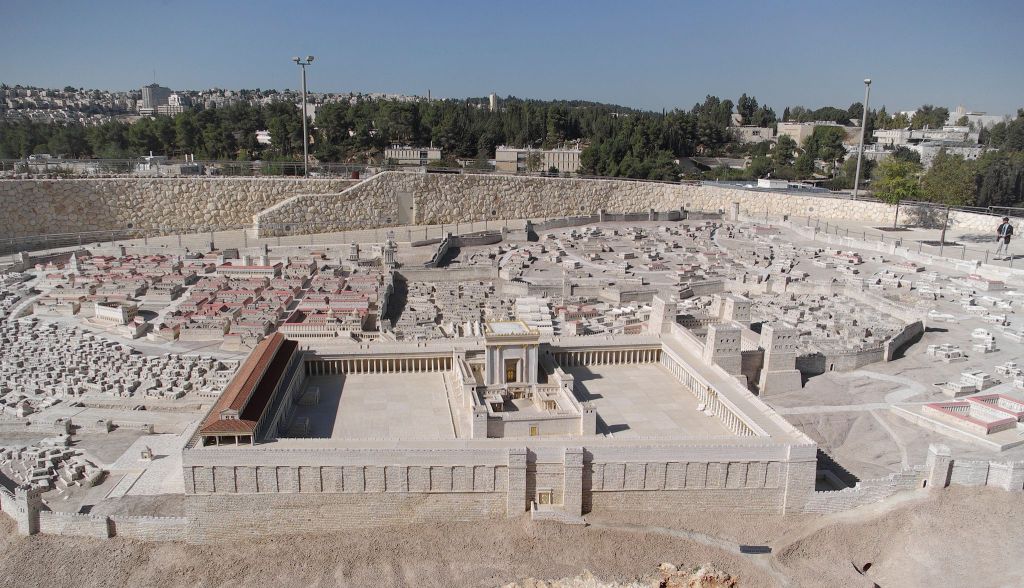
Why is Christmas on December 25th?
During the first few centuries after the birth of Jesus Christians did not celebrate his birth. The first mention of the birth of Christ on December 25 comes in the 3rd century CE by Hippolytus of Rome. The Roman festival Sol Invictus, celebrating the birth of the Sun God was Celebrated on December 25th. Many pre-Christian cultures marked the shortest day of the year, on December 21 or 22, as an important moment in the calendar, celebrating the “rebirth” of the sun. Germanic peoples celebrated Yule, and various Celtic and Mediterranean cultures held celebrations centered around the winter solstice. It is possible that December 25th was chosen as the day to celebrate the birth of Jesus so that people did not have to change the dates of their celebrations.
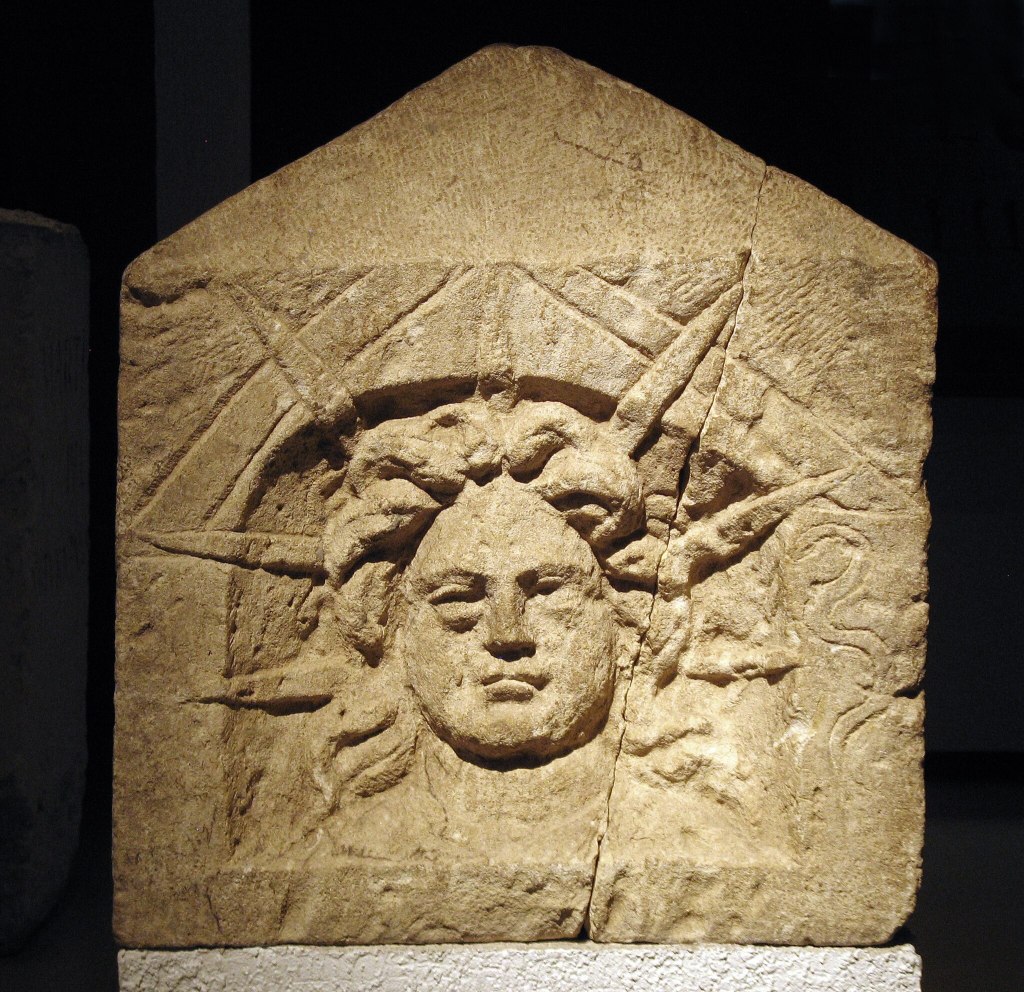
Regarding Germanic peoples celebrating Yule. In my native country Sweden Christmas is referred to as “Jul” pronounced “Yool” / “Yuul”. The word “Jul” directly comes from the Old Norse word “jól,” which referred to the pre-Christian midwinter festival (Yule in English). You can read about Scandinavian mythology here or here.

Note this year Christmas Day is on 12/25/25
To see the other Super Facts click here

 Super Facts
Nope, definitely not. Also, it’s well documented that many people refused to give up their December celebrations by converting to Christianity, so JC’s birth date was re-located to December 25 to accommodate them as well as to incorporate many of their traditions such as decorated trees or Yule logs.
LikeLiked by 2 people
Thank you Lynette. That is interesting information. It is amazing how traditions can blend in across religions and nations and how it happened in the past.
LikeLiked by 2 people
Christian holidays and saints were often applied to “pagan” celebrations and figures. I’m not surprised that the date was earlier than the year 0, but I did not know that the date of Jesus Christ’s birth is thought to be in September. Interesting facts as always, Thomas!
LikeLiked by 2 people
Thank you for your kind words Audrey. Yes back in the day (well thousands of years ago) traditions blended in.
LikeLiked by 2 people
Hi Thomas, I’m sure this is a surprise to many. Biblical dates and stories are indicative rather than completely accurate.
LikeLiked by 3 people
Yes I believe you are right. Thank you Robbie.
LikeLiked by 1 person
🧡
LikeLiked by 1 person
I thought this was quite common knowledge but have met a lot of people that believed Christmas was the day of Jesus’s birth. It’s interesting how holidays and traditions evolve.
LikeLiked by 2 people
Yes I do not have a poll to rely on but I’ve come across enough people that I believe it is not unusual to believe that Christmas day was the actual birth date of Jesus, but most likely it was not.
LikeLiked by 2 people
Yeah, I think it’s a pretty popular belief that he was actually born on Christmas. Even in Kenya, very many people believe that.
LikeLiked by 2 people
Yes it seems so to me. It should be surprising at least to some.
LikeLiked by 2 people
I’m also surprised that so many think that this is the actual date of Jesus’ birth. I’ve also read something about the North Star not being in the correct position in December, but I don’t remember the details. Anyway, Merry December 25th!! 🎅 Maggie
LikeLiked by 3 people
Thank you so much Maggie. I don’t know anything about the northstar but you might be right. Merry Christmas and Happy New Year. I wish you a great travel year in 2026.
LikeLiked by 1 person
It’s always a pleasure reading your articles!
LikeLiked by 2 people
Thank you so much for your kind words Luisa
LikeLiked by 2 people
You’re most welcome!!!
LikeLiked by 1 person
★˛˚˛*˛°.˛*.˛°˛.*★˚˛*˛°.˛*.˛°˛.*★*★* 。*˛.
˛°_██_*.。*./ \ .˛* .˛。.˛.*.★* *★ 。*
˛. (´• ̮•)*.。*/♫.♫\*˛.* ˛_Π_____.e ˛* ˛*
.°( . • . ) ˛°./• ‘♫ ‘ •\.˛*./______/~\*. ˛*.。˛* ˛.*。
*(…’•’.. ) *˛╬╬╬╬╬˛°.|田田 |門|╬╬╬╬╬*˚ .˛
LikeLiked by 1 person
Thank you Cindy. Happy Holidays to you and your loved ones.
LikeLike
Thank you Thomas for those thoughts and facts…
May the Christmas message continue to be meaningful no matter the date…
I love the Swedish version of Santa.. 🙂 very cute.. 🙂
May I take this opportunity to wish you and your family a wonderful Christmas Holiday Season, as I send well wishes for 2026 and way Beyond…
Have a lovely Holiday Thomas… 🙂 💖🎄🥂
LikeLiked by 2 people
Thank you so much Sue and I wish you and your family a wonderful Christmas Holiday Season, and a great and wonderful 2026.
LikeLiked by 2 people
Thank you 🎄✨️🎄
LikeLiked by 1 person
Interesting facts! I’d heard this one before but didn’t know any of the backstory or explanations.
LikeLiked by 2 people
Thank you so much for your kind words Diana.
LikeLiked by 2 people
It doesn’t matter what day he was born on. The people who get caught up on the date are missing the larger picture.
LikeLiked by 2 people
Yes you are so right Dawn. Thank you Dawn.
LikeLiked by 2 people
It’s good to know historical context of the Bible and how cultures blend and compromise over time. Even if I’ve sung “Christ was born on Christmas day…” in our church choir, I know it’s the day we chose to celebrate the birth. Interesting post!
LikeLiked by 2 people
Thank you so much JoAnna. You are right the date to celebrate the birth was chosen because nobody knew/knows.
LikeLiked by 2 people
Hi Thomas, what a fun fact seasonal post. Somewhere in my younger history I understood this fact, but I enjoyed all the other surrounding facts. You hit it on the nail here – “It is possible that December 25th was chosen as the day to celebrate the birth of Jesus so that people did not have to change the dates of their celebrations.”
Merry Christmas! 😊
LikeLiked by 2 people
Thank you so much Debby and Merry Christmas and Happy New Year to you.
LikeLiked by 2 people
Thanks so much Thomas. 😋🌲
LikeLiked by 1 person
I agree that it’s extremely unlikely that Jesus was born on December 25, however, we have no hard evidence about when he actually was born. The Gospels as we have them are believed to have been written a generation or more after Jesus lived and it’s hard to tell how many of their stories are meant to be literal or symbolic. For example, did shepherds literally attend the birth of Jesus or is that symbolism portending to Jesus being the ultimate shepherd? It’s somewhat telling that the Gospel of Mark, which is the oldest known Gospel, begins its narrative at the start of Jesus’s ministry, and doesn’t mention his birth at all.
My brother, an ordained minister, points out that December 25 is an interesting symbolic choice in that it’s approximately three days after the solstice — the three days can be seen as symbolizing the three days between Jesus’s death and resurrection. In this case, we have three days between the darkest day and the day that light returns to the world. Which conveniently aligns with those Pagan ceremonies already discussed.
LikeLiked by 1 person
Thank you David. You are right of course. That Jesus was not born in December but likely born in September between 6 BCE and 4 BCE stems from interpretations of the Gospels of Luke and Matthew, but they were written long after the death of Jesus and the stories could be symbolic. It is interesting that your brother is an ordained minister. I did not think about that “December 25 is approximately three days after the solstice — and that the three days can be seen as symbolizing the three days between Jesus’s death and resurrection.” That is an interesting fact.
LikeLiked by 1 person
It’s worth noting that I don’t completely discount the accounts of Matthew and Luke. Those accounts likely stemmed from the source often called “Q” (from the German “Quelle” or “source”) in Biblical Scholarship, a hypothesized earlier Gospel that serves as the source for those stories that are common to Mathew and Luke but don’t appear in Mark. Until “Q” can be discovered, though, it’s hard to evaluate the historical efficacy of its stories. Still, you’re right, if we take it as history, it does seem to point to a birth in the range 6 to 4 BCE somewhere near the autumnal equinox.
LikeLiked by 1 person
I have to admit, I did not know about “Q”. That is very interesting information. Thank you so much for telling me David.
LikeLiked by 1 person
I am far from an expert on Q and other early Biblical texts, but the little bit I have read is fascinating. One book I recommend is Bart D. Ehrman’s How Jesus Became God which examines the scholarship around the historical Jesus.
LikeLiked by 1 person
That is certainly very interesting and the book sounds super interesting.
LikeLiked by 1 person
This post offers a very clear look at history that many people often miss. Your explanation of how Swedish traditions and old festivals shaped our modern holidays is eye-opening. Knowing this background helps us value the cultural depth behind each celebration. Thank you for sharing these insightful facts.
LikeLiked by 1 person
Thank you so much Livora. Yes Swedish folklore, especially about the Tomte, helped shape modern Christmas traditions.
LikeLiked by 1 person
Java Bean: “Ayy, Dada always seems to get a bit muttery to himself about dates and pagan rituals and such when he sees signs and whatnot that say ‘Jesus is the Only Reason for the Season’, but he never really says anything about it …”
LikeLiked by 1 person
It is fine to be a little muttery to yourself every now and then, especially when you see silly bumper stickers.
LikeLiked by 1 person
If the calendar was pushed forward so that Jesus’ birthday is on New Year 1 A.D., it would be like 2031 today.
LikeLiked by 1 person
Yes you are World Questioner. It probably would be too difficult to change the calendar though.
LikeLike