The goal of this blog is to create a list of super facts. Important facts that are true with very high certainty and yet surprising, misunderstood, or disputed by many. This blog aims to be challenging, educational, and fun, without it being clickbait. I determine veracity using evidence, data from reputable sources and longstanding scientific consensus. Prepare to be challenged (I am). Intentionally seek the truth not confirmation of your belief.
The Evolution of Whales is No Longer a Mystery
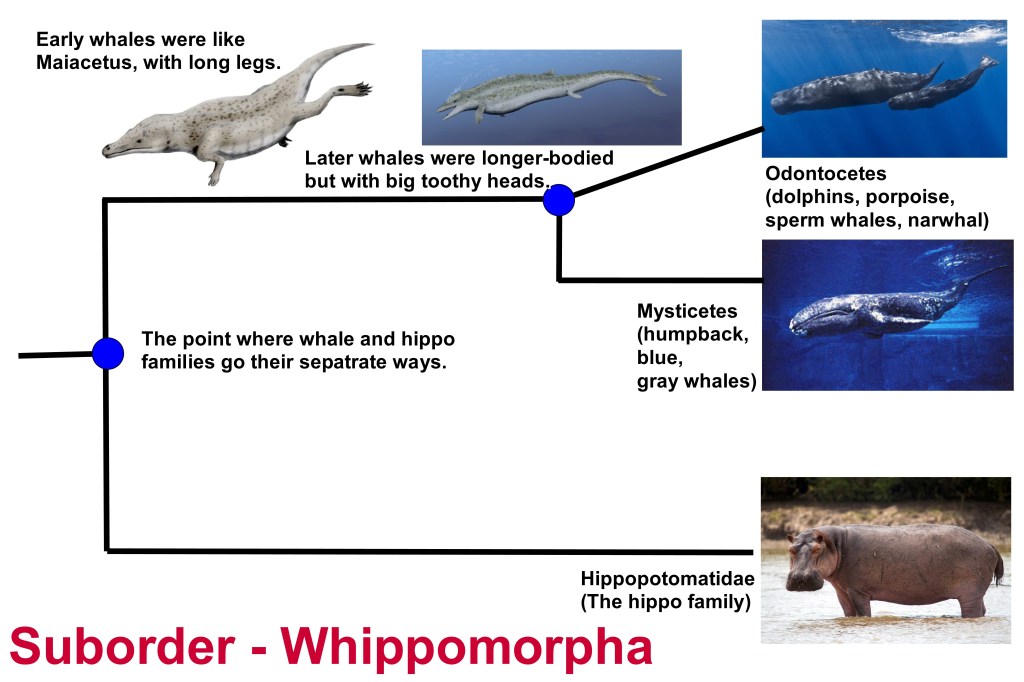
Super fact 85 : Scientists recognized that whales descended from land animals already in the 19th century. However, it was not until the 1980’s that intermediate fossils for whale evolution were found. In addition, molecular and genetic / DNA studies showed that Hippopotamus and whales were closely related. Until then the evolution of whales was a bit of a mystery and creationists frequently mocked the lack of intermediate fossils for whale evolution.
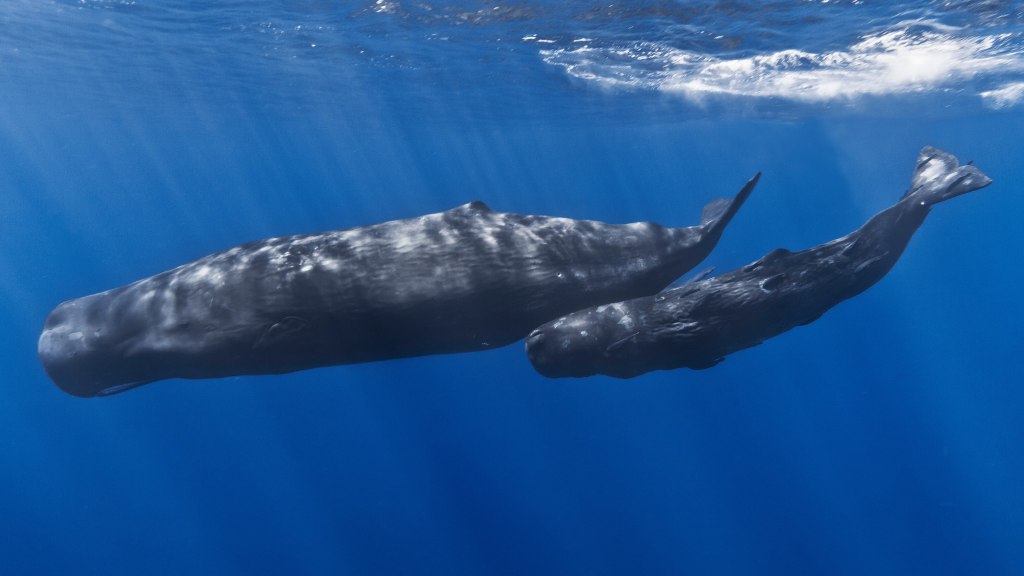
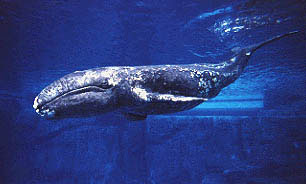
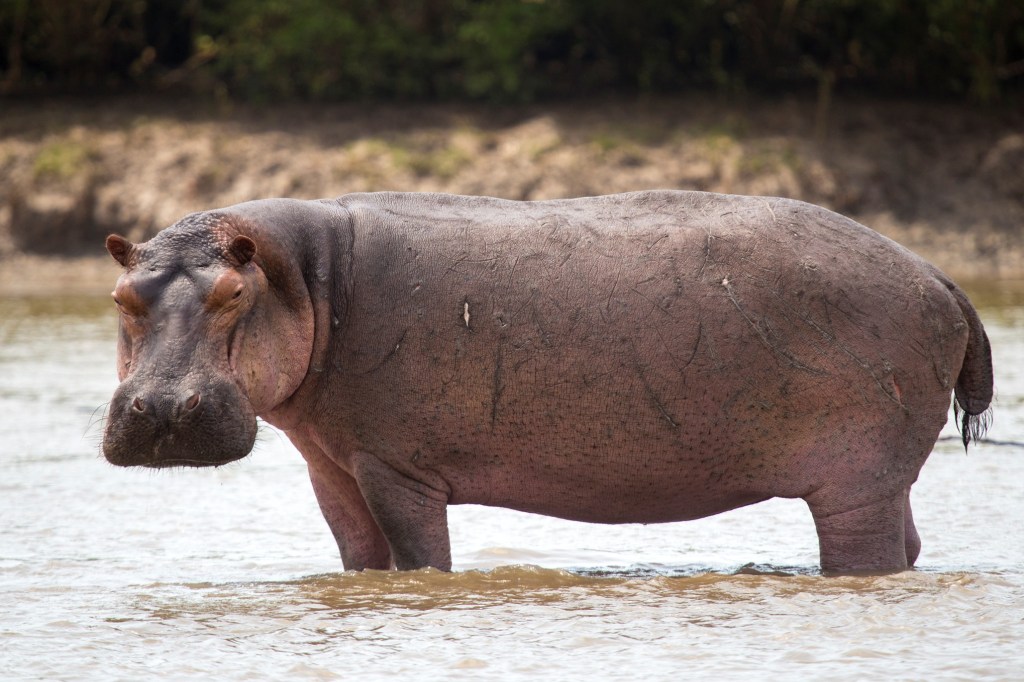
All living cetaceans including whales, dolphins, porpoises, sperm whales and hippopotamids / hippopotamus belong to a suborder of artiodactyls called whippomorpha. Just like humans and chimpanzees have a common ancestor hippopotamus and whales have a common ancestor. Note: I created this image by inserting a few pictures from Wikipedia commons including a mother sperm whale and her calf off the coast of Mauritius, a gray whale in captivity, a hippopotamus and two pre-historic whales (from the section Evolution of Whales – Intermediate Fossils). All pictures are shown below.Sperm whales from Wikimedia commons. A mother sperm whale and her calf off the coast of Mauritius. The calf has remoras attached to its body.A gray whale in captivity. Marine Mammal Commission, Public domain, via Wikimedia Commons.Portrait of a Hippopotamus in water in Saadani National Park. Muhammad Mahdi Karim, CC BY-SA 4.0 <https://creativecommons.org/licenses/by-sa/4.0>, via Wikimedia Commons.
Scientists realized hundreds of years ago that whales were a lot more like mammals than fish, in fact they were mammals. However, the fact that no intermediate fossils between land dwelling mammals and whales had been found presented a mystery and attracted the mockery by creationists. It was said that there was a missing link. Then intermediate fossils were found, and then a lot more of them.
In addition, DNA analysis of modern whales and hippopotamus showed that they were related and had a common ancestor. Just like chimpanzees and humans have a common ancestor, but chimpanzees are not an ancestor to humans, hippopotamus and whales have a common ancestor, but whales did not evolve from hippopotamus. To read more about the evolution of whales click here, or here, or here, or here, or here, or here, or here.
The thing with gaps in the fossil record or so called missing links is that as they are filled out new gaps are created, smaller gaps. Therefore, you can always claim that there are gaps. So be careful when you hear creationists speaking of missing links or gaps in the fossil record. Instead focus on the intermediate fossils that we have found and keep finding.
The fact that we’ve found a lot of intermediate fossils for the evolution of whales and that DNA tells us that Hippos and Whales are related and have a common ancestor probably comes as a surprise to many. It was certainly a surprise to me when I heard it the first time. It is true and kind of important to know. Therefore, I consider this a super fact.
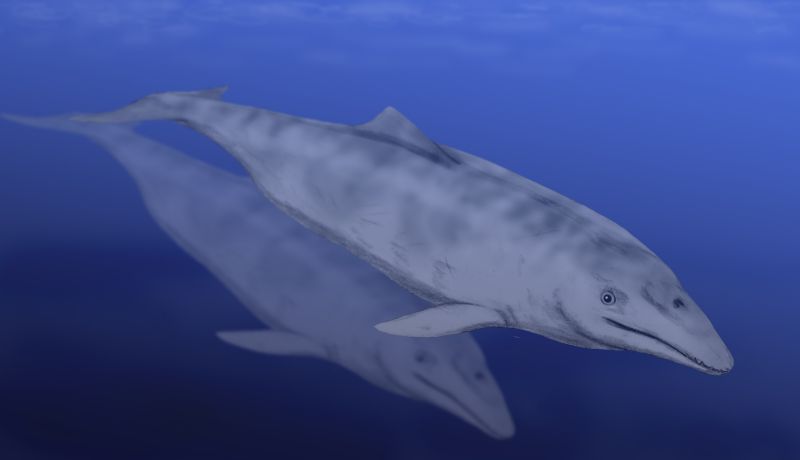
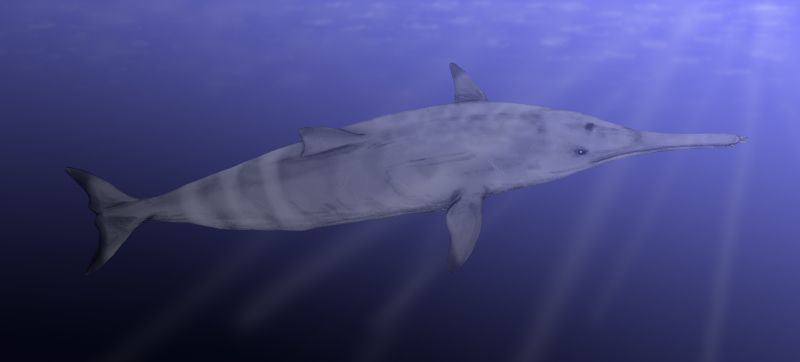
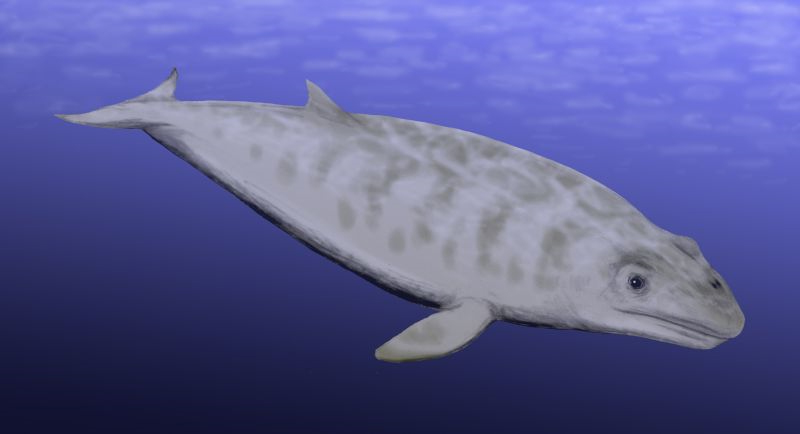
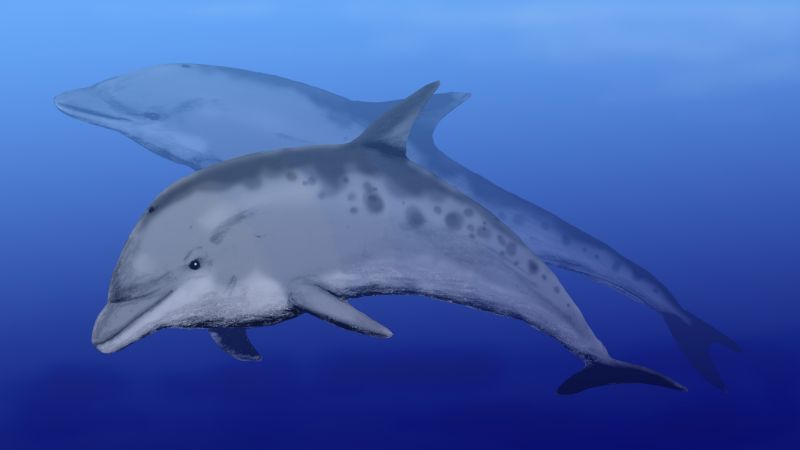
Evolution of Whales – Intermediate Fossils
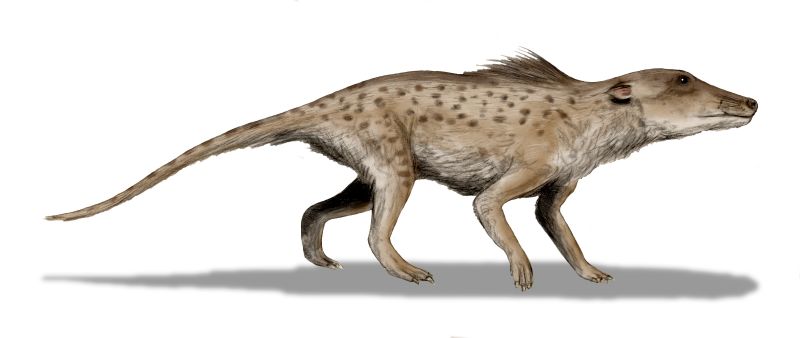
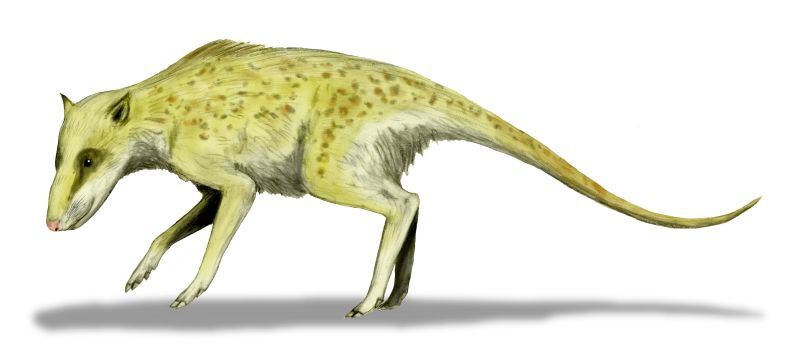
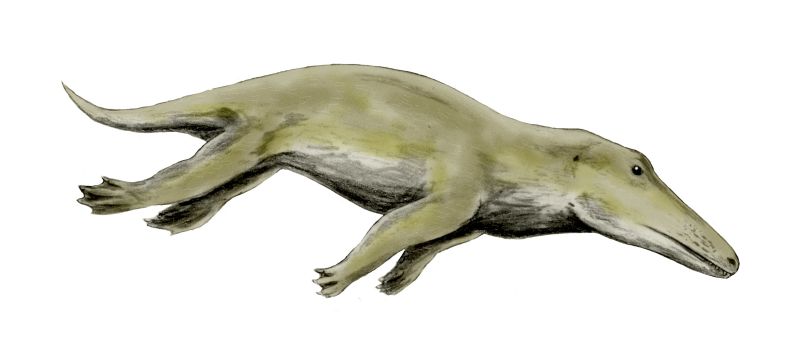
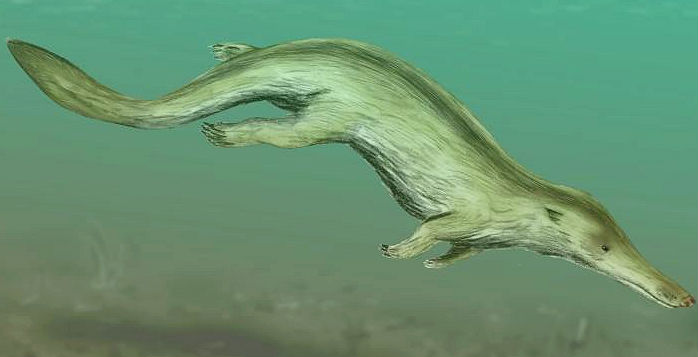
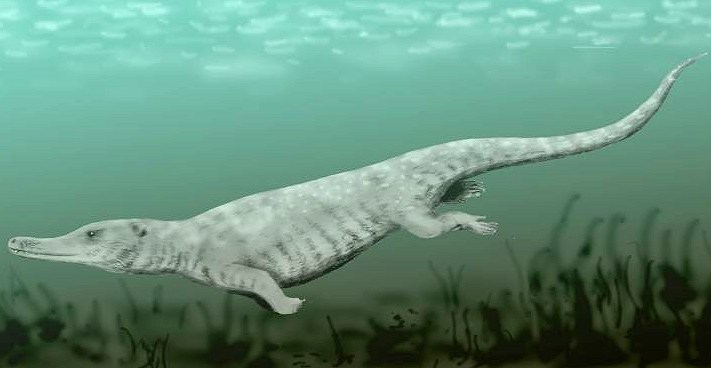
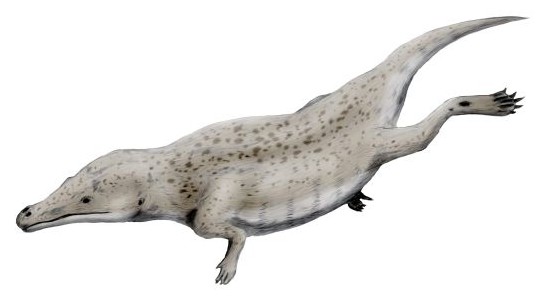
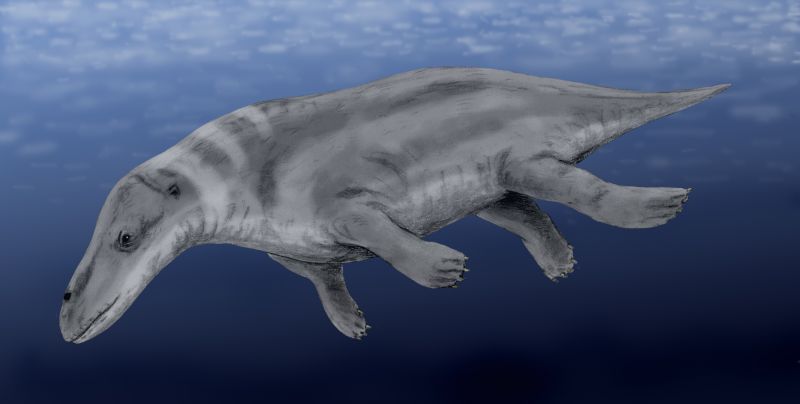
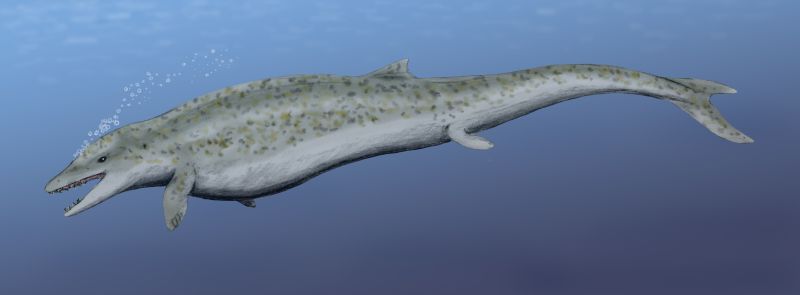
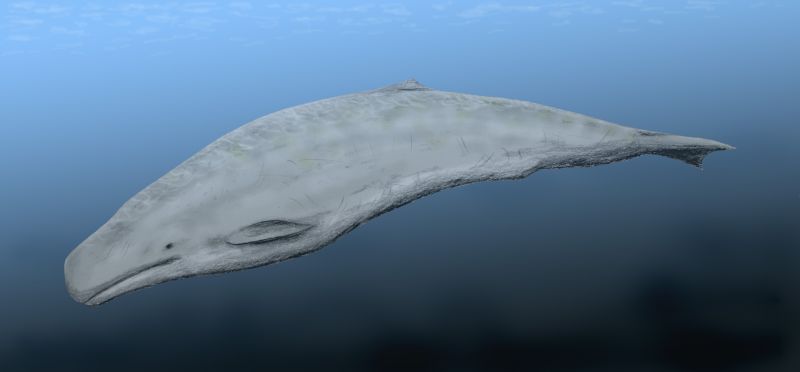
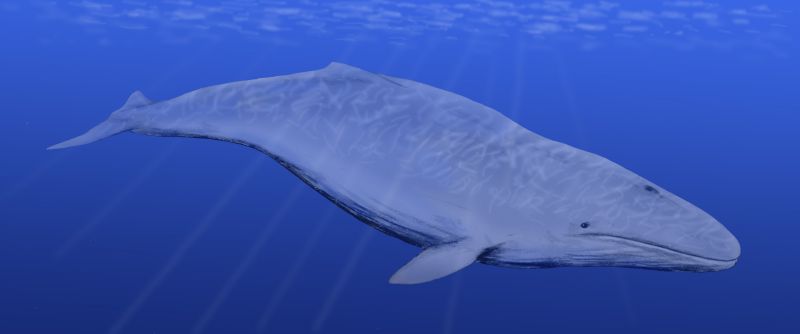
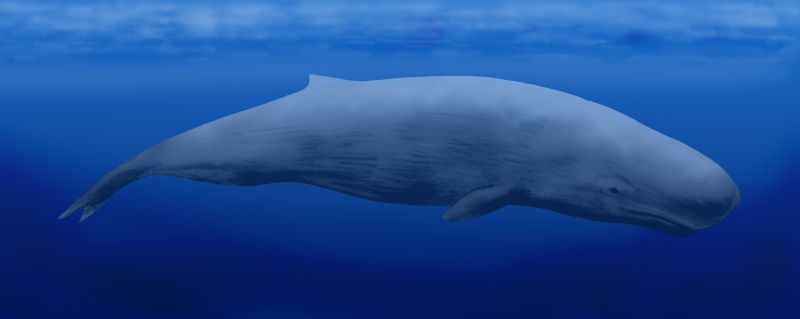
The first intermediate fossil found between land mammals and whales was Pakicetus found in Pakistan in 1983. You may wonder how we know that Pakicetus was related to whales. This evidence includes its fossilized ear bone (auditory bulla), which possesses a unique, thickened shape called an involucrum that is found only in cetaceans. Pakicetus also shares whale-like teeth, an ankle bone and a skull structure similar to other early whale like creaturs. Since the discovery of Pakicetus a lot more whale ancestors (intermediate fossils) have been found. Below is a list with illustrations of the various intermediate fossils.
My name is Thomas Wikman. I am a software/robotics engineer with a background in physics. I am currently retired. I took early retirement. I am a dog lover, and especially a Leonberger lover, a home brewer, craft beer enthusiast, I’m learning French, and I am an avid reader. I live in Dallas, Texas, but I am originally from Sweden. I am married to Claudia, and we have three children. I have two blogs. The first feature the crazy adventures of our Leonberger Le Bronco von der Löwenhöhle as well as information on Leonbergers. The second blog, superfactful, feature information and facts I think are very interesting. With this blog I would like to create a list of facts that are accepted as true among the experts of the field and yet disputed amongst the public or highly surprising. These facts are special and in lieu of a better word I call them super-facts.
View all posts by thomasstigwikman
60 thoughts on “The Evolution of Whales is No Longer a Mystery”
I have a hard time getting my head around the idea of “millions” of years. Not hard to believe the changes that can happen in that time.
Yes I feel the same way. A million years is a very long time. It reminds me of a quote from “Once upon a time in the west”, Cheyenne – “Hey, more than that. Thousands of thousands.” Harmonica: – “They call them ‘millions.'” And 50 million years is still more than a million years.
It is very difficult. However, I think comparing it with distances help. If one year is a millimeter, an inch is a quarter century, a human life 3 inches, a thousand years a meter (three feets), a million years a kilometer (62% of a mile), then 50 million years is 31 miles.
I might be able to imagine time that way, but distance as in what’s beyond the farthest star…. If you go to the end of the universe, there has to be something beyond it, and if you could go to the end of that, then what comes after that, and on and on and on….
Yes we can see 46.5 billion light years away “The Edge of the Observable Universe is 46.5 billion Light Years Away” but we could never get there because of the limits of the speed of light we could never reach beyond 16 billion years. But what is beyond the edge of the Universe at 46.5 billion light years away? Since we could never reach it and cannot ever see it we will never know. Does the Universe stretch for infinity? Maybe, but what exist beyond 46.5 billion light years is the mysterious beyond. Some Things Cannot be Known.
Yes you are right whales are amazing and very intelligent. Perhaps Whales are much smarter than Hippos just like we humans are much smarter than chimpanzees. Oh wait, recent history seems to contradict that. Let me rephrase that “Perhaps Whales are much smarter than Hippos just like chimpanzees are much smarter than humans.”
A very interesting article, Thomas! And personally, a source of rejoicing, having in mind that studying whales and dolphins was the reason I became a marine biologist. Loved to go through the evolutionary aspects of cetaceans and to know that whales and hippos had a common ancestor. Thank you for this great share. Much enjoyed! Light and blessings to you, always! ✨🙏
Thank you so much Susana for your very kind words. It certainly feels good to have the approval of a marine biologist. Whales and dolphins are certainly very interesting and amazingly intelligent. Light and blessings to you too.
How fascinating. I knew some of this information already, but seeing it all together as you have presented it, makes it even more fascinating. Great article. Maggie
Thank you Sara. You are pointing out something interesting. There are other animals that went back to the sea, like seals, manatees and sea turtles. It’s not just the whales.
Yes I would love reading it. I agree these land animals spent many million on years on land and then transitioned into the sea over a few more million years.
Ha ha Java Bean, I also think that’s what he’s saying. But he does not know that some of us think that is interesting. Hippos are not as smart as whales…oops sorry about that Hippo.
Yeah, every time I see pictures of those baby hippos I’m like, sure, they’re cute when they’re little, but just wait until they get big and murderous … 😁🦛 (← hippo emoji not to scale)
Yes I think I’d rather meet an Orca than a Hippo even though I know that Orcas can be dangerous too. We met an Orca at the backstage tour at Sea World and all he did was throwing buckets and balls at us. At least he did not try to bite us in half like a Hippo. I also don’t think Hippos are smart enough to figure out how to throw buckets and balls.
I did know hippos and whales are related but the detail in this post is interesting and engaging. Thanks, Thomas. For all the effort you put into these amazing posts 🙏🌈
Thank you for the informative article. I knew that whales and hippos had a common ancestor, but wasn’t aware that so much of the evolution from their common land-dwelling ancestor to modern sea-dwelling whales had been traced. As you could probably guess from reading my novel The Solar Sea, whales are very fascinating to me, so I really appreciate this insight into their ancestry.
Thank you so much David. Yes it wasn’t that long ago that they did not have any intermediate fossils between land dwelling mammals and whales and they found one and then a lot more. I certainly remember your fun and exciting science fiction book and the whales singing in binary code.
I didn’t know that Hippos and Whales have a common ancestor or that whales evolved from land mammals (I always thought that creatures started in the ocean and moved onto land). That’s so interesting that some made the opposite evolutionary journey. Interesting not about gaps in the fossil record too. It makes sense that the gaps don’t go away, but get smaller. We’re talking millions of years of history here – which is fascinating all by itself. Thanks for the lesson. And the visuals!
Yes it was a mystery for a long time. Scientists figured out that amphibians evolved into land animals such as reptiles and then dinosaurs and mammals, but somehow there were mammals in the sea, the whales and dolphins. They figured out that mammals could not have evolved in the sea, that happened on land, but how did whales end up in the sea? They figured some mammals must have returned to the sea but there were no internediate fossils and creationists rejecting evolution were mocking them. Then in 1983 they found a Pakicetus fossil, a land mammal eating fish, that had some bone structures that only whales have. Then they found another fossil and another fossil…etc.
Then DNA analysis showed Hippos and Whales were related. Hippos don’t have the whale bone structure that Pakicetus had so the Hippo branch split before Pakicetus, but an ancient mammal was the ancestor to Hippos as well as Pakicetus and modern whales.
BTW today is Hippo day as well as Whale Day, so you could call today Whippomorpha day.
Thank you so much Diane and I hope you and your husband stay safe.
I must have known a little of this when I researched whales in the late 70s in college. I was particularly interested in the intelligence of whales and dolphins around the time I changed my major from biology to psych. So now I’m wondering about the intelligence of hippos. Thanks for taking me back to an old love. The pictures and post are fascinating!
I should say that the various fossils and the DNA analysis was not available in the 1970’s but scientists knew that whales descended from land mammals. They just didn’t have the details yet. I’ve been making jokes about the intelligence of Hippos but I’ve read that they are actually quite intelligent mammals but not as intelligent as whales.
Well to Lynette I wrote “perhaps Whales are much smarter than Hippos just like we humans are much smarter than chimpanzees. Oh wait, recent history seems to contradict that. Let me rephrase that “Perhaps Whales are much smarter than Hippos just like chimpanzees are much smarter than humans.”
To Java Bean I wrote : “Hippos are not as smart as whales…oops sorry about that Hippo.” — Java Bean: “Ayyy, do not make the hippo angry!!!” — me : “Yes you are right Java Bean, an angry Hippo is very dangerous. We better run.”
After describing an encounter with an Orca throwing balls and buckets at us at Sea World: “I also don’t think Hippos are smart enough to figure out how to throw buckets and balls.”
No that is certainly not what I meant. I hardly ever read other people’s comments on other posts. Don’t read other people’s comments and my responses. You will just waste your time. I was just listing the jokes I made elsewhere because you asked me to share my jokes. Thank you so much JoAnna.


 Super Facts
I have a hard time getting my head around the idea of “millions” of years. Not hard to believe the changes that can happen in that time.
LikeLiked by 2 people
Yes I feel the same way. A million years is a very long time. It reminds me of a quote from “Once upon a time in the west”, Cheyenne – “Hey, more than that. Thousands of thousands.” Harmonica: – “They call them ‘millions.'” And 50 million years is still more than a million years.
LikeLiked by 1 person
It’s like trying to imagine infinity.
LikeLiked by 1 person
It is very difficult. However, I think comparing it with distances help. If one year is a millimeter, an inch is a quarter century, a human life 3 inches, a thousand years a meter (three feets), a million years a kilometer (62% of a mile), then 50 million years is 31 miles.
LikeLiked by 1 person
I might be able to imagine time that way, but distance as in what’s beyond the farthest star…. If you go to the end of the universe, there has to be something beyond it, and if you could go to the end of that, then what comes after that, and on and on and on….
LikeLiked by 1 person
Yes we can see 46.5 billion light years away “The Edge of the Observable Universe is 46.5 billion Light Years Away” but we could never get there because of the limits of the speed of light we could never reach beyond 16 billion years. But what is beyond the edge of the Universe at 46.5 billion light years away? Since we could never reach it and cannot ever see it we will never know. Does the Universe stretch for infinity? Maybe, but what exist beyond 46.5 billion light years is the mysterious beyond. Some Things Cannot be Known.
LikeLiked by 1 person
It boggles our human minds.
LikeLiked by 1 person
Yes it does
LikeLiked by 1 person
A very interesting post, Thomas. Whales are amazing; so intelligent.
LikeLiked by 1 person
Yes you are right whales are amazing and very intelligent. Perhaps Whales are much smarter than Hippos just like we humans are much smarter than chimpanzees. Oh wait, recent history seems to contradict that. Let me rephrase that “Perhaps Whales are much smarter than Hippos just like chimpanzees are much smarter than humans.”
LikeLiked by 1 person
Hahaha. 😊 I couldn’t agree more!
LikeLiked by 1 person
A very interesting article, Thomas! And personally, a source of rejoicing, having in mind that studying whales and dolphins was the reason I became a marine biologist. Loved to go through the evolutionary aspects of cetaceans and to know that whales and hippos had a common ancestor. Thank you for this great share. Much enjoyed! Light and blessings to you, always! ✨🙏
LikeLiked by 1 person
Thank you so much Susana for your very kind words. It certainly feels good to have the approval of a marine biologist. Whales and dolphins are certainly very interesting and amazingly intelligent. Light and blessings to you too.
LikeLiked by 1 person
How fascinating. I knew some of this information already, but seeing it all together as you have presented it, makes it even more fascinating. Great article. Maggie
LikeLiked by 2 people
Thank you so much for your very kind words Maggie.
LikeLike
It’s interesting how some water species had land ancestors then they went back into the ocean later on.
LikeLiked by 2 people
Thank you Sara. You are pointing out something interesting. There are other animals that went back to the sea, like seals, manatees and sea turtles. It’s not just the whales.
LikeLiked by 1 person
So cool! They wanted the freedom of the sea.
LikeLiked by 1 person
Yes I think you are right and I could imagine you writing a book about that.
LikeLiked by 1 person
Aw hehe that would be a cool story! 🙂 It is interesting actually that they spent so much time on land then ended up going back to the ocean.
LikeLiked by 1 person
Yes I would love reading it. I agree these land animals spent many million on years on land and then transitioned into the sea over a few more million years.
LikeLiked by 1 person
Yes so wild!
LikeLiked by 1 person
Thank you for explaining this to us. I think whales are magnificent and it’s so interesting to lean more about them and their evolution.
LikeLiked by 1 person
Thank you so much Esther. I also think Whales are magnificent and smart.
LikeLiked by 1 person
Java Bean: “Ayyy, that hippo with the side-eye looks like it’s saying, ‘Yeah that’s right, I’m related to the whales, what’s it to you?'”
LikeLiked by 2 people
Ha ha Java Bean, I also think that’s what he’s saying. But he does not know that some of us think that is interesting. Hippos are not as smart as whales…oops sorry about that Hippo.
LikeLiked by 1 person
Java Bean: “Ayyy, do not make the hippo angry!!!”
LikeLiked by 1 person
Yes you are right Java Bean, an angry Hippo is very dangerous. We better run.
LikeLiked by 1 person
Yeah, every time I see pictures of those baby hippos I’m like, sure, they’re cute when they’re little, but just wait until they get big and murderous … 😁🦛 (← hippo emoji not to scale)
LikeLiked by 1 person
Yes I think I’d rather meet an Orca than a Hippo even though I know that Orcas can be dangerous too. We met an Orca at the backstage tour at Sea World and all he did was throwing buckets and balls at us. At least he did not try to bite us in half like a Hippo. I also don’t think Hippos are smart enough to figure out how to throw buckets and balls.
LikeLike
What a surprise to learn whales and hippos have a common ancestor! Another facinating article, Thomas. Thank you for furthering my education. 😎
LikeLiked by 2 people
I am glad you are surprised. I am trying to surprise people. Thank you so much for your kind words Debbie.
LikeLiked by 1 person
I did know hippos and whales are related but the detail in this post is interesting and engaging. Thanks, Thomas. For all the effort you put into these amazing posts 🙏🌈
LikeLiked by 1 person
Thank you so much for your kind words Robbie. You are a naturalist so I had a feeling you might know.
LikeLike
😄💞
LikeLiked by 1 person
Dear Thomas
Thank you for liking my post ‘Dignity’.
🌷🙏
LikeLiked by 1 person
Thank you Veerites
LikeLiked by 1 person
Welcome 🌺
LikeLiked by 1 person
Another really interesting post, Thomas. Whales are wonderful, and hippos very much so!
LikeLiked by 1 person
Yes you are right Chris. They are amazing animals and so majestic.
LikeLiked by 1 person
Thank you for the informative article. I knew that whales and hippos had a common ancestor, but wasn’t aware that so much of the evolution from their common land-dwelling ancestor to modern sea-dwelling whales had been traced. As you could probably guess from reading my novel The Solar Sea, whales are very fascinating to me, so I really appreciate this insight into their ancestry.
LikeLiked by 1 person
Thank you so much David. Yes it wasn’t that long ago that they did not have any intermediate fossils between land dwelling mammals and whales and they found one and then a lot more. I certainly remember your fun and exciting science fiction book and the whales singing in binary code.
LikeLiked by 1 person
Very interesting and informative post!
LikeLiked by 1 person
Thank you so much for your kind words Dawn
LikeLike
I didn’t know that Hippos and Whales have a common ancestor or that whales evolved from land mammals (I always thought that creatures started in the ocean and moved onto land). That’s so interesting that some made the opposite evolutionary journey. Interesting not about gaps in the fossil record too. It makes sense that the gaps don’t go away, but get smaller. We’re talking millions of years of history here – which is fascinating all by itself. Thanks for the lesson. And the visuals!
LikeLike
Yes it was a mystery for a long time. Scientists figured out that amphibians evolved into land animals such as reptiles and then dinosaurs and mammals, but somehow there were mammals in the sea, the whales and dolphins. They figured out that mammals could not have evolved in the sea, that happened on land, but how did whales end up in the sea? They figured some mammals must have returned to the sea but there were no internediate fossils and creationists rejecting evolution were mocking them. Then in 1983 they found a Pakicetus fossil, a land mammal eating fish, that had some bone structures that only whales have. Then they found another fossil and another fossil…etc.
Then DNA analysis showed Hippos and Whales were related. Hippos don’t have the whale bone structure that Pakicetus had so the Hippo branch split before Pakicetus, but an ancient mammal was the ancestor to Hippos as well as Pakicetus and modern whales.
BTW today is Hippo day as well as Whale Day, so you could call today Whippomorpha day.
Thank you so much Diane and I hope you and your husband stay safe.
LikeLiked by 1 person
Happy Hippo and Whale Day, Thomas. Fascinating post!
LikeLiked by 1 person
Thank you Diane and Happy Hippo and Whale Day to you
LikeLiked by 1 person
I must have known a little of this when I researched whales in the late 70s in college. I was particularly interested in the intelligence of whales and dolphins around the time I changed my major from biology to psych. So now I’m wondering about the intelligence of hippos. Thanks for taking me back to an old love. The pictures and post are fascinating!
LikeLiked by 1 person
I should say that the various fossils and the DNA analysis was not available in the 1970’s but scientists knew that whales descended from land mammals. They just didn’t have the details yet. I’ve been making jokes about the intelligence of Hippos but I’ve read that they are actually quite intelligent mammals but not as intelligent as whales.
LikeLiked by 1 person
Makes sense. Maybe you could share one of your jokes. 😉
LikeLiked by 1 person
Well to Lynette I wrote “perhaps Whales are much smarter than Hippos just like we humans are much smarter than chimpanzees. Oh wait, recent history seems to contradict that. Let me rephrase that “Perhaps Whales are much smarter than Hippos just like chimpanzees are much smarter than humans.”
To Java Bean I wrote : “Hippos are not as smart as whales…oops sorry about that Hippo.” — Java Bean: “Ayyy, do not make the hippo angry!!!” — me : “Yes you are right Java Bean, an angry Hippo is very dangerous. We better run.”
After describing an encounter with an Orca throwing balls and buckets at us at Sea World: “I also don’t think Hippos are smart enough to figure out how to throw buckets and balls.”
LikeLiked by 1 person
Thank you! I must make more of an effort to read all of your comments!
LikeLiked by 1 person
No that is certainly not what I meant. I hardly ever read other people’s comments on other posts. Don’t read other people’s comments and my responses. You will just waste your time. I was just listing the jokes I made elsewhere because you asked me to share my jokes. Thank you so much JoAnna.
LikeLiked by 1 person
Aw, thanks, Thomas. I sometimes read the comment right before mine so I’m not saying the same exact thing.
LikeLiked by 1 person
Well, you are doing better than me. I sometimes copy my own comment replies so I don’t have to rewrite them.
LikeLike
Please read my post Auto updated now IST 9 am , thanks & sorry for this trouble 🙏
LikeLiked by 1 person