
Super fact 71 : Based on the fossil record today’s extinction rate is hundreds, or even thousands, of times higher than the natural baseline rate.
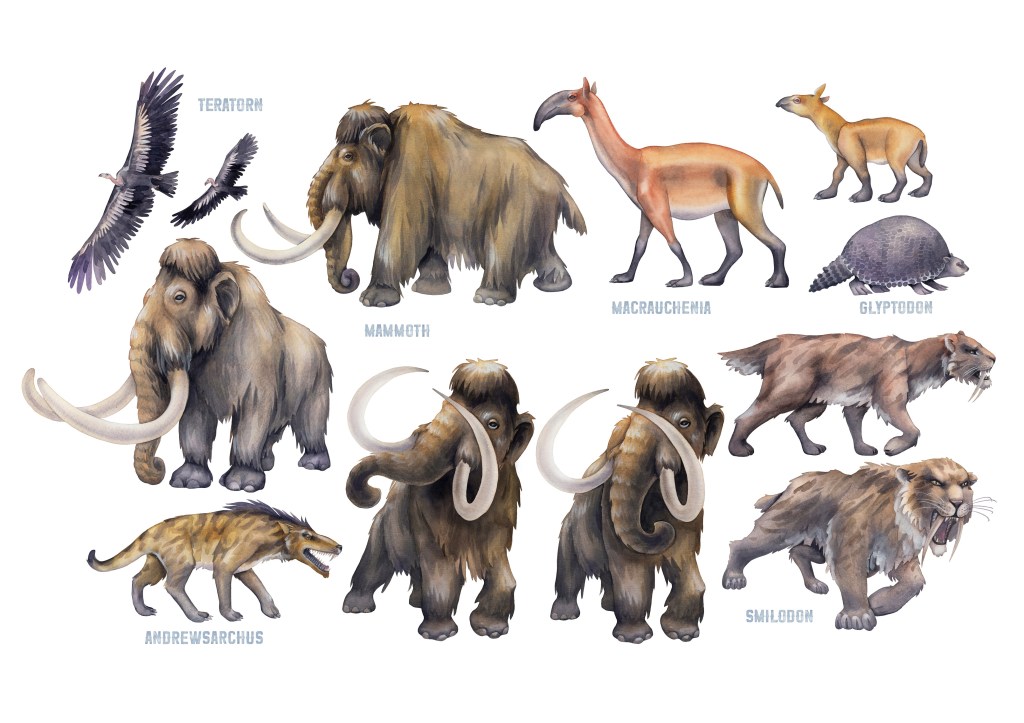
Estimating the extinction rate is a complicated task that requires some assumptions and estimations. This article from the National Library of Medicine use what it claims to be conservative estimates, which would tend to minimize evidence of an emerging mass extinction. Despite that fact the average rate of vertebrate species loss over the last century is up to 100 times higher than the extinction rate without/before humans (background rate). Other sources claim an extinction rate that is 1,000 or even 10,000 the background rate.
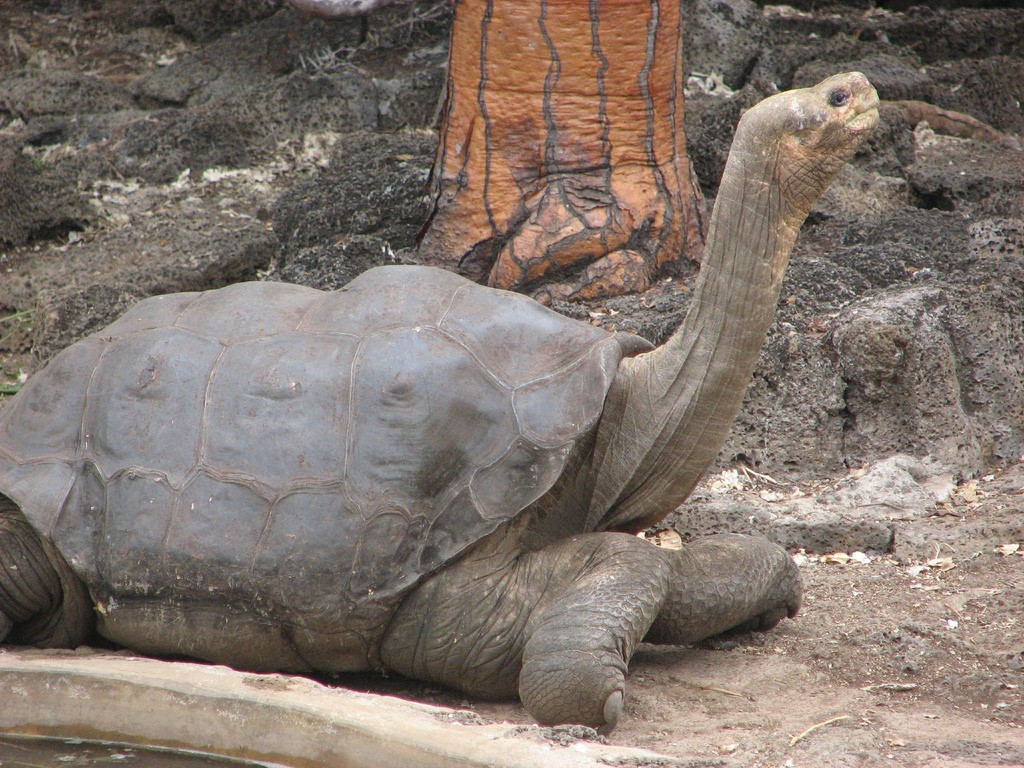
To put some specific numbers on what a high extinction rate means, scientists count 881 animal species are known to have gone extinct since around 1500. If we include animal species that scientists suspect might be extinct, that number shoots up to 1,473. You can read more on the issue here or here or here.
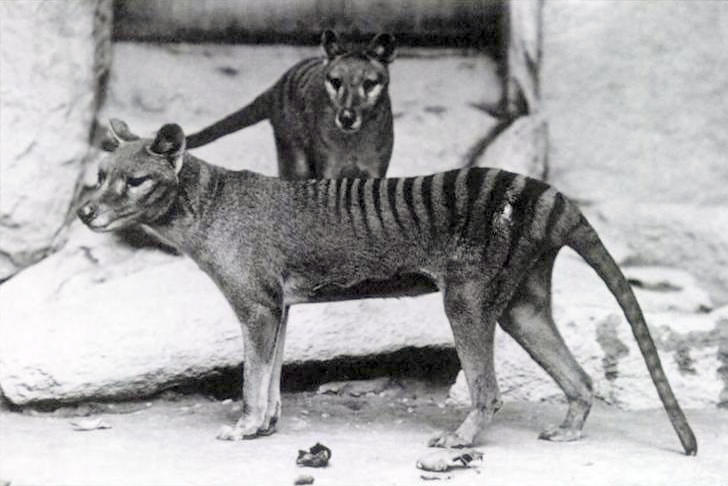
What is clear is that the current extinction rate is much higher than what is typical and we humans are the cause. This came as a shock to me the first time I found out about it, and it is certainly an important topic, and therefore a super fact. It is true, surprising to many, and important.
Those who want to minimize the problem with the ongoing extinctions often point out that extinctions are a natural part of evolution and that throughout Earth’s history up to around 98% of all species that have ever existed are now extinct. In my opinion, that argument fails to consider the enormity of Earth’s four billion year natural history. A lot of evolution happened during that time.
Modern humans have only been around 300,000 years, or 0.0075% of that time, a tiny blip in time. Human civilization has only been around for 12,000 years, or 0.0003% of that time, an even tinier blip in time. Like comparing an ant head to a mile. Us having a large negative impact on the natural world in such an extremely short time is quite notable.
By considering the extinction rate you get a better idea of the scope of the problem. The fact that the extinction rate today is significantly higher than the expected natural rate and that the primary cause of modern extinctions is human impact as opposed to natural phenomena, makes it a case for concern. To read about a related issue, “The Wild Mammal Biomass Has Substantially Declined”, click here.
The Five Past Mass Extinction Events
Over the last 440 million years life on Earth has experienced five so called mass extinctions. A mass extinction event is when at least 75% of the world’s species are lost during a short period of time – geologically speaking. This period is not clearly defined but often defined to be two million years. Two million years may seem like a long time, but geologically speaking, it is a short time.

The five mass extinction events were:
- Late Ordovician mass extinction (444 million years ago; mya)
- Late Devonian mass extinction (360 mya)
- Permian–Triassic extinction event (250 mya)
- End Triassic extinction event (200 mya)
- End Cretaceous (65 mya) – the event that killed off the dinosaurs.
Below is an overview of the five big mass extinctions in Earth’s history. The graph is from Our World in Data.
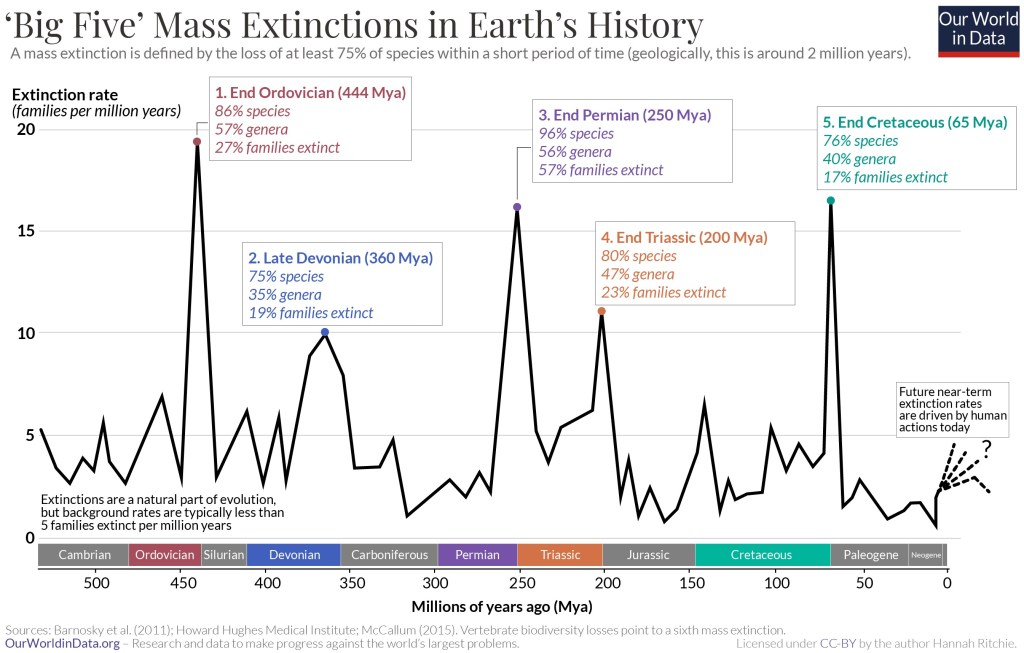

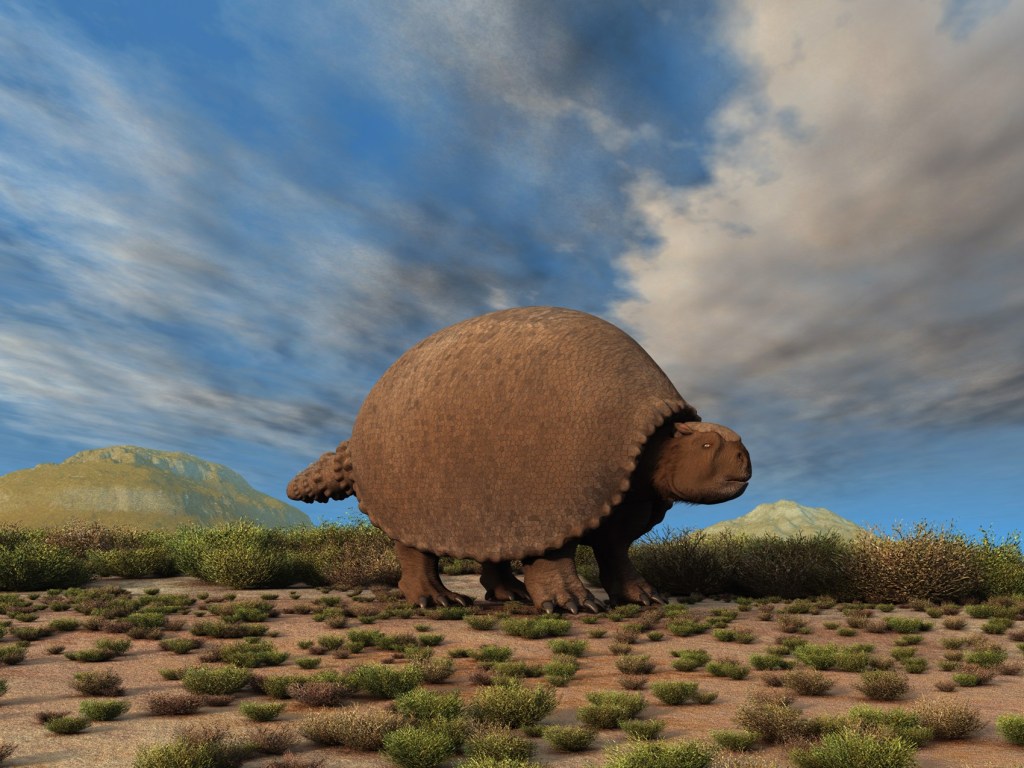
Biodiversity experts have estimated that about 30% (uncertainty range: 16–50%) of species have been globally threatened or driven to extinction since the year 1500. 30% globally threatened or extinct is not 75% that are actually extinct, but in just 500 years that looks like a quick start on a mass extinction. It should be noted that 500 years is just 0.025% of two million years. Issues such as deforestation, chiefly the result of replacing forests with agriculture, overexploitation, and global warming / climate change are driving extinctions and represent big biodiversity threats in the near future.
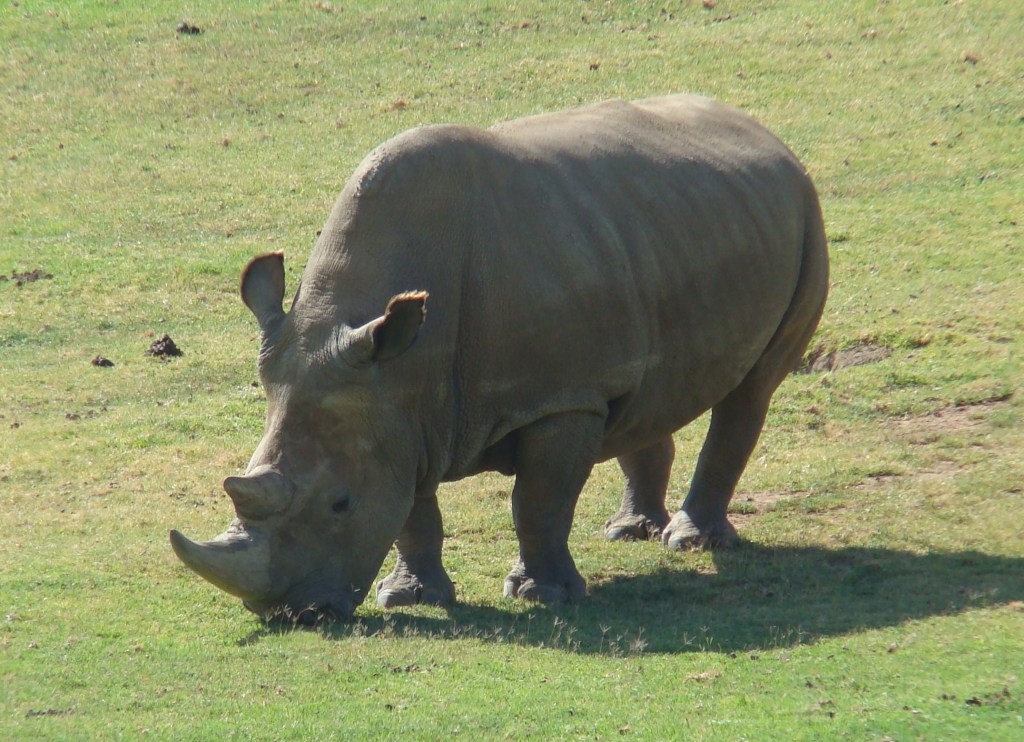
This is why there is talk about the so called Holocene or Anthropocene extinction and it possibly being a sixth mass extinction, this one being human caused. It should be noted that there are credible sources that question whether we are at the cusp of a sixth mass extinction event.
Posting this on Thanksgiving Day may seem awkward. However, whether there will be a human caused sixth mass extinction or not depends on us, and it looks like more people want to protect our natural world. Many animals, such as the giant panda, bald eagle, the sea otter, black footed ferret, the Peregrine falcon, the blue whale, Rodrigues fruit bat, the Island night lizard, and the California condor, have been saved from extinction through conservation efforts like habitat restoration, anti-poaching laws, captive breeding programs, and reintroduction to the wild. Perhaps we are turning things around. We should give thanks to all who care.
 Super Facts