
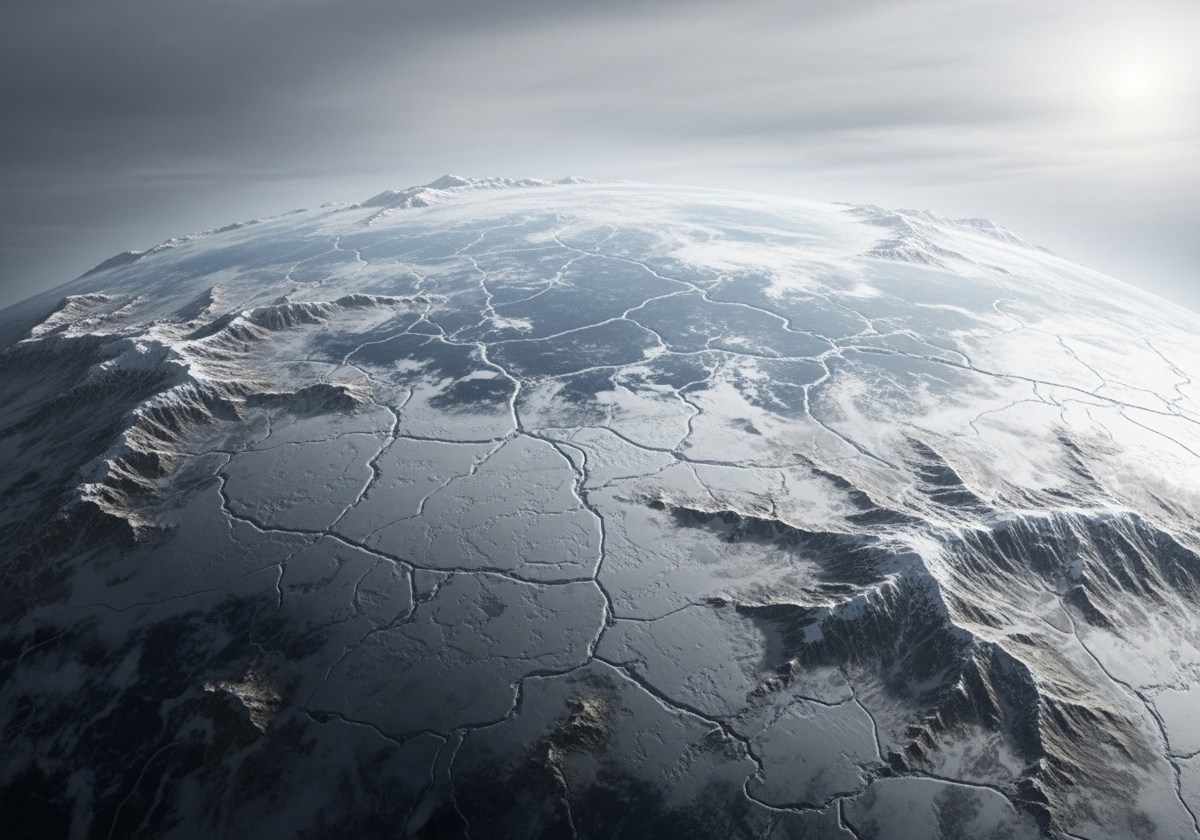
Superfact 91: Without greenhouse gases, the Earth’s average surface temperature would drop from the current 15 Celsius (59 Fahrenheit) to approximately -18 Celsius (0 Fahrenheit), which is an average temperature drop of 33 degrees Celsius. If you removed carbon dioxide from the atmosphere but let the other greenhouse gases stay the drop would be 30 degrees Celsius. In both cases most of the planet would freeze. This is referred to as snowball Earth.
Our planet is much warmer than it otherwise would be because of greenhouse gases. Carbon dioxide, or CO2, is the most important of the greenhouse gases. We are rapidly warming the atmosphere with our carbon dioxide emissions as explained by these articles from NASA and NOAA. If we did the opposite and removed CO2 from the atmosphere we would be cooling the atmosphere. As mentioned, if we removed all greenhouse gases from the atmosphere the planet’s average temperature would drop by 33 degrees Celsius and this NASA article claims it would take 50 years to reach that temperature.
If we removed only carbon dioxide and let all the other greenhouse gases remain, we would get an almost as big temperature drop of 30 degrees Celsius according to the calculations done by this article. Some of you may know that water vapor provides a larger portion of the warming than CO2. In fact, 75% of the greenhouse effect is caused by water vapor and clouds. This seems contradictory. However, when the atmosphere cools, the water vapor will rain out of the atmosphere unlike CO2. Basically, water vapor will adjust to the temperature whilst CO2 is forcing the temperature. It is crucial to understand this difference. That is why CO2 is the most important greenhouse gas. In summary, we need just the right amount of CO2 for a healthy climate.
I consider this a super fact because it is true, it is an important fact, and I believe it is a surprising fact to many, especially those who doubt carbon dioxide’s importance to the global warming we are experiencing. I called it global warming but whether you call it global warming, climate change, or climate disruption, we are talking about the same thing.
Snowball Earth
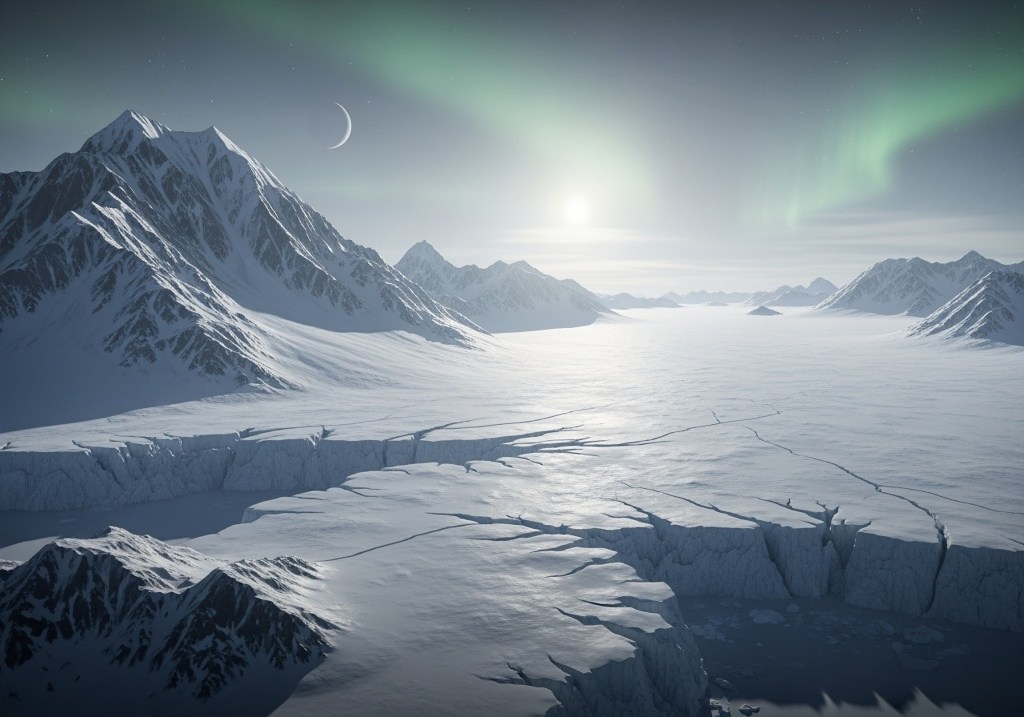
Scientists believe there have been at least two major “Snowball Earth” events between 720 and 635 million years ago where ice and snow covered nearly the entire planet. These snowball earth events were triggered by natural events, likely a plunge in sunlight, followed by a plunge in carbon dioxide not entering the atmosphere, and amplified by sunlight reflecting back into space. All three effects made Earth cooler. The recent ice ages were likely caused primarily by earth’s orbital cycles. Climate changed in the past due to natural phenomena, but that does not mean that the current very rapid warming (rapid geologically speaking) is natural.
If you want to understand why we can be so sure that it is our CO2 emissions that is causing the current global warming, not the sun, not volcanoes, not orbital cycles, and not another natural process, please check out the list of evidence in the second part of this post “Global Warming is Happening and is Caused by us”.
Hothouse Venus
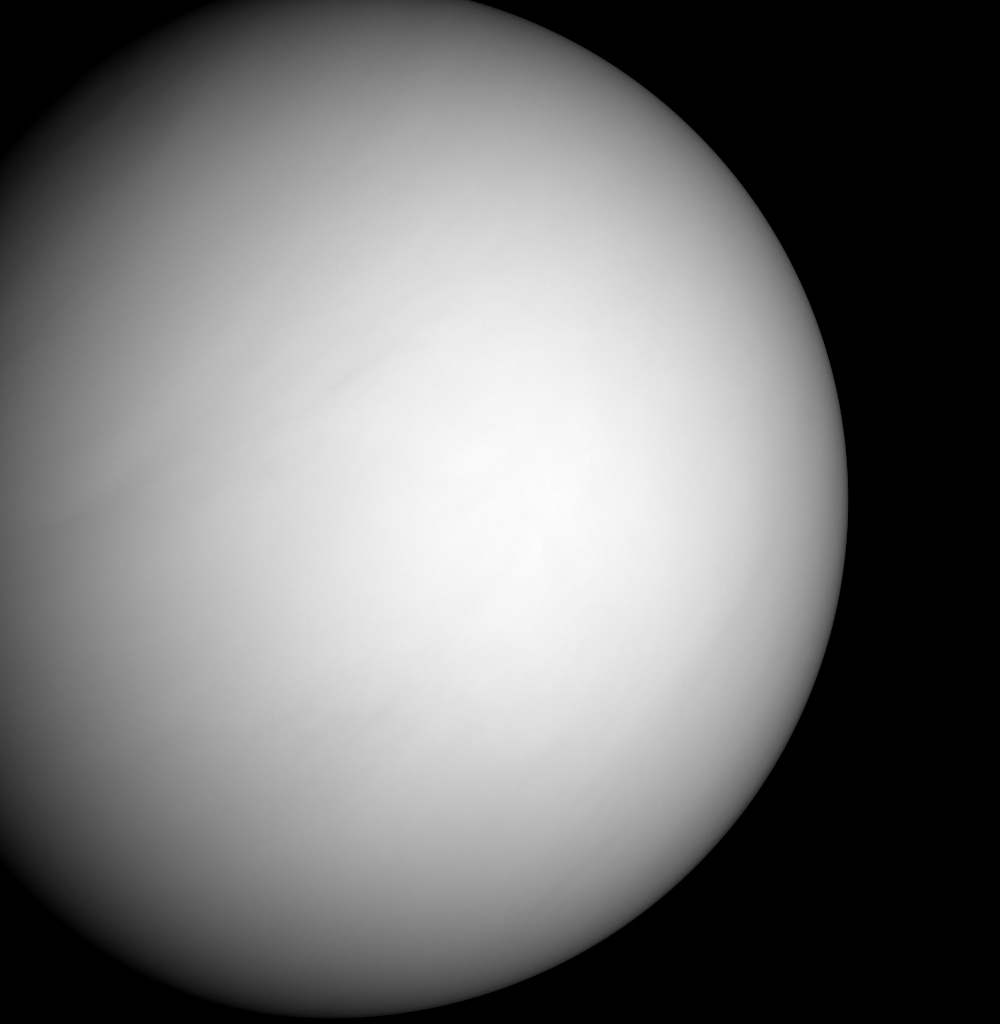
The opposite of snowball Earth is hot Venus. Venus is the hottest planet in the solar system due to an extreme runaway greenhouse effect. Surface temperatures are averaging around 465 degrees Celsius (870 degrees Fahrenheit). The thick atmosphere of Venus is composed primarily of carbon dioxide with clouds of sulfuric acid. This causes a greenhouse effect that traps heat.
Despite the fact that Mercury is much closer to the sun (58 million kilometers versus 108 million kilometers) and receives nearly four times as much sunlight per unit area than Venus, Mercury is on average much cooler. The reason is that Mercury’s atmosphere is thin and without a greenhouse effect.
The YouTube video below from NASA explains the greenhouse effect on Venus. It is just one minute long.
I would also like you to take a look at this post:, “The Greenhouse Effect: From Early Chemistry to the Keeling Curve” by Craigavad miscellany a science blog written by a retired academic. It is a very educational and interesting post related to this topic.
To see the Other Super Facts click here

 Super Facts
Very interesting post, Thomas. I think I’ll just stay on Earth as long as possible.
LikeLiked by 1 person
Thank you so much Anneli, and me too.
LikeLiked by 1 person
A very important super fact post, Thomas. Thank you very much. We should be taking much better care of our planet.
LikeLiked by 1 person
Thank you so much Lynette. We don’t want too little CO2 and not too much CO2 and we are kind of ruining the balance.
LikeLiked by 1 person
That’s interesting and crazy how much greenhouse gasses warm the earth. And it would be much cooler if we weren’t driving cars for the last 100 or so years. I hope we can slow the major warming events, but I think we acted too late, and certain places won’t be habitable after 2050. Although with A/C people could probably live there, you just couldn’t go outside after 9 AM. :O
LikeLiked by 1 person
Thank you so much Sara. You are right some places may not be habitable after 2050. The good news is that the world is moving towards clean energy and pretty much all developed countries have succeeded in lowering their CO2 emissions. We are slowly moving in the right direction but there will still be problems.
LikeLiked by 1 person
It is good we’re helping to reduce emissions, so it won’t be as bad as it could have been. Definitely want to check out AZ while it’s still habitable! In the winter time.
LikeLiked by 1 person
Yes, Arizona has a lot to offer, like Grand Canyon, but it is getting hotter and drier.
LikeLiked by 1 person
True! I definitely want to go there in the near future.
LikeLiked by 1 person
I wish you a good trip. However, be careful if you go in summer. I have a friend who did hiking in the Grand Canyon without bringing sufficient water or ways to cool down and he got heat stroke. He survived but suffered from it the entire rest of his life.
LikeLiked by 1 person
Yikes ok will be cautious. Would probably go during the cooler months.
LikeLiked by 1 person
Yes the cooler months might be better
LikeLiked by 1 person
Oh yes hehe
LikeLiked by 1 person
You actually cleared so many points there especially about CO2…
LikeLiked by 1 person
Thank you so much for your kind words Aparna
LikeLike
I enjoyed reading this, Thomas, and learned so much. I like how you have sources to back up your facts. I wish we would take better care of Earth.
LikeLiked by 1 person
Thank you so much Kymber for your kind words. I also wish we would take better care of Earth.
LikeLiked by 1 person
Hi Thomas, I knew some of this but I didn’t appreciate what would happen if CO2 was removed from our atmosphere. Fascinating 🌞☀️
LikeLiked by 1 person
Thanko you so Robbie. Yes we don’t want too little CO2 and not too much CO2 in the atmosphere. Hopefully we can fix our behavior.
LikeLike
This is truly fascinating, Thomas. Thanks for sharing💕
LikeLiked by 1 person
Thank you so much for your kind words Cindy.
LikeLiked by 1 person
You’re welcome always, Thomas💕
LikeLiked by 1 person
Thank you Cindy
LikeLiked by 1 person
❤️❤️❤️
LikeLiked by 1 person
Very interesting, such a fine balance between too much and too little. Maggie
LikeLiked by 1 person
Yes you are right Maggie. Thank you so much.
LikeLike
Yet another really interesting post, Thomas. Good to know something new about CO2 and the Greenhouse effect.
LikeLiked by 1 person
Yes it is an interesting topic. Thank you so much Chris.
LikeLiked by 1 person
Very nice post.
Coincidentally I recently posted a short history of how we came to understand how carbon dioxide came to be recognized as a greenhouse gas.
See https://craigavad.org/2026/03/22/the-discovery-of-the-greenhouse-effect-from-early-chemistry-to-the-keeling-curve/
LikeLiked by 1 person
I love your post Craig. It was very interesting reading and very educational and well written. Thank you for telling me about your post.
LikeLike
Oh, gosh, the balance of nature and its foes. Thank you for this important super fact, Thomas. 😊
LikeLiked by 1 person
Yes you are right. We need to be careful. Thank you so much Gwen.
LikeLiked by 1 person
Another fascinating post that well explains the importance of carbon dioxide and other greenhouse gases. Thank you. 🙂
LikeLiked by 1 person
Thank you so much for your very kind words Debby and you are so right.
LikeLiked by 1 person
😊
LikeLiked by 1 person
I first learned the idea that Venus is what it is due to a runaway greenhouse effect all the way back in 1980 when Carl Sagan discussed it in his series Cosmos. In the same episode of the series, Sagan discusses how the suppression of ideas is often the province of religion and politics, but it should never be the province of science.
LikeLiked by 1 person
Yes, I remember that as well. Cosmos was a great series and a great book. Carl Sagan was a great inspiration.
LikeLiked by 1 person