
Robbie Cheadle posted my guest post on Scandinavian Folklore on LatinosUSA a wonderful online magazine/blog featuring poetry, stories and all kinds of interesting content from around the world. She also included a wonderful review of my Leonberger book Le Life and Times of Le Bronco von der Löwenhöhle.
Tag: Blog
The Extinction Rate is Much Higher Than the Natural Baseline Rate
Super fact 71 : Based on the fossil record today’s extinction rate is hundreds, or even thousands, of times higher than the natural baseline rate.
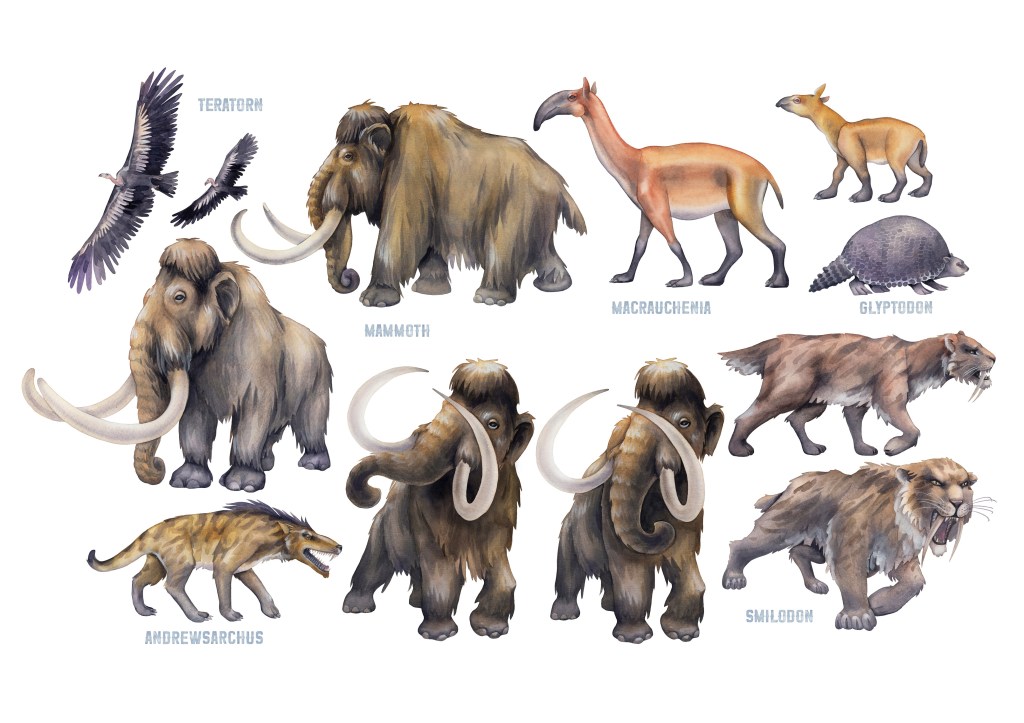
Estimating the extinction rate is a complicated task that requires some assumptions and estimations. This article from the National Library of Medicine use what it claims to be conservative estimates, which would tend to minimize evidence of an emerging mass extinction. Despite that fact the average rate of vertebrate species loss over the last century is up to 100 times higher than the extinction rate without/before humans (background rate). Other sources claim an extinction rate that is 1,000 or even 10,000 the background rate.
To put some specific numbers on what a high extinction rate means, scientists count 881 animal species are known to have gone extinct since around 1500. If we include animal species that scientists suspect might be extinct, that number shoots up to 1,473. You can read more on the issue here or here or here.
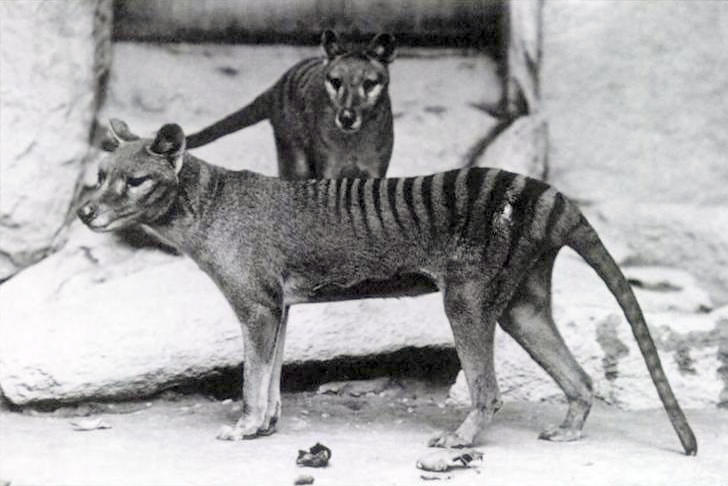
What is clear is that the current extinction rate is much higher than what is typical and we humans are the cause. This came as a shock to me the first time I found out about it, and it is certainly an important topic, and therefore a super fact. It is true, surprising to many, and important.
Those who want to minimize the problem with the ongoing extinctions often point out that extinctions are a natural part of evolution and that throughout Earth’s history up to around 98% of all species that have ever existed are now extinct. In my opinion, that argument fails to consider the enormity of Earth’s four billion year natural history. A lot of evolution happened during that time.
Modern humans have only been around 300,000 years, or 0.0075% of that time, a tiny blip in time. Human civilization has only been around for 12,000 years, or 0.0003% of that time, an even tinier blip in time. Like comparing an ant head to a mile. Us having a large negative impact on the natural world in such an extremely short time is quite notable.
By considering the extinction rate you get a better idea of the scope of the problem. The fact that the extinction rate today is significantly higher than the expected natural rate and that the primary cause of modern extinctions is human impact as opposed to natural phenomena, makes it a case for concern. To read about a related issue, “The Wild Mammal Biomass Has Substantially Declined”, click here.
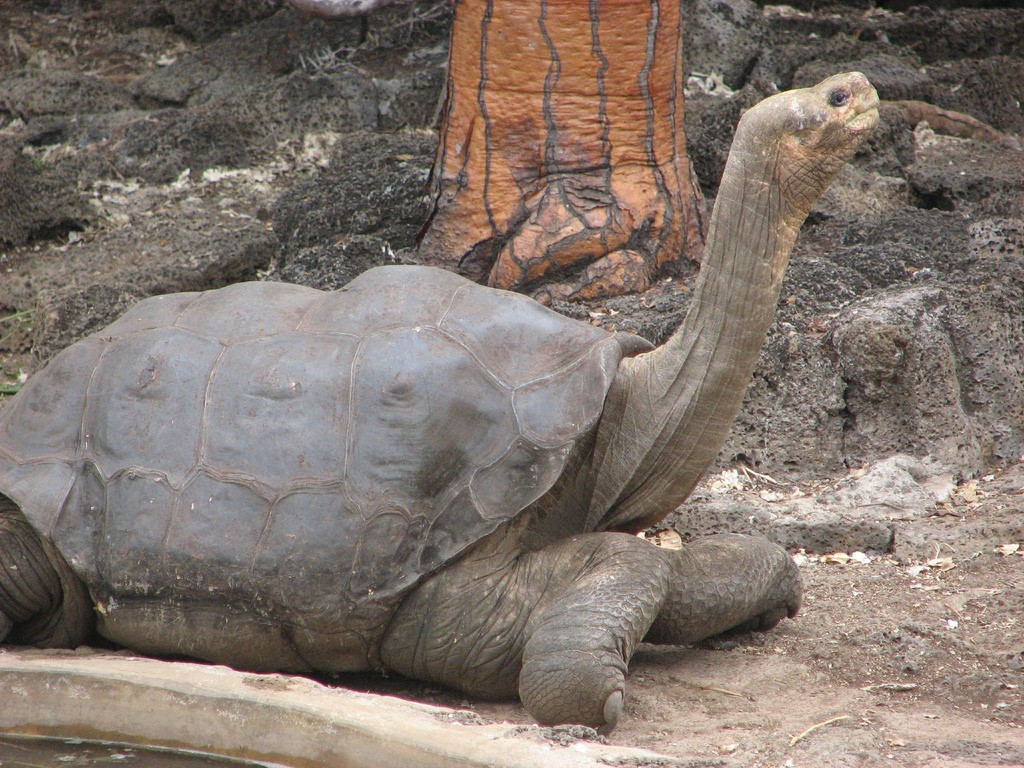
The Five Past Mass Extinction Events
Over the last 440 million years life on Earth has experienced five so called mass extinctions. A mass extinction event is when at least 75% of the world’s species are lost during a short period of time – geologically speaking. This period is not clearly defined but often defined to be two million years. Two million years may seem like a long time, but geologically speaking, it is a short time.

The five mass extinction events were:
- Late Ordovician mass extinction (444 million years ago; mya)
- Late Devonian mass extinction (360 mya)
- Permian–Triassic extinction event (250 mya)
- End Triassic extinction event (200 mya)
- End Cretaceous (65 mya) – the event that killed off the dinosaurs.
Below is an overview of the five big mass extinctions in Earth’s history. The graph is from Our World in Data.
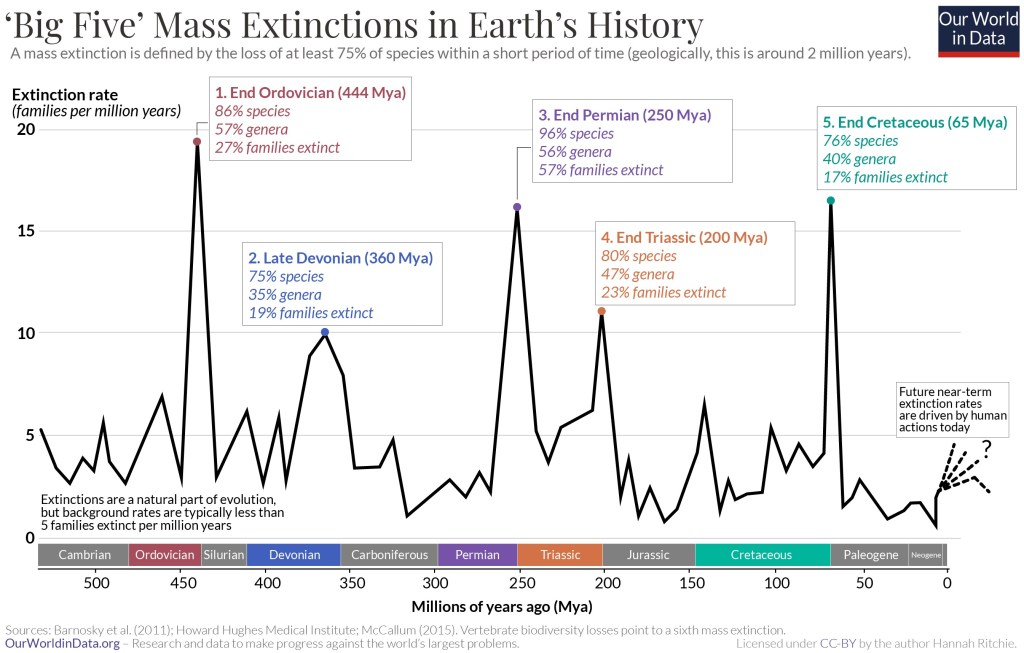

Biodiversity experts have estimated that about 30% (uncertainty range: 16–50%) of species have been globally threatened or driven to extinction since the year 1500. 30% globally threatened or extinct is not 75% that are actually extinct, but in just 500 years that looks like a quick start on a mass extinction. It should be noted that 500 years is just 0.025% of two million years. Issues such as deforestation, chiefly the result of replacing forests with agriculture, overexploitation, and global warming / climate change are driving extinctions and represent big biodiversity threats in the near future.
This is why there is talk about the so called Holocene or Anthropocene extinction and it possibly being a sixth mass extinction, this one being human caused. It should be noted that there are credible sources that question whether we are at the cusp of a sixth mass extinction event.
Posting this on Thanksgiving Day may seem awkward. However, whether there will be a human caused sixth mass extinction or not depends on us, and it looks like more people want to protect our natural world. Many animals, such as the giant panda, bald eagle, the sea otter, black footed ferret, the Peregrine falcon, the blue whale, Rodrigues fruit bat, the Island night lizard, and the California condor, have been saved from extinction through conservation efforts like habitat restoration, anti-poaching laws, captive breeding programs, and reintroduction to the wild. Perhaps we are turning things around. We should give thanks to all who care.
To see the other Super Facts click here
The Wild Mammal Biomass Has Substantially Declined
Super fact 70 : Wild mammals have declined by 85% since the rise of humans even as the total mammal biomass has nearly tripled. The result is that only 4-5% of the total biomass of mammals are wild animals. The rest are humans and livestock.

As stated, mammal biomass has declined by 85% since the rise of humans. This is despite a threefold increase in mammal biomass over the last 200 years. However, this increase is almost entirely due to the growth of human and livestock populations. The result is that only 4-5% of the total biomass of mammals are wild animals. Another result is that Earth’s wild land mammals now make up just 2% of the mammal kingdom. You can read more here, or here, or here, and more in depth here.
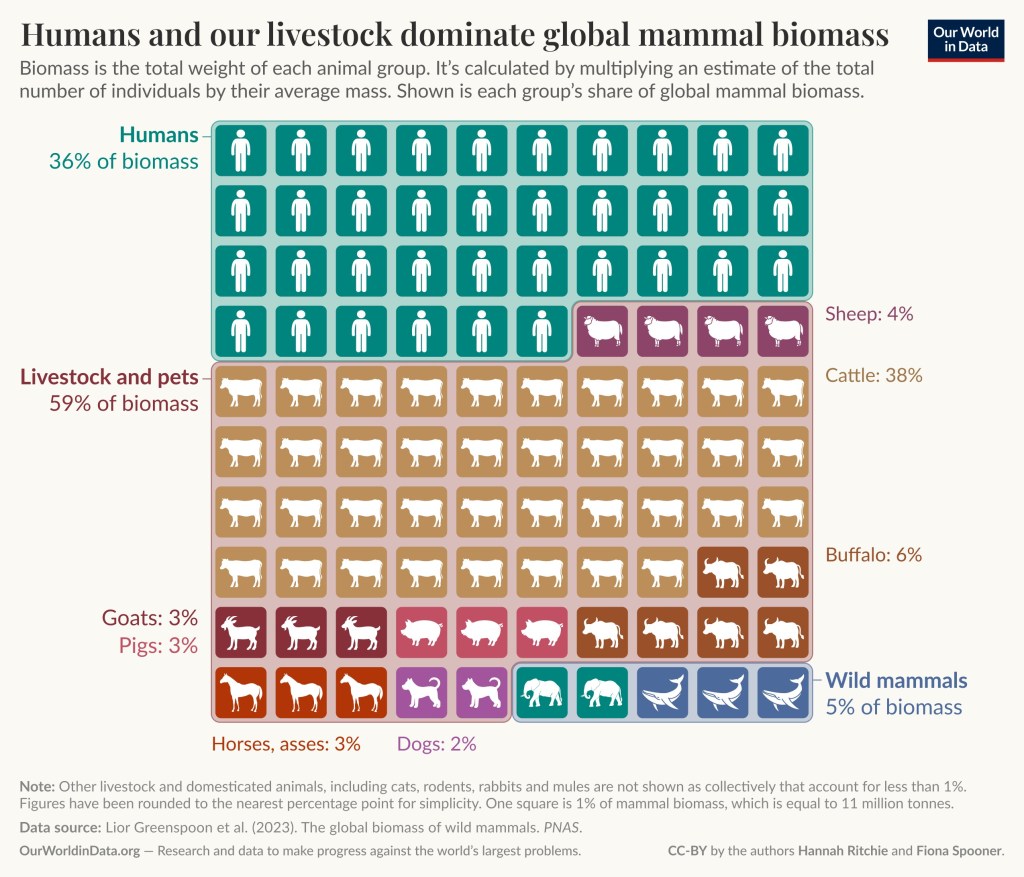
I think this is a super fact because we know it is true, and this huge and extremely rapid change of Earth’s fauna (from a geological timescale) is certainly important, and yet I think it comes as a surprise to many people. I often see the argument that humans have been great for animals because there are many more of them and the mammal biomass has tripled. That argument leaves out the part about the increase in mammal biomass coming from domesticated animals while wild animals have been disappearing. One question that comes to mind is whether life at the cramped factory farm is better than the life as a wild animal.
Wild Mammal Biomass Data
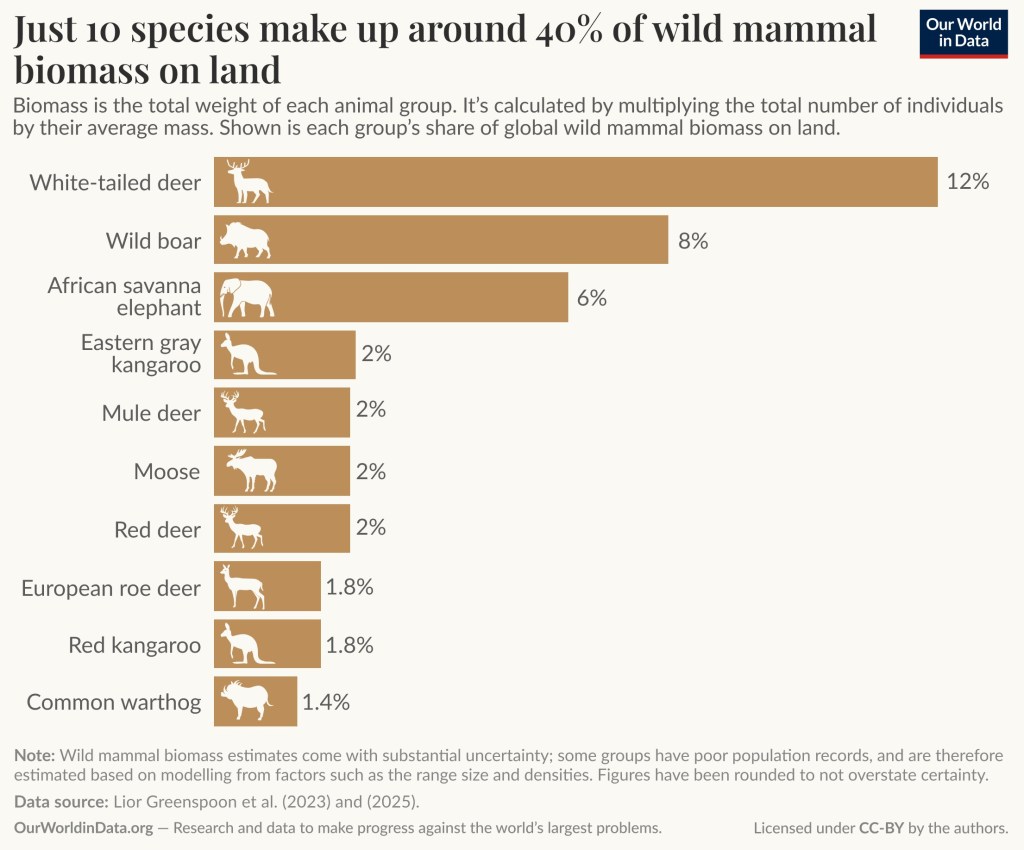
Below are a couple of graphs displaying some additional information on wild mammal biomass.

Another thing to note is that the wild animal biomass is very concentrated to just a few species. Considering that there are between 6,500 and 6,800 recognized mammal species in the world, it is quite remarkable that only 10 species make up 40% of the mammal biomass.
Reasons for Decline of Wild Animal Biomass
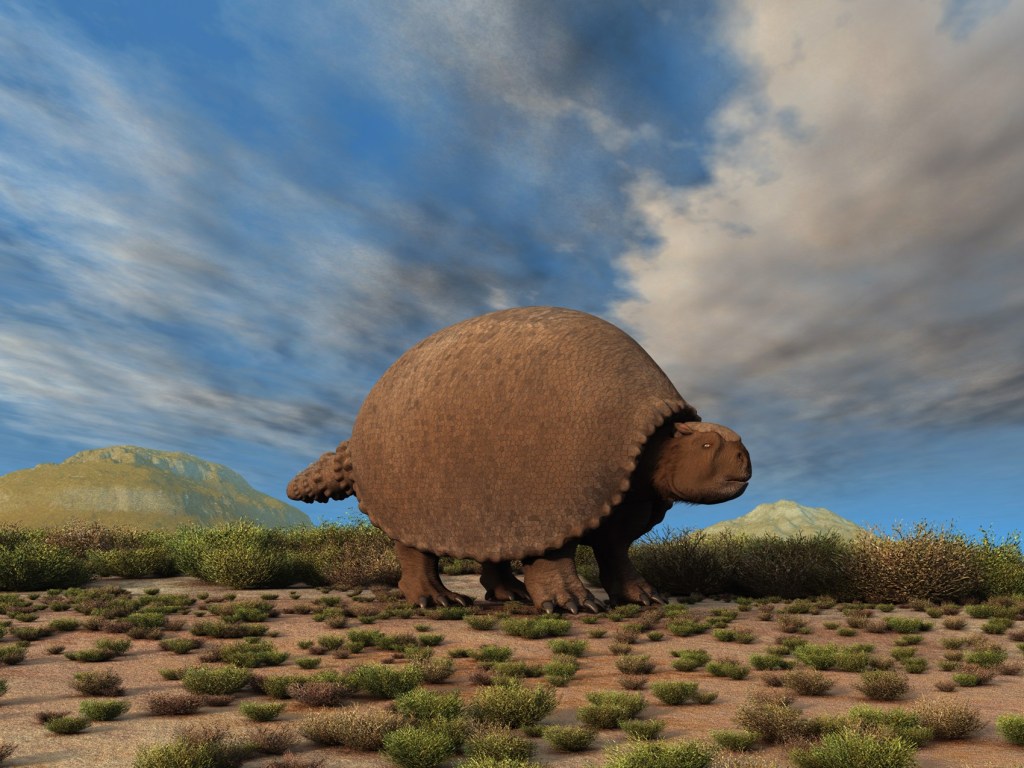
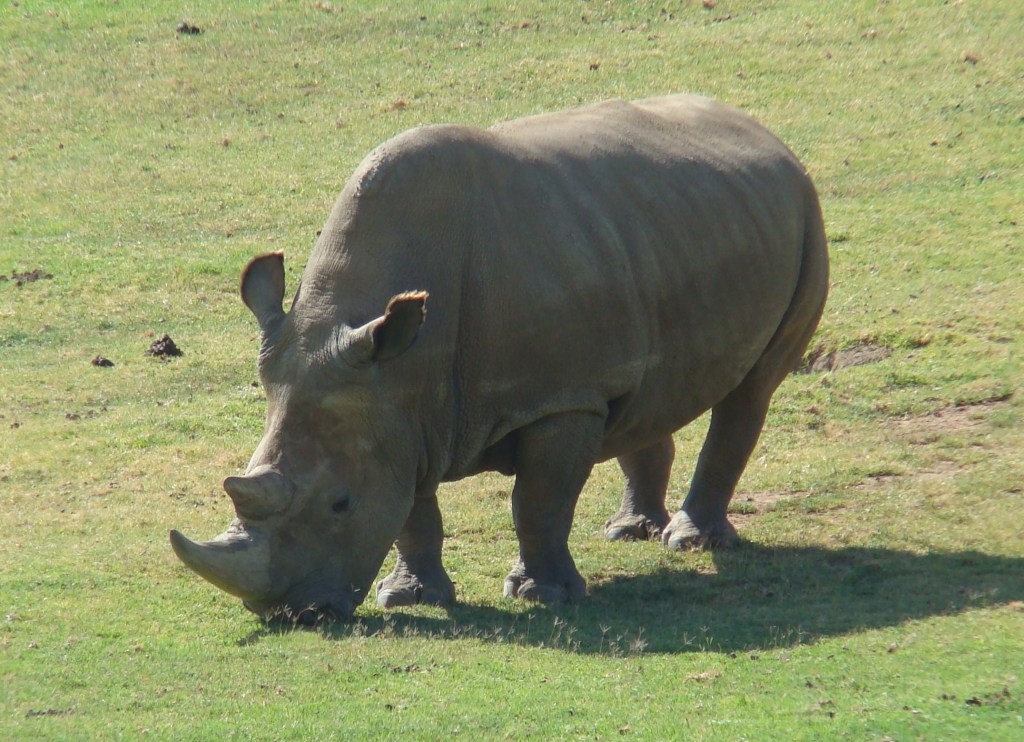
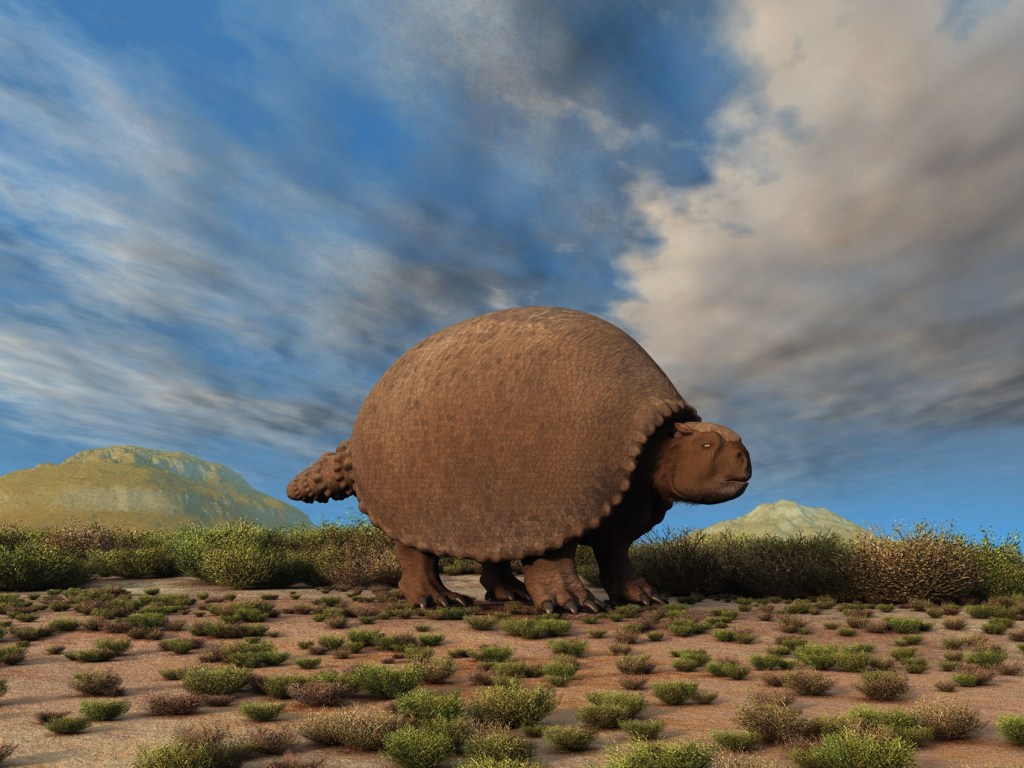
This decline of wild mammal biomass is primarily caused by human activity, including hunting, habitat loss and degradation from agriculture and urbanization, climate change, and pollution. This human-driven extinction event is the result of a rapidly growing human population and its increased consumption of natural resources, leading to widespread disruption of ecosystems and dramatic declines in wild mammal populations. It should be mentioned that the extinction of large mammals such as mammoths, American mastodon, giant ground sloths and glyptodonts was likely aided by human hunting in prehistoric times. The largest mammals have always been at the greatest risk for extinction and that is still true today.

To see the other Super Facts click here
Ten Amazing Fish Facts
Esther’s writing prompt: November 12 : Fish
Click here or here to join in.
This is not a super fact but a collection of interesting facts about Fish. They are not very important facts but amazing facts.

Most Fresh Water Fish would die from dehydration if put in Sea Water
Most freshwater fish would die from dehydration if placed in seawater due to a process called osmosis. The same is true for saltwater fish placed in freshwater. There are a few exceptions. So called euryhaline species are able to more or less handle both freshwater and seawater, an example is salmon. It is also why freshwater fish native to oceanic islands like Hawaii are euryhaline species. Freshwater fish that are not euryhaline species cannot travel to oceanic islands.
What is a Fish?
A fish is a vertebra (has a backbone and a brain protected by a braincase) that is aquatic, lives in water, has gills, fins, scales and is cold blooded. Dolphins, whales, jellyfish, and starfish are not fish.
Some fish have both gills and lungs
Lungfish have both gills and lungs. Their unique respiratory system allows them to breathe underwater with their gills and also breathe air from the surface with their lungs. Some species of lung fish can survive on land for several months.

Fish Can Be Raining from the Sky
Tornadoes over water have sometimes picked up both water and fish causing fish to rain down over land.

Mudskippers the land dwelling fish
Mudskippers are fish that spend most of their time on land. It can walk on land, jump, and climb trees, by using their strong pectoral fins like legs and their tails as a lever. They breathe air through their skin and gill chambers. Below is a four minute video featuring mudskippers.
Fish the First Vertebra on Earth
Fish appeared more than 500 million years ago during the Cambrian period. They are believed to be the first vertebrates on Earth. They lay the foundation for the diverse array of vertebrate life that has since populated the planet’s ecosystems.
Some Fish can make Light
Anglerfish are deep sea fish that produce their own light using bacteria. The dangling glowing light attracts prey. Some species of angler fish live only 200 meters down in the sea while other species live as far down as 3,300 meters (11,000 feet).

Some Fish know how to use Tools
Wrasse are fish that use rocks as anvils to crack shells. They grab hard-shelled prey like crabs and mollusks, swim to a rock or coral, and repeatedly strike the prey against the hard surface to break it open. This is a form of tool use.

Megalodon
The largest fish that has ever lived is likely the extinct shark Megalodon, estimated to have reached lengths of up to 70 feet and weighing 50-70 tons. The Megalodon was a giant shark believed to have gone extinct 2.6 million years ago, just in time for the appearance of our ancestors Australopithecus and Homo Habilis. They made a horror movie about a Megalodon that survived until modern times. It is called “The Meg”.

Surströmming (Fermented Baltic Herring) a North Swedish Delicatessen
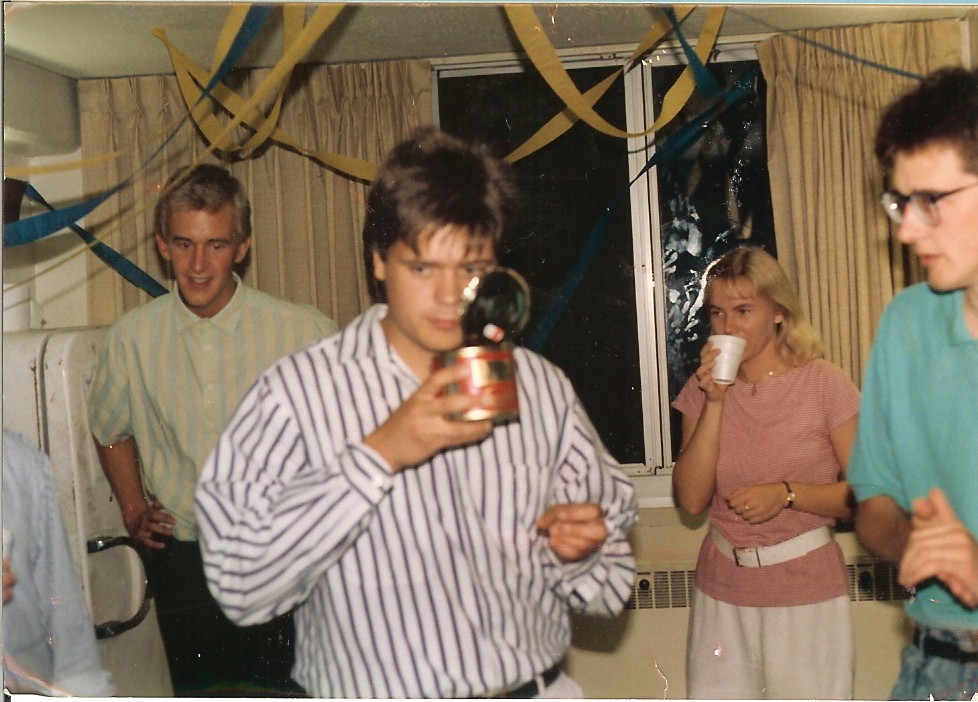
In 1987 I was selected by my University, Uppsala University in Sweden, to be part of a university level exchange student program. The exchange program was between Uppsala University and Case Western Reserve University in Cleveland, Ohio. In total we were six Swedes (two from Uppsala). I was studying Engineering Physics in Sweden. In the US, I would continue studying Electrical Engineering because the Swedish Engineering Physics program was very similar to the Electrical Engineering program at CWRU. One day we invited the other students to a Surströmming party. When we opened the cans, the American students headed for the windows and opened them. I should say there were other things to eat.
The fermented herring Surströmming from Sweden is often considered as one of the most unappetizing foods in the world. Just ask Google AI or ChatGPT this question, “what is the most unappetizing food in the world”, and you’ll see. The three top unappetizing food according to ChatGPT are Hákarl (Fermented Greenland Shark) – Iceland, Surströmming (Fermented Baltic Herring) – Sweden, and Casu Marzu (Maggot Cheese) – Sardinia.
I grew up with this food, and I don’t think it is unappetizing. It might not be beef bourguignon or trout almondine, but it isn’t bad. The problem is that the smell of Surströmming is not very pleasant and it is strong. However, it tastes quite different from the smell. It tastes like pickled herring with the addition of something sour like lemon. The taste is much better than the smell, which is why you should open the cans outside and then bring them in once the smell has settled. We did not do that because our party was partially a prank. Well, if you don’t like pickled herring, then you won’t like this either.
To see the Super Facts click here
Scandinavian Mythology
Since it is Halloween I thought I’d make a fun post (not a super fact) about Scandinavian Mythology or folklore. I live in Texas, but I am originally from Sweden so the various beings I’ll describe or mention below are beings that I grew up hearing about. When I was a kid, we kids used to scare each other with stories about these beings.
I should also point out that it is not ancient Viking mythology but more recent folklore that some people still believe in. I am focusing on Swedish folklore and Norwegian folklore since it is similar to Swedish folklore. Danish folklore is a little bit different, but it has many similarities to Swedish and Norwegian folklore. Denmark is a Scandinavian country, but the post would be too long if I included folklore that is specifically Danish.
I am providing one or more pictures for each being. These pictures are either in the public domain, for example via Wikipedia, or shutter-stock pictures (I have a subscription), or pictures I generated with the help of ChatGPT with varying success. The beings covered are Tomte, Vittra (Vitter folk), Elf, Skogsrå/ /Tallemaja/Huldra, Näcken/Fossegrim, Troll, Myling, Storsjö odjuret (the north Swedish equivalent of the Loch Ness monster), Kraken, and Skvader. Finally, Blodstämmare is not a being but a north Swedish magical practice that you use to remotely stop the blood flow in a person.
Tomte
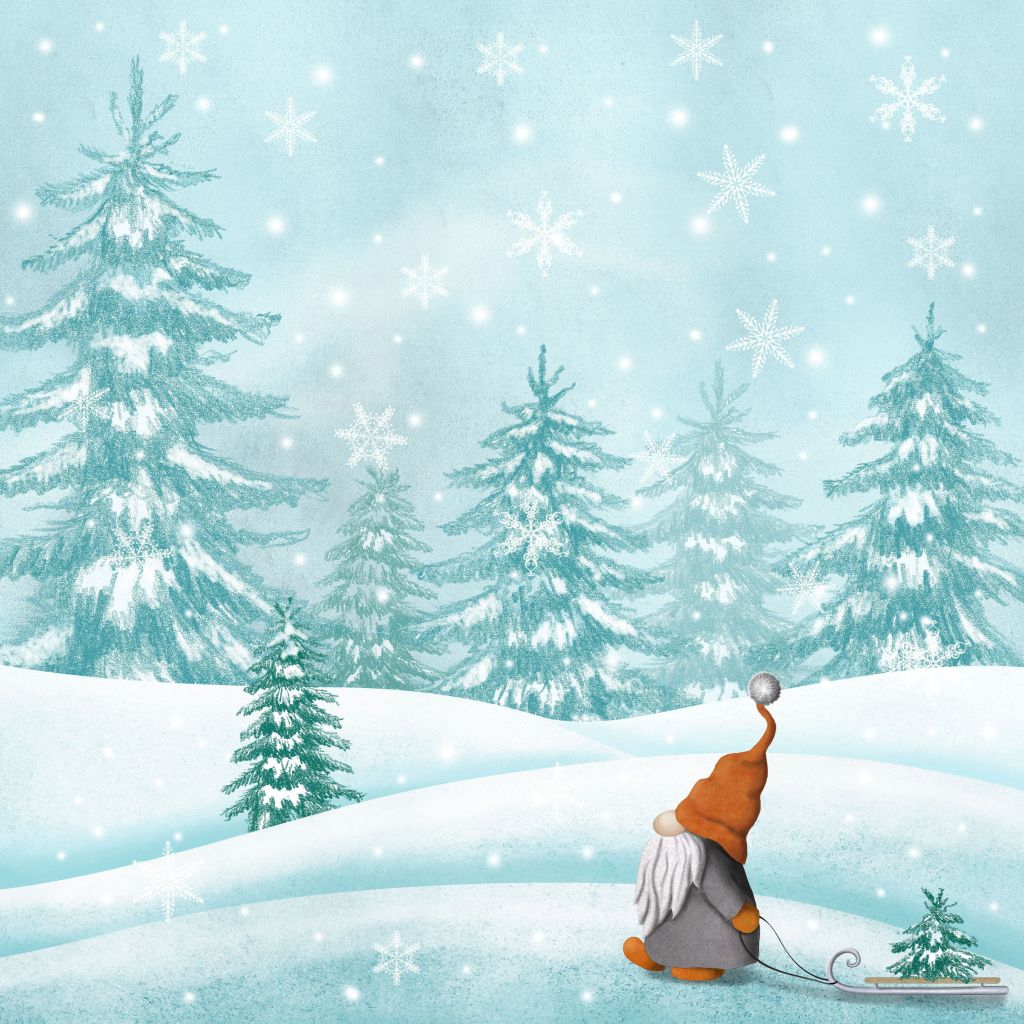
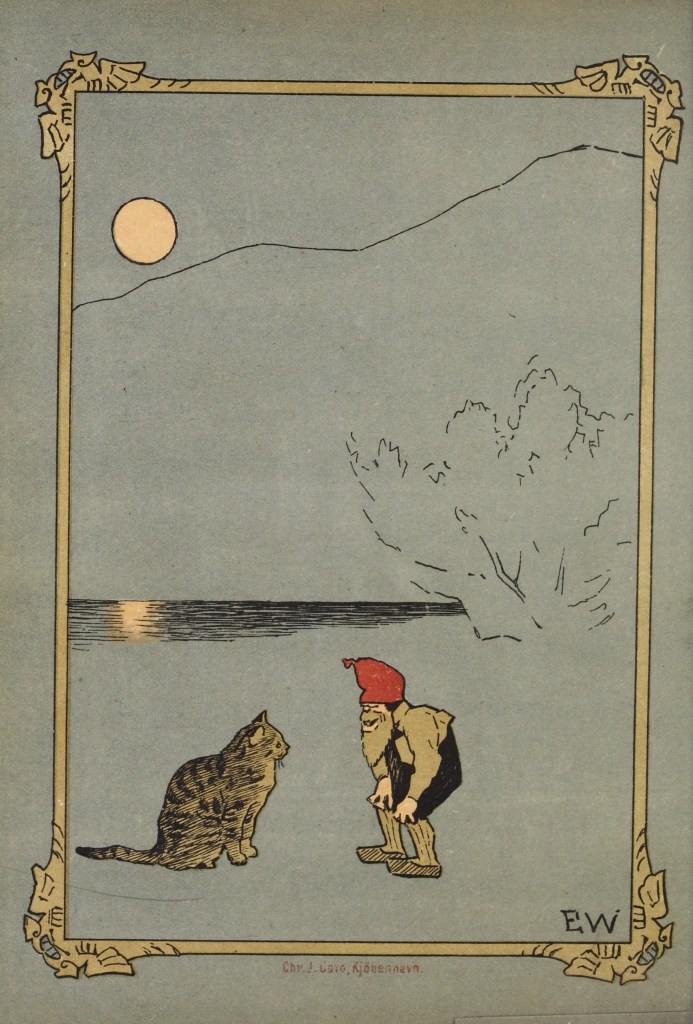
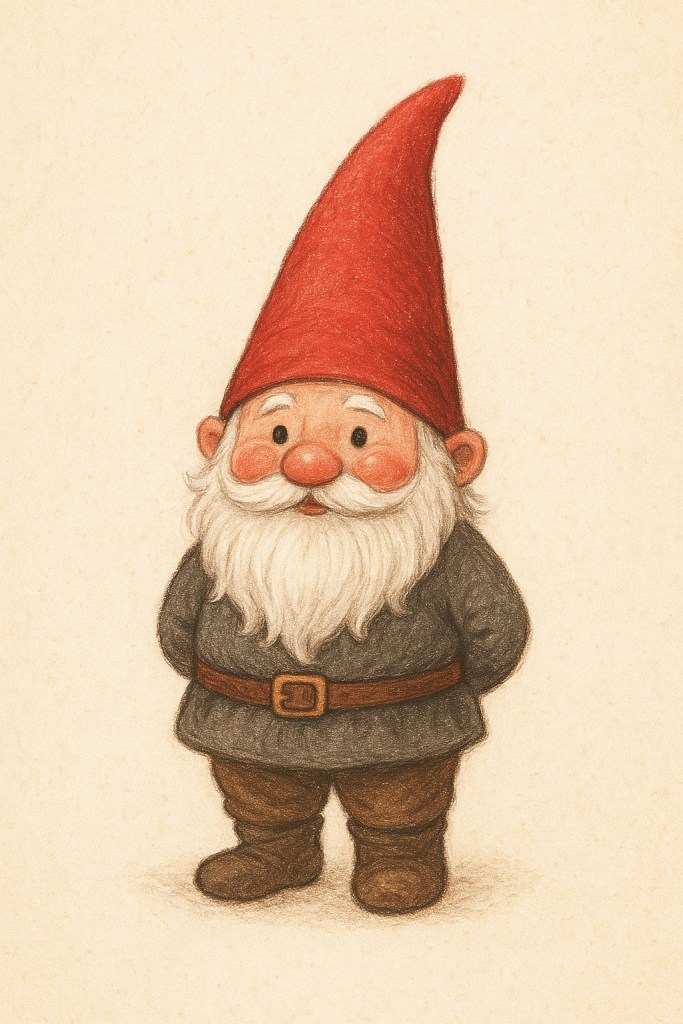
Tomtar (plural of Tomte) or Nisse in Norwegian is a type of small magical people, or gnomes, related to Vitter folk (described below). They are friendly and is the inspiration behind the Swedish version of Santa Claus, which is therefore a bit different from the Disney version of Santa Claus that has become so popular.
For one thing, the Disney version of Santa Claus works alone while delivering presents and therefore needs to move faster than the speed of light to cover all the good children. A Tomte may help you with your projects and duties if you are nice to them. They may help you with your farm and your animals, warn you of danger, and bring you gifts for Christmas if you in return put out food for them, such as porridge. As mentioned, there are many Tomtar, often one Tomte per house.
Vittra
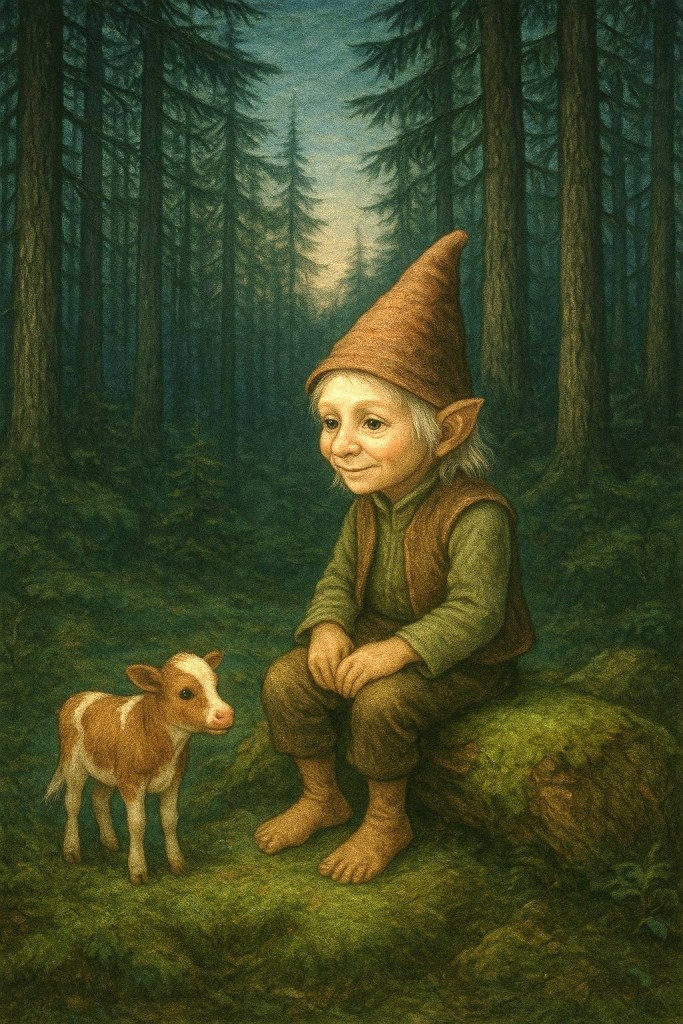
Vittra or Vitterfolk are supernatural spirits or small invisible people who have a lot in common with people as well as Tomtar. They own cattle and they sometimes interact with people. Usually, they stay out of your way, but if you hurt them, for example by throwing hot water out the window without warning them first, they may take revenge on you and burn down your house. Vittra are not evil but not friendly either.
The belief in Vittra is especially prevalent in northern Sweden. On the Swedish island of Gotland, they are often referred to as “Di små undar jordi” in the Got/Goth dialect, or “De små under jorden” in proper Swedish, or “the small ones below ground” in English. They are sometimes depicted as looking similar to Tomtar, gnomes or elves, and sometimes as invisible, or near invisible little spirits. Below are some depictions of Vitter folk.
Elf
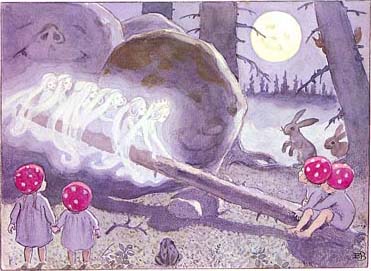
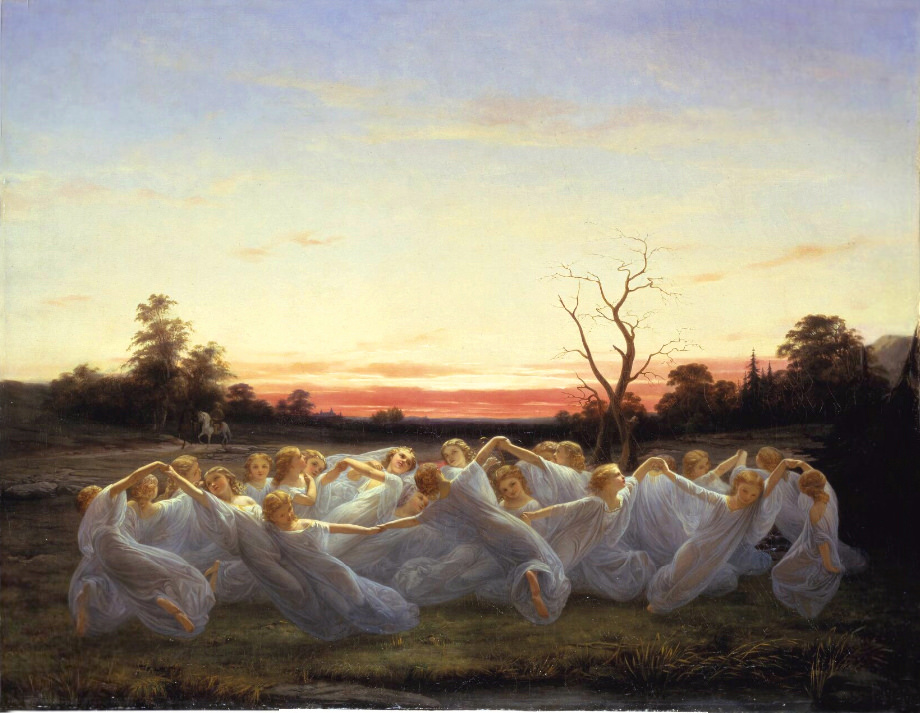
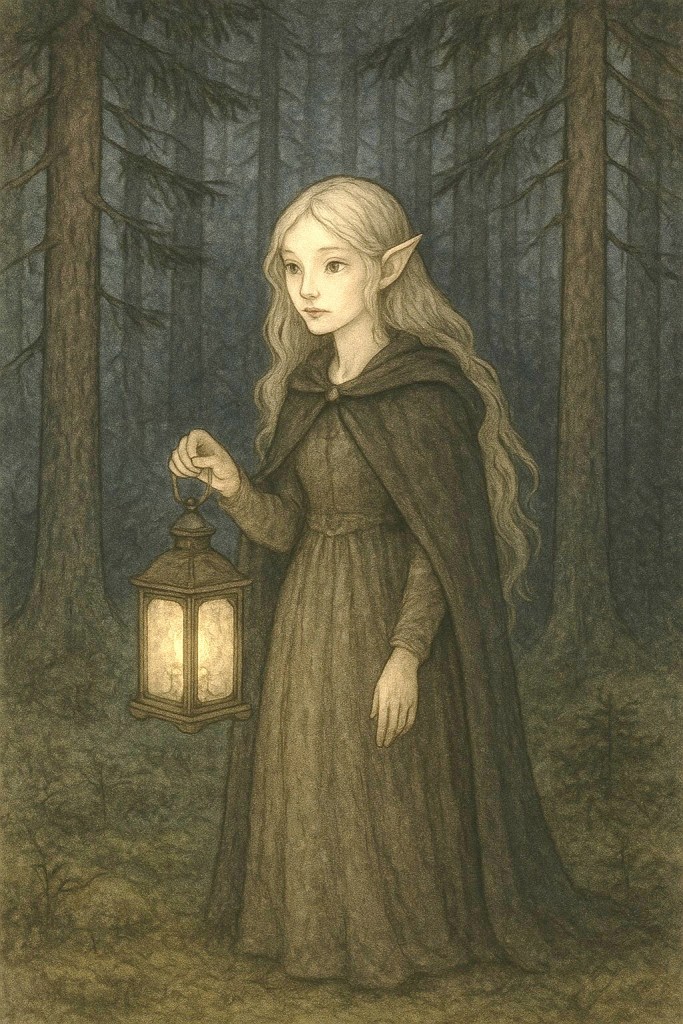
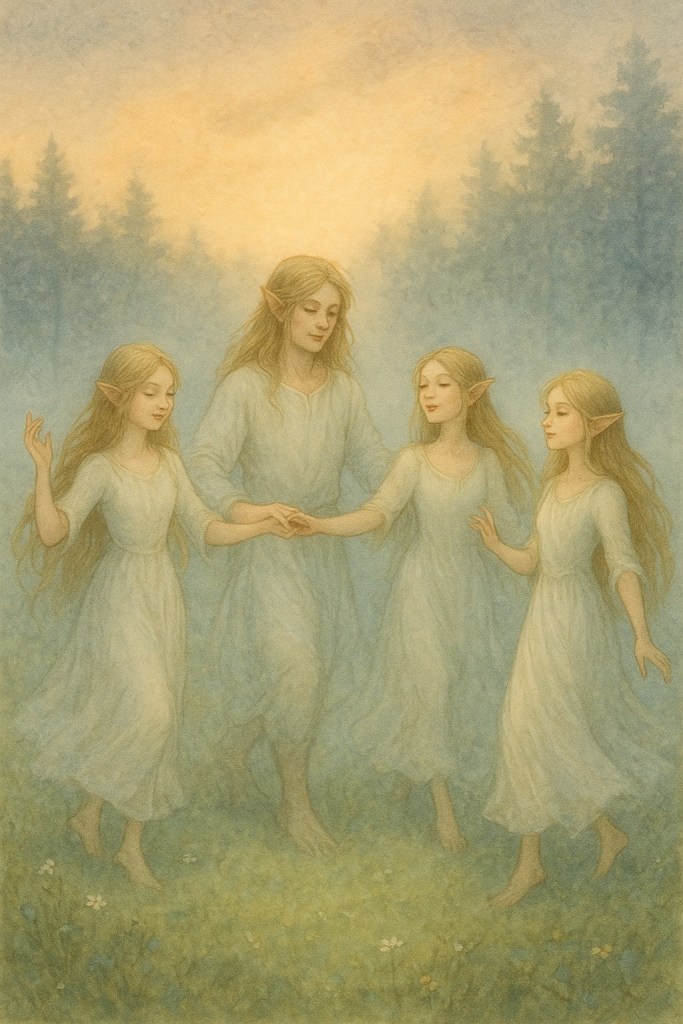
An elf, or elves in plural, is a type of human like supernatural being in Germanic folklore and especially Nordic/Scandinavian folklore. Since elves have been popularized around the world it is a well known being. In Scandinavian mythology they were initially often considered bad news but because of popular culture, such as Tolkien’s books, they have been redeemed into something positive. The first picture below is from a Swedish children’s book written in 1910. I read this book when I was a child. The wispy creatures are elves and the small kids with mushroom hats are Tomte children. In this book the elves are depicted in a Nordic pre-modern fashion, but they are nice.
Skogsrå, Tallemaja, Huldra
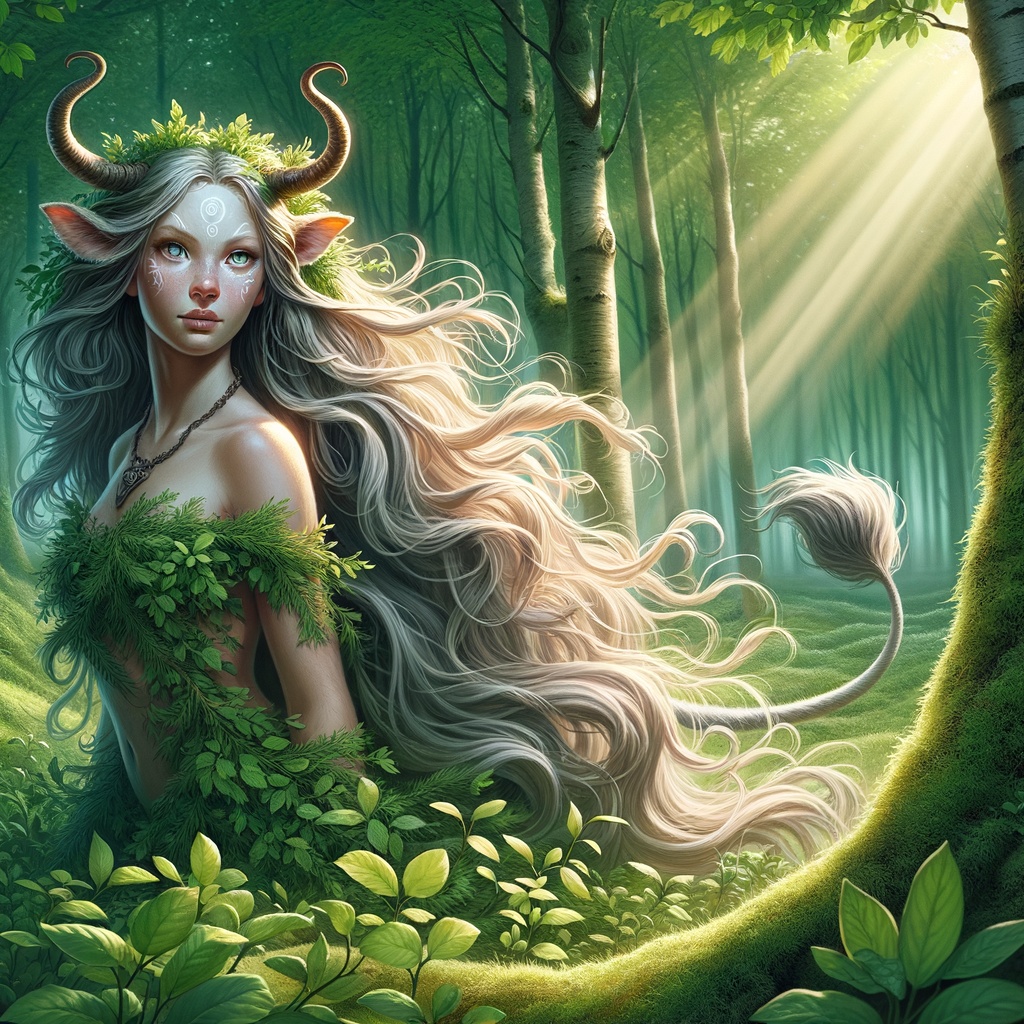
Skogsrå or Tallemaja in Swedish folklore is a seductive female creature who lures men with her beauty or beautiful singing and then kills the men. The Skogsrå / Tallemaja typically has a tail and a hollowed out back, which you can’t see if you are facing each other. In Norwegian this creature is called Huldra (Hulder in plural).
It should be noted that I read that if you meet a Huldra in the forest and you treat her with respect she will not kill you. She would just enjoy your company for a while, talk to you, sing to you, show you the beauty of the forest, and then she would let you go. It is only the rude and selfish men who don’t respect her boundaries whom she kills.
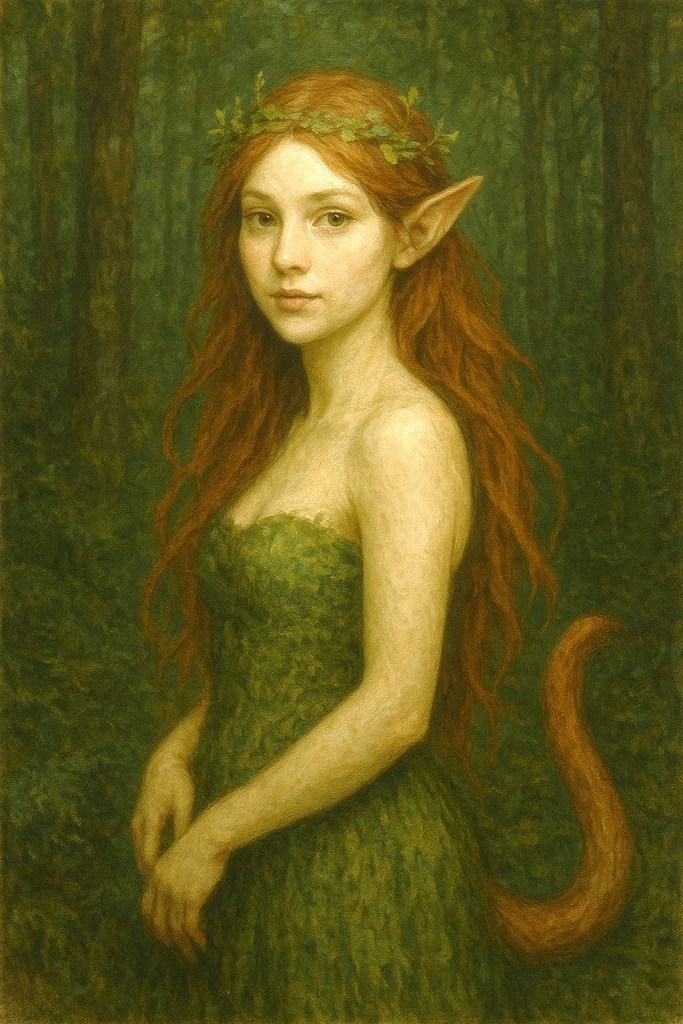
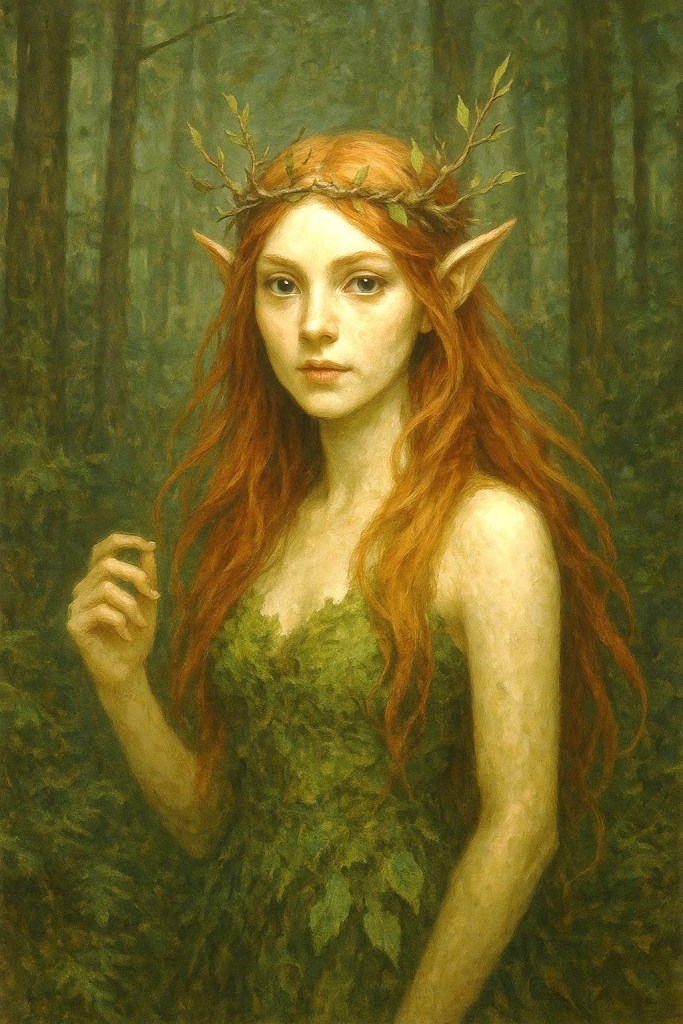
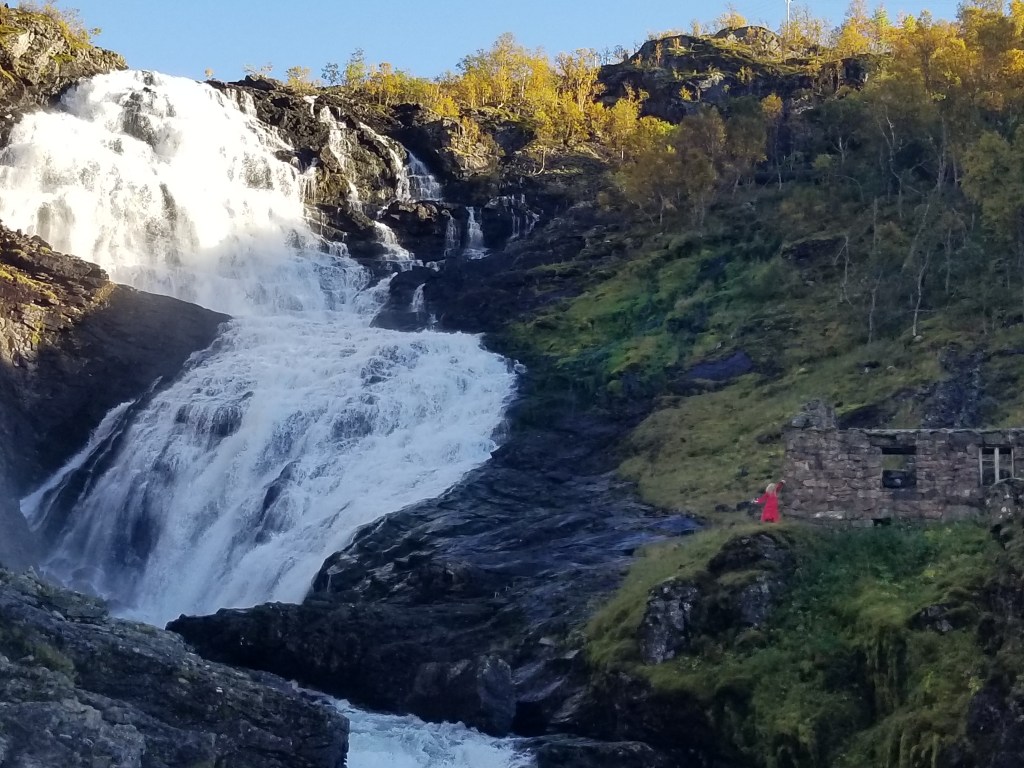
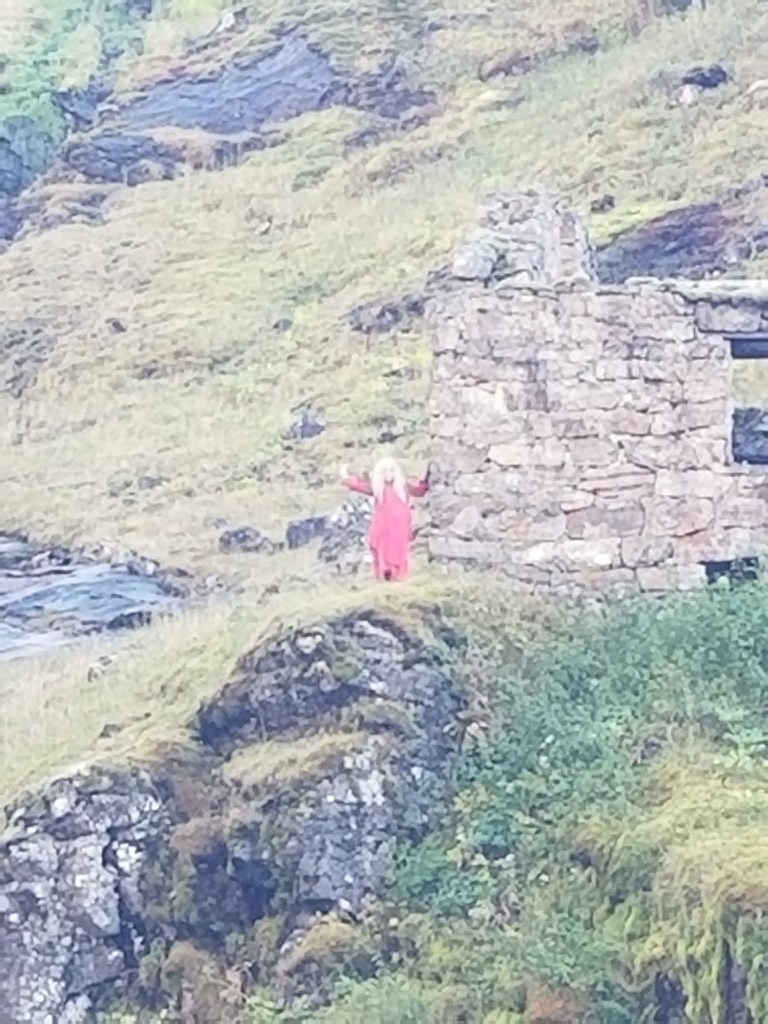
Last summer (a bit more than one year ago) we visited Sweden and Norway. One day we took a tour into the Norwegian mountains and fjords. We took a two-hour cruise on Sognefjord and after the cruise we took a train to the top of the surrounding mountains. Along the way we encountered a Huldra by a waterfall. She sang to us in her beautiful voice, and she seduced us all, both men and women, to take photos of her with our phones and posting them on social media. It was a tourist ploy of course. You can read more about our trip here .
Näcken, Fossegrim
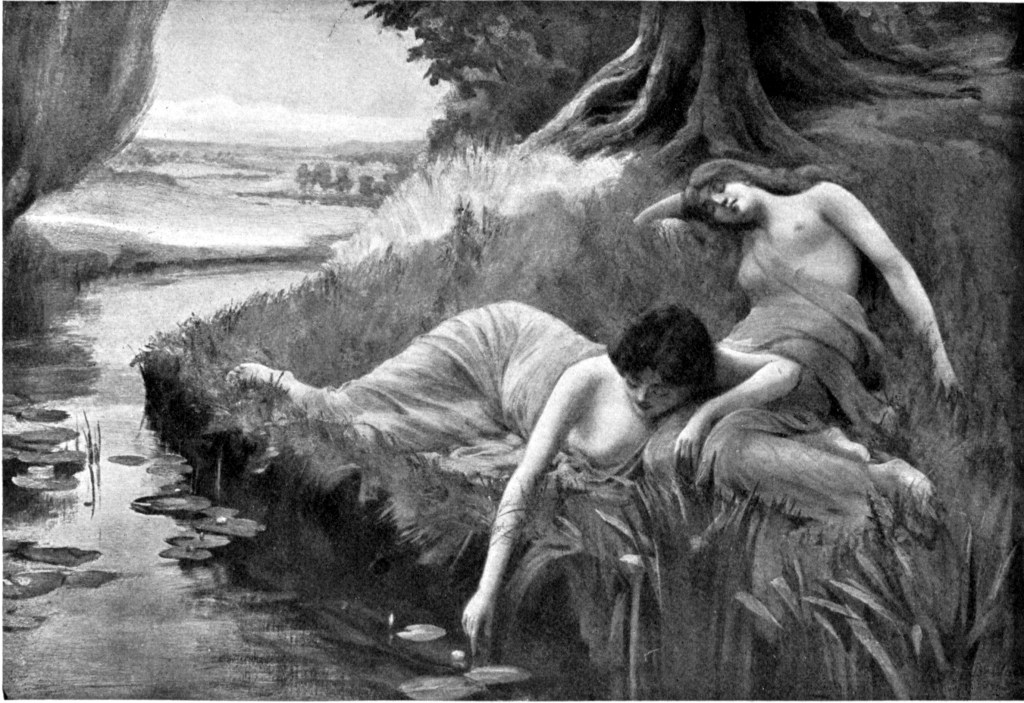
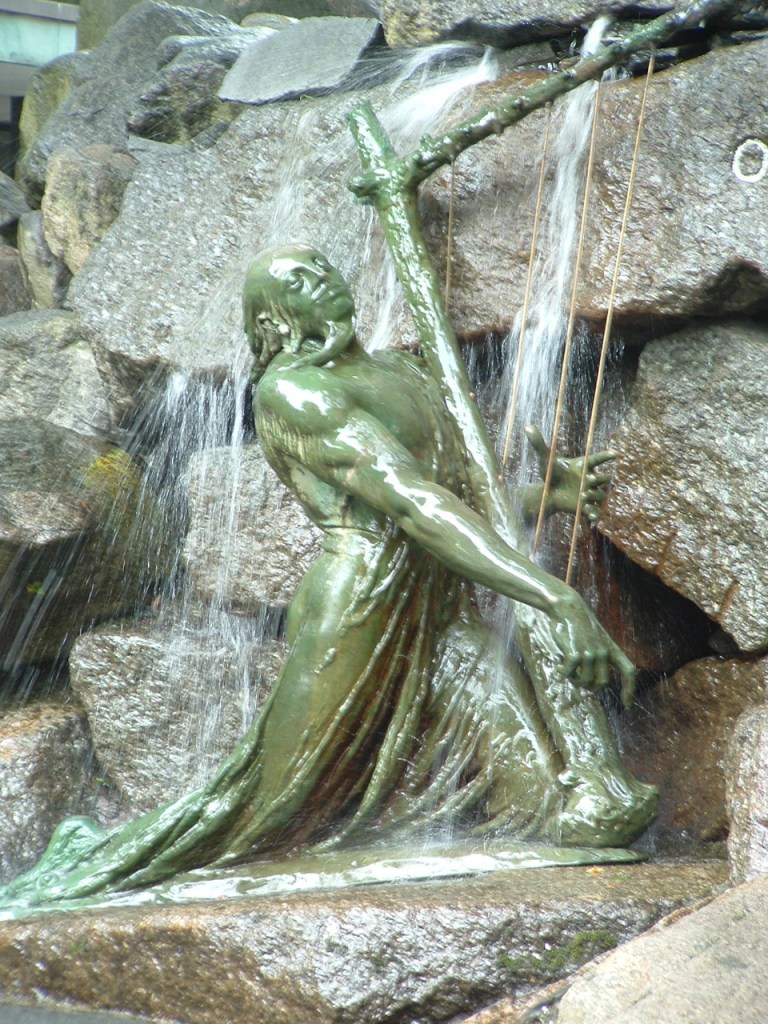
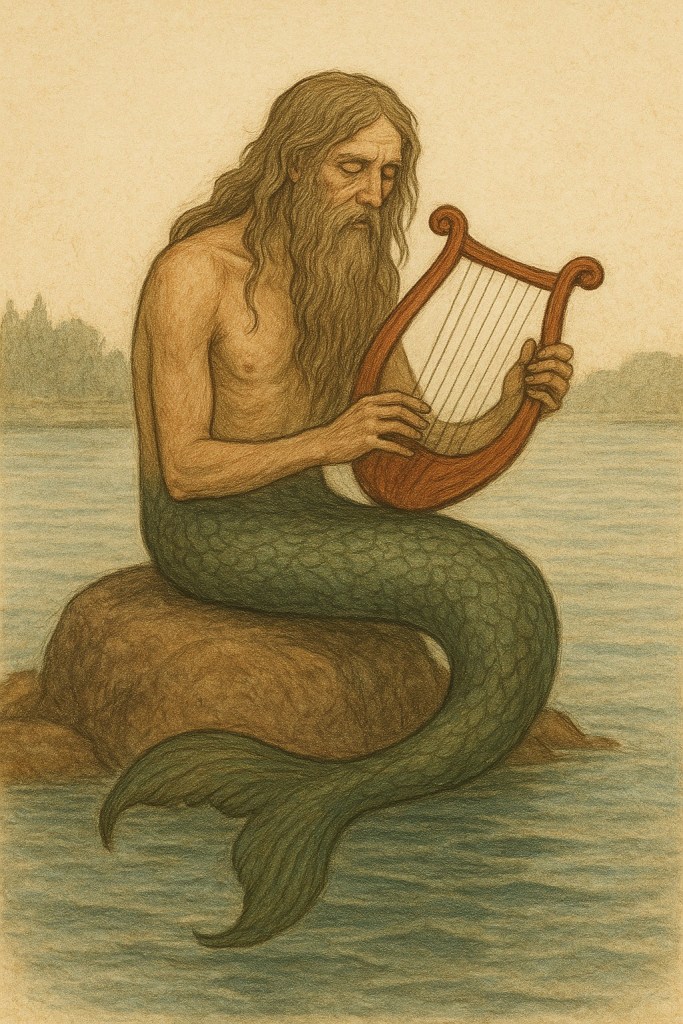
Näcken, Strömkarlen, or Fossegrim in Norwegian is a male creature who lives by the water, creeks, rivers, ponds and lakes. He plays a harp or a violin He lures children and others to their death. In southern Sweden (Scania) he seduces people by skillfully playing a violin thus creating irresistible music.
Troll
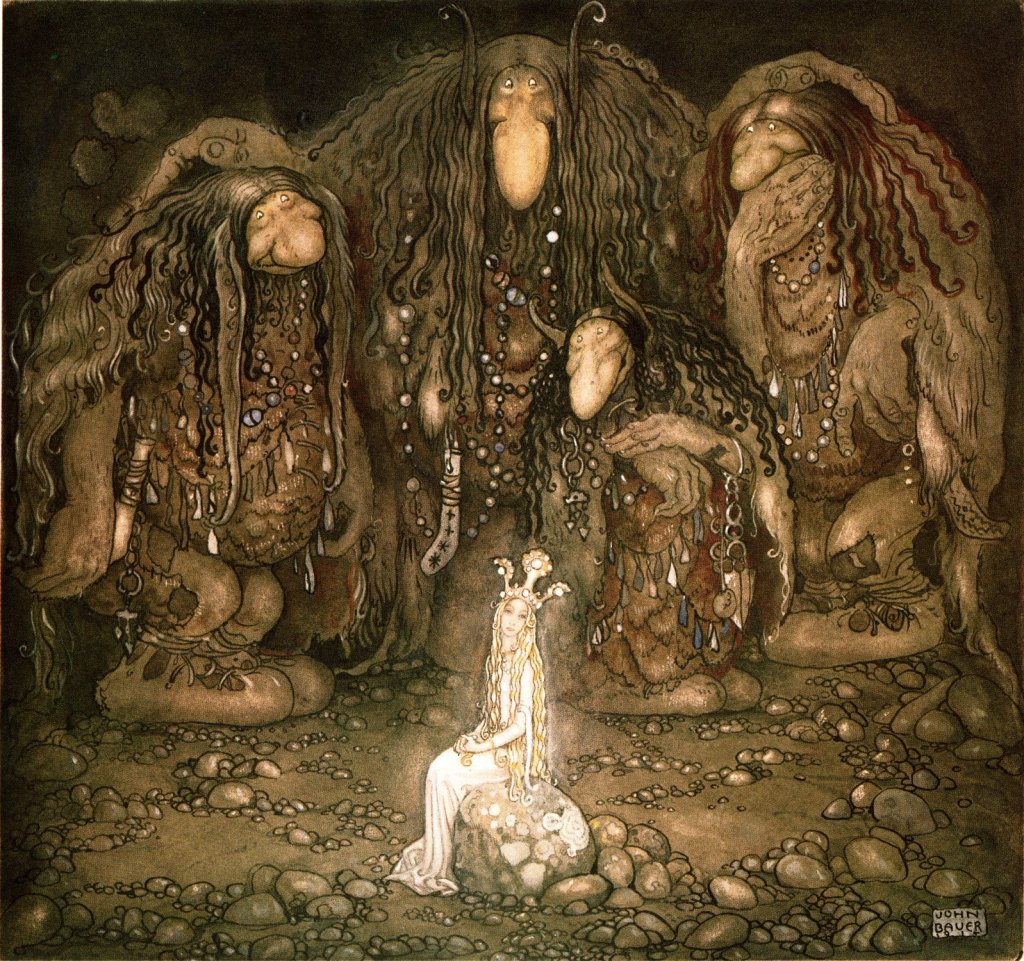
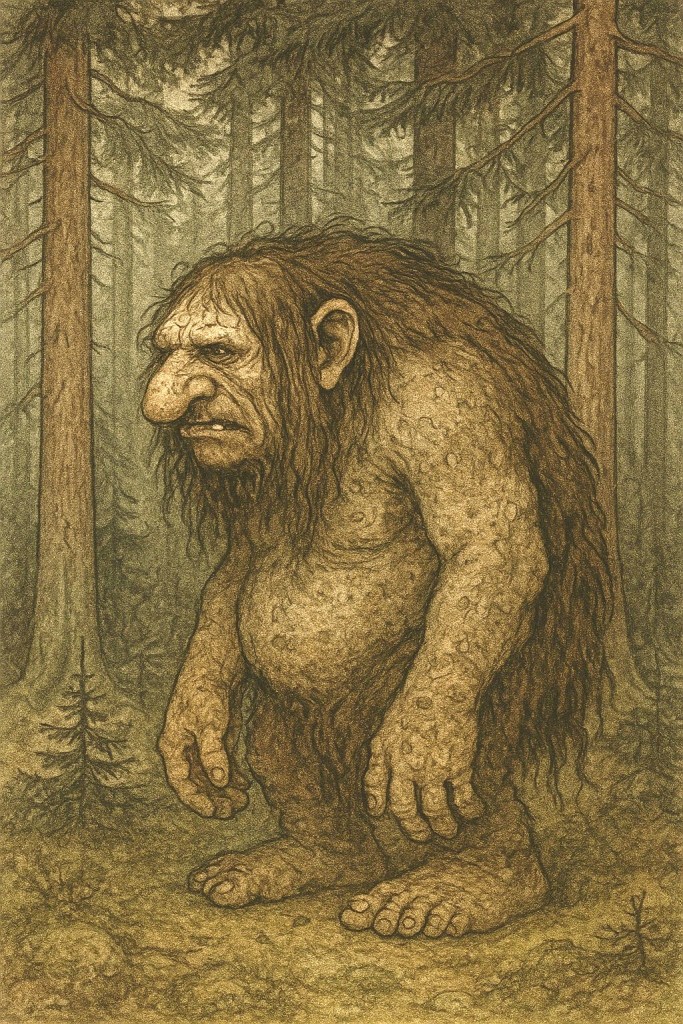
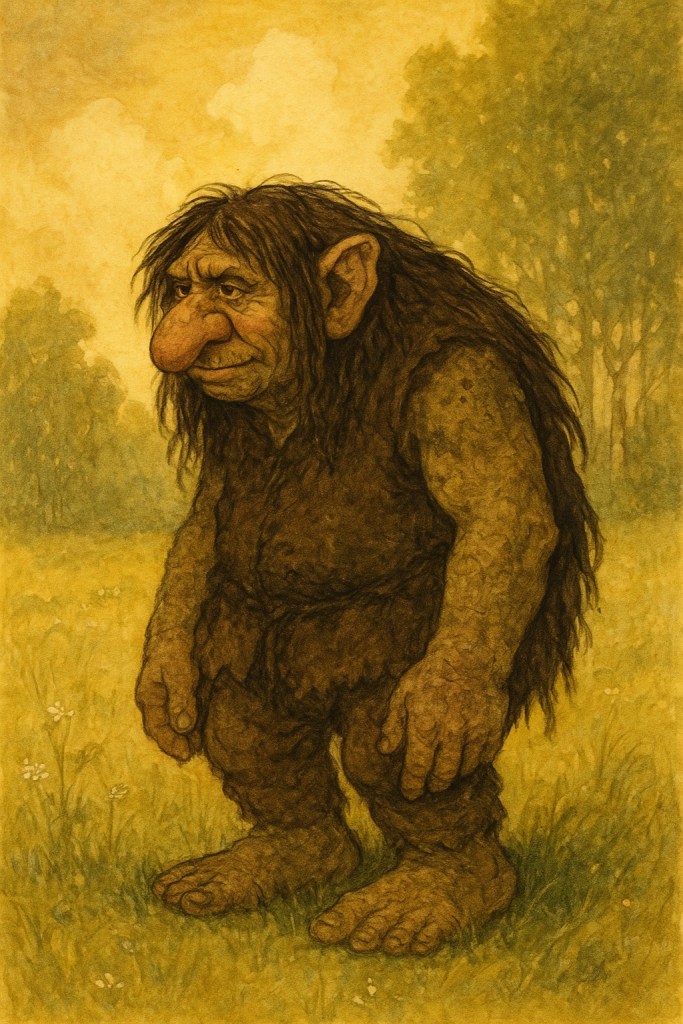
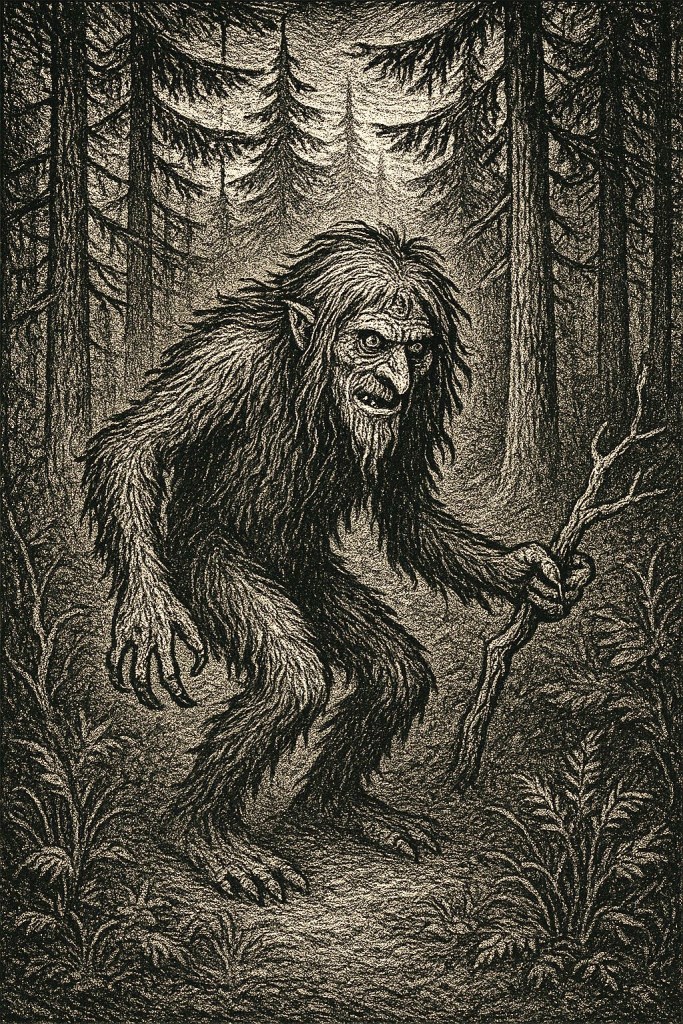
Troll, or Trolls in plural, are large ugly creatures with magical powers. They typically live in caves and sunlight is dangerous to them. They are typically hostile to humans and may kidnap people, including children, to work in their mines. Trolls are called Trolls in both Swedish and Norwegian.
Myling
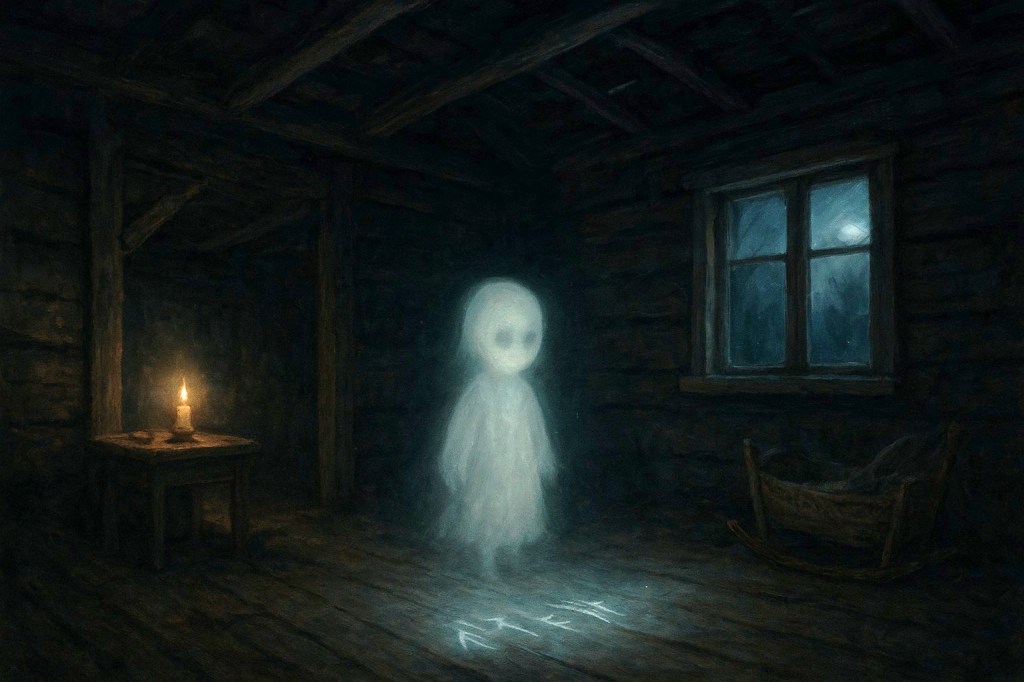
Before modern contraception, infanticide was one way for parents to limit the number of children they had. Unwanted and out of wedlock children were often killed. It is part of our human dark history. These babies were not baptized and in old Scandinavian mythology they became restless spirits seeking revenge on the mother or both parents. Alternatively, they caused mischief until they could convince someone to at least bury them properly. These restless baby spirits are referred to as myling or mylingar in plural.
Storsjö odjuret
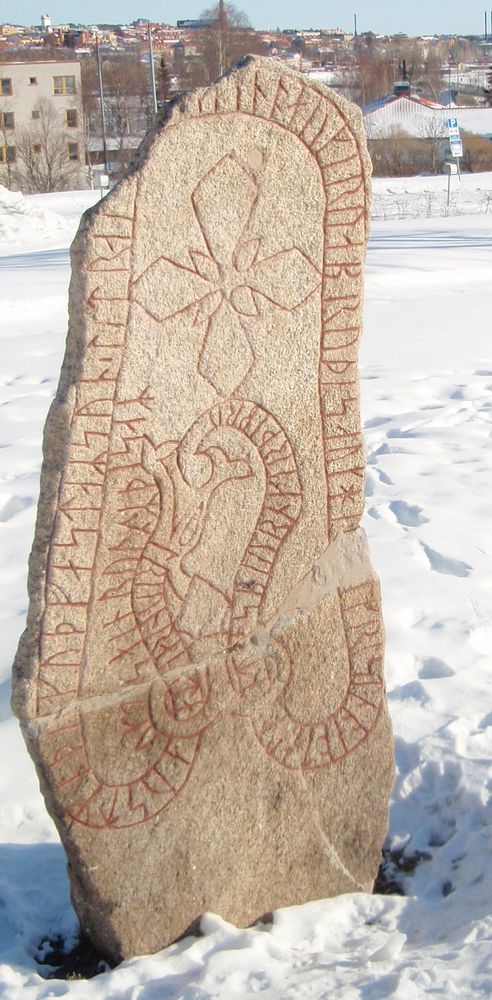
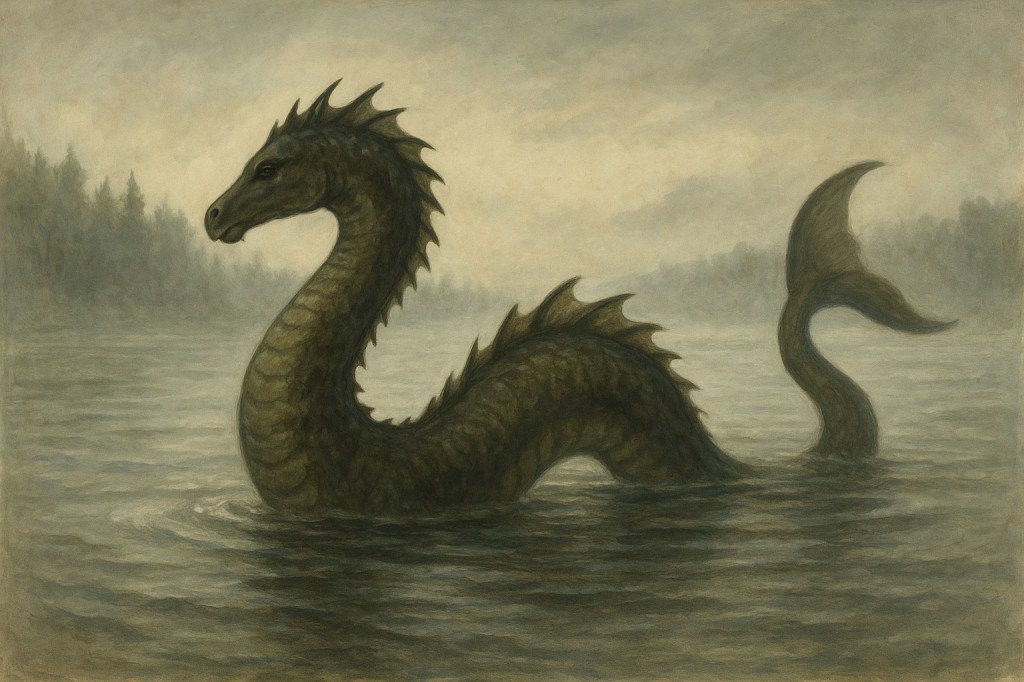
Storsjöodjuret is a large sea serpent like Swedish lake monster like the Loch Ness monster. It resides in a lake in northern Sweden. The English translation of Storsjö odjuret is the monster of the Great Lake. Storsjö / Great Lake is not far from where I grew up. I should say this monster has been hundreds of times since 1635 and seems to have been depicted on a rune stone from the 11th century.
Kraken
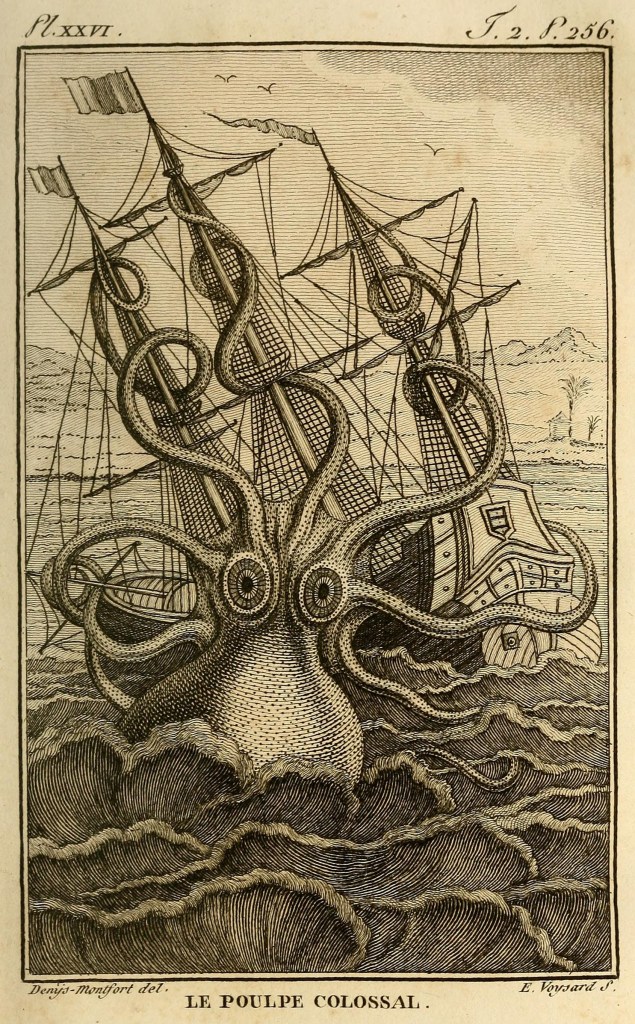
Kraken is a gigantic octopus that can bring down entire ships. It is more of a Norwegian creature but also Swedish.
Skvader
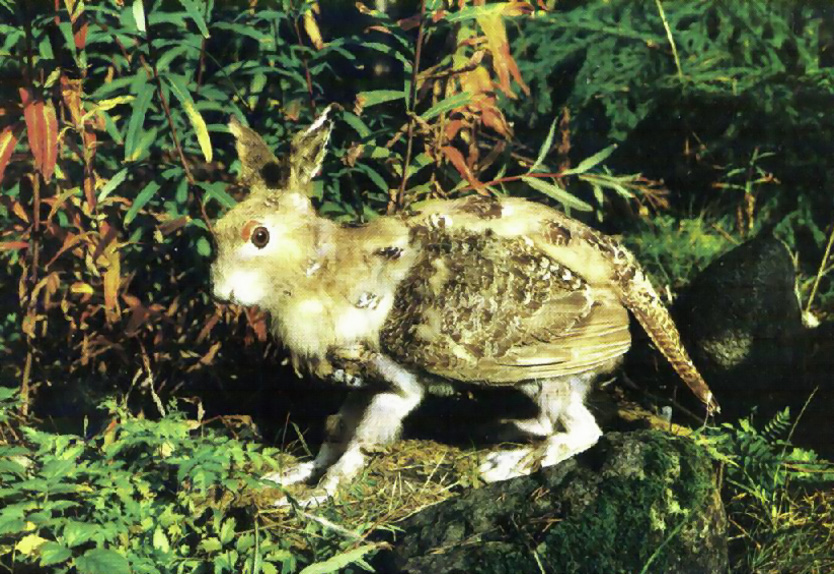
The skvader is a Swedish fictional creature that looks like a mix of a wood grouse and a hare. It started with a taxidermist creating a mixture of the two animals, taking a photo, and a rumor spread that it was real. I am remember watching debates on Swedish TV on whether the creature was real or not. People love to believe strange things. Yet another reason we scientifically valid evidence.
Blodstämmare
This is not a creature but a very common superstition in northern Sweden. There are people, blodstämmare, who can stop the flow of blood by uttering magical phrases while focusing their minds on the person in question. This power is usually used for helping people who are bleeding. It can also be used for evil, like black magic, to stop the blood flow in someone’s heart. This superstition is based on Sami (indigenous north Scandinavian people) Shamanism and north Swedish Christian fundamentalism (Laestadians). It is respected enough that some north Swedish hospitals have used blodstämmare in emergency situations.
The father of a close friend of mine called a blodstämmare when he had a bad nosebleed, and it worked. I know anecdotes are not valid scientific evidence. It is just a good story.
 Super Facts