
Superfact 89: There is overwhelming scientific evidence supporting so called macroevolution. Evidence for macroevolution includes the fossil record, molecular biology and DNA, biogeography, comparative anatomy, embryology, suboptimality, vestigial structures, etc.
It is difficult to deny that so called microevolution is happening since it can be directly observed. However, it is quite common to come across claims that there is no evidence for macroevolution or that macroevolution is impossible and unscientific. These claims do not come from mainstream scientists but from creationists. There is no magical barrier between microevolution and macroevolution. Rather, macroevolution is just an accumulation of microevolutionary steps, and it is a fact that those changes have been slowly accumulating over millions and billions of years.
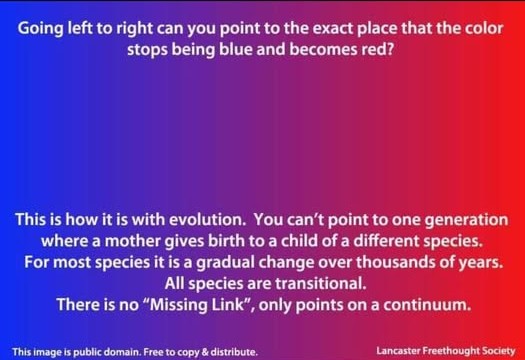
It is often said that macroevolution is when a species evolves into another and that this represents a special barrier, impossible to breach. The existence of fuzzy boundaries between species and the existence of ring species demonstrate that this idea is faulty. See the next section for more information on this. Next after that, I am listing 10 selected types of evidence for macro evolution. If you wish to see an overview of 29+ Evidences for Macroevolution, click here. I can add that scientists do not like to use the terms microevolution and macroevolution since they are nebulous. These terms are more of a creationist thing. That’s why I been prefixing microevolution and macroevolution with “so called”.
Roughly a third of Americans believe the creationist claim that macroevolution is not possible, or that there is no evidence for it, even though we know that there is Strong evidence for macroevolution. Therefore, I consider this a super fact. Note, 97% of scientists support the theory of evolution. This is a brief Wikipedia article on evolution.
Note, this post is long, but if you are interested in it, you could just read a few instead of the evidences instead of all ten.
Speciation is considered relative
It is often said that two animals belong to the same species if they can interbreed in nature and produce viable, fertile offspring. However, it is not that simple.
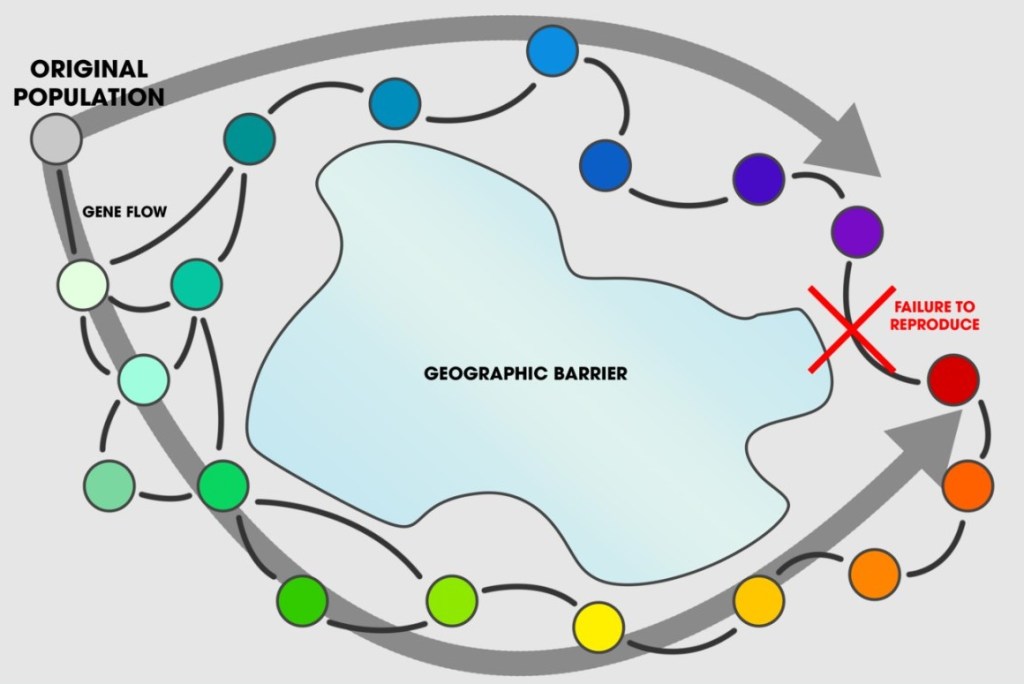
An animal A may be able to successfully interbreed with an animal B, and that animal B may be able to successfully interbreed with an animal C, but animal A and C cannot interbreed. Animal A could be said to be a different species relative to animal C, but animal B could be said to be the same species as both animal A & C using the definition above. A great geography related example of this is ring species. In a ring species, gene flow occurs between neighboring populations of a species, but at the ends of the ring the populations don’t interbreed.

Next up are ten selected types of evidence for Macroevolution in no particular order.
The Fossil Record Show an Evolution from Simple to Complex Species
The fossil record is quite extensive and represents 250,000 different species, but it is very far from complete. That is expected. Fossilization is an extremely rare event, and fossils are hard to find. Among the 250,000 fossils from different species there are no Precambrian rabbits or Mesozoic human fossils. If there were, that would have falsified evolution and been evidence for a creator. This example shows first of all that the theory of evolution is falsifiable (all scientific theories have to be falsifiable) contrary to some creationist claims and it constitutes a form of evidence for evolution.
If evolution is true then a scan through the entire sequence of rock strata should show early life to be quite simple, with more complex species appearing only after some time. In addition, the youngest fossils should be those that are most similar to living species. The fact that this is the case is strong evidence for evolution, specifically macroevolution. You can read more about this in this relatively short book, The Evidence for Evolution, by Alan R. Rogers.
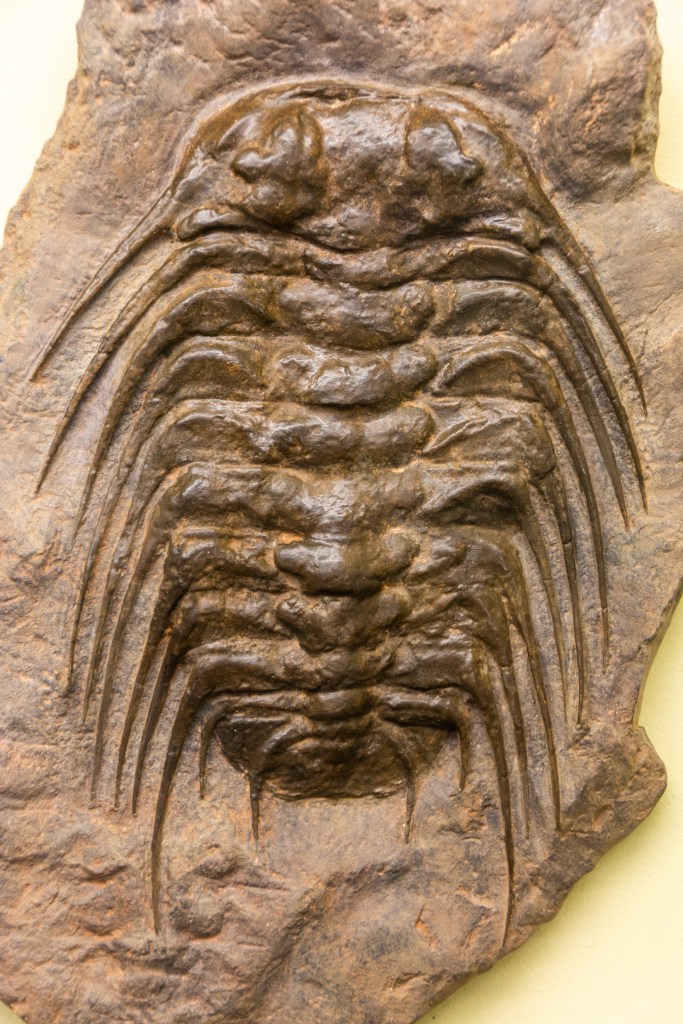
We can Follow Lineages in the Fossil Record
In the fossil record we can also follow lineages; species of animals and plants changing into something different over time. The fossil records show fish changing into amphibians, reptiles changing into mammals, dinosaurs into birds, artiodactyl like mammals into whales, apes into humans, etc. Creationists used to mock the fact that there were no transitional fossils between land mammals and whales and then they found Pakicetus in 1983 and then a lot more. As time passes the more transitional fossils we find.
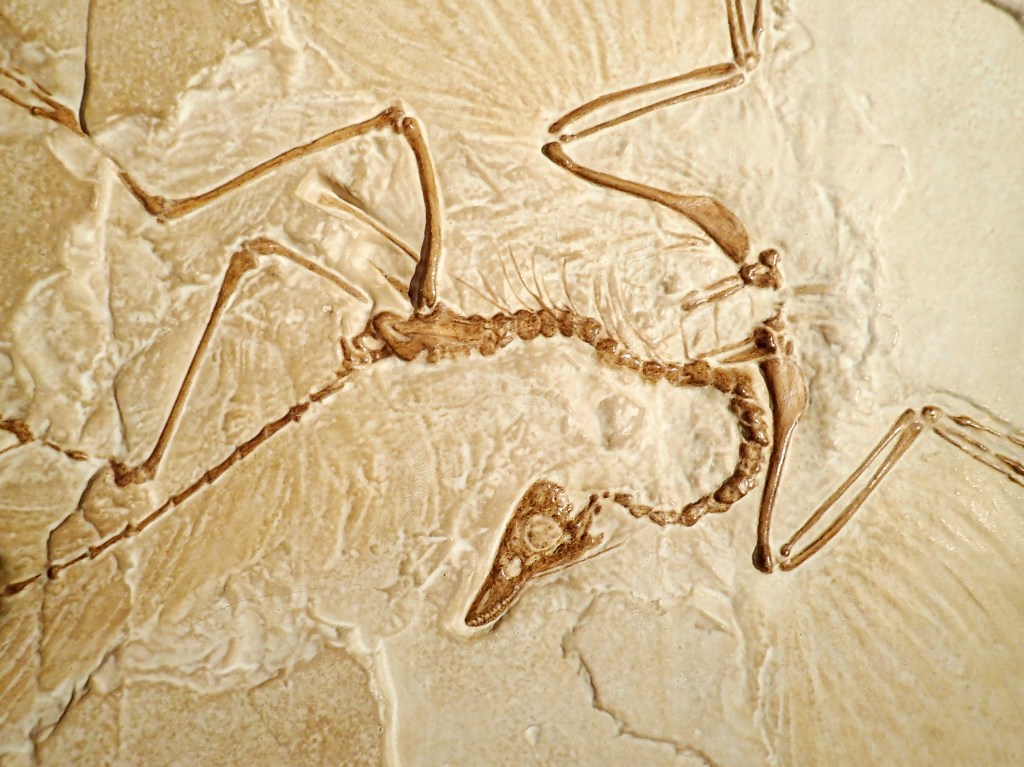
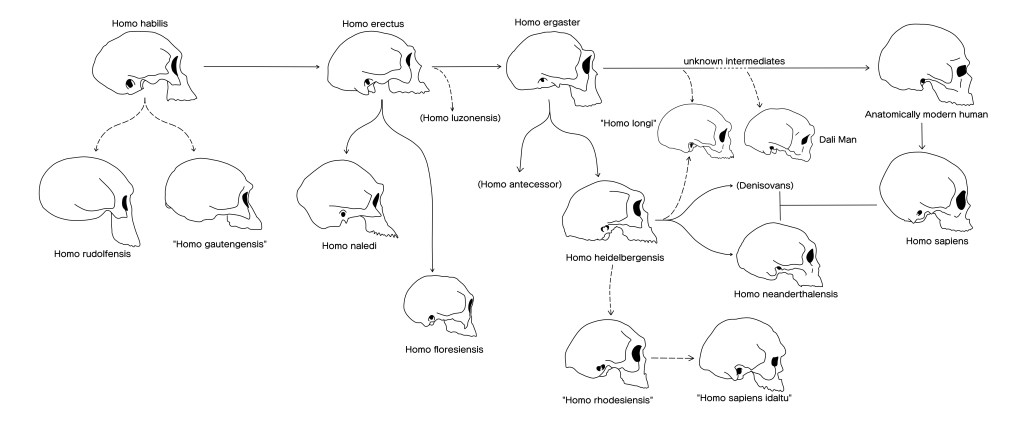
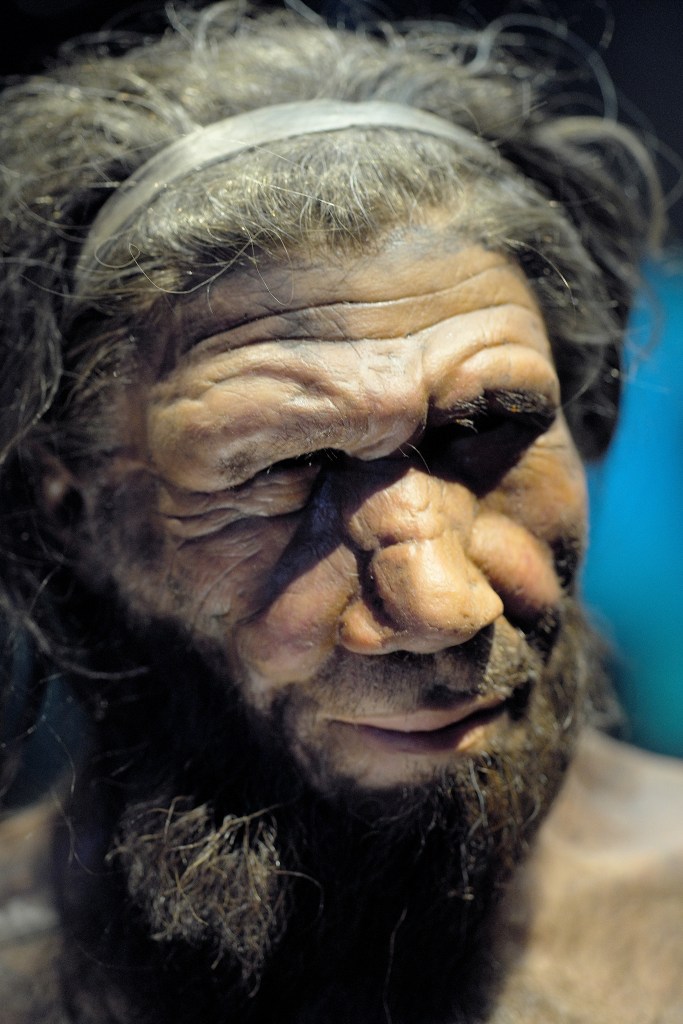
The fact that we can follow lineages and that they are consistent with the various dating methods is powerful evidence for evolution. Dating methods include radiometric dating methods (uranium-lead, potassium-argon, carbon-14), and sequencing and superposition, and conditions encoded in fossils such as the length of the day (varied throughout natural history) and more. To read more about dating methods and how we know Earth is billions of years old click here. The picture below illustrates the skull changes of hominids by time.
Molecular Biology and DNA
Molecular biology and DNA may be our best evidence for macroevolution. Our understanding of DNA has greatly increased over the last couple of decades. The human genome has been sequenced along with that of many other species, and we are able to compare the DNA and the genes of various species, and trace origins.

Of special interest are pseudo genes, the millions of transposable elements (transposons and retroelements) as well as useless sequences, introns. These segments are especially interesting because they are unaffected by natural selection and therefore mutations pile up in them at a fairly constant rate. By comparing two such segments in two species we can tell how far the species are apart and even how far back in time their common ancestor lived.
Based on the similarity in transposons we know that the closest related living animals to whales and dolphins (outside their order) are Hippopotamus, which confirms what we know from the fossil record of whales and the mammals that whales evolved from. Whales and Hippopotamus have a common ancestor and since we’ve found dozens of intermediate fossils between land mammals and whales, the evolution of whales is no longer a mystery.

Based on the similarity in transposons, pseudo genes, and genes in general (all of the genome) we know that the closest related living animals to humans are chimpanzees and bonobos. In fact, chimpanzees and humans are more closely related than chimpanzees and the other great apes. Based on the genetic record chimpanzees are no longer classified as great apes but as Hominini together with humans. Also based on the genetic record we know that chimpanzees and humans had a common ancestor that lived about six million years ago. The fossil for this common ancestor has not been found, but the information in the DNA can often tell us more than the fossil record.
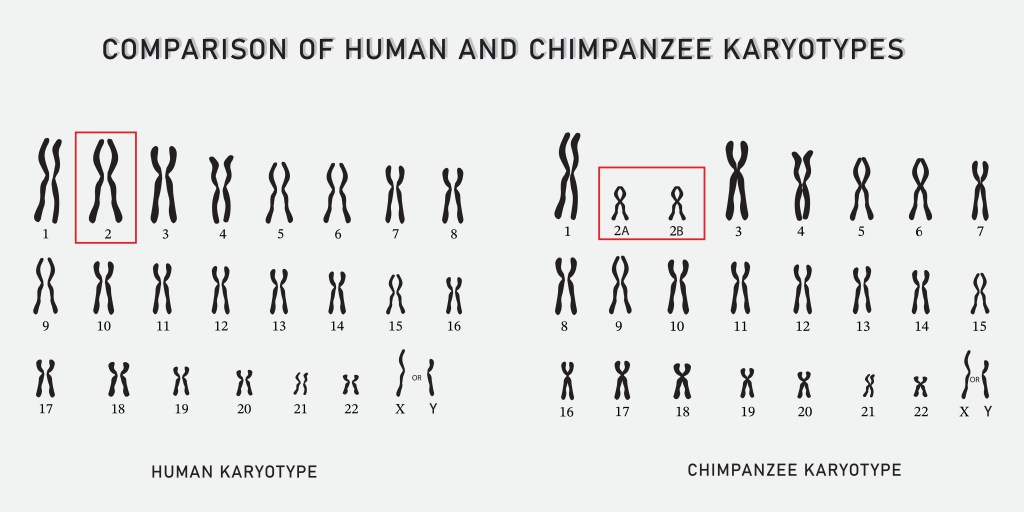
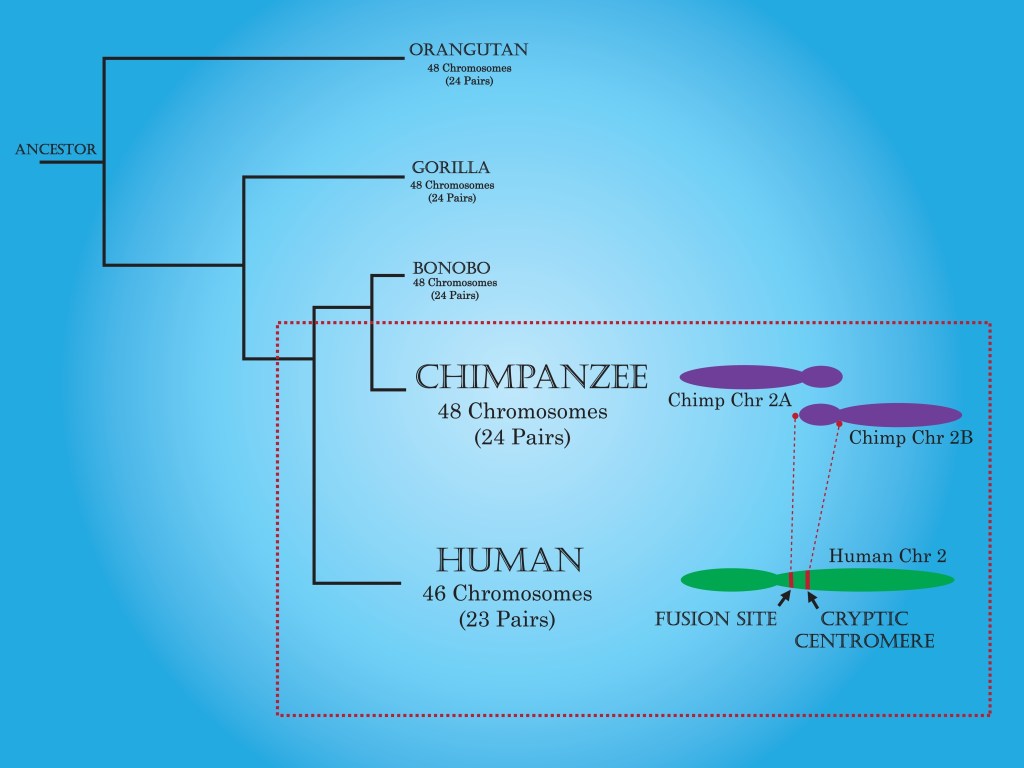

The book Relics of Eden, the powerful evidence of evolution in human DNA by Daniel Fairbanks is good fairly in depth book on this topic.
Biogeography
Biogeographic evidence for evolution / macroevolution is among the oldest types of evidence (Charles Darwin used it) and yet it is very powerful. Biogeographic evidence for evolution shows that species’ geographic distributions result from descent with modification and environmental adaptation, rather than just similar habitats. Key types of biogeographic evidence for macroevolution include species existing only on a certain island, adaptive radiation (e.g., Galápagos finches), tectonic-driven species distribution (e.g., marsupials), and convergent evolution of unrelated species in similar environments.
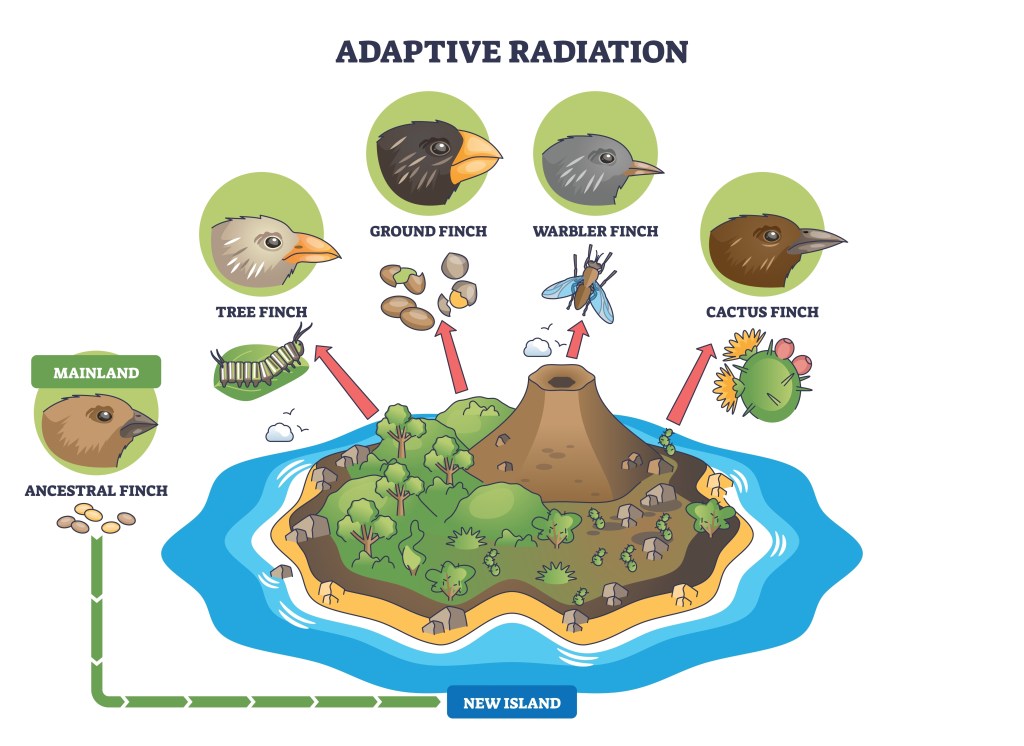
One example of biogeographical evidence for macroevolution is with so called oceanic islands. Oceanic islands are not part of a continent but are formed from the sea bottom typically through volcanic activity. Oceanic islands lack native freshwater fish and amphibians, and they rarely harbor native mammals and reptiles. However, freshwater fish, amphibians, mammals and reptiles thrive when introduced to oceanic islands. It’s just that they have to get there in the first place.
Instead, oceanic islands typically feature birds, insects, and plants that can more easily spread long distances. In addition, the species on oceanic islands are typically closely related and appear in relatively few groups. Add the fact that the species on oceanic islands resemble species on nearby continents but they are not the same. This strongly supports the narrative that some species from nearby continents migrated to newly formed oceanic islands and evolved.
The evidence gets even better if you look in more detail. For example, the Hawaiian Islands (oceanic islands) were formed in chronological order from west to east, as the divide between the continental shelves moved. The species on the different islands show a gradual transition in their physical properties and in their DNA as you go from west to east. This supports the narrative that the species hopped from one island to the next as the islands emerged, and then they evolved.
Comparative Anatomy
Similar anatomical structures in different species, such as the similar bone structure in a human arm, a bat wing, and a whale flipper indicate shared ancestry. Another is the heart structures in fish, amphibians, reptiles, birds, and mammals which show a homologous progression of development.
Embryology
Different species share similar developmental stages. For example, early embryos of reptiles, birds, and mammals, including humans, develop pharyngeal pouches that are similar to fish gills. Baleen whale embryos have teeth that are lost by birth, human embryos develop a tail that are later lost, and human fetuses develop hair around week 16-20 that is usually lost but remain on premature babies. The development of embryos goes through stages of similar embryos of fish, then amphibians, reptiles, and then mammals.
Suboptimality
There is a lot of evidence based on so called suboptimality. Our bodies and that of other animals are full of imperfections that make perfect sense from an evolutionary perspective but not much sense if we were created by a creator. One example is the “vas deference”, which follow a circuitous route from the testis up and around the ureter and back down to the penis, instead of going straight to the penis. As the testis gradually moved from inside our bodies (as it was in fish) to the outside, vas deference got stuck around the ureter like a water hose can get stuck around a tree. This makes perfect sense from an evolutionary perspective.
Vestigial Structures
Vestigial structures are non-functional anatomical features, organs, or behaviors that were functional in a species’ ancestors but have lost most or all of their original purpose through evolution. Examples include the whale hind legs, flightless bird wings, the human appendix, the tailbone, wisdom teeth, and goosebumps in humans.
Atavisms
Atavisms are rare reappearances of a lost ancestral trait in an individual. This could happen because ancestral genes are preserved but suppressed but, for example, a mutation allows the gene to be expressed. Examples include a human baby born with a tail, a snake with limbs or a chicken with teeth, dolphins with back flippers, or teeth in chickens. It is rare but evidence for evolution.
Traces of Common Descent
Traces of common descent in species, for example, homologous anatomical structures, similar embryological development, shared genetic codes, and phylogenetic mapping allows the construction of the tree of life. Phylogenetic mapping suggests that organisms inherited fundamental traits from a common ancestor. All life except viruses can be traced back to a common ancestor that lived 4.2 billion years ago. This also constitutes evidence for evolution / macroevolution.

Other Evolution Related Super Fact Posts
I can add that when I was young, I read a lot of creationists books. I was totally sold on creationism but as I started learning about science that changed. One thing all the creationist books that I read had in common was that they avoided discussing the evidence for evolution and they did not provide evidence for creationism. Instead, they focused on trying to discredit evolution. As I learned more about science I came to realize that not even one of those objections were valid. An example is super fact #73 below.
- #63 : Evolution is a Fact
- #73 : The Second Law of Thermodynamics Does Not Contradict Evolution
- #81 : Humans and Chimpanzees Have a Common Ancestor
- #84 : Birds are Avian Dinosaurs
- #85 : The Evolution of Whales is No Longer a Mystery
- #86 : Early Homo Sapiens lived at the same time as many other human species






 Super Facts