
Esther’s writing prompt: February 4 : Flying
Click here or here to join in.
This is not a super fact post but a post featuring ten wind blowing facts about birds. Let me rephrase that, ten mind blowing facts about birds. Sorry for flying that pun in your face.
My super facts are true based on reputable sources, despite being surprising or disputed. A super fact is also important and educational, unlike typical trivia. I consider the last seven bird facts below to be trivia and therefore not super facts. However, I hope my ten bird facts will at least raise some eyebrows and be somewhat educational. I have listed the ten facts below and if you want to learn more about them you can read the rest of the post.
- There are flying Turkeys
- Birds are Dinosaurs
- Wind power saves a lot more birds than it kills
- Birds don’t pee
- Birds can use Earth’s magnetic field to navigate
- Some birds sleep while flying
- Birds have hollow bones, but they’re super strong
- Some birds use tools
- Swifts can stay airborne for 10 months
- Chickens can recognize up to 100 faces
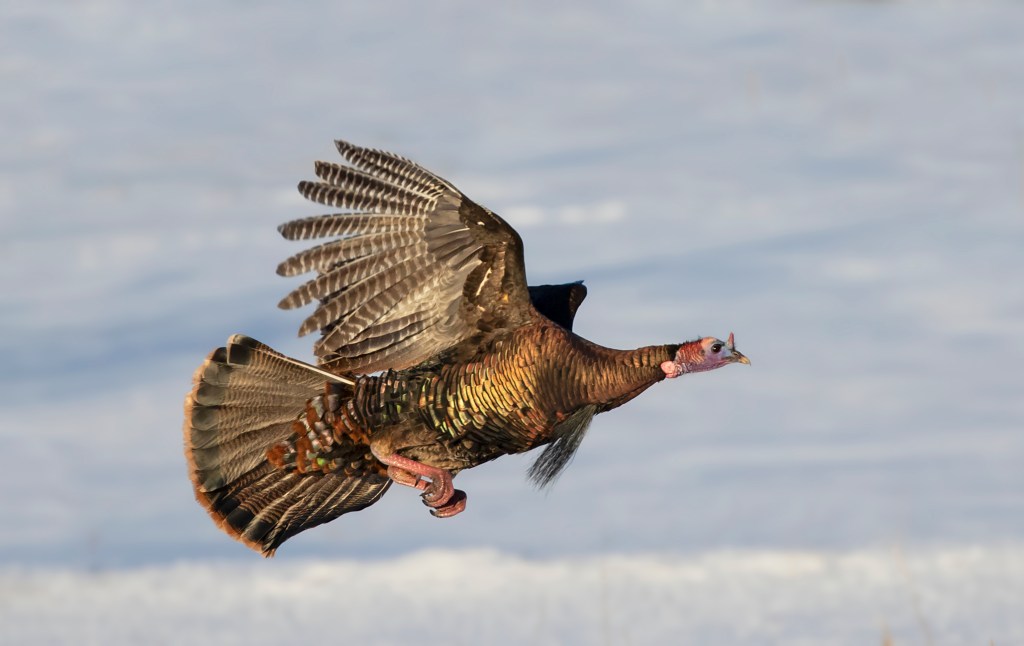
There are flying Turkeys
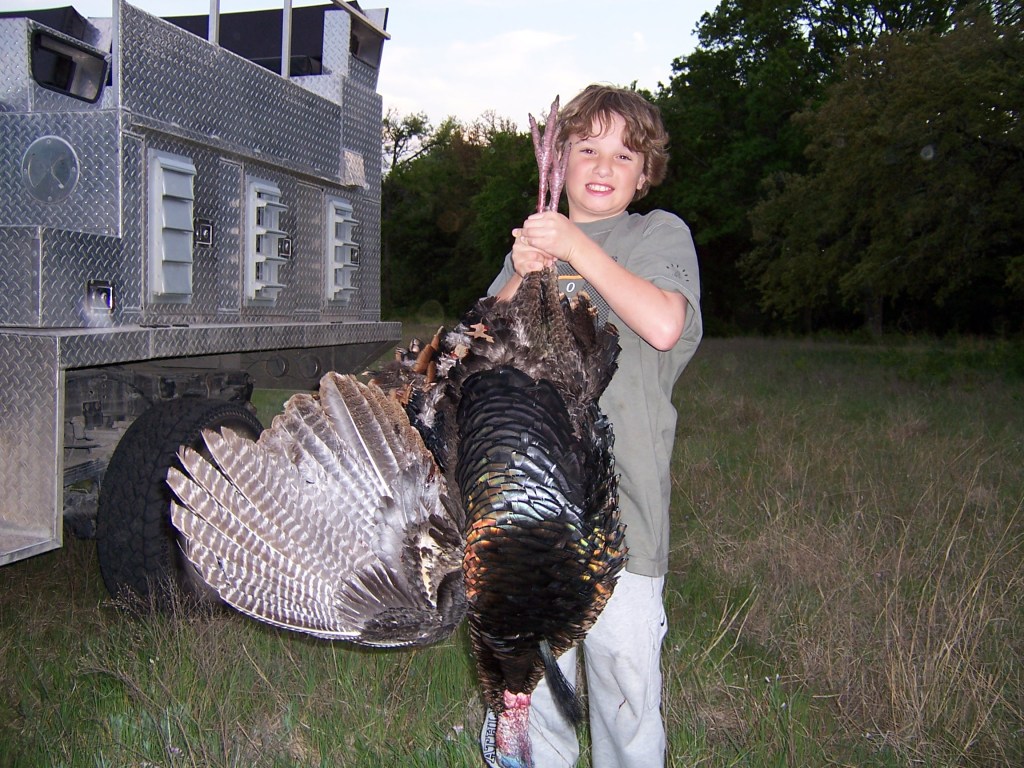
Domesticated Turkeys and Wild Turkeys are the same species, but Wild Turkeys can fly distances of more than a mile, sometimes at speeds of 55 miles per hour. I’ve seen it with my own eyes on turkey hunts. I’ve seen turkeys fly, flap their wings, take off and glide across the sky at the height of 30-50 feet. You can read more about it here and here. Below is a video showing wild Turkeys flying.
Birds Are Dinosaurs
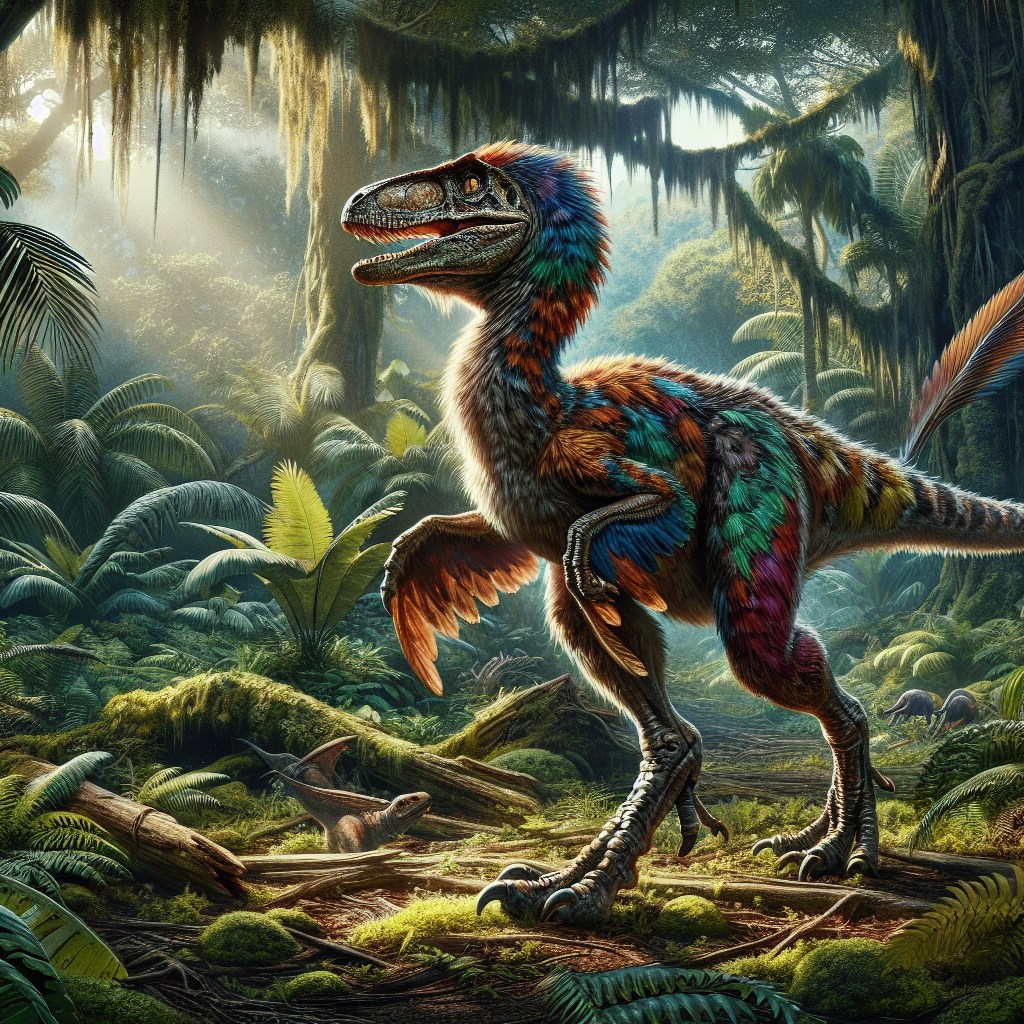
Birds are descendants of specialized maniraptoran theropod dinosaurs that survived the extinction event that killed most dinosaurs 66 million years ago. They evolved during the Jurassic period from two-legged, carnivorous, and often feathered dinosaurs, and are the only surviving lineage of this group. They have been classified as avian dinosaurs since the 1980’s. In other words, they are dinosaurs. Initially feathers evolved among dinosaurs for insulation, sexual display, and camouflage rather than flight.
A lot of dinosaurs had feathers, and some could fly. Dinosaurs with feathers include, for example, Velociraptor (it might have been able to fly), Deinonychus, Archaeopteryx (could fly), Microraptor (could fly), Rahonavis (could fly), Gallimimus, Ornithomimus, Yutyrannus huali, Psittacosaurus, Psittacosaurus, Sinosauropteryx, Psittacosaurus, Sciurumimus, Kulindadromeus, Caudipteryx, and even young T-Rex and many others. We know dinosaurs had feathers based on fossil finds.
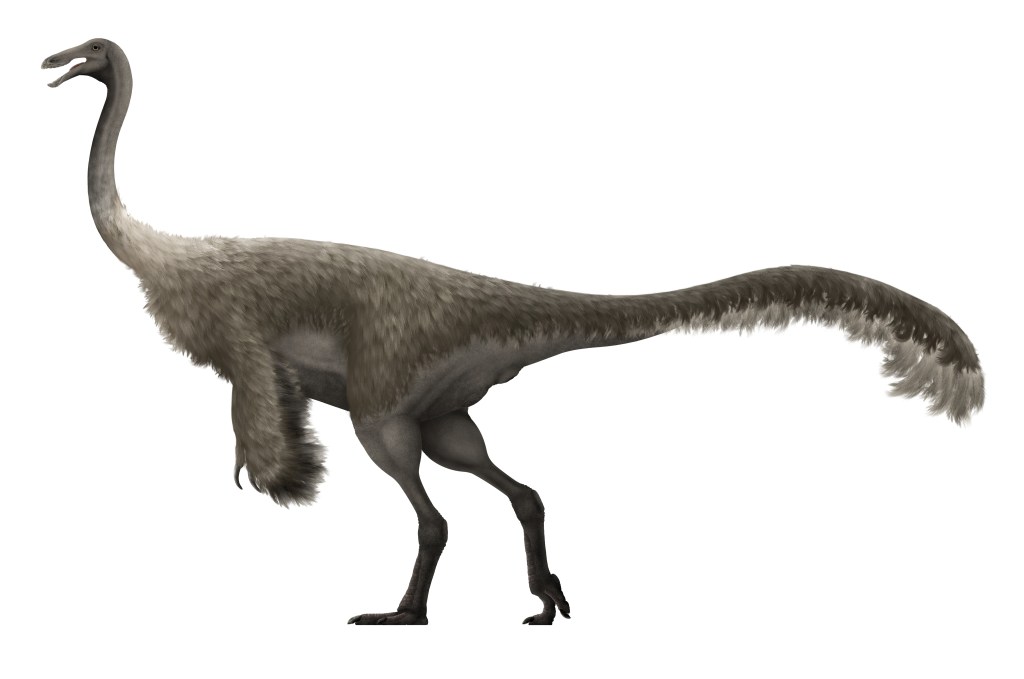
Remember the Velociraptors in the move Jurassic Park? In the movie they had scaly skin, but in reality, they had feathers. Also, the real velociraptors might have been able to fly. Wouldn’t that have made a better movie?
Wind power saves a lot more birds than it kills
It may come as a surprise to some, but wind power is not a major cause of bird death. Wind farms are estimated to be responsible for losing less than 0.4 birds per gigawatt-hour (GWh) of electricity generated, compared to over 5 birds per GWh for fossil fueled power stations, see, for example this source. This means that replacing fossil fuels with wind power saves a lot more birds than wind power turbines take. In addition, cats, windows, cars, poison and powerlines are examples of things that kill a lot more birds than wind power does. Cats kill thousands of times more birds than wind power does, and this usually does not bother us. Note I love both dogs and cats.
It is difficult to make exact estimates of bird deaths but below are some interesting graphs from reputable sources, confirmed by many other studies and analysis, such as this overview from MIT and this analysis by Hannah Richie. The numbers aren’t the same, but they make the same point. You can read more about this here.
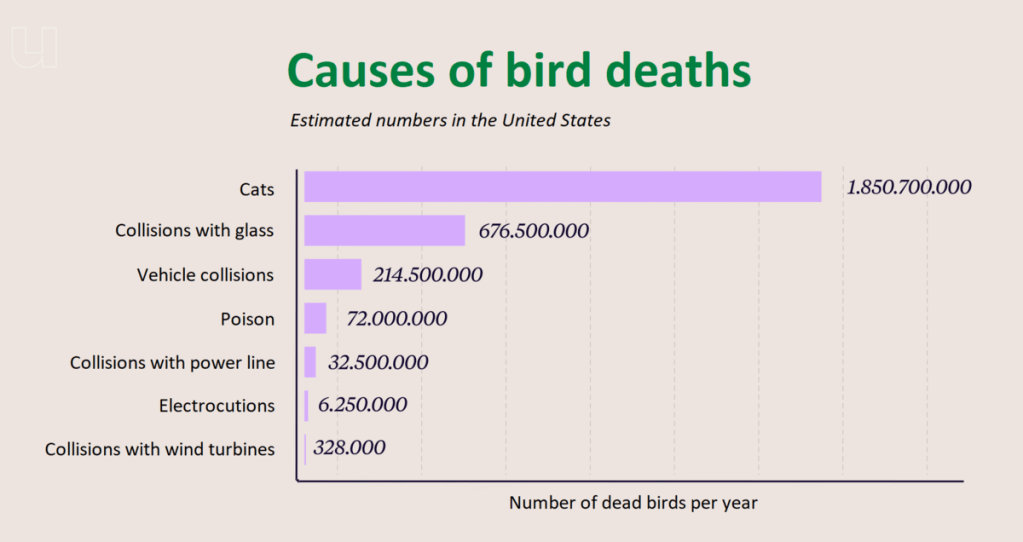
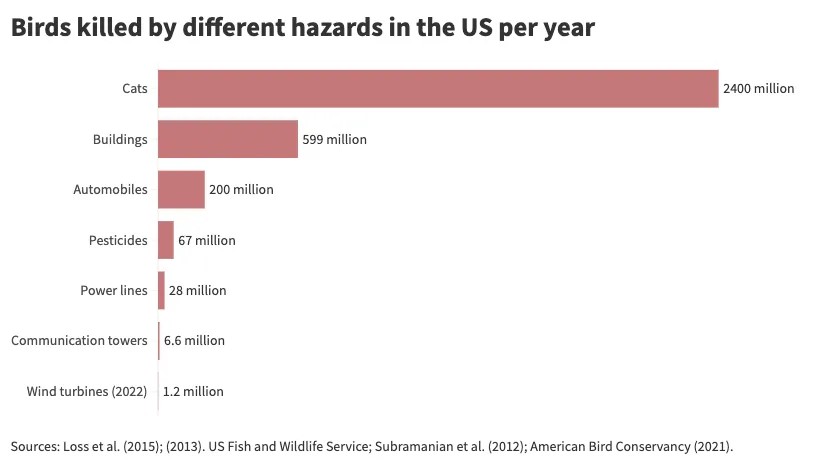
That does not mean we shouldn’t do our best to reduce bird deaths from wind power stations. However, don’t fall for the misinformation that is trying to paint it is a big problem specifically for wind power. It is good to keep in mind that there are powerful organizations, politicians and individuals who are intentionally spreading a lot of misinformation about wind power and other renewables in an effort discredit them. One example is the series Landman which repeatedly makes demonstrably false and pretty wild claims. Landman is fiction, of course, but it is presented so it appears to be facts to unsuspecting viewers.
Birds don’t pee
Birds don’t pee liquid like mammals. They excrete waste as a white, pasty uric acid mixed with solid feces through a single opening. This means that they excrete only one type of droppings. This conserves water and keeps them lightweight for flight.
Birds can use Earth’s magnetic field to navigate
Migratory birds navigate long distances by using Earth’s magnetic field, which acts like a built-in GPS-like compass to determine direction and position. They have light-sensitive proteins called cryptochromes in their eyes, which enable them to see magnetic fields, and they can detect field intensity using magnetic crystals (magnetite) in their beaks or inner-ear cells. This enables them to know direction, inclination and position. The detection of the magnetic field is very fine and is believed to involve quantum mechanical mechanisms. You can read more about how migrating birds use quantum effects to navigate here
Some birds sleep while flying
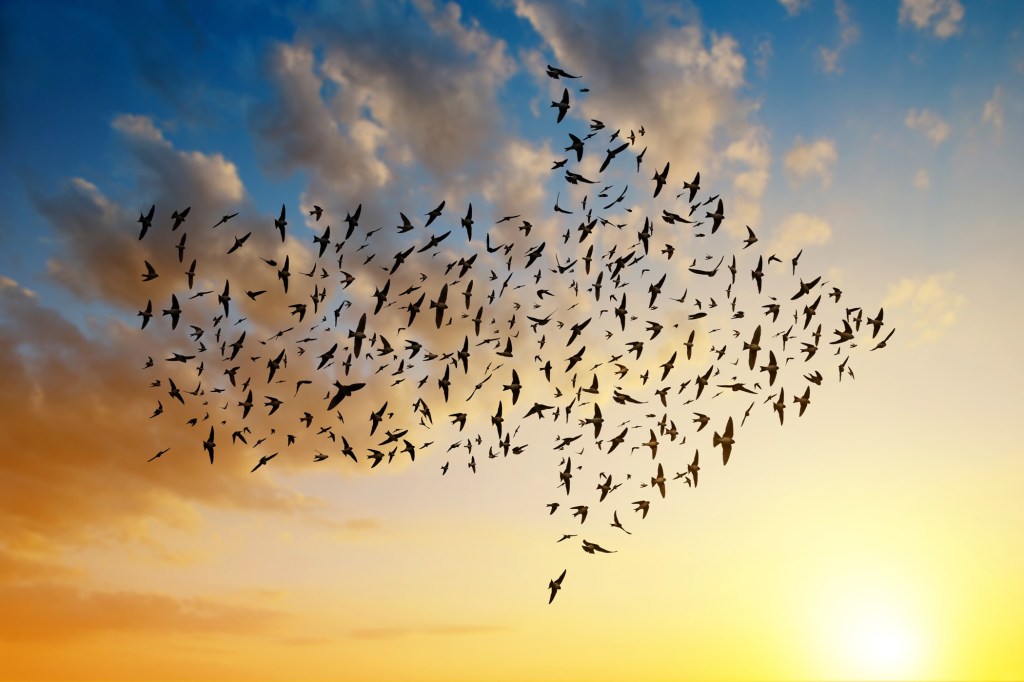
Many birds, especially long-distance migrants like Albatrosses, swifts and frigatebirds, sleep while flying by using one half of the brain at a time. They usually sleep while ascending at higher altitudes and just for one hour.
Birds have hollow bones—but they’re super strong
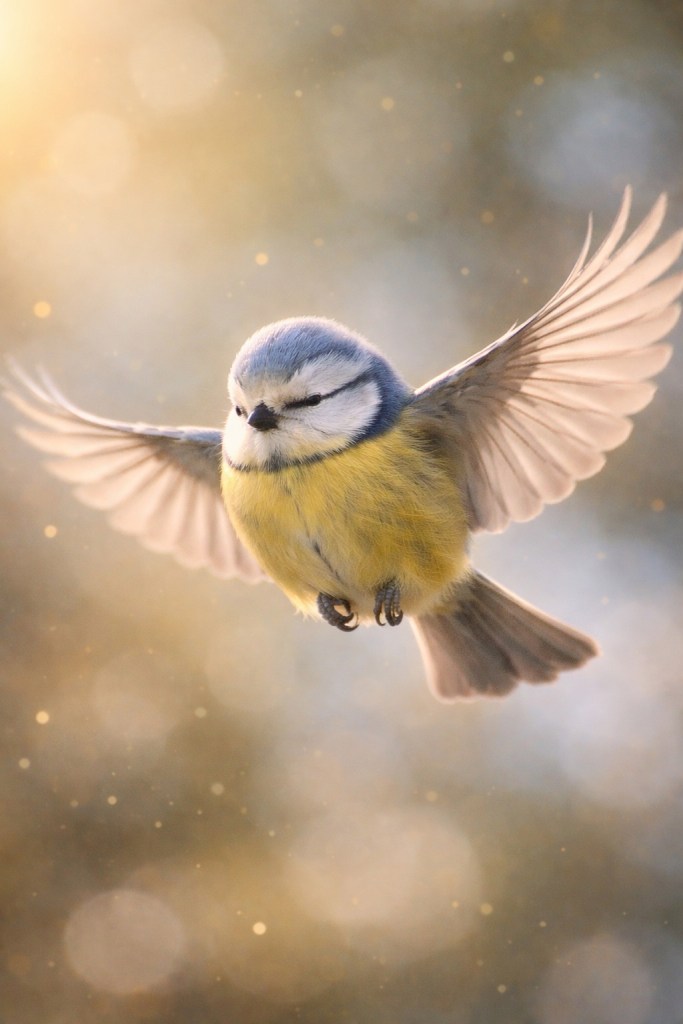
Birds have hollow bones. They are not necessarily lighter but they’re super strong. The structure is denser and reinforced with internal struts, kind of like aerospace engineering. The bones are full of spaces for air giving them a more efficient respiratory system and allowing them to take in oxygen while both inhaling and exhaling.
Some birds use tools
New Caledonian crows craft hooks from sticks to fish insects out of holes. They carve, nibble and peel the tip of the stick until it has a hook. Striated Herons drop larvae, worms, and insects on the water to attract prey. They sometimes break sticks into pieces to use as artificial bait to attract fish. Rooks, corvid bird, drop rocks into water to raise the water level so that they can reach prey. Carrion crows use traffic to crack hard-shelled nuts.
For example, they drop walnuts on busy roads, often at pedestrian crossings, and wait for cars to crush them, then retrieving the food during red lights. Egyptian Vultures pick up stones in their beaks and throw them at large, hard-shelled eggs to break them. There are many other examples.
Swifts can stay airborne for 10 months
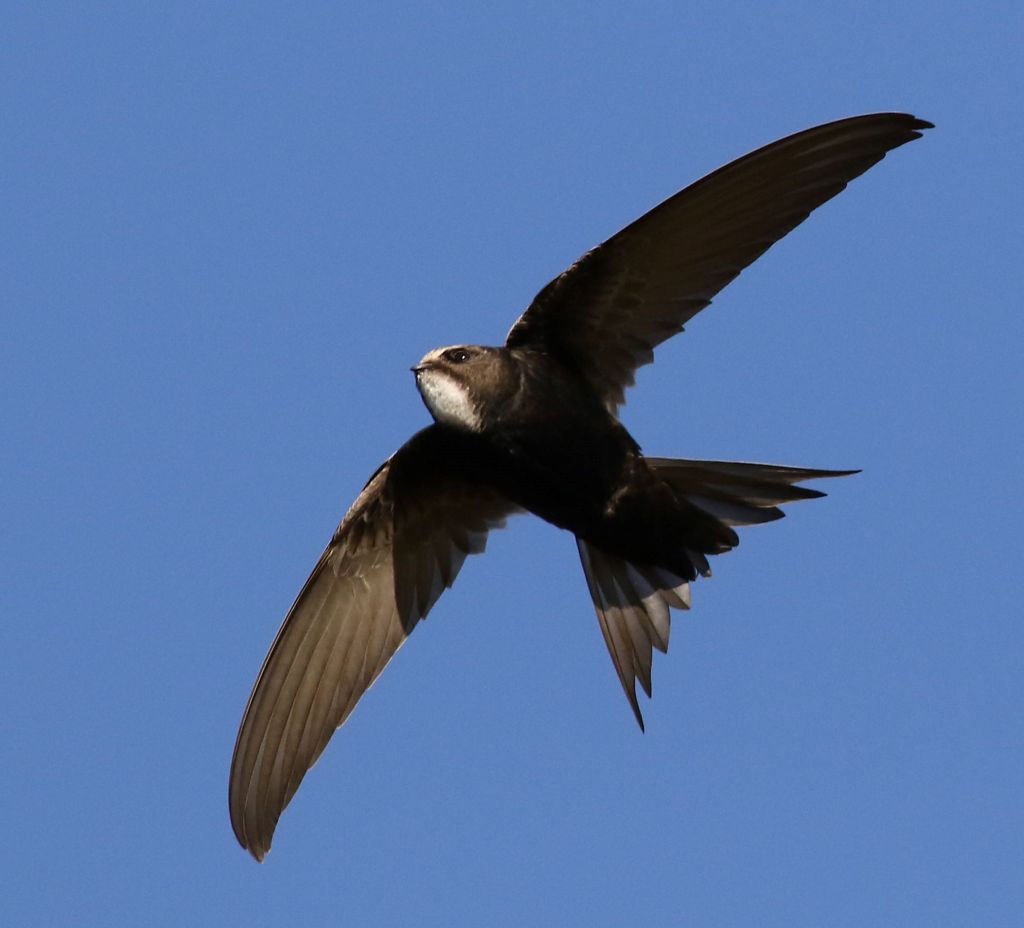
Common swifts can stay airborne for up to 10 months without landing during their non-breeding migration. They eat, drink, sleep, and even mate while in flight, only landing to nest for two months in the summer.
Chickens can recognize up to 100 faces
Chickens don’t just recognize other chickens; they also recognize human faces. Chickens remember positive or negative experiences with the faces they recognize and pass that information on to members of their flocks. Let’s think about that while we chew on our chicken nuggets.
My Other Responses to Esther’s Prompts
- Prompt : Small : Small Microscopic Subatomic and Strings
- Prompt : Kind : Leonbergers Are Kind Dogs
- Prompt : Charge : Electric Charge is not the only type of Fundamental Charge
- Prompt : Promises : Promises To My Dog
- Prompt : Shade : A Total Solar Eclipse the Ultimate Moon Shade
- Prompt : Money : Ten Money Facts
- Prompt : Edge : The Edge of the Observable Universe is 46.5 billion Light Years Away
- Prompt : Fish : Ten Amazing Fish Facts
- Prompt : Promise : I Promise Not to Post AI Generated Comments
- Prompt : Respect : Respect your Dog
- Prompt : Giving : Leonbergers Giving Gifts to Pugs
- Prompt : Family : Dogs Are Family
- Prompt : Snow : Snow and Ice in Norrland
- Prompt : Red : The Universe has a Redshift and its Increasing
- Prompt: Shapes : Conic Sections are the Shapes that Shape Our World
To see the Super Facts click here


I love your title! Yes, I knew these facts about birds as I have had an interest in them since I was child. Many of them are much smarter than people think. When I lived in the north, I once watched three ravens seemingly discuss – they did a lot of chittering among themselves beforehand – and then execute a plan to get a dog’s food away from it. Two of them distracted the dog while the third flew away with the entire bowl! Then they met at a spot outside the fenced yard and ate their prize. The poor dog was completely befuddled.
LikeLiked by 4 people
Wow that is an amazing story. There are a lot more amazing bird facts than what I listed. I just picked 10 and that became long enough. You are right many of them are much smarter than people think. Thank you so much for your interesting comment Lynette.
LikeLike
These are amazing facts. I didn’t know that birds don’t pee or that they can sleep while flying! Fascinating stuff once again, Thomas. Thank you.
LikeLiked by 1 person
Thank you so much for your very kind words and for hosting this write-off. Birds are certainly fascinating creatures, or to say it differently, they are fascinating dinosaurs.
LikeLiked by 1 person
This is super cool! A fascinating post. I had no idea, for example, that birds can stay airborne for 10 months, although I doubt the pigeon in my garden would want too – he seems a to prefer to set on the shed roof and sleep most of the time!
LikeLiked by 2 people
Thank you so much for your kind words Ada. I think Swift is an extreme case but pigeons are very cute. That is their super power (I am sure they have some I don’t know about).
LikeLiked by 1 person
I knew most of these, but didn’t know swifts can spend up to 10 months flying/soaring! That’s remarkable. Maggie
LikeLiked by 1 person
It is great that you knew most of them already and I agree, 10 months in the air is amazing. Thank you so much Maggie.
LikeLike
These are interesting facts about the way birds are. I like birds, and always wonder how they migrate and come to the same place every year. We have the little playa lake by our house where geese come in the winter. However this year there is a huge problem with them having bird flu. So sad. Are they giving warning of that down there?
LikeLiked by 1 person
Yes their ability to navigate using Earth’s magnetic field is amazing and it is fascinating that quantum processes are involved. In a sense birds had quantum computers before we did. I am sorry to hear about the bird flu. In Dallas where I live they don’t talk much about the bird flu. I forgot your city, is it Amarillo?
LikeLiked by 1 person
Charlee: “BIRDS!!!”Lulu: “Hey look, it’s our friend Blue! I wonder if she is looking for some juvenile delinquents to eat.”Java Bean: “Our Dada says they had wild turkeys out in the woods where they used to live in New York and that one time he and Mama and Tucker and Trixie startled a bunch of them on the ground. The entire flock took to the air at once. He claims he almost had a heart attack, their wings were so loud!”
LikeLiked by 1 person
I can understand that you excited about birds Charlee. Don’t eat too many. That is a great story Java Bean. I agree their wings are kind of loud at take off.
LikeLike
Over half of those I was completely unaware of. I love learning new stuff.
LikeLiked by 1 person
Thank you so much for your kind words Jacqui
LikeLiked by 1 person
Hi Thomas, your information about wind power is especially interesting to me. I did not know that. These are the facts I DID NOT KNOW:
Wind power saves a lot more birds than it kills
Birds don’t pee
Chickens can recognize up to 100 faces
Thank you for a great post.
LikeLiked by 1 person
So you knew many of them already. I agree the wind power one is an important one. I consider the three first super facts, the rest is sort of trivia. Thank you so much Robbie.
LikeLike
It’s all interesting and I’m always pleased to learn more. I have a big interest in birds.
LikeLiked by 1 person
Thank you Robbie. I agree, birds are very interesting including hot dog stealing sea gulls.
LikeLike
😄, yes, indeed
LikeLiked by 1 person
so cool!!
LikeLiked by 1 person
Thank you Christie
LikeLiked by 1 person
Those are amazing facts😇
LikeLiked by 1 person
Thank you so much aparnachillycupcakes
LikeLiked by 1 person
I m more than glad that I came across your feed 😇
Have an awesome and blessed day ahead!
Aparna 🌷
LikeLiked by 1 person
Thank you so much Aparna. I really appreciate your kindness.
LikeLiked by 1 person
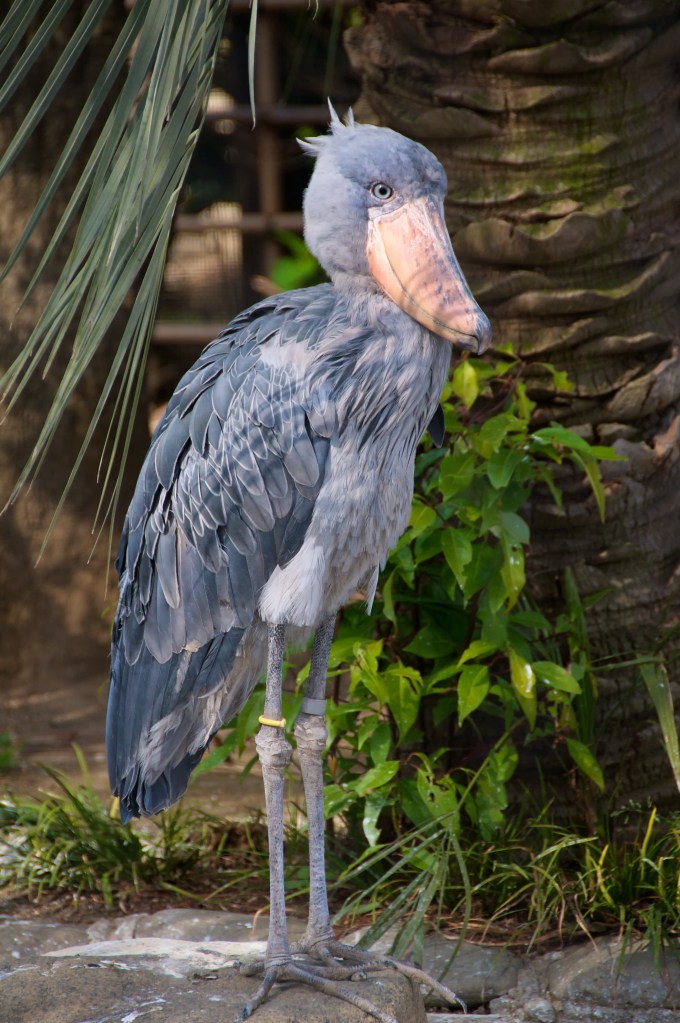
Thomas not so into dinosaurs, but I have seen A shoebill stork once, such an odd looking bird
LikeLiked by 1 person
I agree, it is an interesting looking bird. I saw them at the Dallas World Aquarium (I live in Dallas). About dinosaurs, if you like birds, then you like at least one type of dinosaur, theropod dinosaurs or avian dinosaurs.
LikeLike
Chickens 😀
LikeLiked by 1 person
Don’t underestimate chickens. 🐣🐤
LikeLike
The shoebill stork is such a cool bird!
LikeLiked by 1 person
I agree, they are so big and cool looking. The Dallas World Aquarium has them, where I’ve seen them.
LikeLiked by 1 person
That’s cool!
LikeLiked by 1 person
What I appreciate most here is not just the facts themselves, but the care you take in distinguishing what is merely surprising from what is actually important.
That distinction matters, especially in a time when information often travels faster than understanding. Your approach quietly models how curiosity can remain grounded—rooted in evidence, proportion, and responsibility.
It makes the wonder of birds feel deeper, not louder.
LikeLiked by 1 person
Thank you so much Livora for your kind words. Yes I tried to pick some fun facts as well as some educational and important facts.
LikeLiked by 1 person
Fascinating facts about birds, Thomas. They are remarkable creatures! Thanks for furthering my education. 😎 I did know the claim about wind turbines killing so many birds was bullshit. And I love your witty sense of humour! 😄
LikeLiked by 1 person
Thank you so much for your very kind words Debbie. You are right, birds are remarkable creatures.
LikeLiked by 1 person
So interesting! I had some pet chickens as a kid. The one used to follow me everywhere 😎
LikeLiked by 1 person
Thank you Darryl. That is fun fact about your chicken, following you like a dog. Chickens are smarter than we give them credit for.
LikeLiked by 1 person
Indeed wild turkeys fly! Witnessed it several days ago as a flock of 30 or so took off with whooshing wings over my head, over the roof, and onwards. They were flushed and chased by a dog.
LikeLiked by 1 person
That must have been an amazing experience and I am sure the dog had fun. Thank you for stopping by rootedhabitat.
LikeLiked by 1 person
Fascinating! There’s still so much we can learn about nature.
LikeLiked by 1 person
Yes you are right JoAnna. This is just 10 facts but there is so much more interesting information about birds and other topics.
LikeLiked by 1 person
Wonderful post
LikeLiked by 1 person
Thank you for your kind words Satyam
LikeLike