The Surprising Monty Hall Problem

Superfact 22: Suppose you’re on a game show, and you’re given the choice between three doors: Behind one door is a car; behind the other two doors there are goats. You want to pick the car. You pick a door, and the host, who knows what’s behind the three doors, opens another door revealing a goat. Now the question is, is it to your advantage to switch door choice? The answer is yes. And that is the surprising Monty Hall Problem.
There is a blue door on the left, a red door in the middle, and a green door on the right | The Surprising Monty Hall Problem
The Monty Hall gameshow Three Doors Problem. There is a car behind one door, and goats behind the other two. You pick a door. Monty Hall, the gameshow host, opens one of the other doors and it has a goat. Should you change your choice of door? Yes, you should. But why? – Monty Hall Problem Stock Illustration ID: 1881849649 by SATYA94.

It is quite common to argue that it does not matter. You don’t know what is behind the two remaining doors so it should be 50/50 right? In a test involving 228 people only 13% chose to switch. However, you should switch.

Monty Hall, the gameshow host of the Let’s Make a Deal television game show, knows where the car is, so he never chooses the door with the car. And by curating the remaining two doors for you, he raises the odds that switching is always a good bet. By switching your choice, you have a 2/3 chance of winning the car but if you stay with your original choice, you only have a 1/3 chance of winning the car.

So why is this a super-fact? First, we know it is true. It is mathematically proven and experimentally verified that switching door is the best choice. Secondly, this was widely contested and is still surprising to people. Finally, probabilistic thinking is the key to being rational and making good decisions. This fact is true, important and disputed and thus a super fact.

One way of viewing the situation is by noting that there is a 1/3 chance that the car is behind any door that the contestant picks and a 2/3 chance that the car is behind one of the other two doors.
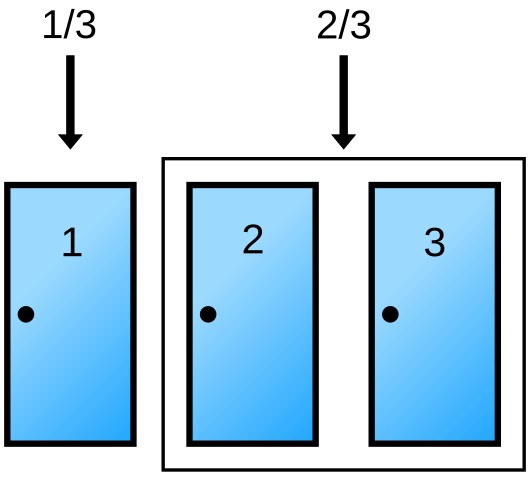
The picture shows three doors, one marked 1/3 and two more grouped together under 2/3 | The Surprising Monty Hall Problem
The car has a 1/3 chance of being behind the contestant’s pick and a 2/3 chance of being behind the other two doors. Picture from Wikimedia commons public domain.

If Monty opens one of the two doors that the contestant did not pick there is still a 1/3 probability that the car is behind the door the contestant picked and a 2/3 chance that the car is behind one of the other two doors. However, one of the doors that the contestant did not pick is now known to feature a goat. Therefore, the probability that the car is behind the other door is 2/3.
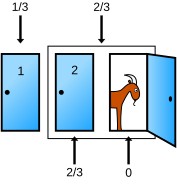
The picture shows three doors, one marked 1/3 and two more grouped together under 2/3. The last door has a goat, and it is marked by 0. The door in the middle is marked by 2/3.
The host opens a door. The odds for the two sets don’t change but the odds become 0 for the open door and 2/3 for the closed door. Picture from Wikimedia commons public domain.

The table below is probably (no pun intended) a better way of illustrating the situation. In the table door 1 is the door designated to be the contestant’s first choice. Monty opens one of the remaining doors that has a goat behind it.

Behind door 1Behind door 2Behind door 3Result if staying at door 1Result if switching to door offered.
GoatGoatCarWins goatWins Car
GoatCarGoatWins goatWins Car
CarGoatGoatWins CarWins goat

There are various other ways of explaining the situation including Steven Pinker’s approach. It is easy to test this is real life and repeated experiments and simulations shown that if you switch you have a 2/3 chance of winning.

As an example of the controversy this probability puzzle caused was Marily Savant’s column in Parade Magazine. As a side note, Marilyn Vos Savant is the person who has the highest recorded intelligence quotient (IQ) as stated in the Guinness Book of Records. In response to a question regarding the Monty Hall game show problem she wrote that you should switch. She received letters from 10,000 readers disputing this, including 1,000 with PhDs. In the long run she prevailed.



To see the other Super Facts click here


Neutering or spaying a dog at 6 months old can be dangerous to their health

Superfact 21: Neutering or spaying a dog at 6 months old can be dangerous to their health depending on breed. It is often recommended that you should neuter or spay your dog by the age of 6 months even as early as 8 weeks. This may be OK for some smaller breeds but is dangerous to the health and longevity of many larger breeds.

Many dog welfare organizations, SPCA, ASCA, etc., recommend that dogs are neutered or spayed by the age of 6 months, or even as early as 8 weeks. It is also a common advice in dog books.

In addition, some veterinarians still hold onto this belief. It is easy to understand why. Dogs running loose and causing unwanted pregnancies resulting in puppies having to be euthanized is a sad problem we don’t want. 

Unfortunately, research has shown that neutering or spaying a dog at 6 months old can be dangerous to their health depending on the breed. You may need to wait 18 months or two years, and some breeds should not be neutered at all. In addition to the scientists in the relevant fields, professional and certified breeders, AKC and dog breed clubs and veterinarians who kept themselves informed on this issue are all aware of this.

In other words, we know this to be true, it is an important fact since so many of us own a dog, roughly half of all US households do, and yet this information is highly surprising to many. This is why I consider it a super fact.

Our yellow lab Baylor is on the left. Our brown-black German Shepherd Baby is on the right | Neutering or spaying a dog at 6 months old can be dangerous to their health depending on breed
This is our Labrador Baylor and German Shepherd Baby. Too early neutering and spaying can severely harm their health.

This less than a year-old article from the AKC states that “an age of six to nine months of age may be appropriate for neutering or spaying a toy breed puppy or small breed puppy but a larger or giant breed may need to wait until they are near or over 12-18 months of age.” The article also provides the following interesting information.

Research conducted by the University of California – Davis reveals that for some dog breeds, neutering and spaying may be associated with the increased risks of certain health conditions such as joint disorders including hip or elbow dysplasia, cranial cruciate rupture or tear, and some cancers, such as lymphoma, mast cell tumor, hemangiosarcoma, and osteosarcoma.

The research conclusions are not surprising. Sex hormones are important in the development of any animal.  We know they affect psychological development as well as the musculoskeletal, cardiovascular, and the immune system.

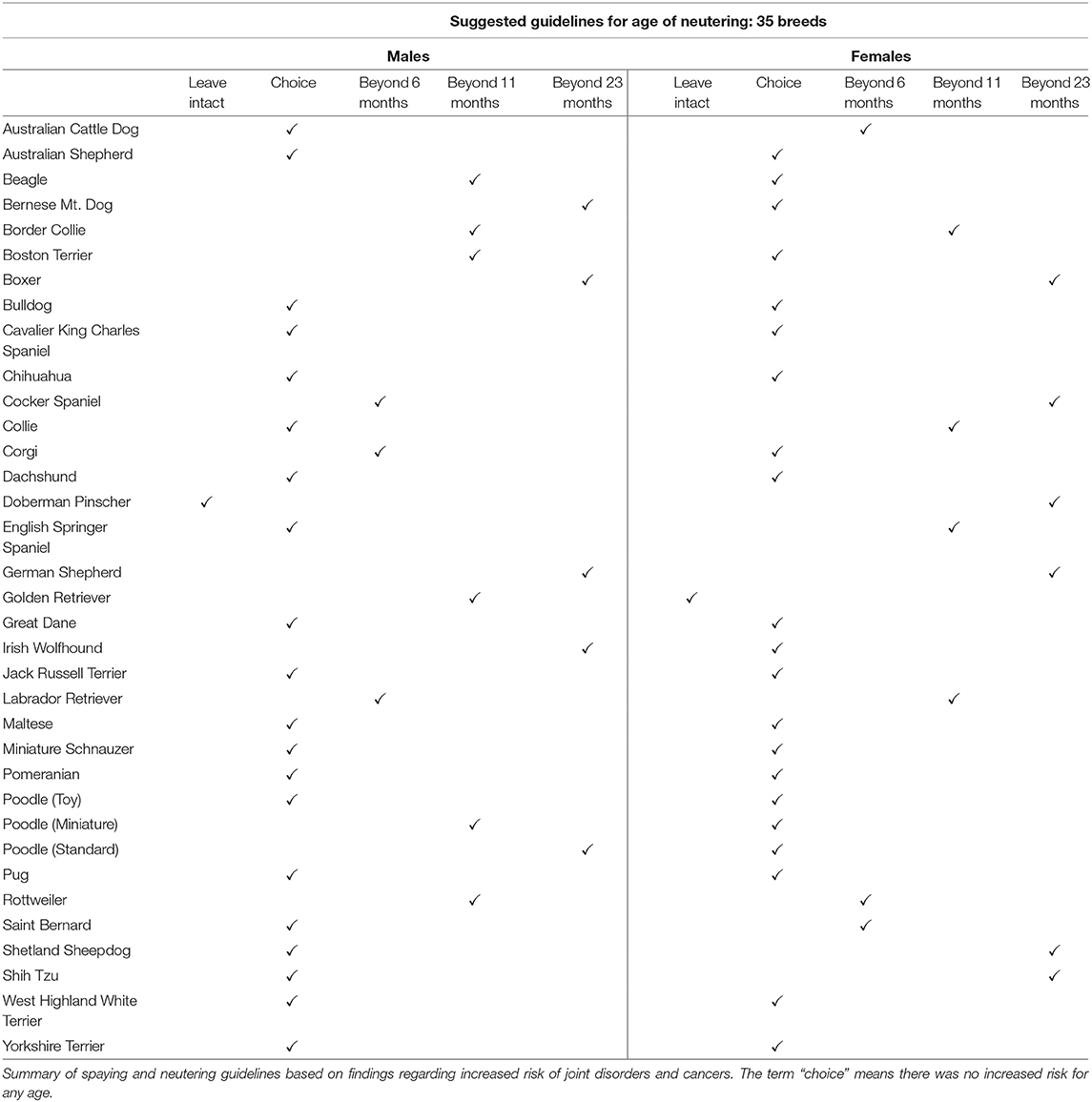
I believe this is the University of California – Davis article in question. It is from 2020. Notice that the suggested guidelines for age of neutering is beyond 23 months for several of the giant breeds in the table featuring 35 breeds.

Bronco, our Leonberger puppy is looking straight into the camera. He is wearing a red bandana | Neutering or spaying a dog at 6 months old can be dangerous to their health depending on breed
Our three months old Leonberger Bronco. The Leonberger is a giant breed you can neuter when they are older than two years old.

Recommended Ages for Neutering and Spaying

Below is a list of recommended ages for neutering and spaying for selected dog breeds.

  • Australian Shepherd, for neutering and spaying it is your choice.
  • Bernese Mountain Dog, you should neuter beyond the age of 23 months, but for spaying you have a free choice.
  • Boxer, neuter and spay beyond the age of 23 months.
  • Boston Terrier, neuter beyond 11 months, but for spaying you have a free choice.
  • Doberman Pincher, never neuter, and you need to spay beyond the age of 23 months.
  • German Shepherd, neuter and spay beyond the age of 23 months.
  • Labrador Retriever, neuter beyond 6 months and spay beyond 11 months.
  • Corgi, neuter beyond 6 months, but for spaying you have a free choice.
  • Great Dane, despite being a very large dog you have a free choice for both neutering and spaying.
  • Rottweiler, neuter beyond 11 months, but for spaying beyond 6 months.
A mini-Australian Shepherd puppy is peeking out behind a sofa chair.
Our mini-Australian Shepherd puppy Rollo. You can neuter this breed at an earlier age.

We used to own a male Leonberger dog, which is a giant breed. Our breeder told us to wait beyond two years before neutering him, for health reasons. This article from Hillhaven Leonbergers states the following “We recommend not neutering until at least 2 years of age…Some Vets would recommend from 6 months but this is NOT a good idea.” To read more about the neutering and spaying of Leonberger dogs click here.

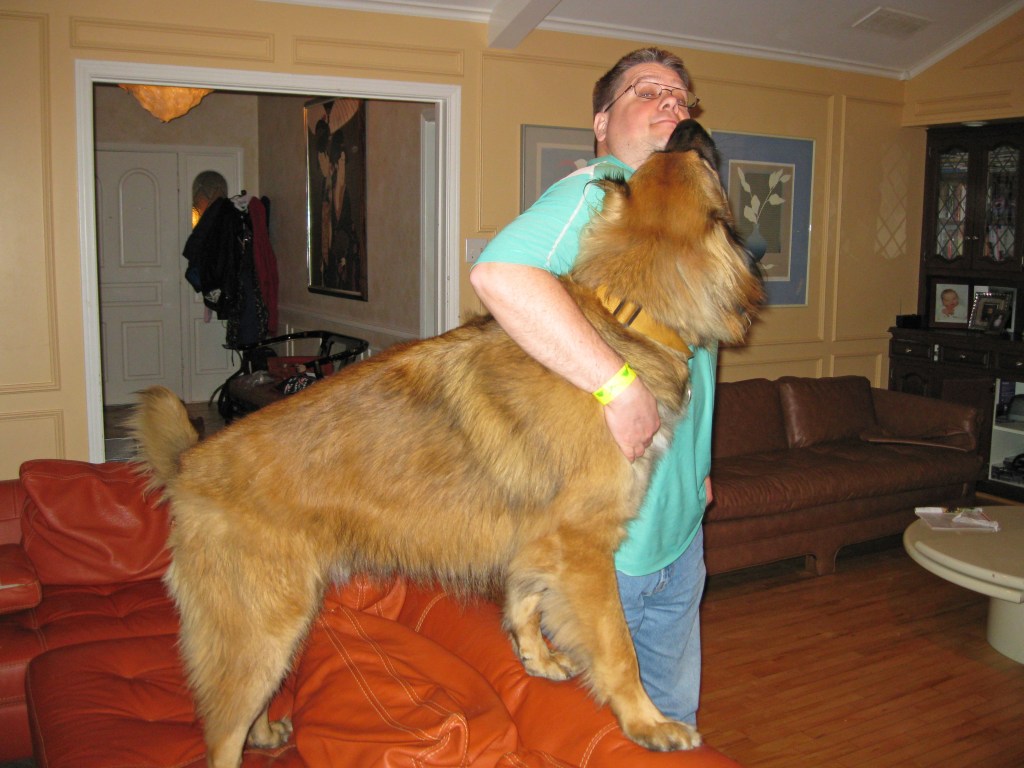
Our Leonberger dog Bronco is standing on a red leather sofa. He is stretching to give me a hug.
Our Leonberger dog Bronco is giving me a hug. He was about one year old in the picture. That is still too early to neuter him.

This article from the Saint Bernard Club of America states that “above all, no giant breed puppy should be altered before the growth plates in the bones have matured and closed, usually between 15 and 24 months of age.” This Newfoundland dog magazine states : Currently, the recommended age that a Newfoundland dog should be neutered is 18 to 24 months due to the possible health problems that can arise from altering before that age.

A Saint Bernard dog carrying the typical cognac container. There are mountains in the background | Neutering or spaying a dog at 6 months old can be dangerous to their health depending on breed
According to the article above you should wait to neuter Saint Bernard Dogs until they are close to two years old. Saint Bernard Stock Photo ID: 1713912484 by fred12.
A dark brown Newfoundland dog standing on a stump in the forest.
According to the article above you should wait to neuter Newfoundland Dogs until they are between 18 to 24 months old. Newfoundland dog Stock Photo ID: 1925281937 by Marsan.

Even though the expert advice regarding the best age for neutering and spaying varies, it is clear that doing it at six months old is too early for many breeds and can harm their health.


To see the other Super Facts click here


Wind power is not a major cause of bird death

Superfact 17: Fossil fuels kill a lot more birds per gigawatt hour than wind power does. Cats, windows, cars, poison and powerlines are examples of things that kill a lot more birds than wind power does. Wind power killing birds is not the huge environmental problem it is often made out to be.

Wind power killing birds is often mentioned as a slam dunk environmentally based argument against wind power and evidence for the hypocrisy of environmentalists. This is misguided. Wind power killing birds is a real problem and it should be addressed, and it is being addressed. No energy source comes without environmental problems. However, wind turbines account for only a small fraction of overall bird deaths compared to other human causes. It is not a good argument against wind power, and it does not demonstrate any hypocrisy by environmentalists. In fact, a study made in 2012 (overview here) concluded that fossil fuels killed 24 million birds per year in the US, which correspond to 35 times more birds per GWh than wind power kills according to this study. Even though this study and other similar studies are estimates based on assumptions that are far from perfect, they are good indicators that replacing fossil fuels with wind power likely saves birds rather than kills them.

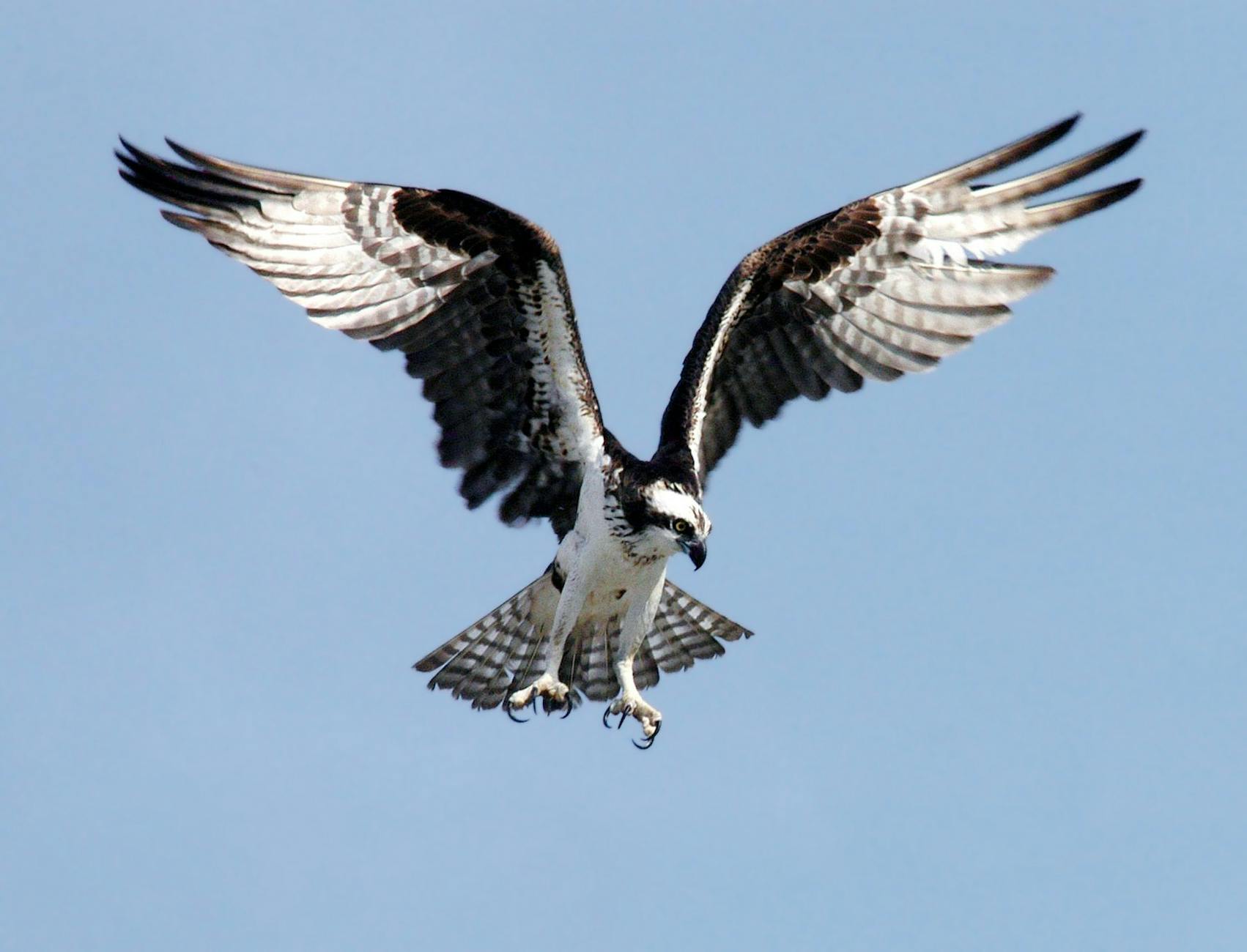
Photo by Pixabay on Pexels.com

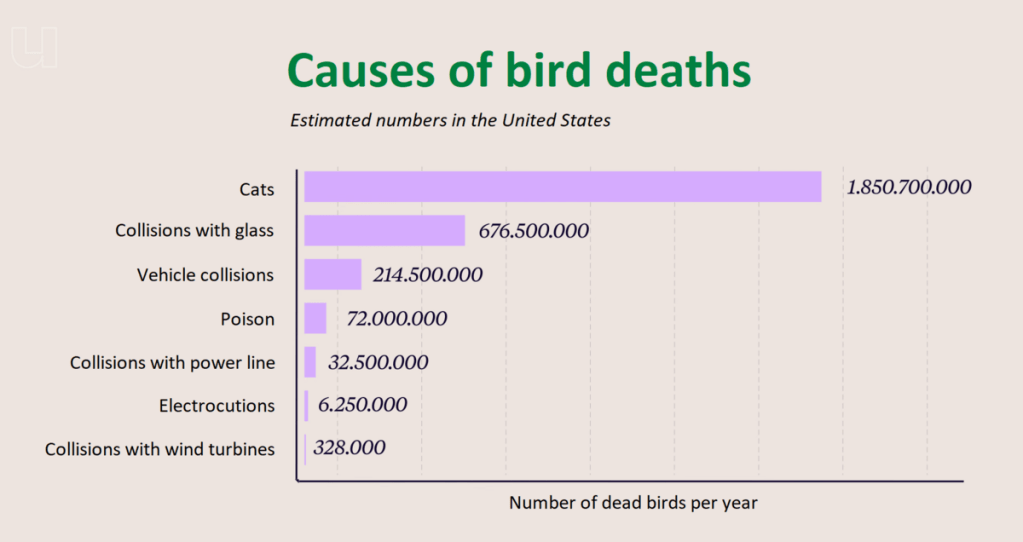
In any case, as this Wikipedia article states, collisions with wind turbines are a minor source of bird mortality compared to other human causes. According to the graph below cats kill 5,600 times more birds than wind power and collisions with powerlines kills 99 times more birds than wind power, and yet we rarely discuss these problems. Even though these numbers are estimates they are mostly confirmed by other studies and analysis, as this overview from MIT and this analysis by Hannah Richie shows. The numbers aren’t the same, but they make the same point. FYI Hannah Richie is the deputy editor and lead researcher at Our World in Data. Our World in Data is a scientific online publication that focuses on large global problems. They are associated with Oxford University and is one of the most respected statistics, analysis and research organizations in the world.

The graph shows that Wind Turbines kill 328,000 birds per year in the US, Electrocutions kill 6,250,000 birds, Collisions with powerlines kill 32,500,000 birds, Poison kills 72,000,000 birds, Vehicle collisions kill 214,500,000 birds, Collisions with glass kill 676,500,000 birds, and cats kill 1,850,700,000 birds per year in the US.
From Wikipedia: Universiteit van Nederland, CC BY 3.0 <https://creativecommons.org/licenses/by/3.0&gt;, via Wikimedia Commons
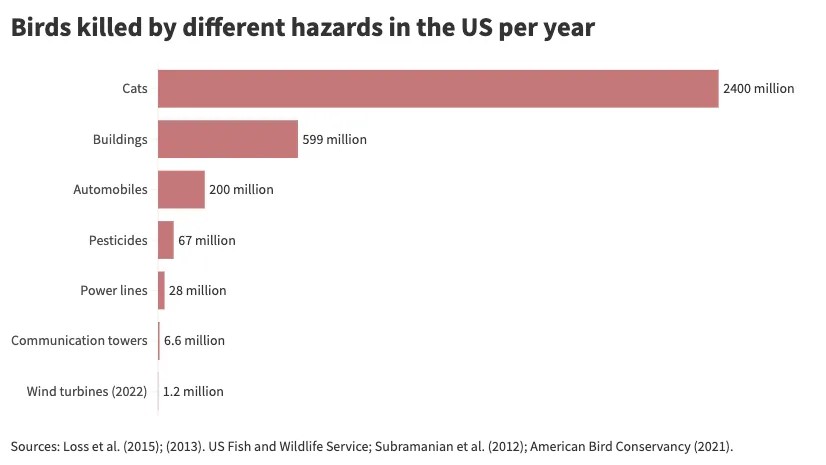
Bar graph showing cats killing an estimated 2,400 million birds per year, buildings killing an estimated 599 million birds per year, automobiles killing an estimated 200 million birds per year, pesticides killing an estimated 67 million birds per year, powerlines killing an estimated 28 million birds per year, communication towers killing an estimated 6.6 million birds per year, and wind turbines killing an estimated 1.2 million birds per year.
An alternative graph taken from Hannah Richie / Our World in Data, using alternative sources essentially showing the same thing. Sources: Loss et al. (2015), (2013), US Fish and Wildlife Service; Subramnayan et al. (2012), American Bird Conservancy (2021).

Wind power has been on the receiving end of false claims, nonsense, and strange rumors for quite some time. It is not the only energy source maligned by false information, but it is an interesting case study in misinformation regarding energy sources. To read about nonsense and rumors about wind power click here.

Photo by Athena Sandrini on Pexels.com


To see the other Super Facts click here


The vastness of space and the beginning of infinity

Superfact 14: The vastness of space and the beginning of infinity

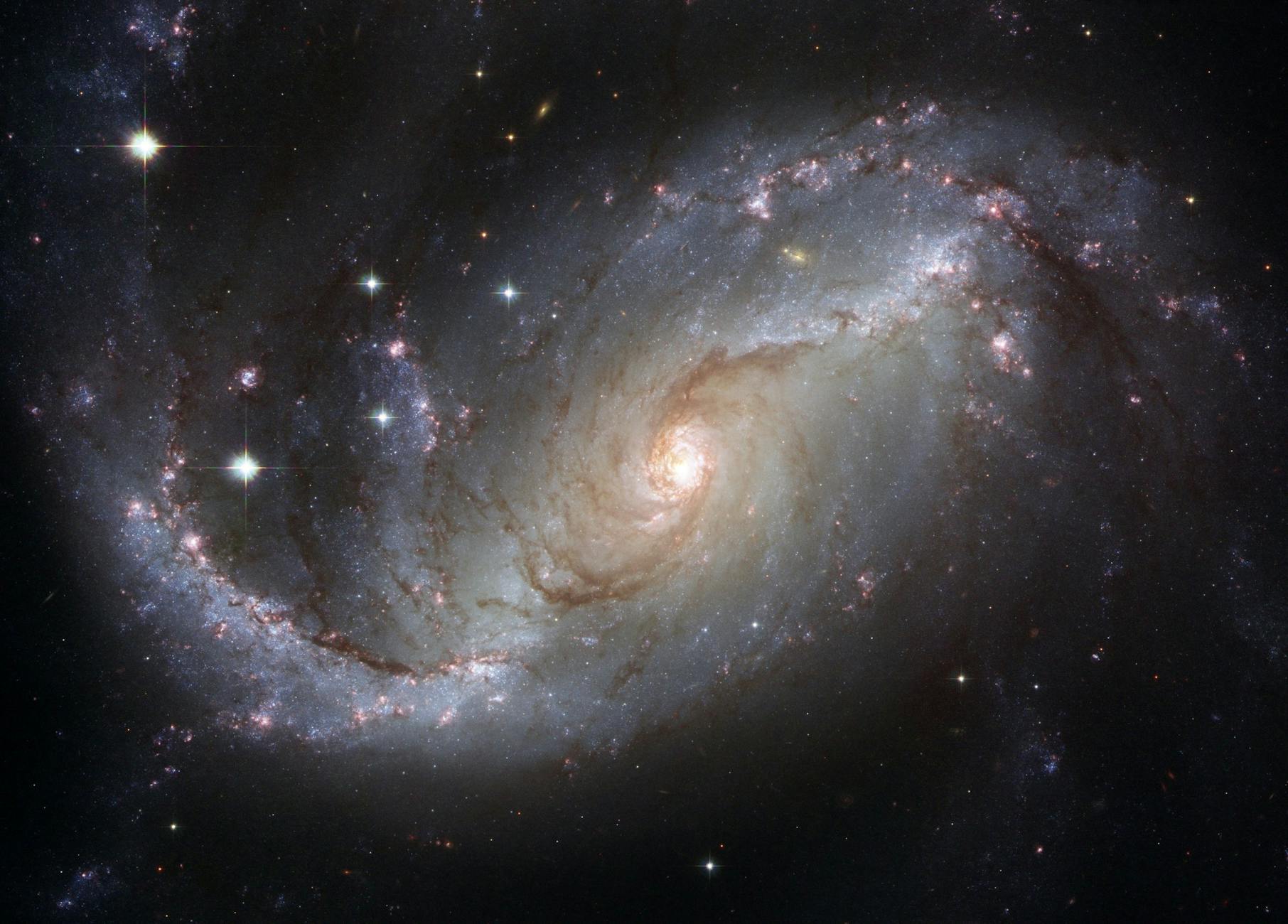
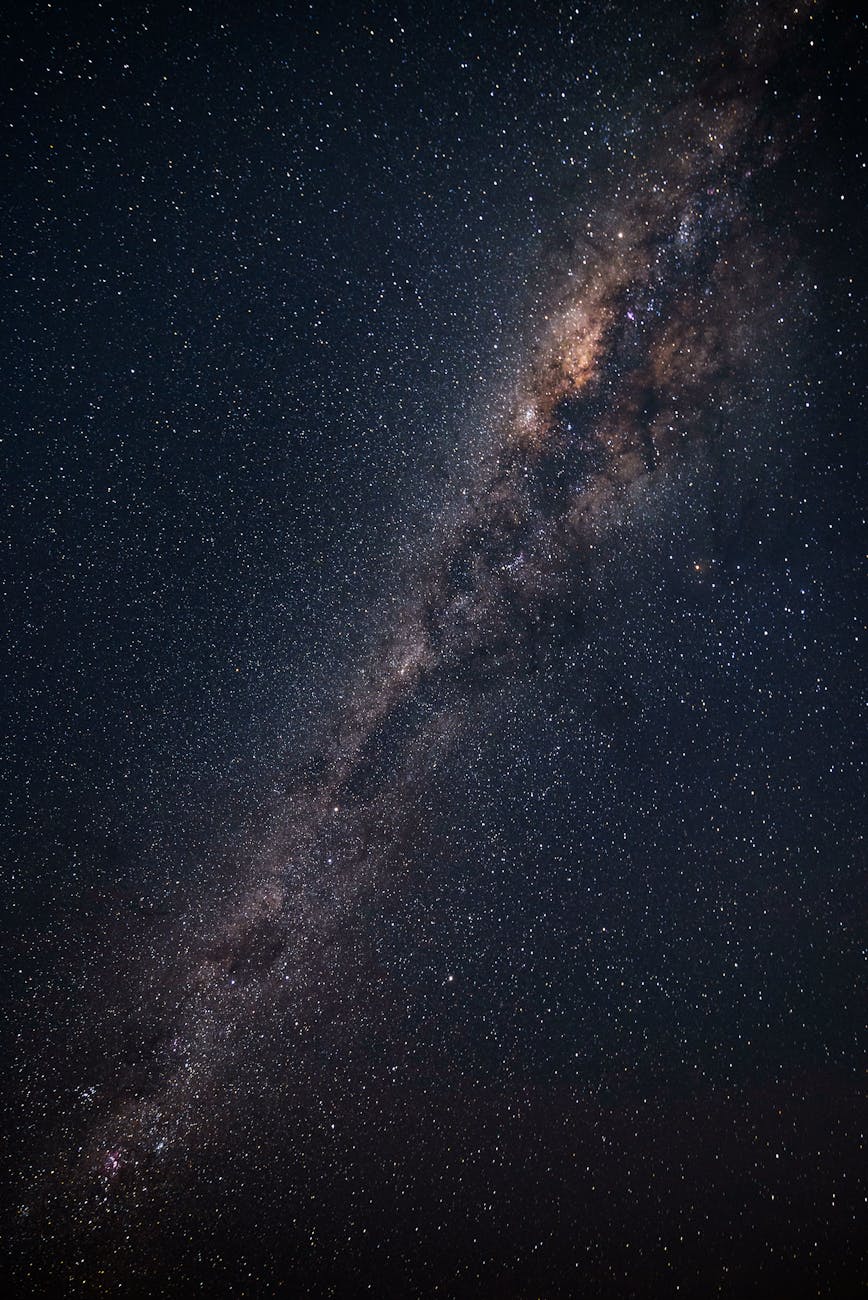
The Universe is unimaginably large. Our solar system is enormous. It consists of our star, the sun, the planets including earth, dwarf planets, asteroids, comets, rocks, the Kuiper belt, the Oort cloud, and much else. It is 100,000 times wider than the distance between the sun and our earth. Yet it is just one star system among between 100 and 400 billion in our galaxy, the Milky Way. 

But that is not all. According to the Nobel Prize winner in physics, Roger Penrose, our universe is just one in an eternal (infinite) series of universes, an eternal chain of Big Bangs that has always existed. See his conformal cyclic cosmology (CCC) model (and the book cycles of time).

According to Stephen Hawking, M-theory, an extension or collection of string theories, states that there are 10^500 or 10000000000000…(followed by five hundred zeros) possible multi-verses that are all equally possible. Hugh Everett’s multiverse or multi-world theory states that there are infinitely many universes.

Now try to imagine the size of it all. You can’t do that, can you?

The vastness of space and the beginning of infinity
Photo by Pixabay on Pexels.com

About The Universe

When the astrophysicist Brian Cox was asked the question “what is the one fact about the Universe that blows your mind the most?”, he answered, “One. Just the size and scale of it…”.

At first, I thought his answer was a bit boring. I mean, what about neutron stars, which essentially are giant atomic nuclei? What about the amazing mysteries surrounding black holes, and what about supermassive black holes, quasars, magnetars, the great attractor, what about the big bang, quantum physics, massless particles, the amazing general theory of relativity, dark energy, etc.

Then I tried to imagine the size and scale of the universe and I realized that he knew what he was talking about. The more you think about it, the more it blows your mind.

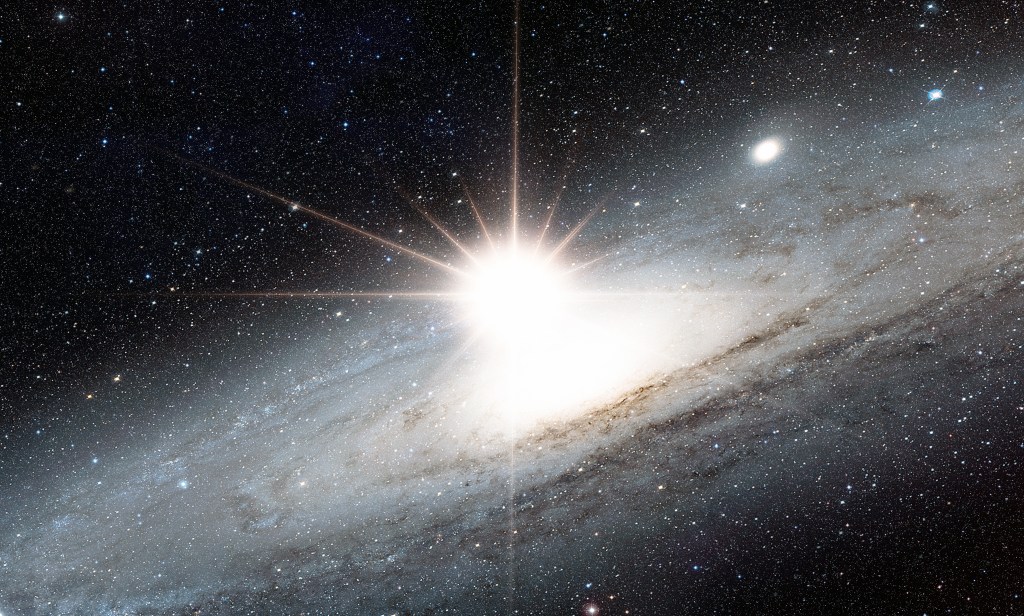
A picture of the Andromeda Galaxy with a bright white light near its center. The bright light is almost outshining the entire galaxy.
An illustration of the Andromeda galaxy with a supernova explosion near its center. “Elements of this image furnished by NASA” Stock Photo ID: 2495486227 by muratart.

The vastness of space and the beginning of infinity

Below is a 55 second video in which astrophysicist Brian Cox ruminates on what it means to live a finite fragile life in an infinite eternal Universe.

Our sun is a star. The sun’s diameter is 109 times larger than earth’s diameter, which means that you could fit more than one million earths inside the sun. The distance between the sun and the earth is called an astronomical unit or 1 AU. 1 AU is approximately 11.7 million times larger than earth’s diameter and 107,340 times larger than the sun’s diameter.

The solar system including all the planets, dwarf planets, asteroids, the Kuiper belt and the Oort cloud is 100,000 AU across with the sun just being a dust speck in the middle.

I mentioned that M-theory implies that there are at least 10^500 multiverses. To get an idea of how bif that number is;  It is a quintillion times a quintillion times a quintillion times a quintillion times a quintillion times a quintillion times a quintillion times a quintillion times a quintillion times a quintillion times  a quintillion times a quintillion times a quintillion times a quintillion times a quintillion times a quintillion times a quintillion times a quintillion times a quintillion times a quintillion times a quintillion times a quintillion times a quintillion times a quintillion a quintillion times a quintillion times a quintillion times. By the way a quintillion is a million trillion.

The vastness of space and the beginning of infinity
Photo by Philippe Donn on Pexels.com

Below are two more videos. The first one is trying to give a perspective on the size of our solar system, our galaxy, and the Universe. It is 11 minutes and 9 seconds long. The second one is very long, half an hour, and it is a bit advanced, so I recommend it only to star nerds.

However, at 22 minutes and a bit more than 30 seconds it states the observable universe is less than a 15 millionth of the universe (which might be even bigger) which contains at least 30 quintillion galaxies.


To see the other Super Facts click here