The goal of this blog is to create a long list of facts that are important, not trivia, and that are known to be true yet are either disputed by large segments of the public or highly surprising or misunderstood by many.
Author: thomasstigwikman
My name is Thomas Wikman. I am a software/robotics engineer with a background in physics. I am currently retired. I took early retirement. I am a dog lover, and especially a Leonberger lover, a home brewer, craft beer enthusiast, I’m learning French, and I am an avid reader. I live in Dallas, Texas, but I am originally from Sweden. I am married to Claudia, and we have three children. I have two blogs. The first feature the crazy adventures of our Leonberger Le Bronco von der Löwenhöhle as well as information on Leonbergers. The second blog, superfactful, feature information and facts I think are very interesting. With this blog I would like to create a list of facts that are accepted as true among the experts of the field and yet disputed amongst the public or highly surprising. These facts are special and in lieu of a better word I call them super-facts.
Super fact 74 : We celebrate the birth of Jesus on December 25th or December 24th, but it is quite unlikely that Jesus was born on those dates, and certainly not during the year zero.
Jesus Mary and Joseph Birth – This content was generated by an Artificial Intelligence (AI) system. Shutterstock Asset id: 2560713955
I’ve come across many adults who seriously believe that Jesus was born on December 25th. To them it will come as a big surprise to find out that the date of Jesus’ birth is never mentioned in the Gospels, or elsewhere in the Bible, not in any of the non-canonical Gospels, nor in any known historical sources. In addition, Luke’s Gospel mentions (Luke 2:8) shepherds tending flocks outdoors at night, which is not consistent with the cold winter in Judea. Biblical scholars (see 4th and 5th paragraphs in link) suggest that the information in the Gospel of Luke regarding the vision of John the Baptists father, Zechariah, leads to the conclusion that Jesus was likely born in September.
When was Jesus Born?
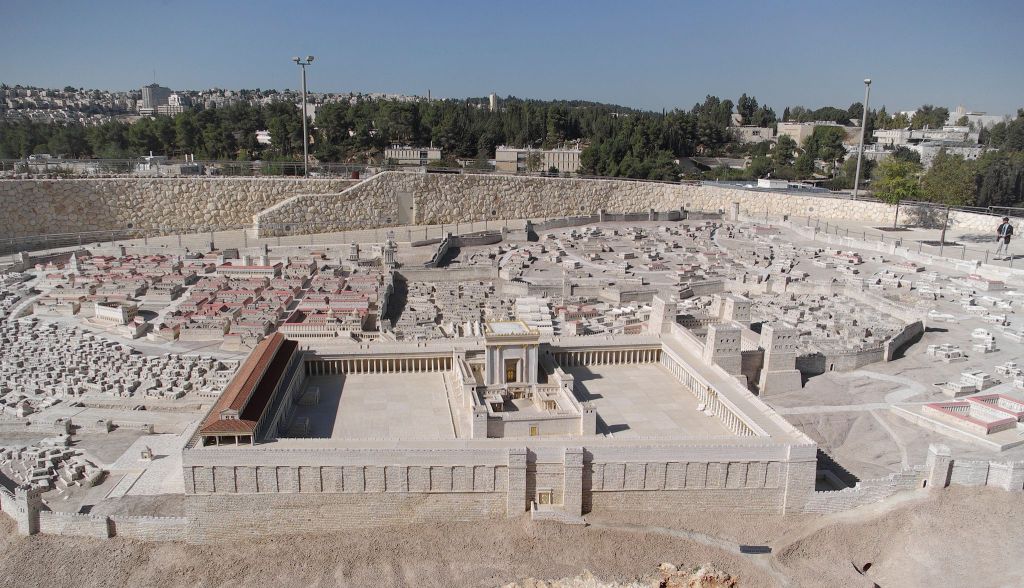
Jesus was not born during the year zero, because there was no year zero. The year after 1 BC (or BCE) is 1 AD (or CE). This causes problems for various scientific disciplines such as astronomy, climate science and history. The Gospel of Matthew mentioned that the birth took place during the time of Herod the Great who died in the year 4 BCE. I can add that Herod the Great got his moniker “Great” because of his extensive construction of cities, palaces, fortresses, aqueducts, and theaters across Judea, as well as the expansion of the Jewish temple.
The Gospel of Luke (Luke 2:1-2) states that the birth of Jesus took place during the census of the Roman governor of Syria, Quirinius (Cyrenius), which was in the year 6 CE, ten years after the death of Herod. However, there were other census taken earlier and scholars suggest that perhaps Luke’s account is a misstatement and that Mathew’s is more realistic. They conclude that Jesus was most likely born between 6 BCE and 4 BCE. As already mentioned it is very hard to pin down the time of the year when Jesus was born, but the month of September seems to be a likely candidate.
Herod was a builder and one of his projects was the expansion of the Temple. Herod’s Temple as depicted on the Holyland Model of Jerusalem. Berthold Werner, Public domain, via Wikimedia Commons.
Why is Christmas on December 25th?
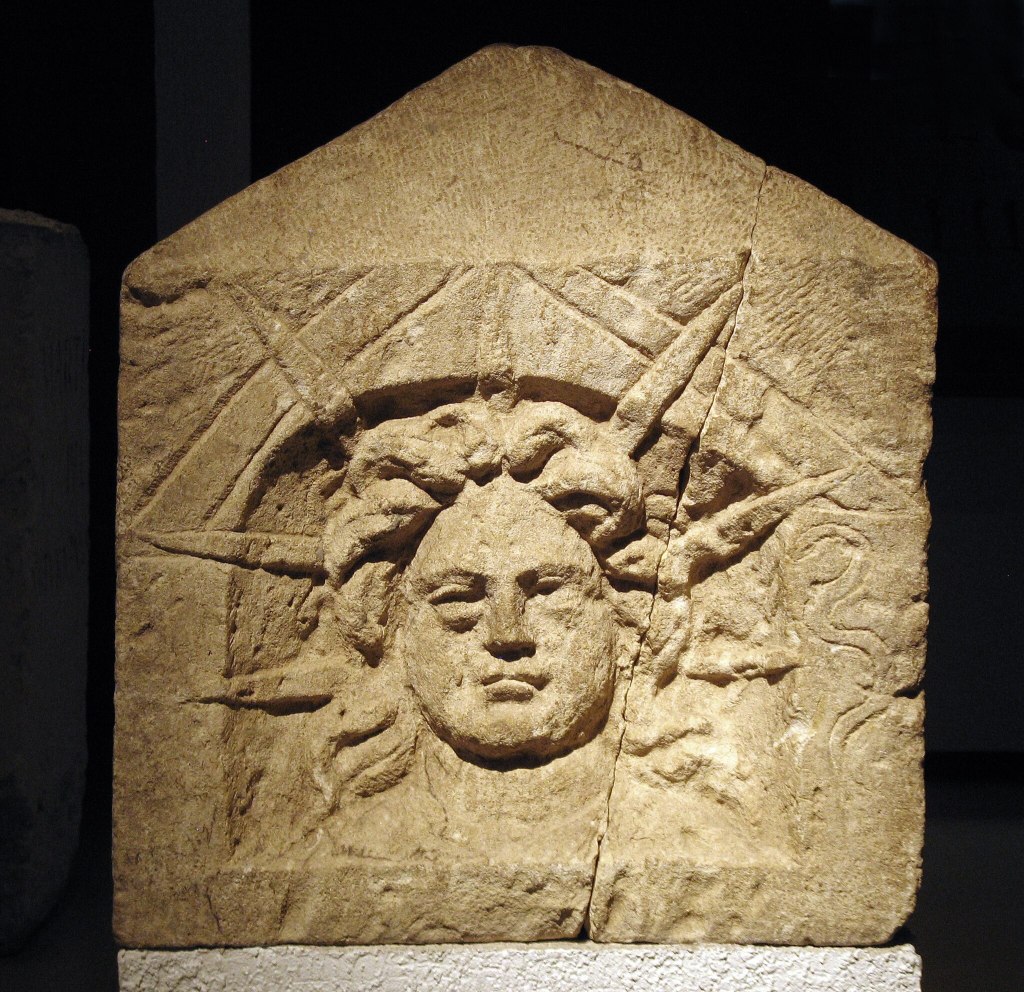
During the first few centuries after the birth of Jesus Christians did not celebrate his birth. The first mention of the birth of Christ on December 25 comes in the 3rd century CE by Hippolytus of Rome. The Roman festival Sol Invictus, celebrating the birth of the Sun God was Celebrated on December 25th. Many pre-Christian cultures marked the shortest day of the year, on December 21 or 22, as an important moment in the calendar, celebrating the “rebirth” of the sun. Germanic peoples celebrated Yule, and various Celtic and Mediterranean cultures held celebrations centered around the winter solstice. It is possible that December 25th was chosen as the day to celebrate the birth of Jesus so that people did not have to change the dates of their celebrations.
Regarding Germanic peoples celebrating Yule. In my native country Sweden Christmas is referred to as “Jul” pronounced “Yool” / “Yuul”. The word “Jul” directly comes from the Old Norse word “jól,” which referred to the pre-Christian midwinter festival (Yule in English). You can read about Scandinavian mythology here or here.
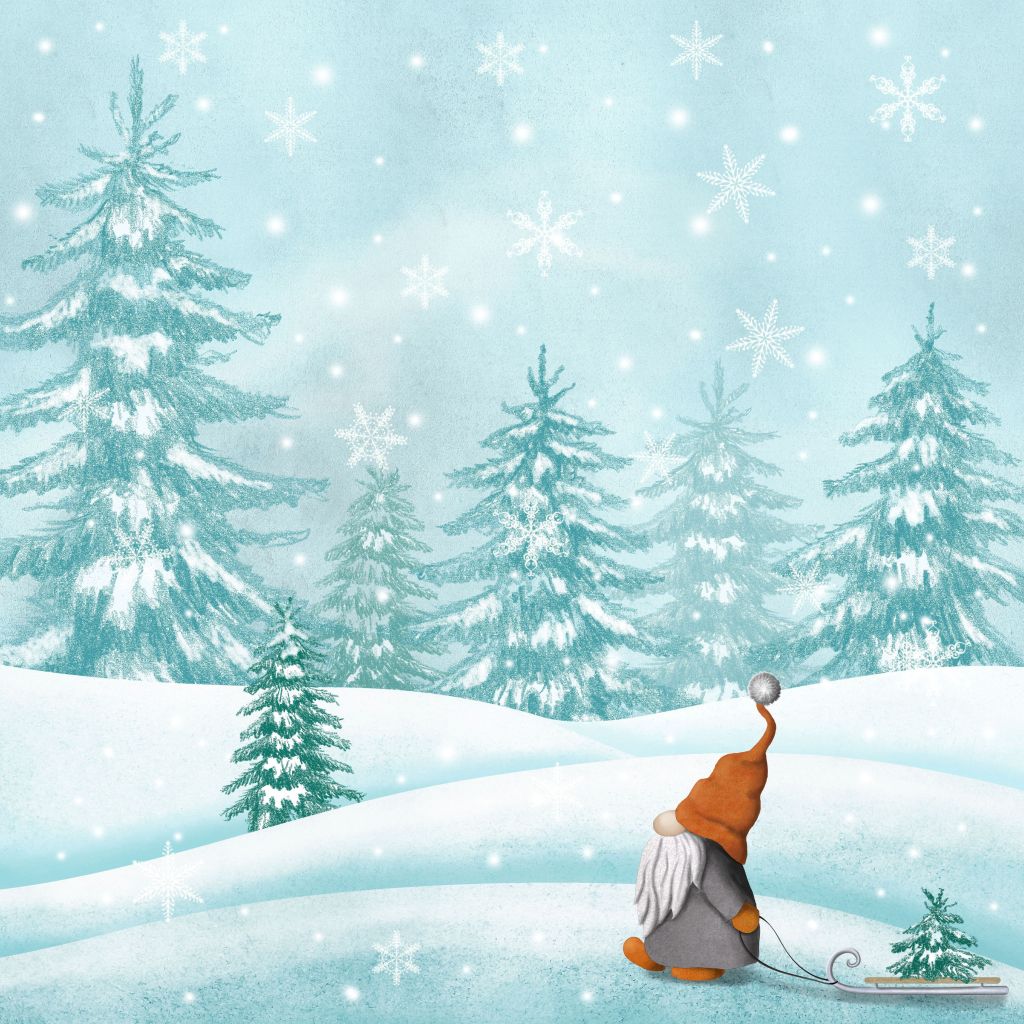
Tomtar (plural of Tomte) or Nisse in Norwegian is a type of small magical people, or gnomes, related to Vitter folk. They are friendly and is an inspiration behind the Swedish version of Santa Claus. An illustration of a Tomte. Shutterstock ID: 2060057882 by PLIMPLUM.
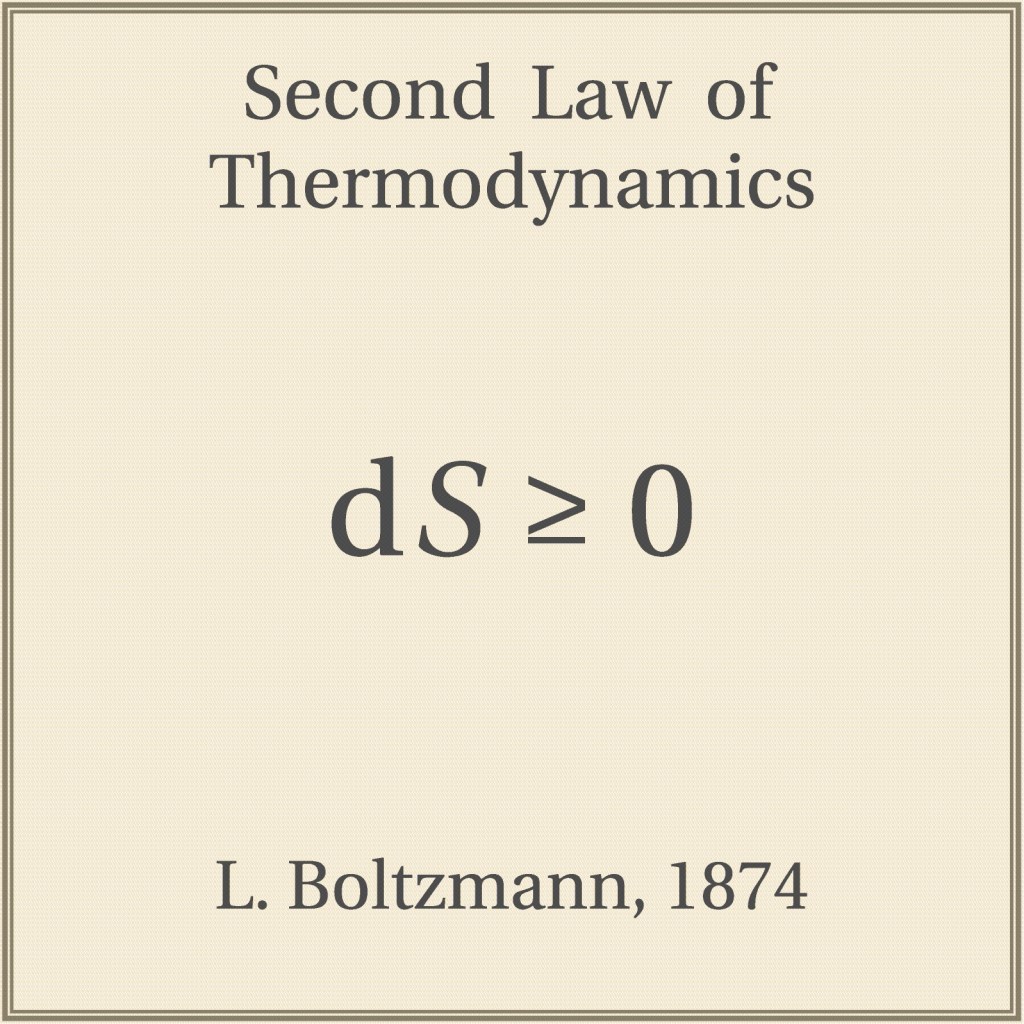
Super fact 73 : The second law of thermodynamics, or the fact that entropy is always increasing in an isolated system does not contradict evolution. Life is not a closed system. The environment is providing energy, the sun is providing energy, geological forces are providing energy, etc.
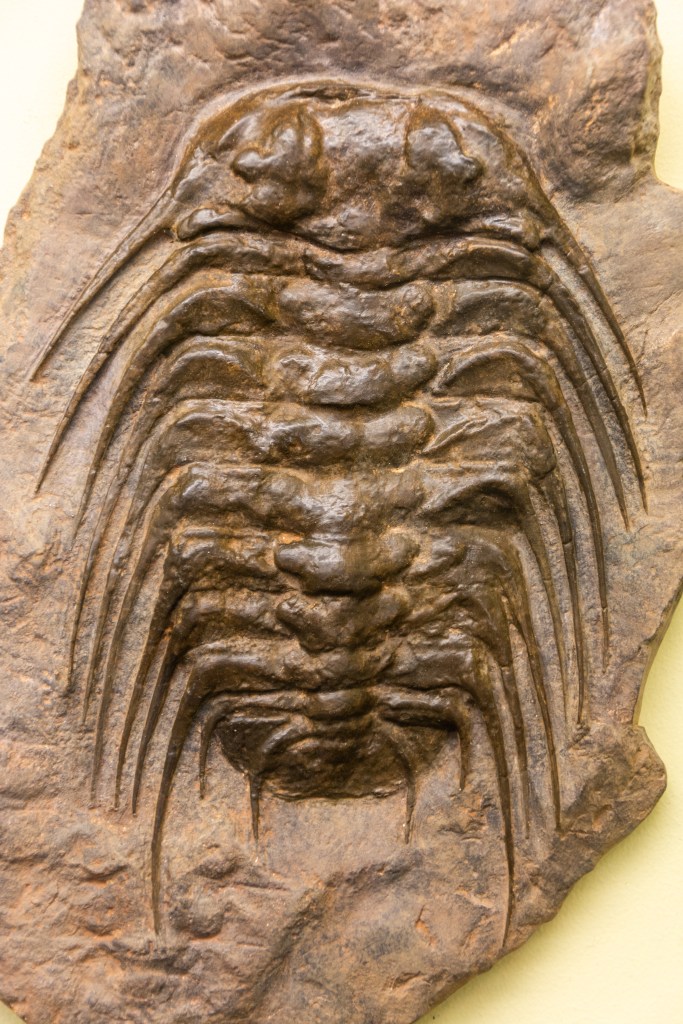
Does physical laws such as the second law of thermodynamics disprove evolution? This is a trilobite fossil. Shutter Stock Photo ID: 1323000239 by Alizada Studios
A lot of people have never heard of the second law of thermodynamics, or entropy and are unaware of the claim that the second law of thermodynamics contradicts evolution. So how can debunking this claim be surprising, and a super fact? The reason is that this is a popular claim among creationists and according to this Gallup poll 40% of Americans believe in creationism. The fact that this popular but false claim is rooted in a very basic misunderstanding of the second law of thermodynamics and what entropy is makes it super fact.
In the past I’ve read many creationist books that make the claim that the second law of thermodynamics contradicts evolution. One of them was Scientific Creationism (1985) by Henry M. Morris (the father of modern creation science), where he stated that the second law of thermodynamics says that everything tends towards disorder, making evolutionary development (ordering) impossible. The Death of Evolution: Restoring Faith and Wonder in a World of Doubt by Jim Nelson Black, another book I read, and which I gave a one star review on Amazon, makes the same claim. I’ve also come across a lot of people making this claim.
The people who make the claim that the Second Law of Thermodynamics contradict evolution typically do not understand the second law of thermodynamics and do not know what entropy is. Despite that fact they see it as a powerful argument against evolution. I’ve even seen it used against highly respected physics professors who “believe in”, well accept the reality of evolution, by people who had no understanding of the second law of thermodynamics. At one point I even believed the claim myself. Then I studied physics, and well, oops, I was forced to admit that I had been bamboozled.
The Second Law of Thermodynamics
The Second Law of Thermodynamics states that the total entropy (disorder) of an isolated system always increases over time. This means that natural processes tend to move from order to disorder (within the isolated system). It should be noted that disorder is a popular but imperfect metaphor for entropy. Entropy is not the same thing as what people think of as disorder. In physics entropy refers to the logarithm of the number of microstates compatible with the system’s measurable macroscopic state. As molecules randomly arrange themselves into new macroscopic states, the number of possible microstates will increase.
It also means that heat will spontaneously flow from hotter to colder objects, but never the reverse. Another thing it means is that mechanical energy can be converted to thermal energy, but never the reverse. It turns out that those seemingly different statements are physically identical.
Second law of thermodynamics. S corresponds to entropy. Shutter Stock Vector ID: 2342031619 by Sasha701
It is very possible that the entropy of an organism is lower compared to a blob corresponding to all its molecules randomly distributed within a blob. However, that organism did not evolve in isolation inside a hermetically enclosed box without any energy from the outside. Life and evolution operate in an environment full of energy coming from the sun, the Earth, winds, oceans, geological forces, radiation, etc. Evolution does not take place in an isolated system.
It is also important to understand that within an isolated system, pockets of lower entropy can form if they are offset by increased entropy elsewhere within the system. That’s what the word “total” in total entropy means. Crystal formation is an example of creating local pockets of lower entropy (less “disorder”) within a system, but this is always accompanied by a greater increase in entropy in the surroundings. The Universe is an isolated system so the entropy within the Universe should always increase, but again the local pockets of lower entropy that evolution may create are accompanied by a greater increase of entropy elsewhere.
Atoms in a crystal. The crystal represents a pocket of lower entropy. As this pocket of lower entropy forms there is equal of greater increase in entropy in the surroundings. What is true for the crystal is true for the molecules in living beings. Neither the formation of crystals nor the evolution of life contradicts the second law of thermodynamics. Asset id: 689181712 by BK_graphic.
Below is a YouTube video explaining how the second law of thermodynamics does not contradict evolution.
Entropy – Arrow of time
An interesting aspect of the second law of thermodynamics is that it makes entropy serve as an arrow of time. In general, the fundamental laws of physics are time reversible. The equations work the same forwards and backward in time. The equations for gravity, electromagnetism, and the strong nuclear force work the same regardless of time’s direction. An example is if you filmed a planet orbiting a star and played it backward, it would still follow the laws of motion the same way.
Throw a bunch of billiard balls on the floor and film them bouncing and hitting each other and the walls. If you then run the film backwards and forwards it would be far from obvious which is forward and which is backwards, except for the fact that the balls will slow down due to friction. However, balls slowing down due to friction is mechanical energy turning into heat, which is an example of the second law of thermodynamics. The fundamental laws of physics are time reversible, but the second law of thermodynamics is a notable exception. Entropy always increases in an isolated system (like the Universe). By measuring entropy, you can distinguish the past from the future, giving time a direction
I recently read a very interesting book on the history of our Planet Earth, Becoming Earth: How Our Planet Came to Life by Ferris Jabr. Life of various forms, microbes, fungi, plants, animals, etc., has had a large impact on climate, earth’s crust, the composition of the atmosphere, the oceans, and still do. This fact filled book is about this four and half billion history. Below is my review of the but first something about the book formats.
Becoming Earth Book Formats
Becoming Earth: How Our Planet Came to Life by Ferris Jabr comes in four formats. I bought the hardback format.
Hardcover – Publisher : Random House (June 25, 2024), ISBN-10 : 0593133978, ISBN-13 : 978-0593133972, 304 pages, item weight : 2.31 pounds: 6.3 x 1.1 x 9.55 inches, it costs $16.68 on US Amazon. Click here to order it from Amazon.com.
Paperback – Publisher : Random House Trade Paperbacks (April 1, 2025), ISBN-10 : 0593133994, ISBN-13 : 978-0593133996, 320 pages, item weight : 4.8 ounces, dimensions : 5.15 x 0.75 x 7.97 inches, it costs $ 13.57 on US Amazon. Click here to order it from Amazon.com.
Kindle – Publisher : Random House (June 25, 2024), ASIN : B0CJTLBCDX, ISBN-13 : 978-0593133989, 423 pages, it costs $5.99 on US Amazon. Click here to order it from Amazon.com.
Audio– Publisher : Random House Audio (June 25, 2024), Listening Length : 9 hours and 27 minutes, ASIN : B0CKM3P33F, it costs $0.99 on US Amazon with membership. Click here to order it from Amazon.com.
Front cover of Becoming Earth: How Our Planet Came to Life by Ferris Jabr. Click on the image to go to the Amazon page for the hardcover version of the book.
Amazon’s Description of Becoming Earth
NEW YORK TIMES BESTSELLER • A vivid account of a major shift in how we understand Earth, from an exceptionally talented new voice. Earth is not simply an inanimate planet on which life evolved, but rather a planet that came to life.
“Glorious . . . full of achingly beautiful passages, mind-bending conceptual twists, and wonderful characters. Jabr reveals how Earth has been profoundly, miraculously shaped by life.”—Ed Yong, Pulitzer Prize winner and bestselling author of An Immense World
FINALIST FOR THE LOS ANGELES TIMES BOOK PRIZE • FINALIST FOR THE OREGON BOOK AWARD • AN AMERICAN LIBRARY ASSOCIATION NOTABLE BOOK OF THE YEAR
A BEST BOOK OF THE YEAR: Smithsonian, Chicago Public Library, Booklist, Scientific American, Nature
A BEST BOOK OF THE SUMMER: The Atlantic and NPR’s Science Friday
One of humanity’s oldest beliefs is that our world is alive. Though once ridiculed by some scientists, the idea of Earth as a vast interconnected living system has gained acceptance in recent decades. We, and all living things, are more than inhabitants of Earth—we are Earth, an outgrowth of its structure and an engine of its evolution. Life and its environment have coevolved for billions of years, transforming a lump of orbiting rock into a cosmic oasis—a planet that breathes, metabolizes, and regulates its climate.
Acclaimed science writer Ferris Jabr reveals a radical new vision of Earth where lush forests spew water, pollen, and bacteria to summon rain; giant animals engineer the very landscapes they roam; microbes chew rock to shape continents; and microscopic plankton, some as glittering as carved jewels, remake the air and sea.
Humans are one of the most extreme examples of life transforming Earth. Through fossil fuel consumption, agriculture, and pollution, we have altered more layers of the planet in less time than any other species, pushing Earth into a crisis. But we are also uniquely able to understand and protect the planet’s wondrous ecology and self-stabilizing processes. Jabr introduces us to a diverse cast of fascinating people who have devoted themselves to this vital work.
Becoming Earth is an exhilarating journey through the hidden workings of our planetary symphony—its players, its instruments, and the music of life that emerges—and an invitation to reexamine our place in it. How well we play our part will determine what kind of Earth our descendants inherit for millennia to come.
This book gives us a brief overview of the natural history of Earth, emphasizing that not only is life impacted by geological forces, but life is influencing and even creating the composition of the atmosphere, impacting climate and even affecting geological forces. The author explains how microbes, plants, and animals transformed the planet. He is explaining how humans are transforming planet Earth and its climate through fossil fuel consumption, agriculture, and pollution. He is noting that we have altered more layers of the planet in less time than any other species, pushing Earth into a crisis. The author promotes the idea that Earth itself is a living organism (Gaia hypothesis). I am not sure if I entirely buy that idea, but he makes a good case for it.
The book covers a lot of history. Earth is four and half billion years old and a lot has happened. As a result, there are no deep dives into topics. However, the book is filled with hundreds of interesting facts and information, which makes the book a page turner to anyone with a curious mind. One major example of this is that about three billion years ago Cyanobacteria evolved a new type of photosynthesis that used sunlight, water, and carbon dioxide to create energy, while releasing oxygen as a waste product. This transformed the atmosphere and enabled complex life by allowing aerobic respiration to evolve. This invention turned the sky blue, gave us the protective ozone layer, but also caused climate change (snowball Earth) resulting in massive extinctions.
However, there is much more. Another example is that microbes helped transform Earth’s crust. During the first half billion years of Earth’s history, Earth was a water world save for volcanic islands. Trees communicate and assist each other via fungi (Mycorrhizas). Phytoplankton produces 50% of all oxygen, the invention of the Haber-Bosch process more than doubled the world’s crop harvest, there once was 30-60 million Bison roaming the plains, humans now emit 60 to 120 times more carbon dioxide each year than all the world’s volcanoes.
As I mentioned there are hundreds more interesting facts. He also presents a lot of facts and information regarding the destruction of the environment, which may not sit well with everyone. However, I think it is important information. The book includes a large number of references for further reading.
The book is well written and well organized and included fun personal anecdotes. It was easy and entertaining reading and like I said, it is a page turner to people with a curious mind. I loved this book and I highly recommend it.
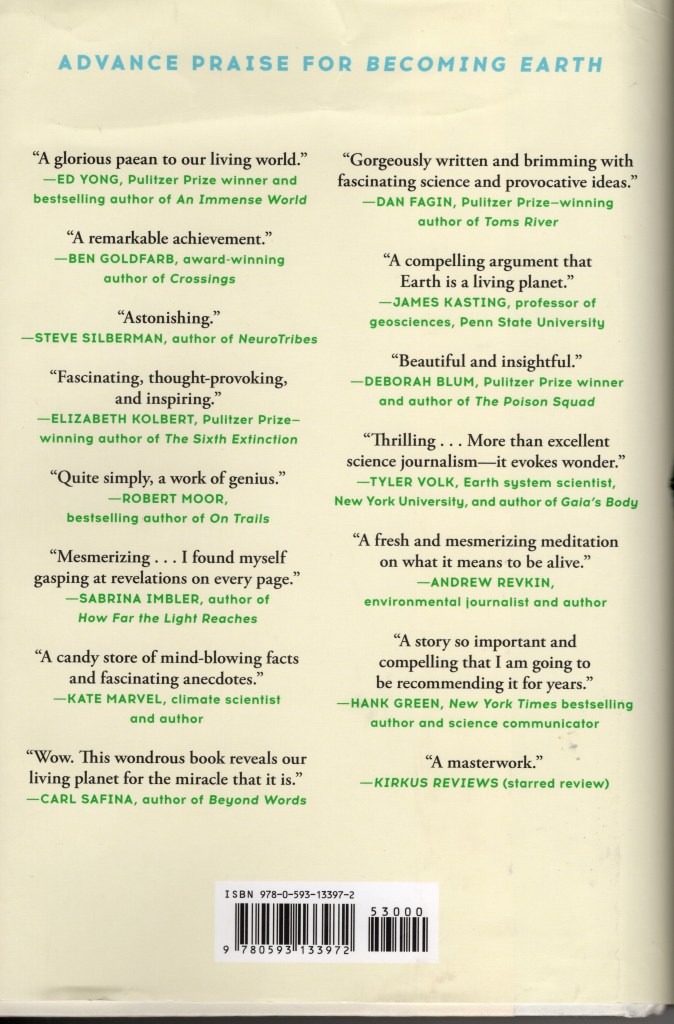
Back cover of Becoming Earth: How Our Planet Came to Life by Ferris Jabr. Click on the image to go to the Amazon page for the paperback version of the book.
Super fact 72 : About three billion years ago Cyanobacteria evolved a new type of photosynthesis that used sunlight, water, and carbon dioxide to create energy, while releasing oxygen as a waste product. This transformed the atmosphere and enabled complex life by allowing aerobic respiration to evolve. This invention turned the sky blue, gave us the protective ozone layer, but also caused climate change resulting in massive extinctions.
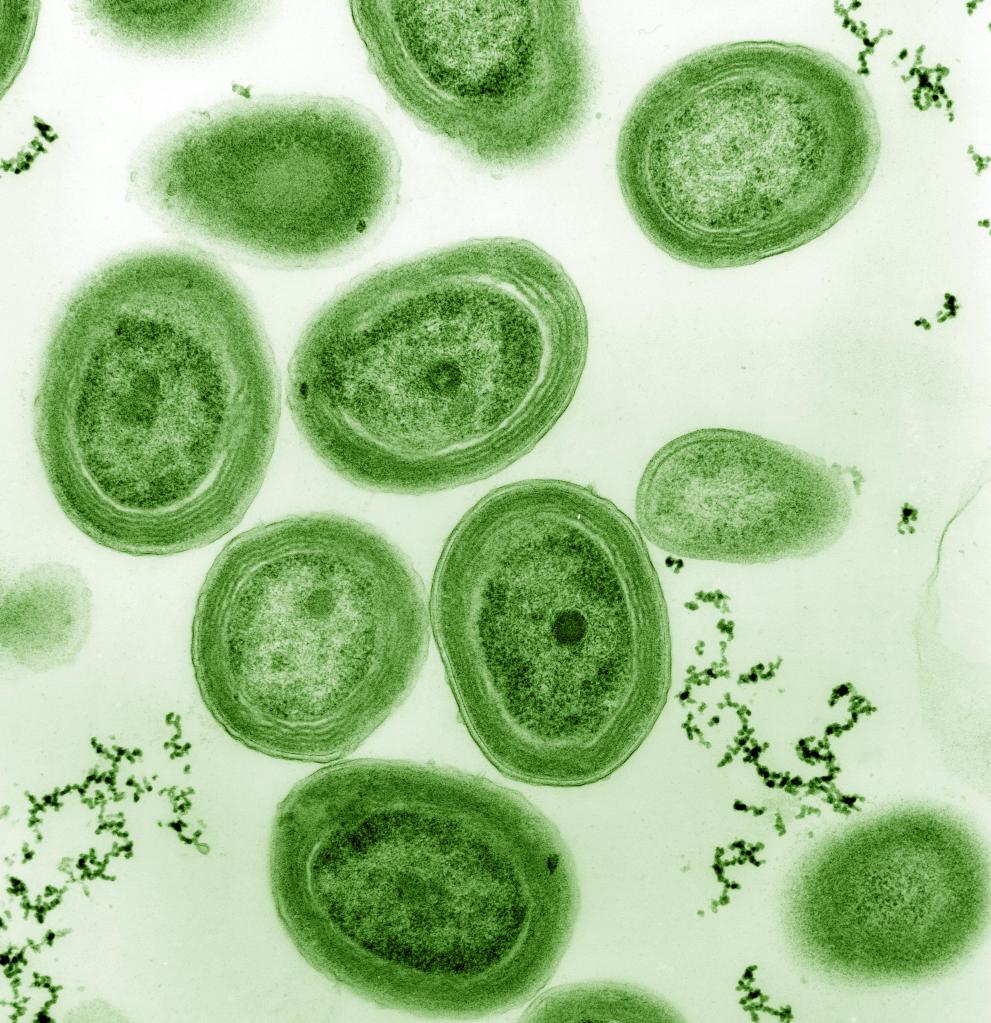
An example of a Cyanobacteria. From Wikipedia. Luke Thompson from Chisholm Lab and Nikki Watson from Whitehead, MIT, CC0, via Wikimedia Commons
Cyanobacteria, also known as blue-green algae, are bacteria capable of oxygenic photosynthesis. Between 3.4 and 2.5 billion years ago they developed a new and very effective form of photosynthesis, which took advantage of highly abundant resources, using sunlight, water, and carbon dioxide turning it into sugar and releasing oxygen as byproduct. This is referred to as the Great Oxidation Event. You can read more about this event here, here, here, here, here, or in the book Becoming Earth by Ferris Jabr.
The atmosphere prior to the Great Oxidation Event was primarily composed of volcanic gases including nitrogen, carbon dioxide, water vapor, methane and ammonia, but almost no free oxygen. The Great Oxidation Event changed all this, but it likely took at least 200 million years.
Cyanobacteria vector illustration. Biological blue green algae diagram with carboxysome, thylakoid and phycobilisome parts location inside cell. Asset id: 1687712761 by VectorMine
A Microbial Great Extinction and Snowball Earth
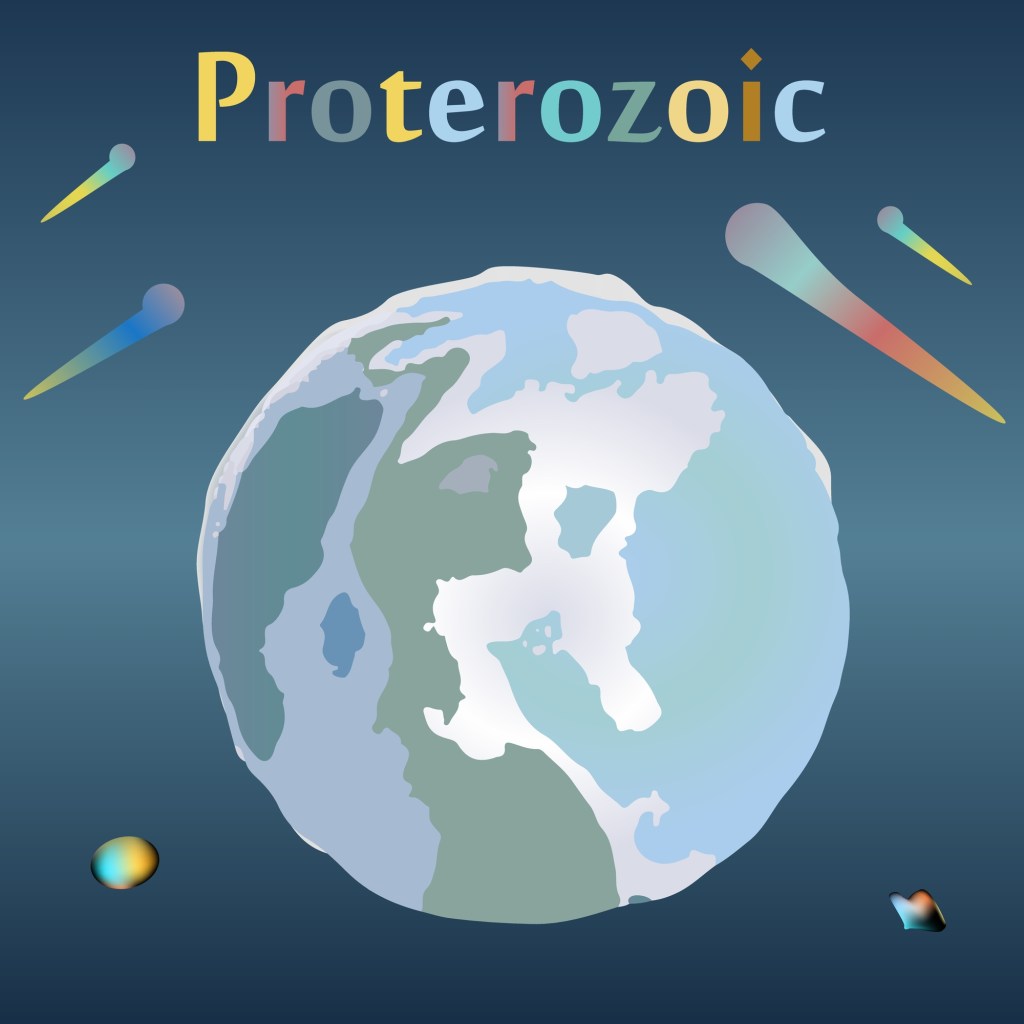
Oxygen was a toxic gas to many early microbes forcing them to adapt or perish. In addition, the change in the atmospheres composition changed the climate, resulting in a severe global cooling referred to as Snowball Earth. This caused a great extinction, perhaps the most severe extinction in Earth’s history. It is not included among the five mass extinction events in Earth’s history because it happened very early in Earth’s history when only primitive microbial life existed and fossil evidence from that time is nearly non-existent. The definition of a mass extinction event is that at least 75% of the world’s species are lost during a short period of time – geologically speaking. This period is not clearly defined but often defined to be two million years. It is very difficult to determine whether the great extinction following the Great Oxidation Event qualifies as a mass extinction event. To read about mass extinctions click here.
Proterozoic era in the history of the Earth. Snowball earth. Global glaciation of the Earth. Asset id: 2010272753 by Elena Kelman
The Ozone Layer and the Blue Sky
Oxygen is also responsible for formation of the ozone layer in the atmosphere. The UV radiation from the sun split oxygen molecules, which consist of two oxygen atoms, into two separate atoms of oxygen, which then reacted with another oxygen molecule to generate ozone, and oxygen molecule consisting of three oxygen atoms. Ozone acts as a natural sunscreen to prevent harmful UV radiation from reaching the earth. Therefore, oxygen not only enables land dwelling complex multicell organisms to exist by allowing aerobic respiration to evolve, but also by protecting life from too much UV radiation.
As mentioned above, the atmosphere prior to the Great Oxidation Event was primarily composed of volcanic gases and almost no free oxygen. The color of the sky was likely orange, brown. As oxygen replaced the existing gases the sky slowly turned blue. Oxygen molecules along with Nitrogen molecules scatter blue light from the sun through a process called Rayleigh scattering, making the sky appear blue.
Cyanobacteria and The Great Oxygenation Event
It should be noted that there were other geological and biological processes that were responsible for this permanent shift in the Earth’s system, including changes in the composition of volcanic emissions and chemical reactions that allowed atmospheric hydrogen to escape to space, leaving behind an excess of oxygen molecules. However, whatever the exact mix of mechanisms, cyanobacteria were undoubtedly a critical source of accumulating oxygen. It is possible that tectonic activity altered the cycling and distribution of phosphorus and other nutrients essential for cyanobacteria. To read more see the book Becoming Earth by Ferris Jabr.
Super fact 71 : Based on the fossil record today’s extinction rate is hundreds, or even thousands, of times higher than the natural baseline rate.
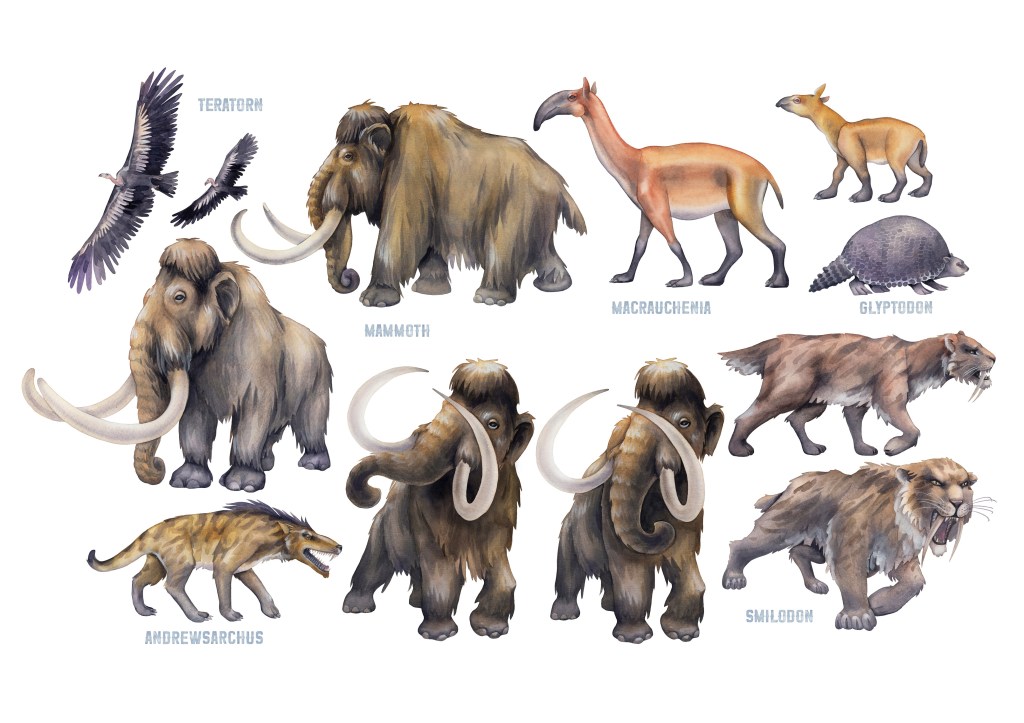
Collection of watercolor prehistoric and now extinct animals isolated on a white background. Hand painted illustration of Ice Age. Asset id: 2169205593 by Ekaterina Glazkova
Estimating the extinction rate is a complicated task that requires some assumptions and estimations. This article from the National Library of Medicine use what it claims to be conservative estimates, which would tend to minimize evidence of an emerging mass extinction. Despite that fact the average rate of vertebrate species loss over the last century is up to 100 times higher than the extinction rate without/before humans (background rate). Other sources claim an extinction rate that is 1,000 or even 10,000 the background rate.
To put some specific numbers on what a high extinction rate means, scientists count 881 animal species are known to have gone extinct since around 1500. If we include animal species that scientists suspect might be extinct, that number shoots up to 1,473. You can read more on the issue here or here or here.
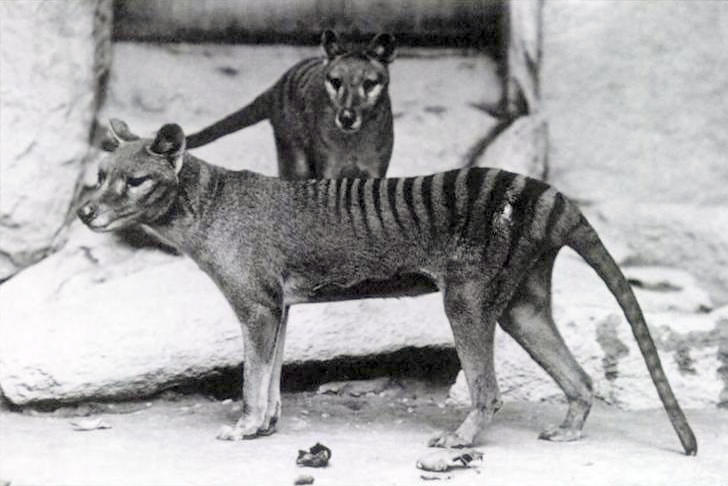
Two Tasmanian Tigers. The Tasmanian Tiger or Thylacine was hunted to extinction. Benjamin, the last Tasmanian Tiger, died in 1936 in the Beaumaris Zoo in Tasmania. Baker; E.J. Keller., Public domain, via Wikimedia Commons
What is clear is that the current extinction rate is much higher than what is typical and we humans are the cause. This came as a shock to me the first time I found out about it, and it is certainly an important topic, and therefore a super fact. It is true, surprising to many, and important.
Those who want to minimize the problem with the ongoing extinctions often point out that extinctions are a natural part of evolution and that throughout Earth’s history up to around 98% of all species that have ever existed are now extinct. In my opinion, that argument fails to consider the enormity of Earth’s four billion year natural history. A lot of evolution happened during that time.
Modern humans have only been around 300,000 years, or 0.0075% of that time, a tiny blip in time. Human civilization has only been around for 12,000 years, or 0.0003% of that time, an even tinier blip in time. Like comparing an ant head to a mile. Us having a large negative impact on the natural world in such an extremely short time is quite notable.
By considering the extinction rate you get a better idea of the scope of the problem. The fact that the extinction rate today is significantly higher than the expected natural rate and that the primary cause of modern extinctions is human impact as opposed to natural phenomena, makes it a case for concern. To read about a related issue, “The Wild Mammal Biomass Has Substantially Declined”, click here.
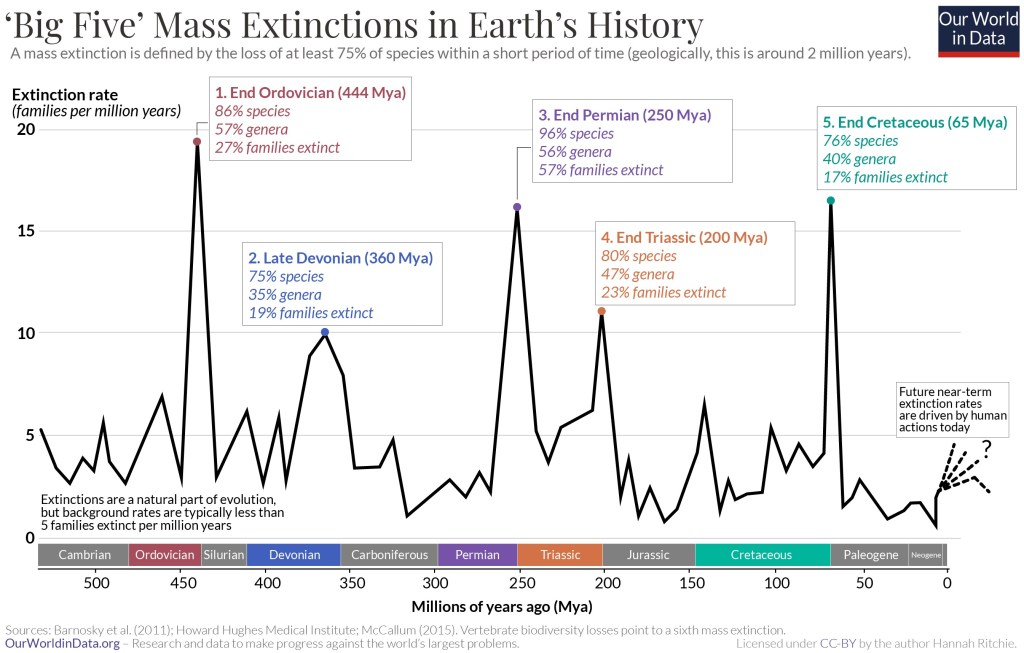
Over the last 440 million years life on Earth has experienced five so called mass extinctions. A mass extinction event is when at least 75% of the world’s species are lost during a short period of time – geologically speaking. This period is not clearly defined but often defined to be two million years. Two million years may seem like a long time, but geologically speaking, it is a short time.
Extinction of the dinosaurs when a large asteroid hits earth 66 million years ago. It was the last mass extinction event. Asset id: 2196200279 by funstarts33
End Cretaceous (65 mya) – the event that killed off the dinosaurs.
Below is an overview of the five big mass extinctions in Earth’s history. The graph is from Our World in Data.
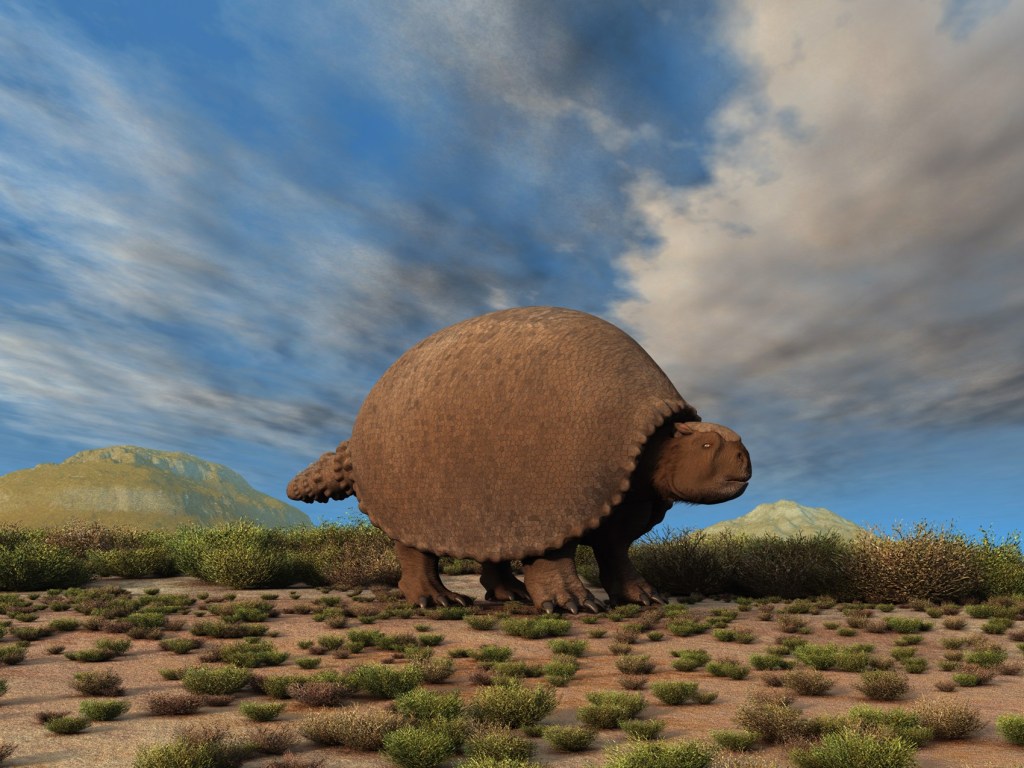
The Big Five Mass Extinctions in Earth’s History. A mass extinction is defined by the loss of at least 75% of species within a short period of time (geologically, this is around 2 million years). Extinctions are a natural part of evolution, but background rates are typically less than 5 families extinct per million years. Sources Barnosky et al (2011). Howard Hughes Medical Institute: McCallum (2015). Vertebrate biodiversity losses point to a sixth mass extinction. From Our World in Data.Are We in the Middle of a Sixth Mass Extinction ?3D illustration of a Glyptodon, also extinct, Asset id: 495169627
Biodiversity experts have estimated that about 30% (uncertainty range: 16–50%) of species have been globally threatened or driven to extinction since the year 1500. 30% globally threatened or extinct is not 75% that are actually extinct, but in just 500 years that looks like a quick start on a mass extinction. It should be noted that 500 years is just 0.025% of two million years. Issues such as deforestation, chiefly the result of replacing forests with agriculture, overexploitation, and global warming / climate change are driving extinctions and represent big biodiversity threats in the near future.
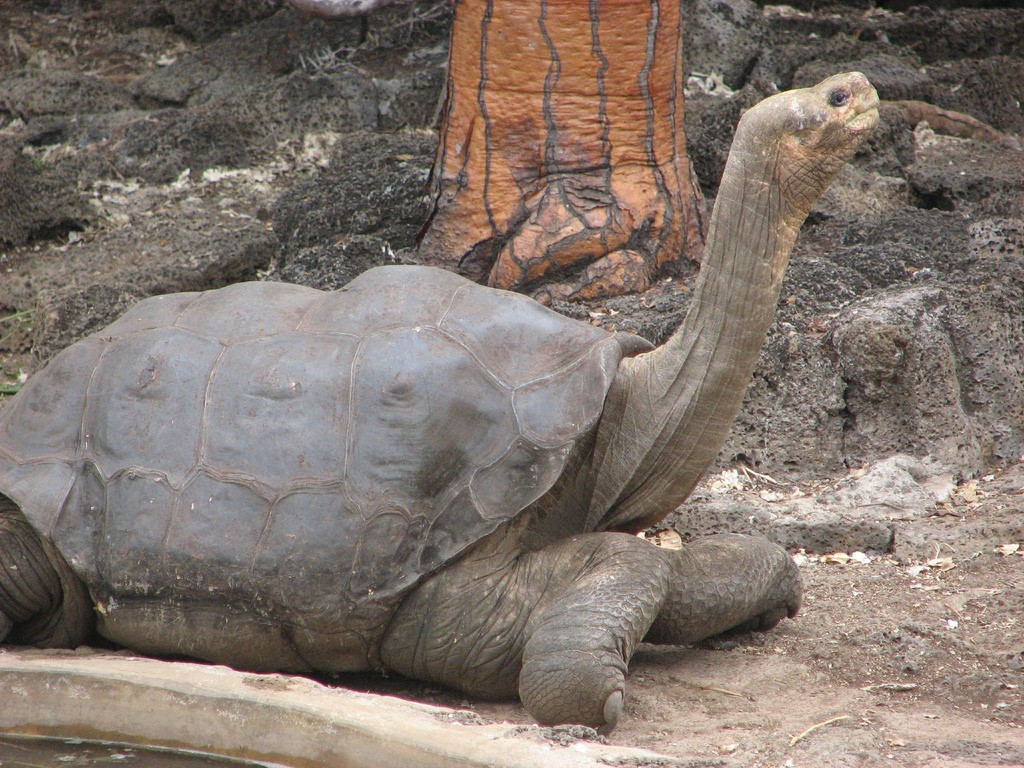
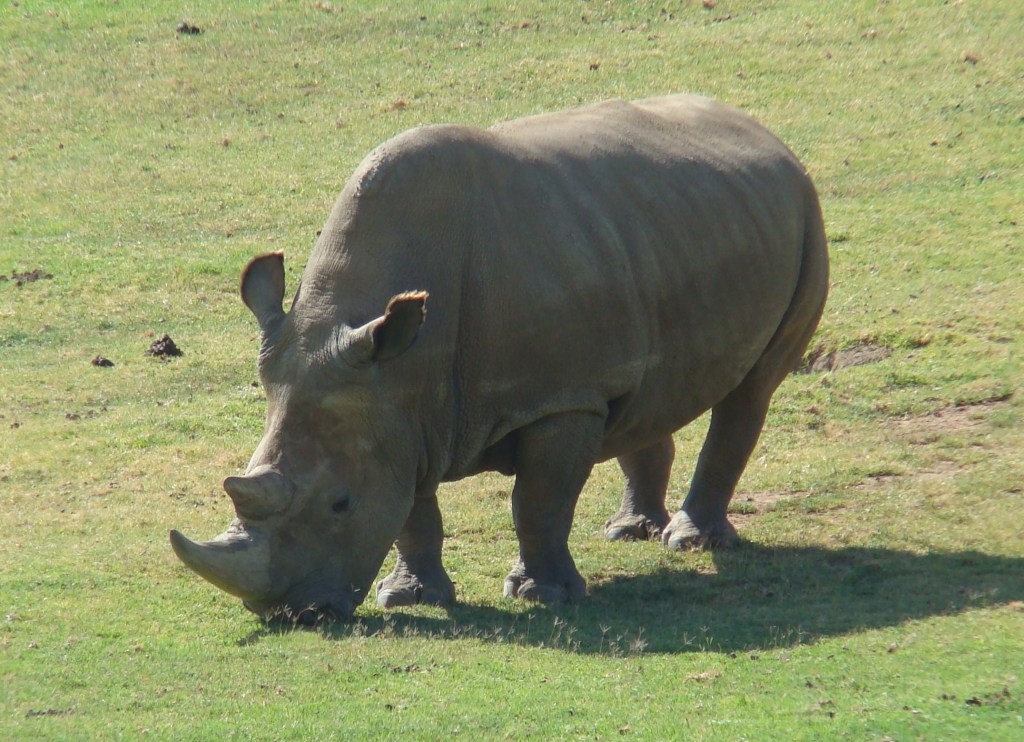
The Northern white rhino subspecies, the second-largest land mammal after elephants, has no hope of recovery after the last male died in 2018. Only a female and her daughter are left. The photo is of Angalifu, a male northern white rhinoceros at the San Diego Zoo Safari Park. Angalifu died of natural causes at the age of 44 on 14 December 2014. Sheep81, Public domain, via Wikimedia Commons.
Posting this on Thanksgiving Day may seem awkward. However, whether there will be a human caused sixth mass extinction or not depends on us, and it looks like more people want to protect our natural world. Many animals, such as the giant panda, bald eagle, the sea otter, black footed ferret, the Peregrine falcon, the blue whale, Rodrigues fruit bat, the Island night lizard, and the California condor, have been saved from extinction through conservation efforts like habitat restoration, anti-poaching laws, captive breeding programs, and reintroduction to the wild. Perhaps we are turning things around. We should give thanks to all who care.







 Super Facts