
Super fact 65 : The United States covers approximately 6.14% of Earth’s total land area. Despite that approximately 75% of the world’s tornadoes occur in the United States, making the risk of a tornado in the US 46 times higher than in the rest of the world. Tornadoes are particularly common in Tornado alley. Canada is the country with the second-highest number of tornadoes globally.
Our neighborhood was ravaged by an EF3 tornado in the evening of October 20, 2019. Today is the six year anniversary of that event. One year ago, I was interviewed by the NBC about this event. Yes, I was on TV. NBC had found me via my Leonberger dog blog. I’ve included the clip below.
It appears that the most common statistics stated by reliable sources is that approximately 75% of the world’s tornadoes occur in the United States (click here, here, or here). As stated, 75% is an approximate number and another common number is 90%. 90% might be overstated because smaller tornadoes are underreported in the rest of the world. Whether the correct number is 75% or 90% it is clear that the United States has the most tornadoes. It is the Tornado Country of the world.
It is quite astonishing that one country, the United States, has such a high concentration of this extreme weather phenomenon. Most Americans know that their country is special in this regard. I’ve met a lot of Europeans (I am from Europe / Sweden myself) who thinks tornadoes is just Hollywood thing. However, it is a real and very common phenomenon in the United States, and that is surprising to much of the rest of the world. It is also an important extreme weather phenomenon that kills a lot of people and causes billions of dollars in damage every year. This is why I consider “United States is Tornado Country” a super fact.

Tornado Alley
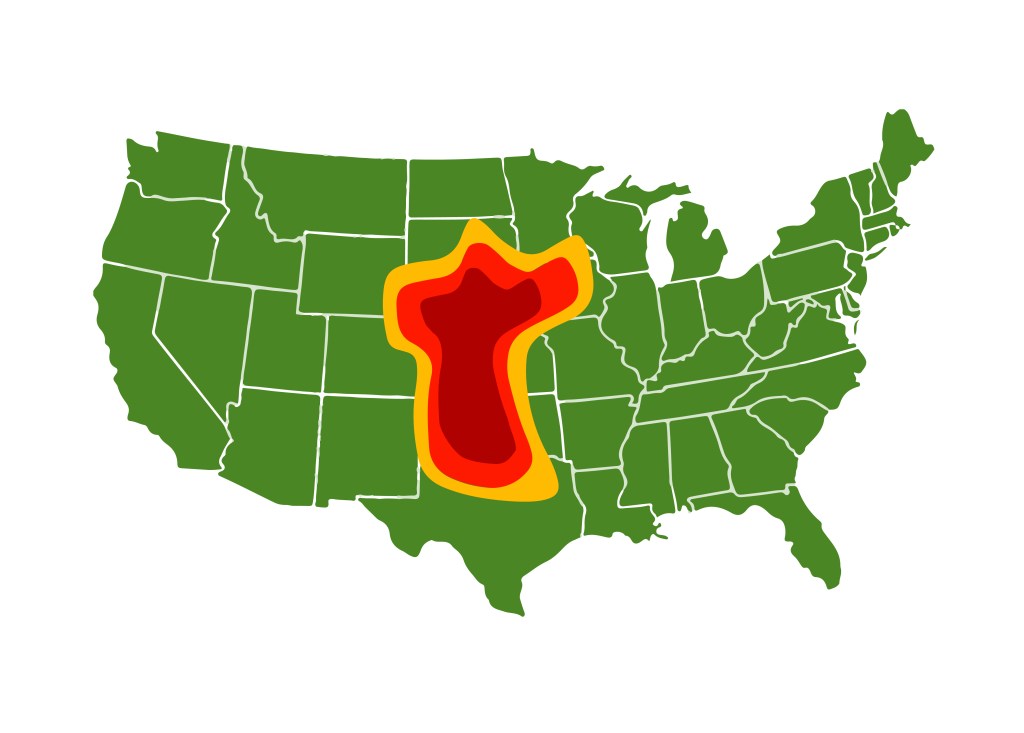
Tornadoes can happen anywhere, but as mentioned they are more common in North America and especially in tornado-alley. Despite tornado alley’s small size, a quarter of all significant tornadoes in the world occurred there according to a study (1921 – 1995). The extent of tornado alley includes north Texas, Oklahoma, Kansas, Nebraska, South Dakota, Iowa, and the corners of Minnesota, Wyoming, Colorado and New Mexico. Dallas, where we live, is in Tornado Alley.
Dixie Alley
Another region with a lot of tornadoes is Dixie Alley. Dixie Alley stretches from eastern Texas and Arkansas across Louisiana, Mississippi, Tennessee, Alabama, Georgia, and mid to western Kentucky to upstate South Carolina and western North Carolina; the area reaches as far north as southeast Missouri.
Dixie Alley has fewer tornadoes than Tornado Alley, but they tend to be deadlier and more violent than in Tornado Alley. The tornadoes in Dixie Alley occur year-round, at night, and the Tornadic storms in Dixie Alley are often high precipitation supercells due to an increase of moisture from proximity to the nearby Gulf of Mexico. The heavy rain makes it difficult to detect the tornadoes. Dixie Alley also has more mobile homes, homes tend to not have basements, and it is more densely populated than Tornado Alley. NOAA records indicate that the majority of deaths from tornadoes in the US have occurred in Dixie Alley.

Tornadoes and Hurricanes Are Different
Another related issue that has been brought to me is that many Europeans do not know the difference between a hurricane and a tornado. This is not strange since both of these extreme weather phenomena are less common in Europe.
A hurricane is a big rotating storm system originating in the ocean that sometimes makes landfall and devastates our coasts. Hurricanes are big, thousands of square miles and even a million square miles. A hurricane has wind speeds of 74 miles per hour (mph) or higher. That’s 119 kilometers per hour or 33 meters per second. They are called hurricanes in the Atlantic and the northeast Pacific, and Typhoons in the northwest Pacific, and otherwise just cyclones.
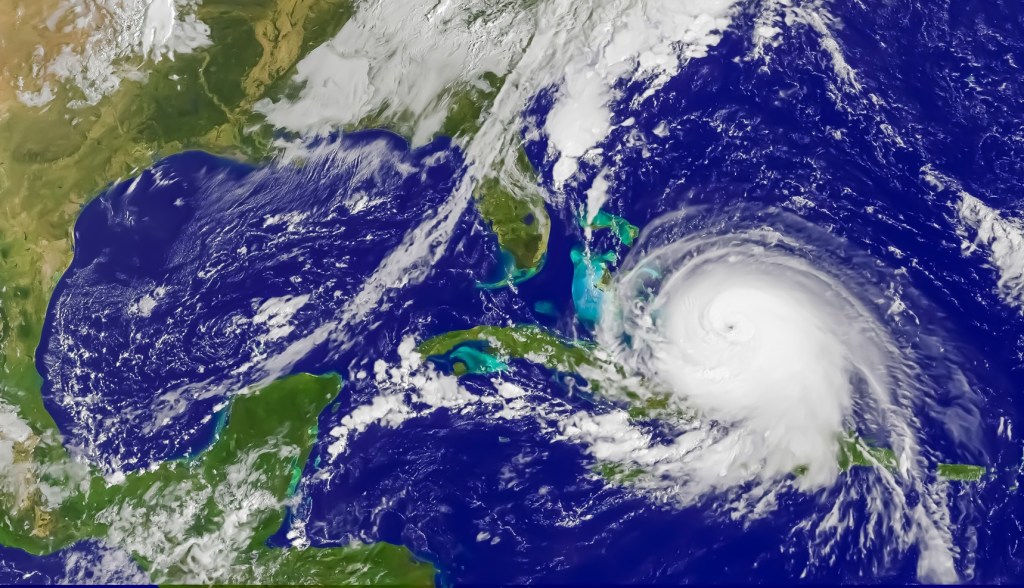
A tornado is a violently rotating column of air that is in contact with both the surface of the Earth and a cloud. They originate with thunderstorms, especially supercells, and are more of an inland phenomenon even though hurricanes can sometimes generate tornadoes. Tornadoes are much smaller than hurricanes in area, almost always much smaller than a square mile, or just 10 or 30 meters across. The reason they can be as deadly as hurricanes is that they tend to have stronger winds and they appear and disappear quicker thus taking people by surprise.


So, in summary, Hurricanes cover a large area and lasts a long time. They come from the sea and devastate coastal areas and are less common than tornadoes. Tornadoes are formed on land from thunderstorms, typically supercells. They are particularly common in tornado-alley. They cover a small area and go high up into the air forming a funnel and are commonly more intense. They are also more common, and they can surprise people. Therefore, on average, tornadoes cause more deaths in the US than hurricanes. You can read more about it here.
Our Tornado Experience
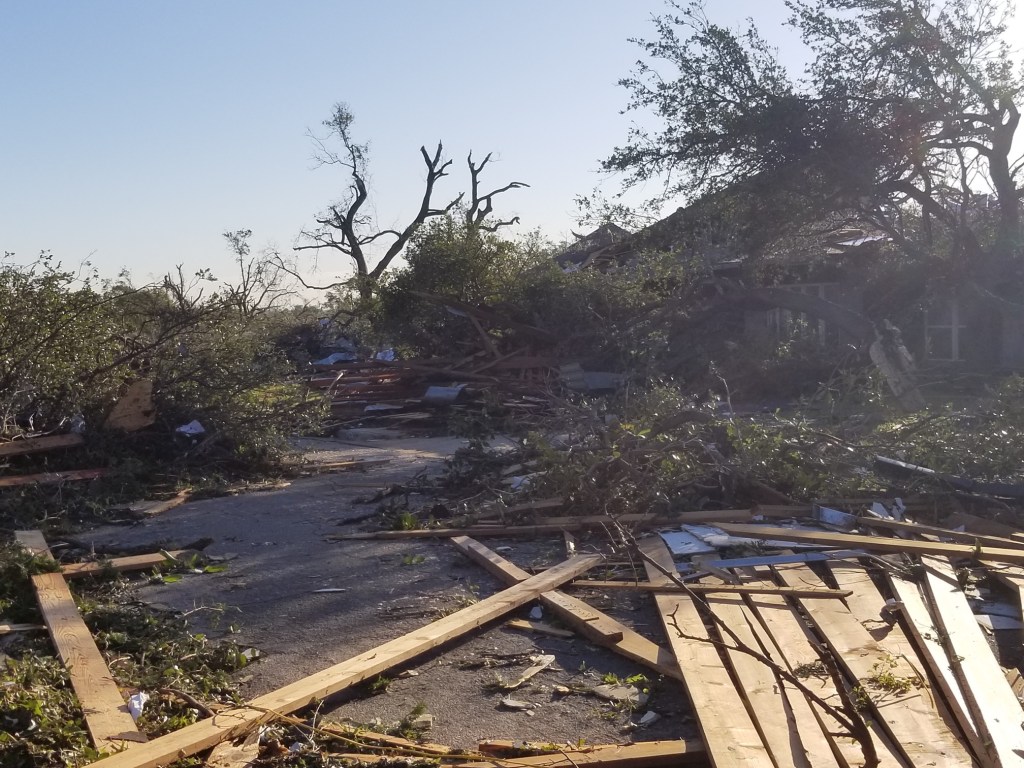
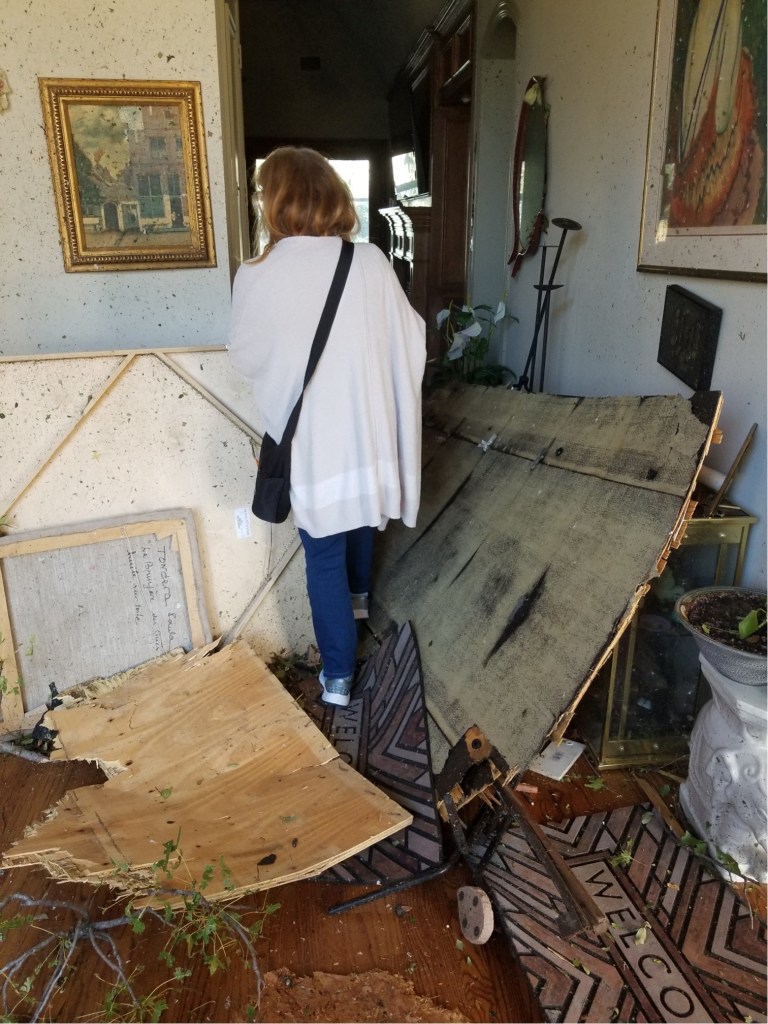
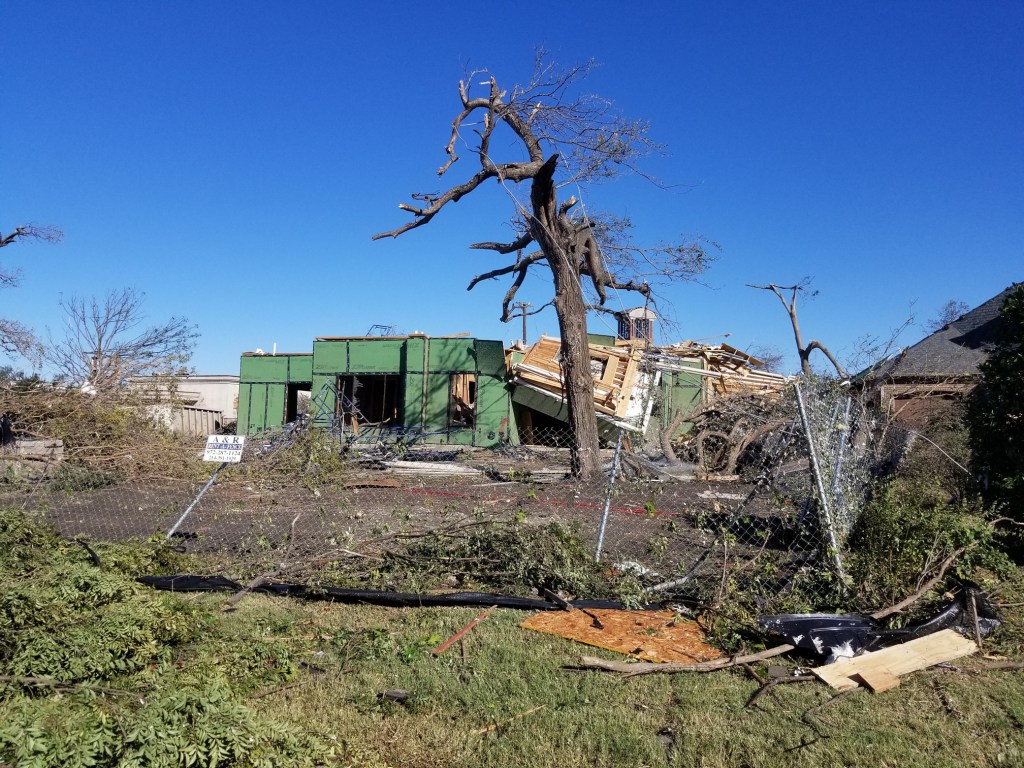
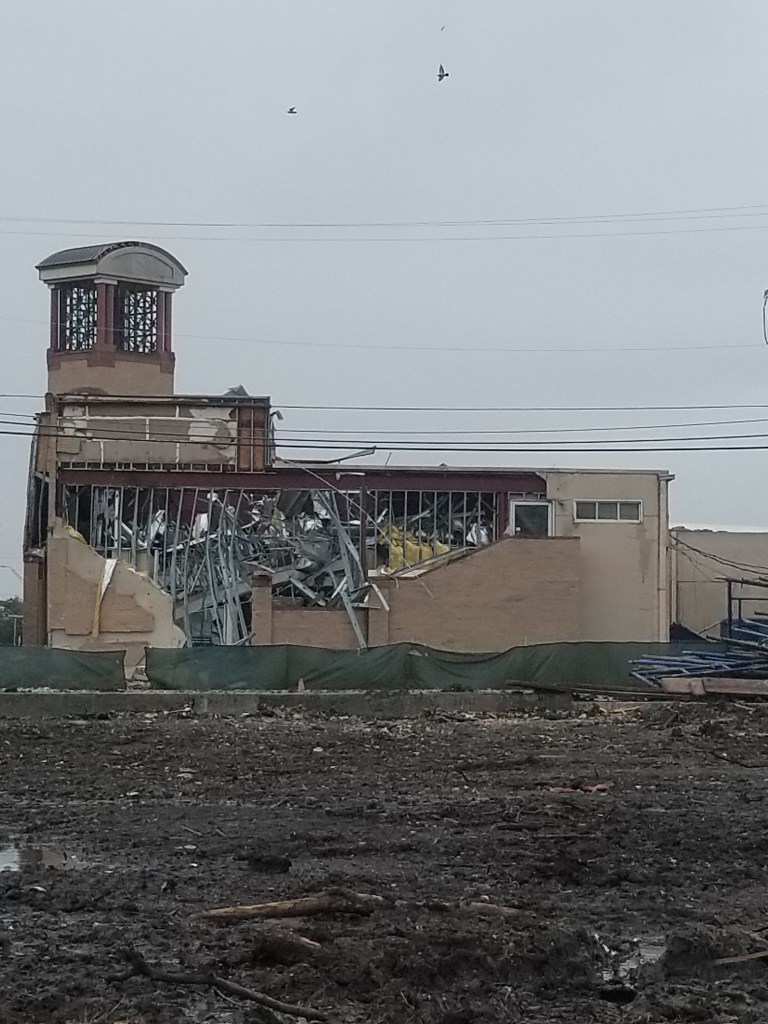
As mentioned, on October 20, 2025, our neighborhood was ravaged by an EF3 tornado. I was sitting outside in the backyard drinking a beer (Yellow Rose from Lone Pint brewery) when the sirens went off and my cell phone started screaming tornado warning “seek shelter immediately”. I did not see any problem, so I thought it was just one of unnecessary warnings again and I wanted to finish my beer. However, I decided to walk back into the house. About one minute later there was a lot of noise and a piece of the neighbor’s roof flew into our chimney, smashed it and it started raining bricks.
The house shook and thought to myself, “that was some thunderstorm”. I opened the door to the backyard, and I was astounded when I saw the devastation. My backyard was covered in debris, bricks, trees, garbage, my grill had flown off, several of our neighbors’ houses were just rubble. I guessed it must have been a tornado. My wife Claudia told me to go and check on her parents who lived about a mile away. I started driving my Toyota Prius, but I did not get very far because a neighbor’s roof was lying across the road. We live on a circle, so I decided to go the other way instead but about 30 trees lying across the road stopped me. So, I started walking but four firemen stopped me and told me that it was too dangerous to walk around. I had to go home. We would later learn that my wife’s father was injured. I am describing this in the NBC interview below.
We lost power for four days, we needed a new roof and a new chimney, the wiring and piping (for air conditioning) in the attic was destroyed, the fence and garage door were broken. It cost $50,000.00 to repair, nut our house stood, the frame was fine, and luckily our insurance paid for all of it, except for the parasol the flew away. We had no proof it ever existed. Not everyone was that lucky, especially those whose houses were destroyed. Unfortunately, our Leonberger dog Bronco had a heart failure one week after this. However, he recovered. But we are guessing that the fact that we did not have air conditioning for a while could have affected his heart. It was a tough day for Bronco, our Leonberger Dog. <<Link-13>>







My Interview with NBC
As I mentioned, last year NBC interviewed me about this event. They said that they had been reading my Leonberger blog and were interested in a post that I had made about the tornado in Dallas on October 20, 2019. They wanted to interview me and asked for permission to use a few of my photos.

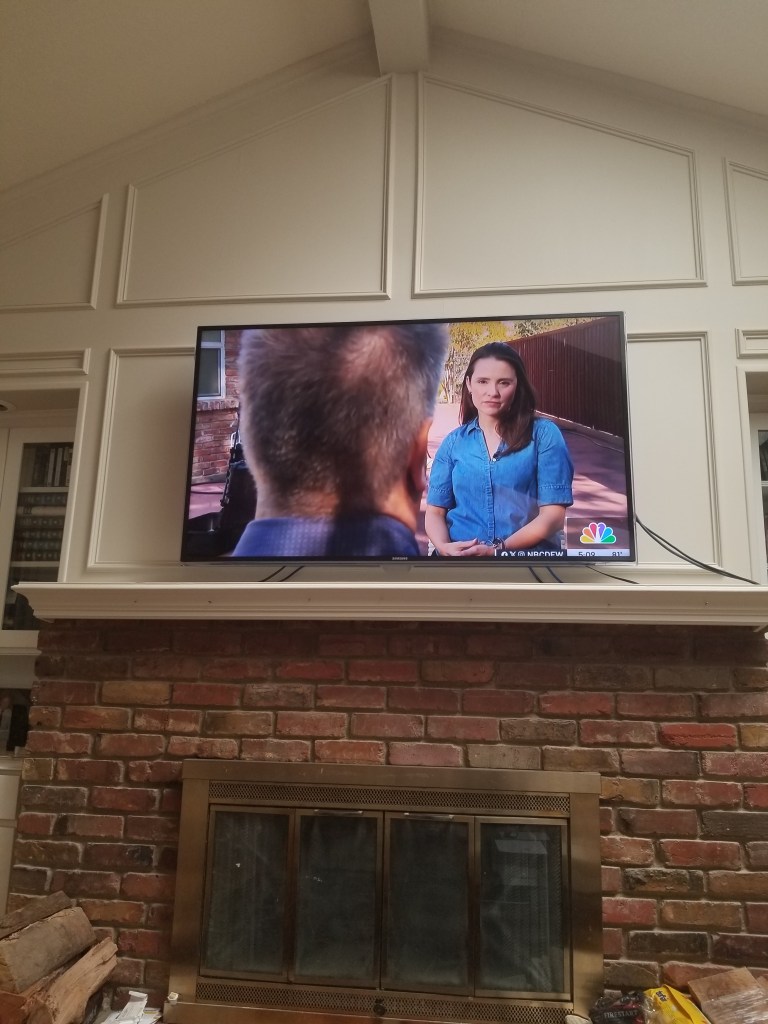
I would like to stress that there are thousands of people whom they could have interviewed. Thousands of people who probably would have been better candidates. What made all the difference was the post I made on my blog. Therefore, fellow bloggers, perhaps this is an example of the fact that blogs bring attention.
To see the other Super Facts click here

 Super Facts
Interesting post, Thomas! I had no idea tornados are formed on land from thunderstorms! Your own tornado experience sounds terrifying…
LikeLiked by 2 people
Yes that is right. Hurricanes and Tornadoes are completely different phenomenon. Thank you so much Ada.
LikeLiked by 1 person
Hi Thomas, I know the difference between tornadoes and hurricanes and also that these are called typhoons in Asia. Typhoons feature a lot in James Clavell’s books about Japan and China. We have had a few tornadoes in parts of South Africa.
LikeLiked by 2 people
That is interesting. Typhoons is a big problem in Asia and Australia. I have to admit I did not know about James Clavell.
LikeLike
If you are interested in Japanese history, I really recommend James Cleveland especially Shogun.
LikeLiked by 1 person
Oh yes that is famous book. Thank you so much Robbie.
LikeLike
Another informative post thank you, Thomas…I also was unaware of how tornados formed we just missed a tornado/hurricane as we had left Daytona beach the day before it hit back in the early 1990’s…on our return there were cars 3/4 buried on the sand just the tip of the bonnet poking upwards…I wish I could remember the name of it but I can’t…Nice to see you on TV, Thomas albeit a brief cameo 🙂 x
LikeLiked by 2 people
Thank you so much Carol. If it had a name then it was probably a hurricane. That’s another difference between hurricanes and tornadoes. You don’t give tornadoes names. Cars buried 3/4 in the sand sounds terrible.
LikeLiked by 1 person
Thats interesting about names…Yes quite eerie seeing the aftermath especially the cars buried in sand just pleased we missed the worst and sorry for those who had to deal with the damage…
LikeLiked by 1 person
Yes I can imagine. Hurricanes are certainly horrific things. I’ve been in a tornado but never a hurricane.
LikeLike
I remember much of this from when you first posted about it. How sad. Glad it was not worse, but still what a terrible thing.
Until I was about ten, I lived in Wisconsin. I remember spending more than on night in the basement with the transistor radio listening for news. with the power off. We used to get monstrous thunderstorms; I was a kid. I thought everyone got storms like these.
LikeLiked by 2 people
Thank you so much Denise. You are right it could have been much worse. It was late enough that no one was out walking their dogs, and small stores were closed, and early enough that everyone was awake and could take shelter. It happened just before 9PM. In Sweden we have thunderstorms but not the severe ones like you do here and no tornadoes. This was something I discovered when I came to Ohio as an exchange student.
LikeLike
I remember reading this from a previous post. Looking at your map, I didn’t realize Colorado is in Tornado Alley. Can tornadoes form at its higher elevations? Maggie
LikeLiked by 2 people
Thank you so much Maggie. That is a good question. I don’t know but I doubt Tornadoes can form at really high altitudes. Like you say a portion of Colorado is in Tormado alley but I am wondering what the altitude of that portion is.
LikeLike
Didn’t know this and I live here! Thanks for all the info.
LikeLiked by 2 people
It is interesting information. Thank you so much Jacqui.
LikeLiked by 1 person
We don’t have tornadoes here and I’m so thankful. I find them very interesting though. Must have seemed strange to see yourself on TV.
LikeLiked by 2 people
Thank you so much Esther. It was a little bit strange to see myself on TV and knowing potentially millions of people were watching. I also think it was funny that NBC found me and contacted me via my Leonberger blog where I had made a post about this. Incidentally, yesterday I was looking up facts about Tornado alley and for my first Google search Google listed my Leonberger blog first and NOAA second (National Oceanic and Atmospheric Administration). I am not sure if that is good but it was funny.
LikeLiked by 1 person
I know what you mean – it is funny but maybe not a good thing.
LikeLiked by 1 person
Yes my Leonberger blog comes up high on google searches when you search for Leonberger related things, and that is good, but my Leonberger site should not come up high on Tornado or science related things, but in the case of NBC it was good for me.
LikeLiked by 1 person
Tornadoes are extremely powerful, compact weather phenomena, as are hurricanes. They aren’t to be trifled with. I’m glad that you went inside. Yes, I’m familiar with the European attitude toward these phenomena – I have lived in Germany – the tendency is to write them off as Hollywood and/or American exaggeration.
LikeLiked by 2 people
Yes you are right. Bricks were flying around in my backyard. Being hit by a flying brick could probably have done a lot of damage. I am glad I was inside. A few days later I walked by a neighbors metal fence. It consisted of sturdy steel bars about half an inch thick. That fence was bent over and the bars were bent like straws in the wind. My guess is that a flying concrete block had smashed into it. In Sweden where I grew up tornadoes are very rare and when they happen they are weaker, hurricanes hardly ever happen. In addition, everybody knows how Hollywood blows things out of proportion. When you live there it is easy to believe it isn’t so bad.
LikeLiked by 1 person
An interesting and detailed overview of the tornado phenomenon in the US, enriched by a personal experience that adds authenticity. Clear explanation of the differences between tornadoes and hurricanes, which can be helpful to many. 🌪️📺
LikeLiked by 1 person
Thank you so much myrelar. I think Tornadoes and Hurricanes are important extreme weather phenomena that a lot of people don’t can differentiate and the fact that Tornadoes is a very American phenomenon cane be quite surprising.
LikeLiked by 1 person
I have always found tornadoes fascinating and terrifying. I’ve never experienced one but I used to dream about having to escape from them or hide from them fairly frequently, back when I had vivid dreams. With the way tornado alley seems to be shifting they are getting more tornadoes back in central New York where I used to live, and the infrastructure there is not built for that; even a small tornado caused catastrophic damage when it went through downtown Rome, NY last year.
LikeLiked by 1 person
Yes I had nightmares about tornadoes too. I knew that the occurrance of tornadoes have been shifting east recently. I did not know that New York has been hard hit. You are right we have built a pretty strong infrastructure for tornadoes with sirens, shelters, redundant warnings systems, weather warnings, and building codes that mandate reinforced materials like reinforced concrete and steel framing. My guess is that New York felt a need for doing that.
LikeLike
A great post about tornadoes and hurricanes. Fortunately, the closest I’ve come to a tornado are some warnings in Las Cruces and Tucson. We have had some former hurricanes blow over Southern Arizona at Kitt Peak National Observatory. They were no longer at full strength, but there were certainly some strong winds and rain. I’m glad I haven’t had to face a hurricane at full strength or be too close to a tornado.
LikeLiked by 1 person
That is good. I’ve been close (very close) to a tornado but I’ve never been in a hurricane. Well except for the weak aftermath of a couple of hurricanes that came in from the Gulf over Galveston/Houston and continued north-west. However, by the time they reached Dallas it wasn’t much left of them. But my wife’s grandmother was in the middle of hurricane Andrew in 1992. It was a pretty devastating hurricane with 65 fatalities. She hid in the bathtub.
LikeLiked by 1 person
We get funnel clouds in Arizona and California, but nothing on the scale of a tornado. We do get strong microbursts of wind that can be very damaging. It amazes me what you went through with that tornado. You should write a book about it!
LikeLiked by 1 person
Thank you so much Dawn. A book might be a big undertaking and I was on TV already.
LikeLike
Lulu: “Thunderstorms on their own are bad enough without tornadoes! If any one needs me, I’ll be hiding under Dada’s desk!”
LikeLiked by 2 people
I understand Lulu. That is a very common dog opinion. Our Rollo would certainly agree with you.
LikeLike
From the debris shown in the tornado damage pictures, it’s easy to see why people are injured/killed from flying objects more than being whisked off their feet (then dropped) or torn apart by high winds or crushed by a structure or tree. Glad you survived, Thomas!
LikeLiked by 2 people
Thank you so much Priscilla. You are right, it is the flying debris that is dangerous. Flying bricks, pieces of concrete, an airborne truck, a roof landing in the street is what kill dog walkers and guys drinking beer in the backyard.
LikeLiked by 1 person
Thank you for describing the differences between hurricanes and tornadoes, as I wasn’t sure about that before. I remember your terrifying ordeal from previous posts and am glad it it wasn’t worse for you and your family! Those photos of the destruction are sobering…
How exciting that NBC found you through your blog and interviewed you on TV! Love your accent. 😀
Although there have been tornadoes in Ontario, we are fortunate to be living in an area that is unaffected, at least so far! 🤞
LikeLiked by 2 people
You are welcome and thank you so much Debbie. I agree it is exciting that NBC found me via my Leonberger blog. I’ve realized that it is fairly easy to find by using Google search and most references are from google, wordpress second. I think that is why veterinary publications have offered me posts (as well as money but I said no to that) to publish on my blog (with a link to them).
LikeLiked by 1 person
Tornadoes are so scary. I guess conditions converge just right in the middle of the country to create these storms. We were under a thunderstorm watch yesterday and today with as the weather people said, tornado probability is low, but not zero! 🙂
LikeLiked by 2 people
Yes you are right and we had a severe thunderstorm warning as well but it kept its distance. Our tornado disaster was October 20 so they can definitely happen in October as well. The tornado probability is low but not zero, like you say.
LikeLiked by 1 person
I believe the U.S. is Tornado Country due to its geography. On its east, south, and west coasts there are large bodies of water. Two mountain ranges (the Appalachians in the eastern part and the Rockies in the West), with the bowl of the Midwest in between…and the clash of warm air from the Gulf of Mexico running into cold northern air from the Arctic….all of this is a recipe for thunderstorm and tornado activity.
LikeLiked by 1 person
I did not say much about that but yes you are right, the flat interior, the warm gulf and the cold arctic and the rocky mountains going south-north and not hindering wind transport is the reason for the many tornadoes in the middle of the country.
LikeLiked by 1 person
Oh i wish I felt like commenting and reading the whole thing I have a lot to say on this very familiar with tornadoes!
LikeLiked by 1 person
Thank you Anna. If you have something to say you can just say it. You don’t have to read the whole thing as long as you know what it is about.
LikeLiked by 1 person
Oh my goodness! A huge f3 wow! I am so sorry about that!
LikeLiked by 2 people
Yes it was more than one billion dollars in damage. Thank you Anna.
LikeLike
“Wow, what an intense and personal story! It really highlights how unpredictable and powerful tornadoes can be in the United States. I had no idea the US experiences such a high percentage of the world’s tornadoes. Thanks for sharing your experience, the photos, and your NBC interview—it really makes the reality of Tornado Alley hit home. Also, love that your blog brought this to wider attention; truly shows the impact of sharing experiences online!”
LikeLiked by 1 person
Thank you so much for your kind words Glowith. Luckily, nothing really bad happened. No one was killed despite the massive one billion dollar damage.
LikeLiked by 1 person
Hi thomas I just wanted to mention Dixie Alley also if I may. It consists of many southeastern states such as Tenneseee, Arkansas, Louisiana, Mississippi, Alabama, Georgia, i lived in memphis most of my life, Dixie Alley has a very high frequency of tornadoes, many occurring during the winter months but can occur all year around, we have a frequency of nighttime tornadoes as well as tornadoes that form radipidy and with little warming. Also many residents in our area do not have basements. So Dixie Alley is also quite dangerous. In 2009 Memphis had a tornado super outbreak which also destroyed some of my neighborhood and unfortunately it never recovered. But I thought Dixie Alley might be worth mentioning in your story. Thanks thomas have a great day 😀
LikeLiked by 1 person
Thank you so much Anna. I completely missed Dixie Alley. I did not know about it, but I’ve read a lot about tornadoes farther east, like the outbreak you mentioned, so it makes sense. I live in Tornado Alley, and I hear a lot about that. But I will add a section about Dixie Alley too, later today, or tomorrow. Thank you for telling me about it. Thank you and have a great day you too.
LikeLiked by 1 person
Anna I just upd ated my post by adding a Dixie Alley section with a couple of paragraphs. I was surprised to learn that the majoirity of tornado related deaths in the United States were in Dixie Alley.
LikeLiked by 1 person
Thanks thomas 😀
LikeLiked by 1 person
Another fascinating article Thomas. Yes, US certainly is the tornado capital. Although you mention Canada, we don’t have many, and never like the damage the US gets.
I enjoyed seeing your 5 minutes of fame on NBC. 😁
LikeLiked by 2 people
Thank you Debbie. I’ve read the US gets around 1,200 tornadoes per year and Canada comes in second with 100 and they are even less rare elsewhere. When I was still living in Sweden I did not even know they existed.
LikeLiked by 1 person
Now you’re living in tornado land. Scary.
LikeLiked by 1 person
Yes that is true but it’s given me some good stories to tell my Swedish friends and family.
LikeLiked by 1 person
You have good humor. 😂😊
LikeLiked by 1 person
Thank you Debby. You certainly have some good humor and you put it in good books.
LikeLiked by 1 person
Thank you for that Thomas. 😊
LikeLiked by 1 person