30-60 million Bison used to roam the plains

Super fact 110 : At the end of the 18th century there were 30-60 million North American Bison (buffalo) roaming the plains. The mass destruction of the bison began in 1830 and was intentional and by the end of the 19th century there were only a few hundred left. Since then, they have recovered and today there are 500,000 Bison including 30,000 wild Bison.
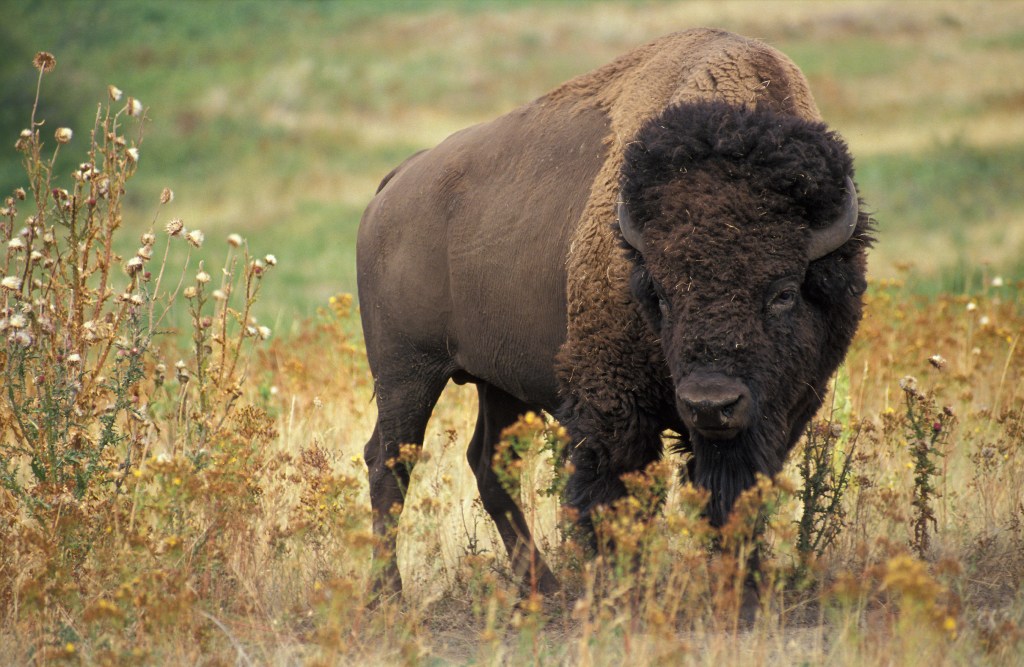
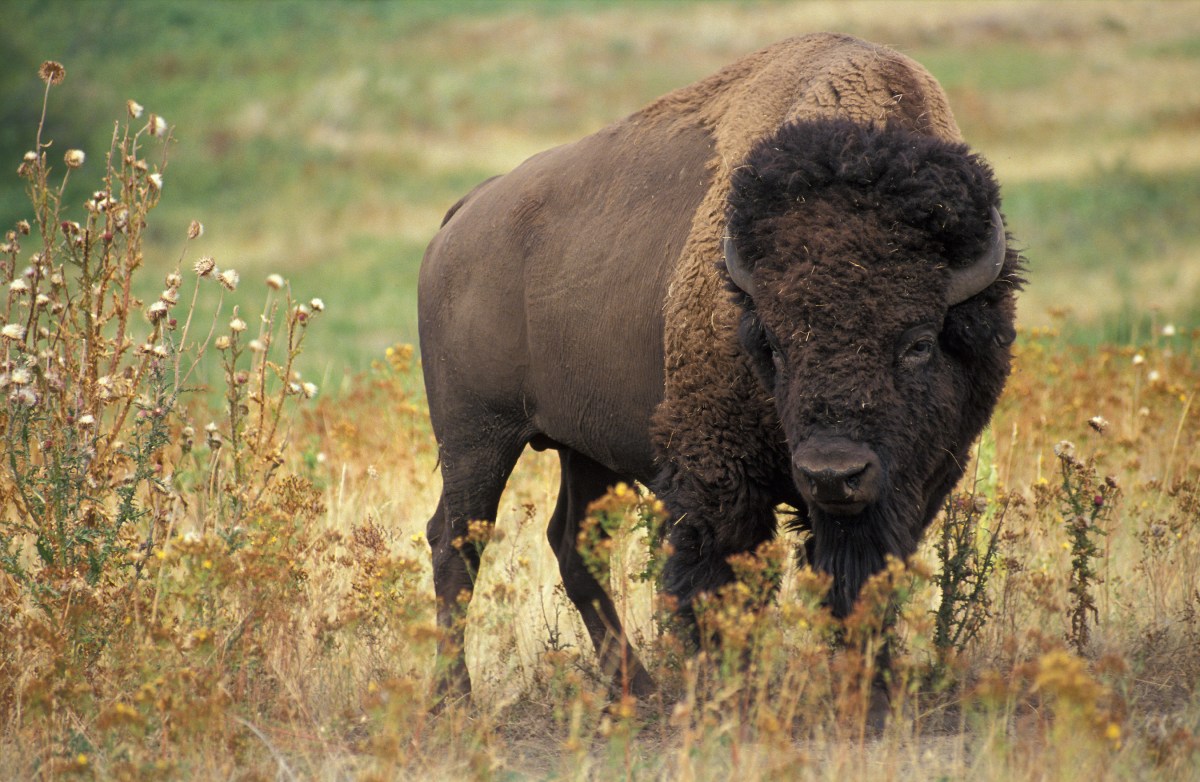
The picture shows a male plains bison standing on a plain and looking into the camera.
Scientists are helping users of American rangelands meet the challenge of managing multiple uses and sustainably. This picture is in the public domain because it contains materials that originally came from the Agricultural Research Service, the research agency of the United States Department of Agriculture. From Wikimedia commons author Jack Dykinga.

In the past there were at least 30-60 million bison, roaming North America. As mentioned by the end of the 19th century there were only a few hundred left. They have recovered since then and now there are 500,000 Bison including 30,000 wild Bison. For comparison there are 86.2 million cattle in the US  and another 11.8 million in Canada. This is just one of many reasons that the wild mammal biomass has substantially declined around the world. Wild mammals have declined by 85% since the rise of humans even as the total mammal biomass has nearly tripled.

The reason for the extremely sharp decline of the Bison in the 19th century was because the U.S. government intentionally drove the bison to the brink of extinction. The American bison was a major resource for the traditional way of life of the native Americans and therefore the extermination of the Bison became an important tool in the efforts to subjugate Native Americans.
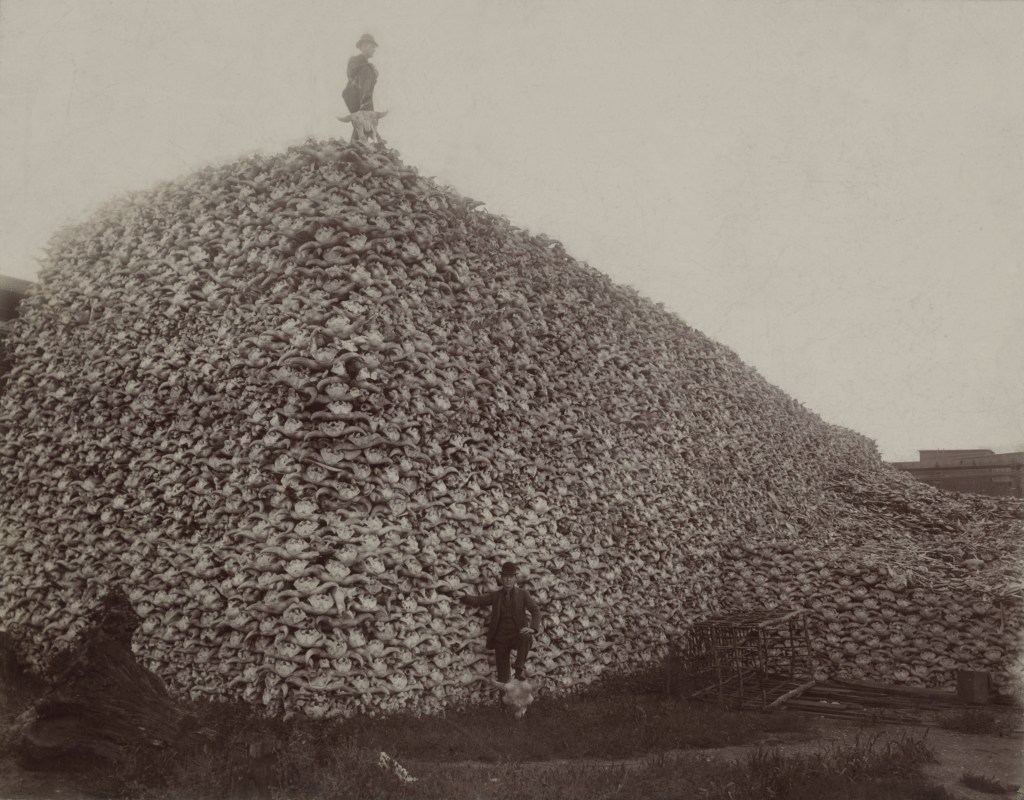
30-60 million Bison used to roam the plains | 1892: bison skulls await industrial processing at Michigan Carbon Works in Rougeville (a suburb of Detroit). Bones were processed to be used for glue, fertilizer, dye/tint/ink, or were burned to create "bone char" which was an important component for sugar refining. In the 16th century, North America contained 25–30 million buffalo.
1892: bison skulls await industrial processing at Michigan Carbon Works in Rougeville (a suburb of Detroit). Bones were processed to be used for glue, fertilizer, dye/tint/ink, or were burned to create “bone char” which was an important component for sugar refining. In the 16th century, North America contained 25–30 million buffalo. This picture is in the public domain and taken from this Wikipedia.

I consider this a super fact because it is a shocking historical event that it seems many are unaware of. I was certainly surprised the first time I read about it.

How Did the Bison Population Recover ?

At the end of the 19th century indigenous groups used the Flathead Indian Reservation to quietly protect small captive herds, keeping bison alive while they vanished from the wild. In addition, a few individuals as well as Native American families captured stray calves and started private breeding programs.
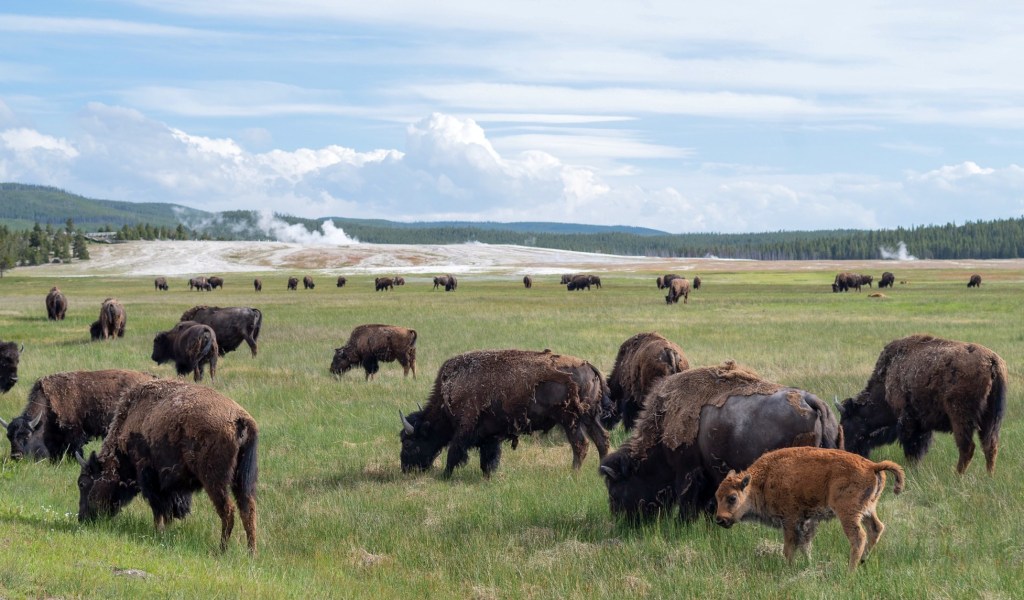

A herd of grazing bison on a field in Yellowstone. In the background are geysers and hills.
Herd of American bison grazing in a green meadow at Yellowstone National Park, with geysers and mountains in the background under a bright blue sky. Shutterstock asset id: asset id: 2688666937 by NicoleHFlores


To see the other Super Facts click here

Do You Ever See Wild Animals

Yes, I see wild animals every day despite living in a large city (Dallas). I see squirrels, rabbits, coyote, bats, birds of all kinds, crows, owls, hawks, pelicans, blue jays, mockingbirds, rats and mice, and I see snakes every now and then. Not too long ago we had a rat snake in the sink. I live in Texas and here we have 116 snake species.

Daily writing prompt
Do you ever see wild animals?

I guess insects are animals too, and we have cicadas and crickets, wolf spiders, spider wasps of various kinds, including mud daubers and tarantula hawks, and sometimes I see them inside the house. We also have a lot of coyotes in the neighborhood. A few years ago, a coyote ran up to me as I was walking my two small dogs, a pug named Daisy and a Japanese Chin named Ryu. I was worried about my dogs, so I stared him down, and he ran off.

A coyote walking in the grass | Do You Ever See Wild Animals
Wild Coyote – (Canis latrans) Stock Photo ID: 1629174541 by Tory Kallman

Every now and then we leave the city and there’s plenty of wild animals in the countryside. Two days ago, we visited a dark spot in Oklahoma. A dark spot is an exceptionally dark place intended for sky watching. I saw a skunk in the middle of the night. But we’ve seen foxes, coyotes, deer, antelope, wild turkeys, turkey vultures, wild pigs, bobcats, eagles, fish of all kinds, and many other types of animals. In the past we’ve also gone fishing and hunting and we’ve seen many wild animals that way.

We’ve also visited national parks, for example, Yellow Stone and Grand Teton where we’ve seen grizzly bears, black bears, cinnamon bears, wolves, bison, elk, moose, prong horn, big horn sheep, marmots, whizzle pigs, and much more. I can add that sometimes we also visit other countries where we’ve seen more exotic wild animals, kangaroos, crocodiles, sharks, koalas, lynx, dolphins, etc.

A Bison is standing in a handicap spot | Do You Ever See Wild Animals
Bison in Yellowstone National Park
Elk in in Yellowstone National Park, photo by me
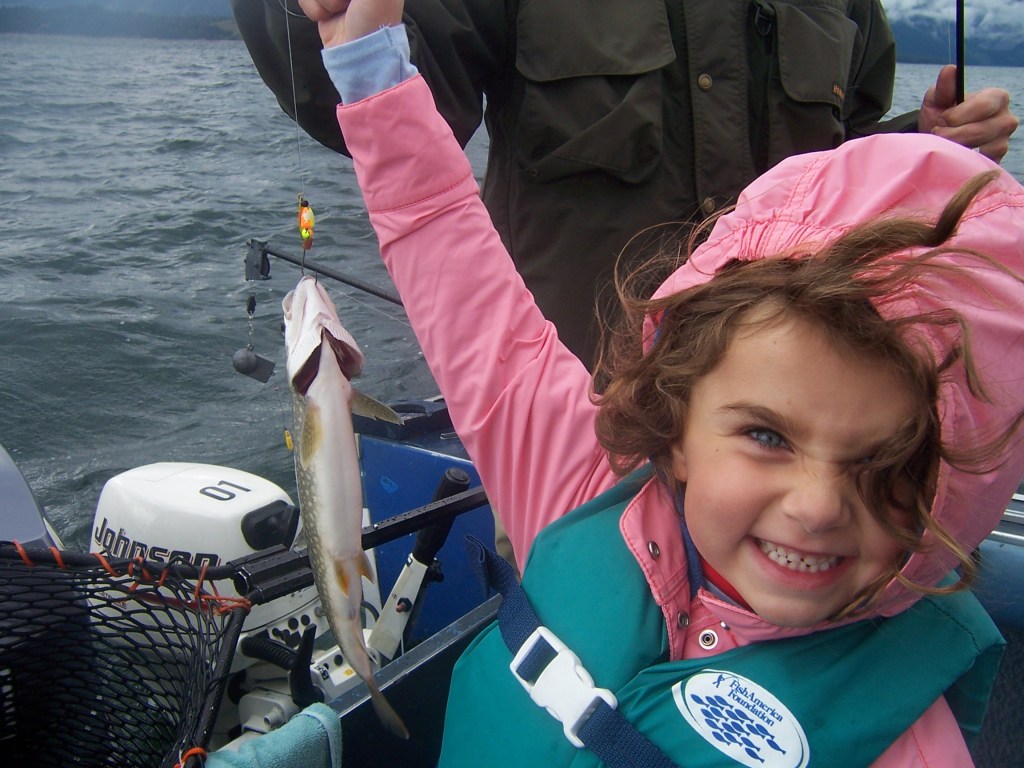
My daughter is wearing a pink rain jacket. She is holding a rainbow trout.
My daughter caught a rainbow trout in Jackson Lake in Grand Teton National Park, photo by me.
A big grizzly bear is coming out of the forest | Do You Ever See Wild Animals
Grizzly bear in Grand Teton National Park, photo by Gabriel Goncalves, a fellow traveler.
One grizzly bear cub is looking through a window of a blue car, the other is on the ground.
Grizzly bear cubs in Grand Teton National Park, photo by Gabriel Goncalves, a fellow traveler.
A whistle pig is sticking his head out of a hole in a wood floor.
A whistle pig in Yellowstone National Park. Photo by me.
A marmot is standing on its back legs looking into the camera | Do You Ever See Wild Animals
A marmot in Yellowstone National Park. Photo by me.
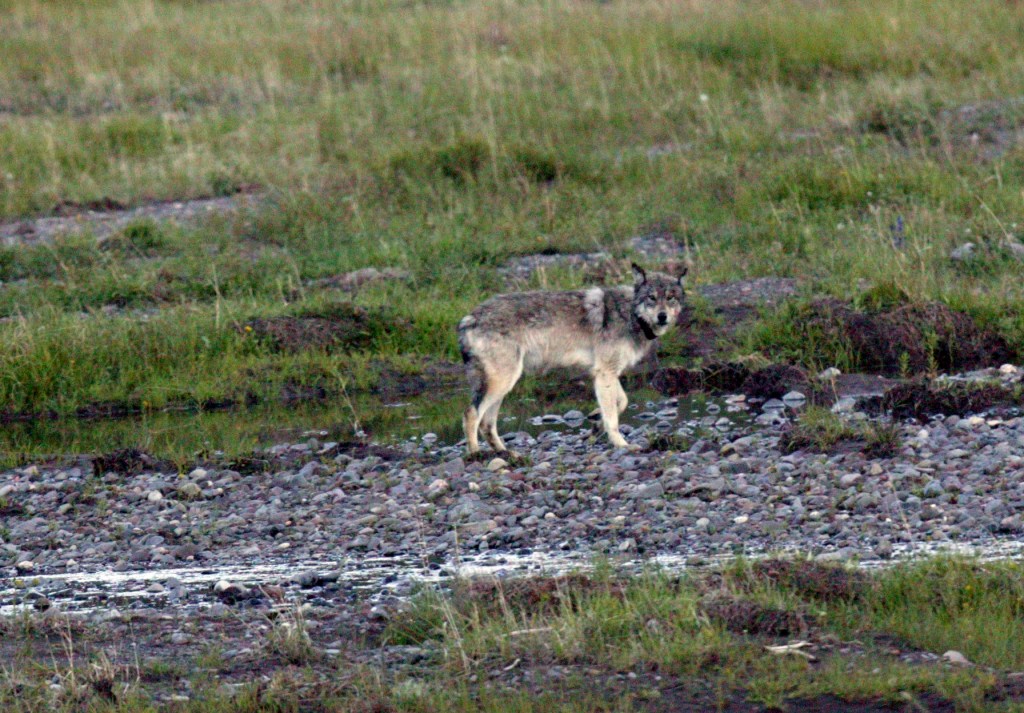
A grey wolf is standing sideways but looking into the camera.
A grey wolf in Yellowstone National Park.
A dark male moose with huge antlers.
A moose in Yellowstone National Park.
Tarantula and a Tarantula Wasp | Do You Ever See Wild Animals
A tarantula hawk (wasp) is stinging a tarantula and then dragging it. This was in Oklahoma. Photo by either me or my friend Mark Segal.

To see the Super Facts click here