
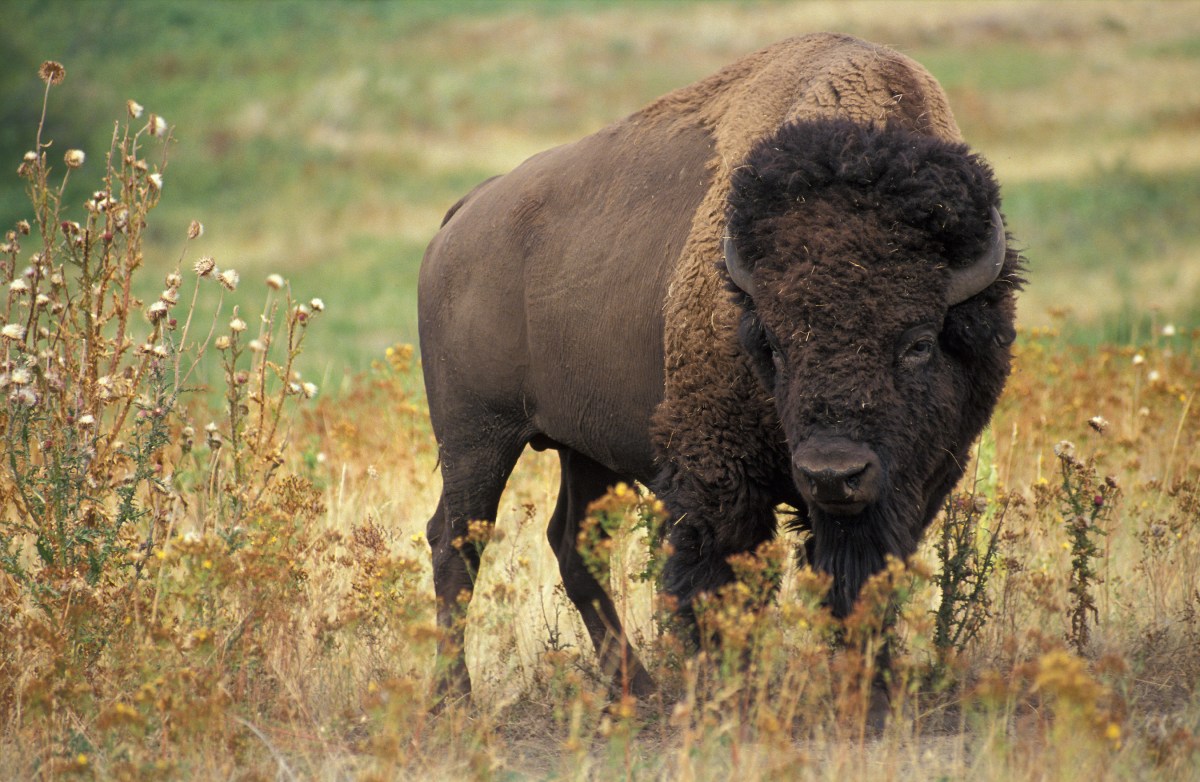
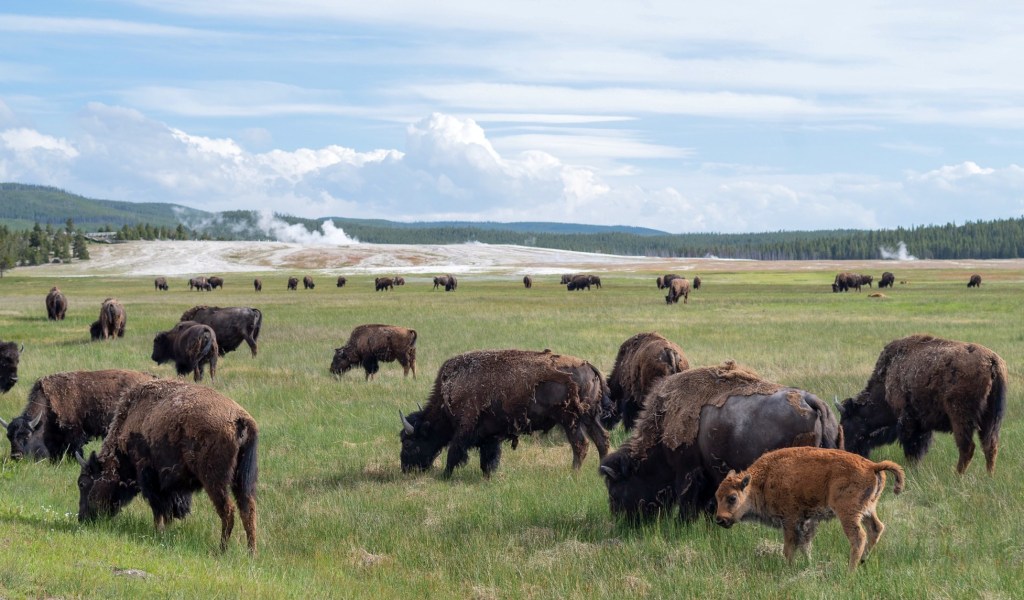
Super fact 110 : At the end of the 18th century there were 30-60 million North American Bison (buffalo) roaming the plains. The mass destruction of the bison began in 1830 and was intentional and by the end of the 19th century there were only a few hundred left. Since then, they have recovered and today there are 500,000 Bison including 30,000 wild Bison.
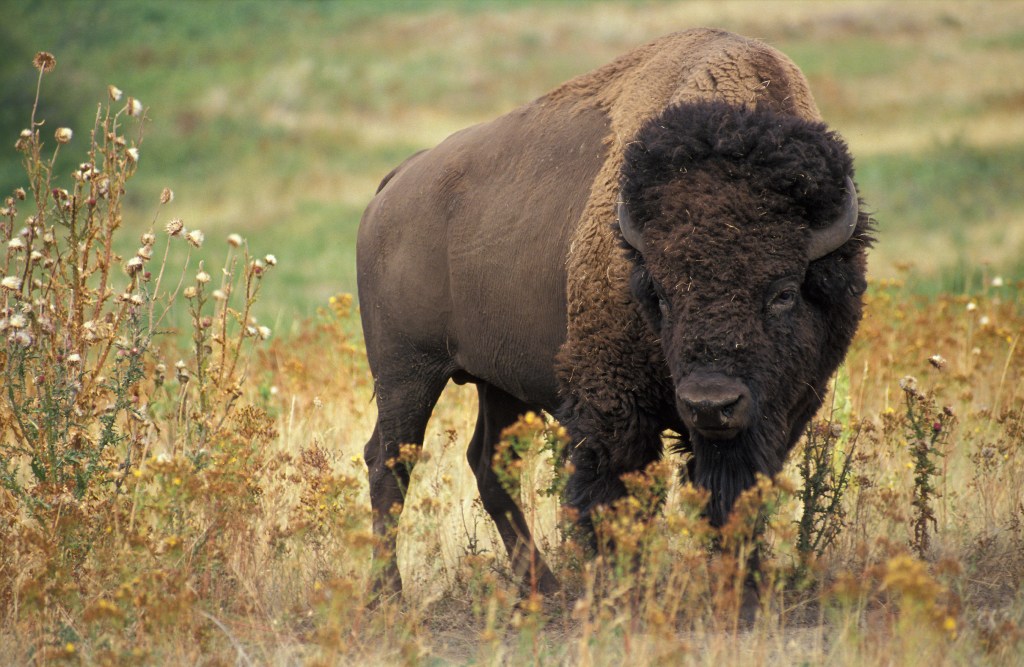
In the past there were at least 30-60 million bison, roaming North America. As mentioned by the end of the 19th century there were only a few hundred left. They have recovered since then and now there are 500,000 Bison including 30,000 wild Bison. For comparison there are 86.2 million cattle in the US and another 11.8 million in Canada. This is just one of many reasons that the wild mammal biomass has substantially declined around the world. Wild mammals have declined by 85% since the rise of humans even as the total mammal biomass has nearly tripled.
The reason for the extremely sharp decline of the Bison in the 19th century was because the U.S. government intentionally drove the bison to the brink of extinction. The American bison was a major resource for the traditional way of life of the native Americans and therefore the extermination of the Bison became an important tool in the efforts to subjugate Native Americans.
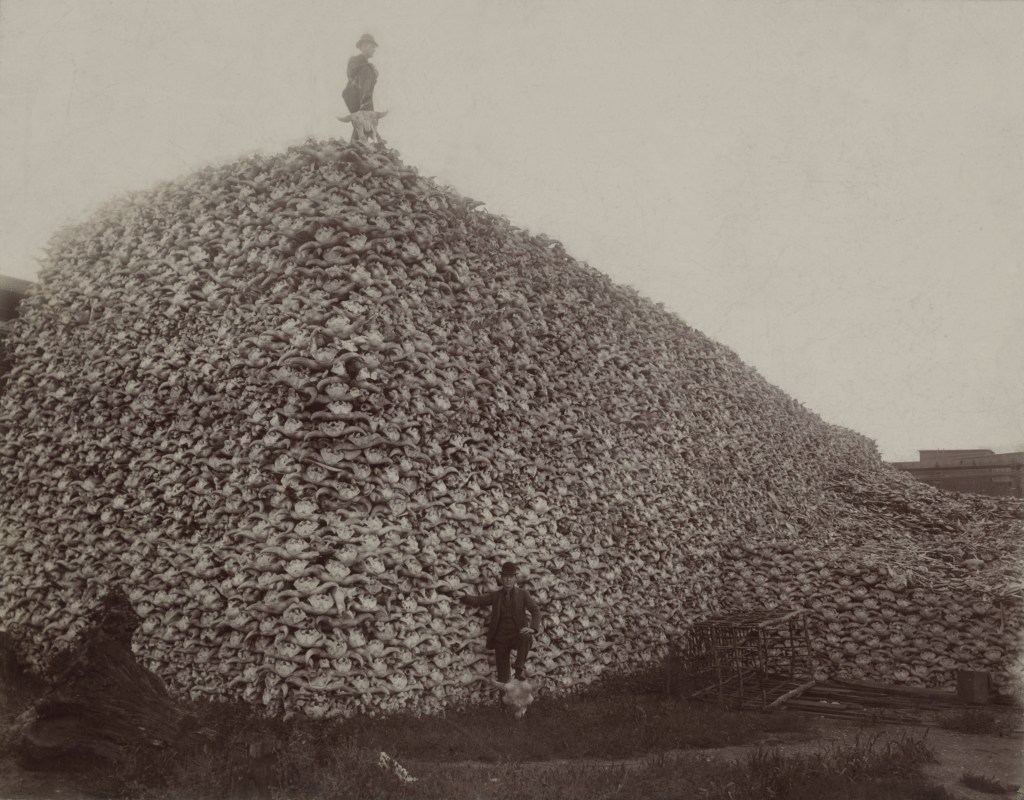
I consider this a super fact because it is a shocking historical event that it seems many are unaware of. I was certainly surprised the first time I read about it.
How Did the Bison Population Recover ?
At the end of the 19th century indigenous groups used the Flathead Indian Reservation to quietly protect small captive herds, keeping bison alive while they vanished from the wild. In addition, a few individuals as well as Native American families captured stray calves and started private breeding programs.
 Super Facts