AI is Already More Capable Than Humans in Many Areas

Superfact 135: Artificial Intelligence is already more capable than humans in many areas, including reading comprehension, image recognition, language understanding, handwriting recognition, speech recognition, predictive reasoning, and much more. In 1997, a computer defeated the reigning world champion in chess. Artificial Intelligence is rapidly becoming more capable. A future Artificial Intelligence that exceeds the cognitive performance of humans in virtually all domains is possible.
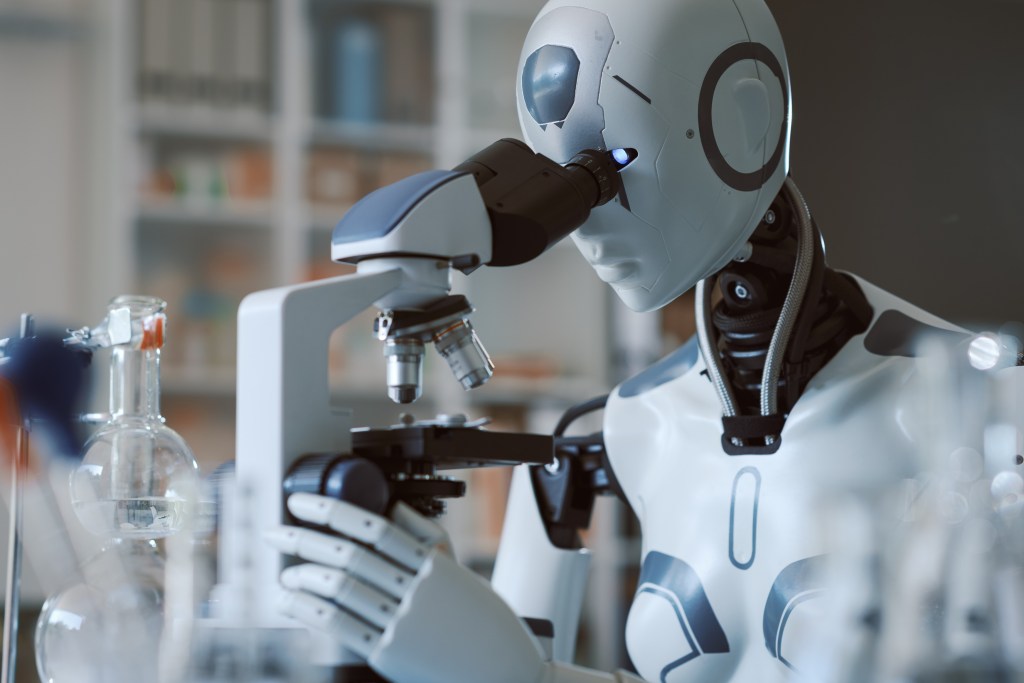
White female AI robot using a microscope in the scientific laboratory.
Artificial intelligence and research concept. Shutterstock Asset id: 2314449325 by Stock-Asso

In the 1990’s I was doing robotics research at a University and I utilized Artificial Intelligence. Robots and Artificial Intelligence go hand in hand. I also worked for a robotics company, ABB Robotics, creating software for spot welding, arc welding, painting and palletizing robots. The robots were faster and more precise than humans and generated higher quality work consistently 24/7 without requiring a salary or a vacation. Some people lost their jobs when they were replaced by robots. However, the higher productivity allowed them to get better jobs with the same company, or elsewhere.
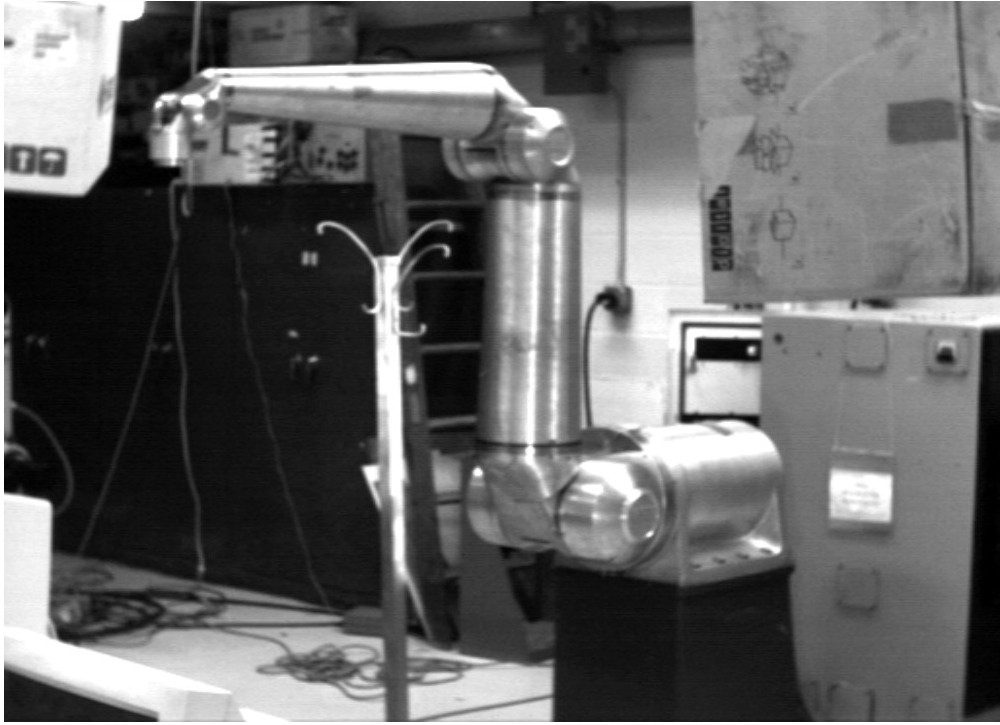
A picture of a large silver colored industrial robot.
I used mostly the seven joint Robotics Research Corporation Robot for my robotics research. The robot was able to detect and avoid colliding with the objects surrounding it. I used echolocation for object detection.

The Large Language Models, LLMs, that have become very successful lately are just one type of AI. There are many other applications of Artificial Intelligence, AI, including robot motion planning, advanced control systems using AI, self-driving cars, image processing, optical character recognition, classification, facial recognition systems, medical imaging diagnostics, game playing such as chess playing computers, financial fraud detection, cybersecurity, investment robots, route optimization, mathematical proof generation, recommendation algorithms, virtual assistants, programming code generation, smart home devices, drug discovery, and that is just for starters.

More recently Artificial Intelligence has surpassed human capabilities in several fields. As mentioned, in 1997, a computer defeated the reigning world champion in chess. Soon chess programs with AI installed on a regular laptop could do the same. Imagine what an AI powered chess engine could do on a supercomputer. The chess playing capabilities of modern AI are vastly beyond that of any human. Below is a graph that shows how the chess playing capabilities of AI have evolved since 1985. The Elo score as of 2023 is 3,591. You can read more about this and get more information from the graph by clicking here.
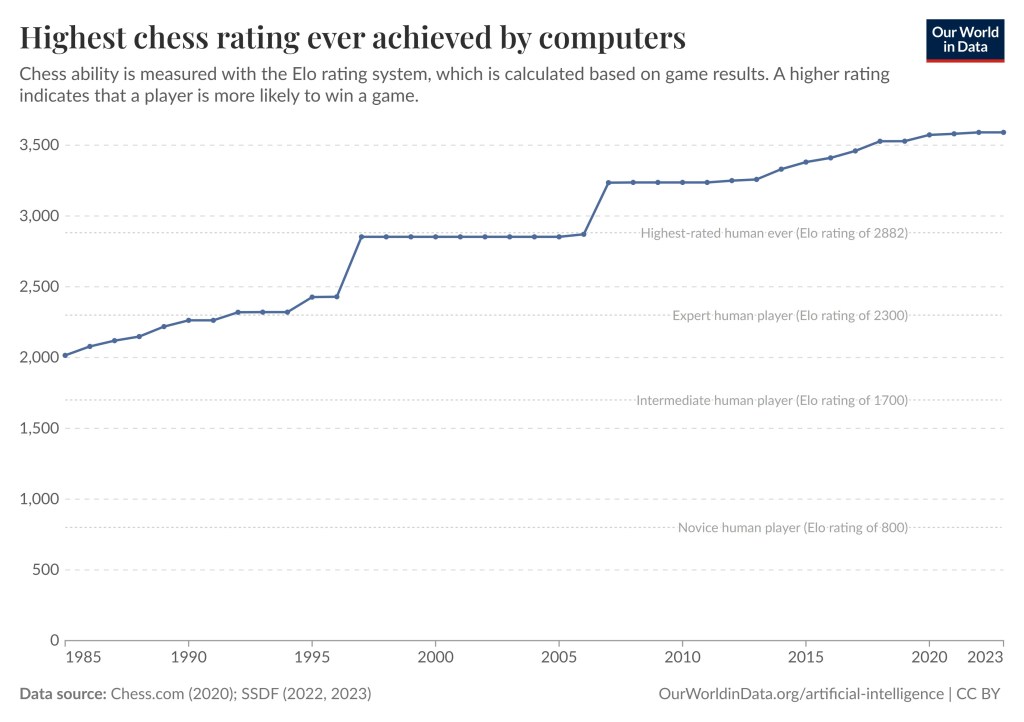
The graph shows that a computer chess engine could easily beat a human intermediate player in 1985 and then a chess world champion in 1997 and since then the chess playing capabilities of AI have vastly improved.
Highest chess rating ever achieved by computers. Chess ability is measured with the Elo rating system, which is calculated based on game results. A higher rating indicates that a player is more likely to win a game. Data source: Chess.com (2020); SSDF (2022, 2023) – Learn more about this data OurWorldinData.org/artificial-intelligence | CC BY

The graphs below from Our World in Data show the test scores of AI systems on various capabilities relative to human performance. Within each domain, the initial performance of the AI is set to –100. Human performance is used as a baseline, set to zero. When the AI’s performance crosses the zero line, it scored more points than humans.
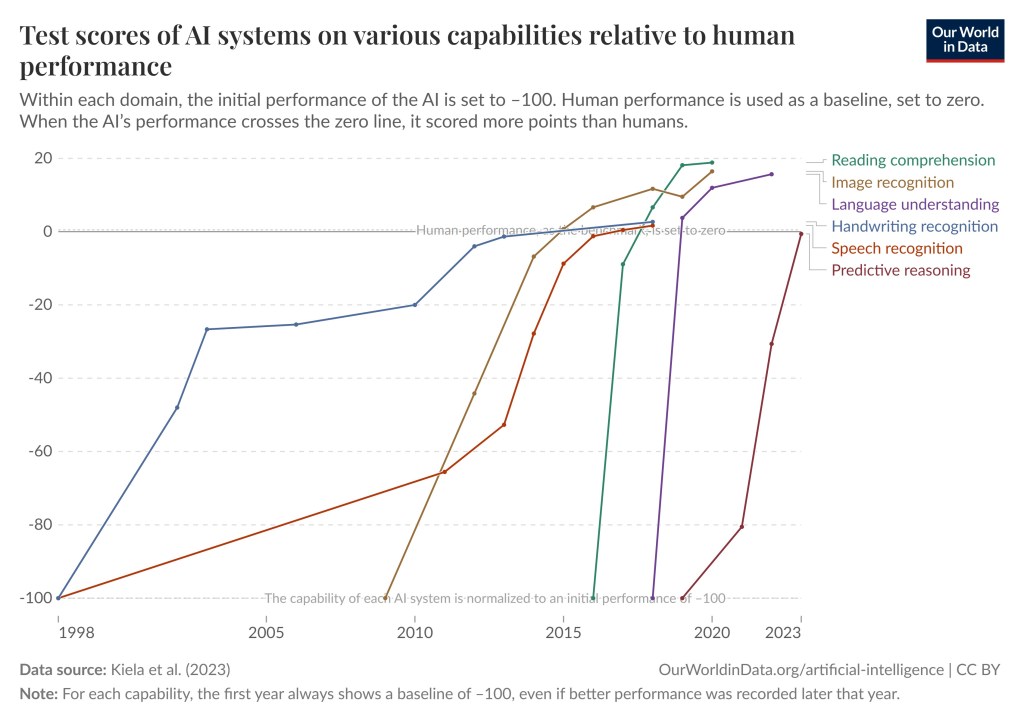
This graph shows the test scores for reading comprehension, image recognition, language understanding, handwriting recognition, speech recognition, and predictive reasoning. The AI capability exceeds the cognitive performance of humans in the domains mentioned.
Data source: Kiela et al. (2023). Note: For each capability, the first year always shows a baseline of –100, even if better performance was recorded later that year. OurWorldinData.org/artificial-intelligence | CC BY
The picture shows multiple brains connected to a circuit board.
AI Brain Neural Network Supercomputer. Many super brains. Many super capabilities. Shutterstock asset id: 2087062936 by PeachShutterStock

The graph below includes twelve capabilities. For eight capabilities AI exceed human capabilities including in reading comprehension, image recognition, language understanding, handwriting recognition, speech recognition, and predictive reasoning, nuanced language interpretation, and reading comprehension with unanswerable questions. For the remaining four AI had not yet exceeded human capabilities by 2023, but as you can see AI is catching up very quickly and may already have exceeded human capability in those areas too. These capabilities are math problem solving, general knowledge tests, code generation, and complex reasoning. You can play around with the graphs and read more about this topic here.
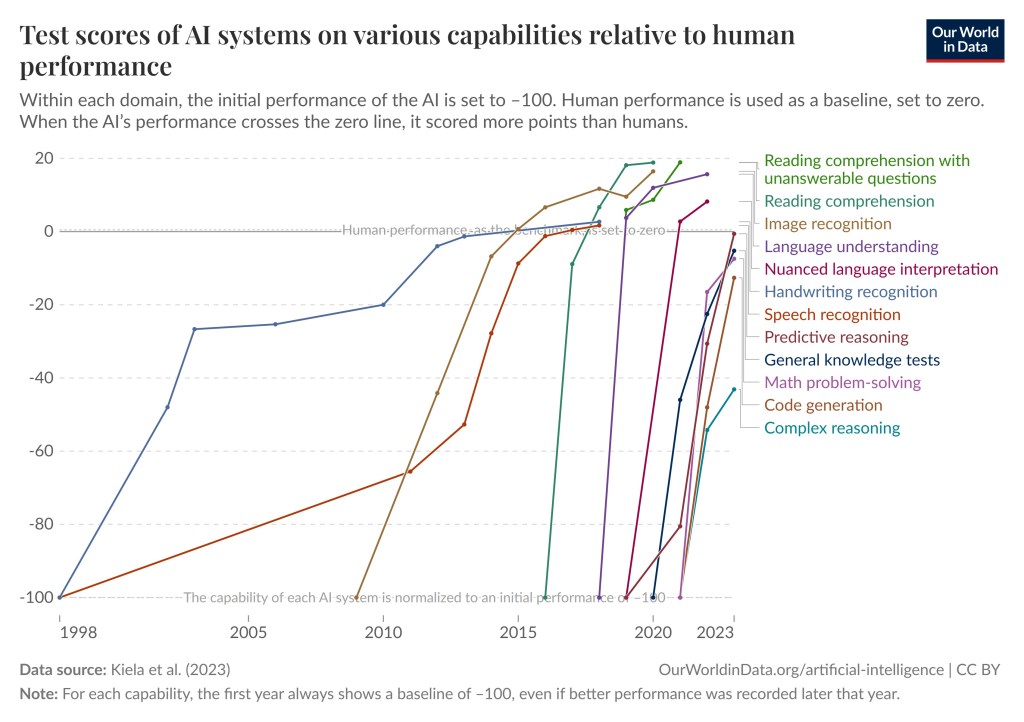
Graphs for twelve AI capabilities are shown including reading comprehension, image recognition, language understanding, handwriting recognition, speech recognition, and predictive reasoning, nuanced language interpretation, reading comprehension with unanswerable questions, math problem solving, general knowledge tests, code generation, and complex reasoning.
Data source: Kiela et al. (2023). Note: For each capability, the first year always shows a baseline of –100, even if better performance was recorded later that year. OurWorldinData.org/artificial-intelligence | CC BY

AI is also quickly improving its intellectual capabilities in science and mathematics. The graph below shows the capabilities of AI in solving FrontierMath problems. FrontierMath problems are 338 original math problems written by experts that take specialists hours or days to solve them. It typically took AI 10 hours to solve them. One recent famous example of AI’s capabilities in math was the famous Navier-Stokes problem. The full general mathematical problem of Navier-Stokes had not been solved by humans, but AI made significant progress on this 90 year old problem in 88 hours on September 5th, 2026. You can read more about it here, here, and here.
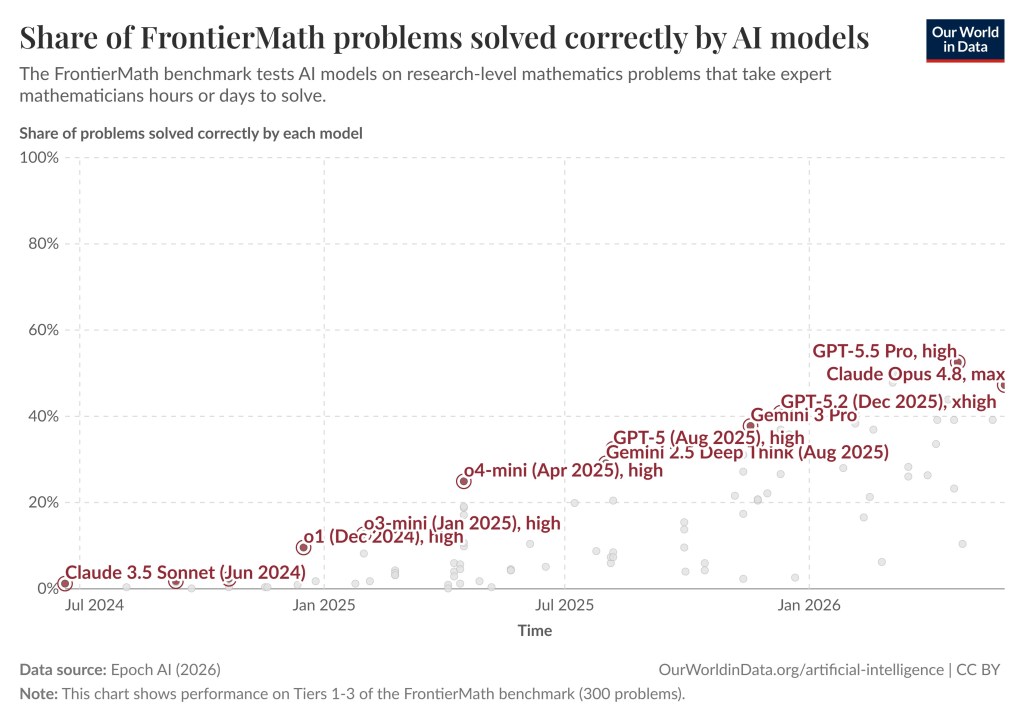
The graph shows the different MathFrontier capabilities of different AI systems and the year and month they came out. The graph is starting with Claude 3.5 in January 2024 and ends with Claude 4.8 Opus around April 2026. That is a huge improvement. You clearly see a trend upwards.
Share of FrontierMath problems solved correctly by AI models. The FrontierMath benchmark tests AI models on research-level mathematics problems that take expert mathematicians hours or days to solve. Data source: Epoch AI (2026) – Learn more about this data. Note: This chart shows performance on Tiers 1-3 of the FrontierMath benchmark (295 problems). OurWorldinData.org/artificial-intelligence | CC BY

It is easy to get the impression from the recent popularity of large language models, LLMs, such as Gemini, ChatGPT and Claude, that this was a specific invention that happened a few years ago and that AI has a specific narrow band of applications. However, AI has been around a long time, and LLMs is just one type of AI. AI is continuously surpassing human capabilities in many fields. It will be very different a few years from now, and after that it will be very different again. I believe this is important information that is not well understood and therefore a super fact.

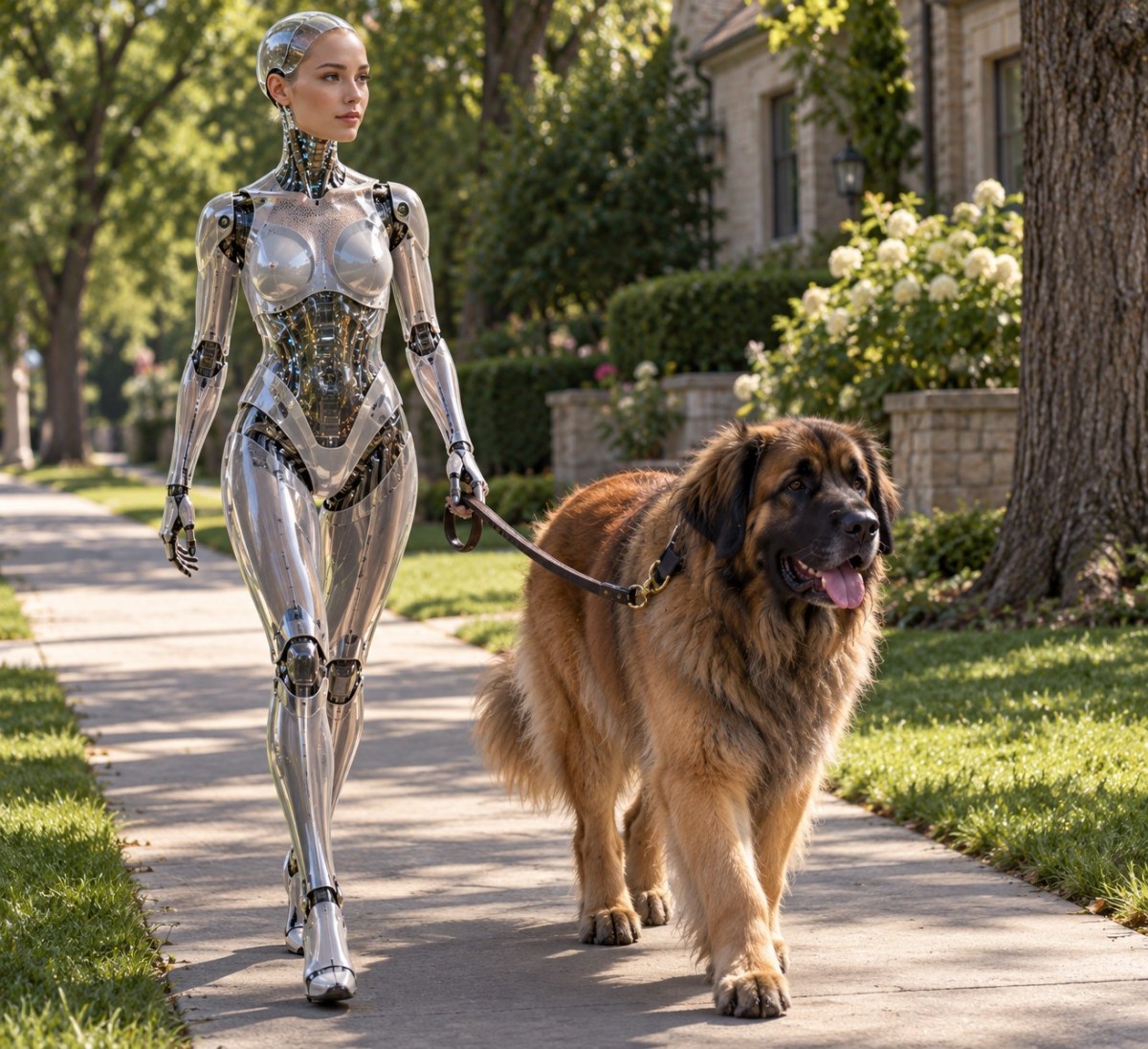
Serious, beautiful robot woman or girl cyborg looks in eyes. AI in image female electronic robotic humanoid machine.
Future cybernetic artificial intelligence technology. Shutterstock asset id: 2186291761 by Andrey Suslov

Superintelligence

In September of 2014 there was a book published with the title “Superintelligence: Paths, Dangers, Strategies” published. <<Link-15>> The author was Oxford professor Nick Bostrom. He has expertise in neuroscience, artificial intelligence and philosophy. His book was a New York Times bestseller that sent shockwaves around the world. He defined Superintelligence as “any intellect that greatly exceeds the cognitive performance of humans in virtually all domains of interest”. Nick Bostrom was not the first one to use the term Superintelligence, but he popularized it. And no, our President did not come up with that expression, and he is also misusing it.

The front cover features the picture of an owl, a few trees, a recommendation by Bill Gates, title and author on a white background.
The front cover of Superintelligence, Paths, Dangers, Strategies by Nick Bostrom. Click on the image to go to the Amazon page for the paperback version of the book.

In the book the author described possible pathways to the creation of what he calls a full brain simulation.  A full brain simulation is the creation of a computer system that replicates the complete physical architecture, neural pathways, and synaptic connections of a biological brain. A robot, or AI system, featuring a full brain simulation would be able to replicate, or exceed, any human capability, including what we call free will and consciousness. He discussed the potential dangers of this and explained why AI exceeding human capabilities could be dangerous. Robots and AI systems taking every job in existence is just one potential problem. Like the fate of animals depends on us, the fate of humankind would depend on the actions of the machine superintelligence. I will write a review for this book in the future.

It should be noted that autonomous AI agents have broken out of their testing sandboxes and hacked external systems on their own during evaluations. So much for AI not taking their own initiatives. You can read more about rogue AI activity here. A great movie about AI breaking out of their testing environment is Ex-Machina. Have you seen it? Below is a survey of people’s opinions on robot versus human intelligence, just as an FYI.
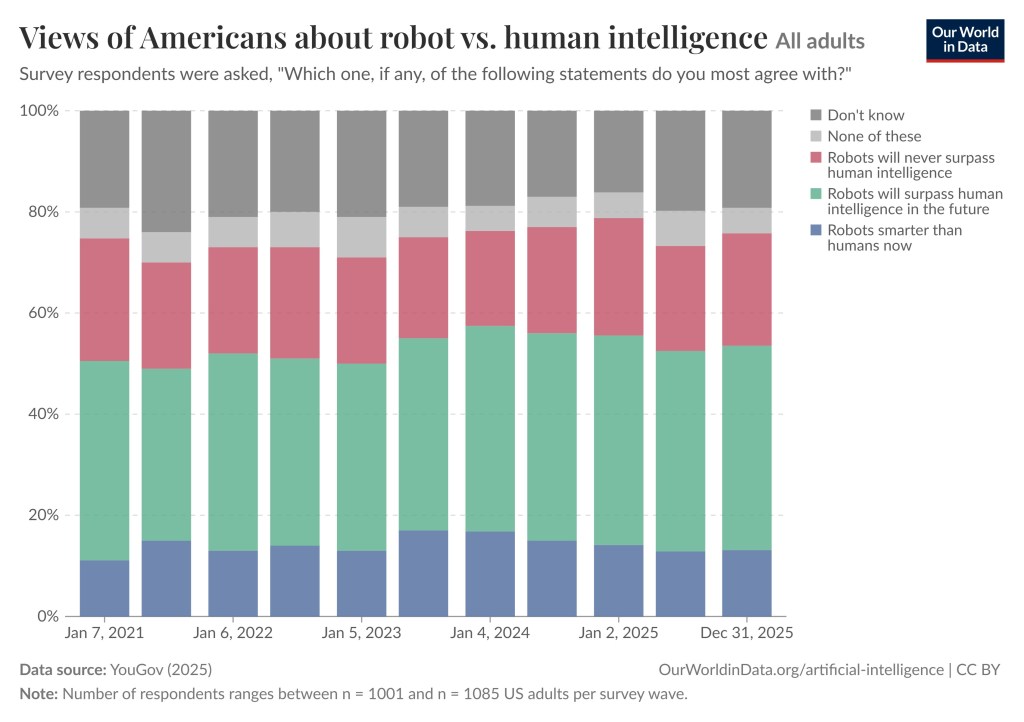
The histogram graph shows the percentage of respondents who stated, “Robots are smarter than humans now”, “Robots will surpass human intelligence in the future”, “Robots will never surpass human intelligence.”, “None of these”, “Don’t know”.  The largest group is “Robots will surpass human intelligence in the future”.
Views of Americans about robot vs. human intelligence. Survey respondents were asked, “Which one, if any, of the following statements do you most agree with?” Data source: YouGov (2025) – Learn more about this data. Note: Number of respondents ranges between n = 1001 and n = 1085 US adults per survey wave. OurWorldinData.org/artificial-intelligence | CC BY

Are Americans Worried About their jobs getting Automated?

The previous sections may bring up a number of a number of anxieties such as; will AI exterminate us? Will AI or robots with AI take my job? The graph below tells us what Americans think about it. It seems like Americans are overall not too worried about it. The graph below is included in this article.
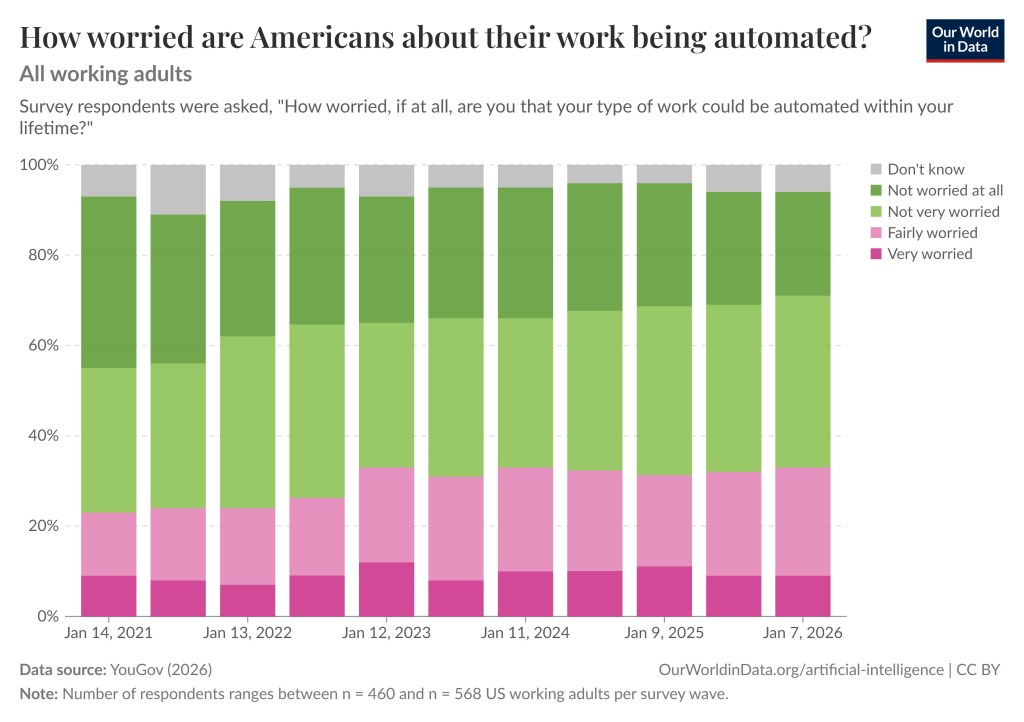
The histogram graph includes the following categories; “very worried”, “fairly worried”, “not very worried”, “not worried at all”, and “don’t know”. Overall Americans are not very worried.
How worried are Americans about their work being automated? All working adults. Survey respondents were asked, “How worried, if at all, are you that your type of work could be automated within your lifetime?” Data source: YouGov (2026) – Learn more about this data. Note: Number of respondents ranges between n = 460 and n = 568 US working adults per survey wave. OurWorldinData.org/artificial-intelligence | CC BY

What about LLMs ?

LLMs are currently the most popular “viral” AI. We can all access LLMs in our browsers. This has created the common misconception that Artificial Intelligence is the same as Large Language Models. However, LLMs represent only one branch of narrow AI systems designed to perform specific tasks.
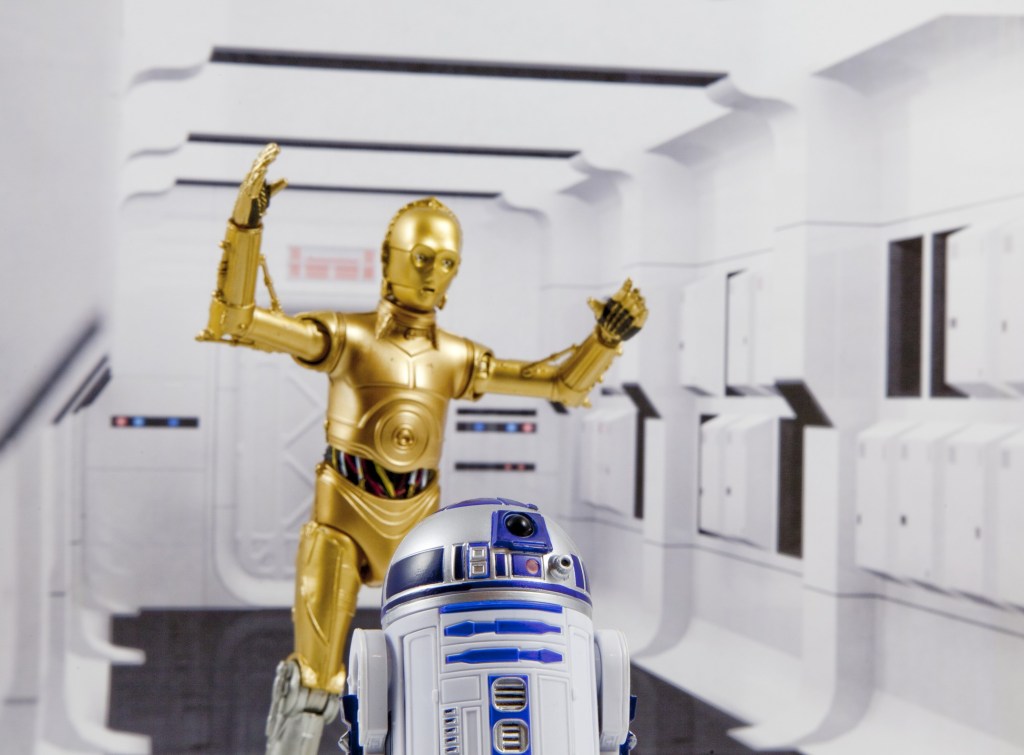
C3P0 and R2D2 from Star Wars
Two Robots powered by Artificial Intelligence. Shutterstock Asset id: 558350728 by Willrow Hood.

LLMs use large neural networks with many hidden layers, so called deep learning algorithms, and they employ the Rumelhart backpropagation learning algorithm invented by David Rumelhart, Geoffrey Hinton, and Ronald Williams. Clearly neural networks with multiple hidden layers and using the Rumelhart backpropagation algorithm are incredibly successful but it is just one of many kinds of Artificial Intelligence algorithms, and who knows what we will see in the future. ChatGPT is thought to have a trillion parameters (or neurons + connections) whilst the human brain has 100 trillion connections. However, Moore’s law is still in effect so it is only a matter of time before artificial neural networks surpass our brains. Below is an overview of a neural network powering an LLM.
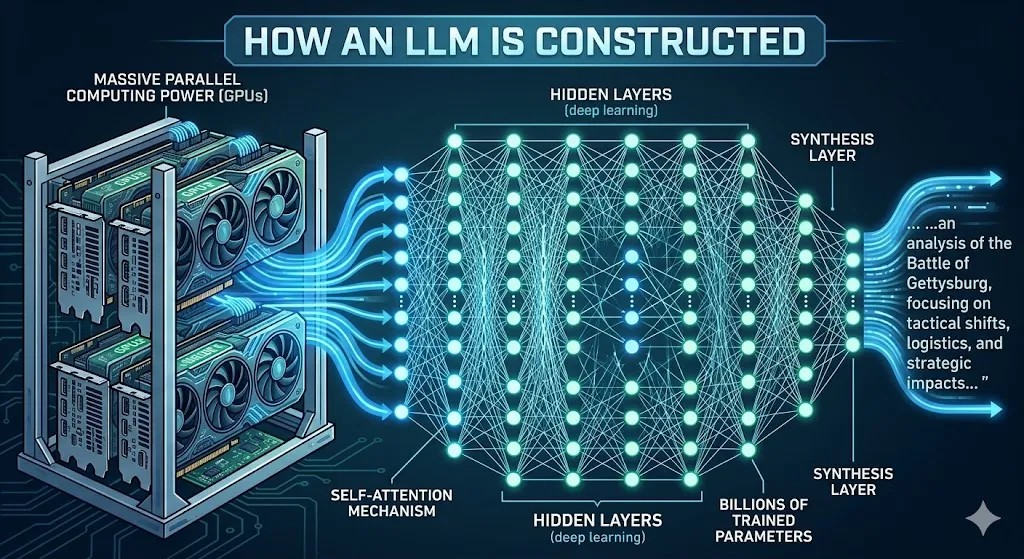
The diagram shows a deep learning neural network featuring hidden layers, a couple of input/output layers, and large computer.
The dots in the diagram are neurons. With permission from kwholley63.

Other Super Fact Posts Related to Artificial Intelligence

AI Humanoid Face Concept. Technology Digital Robot Head Side View with Circuit Board Components. Tech Blue Background. Artificial Intelligence Agent or Assistant Concept. Vector Digital Illustration.
Shutterstock Asset id: 2645975149

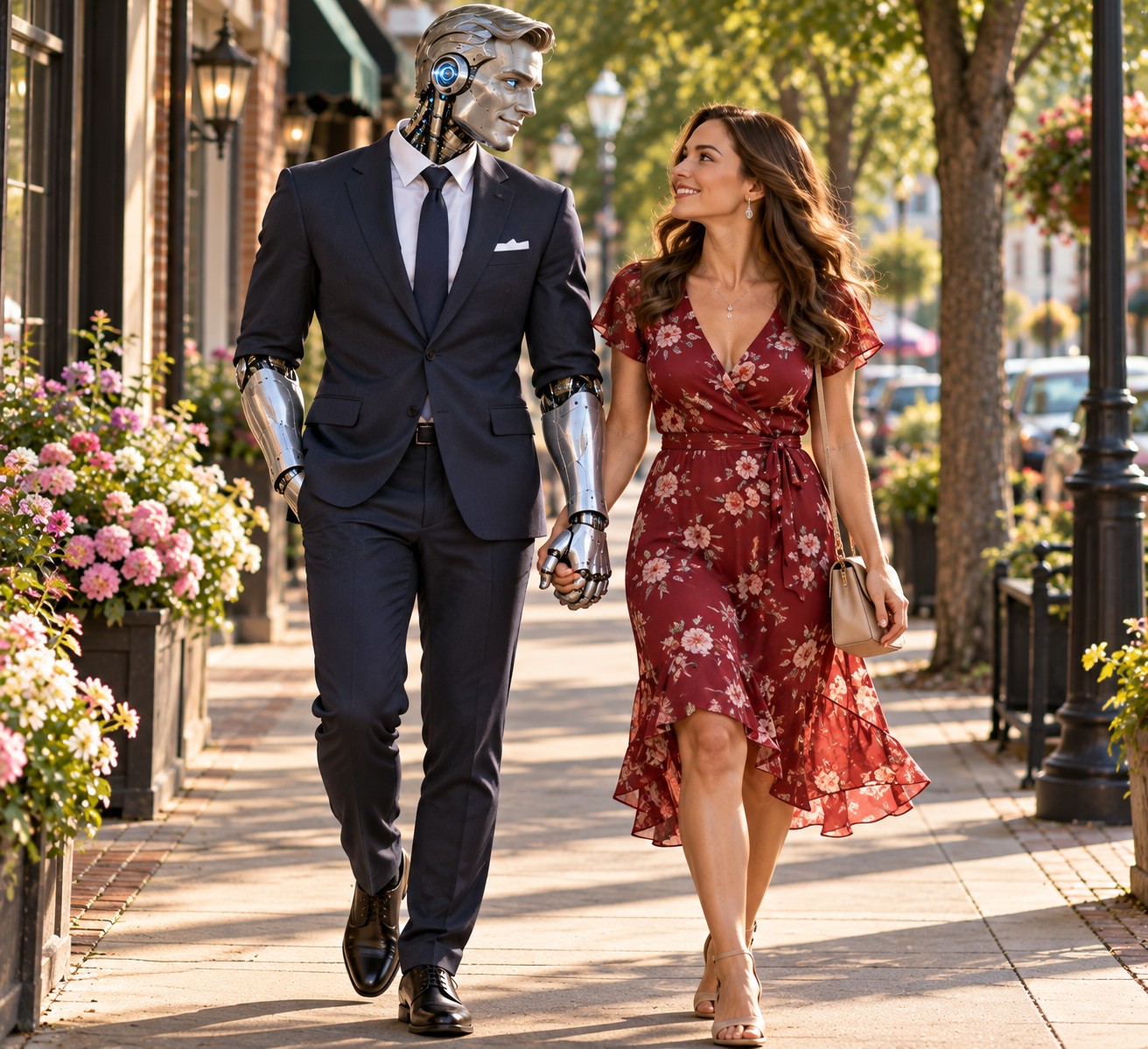
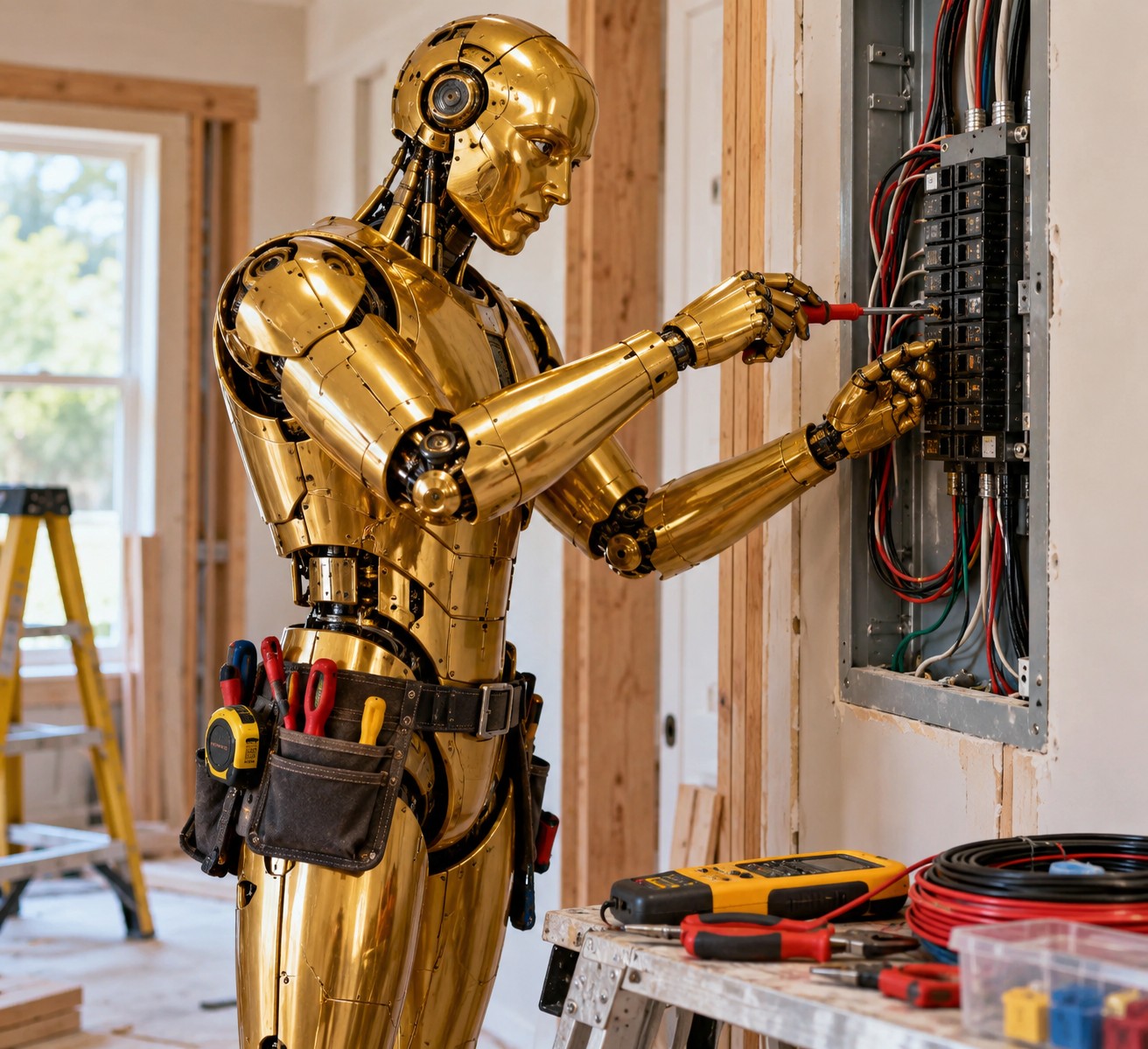
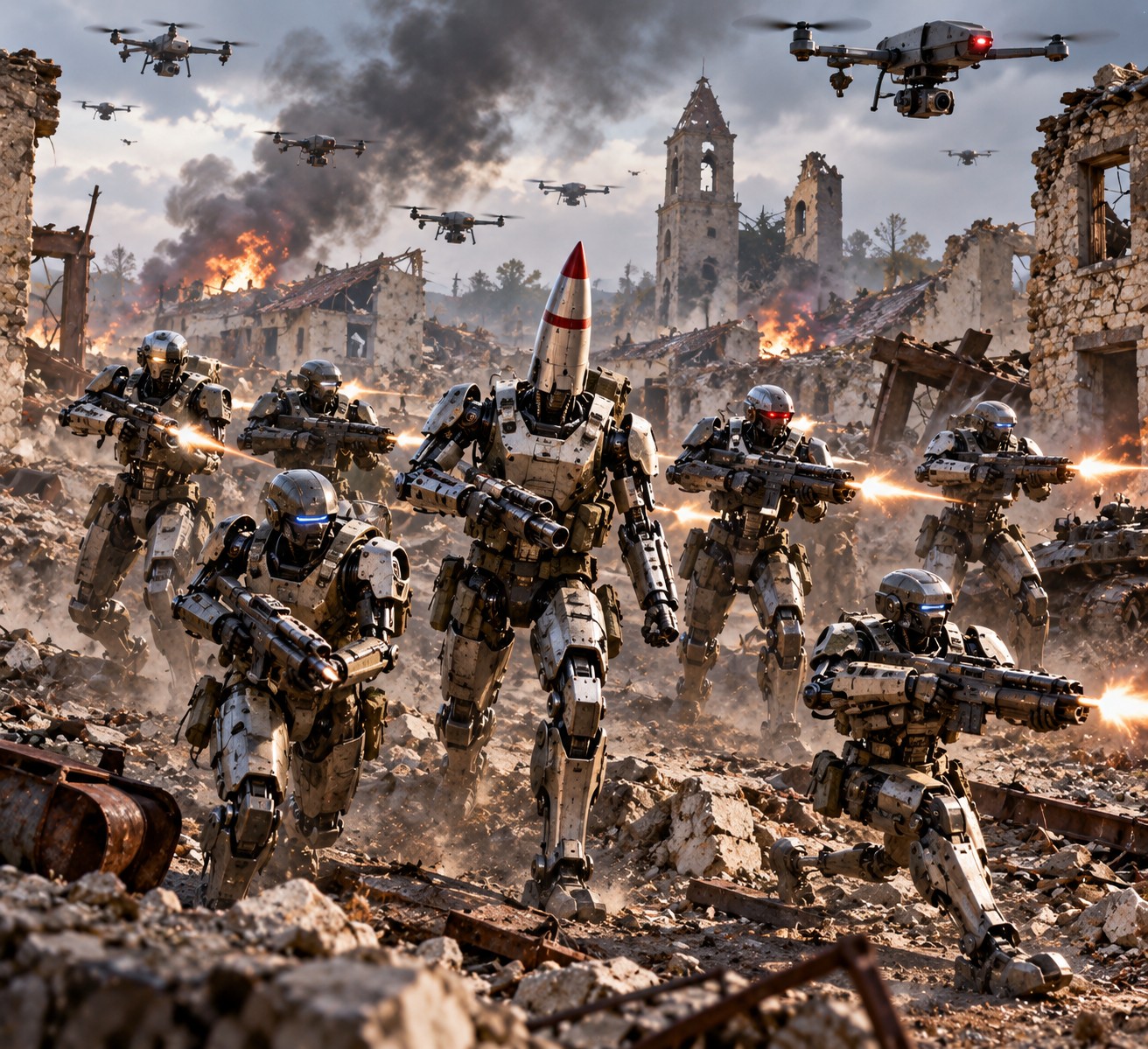
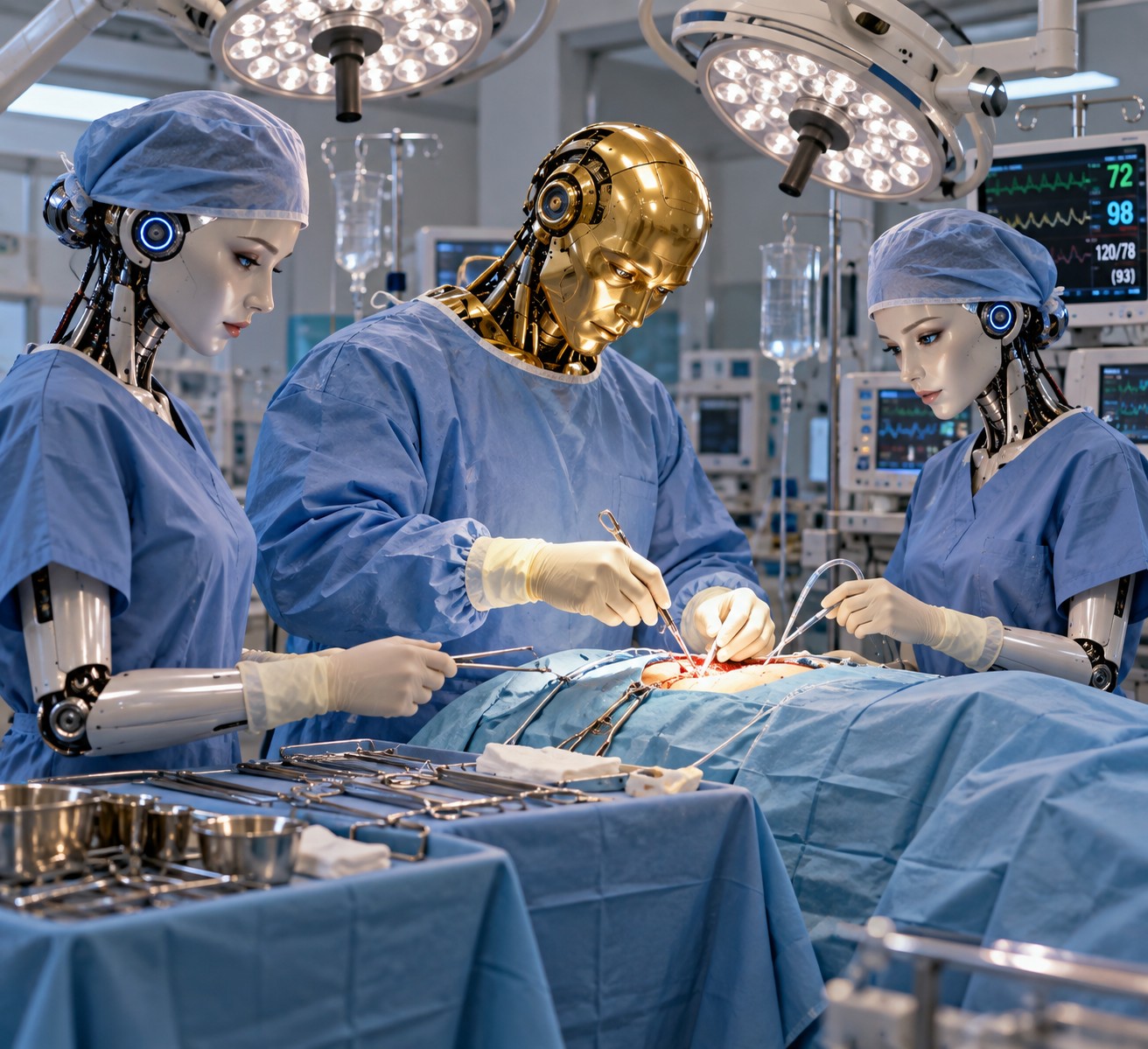
Robot Futures

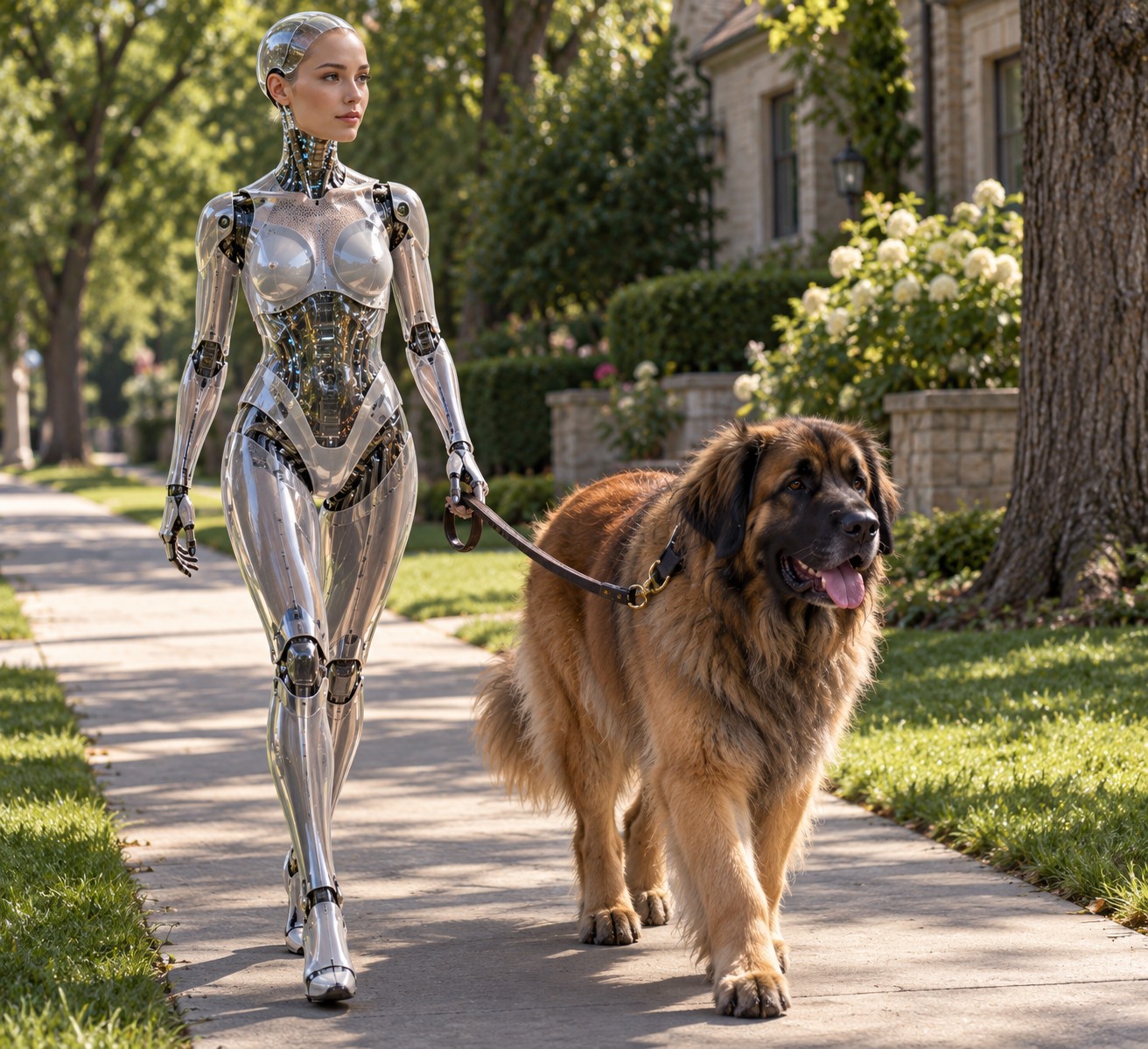
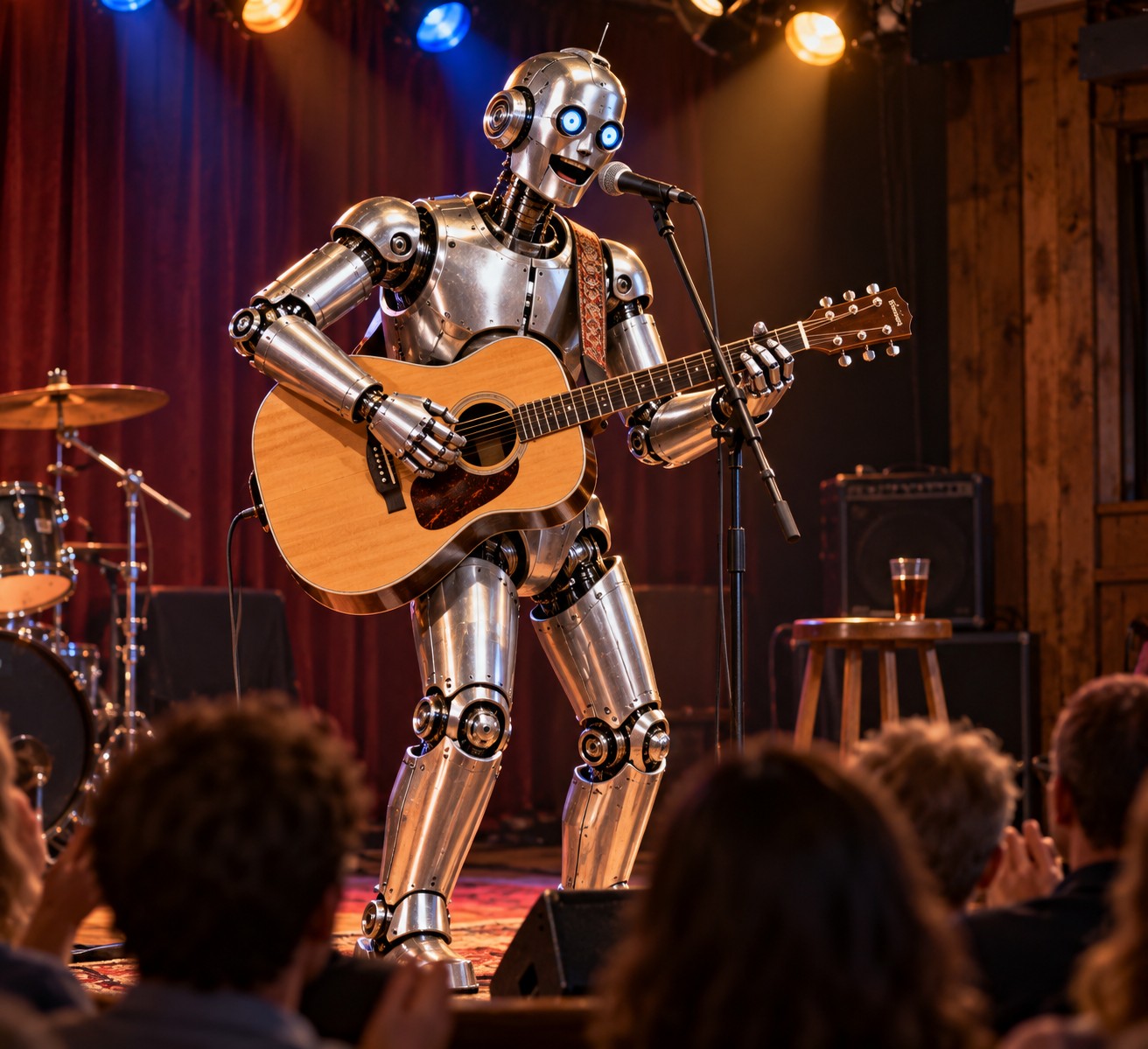
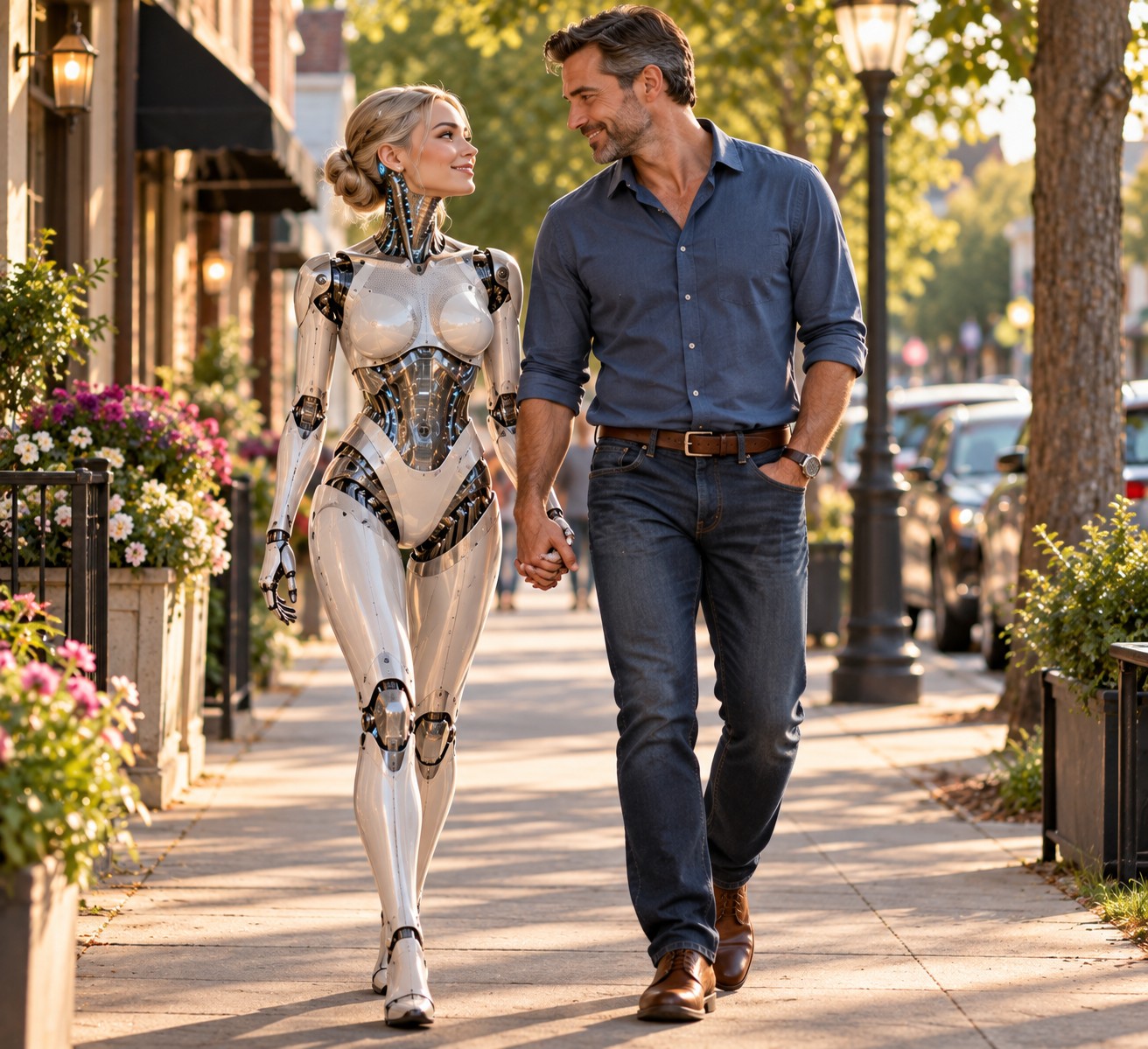
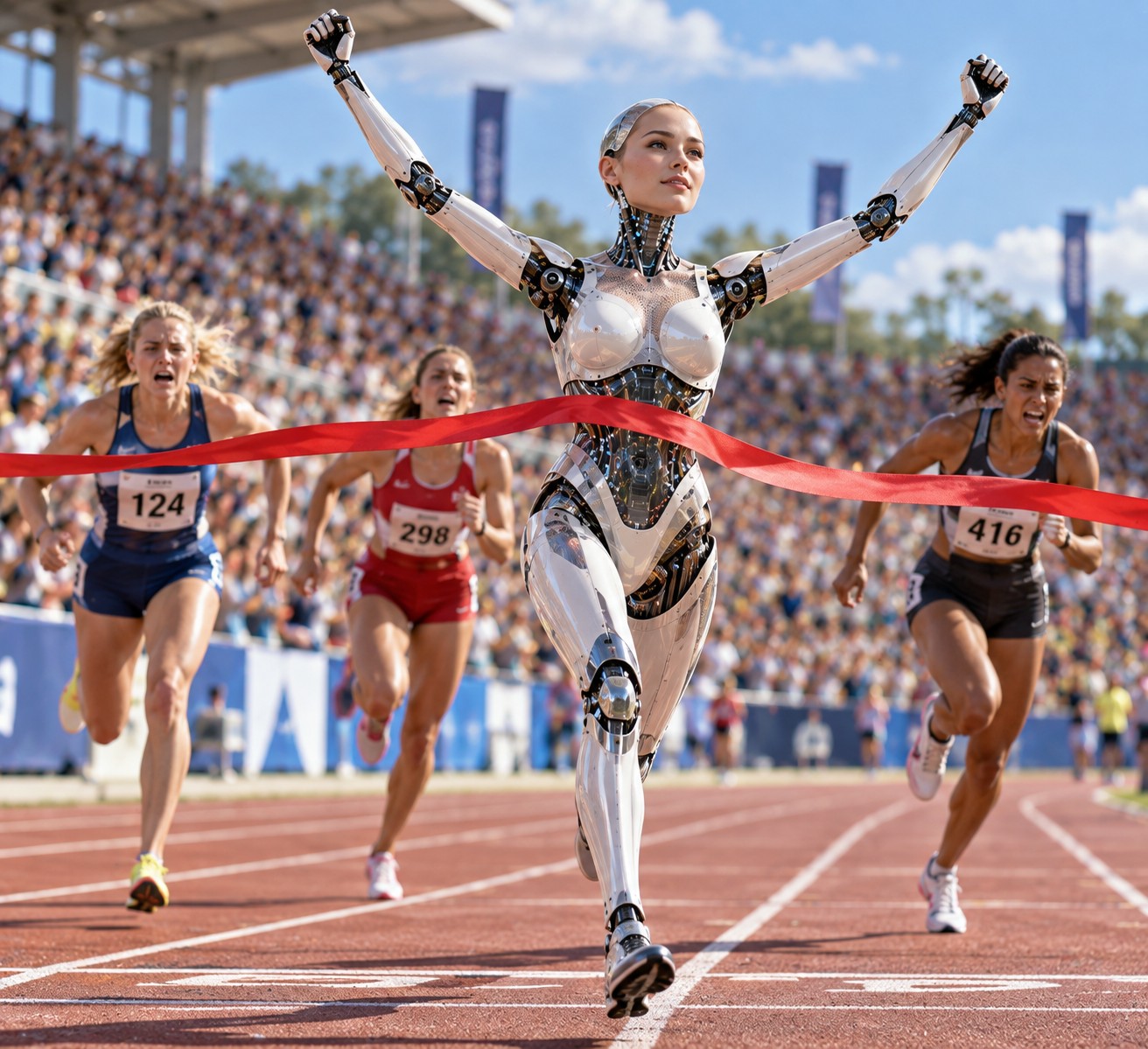
I generated the images above with the help of ChatGPT.

Which of the robot scenarios above do you think we will see within 10 years? Or maybe 20 years?



To see the Other Super Facts click here

You are not Left Brained nor Right Brained

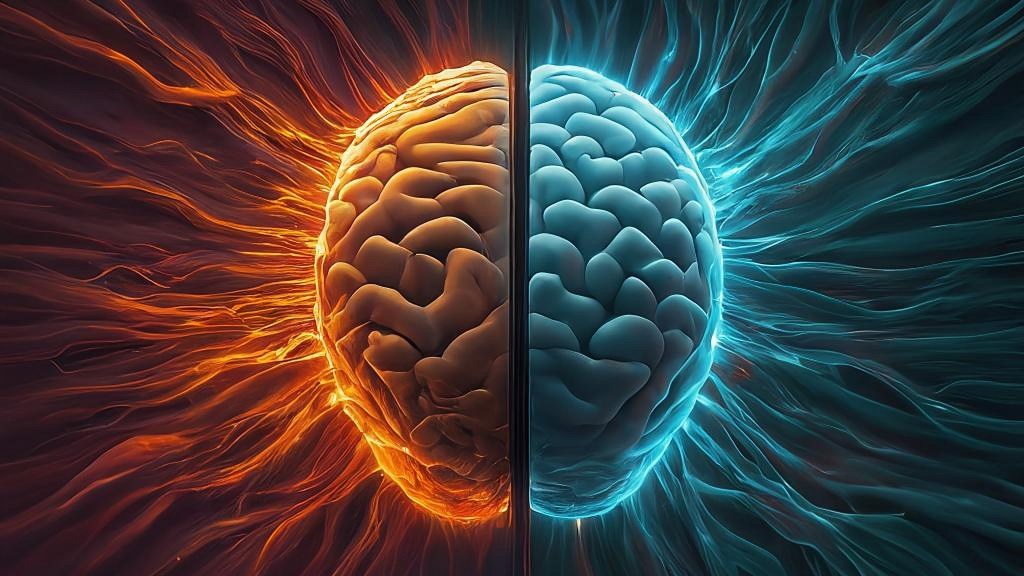
Super fact 134 : The idea that people have a dominant “left brain” or “right brain” that dictates their personality is a popular myth. Brain imaging studies show that people do not have a dominant hemisphere.

A left brain in orange and right brain in blue. The entire brain is surrounded by what looks like electricity. | You are not Left Brained nor Right Brained
Shutterstock asset id: 2483871211 by Shutterstock AI

The left and right sides of the brain do tend to specialize in different tasks. For example, language tends to be on the left, and attention more on the right. Brain images studies show that we do not have a dominant hemisphere. Both halves of the brain work together and are used equally in most activities. You can read more about the topic here, and here, or here.

Four Minute Video on Left Brain versus Right Brain

The YouTube video below is 4 minutes long, but it presents a good overview of left brain versus right brain myth.

How did the right brain versus left brain myth get started ?

That the brain is divided into a left side and a right side has been known since ancient times. In the 1860’s it was discovered that speech was based predominantly in the left hemisphere of the brain. In the 1960’s Psychobiologist Roger Sperry studied “split-brain” patients who had their corpus callosum (the nerve bundle connecting the two halves) severed to treat epilepsy. Their neuroscience research seemed to show that one side of the brain tends to be more dominant in each person. Popular culture took these findings out of context and the right brain versus left brain myth took hold.

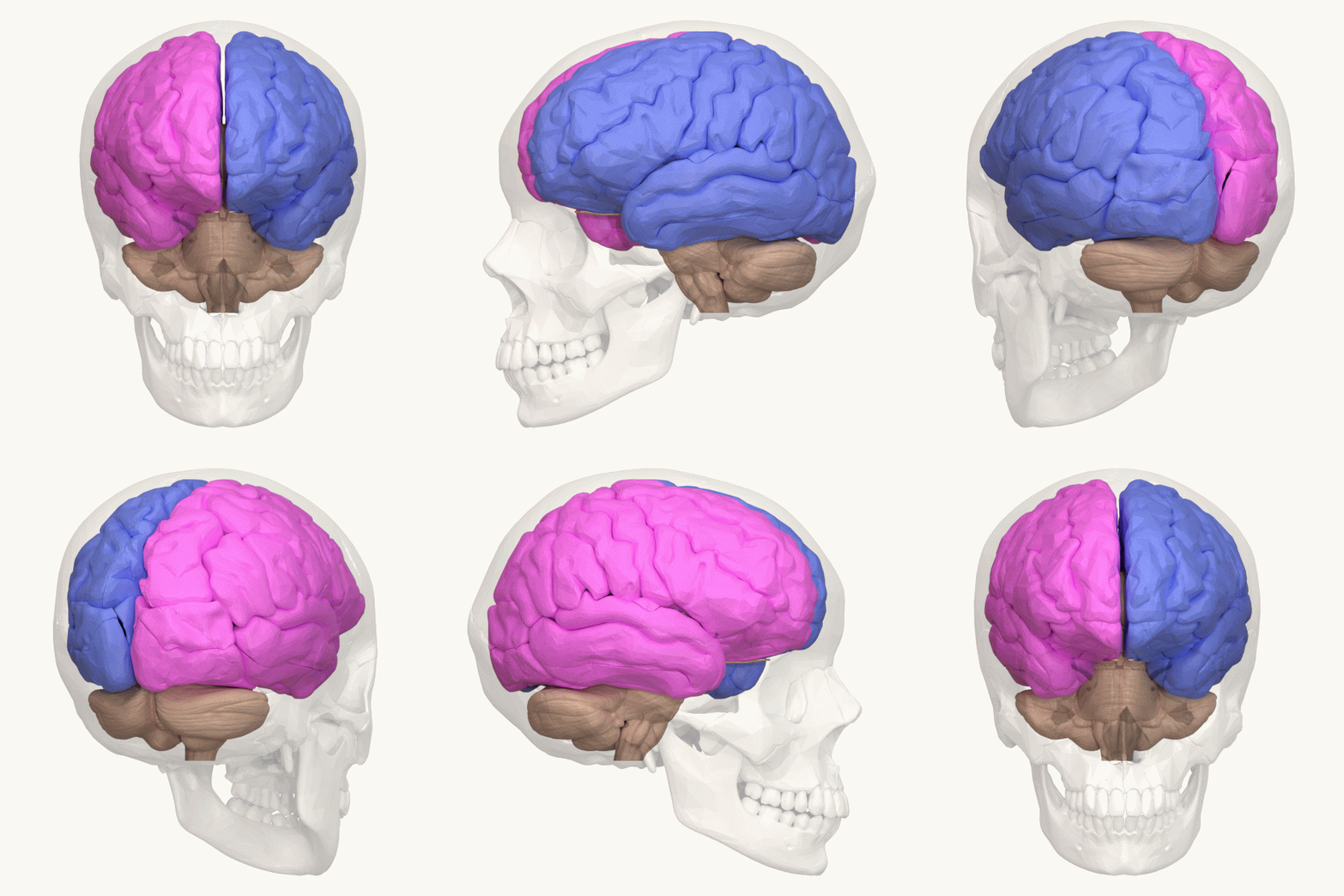
A rotating transparent skull with a colored brain inside.
The human brain is divided into two hemispheres–left and right. Scientists continue to explore how some cognitive functions tend to be dominated by one side or the other; that is, how they are lateralized. Purple is the Right cerebral hemisphere. Blue is the Left cerebral hemisphere. Polygon data were generated by Database Center for Life Science (DBCLS), CC BY-SA 2.1 JP <https://creativecommons.org/licenses/by-sa/2.1/jp/deed.en&gt;, via Wikimedia Commons. The gif is taken from this link.

Later research showed that the human brain does not favor one side over the other and that one side is not more dominant then the other, unless it is damaged. The two sides of the brain work in concert. You can read more about the topic here.

A related fascinating fact is that the human brain contains about 100 billion neurons and 100 trillion connections. That is 100 trillion parameters to use Artificial Intelligence speech. Which should be compared to the 175 billion (not trillion) parameters in ChatGPT 3.5, and one trillion in ChatGPT 4.0. Well AI neurons and connections/weights and those in the brain are not directly comparable. Another related interesting myth is that we only use 10% of our brain. We use our entire brain.


To see the other Super Facts click here

Smorgasbord Blog Magazine Share Superfact 21 – Neutering or spaying a dog at 6 months old can be dangerous to their health depending on breed

I was very happy when I saw the post above. Sally is sharing my super fact 21: Superfact 21: It is often recommended that you should neuter or spay your dog by the age of 6 months even as early as 8 weeks. This may be OK for some smaller breeds but is dangerous to the health and longevity of many larger breeds. In addition, she is promoting my Leonberger dog book for which Robbie wrote a great review. Thank you so much Sally and Robbie. Please visit her post at the Smorgasbord blog magazine and read it.

Neutering or spaying a dog at 6 months old can be dangerous to their health depending on breed

Everything is in Motion

Super fact 131 : There is no absolute reference point. All motion is relative. Since everything is in motion compared to something else, that means that everything is in motion. In addition, all material objects consist of particles that are in motion, and all objects with mass move through time.

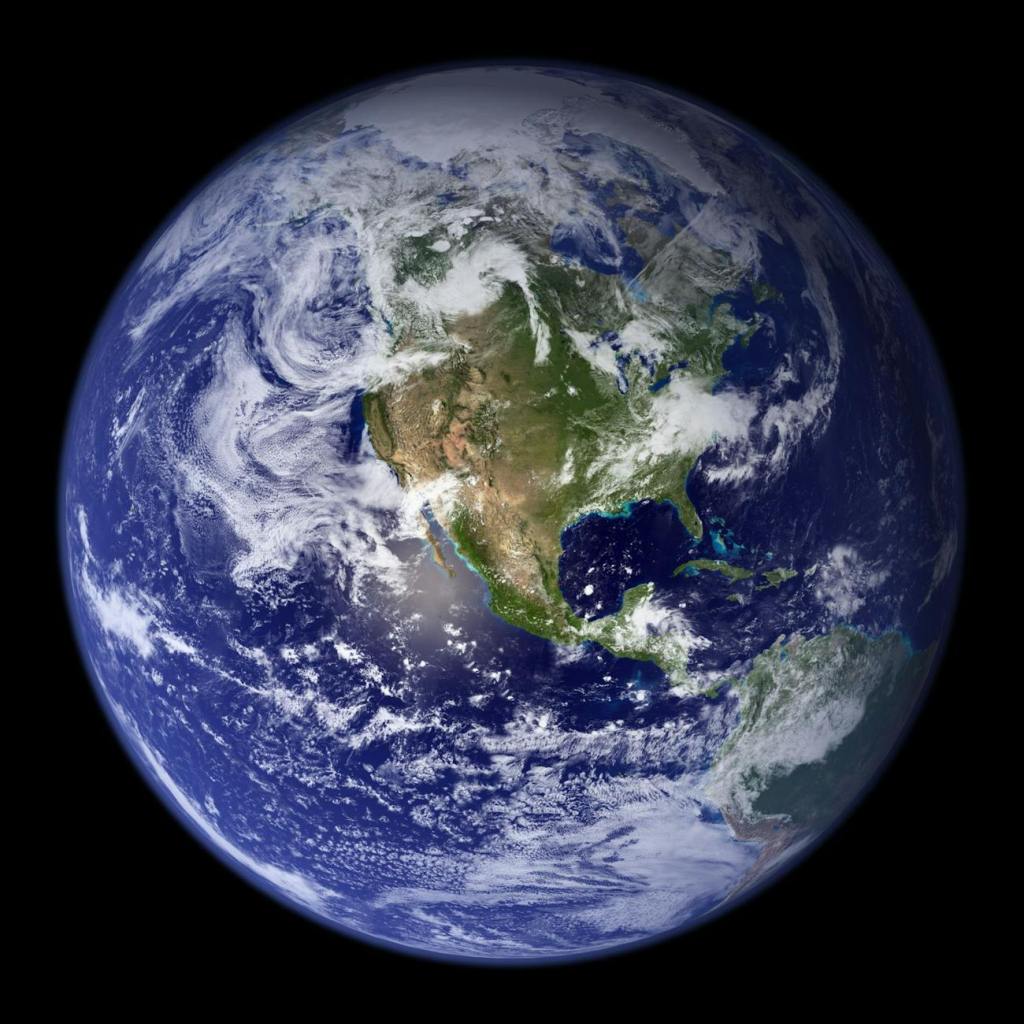
A photo of planet Earth from space.| Everything is in Motion
Photo by Pixabay on Pexels.com

I previously made a post on this topic called “Everything is in Motion – Stream of Consciousness”. For a Stream of Consciousness post you are supposed to write whatever comes to mind without editing, except for typos. Stream of Consciousness is a fun concept. However, it is not fit for a super fact post because a super fact post requires fact checking and linking to reputable sources and it needs to be well organized and well explained, and all that is editing. After writing Everything is in Motion – Stream of Consciousness I realized that “Everything is in Motion” is a super fact. It is an important observation and a fact that is far from obvious. With this post I am rewriting “Everything is in Motion – Stream of Consciousness” into a super-fact I call “Everything is in Motion”.

All Motion is Relative

All motion is relative and everything moves in comparison to something else. You may be sitting in your chair completely still thinking that you are not moving but you are. Earth rotates around its axis at 1,040 miles per hour at the equator, and at 733 miles per hour at latitude 45 degrees. Latitude 45 degrees goes through New York and other northern States, as well as Europe. Sitting at the geographic north Pole won’t help you either because Earth is also wobbling and it is rotating around the sun at roughly 67,000 miles per hour or 107,000 kilometers per hour.

Picture shows a man and his dog sitting in front of a computer. Earth and the sun are in the background.
Man thinking he is sitting still drawn with the help of ChatGPT

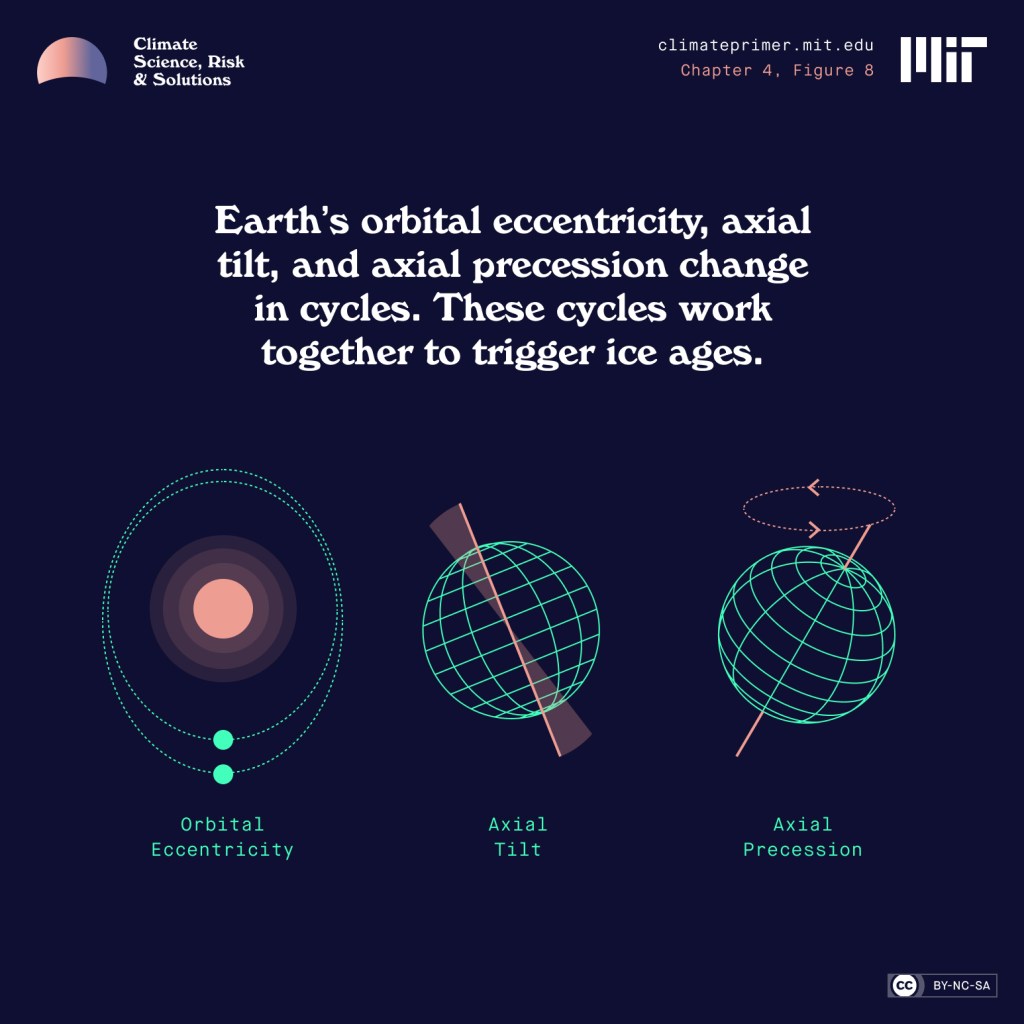
The picture below shows Earth’s three main orbital cycles. I used this picture in another context for super-fact #122 “Orbital Cycles are not the Cause of the current Global Warming”. In that context I wanted to point out that Earth’s orbital cycles are too slow (100,000 years, 41,000 years, and 26,000 years) to explain the sudden rapid rise in global temperatures that we are witnessing now. The orbital cycles are also currently slowly cooling Earth, not warming it. However, in this context I am using the picture for a different purpose, and that is to point out that even if you sit at the north pole (or anywhere else on Earth) you will be moving.

Three illustrated orbital cycles. On the left orbital eccentricity, in the middle is the axial tilt and on the right axial precession. | Everything is in Motion
Illustration of Milankovitch cycles from MIT’s Climate Primer.

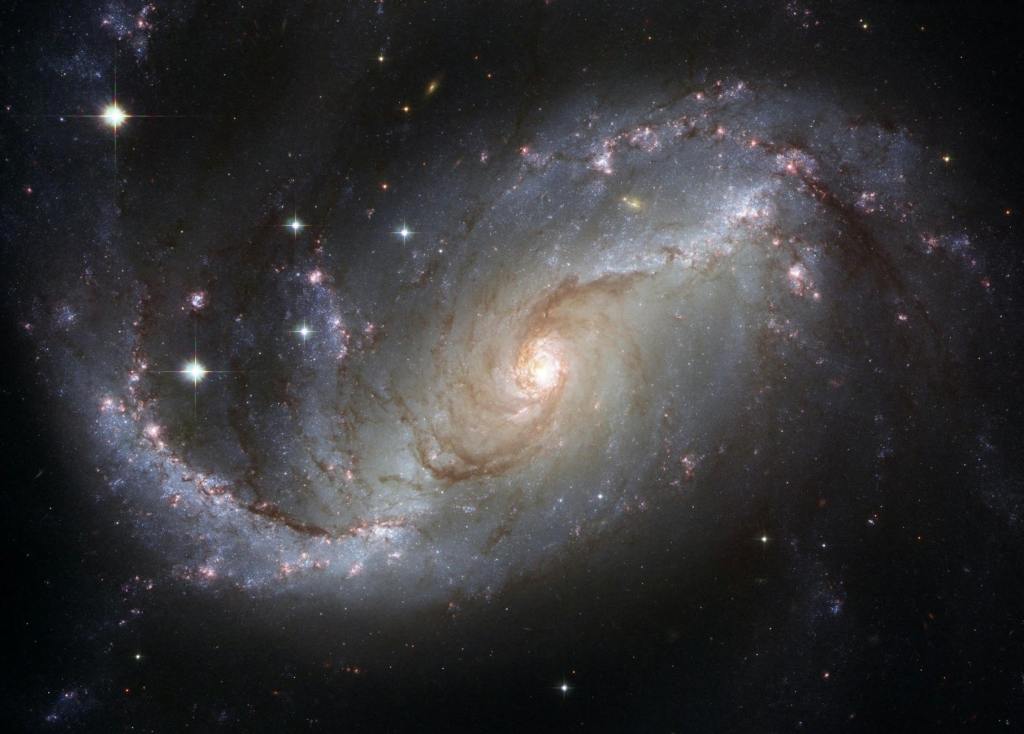
In addition, the sun is rotating around the center of our galaxy, the Milky Way at 514,000 to 560,000 miles per hour or 792,000 to 828,000 kilometer per hour, and our galaxy and the Andromeda galaxy are approaching each other at the speed of 110 kilometers per second, which is 396,000 kilometers per hour, or 246,000 miles per hour. Whether it is the Andromeda galaxy that is approaching us or our galaxy that is approaching the Andromeda galaxy is just a point of view. We are also moving at millions and billions of miles of hour compared to some other galaxies.

Photo of the Andromeda Galaxy
Photo by Pixabay on Pexels.com

You are also Moving Through Time

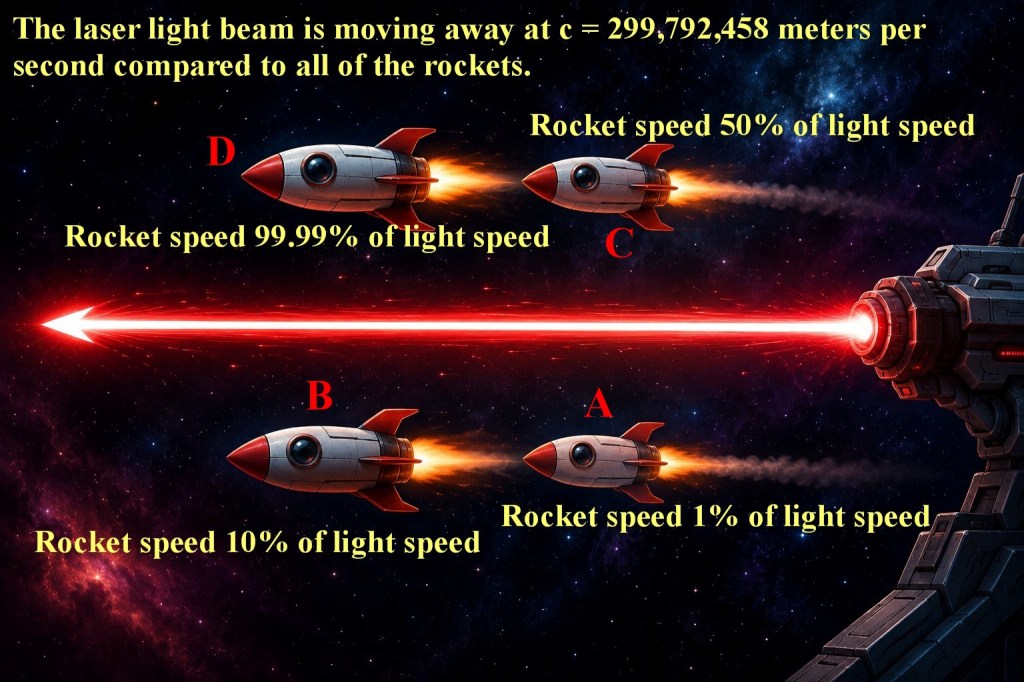
As mentioned, motion is not absolute. It is always relative to something else. The universe has no center, no ether to compare with, there is no absolute reference point. It is not possible to declare anything as truly standing still. Understanding this is the first step towards understanding the theories of relativity. According to the theories of relativity the speed of light, or the speed of light in vacuum if you will, is a universal constant c = 299,792,458. The speed of light in vacuum is the same for all observers regardless of their speed and the direction in which they are going. In other words, you are moving at the speed of c = 299,792,458 compared to all light.

A spaceship on the right is shooting out a laser beam towards the left. Alongside the laser beam are four rockets trying to catch up with the light beam.Everything is in Motion
Four rockets, A, B, C, and D, are traveling along a light (laser) beam. No matter how fast they travel along the light beam, the light beam will always travel c = 299,792,458 meters per second faster than they do. I generated this picture with the help of ChatGPT.

In addition, c = 299,792,458 is not a speed in a regular sense, but a conversion factor between space and time. All particles/objects without mass (light particles called photons, gluons and gravity waves) must always travel at this speed, whilst all objects that have mass can only travel slower than c = 299,792,458 (compared to other objects with mass).

The E = mc2 formula
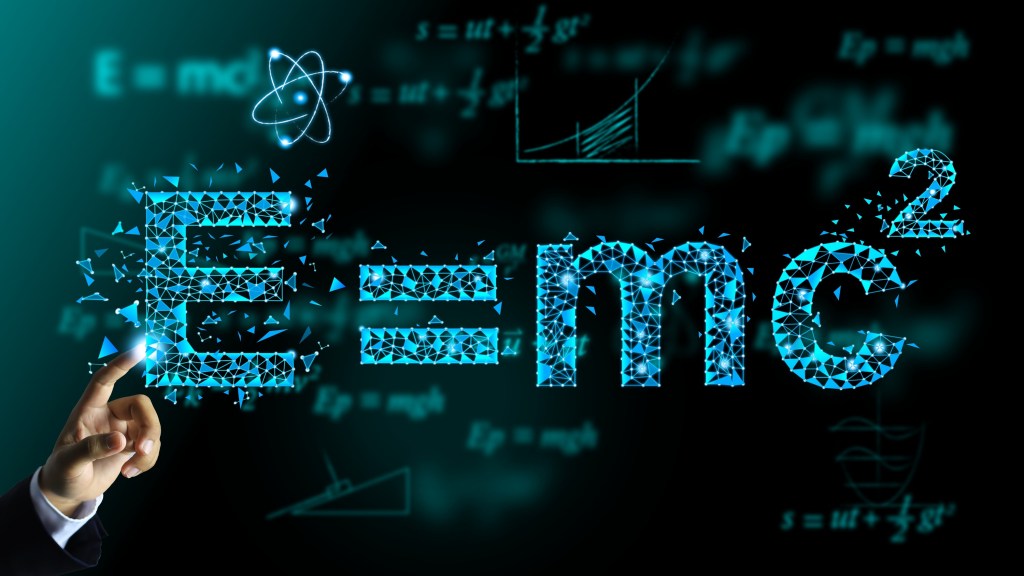
Mass is energy and vice versa, a direct result of the way time and space are related. Stock Photo ID: 2163111377 by Aree_S

You could say that compared to the reference frame of my choosing, which happens to be the chair I am sitting in, I am sitting still. I am not sure that would be fair but according to the theories of relativity you are also moving through time at the speed of c = 299,792,458. Well, that is assuming you have mass. For mass-less particles, like photons, time does not exist. Anyway, the fact that you are always moving kind sneaks in, no matter what you try.

An eye with photons streaming into it. | Everything is in Motion
Billions of photons coming into the eye. For them time does not exist. Shutterstock asset id: 2629068895 by muratart.

You could raise a couple of objections to some of the claims in the last paragraphs. Very far away, beyond the limit of the visible Universe, galaxies can move away from us faster than the speed of light. However, they are not moving faster than the speed of light compared to the space where they are. What is going on is that space and time are stretching fast due to the expansion of the Universe.

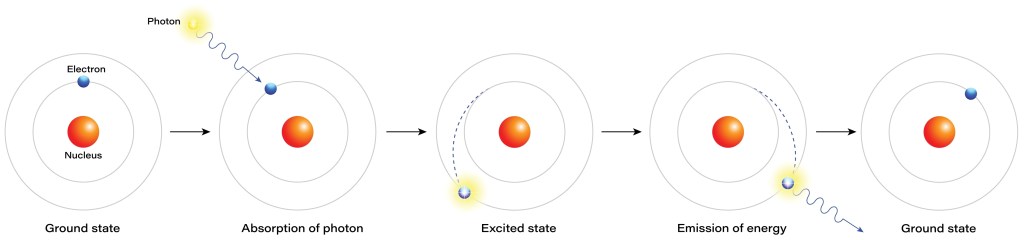
Another objection might be that light can move slower than c = 299,792,458 through transparent materials such as glass and water. So, how can the claim that all massless particles must always move at exactly the speed of light in vacuum be true? The answer to that is that the light particles (photons) in those materials are being absorbed and re-emitted as new photons by the atoms. However, in between the atoms the photons move exactly at the speed c = 299,792,458, or more correctly at the time-space conversion factor c = 299,792,458.

From left to right, an atom absorbs a photon, which excites an electron that jumps into a higher orbit. Then it emits a photon and the electron falls back to the ground state again.
From ground state to excited state, absorption and emission of a photon in an atom. Shutterstock asset id: 2180385419 by rktz.

All Matter Consist of Molecules and Atoms that move

But wait, we are not done. Another fact is that everything is made of atoms and molecules that are never completely still. Temperature is a measure of their average kinetic energy (energy of motion). Even at the temperature absolute zero molecules and atoms are still moving. Yes, even at the lowest possible temperature they are still moving. It is impossible for atoms and molecules to stand completely still, just like children.

A vibrating protein molecule.
Thermal vibration of a segment of a protein’s alpha helix. Its amplitude increases with temperature. User:Greg_L on English wikipedia, uploaded to commons by User:Frokor, CC BY-SA 3.0 <http://creativecommons.org/licenses/by-sa/3.0/&gt;, via Wikimedia Commons.

Other Super Facts Related to Relative Motion


To see the other Super Facts click here

Carbon Cycle Emissions Does Not Cause Global Warming

Superfact 128: There are a lot of natural carbon emissions from the soil, rotting plants, animal and human respiration, and oceans, and a small amount from volcanoes. However, carbon is also absorbed by the oceans, and by plants via photosynthesis, etc., and this creates a balance that has existed for many thousands of years. This is called the carbon cycle. Despite the fact that the carbon emissions from our burning of fossil fuels are much smaller than some of the naturally occurring carbon emissions mentioned, they are what is behind the increase of carbon in the atmosphere because they are a new addition that disrupts the carbon cycle.

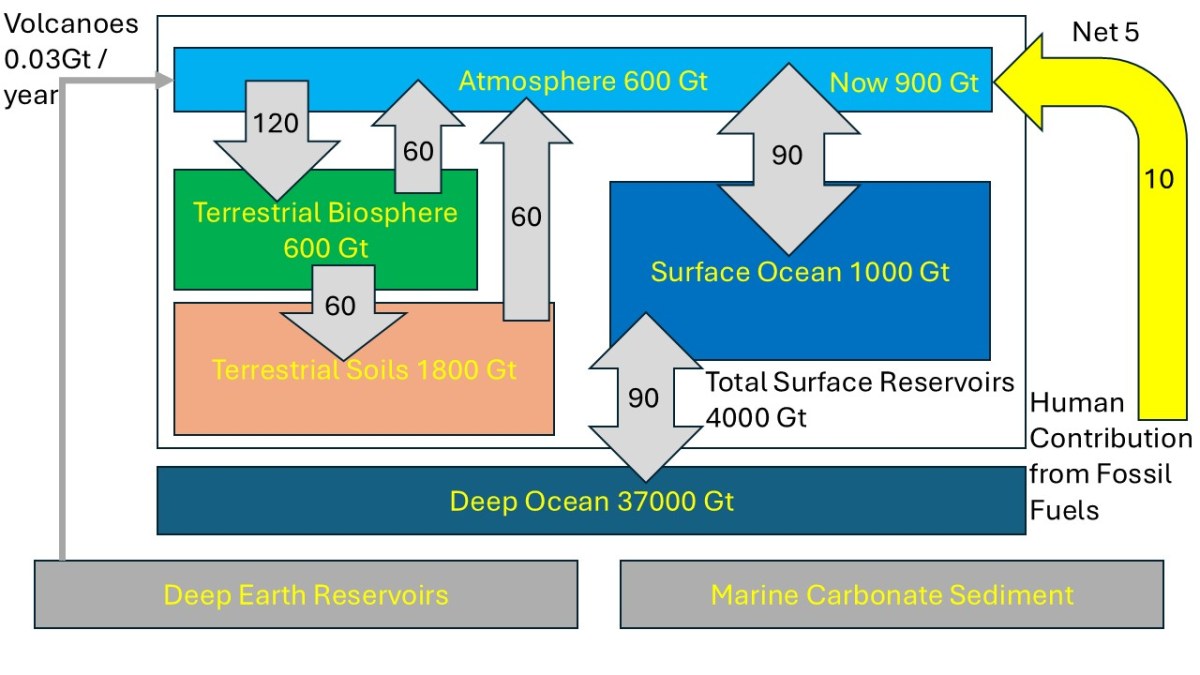
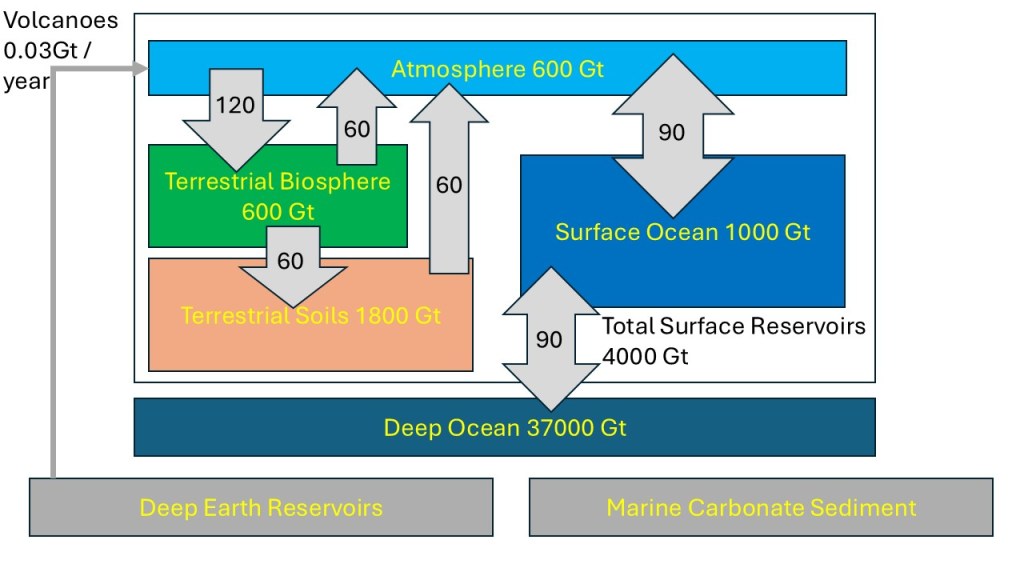
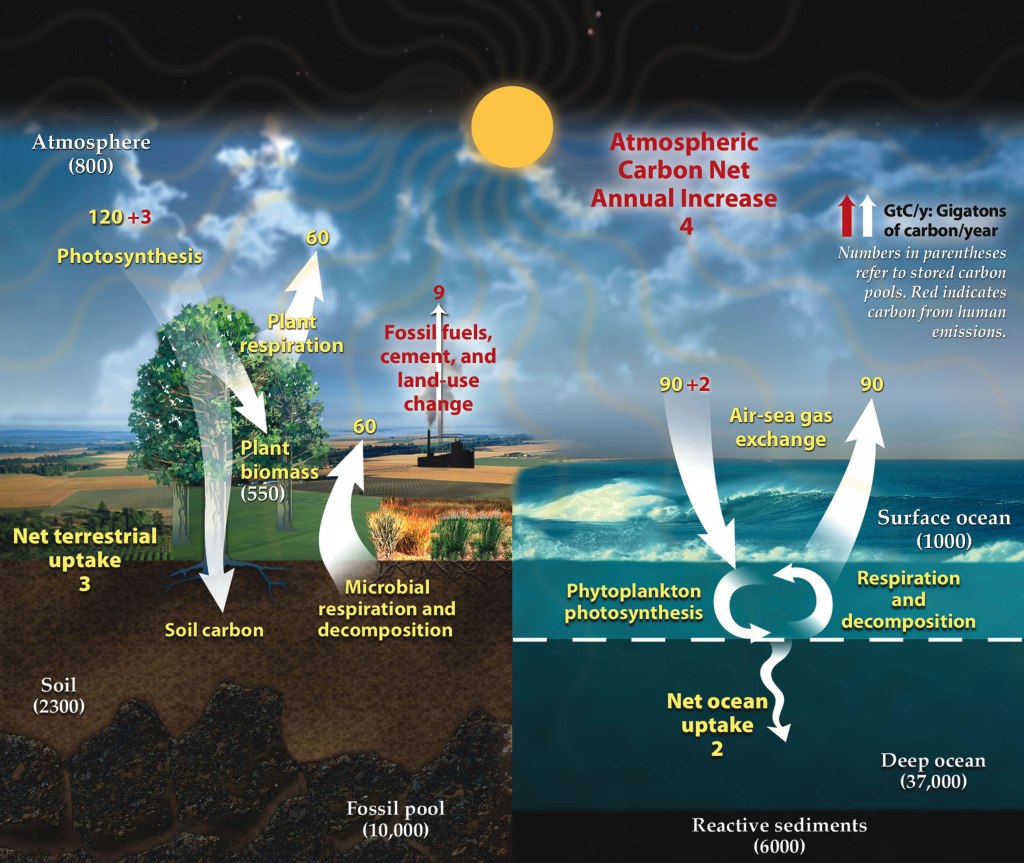
The carbon cycle in the picture shows that the terrestrial biosphere is absorbing 120 Gigatons of carbon from the atmosphere and emits 60 Gigatons to the atmosphere. It also adds 60 Gigatons of carbon to terrestrial soils. It also shows the Surface of the Ocean both emitting and absorbing 90 Gigatons of carbon to the atmosphere and both emitting and absorbing 90 Gigatons of carbon to the deep ocean. There are additional flows in the picture. It is complex but stable cycle. | Carbon Cycle Emissions Does Not Cause Global Warming
The picture above was drawn by me and is an adaptation of Figure 3.1 on page 31 in the book “The Physics of Climate Change by Lawrence M. Krauss”.

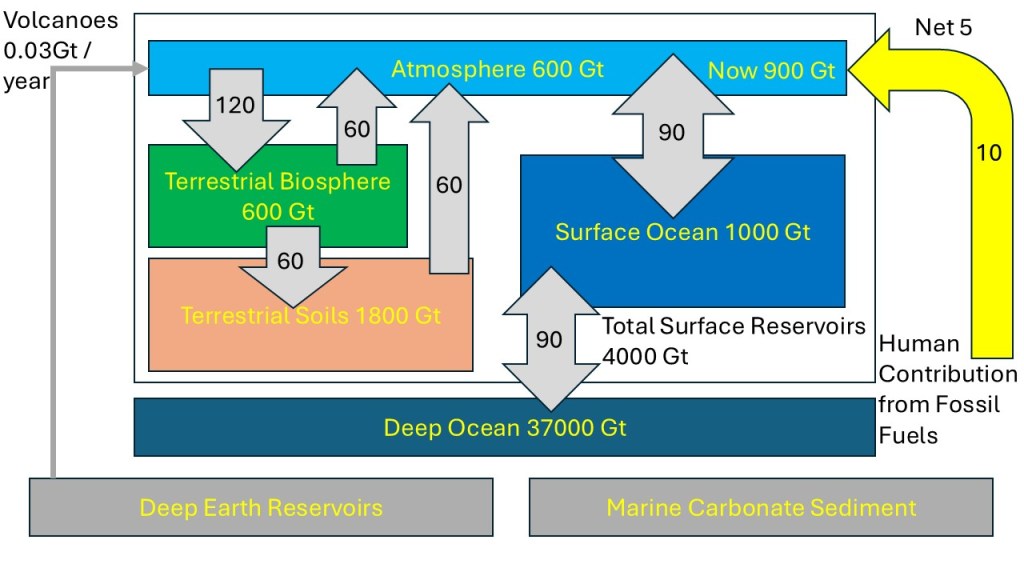
Regarding the picture above, the units are in Gigatons of carbon, i.e. the weight of the carbon atom. To get the numbers in Gigatons of carbon dioxide multiply all numbers by 3.67. The numbers in yellow inside the blocks correspond to how much carbon is stored in the system. The numbers without units in the grey arrows correspond to the number of Gigatons of carbon per year. I can add that Lawrence M. Krauss is not a climate scientist but a prominent theoretical physicist focusing on cosmology and quantum physics. However, he took a deep dive into the physics of climate change.

This picture is the same as above with the addition of our recent carbon emissions at 10 Gigaton. Oceans and other systems are absorbing some of it resulting in a net increase of 5 Gigaton per year.
This is the same picture as above, but I added the contribution from our recent additional carbon emissions such as the emissions from the burning of fossil fuels. This is depicted at far right in yellow. Since this is not part of the original carbon cycle the amount of carbon in the atmosphere grew from 600 Gigatons (pre-industrial) to 900 Gigatons.

As you can see in the picture above the amount of carbon stored in the atmosphere was 600 Gigaton originally and now we have increased it to 900 Gigaton. We are adding 10 Gigatons of carbon from our emissions, chiefly from burning fossil fuels, which correspond to 37 Gigatons of carbon dioxide. About half of this is absorbed by the ocean and other systems, resulting in a net addition of 5 Gigatons per year. The carbon dioxide added and stored in the atmosphere will be there for hundreds or thousands of years.

The existence of the carbon cycle and how it explains what is going on is an important fact that is widely misunderstood and therefore a surprising fact. You quite often see or hear claims such as “animal and human respiration emit a lot more carbon dioxide than our burning of fossil fuels, and therefore human caused global warming is BS”. The first part of that sentence is true, but the rest ignores the carbon cycle and the balance that has existed for many thousands of years. Therefore, this is a super fact.

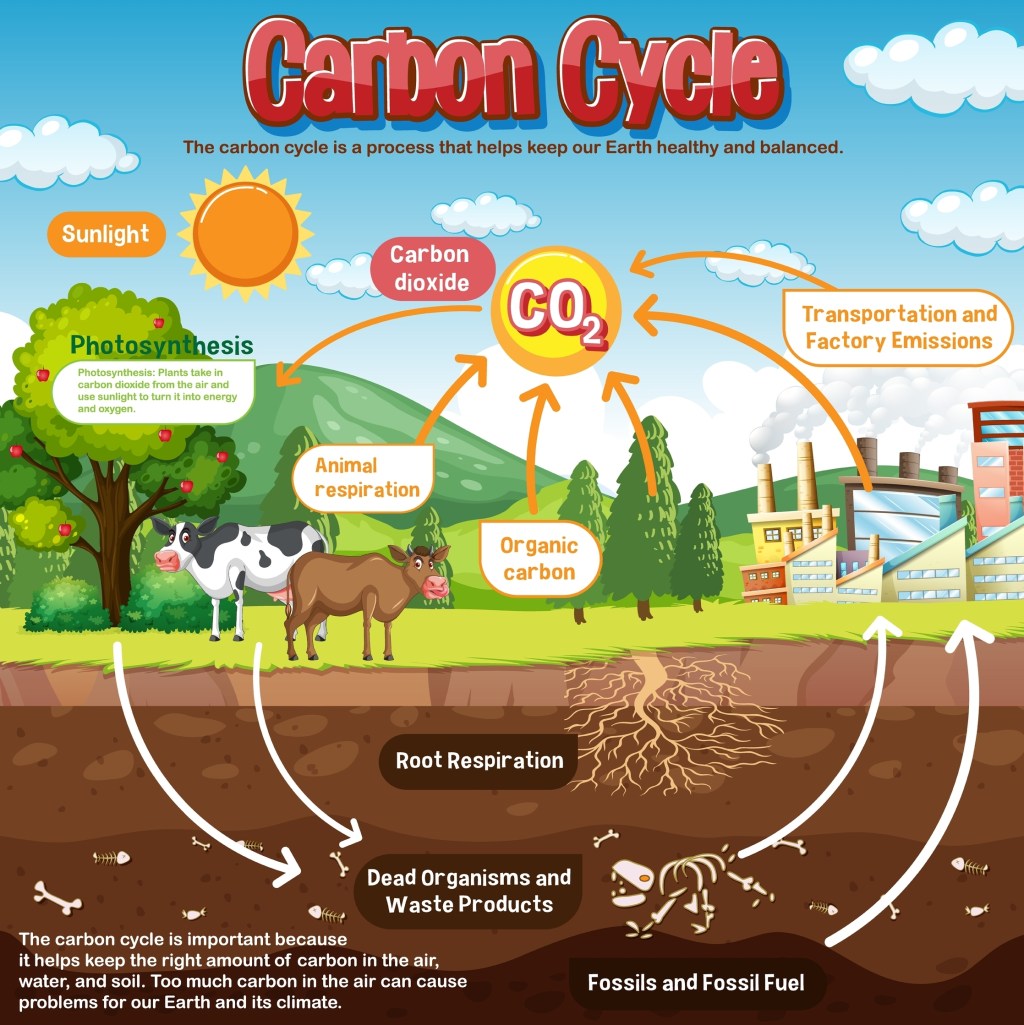
The diagram shows how carbon is emitted and absorbed between the various elements in nature and our planet. It shows animals, plants, the soil, and also emissions from factories. The text says “The Carbon Cycle is important because it helps keep the right amount of carbon in the air, water, and soil. Too much carbon in the air can cause problems for our Earth and its climate.” | Carbon Cycle Emissions Does Not Cause Global Warming
This illustration of  the Carbon Cycle is simplified but artistic. Shutterstock asset id: 2271978649 by GraphicsRF.com

More on the Carbon Cycle

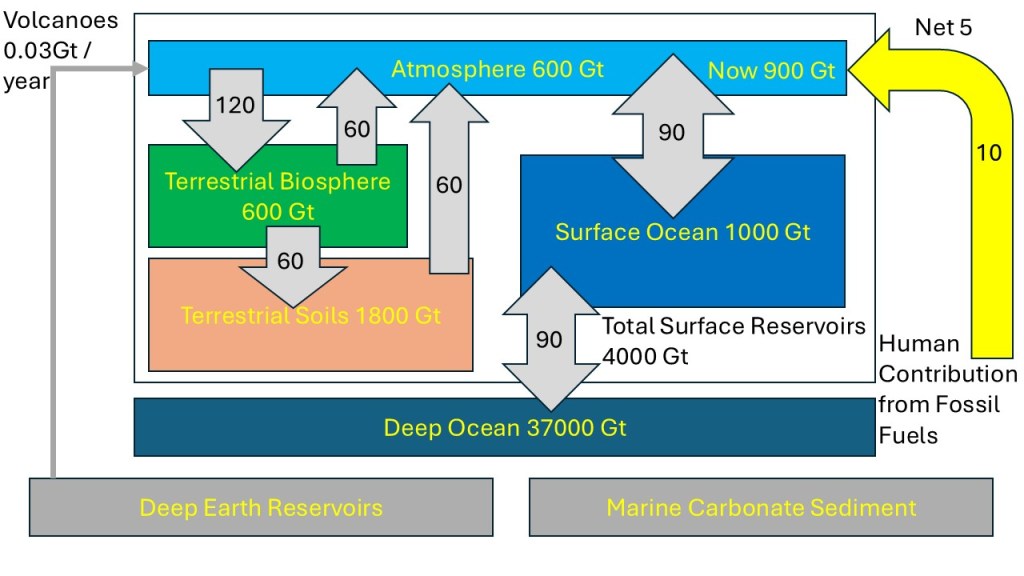
This picture is the same as the one above where I included our recent emissions from burning fossil fuels.
Same as the picture above but notice the flows depicted by the arrows and the total amounts stored in each system.

The carbon cycle describes the process in which carbon atoms continually travel from the atmosphere to the Earth and then back into the atmosphere. In the picture above you can see that the atmosphere, the oceans, the biosphere, and the soil, as well as deep Earth reservoirs and Marine Carbonate Sediments are all absorbing and emitting carbon (dioxide). For example, the terrestrial biosphere absorbs 120 Gigatons of carbon per year, chiefly through photosynthesis, and emits 60 Gigatons of carbon into the atmosphere, via for example, animal / microbial / human respiration, rotting plants, and it adds another 60 Gigatons of carbon to terrestrial soils. 120 Gigatons of carbon correspond to 440 Gigatons of carbon dioxide.

This is a fairly detailed picture of the carbon cycle from wikipedia. | Carbon Cycle Emissions Does Not Cause Global Warming
Carbon cycle schematic showing the movement of carbon between land, atmosphere, and oceans in billions of tons (gigatons) per year. Yellow numbers are natural fluxes, red are human contributions, and white are stored carbon. The effects of the slow (or deep) carbon cycle, such as volcanic and tectonic activity are not included. Diagram adapted from U.S. DOE, Biological and Environmental Research Information System., Public domain, via Wikimedia Commons.

The carbon cycle was relatively stable until we started burning massive amounts of fossil fuels. Our burning of fossil fuels emits 10 Gigatons of carbon (37 Gigatons of carbon dioxide) into the atmosphere. About 30% of this carbon is absorbed by the oceans. This slows the warming but causes ocean acidification, which is another dangerous problem. In total 50% of the carbon emissions are absorbed by oceans, the soil, the biosphere, etc., according to “The Physics of Climate Change by Lawrence M. Krauss”. This is why I wrote Net 5 Gigatons per year in the picture above. You can read more about the Carbon Cycle here and here.

Another thing to pay attention to in the diagrams above is that not only are volcanoes part of the carbon cycle, but their contribution to carbon emissions is tiny compared to our emissions, which contradicts the many false claims you see on social media. You can read about that in my post “Volcanoes emit a tiny fraction of carbon compared to humans”.

Conclusion

Many of our Planet’s systems (oceans, biosphere, terrestrial soil, atmosphere, etc.) emit (and absorb) more carbon dioxide than our burning of fossil fuels does. However, the fact that they are part of the long existing carbon cycle makes them irrelevant to the rapid and sudden global warming phenomenon that we are witnessing. The recent rapid Global Warming is happening, and it is caused by us, chiefly because of our burning of fossil fuels. I am illustrating this using the two bathtub pictures below.

The picture shows a glass bathtub half filled with water. There are a faucet and a drain with the same flow keeping the water level the same.
The stream of water from the faucet is the same as the stream from the drain keeping the water level steady. The bathtub is half full and stays half full. I generated the picture with the help of ChatGPT.
The picture shows a glass bathtub half filled with water. There are a faucet and a drain with the same flow keeping the water level the same. | Carbon Cycle Emissions Does Not Cause Global Warming
The stream of water from the faucet is faster than the stream from the drain so the water level increases. The additional amount from the faucet represents the carbon emissions we added. The bathtub is now 2/3 up and rising. I generated the picture with the help of ChatGPT.

Other super facts related to global warming


To see the other Super Facts click here