
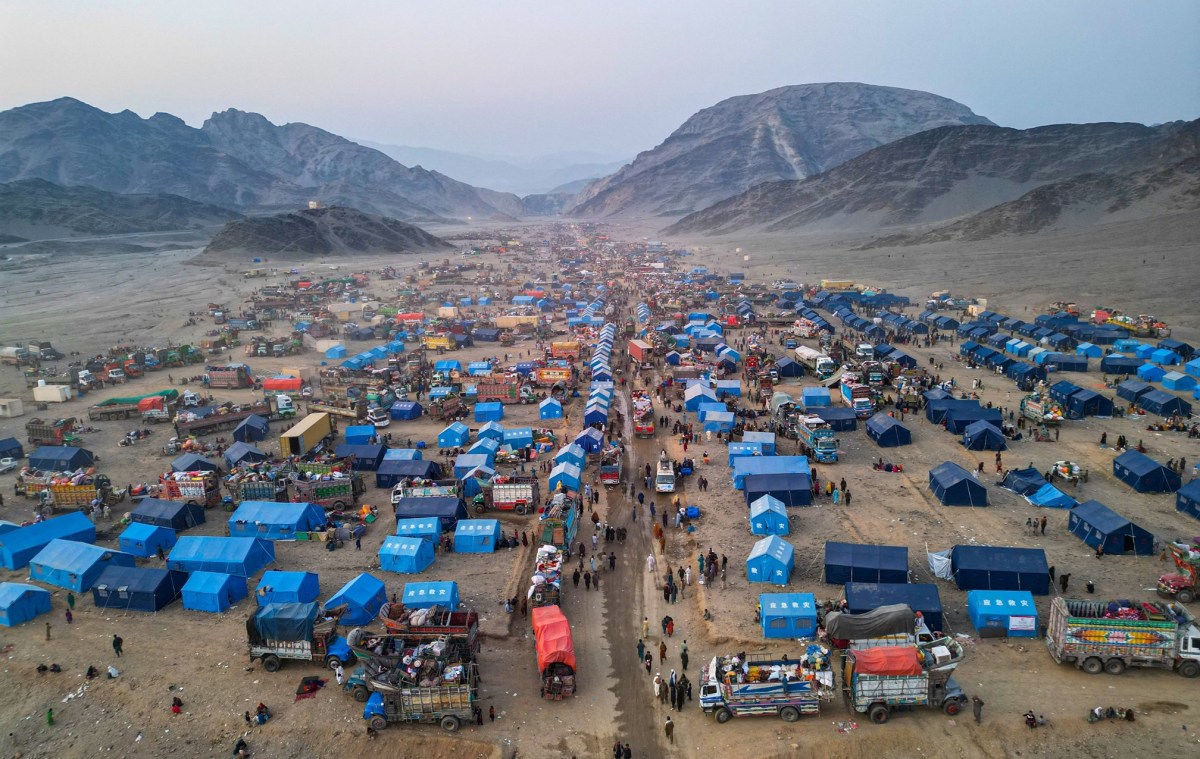
Superfact 118: There are more than 100 million forcibly displaced people in the world, including more than 30-40 million refugees, 9 million asylum seekers, and more than 70 million internally displaced persons. The number of refugees in the world has almost tripled since the year 2000 and the number of internally displaced persons is estimated to have more than ten doubled since the year 2000.
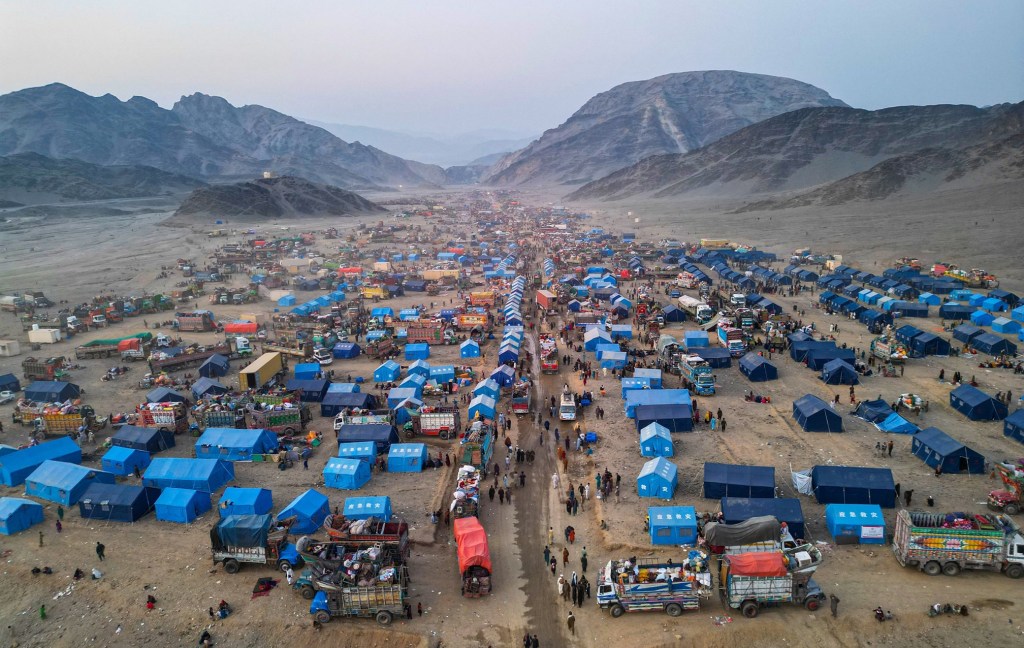
According to Wikipedia the number of refugees is 41.6 million worldwide, 72.1 million internally displaced persons, 8 million asylum seekers and 122.6 million forcibly displaced people in total globally. The number of refugees in the year 2000 was 12,129,600 and the number of internally displaced persons in the year 2000 was 5,998,500.
According to the refugee council of Australia there were 117.8 million forcibly displaced persons in 2025 including 34.4 million refugees, 9 million asylum seekers, and 73.5 million internally displaced persons. According to Our World in Data a record 83 million people globally were living in internal displacement at the end of 2024.
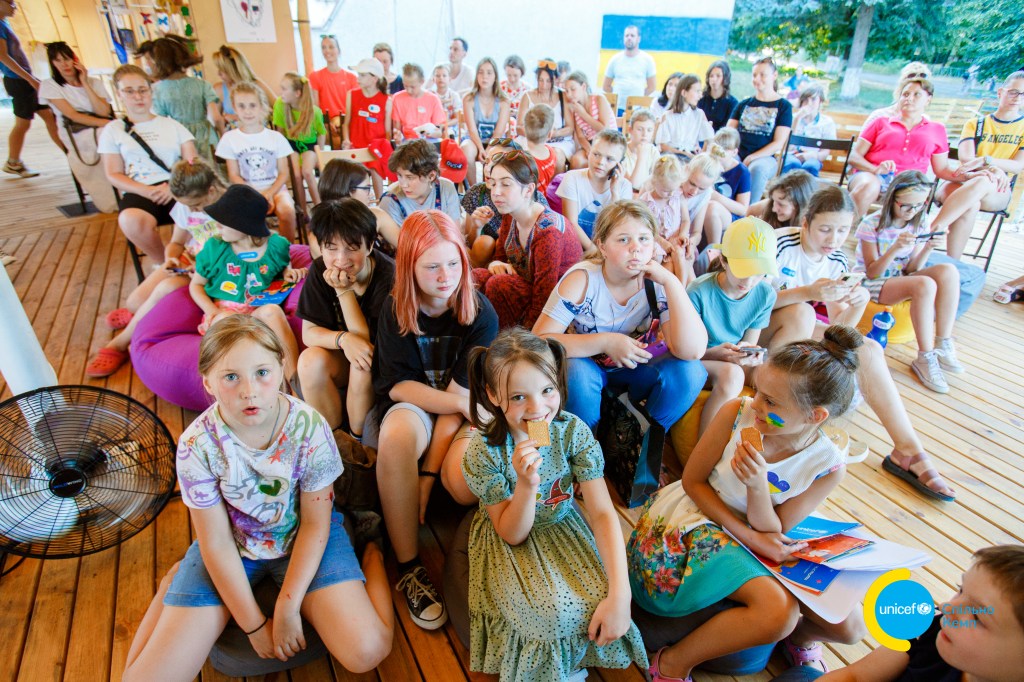
I should explain that a refugee is someone who has been forced to flee their home country to escape war, violence, or persecution. A refugee who acquires a new citizenship or returns to his country stops being a refugee. An internally displaced person is an individual who was forced to leave their home or place of residence but did not cross an international border.
It should be noted that World War II was the largest forced displacement event in recorded human history. 65 million people were forcibly displaced in Europe alone according to the Imperial War Museum. The partition of India and Pakistan in 1947 resulted in 12-20 million people being forcibly displaced according to this article. The Afghanistan war resulted in around 10 million people being forcibly displaced according to this article. Today most refugees (65%) come from just five countries Syria, Venezuela, Ukraine, Afghanistan, and Sudan.
Having tens of millions of refugees and forcibly displaced persons is nothing new. What may come as a surprise to many is first of all the size of the numbers and the fact that despite the reduction of causalities from wars in the 21st century compared to previous centuries; the refugee and forcibly displaced persons problem has grown significantly larger over the last couple of decades. Since this is an important but surprising reality, I consider it a super fact.
Where Are the Internally Displaced Persons ?
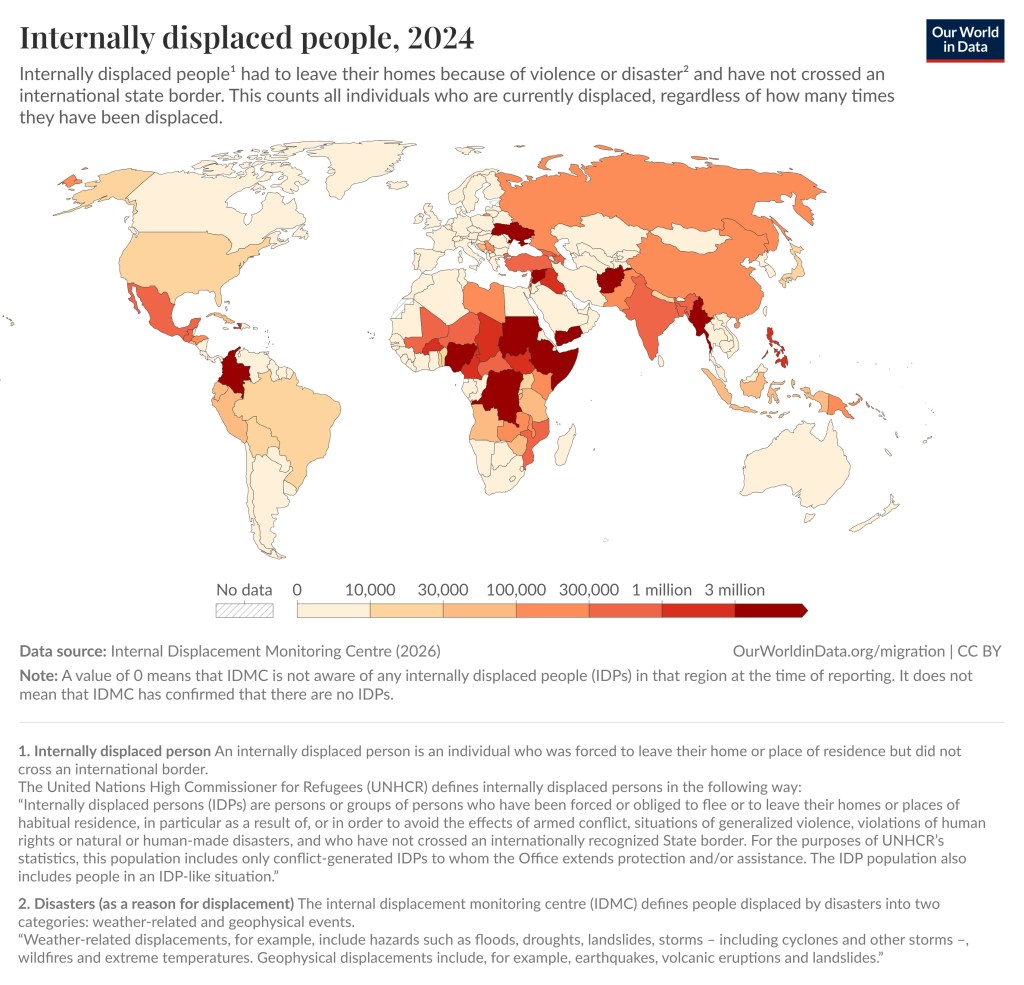
You may wonder how come there are internally displaced people in countries such as Japan and the United States. The reason is that natural disasters can also be a source of internal displacement. In fact, my in-laws were internally displaced persons after a tornado devastated our neighborhood in Dallas in October 2019. Notice that the Africa is where you have most of the internally displaced persons.
Where are the Refugees ?
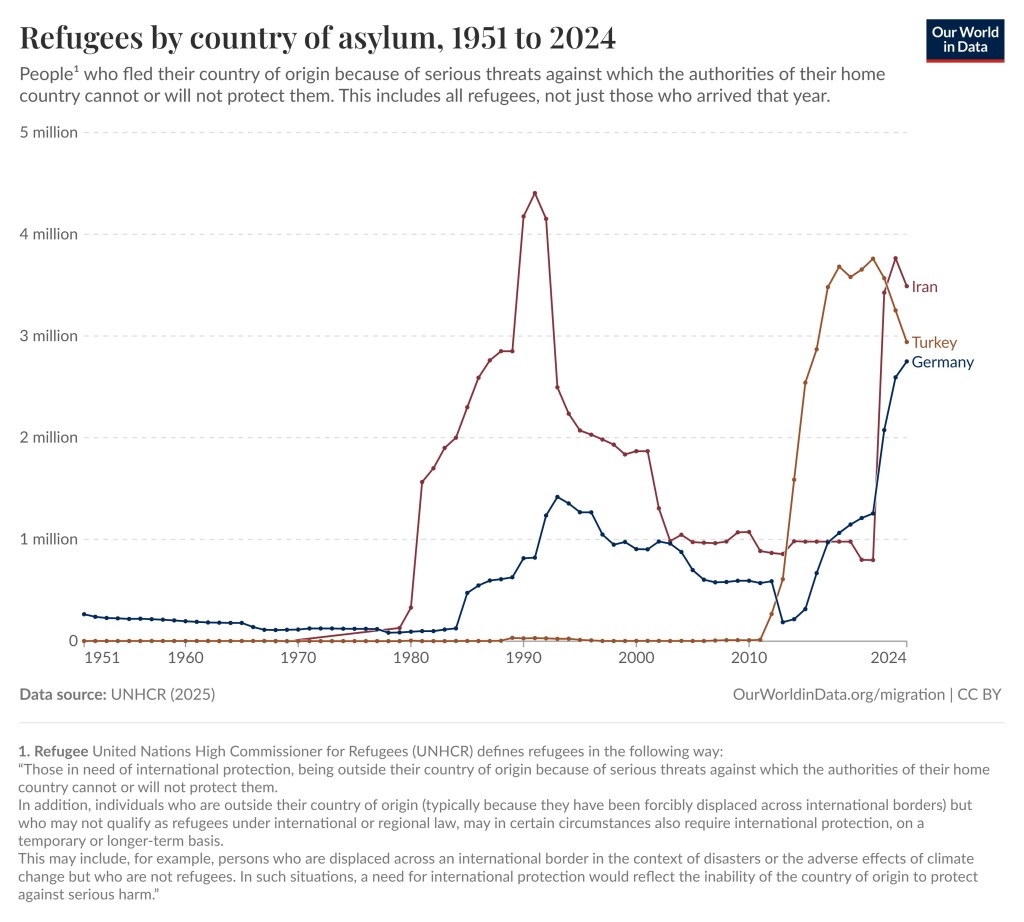
The three countries with the most refugees are Iran (3.49 million), Turkey (2.94 million) and Germany (2.75 million). Next comes Uganda, Pakistan, Chad, Poland, Ethiopia, all Bangladesh, all with more than one million refugees. Iran has a lot of refugees because of the refugees from Afghanistan pouring into the country, and Turkey has a lot of refugees because of the refugees from Syria, and Germany has a lot of refugees because of their generous immigration and refugee policy. The big spike in the number of refugees in Iran around 1991 was due to the Gulf war and the Afghanistan war.
As for other Western countries, France has 722 thousand refugees, United Kingdom 516 thousand refugees, the United States 435 thousand refugees, and Spain 429 thousand refugees. By clicking here, you can play around with the graphs and compare all countries in the world.
To read a real eyewitness account from the persecution and genocide of the Rohingya people, click here – The Friday I Never Returned Home: A Rohingya Survivor’s Story from June 8, 2012
To see the Other Super Facts click here


uncontrolled human population growth is a significant factor in this issue. The highest population growths are in the poorest and most unstable countries. Population growth has to be controlled or this will continue to grow as a crisis.
LikeLiked by 3 people
Yes I’ve been thinking about why the number of refugees and forcibly displaced people have increased so much over the last couple of decades despite us not having more wars than usual. It is not like the Second World War happened again. Perhaps you are right, that there are a lot more people in the poorest and most problematic countries. That is a good suggestion. Another, I’ve been thinking about is that it might have become easier to leave your home in a crisis, due to better transportation, or maybe the increased prevalence of droughts is tipping the scale, maybe all of it.
LikeLike
Yes, all of it but the biggest factor is the numbers. There are to many needy people.
LikeLiked by 1 person
Yes I believe you are right
LikeLike
❤️🔥
LikeLiked by 1 person
As climate change rapidly alters weather patterns and heatwaves increase in depth and frequency a further driver will be climate driven mass migration. Population displacements will be even more severe!
LikeLiked by 1 person
Yes unfortunately I believe you are right Pete.
LikeLiked by 1 person
Wow, Thomas, this is a sobering superfact indeed! I had no idea there are more than 100 million forcibly displaced people in the world. I’m surprised that World War 2 was the largest forced displacement event; I’d actually never thought of that! The fact that the number of refugees has tripled in relatively recent years is concerning and sad.
LikeLiked by 2 people
Thank you Ada. I think that the mass killings of civilians, the holocaust, and the staggering death toll from the war during the Second World War has gotten more attention than the refugee and displaced persons problem and that is for good reason. However, there was also a record large forced displacement problem.
I agree that the refugee and displaced persons problem has grown so much the last two decades is quite concerning.
LikeLiked by 1 person
Staggering numbers, Thomas.
LikeLiked by 1 person
Yes I agree. A lot of things have gotten better in the world but not this problem.
LikeLike
Good post about a relevant, if rather tragic, topic.
LikeLiked by 1 person
Thank you so much Alex
LikeLiked by 1 person
You’re welcome, Thomas!
LikeLiked by 1 person
Deeply disturbing data.
It is heartbreaking to see the scale of this crisis growing so rapidly.
LikeLiked by 1 person
Yes I agree Luisa. Many things have gotten better in the world but not this.
LikeLiked by 1 person
🙏🙏🙏
LikeLiked by 1 person
Just seems appalling, but thank you for your information, Thomas.
LikeLiked by 1 person
Yes I agree Chris. Many things have gotten better in the world but not this.
LikeLiked by 1 person
I just this past week was introduced to a blogger who is a refugee in Myanmar- and I wrote about it on my blog today! So glad to see you speaking up on this topic. I think we have gotten away from empathy- and it really is not a good look on anyone!
LikeLiked by 1 person
I did read your post but I did not leave a comment right away. I think we posted about the same time. What happened to Rohingya people was horrible. I remember when it happened and as I understand Facebook made it much worse by allowing incendiary posts to spread. People are self absorbed and gullible and even if the incendiary post is ridiculous people believe it and act on it. The persecution of the Rohingya was a major catalyst in Facebook’s decision to review and eventually downgrade the algorithmic weight of the “angry reaction”. The military’s use of the platform to incite violence against the Rohingya forced the company to confront how its algorithm amplified inflammatory content. Thinking about it, that sounds like another super fact. Anyway, you are right empathy is not something that has improved lately. Some people even attack empathy as a weakness.
LikeLiked by 1 person
And they are still refugees! still living like displaced nomads- its horrific! I was so thrilled when I saw your post! This is a subject I never really see talked about on here and the two posts in one day!
LikeLiked by 1 person
You are right Violet, it is a very sad story. Something needs to be done to help them. I agree, two posts about this subject on the same day is an interesting coincidence. Also thank you so much for your kind words. I really enjoyed your post too.
LikeLiked by 1 person
Thanks once again for interesting and relevant information. This is a reminder of an ever-unfolding tragedy that didn’t have to be. People are displaced because of natural disasters that can’t be foreseen, of course, but wars like the one in Ukraine and the displacement of the Rohingya are entirely forced.
LikeLiked by 1 person
Yes you are right. There are many preventable tragedies around the world that has sent millions on the run. The Rohingya story is so horrible and it was largely caused or made worse by incendiary Facebook posts.
LikeLiked by 1 person
Thank you for sharing these important facts. As a Rohingya refugee, these numbers are more than statistics to me—they represent real people, real families, and real lives uprooted by conflict and persecution.
I hope the world will not only count displaced people but also work together to ensure they can live with safety, dignity, justice, and hope. Thank you for helping raise awareness about a global humanitarian crisis that deserves far more attention.
LikeLiked by 1 person
Yes I tend to present statistics and facts but behind that statistics are real people and real suffering. What happened to you and family should not be allowed to happen to anyone ever. I am going to add a link to your post at the end of my post. The world needs to know about the horror that happened to the Rohingya and to you. I should say that when I wrote this post I was not aware of your post.
LikeLiked by 1 person
Thank you so much for your kindness and understanding. Your words truly touched my heart.
I deeply appreciate your willingness to add a link to my post. That means more to me than I can express. Behind every statistic is a human life, a family, a story, and a dream that was interrupted. Thank you for recognizing that.
Please don’t worry that you weren’t aware of my story when you wrote your post. Your article already speaks an important truth by reminding readers that these numbers represent real people. I am grateful that our paths crossed through your writing.
Thank you for helping raise awareness about the Rohingya people and for giving our voices a place to be heard. I sincerely hope that, together, we can help ensure that no one, anywhere in the world, has to endure such suffering again.
May God bless you for your compassion and humanity. 🙏
LikeLiked by 1 person
You are extremely kind Anowar and you have an important mission. I really appreciate your kind words and what you are doing to help your suffering people.
LikeLiked by 1 person
Thank you so much for your kind and encouraging words. They truly touch my heart.
Your support means more to me than I can express. I will continue sharing the stories of my people with hope that the world will listen, remember, and help bring justice and peace. Knowing that compassionate people like you care gives me strength to keep going.
May God bless you abundantly for your kindness, understanding, and support. 🙏
LikeLiked by 1 person
Anowar you are doing wonderful work telling the world about what happened. It is so important for everyone to know. And thank you so much for your very kind words.
LikeLike
This is eye-opening research, Thomas, thank you for sharing it with readers. 💙
LikeLiked by 2 people
Thank you so much Gwen. I agree with you it is eye opening.
LikeLike
Heartbreaking and so wrong.
LikeLiked by 2 people
Yes you are right. It is heartbreaking and wrong
LikeLike
This is horrific and yet not of interest to most governments, or billionares/trillionaire for that matter. Maggie
LikeLiked by 2 people
You are right. So much can be done to help these people but not much is being done.
LikeLike
An alarming and depressing statistic! Robbie definitely has a point; too many people from poor and unstable countries.
LikeLiked by 1 person
Yes I agree with you and I agree with you about Robbie’s point. You really do read other people’s comments. That’s a lot of work. Unless I am the poster I don’t read other people’s comments. But it is great that you do.
LikeLiked by 1 person
I’m always interested in what other people have to say, and reading the comments doesn’t take long (unless there are 100s, which I certainly wouldn’t have time for 😆). For me it’s a normal part of blogging. I get involved in all aspects, and have been doing it since 2009.
P.S. Just wondering if you’re still not getting new post notifications from my site?
LikeLiked by 1 person
That is interesting but it still seems like a lot of work to me. But I’ll bet you learn a lot. As for post notifications, I am not getting any from you, but I will go visit later and see what I’ll missed. I don’t know what is wrong. I am subscribed.
LikeLike
Sorry the problem hasn’t cleared up, as WordPress shows you’re getting the emails. 😕 They must be going to your spam folder, I actually sent you an email (using a different address) explaining how it’s a common problem and what to do about it. Maybe that ended up in your spam folder as well? Anyway, I will try sending it to you via Facebook messenger. Let me know if you get it. Thanks!
LikeLiked by 1 person
It is strange. I am not getting the emails and the emails are not going to spam. I check spam every day. However, I subscribed again today like I did last time I visited. It seems like the subscribe is turned off, otherwise why would the button say “subscribe”. I should say I was invited by the founder of LatinosUSA to be an editor. He used WordPress to invite me to be an editor five times. I got none of the emails and they were not in the spam. After that we gave up. That was WordPress . com not .org.
LikeLike
The subscribe feature on my site is through wordpress.com via the Jetpack plugin, so it is the same. I sent you a copy of the email I wrote back in June, offering various fixes, as a message on Facebook. Hopefully, you get that one. Maybe you could try filling out the subscribe section in either the sidebar or the footer instead of just clicking the subscribe button on the bottom? Maybe that one is the culprit?
LikeLiked by 1 person
Thank you for helping me Debbie. I’ll try the other subscribe options too. I should say it is strange because it used to work, and I’ve seen the problem with other WordPress websites too.
LikeLiked by 1 person
You’re welcome. It’s a frustrating issue and I hope it’s working again now.
LikeLiked by 1 person
I hope so. I used a couple of different subscribe buttons and added the two emails you mention to my safe list. Lets see if I get an email next time you post.
LikeLike
Java Bean: “Ayyy, that’s a lot of people! We’re sure everyone will totally want to help out their fellow humans and not use scary anti-refugee/displaced person rhetoric to score political points and amass power, sí? Sí … ?”
LikeLiked by 1 person
Yes count me in Java Bean
LikeLike
It’s incredibly sad. I can’t imagine what it would be like to be forced to leave your home and everything/everyone you know and love. Or to be displaced. Very tragic.
LikeLiked by 1 person
Yes you are right Pooja. It is very tragic and we need to help these people.
LikeLiked by 1 person
Yes, I think we need to have more empathy toward their situation and do what needs to be done to help them.
LikeLiked by 1 person
Yes I certainly agree with that. Unfortunately, we seem to have an empathy deficiency now a day.
LikeLiked by 1 person
It’s very sad, the world has become quite selfish.
LikeLiked by 1 person
Yes and part of it is propaganda and disinformation. The trope that your life is hard because the government is sending your money overseas when it is just pennies (like USAID).
LikeLiked by 1 person
The lack of education around the topic makes it worse because people aren’t able to differentiate fact from misinformation.
LikeLiked by 1 person
Yes you are right Pooja. The misinformation and the disinformation (intentional misinformation) really grind my gears as you like to say. It leads to bad decisions and even cruelty.
LikeLiked by 2 people
Absolutely, the lack of empathy has a lot to do with people falling for propaganda. It’s not that they naturally lack empathy.
LikeLiked by 1 person
Yes you are right Pooja. In most cases that is the case.
LikeLiked by 1 person