Neutrinos and the Nobel Prize in Physics

About two weeks ago I published a super fact post titled “100 trillion Ghostly Particles Passes Through Your Body Every Second” The exact super fact is below. Little did I know that the Nobel Prize in Physics would be given to Neutrino research. The announcement happened today and I almost missed it.

Super fact 132 : An estimated 100 trillion ghostly elementary particles, called neutrinos, pass through your body every second, which is 237 sextillion particles in 75 years. Despite that fact the chance that even a single neutrino will interact with an atom in your body during your entire life is about 1 in 4. These extremely abundant particles pass right through you as well as planets without interactions, like ghosts.
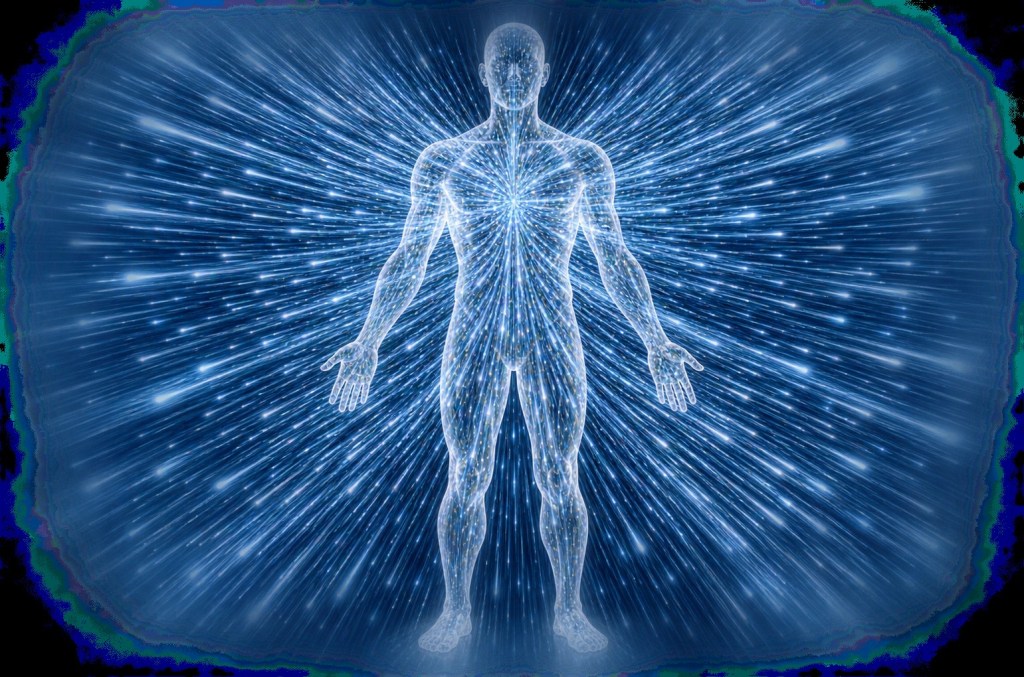
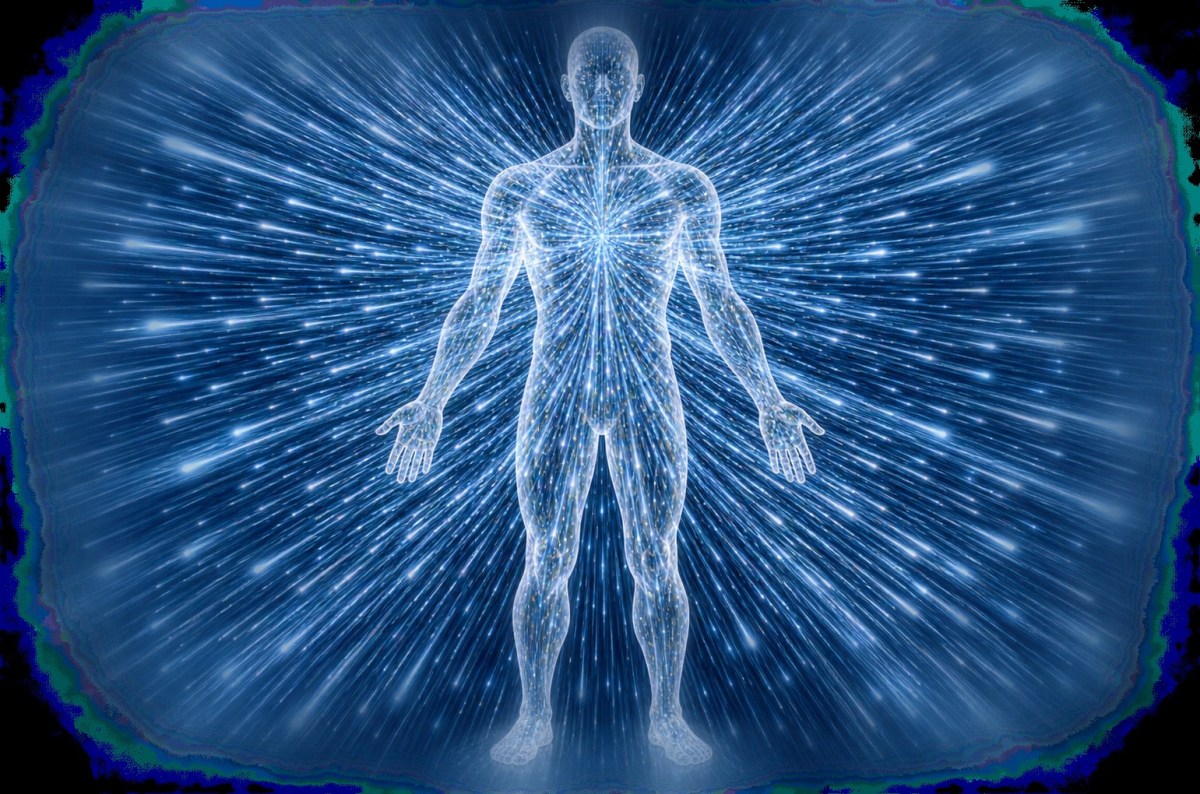
The picture shows a transparent glass like human body and thousands of racing particles passing right through the body. | Neutrinos and the Nobel Prize in Physics
100 trillion neutrinos, almost entirely undetectable elementary particles, pass right through your body every second, without touching a single atom in your body, as if you don’t exist. I generated the picture with the help of ChatGPT.

Briefly, the Nobel Prize was awarded to the Wisconsin Professor Francis Halzen for his contributions to the IceCube Neutrino Observatory and the discovery of high-energy neutrinos from deep space. Antarctica serves as an ideal location for neutrino research because its massive clear ice sheet acts as a giant, transparent detector target for the very hard to detect neutrinos (ghost particles). These are some quick facts about the IceCube Neutrino Observatory. This is the press release from the Nobel Committee. This is an announcement featuring popular science. This is the advanced information. This is the New York Times article.

The photo shows a big blue building sitting on tip of white ice.
IceCube Neutrino Observatory at the South Pole. Christopher Michel, CC BY-SA 4.0 <https://creativecommons.org/licenses/by-sa/4.0&gt;, via Wikimedia Commons. The photo is from this Wikipedia entry.

Neutrinos with extremely high energies are created in the same environments as other types of particles. However, unlike other particles, neutrinos reach us without changing direction or losing energy. This means they can provide information that is not available in any other way. As an example, an average photon (light particle) is absorbed and re-emitted roughly billions of trillions of times before escaping the Sun. This process takes ten thousands and even hundreds of thousands of years. Once in open space the photon takes just 8 minutes to reach us, but it is certainly not the “original”, if I put it that way. A neutrino on the other is the original.

You can read more about neutrinos here, and here, here, or here. This is an article from the Scientific American about neutrinos and the discovery of neutrinos coming from the Milky Way.

Physics Related Super Facts

To see the Super Facts click here

100 trillion Ghostly Particles Passes Through Your Body Every Second
Super fact 132 : An estimated 100 trillion ghostly elementary particles, called neutrinos, pass through your body every second, which is 237 sextillion particles in 75 years. Despite that fact the chance that even a single neutrino will interact with an atom in your body during your entire life is about 1 in 4. These extremely abundant particles pass right through you as well as planets without interactions, like ghosts.

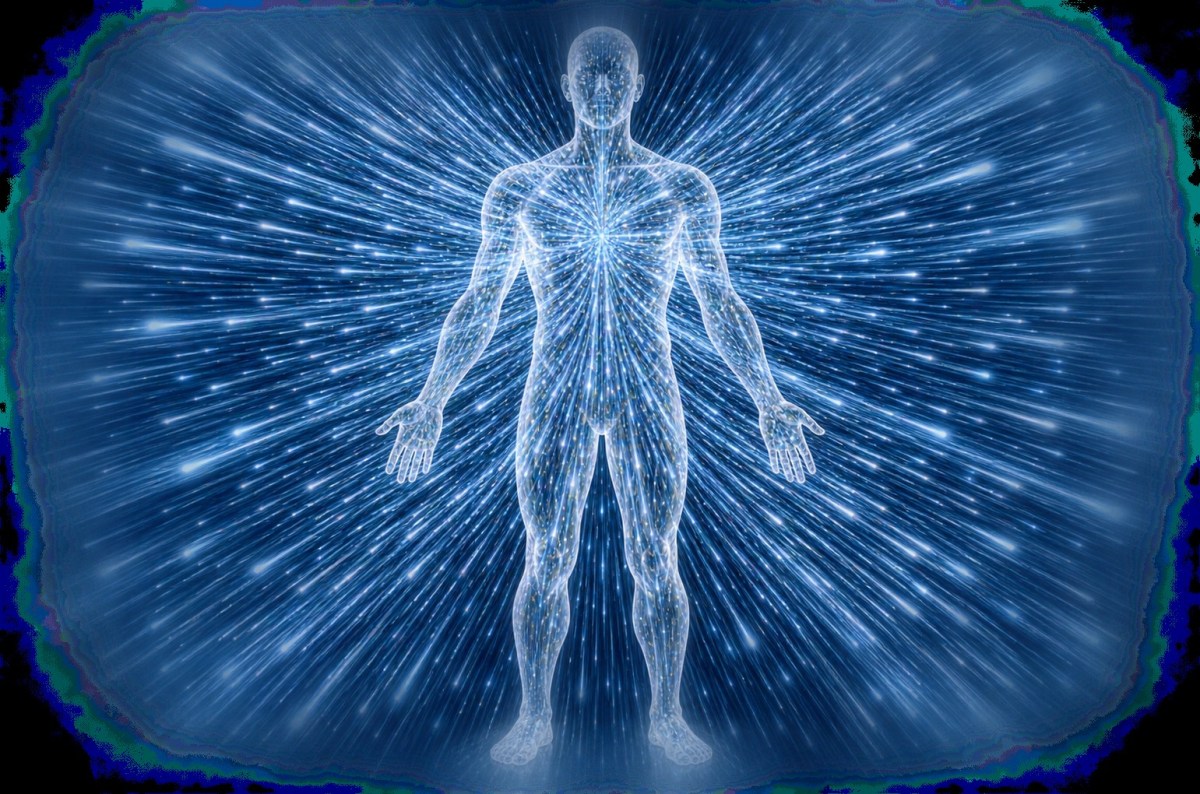
The picture shows a transparent glass like human body and thousands of racing particles passing right through the body. | 100 trillion Ghostly Particles Passes Through Your Body Every Second
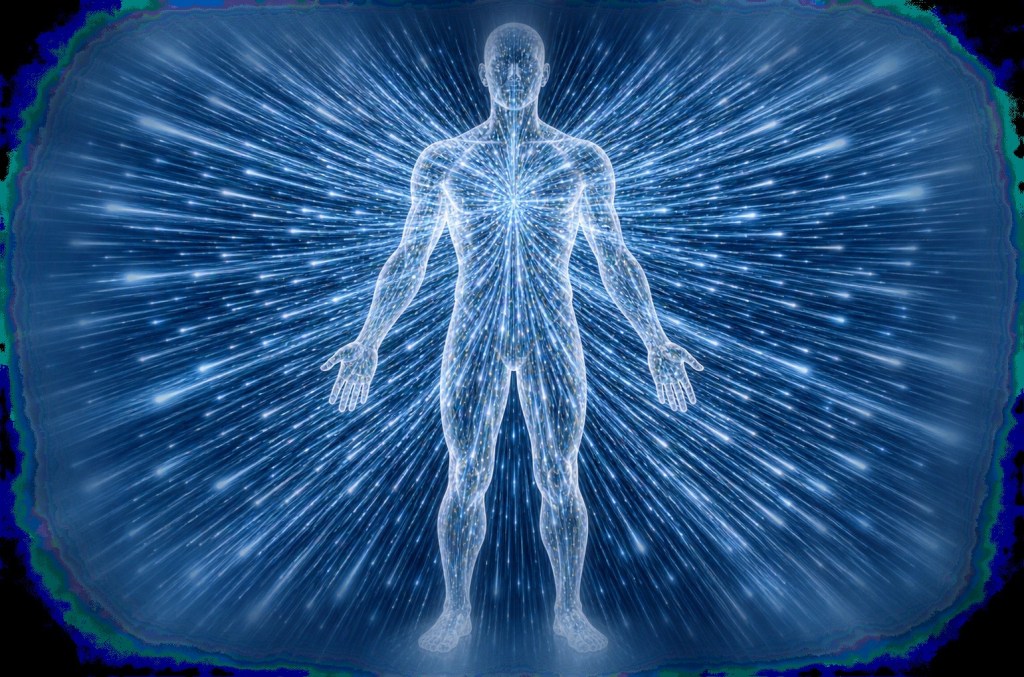
100 trillion neutrinos, almost entirely undetectable elementary particles, pass right through your body every second, without touching a single atom in your body, as if you don’t exist. I generated the picture with the help of ChatGPT.

Neutrinos are tiny subatomic particles, often called ‘ghost particles‘ because they barely interact with anything else.  They are capable of passing right through our planet Earth as if it wasn’t there. As mentioned, an estimated 100 trillion neutrinos pass through your body every second.

Neutrinos do not interact with electromagnetic forces and not with the strong nuclear force. The electromagnetic forces are what is governing molecules, atoms, and matter and the strong nuclear force governs the nucleus of atoms. The only forces that neutrinos interact with are the weak nuclear force and gravity, which both are weak forces, and the weak nuclear force has a very short range. In addition, the mass of neutrinos is extremely tiny. That is why neutrinos pass through atoms as if they aren’t there, and it is why trillions of neutrinos can pass through your body without touching you even the slightest and it is also why they are completely harmless. This also makes them extremely hard to detect.

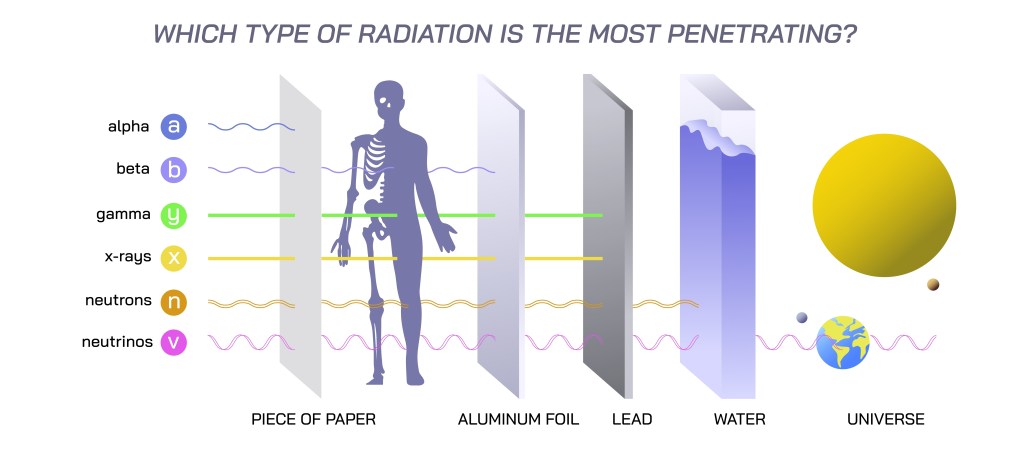
The illustration depicts different kinds of radiation hitting different obstacles including a sheet of paper, a sheet of aluminum foil, a sheet of lead, a container / pool of water, and planet earth. There are different kinds of rays that are stopped by the different obstacles, except the neutrinos go through everything.
Alpha radiation is stopped by paper. Beta radiation (electrons) is stopped by aluminum foil. X-rays and gamma radiation (high energy photons) are stopped by a sheet of lead. Neutrons with certain energies can be stopped by a container of water. Neutrinos cannot even be stopped by a planet. Shutterstock asset id: 2313420693 by Anshuman Rath

An enormous amount of neutrinos flows right through your body as if you don’t exist. They are coming from the sky and from the ground below after passing through earth and none of them will touch any part of you. This is a mind blowing and surprising but not well known fact and therefore a super fact in my opinion.

The Mass of Elementary Particles

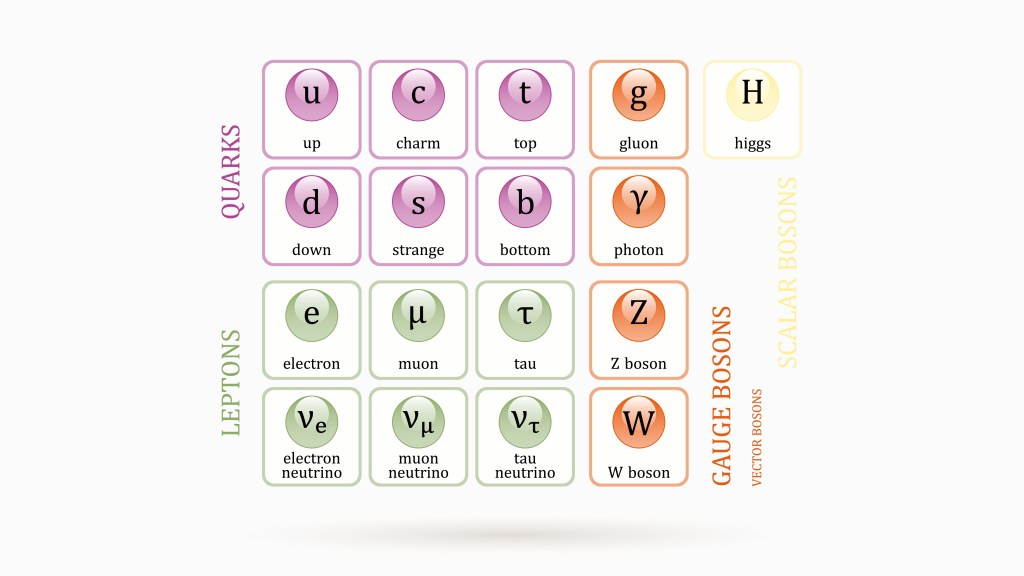
More than 200 subatomic particles have been discovered and there are probably many more that have not yet been discovered. Examples of subatomic particles are protons, neutrons and electrons. However, only some of them are elementary particles, or in other words fundamental particles. The electron is a fundamental particle, but the proton and the neutrons are not. Protons and neutrons are called composite particles and consist of quarks, gluons and mesons. The neutrino is an example of a fundamental particle like the electron. Quarks are other examples of fundamental particles.

The illustration is a map of the 17 fundamental particles, but the anti-particles are not included. There are six leptons including the electron and neutrino, six quarks, and five bosons, the photon, gluon, Z Boson, W Boson, and the Higgs Boson. | 100 trillion Ghostly Particles Passes Through Your Body Every Second
There are 17 elementary particles, 34 if you count their anti-particles and 61 if you count all flavors. It is possible to count even more of them if you count left-right-handedness and polarization as separate types of particles. This is the Standard Model of Elementary Particles Shutterstock asset id: 2148276355 by alionaursu

Electrons are lightweight. They weigh 0.511 MeV/c², which is 1,836 times lighter than a proton, which weighs 938.272 MeV/c². The positron, which is the electrons anti-particle weighs exactly the same as the electron. The muon, which is very similar to an electron but is unstable and is 206.77 times heavier than an electron weighs 105.66 MeV/c². The tau is also similar to an electron and is about 3,477 times heavier than an electron and weighs 1,776.86 MeV/c². Quarks are also much heavier than electrons. Photons and gluons are massless.

The neutrino is a lepton and is in some ways similar to an electron, but it has no charge and does not interact with electromagnetic forces at all. The neutron also does not have any charge, but it does interact with electromagnetic forces, which makes it a lot easier to detect. As in the case for the electron there are lighter and heavier versions of neutrinos, the electron-neutrino, the muon-neutrino and the tau-neutrino. Here comes the shocker; the heaviest flavor of neutrino, the tau-neutrino weighs less than 0.12 eV/c² or 0.00000012 MeV/c² making it at least 4 million times lighter than an electron. However, the neutrinos may be a lot lighter than that. We don’t know. They have mass but it is very tiny.

Considering how tiny neutrinos are, and that they don’t interact with the electromagnetic force at all (unlike other neutral particles) and don’t interact with the strong nuclear force at all, it is understandable that neutrinos are like ghost particles, almost impossible to detect. Neutrinos are too light to be so called dark matter, but a hypothetical heavier form of neutrino called the sterile neutrino is a plausible candidate for dark matter.

Other Physics Related Super facts


To see the other Super Facts click here