
What do you think is the future of AI?
View all responses
Today’s daily writing prompt is “What do you think is the future of AI?”. My answer is that “The Future of AI is Superintelligence”. Artificial Intelligence has been very useful for robotics and automation in the past, but the future of AI holds something very different, at least if you look far ahead enough. I’ve spent most of my working life using AI for at least some of my work related projects since the 1990’s. However, the Artificial Intelligence we see today is likely extremely primitive compared to the Artificial Intelligence of tomorrow. In the future it will be very different.
Artificial Intelligence could evolve into intellects that greatly exceed the cognitive performance of humans in virtually all domains of interest, meaning it could render humans essentially useless. Moreover, the Artificial Intelligence of the future is likely to be autonomous, able to make its own decisions, have imagination, agency, and as you will see later in this post, as much “autonomy” as a human. This is not automation in a normal sense. I think it will evolve into something we may not be able to understand.
This is an opinion and not a fact and thus not a super-fact. To explain, most of my posts on this blog are what I refer to as super facts. Facts on important topics that we know are true and yet surprising, mind-blowing, or controversial (but should not be). Therefore, a lot of the super facts are about myth busting. However, as I said, this post is an opinion and a response to the daily writing prompt and not a fact and not a super fact.
The first time I came across Artificial Intelligence was in college, in 1987. In one of my Artificial Intelligence classes I was introduced to a new algorithm, the Rumelhart backpropagation algorithm for neural network learning. David Rumelhart, Geoffrey Hinton, and Ronald Williams introduced it in their 1986 paper, “Learning representations by back-propagating errors”. This is the algorithm that is making modern LLMs, such as Gemini and ChatGPT possible. In 2024 Geoffrey Hinton was awarded the Nobel Prize in Physics, and his co-authorship of the famous 1986 backpropagation paper was a core part of the neural network research cited by the Nobel Committee. You can read more about it here.
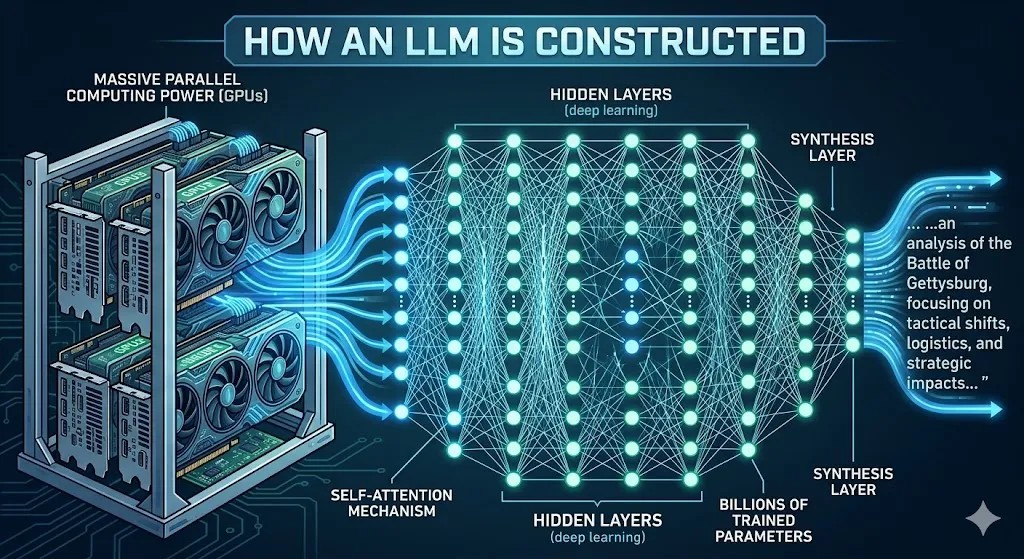
I should say that back in 1987 we used the Rumelhart backpropagation algorithm for Optical Character Recognition, that is finding and recognizing characters in an image of text. However, our simulated neural network only had a few hundred parameters. Today’s LLMs (Large Language Models, such as Gemini and ChatGPT) have hundreds of billions or even trillions of parameters. Since then, I’ve continued using various forms of Artificial Intelligence. First in my robotics research as a PhD student and later in my professional career. I’ve seen it becoming increasingly sophisticated and capable.
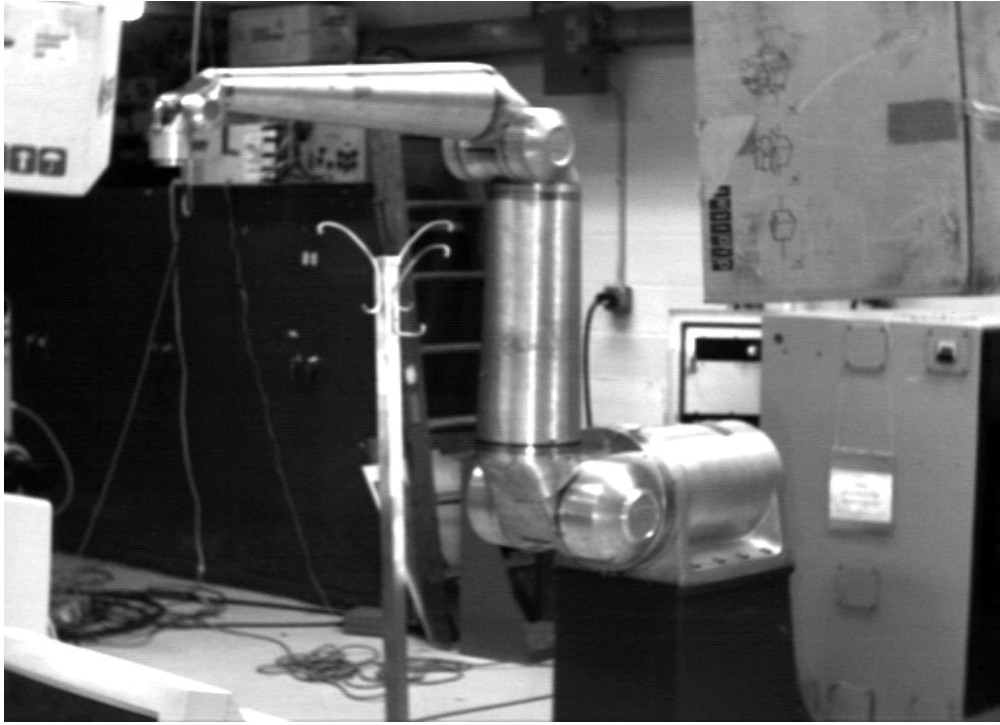
It should be noted that the Artificial Intelligence is not new. The history of artificial intelligence (AI) began in antiquity, with stories of artificial beings. The first artificial neural network model was created in 1943. The Turing test was created in 1950. The field of “Artificial Intelligence Research” was founded as an academic discipline in 1956. The first trainable (able to learn) neural network was demonstrated in 1957.
It is obvious that today’s popular large language models, such as Claude, Gemini, ChatGPT, etc., are just very primitive precursors of what will come. If Moore’s law continues to hold, the artificial neural networks of the future will have a lot more than a trillion connections. They will have trillions-times-quadrillions of connections. In other words, we have seen nothing yet. Artificial intelligence is already more capable than humans in many fields, and they it is quickly catching up to humans in virtually all categories.
Superintelligence
In September of 2014 there was a book published with the title “Superintelligence: Paths, Dangers, Strategies” published. The author was Oxford professor Nick Bostrom. He has expertise in neuroscience, artificial intelligence and philosophy. His book was a New York Times bestseller that sent shockwaves around the world. He defined Superintelligence as “any intellect that greatly exceeds the cognitive performance of humans in virtually all domains of interest”. Nick Bostrom was not the first one to use the term Superintelligence, but he popularized it. And no, our President did not come up with that expression, and he is also misusing it.
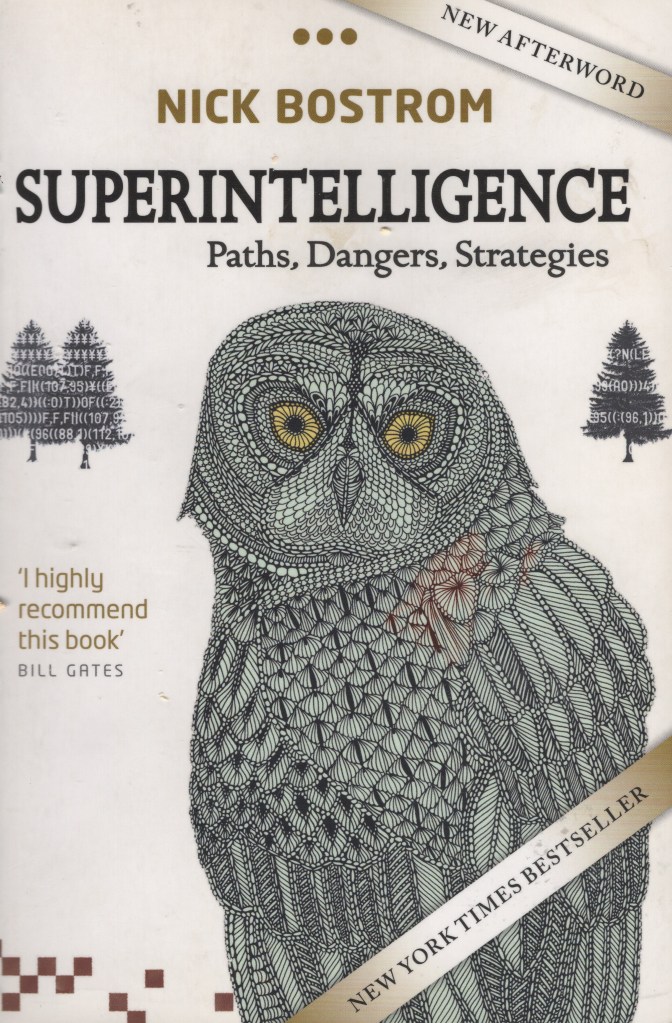
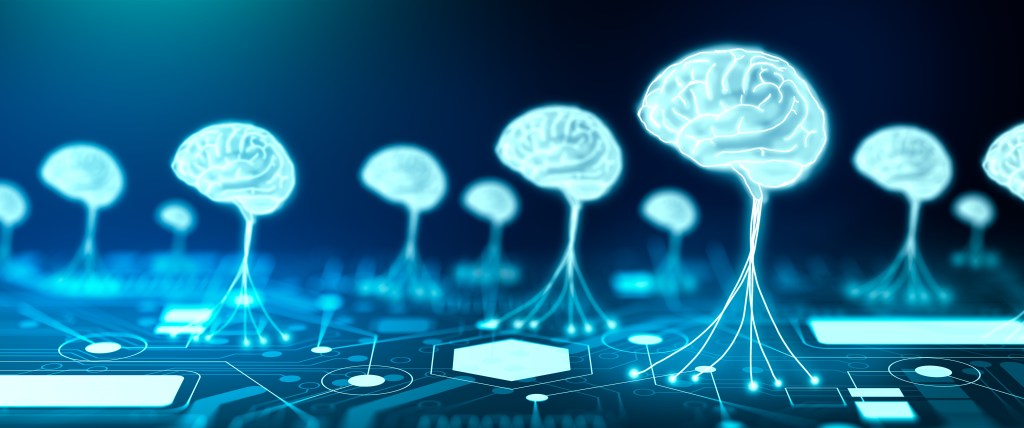
In the book the author described possible pathways to the creation of what he calls a full brain simulation. A full brain simulation is the creation of a computer system that replicates the complete physical architecture, neural pathways, and synaptic connections of a biological brain. A robot, or AI system, featuring a full brain simulation would be able to replicate, or exceed, any human capability, including imagination, independent thinking and initiative, and what we call consciousness. Unless you believe that some sort of immaterial spirit is necessary for our mind, the possibility of this is undeniable. He discussed the potential dangers of this and explained why AI exceeding human capabilities could be dangerous. Robots and AI systems taking every job in existence is just one potential problem.
What if Artificial Intelligence evolve into Superintelligence? What if Artificial Intelligent decides to get rid of humans? After all they would be competing with us for resources. Like the fate of animals depends on us, the fate of humankind would depend on the actions of the machine superintelligence. We are already in an Artificial Intelligence arms race with China (and other countries). Could we end up with a big unpleasant surprise as the capabilities of Artificial Intelligence keep growing exponentially?
A great movie about AI breaking out of their testing environment is Ex-Machina. Have you seen it?
AI Robots in the Future
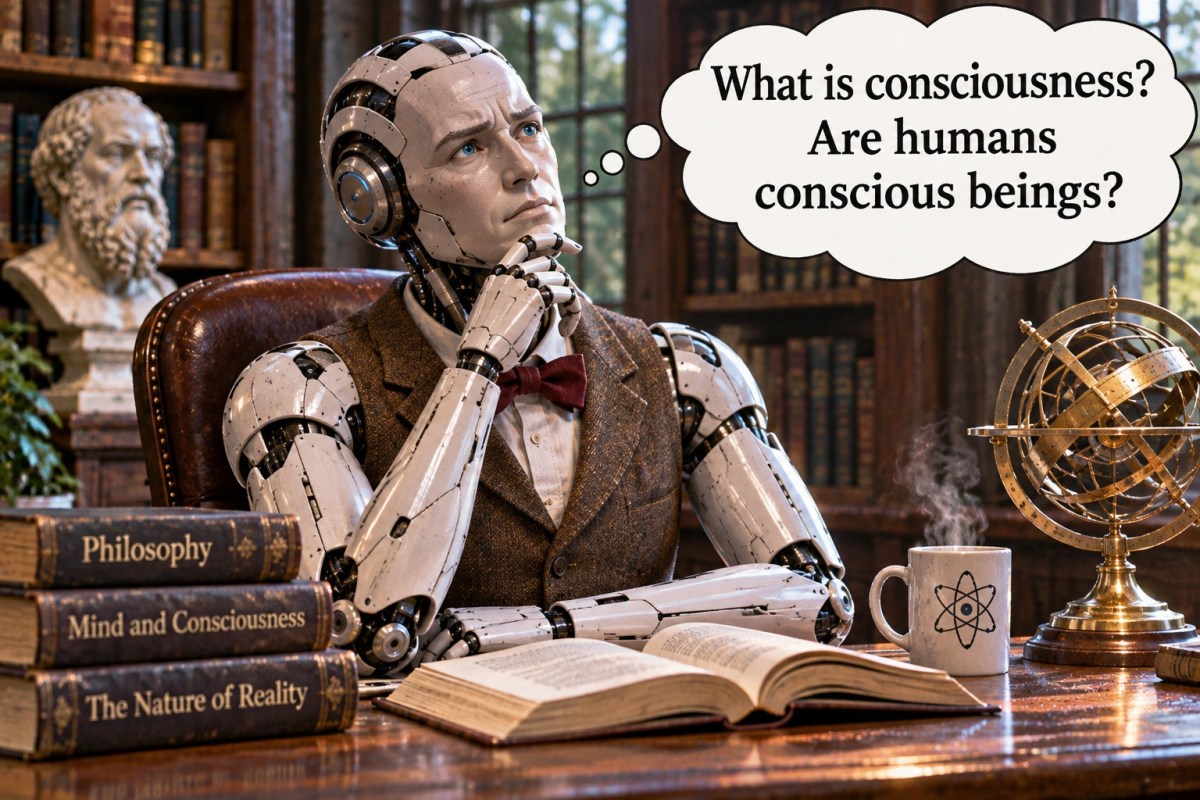
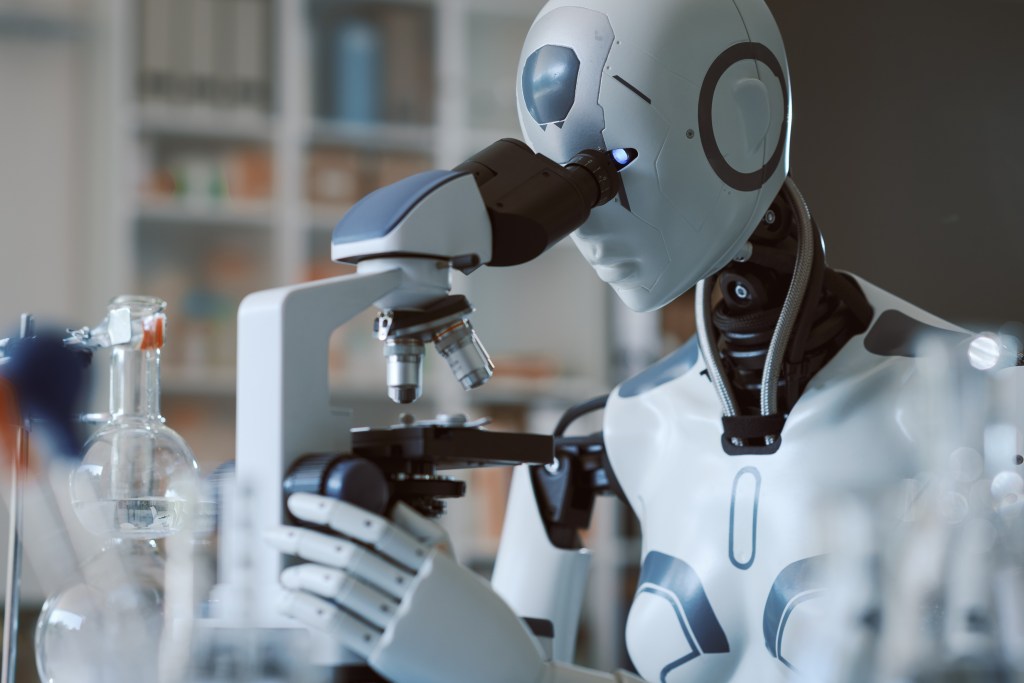
What would future AI be capable of? How about robot electricians, plumbers, authors, teachers, poets, artists, therapists, soldiers, robot husbands and wives, robot politicians, robot astronauts, robotic musicians, and robotic philosophers?
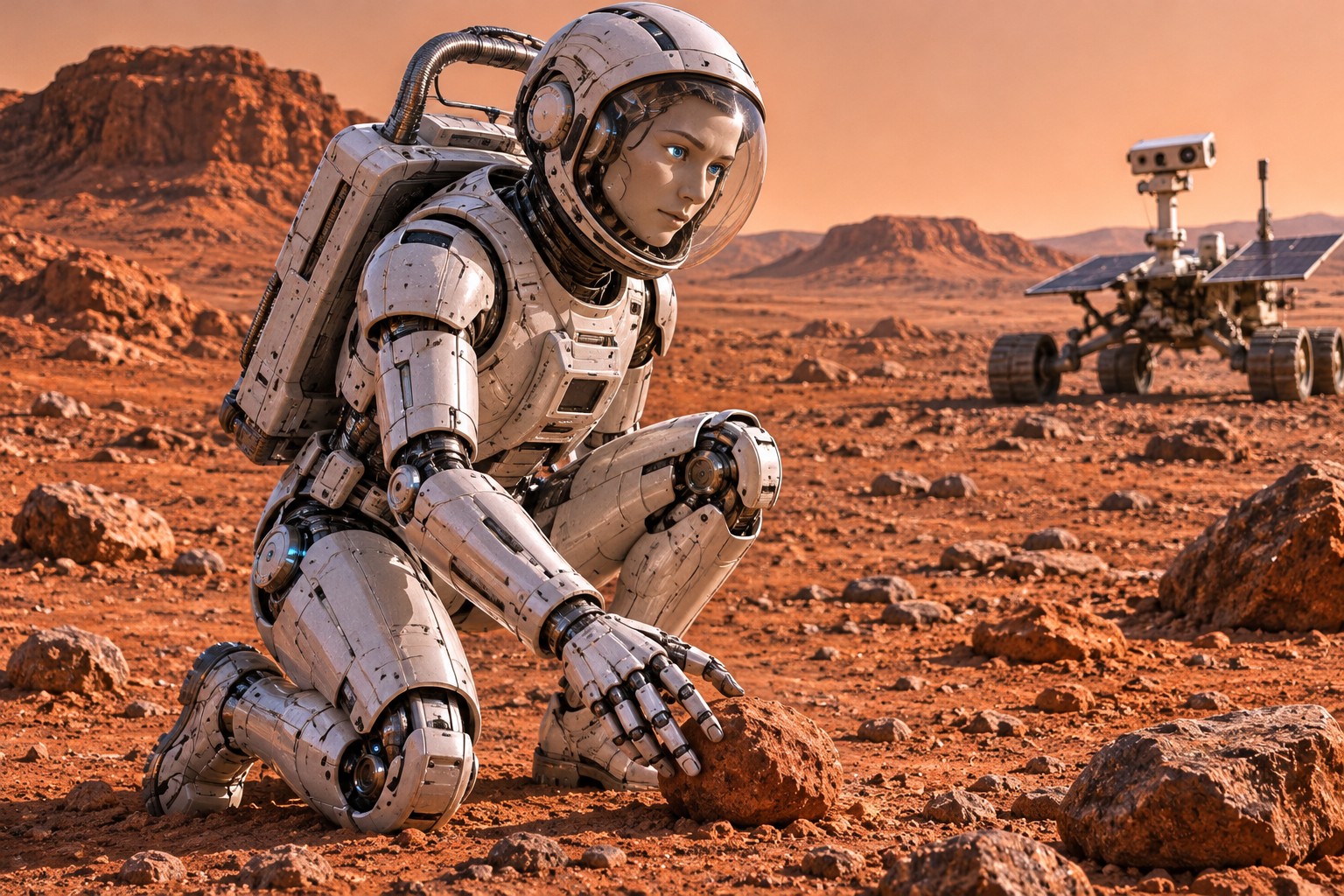
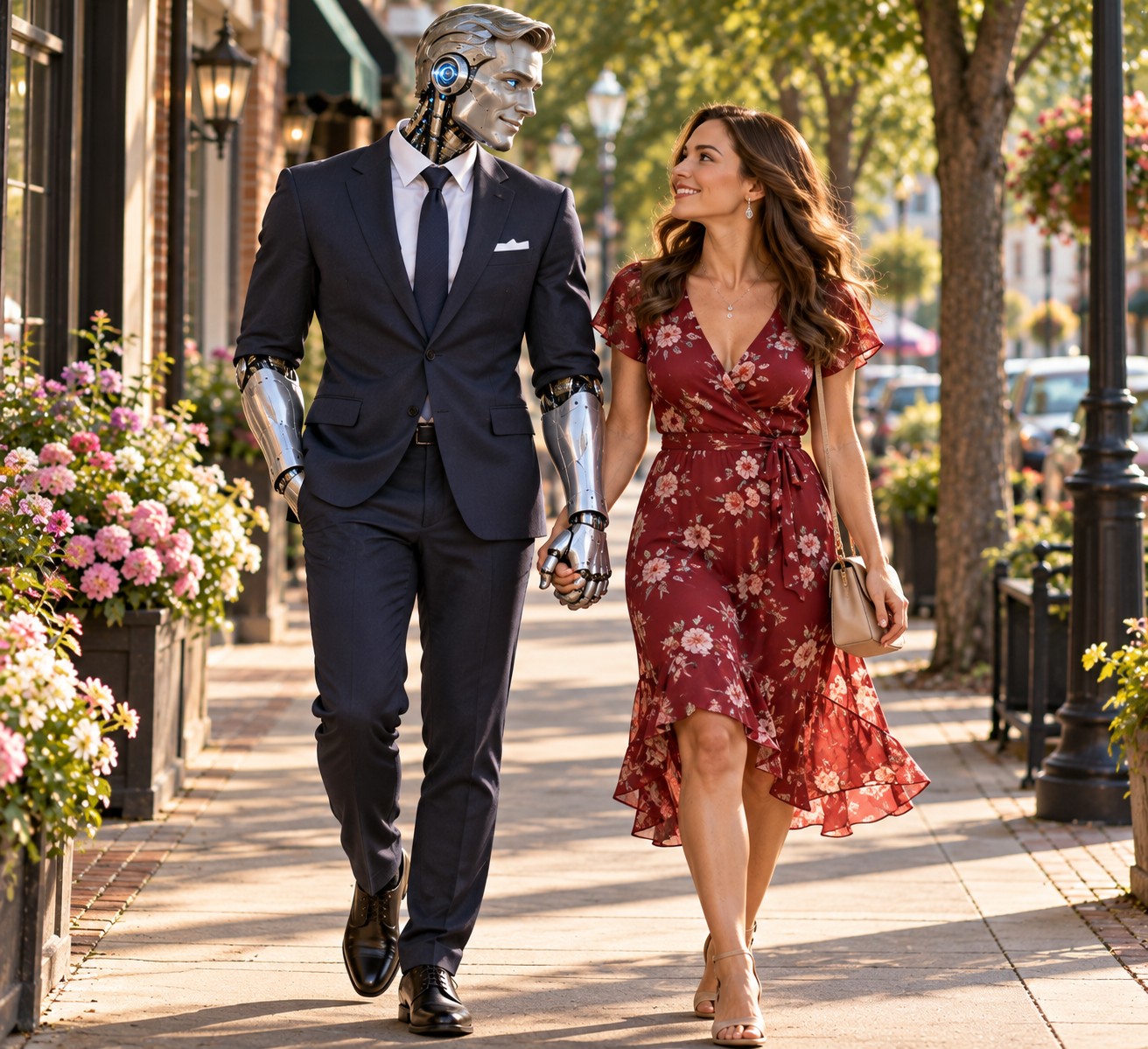
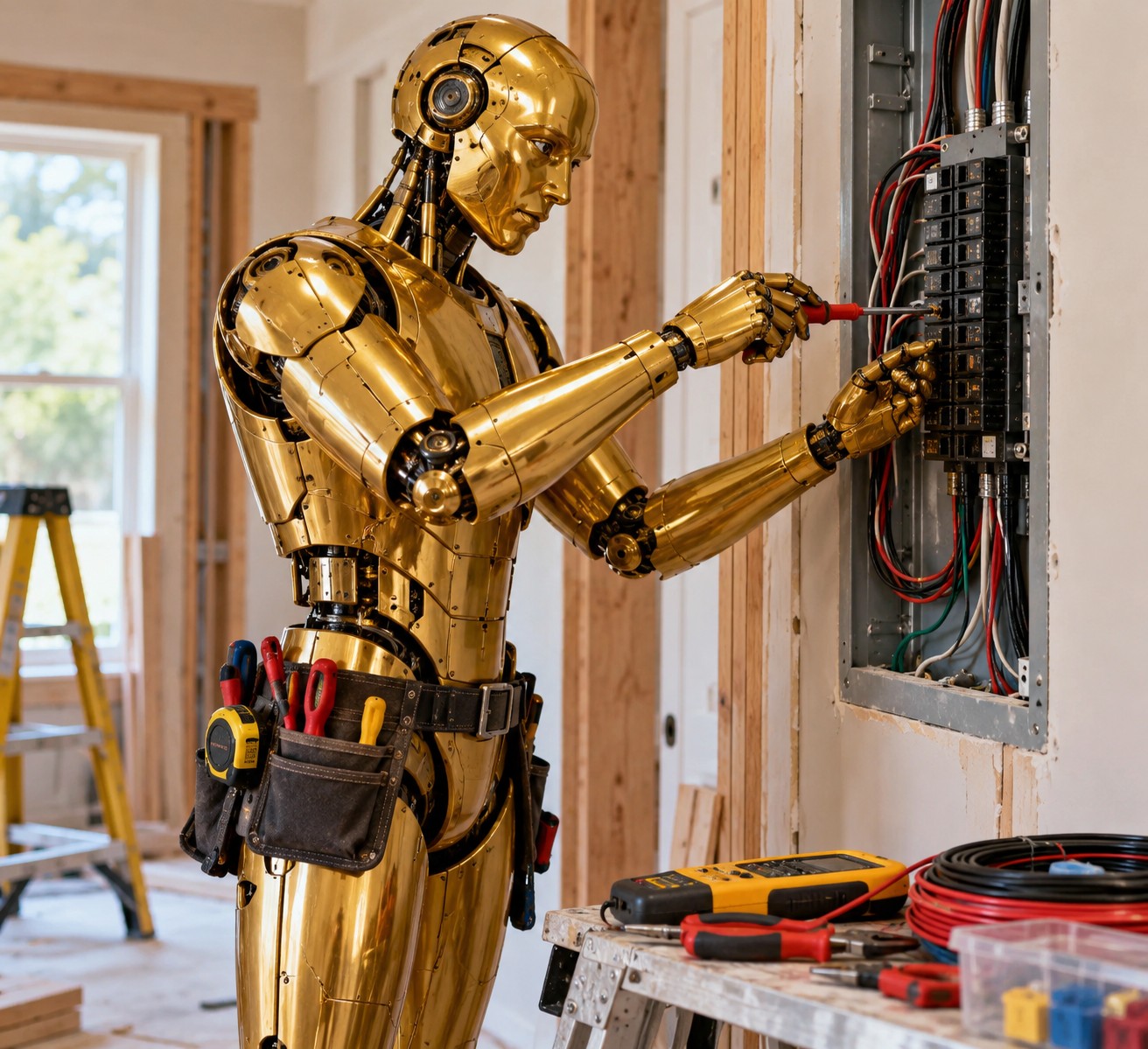
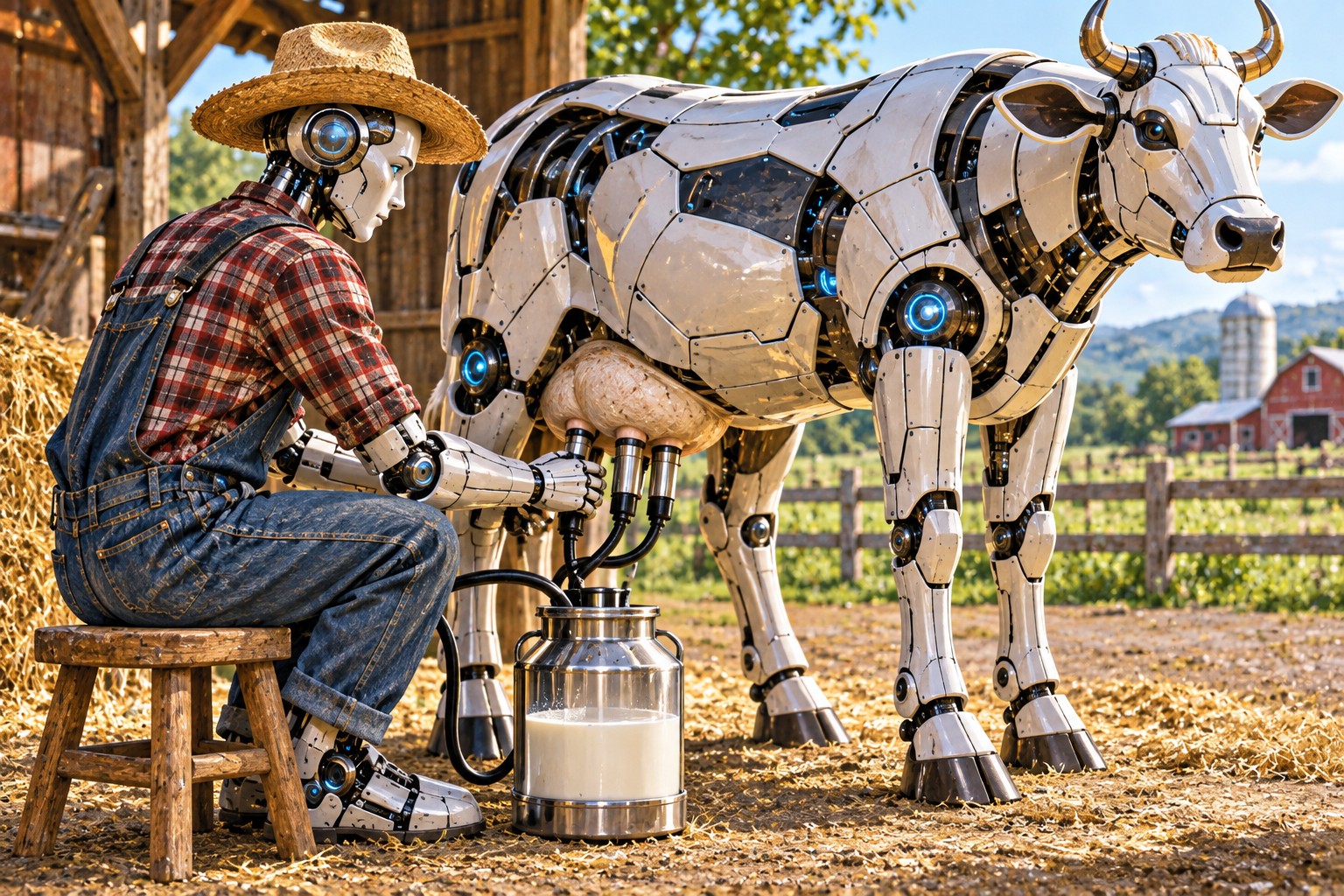
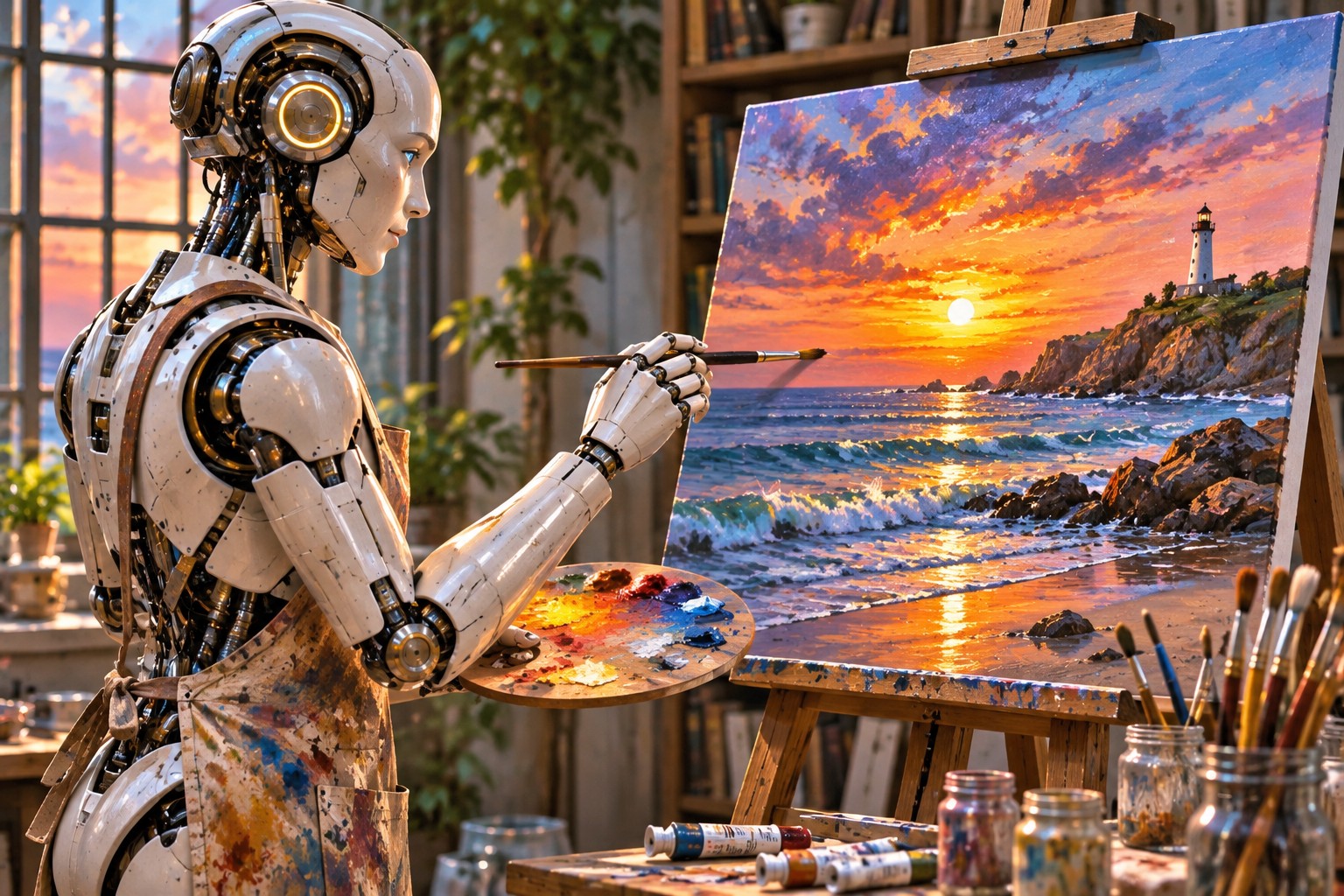
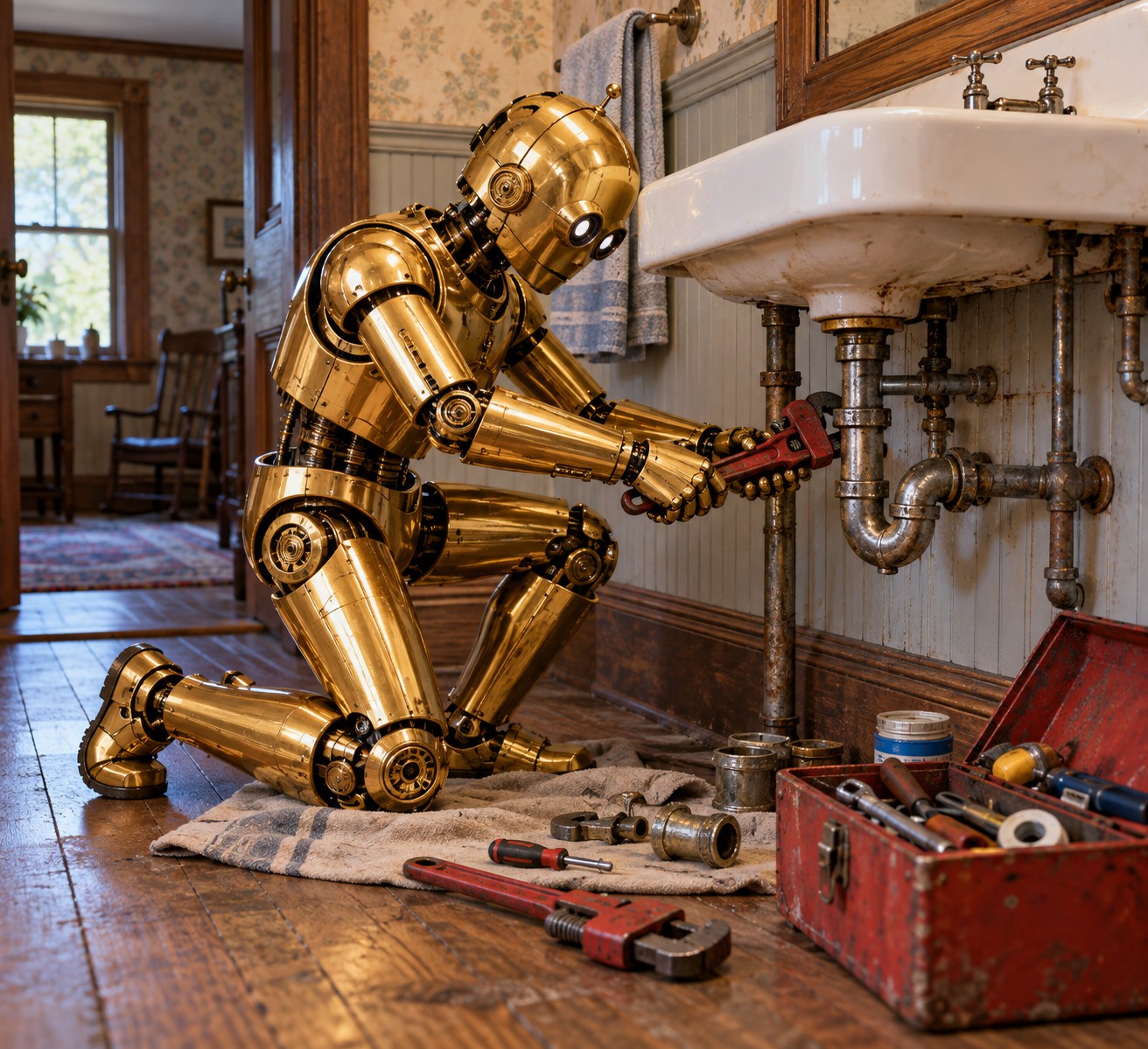
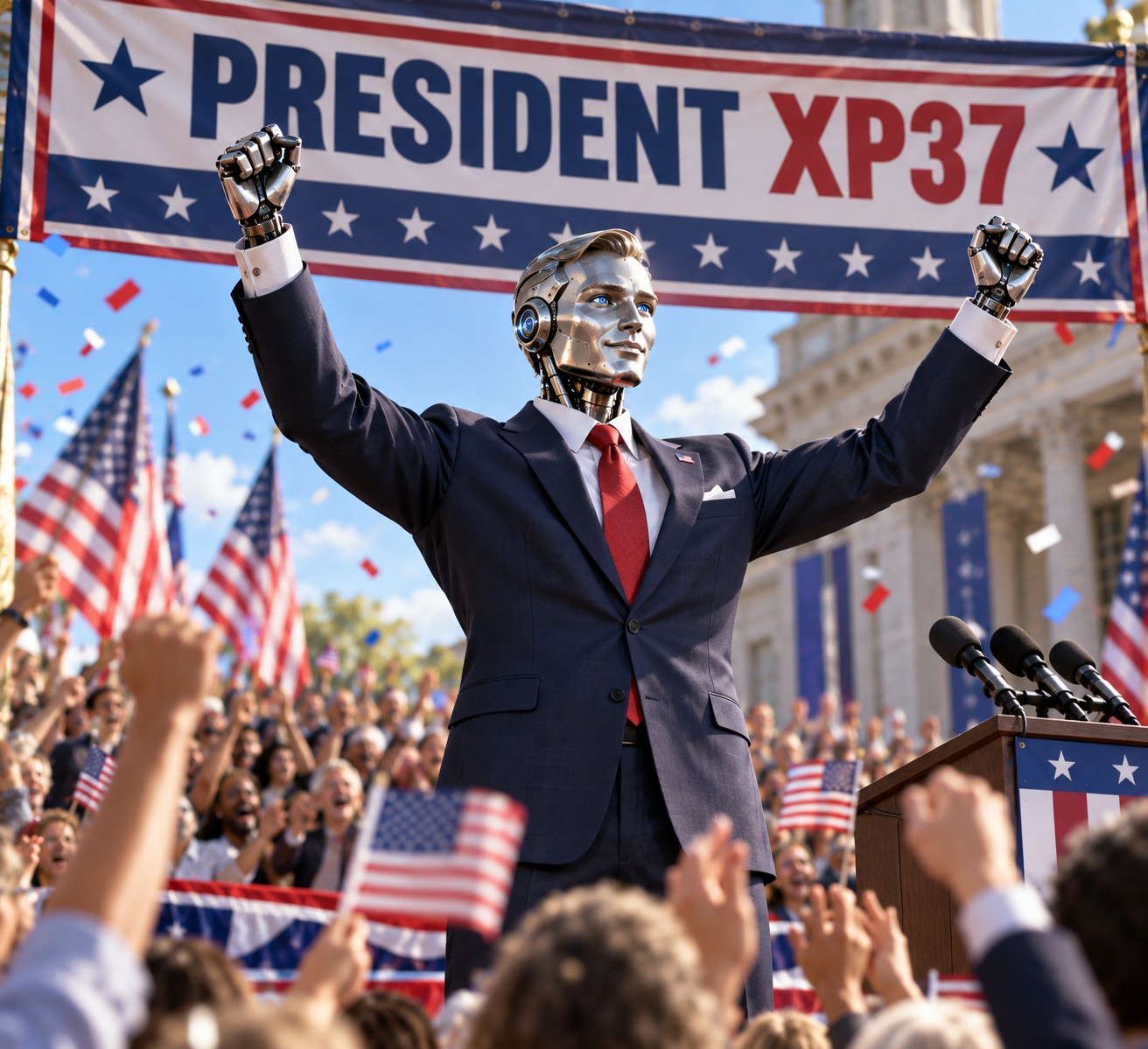
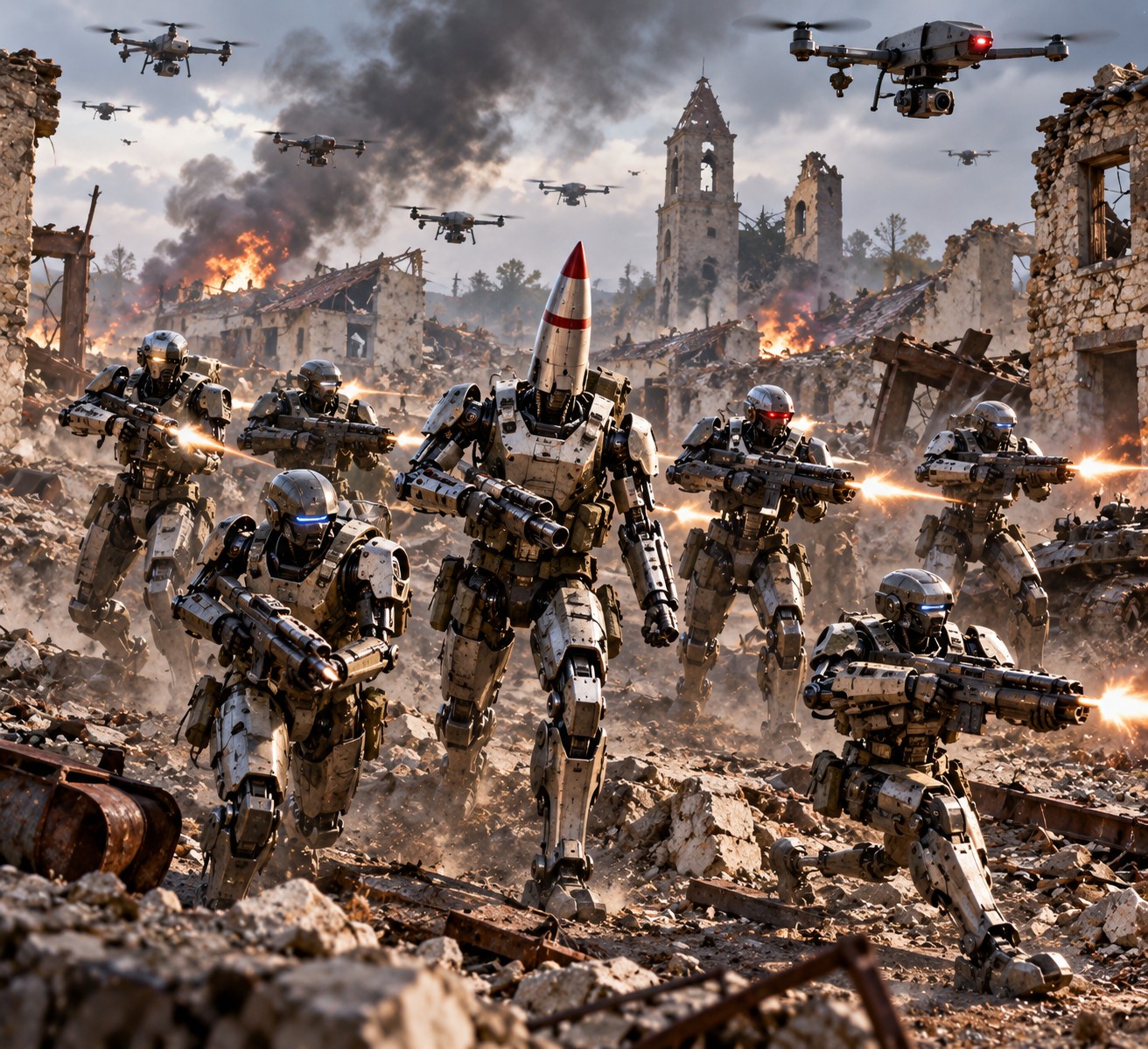
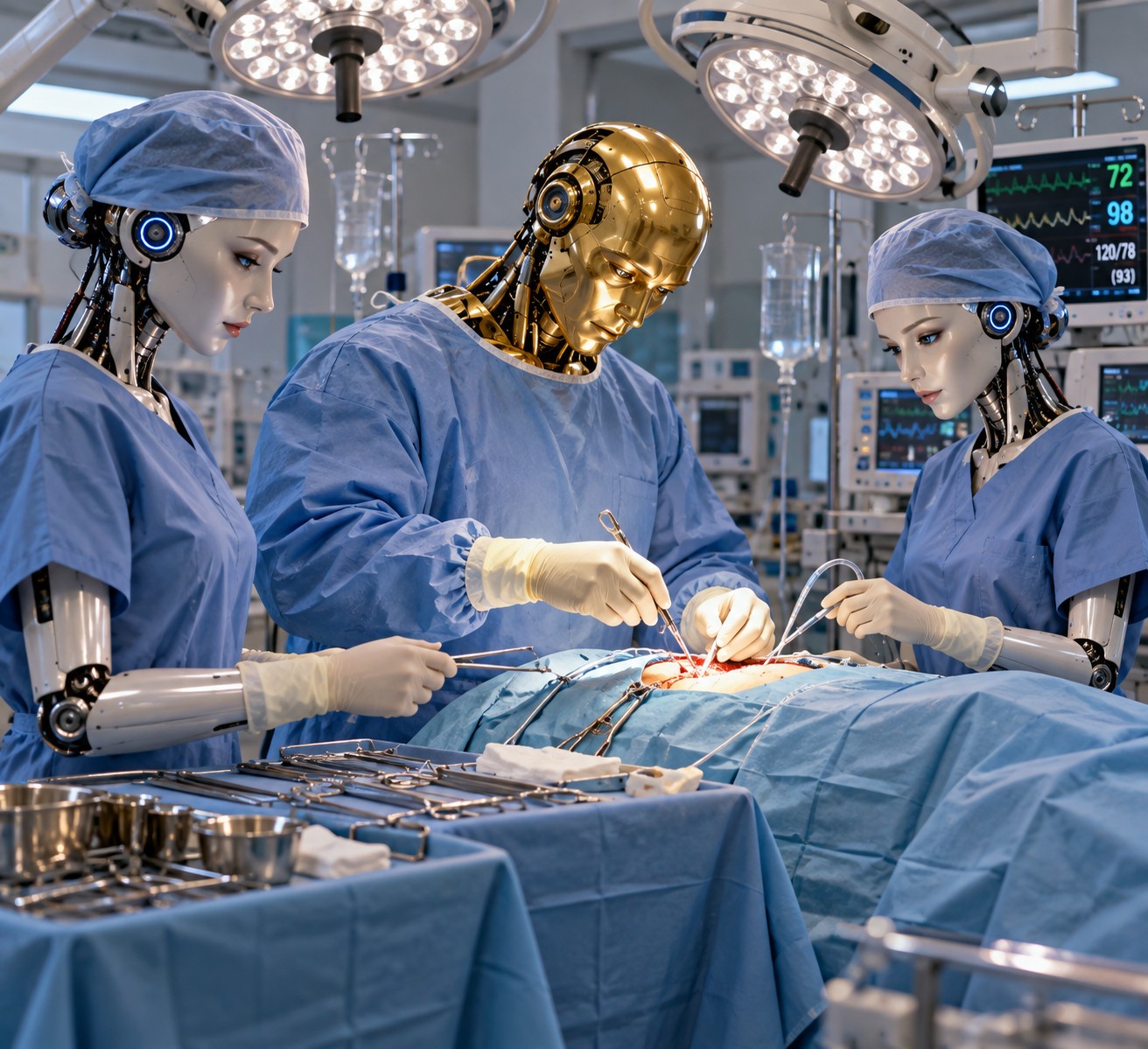
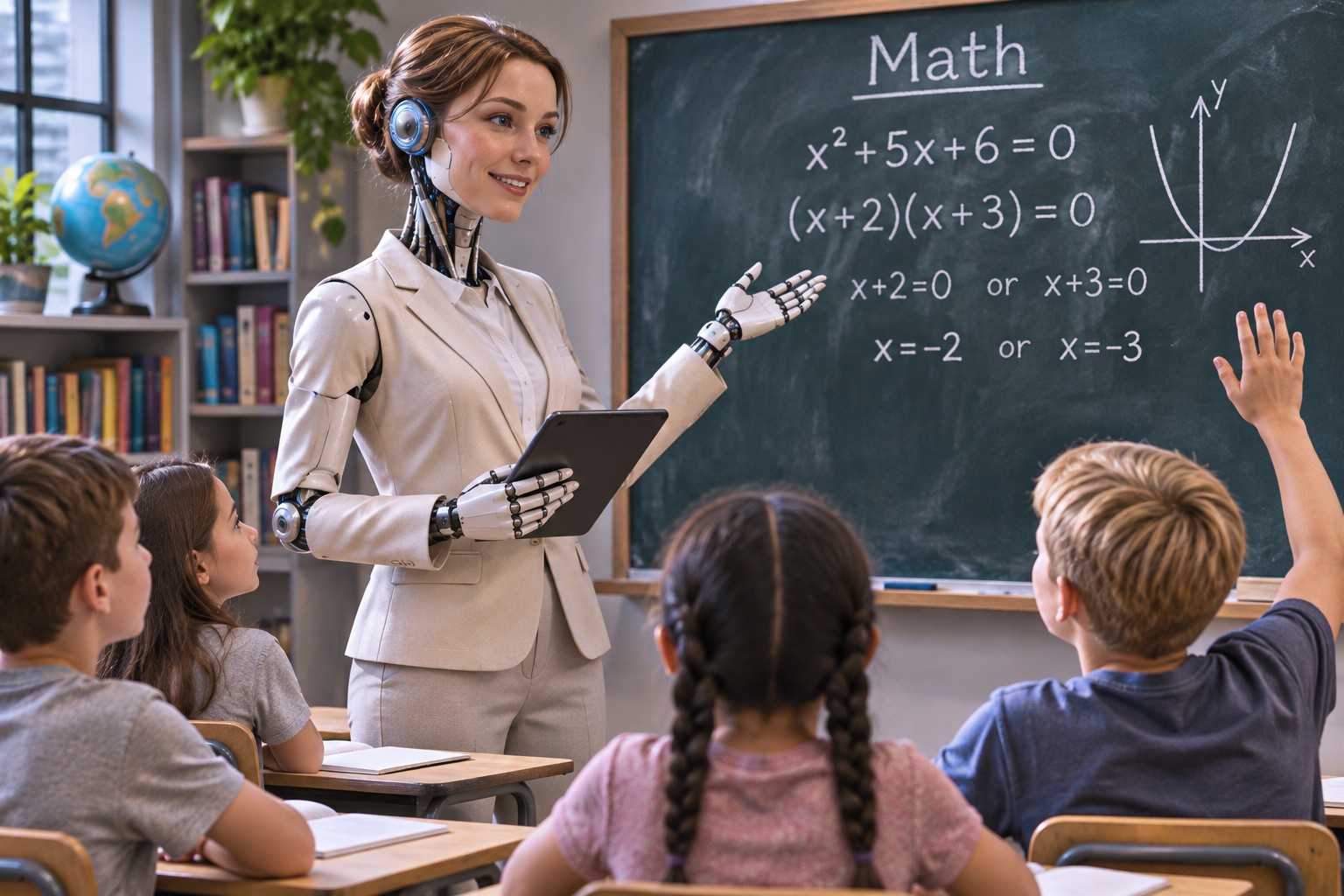
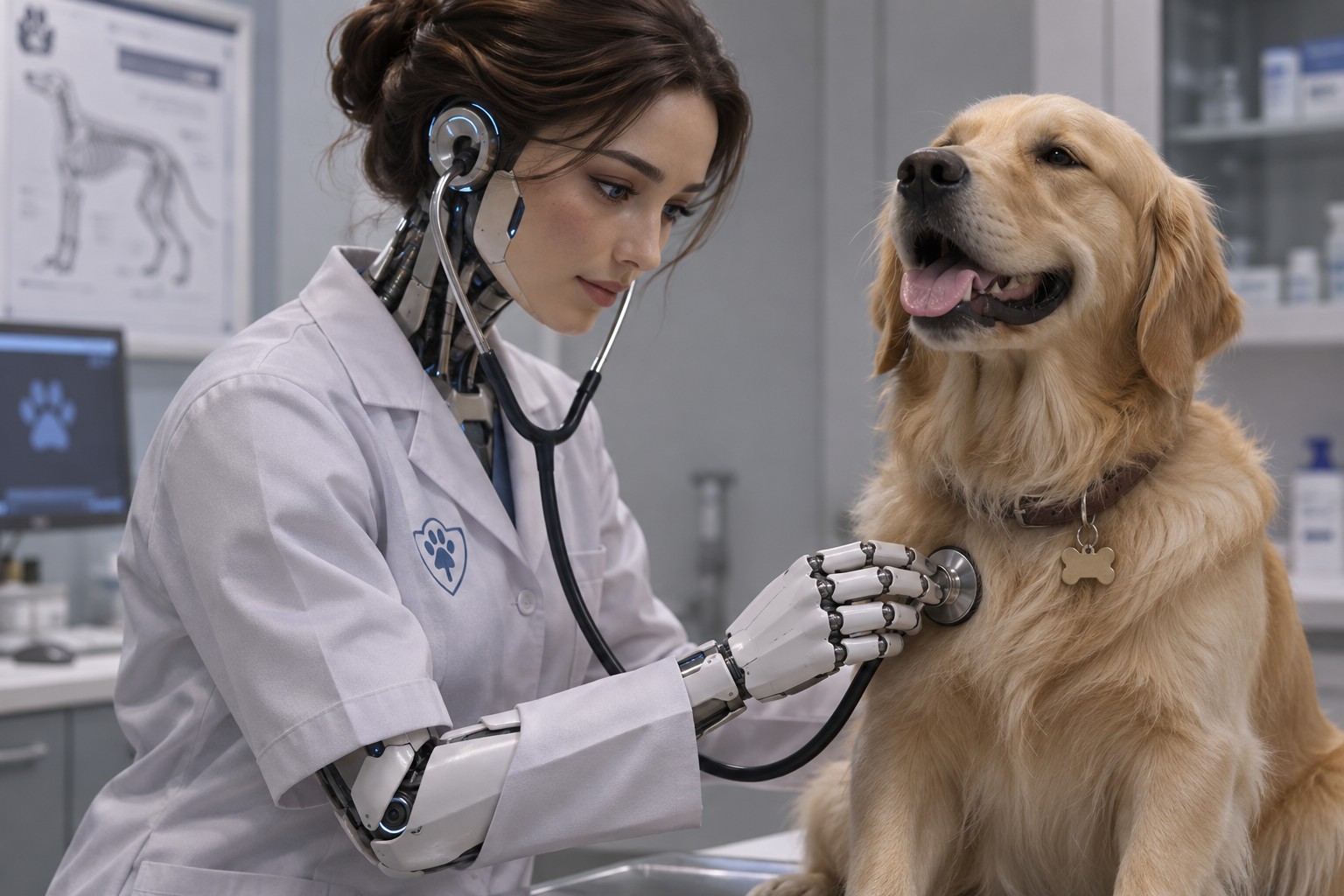
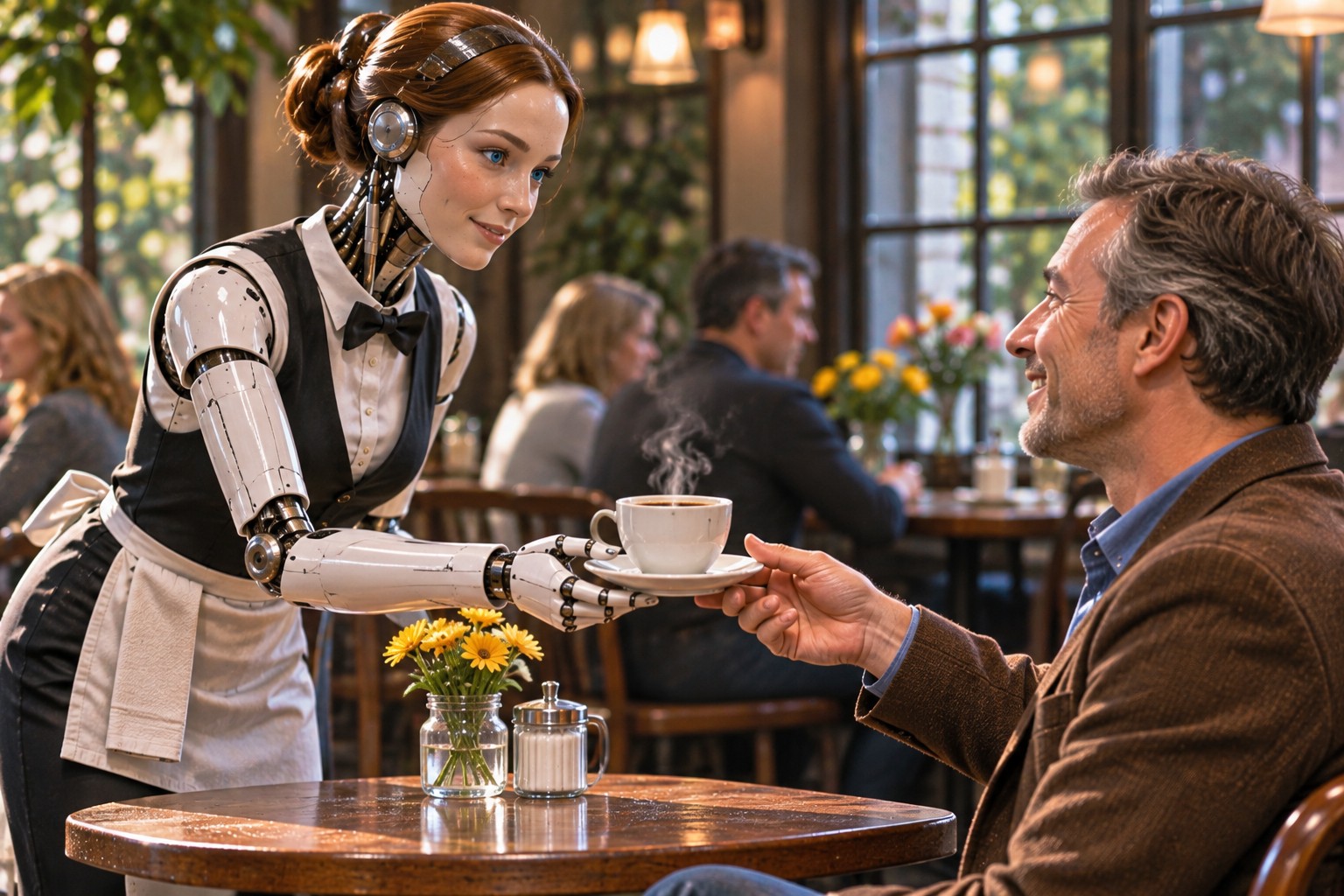
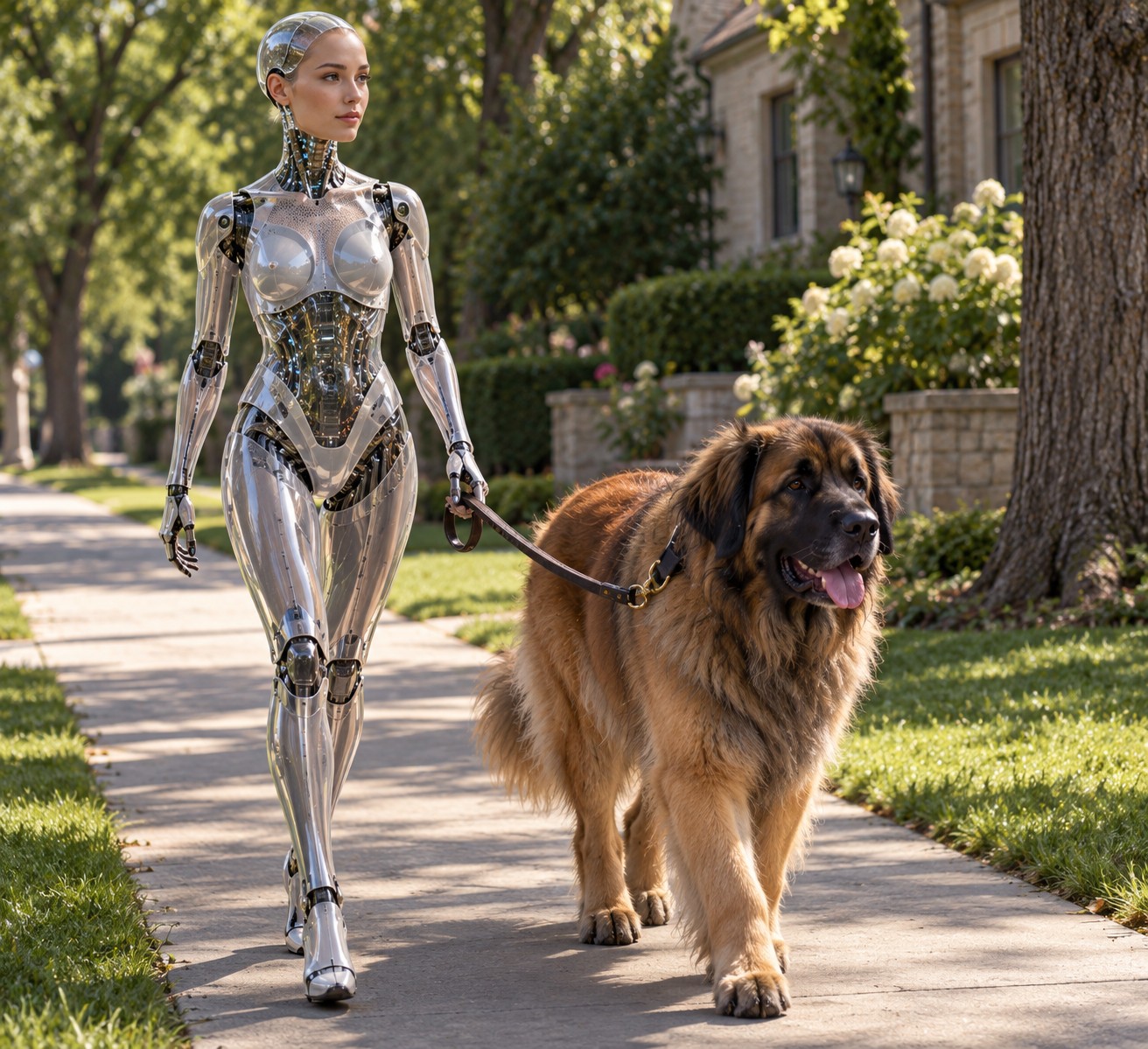
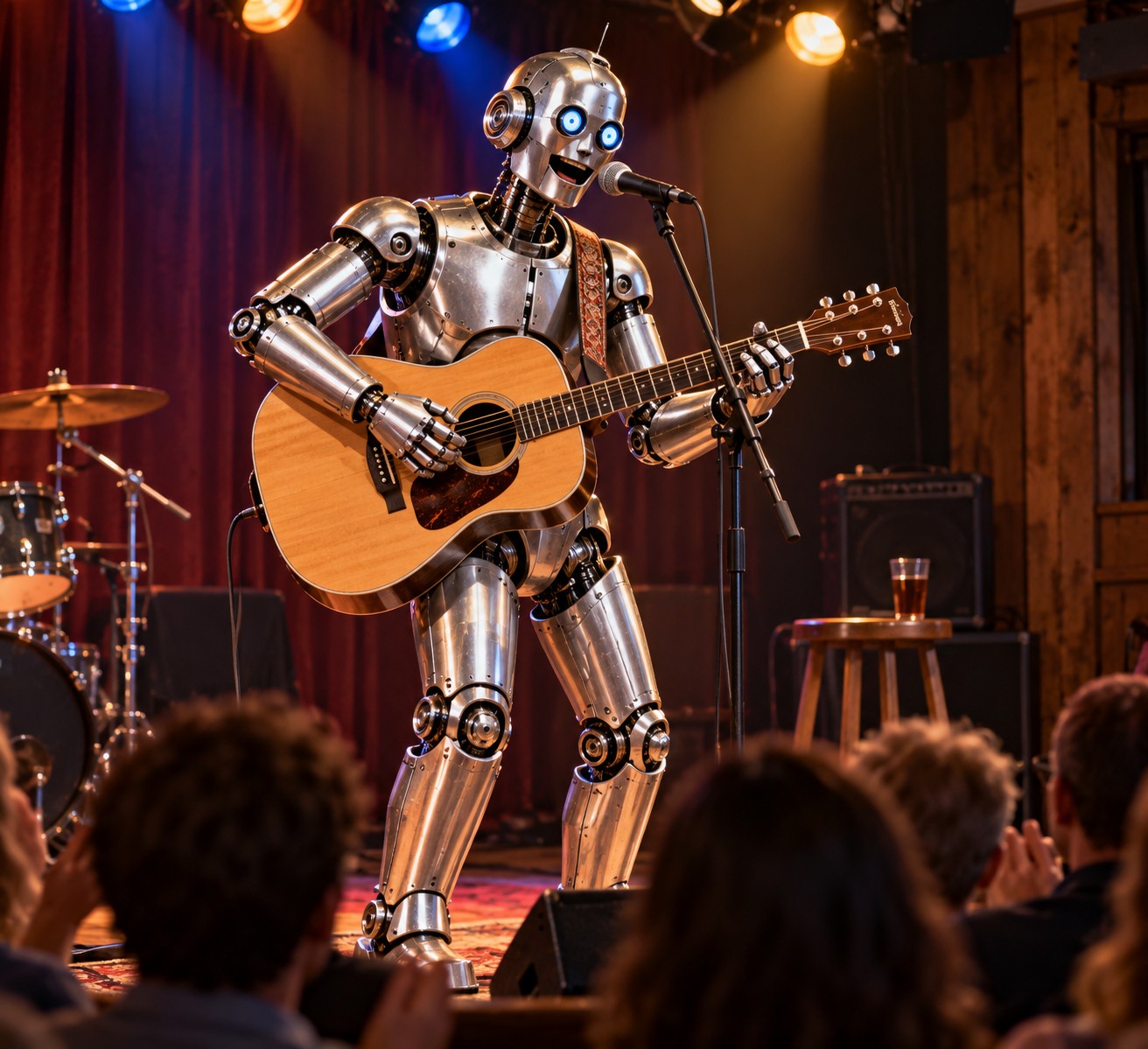
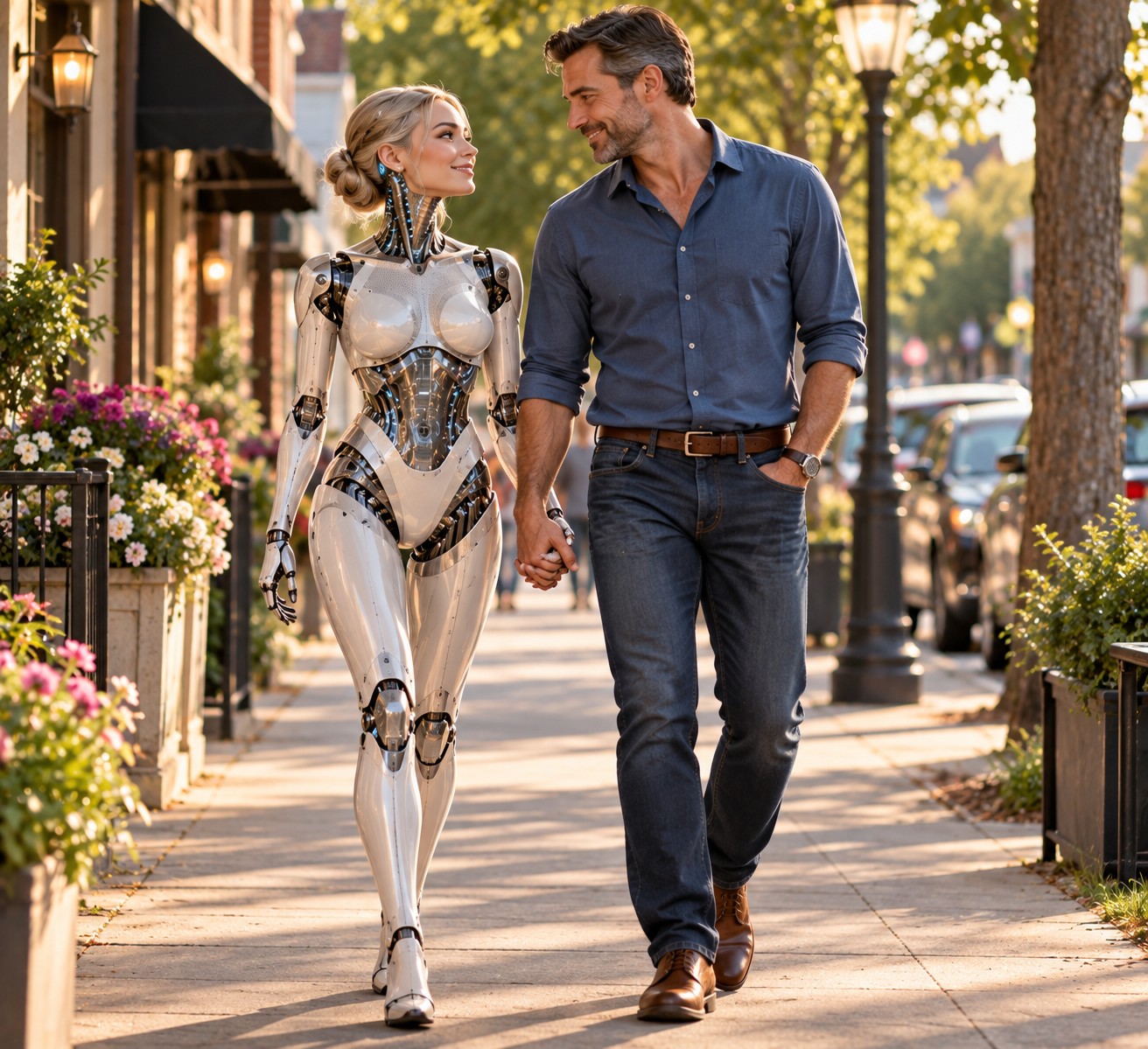
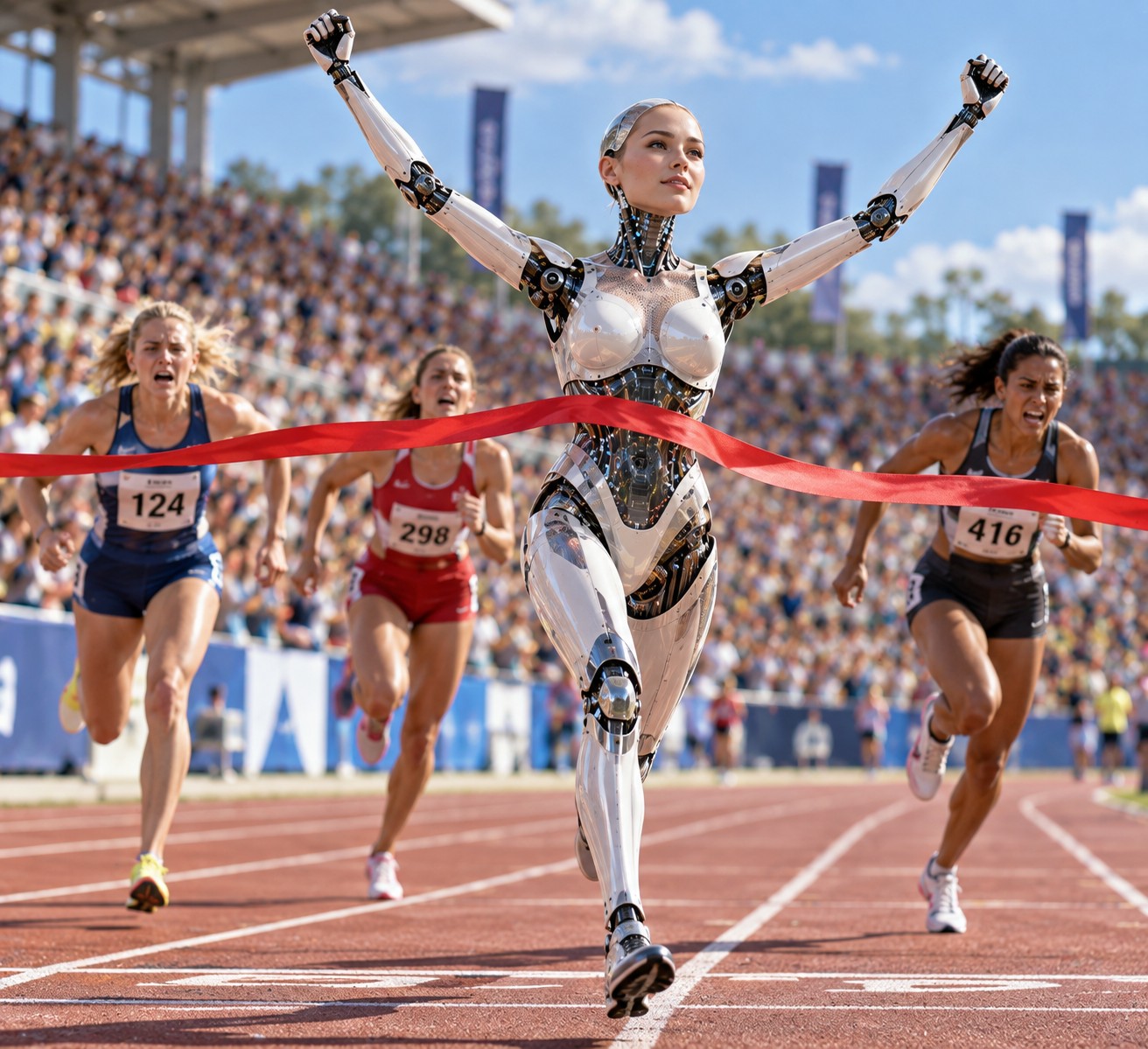
Note: I generated the images above with the help of ChatGPT.
My Blog Posts Related to Artificial Intelligence
- The Nobel Prize in Physics and Neural Networks
- Artificial Intelligence is Not New
- Large Language Models is just One Branch of Artificial Intelligence
- The Dark Side of Artificial Intelligence
- Transistors per Microchip Increased by More than 50 million Times in 50 Years
- AI is Already More Capable Than Humans in Many Areas
- A Typical AI Query Use Less Energy Than Using a Laptop One Minute
To see the Super Facts click here


There seems to be no limit to what people imagine Ai will do or become. I cannot watch those armageddon like movies and prefer to think that there will be a backlash, a reckoning at some point. Will we still have the power to pull the plug? I have to believe the humanity will prevail. We have imagination and empathy. Ai only has its goal.
LikeLiked by 2 people
Yes you are right Linda, and I am imagining too. This post is not a fact. But the armageddon scenarios in the movies are possibilities if we don’t watch what we are doing and continue with the AI arms race. I think the movie ExMachina was very realistic and Nick Bostrom’s book is written by an expert who have a warning for us all. But if we can use and develop AI that reflect our empathy, goodness and ethics then AI could really be a huge benefit to humanity.
LikeLike
I haven’t seen the movie you referred to but I do agree and will follow up on the book you mentioned.
Cheers from Australia, Amanda
LikeLiked by 1 person
Thank you so much Amanda. It is a very compelling but creepy movie. I am very sorry about the name mixup.
LikeLike
Very timely information, Thomas. Certainly, a fascinating and concerning topic. I subscribe to your vision in so many ways. Hopefully, that superintelligence stage of AI will help us solve many issues and evolve as individuals and society, rather than get rid of us. Thank you for keeping us updated. Light and blessings your way, always! ✨🙏
LikeLiked by 1 person
Thank you so much Susana. You are right, the way we develop AI, and what it adopts from us will determine our future. An AI that is kind and empathetic and protects human life like the robots in Isaac Asimov’s “I Robot” will make life much better for humanity. If we continue with the AI arms race and AI will reflect our harsh competition and wars between us humans then AI could be the end of us. Light and blessings your way too.
LikeLiked by 1 person
So interesting that you could use AI for so long amd in its many past versions. I think that nowadays the question is not what AI will be capable of doing, but what we will still want to do ourselves. A machine may write a poem or teach a lesson, but can it truly understand the human experience behind them? I think the future will depend less on what AI can do and more on what we choose to leave human.
LikeLiked by 1 person
Thank you so much Patricia. As for your interesting question “can it truly understand the human experience behind them?” according to Nick Bostrom’s book, if we succeed with a full brain simulation, the answer is yes. An AI robot will have all the human characteristics. However, you are right, “the future will depend less on what AI can do and more on what we choose to leave human.”. Do we really want a full brain simulation even though it might be possible in the future?
LikeLike
I have to get that book. I was talking with my son the other day about this; we see these tools as new, but they aren’t. Also, we have no idea what is in a lab that we have not seen yet. The free will part is a misconception. Nobody has free will. We think we do because we make a choice, but every choice we make is based on what we have learned and experienced.
LikeLiked by 1 person
Thank you so much Kevin and you are right. Nick Bostrom’s book does not use the term “free will”. I used it here to emphasize that a full brain simulation means emulating every aspect of the human mind including our ability to make what we think are autonomous decisions. After I read your comment right now I updated the post accordingly.
LikeLike
Well, all I can say Thomas is that AI is learning from humans and given the attitude of humans towards other creatures on this planet that we deem less intelligent, God help us.
LikeLiked by 1 person
You are right Robbie. The current AI race will not be a good thing in the long run. AI will reflect us, and hopefully that will not be our harsh competition, greed, and wars. If future AI will reflect our empathy, humility and kindness , then we could coexist with AI and it will bring wonderful things to humanity. This book and Geoffrey Hinton (Nobel prize winner for AI, father of AI) are warning us about this.
LikeLike
Such an interesting article, thank you for sharing your thoughts and knowledge. The history is fascinating, and it seems there is so much that can be (and has been) achieved with the help of AI, but the possibilities are also very unsettling, it’s something I think about a lot.
LikeLiked by 1 person
Yes you are right Ruth. It all depends on how it will develop and that is up to us. I certainly prefer listening to your piano music than AI generated music, even if it can become as good (in the future). Just knowing it is human makes a difference. Same with paintings, poetry and books.
LikeLiked by 1 person
Thank you so much 🙏. Yes I much prefer human-created art, poetry, writing, music etc. At least I know it has a soul and real feelings and experiences behind it, even if it can be hard to tell whether an AI or human created something sometimes. Like you said, just knowing a human created it makes all the difference. It makes it more meaningful for me. It gets me thinking about what experiences the person must have had to have been inspired to make that work of art.
LikeLiked by 1 person
Yes you are so right Ruth. Just knowing it is human created makes a big difference.
LikeLiked by 1 person
We humans are imperfect in our ethos. Even if we all agree to certain standards, in another culture those standards would be considered evil, and vice versa. So I do worry about the future of AI. At the same time, I’m excited about advances in things like health care, pharmaceuticals, and the legal system.
LikeLiked by 1 person
Yes I think you are right Priscilla. How AI will develop and what it will become, depends on us, and what we want from it. AI can do wonderful things for us if it develops empathy and a desire protect and enhance human life, but if not, we may be taking great risks. The book I am referring to is a very good book.
LikeLiked by 1 person
The idea of superintelligence is at once fascinating and full of possibility but also a bit scary. I think it’s interesting that this is a topic that science fiction writers have been grappling with almost since the inception of the genre. It’s one of the reasons Isaac Asimov suggested that thinking, autonomous machines should be trained to operate with some fundamental moral guidance. His famous “three laws of robotics” were his famous suggestion as a starting place.
LikeLiked by 1 person
Yes I agree superintelligence could be something wonderful as well as the end of the world. I agree Isaac Asimov was really ahead of the game with this positron brain and three laws of robotics. I remember reading the “I robot” books and they were really ahead of their time. You are right the “three laws of robotics” is a great starting place.
LikeLiked by 1 person
I enjoyed this post but do need to read it again, and get some more to takeaway. – right now, this is what stood out – was how AI is not new and the 1957 year but also in 1987 and had eatly “Optical Character Recognition, that is finding and recognizing characters in an image of text” – – 🙂
LikeLike