
Superfact 140: Naturally occurring climate change caused by Earth’s orbital cycles (Milankovitch cycles) would currently result in a slight long-term cooling trend. Other natural causes of climate change such as solar activity, volcanic trends, and other sources of carbon emissions do not increase Earth’s average global temperature. In addition, reductions in Ozone depleting gases have a cooling effect. Our fossil fuel emissions are the cause for the current sharp increase global temperature as well as for it not getting colder.
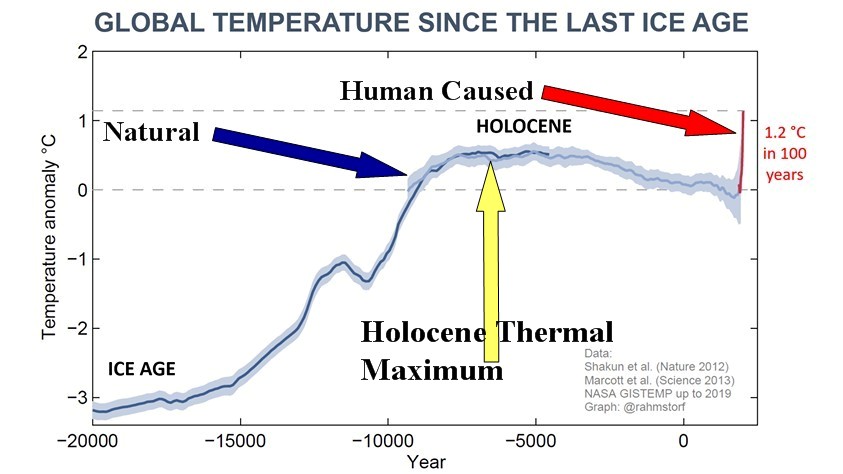
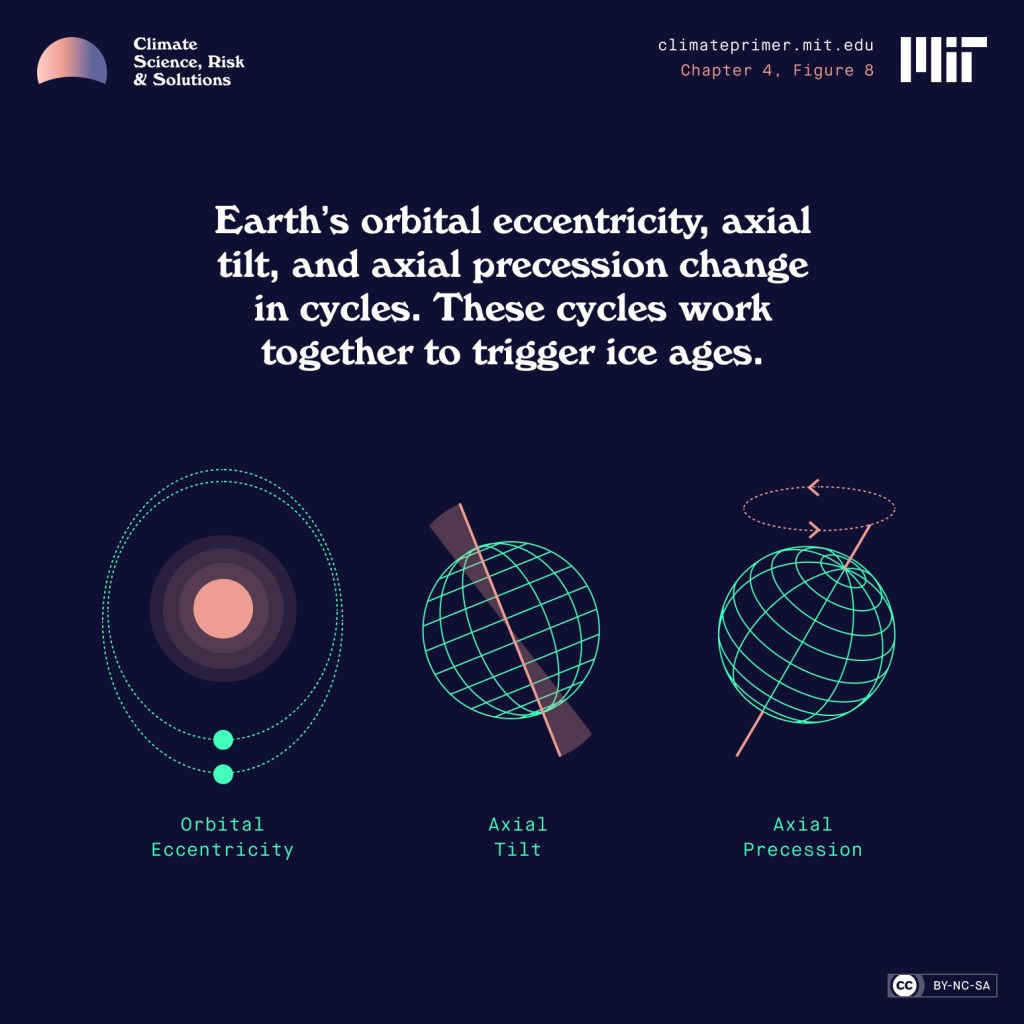
The sharp spike in global average temperatures towards the right side of the graph above is caused by us humans, chiefly by our burning of fossil fuels. However, the rest of the graph corresponds to natural causes of climate change. The wild swings in the average global temperature during the ice ages are chiefly caused by Earth’s orbital cycles, the so called Milankovitch cycles. <<Link-1>> There are three main Milankovitch cycles:
- Changes in Earth’s orbital eccentricity, with 100,000 year cycles.
- Changes in obliquity or axial tilt, with a 41,000 year cycle.
- Axial precession or wobble, with a 26,000 year cycle.
The Milankovitch cycles cool Earth, and the sun, climate oscillations and ocean currents, volcanoes and emissions part of the carbon cycle do not cause any significant global warming in the long run. In addition, reductions in Ozone depleting gases have a cooling effect and so does our emissions of aerosols. In other words, if it weren’t for our carbon emissions Earth would be getting colder. I believe this is a surprising and important fact and therefore a super fact.
Milankovitch Cycles
Several scientists, astronomers and organizations around the world keep track of the orbital cycles including NASA, NOAA, etc. The Milankovitch cycles explain the ice ages, but these cycles are too long to explain the recent one or two century spike in average global temperatures. Furthermore, the Milankovitch cycles would currently slowly cool the atmosphere not warming it.
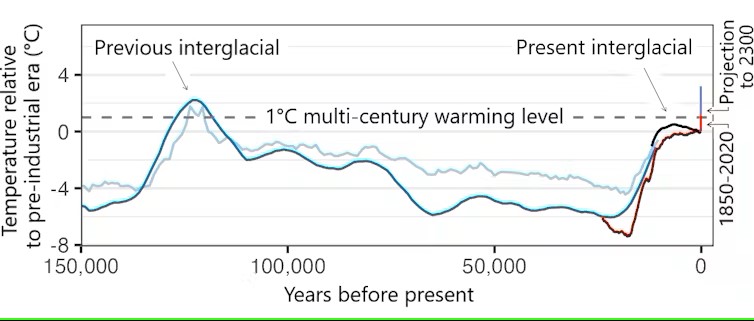
In addition, different causes for climate change leave behind different fingerprints in how the heat is distributed across time, seasons, atmospheric layers, and geography. The “fingerprint” of the current warming is that of greenhouse gases being the cause for it and not orbital cycles. For example, the upper atmosphere is cooling an effect caused by the “blanket effect” caused by greenhouse gases. You can read more about how the current rapid global warming is different from past ice age temperature swings here.
To read more about the Milankovitch cycles click here.
The Sun Does Not Contribute to Global Warming
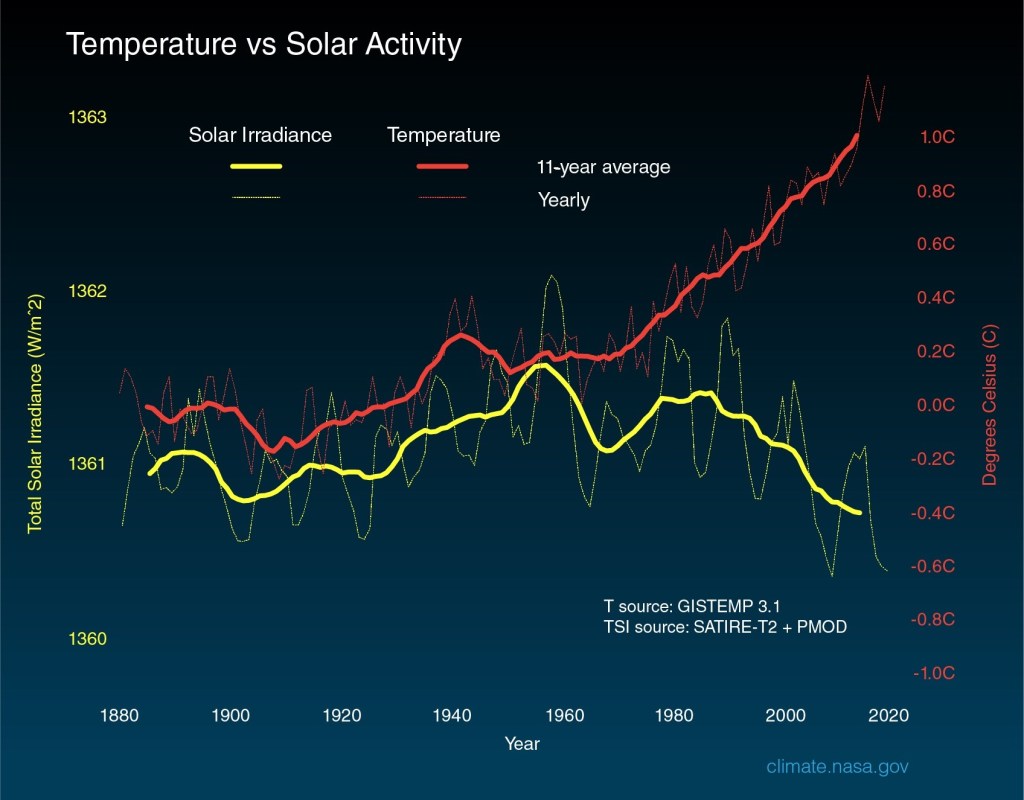
The sun cannot explain the average increase in global warming either. According to data from NASA, solar energy output has shown no net increase since the late 1970s, in fact it is at its lowest in over a hundred years, and again the sun has the wrong “fingerprint”. You can read more about this here.
Volcanoes and Other Natural Sources of Carbon Emissions Do Not Contribute to Global Warming
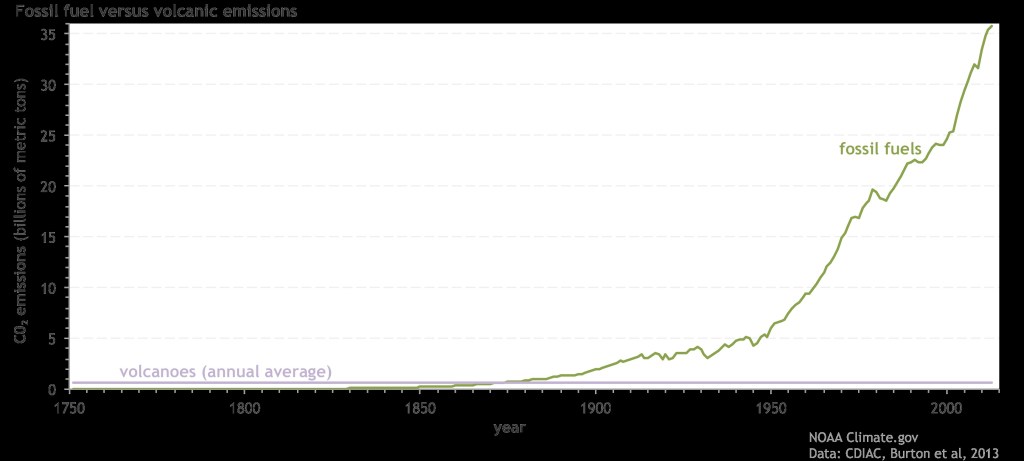
Human emissions are roughly 60 to 100 times greater than all global volcanic output combined. In addition, volcanoes are part of the carbon cycle which has been stable for a long time. Thus, volcanoes are not the cause of the current rapid global warming. You can read more about this here.
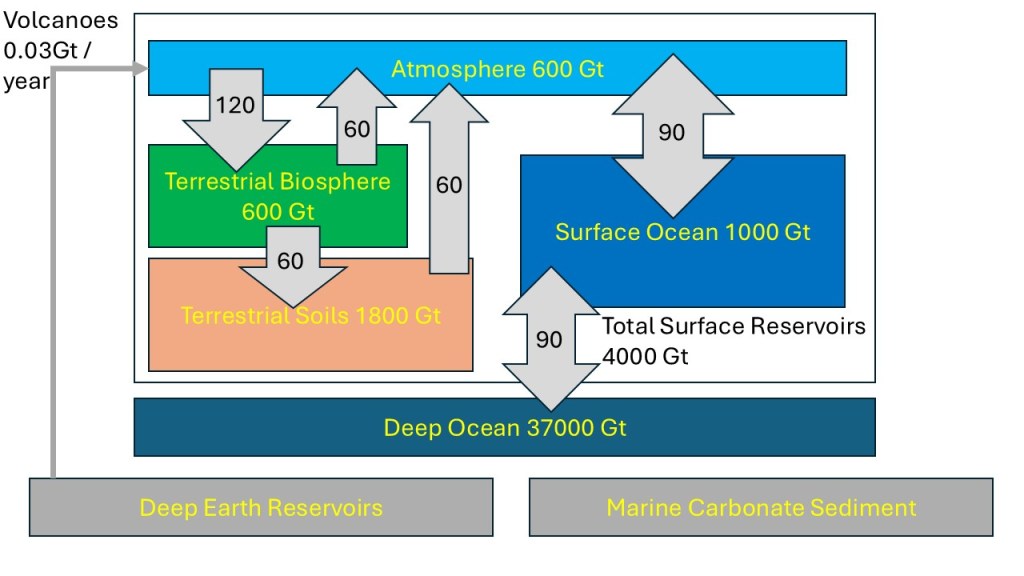
There are a lot of natural carbon emissions from the soil, rotting plants, animal and human respiration, and oceans, and a small amount from volcanoes. However, carbon is also absorbed by the oceans, and by plants via photosynthesis, etc., and this creates a balance that has existed for many thousands of years. This is called the carbon cycle. Even though the carbon emissions from burning fossil fuels are smaller than some of the naturally occurring carbon emissions, it is the carbon emissions from burning fossil fuels that are behind the increase of carbon in the atmosphere because they are a new addition that disrupts the carbon cycle.
Conclusion
Orbital cycles, so called Milankovitch cycles, changes climate naturally but they are in a cooling phase. The sun is cooling a bit. Reductions in Ozone depleting gases have a cooling effect and aerosol particle pollution has a cooling effect.
Climate variability, climate oscillations, climate currents affect climate and are important to climate and are affected by global warming, but they are not the cause behind the recent rapid global warming.
Volcanoes and carbon emissions that are part of the carbon cycle are not adding to the carbon in the atmosphere. However, carbon emissions from burning fossil fuels do. If we didn’t burn fossil fuels Earth would be cooling.
Note : this does imply that our carbon emissions is a good thing. The rapid global warming we are witnessing is a very dangerous problem.
Other super facts related to global warming
- Global Warming is Happening and is Caused by us
- The Hockey Stick Graph is not Wrong
- Scientists Agree that Global Warming is happening and that we are the Cause
- Climate change worsens wildfires in the US
- Without carbon dioxide the Earth would freeze
- IPCC Did Not Backtrack on Global Warming Being Human Caused
- Orbital Cycles are not the Cause of the current Global Warming
- The Sun is not the Cause of the current Global Warming
- Volcanoes emit a tiny fraction of carbon compared to humans
- Climate change worsens wildfires Globally and human Land-Use Changes Reduces them
- Carbon Cycle Emissions Does Not Cause Global Warming
- The Most Important Greenhouse Gas Does Not Drive Global Warming
- El Nino or Ocean Currents are not the Cause of Global Warming

