The goal of this blog is to create a list of super facts. Important facts that are true with very high certainty and yet surprising, misunderstood, or disputed by many. This blog aims to be challenging, educational, and fun, without it being clickbait. I determine veracity using evidence, data from reputable sources and longstanding scientific consensus. Prepare to be challenged (I am). Intentionally seek the truth not confirmation of your belief.
30-60 million Bison used to roam the plains
Super fact 110 : At the end of the 18th century there were 30-60 million North American Bison (buffalo) roaming the plains. The mass destruction of the bison began in 1830 and was intentional and by the end of the 19th century there were only a few hundred left. Since then, they have recovered and today there are 500,000 Bison including 30,000 wild Bison.
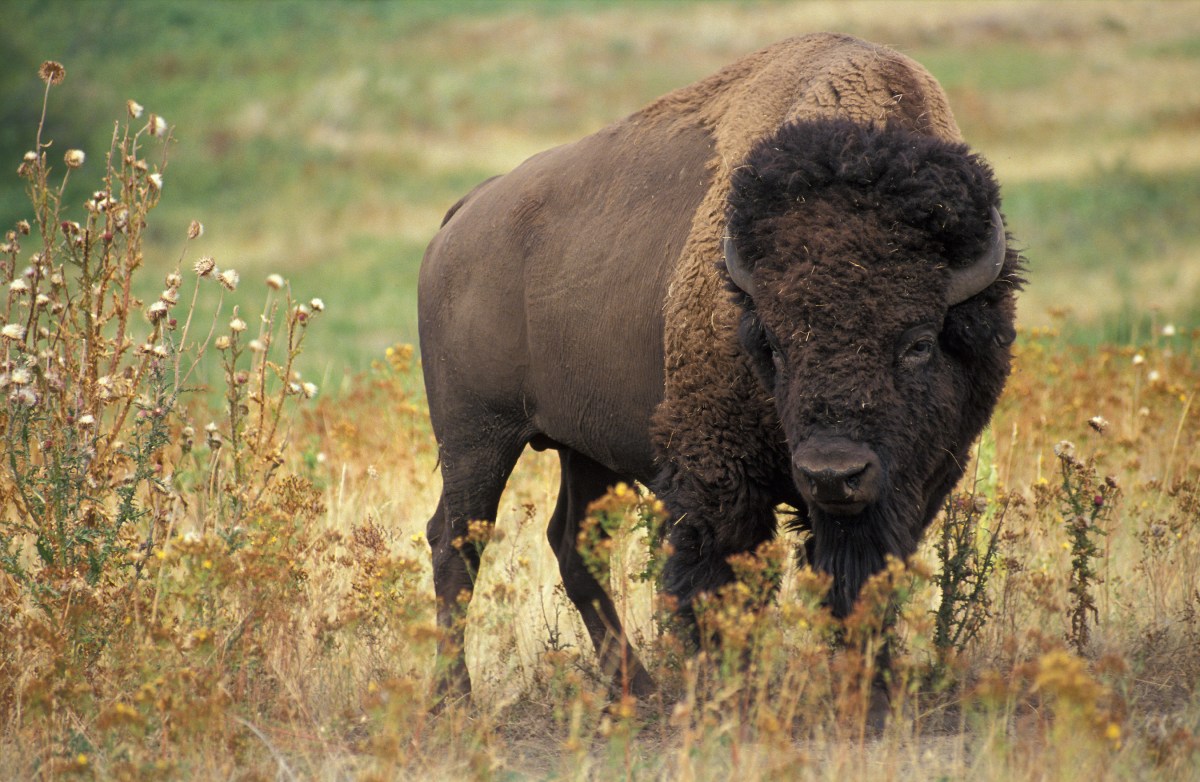
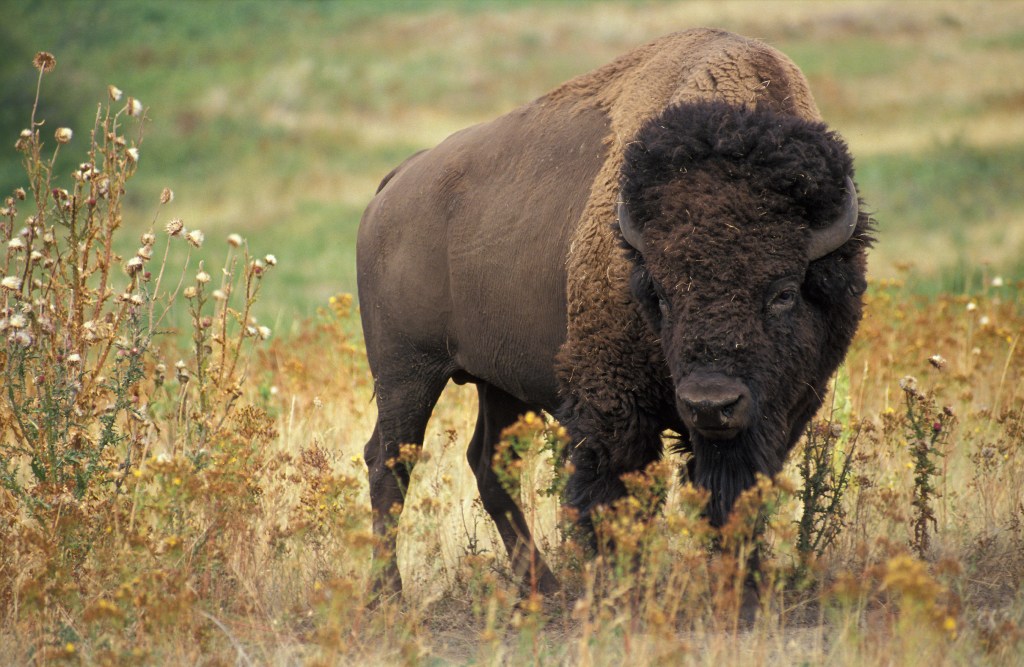
Scientists are helping users of American rangelands meet the challenge of managing multiple uses and sustainably. This picture is in the public domain because it contains materials that originally came from the Agricultural Research Service, the research agency of the United States Department of Agriculture. From Wikimedia commons author Jack Dykinga.
The reason for the extremely sharp decline of the Bison in the 19th century was because the U.S. government intentionally drove the bison to the brink of extinction. The American bison was a major resource for the traditional way of life of the native Americans and therefore the extermination of the Bison became an important tool in the efforts to subjugate Native Americans.
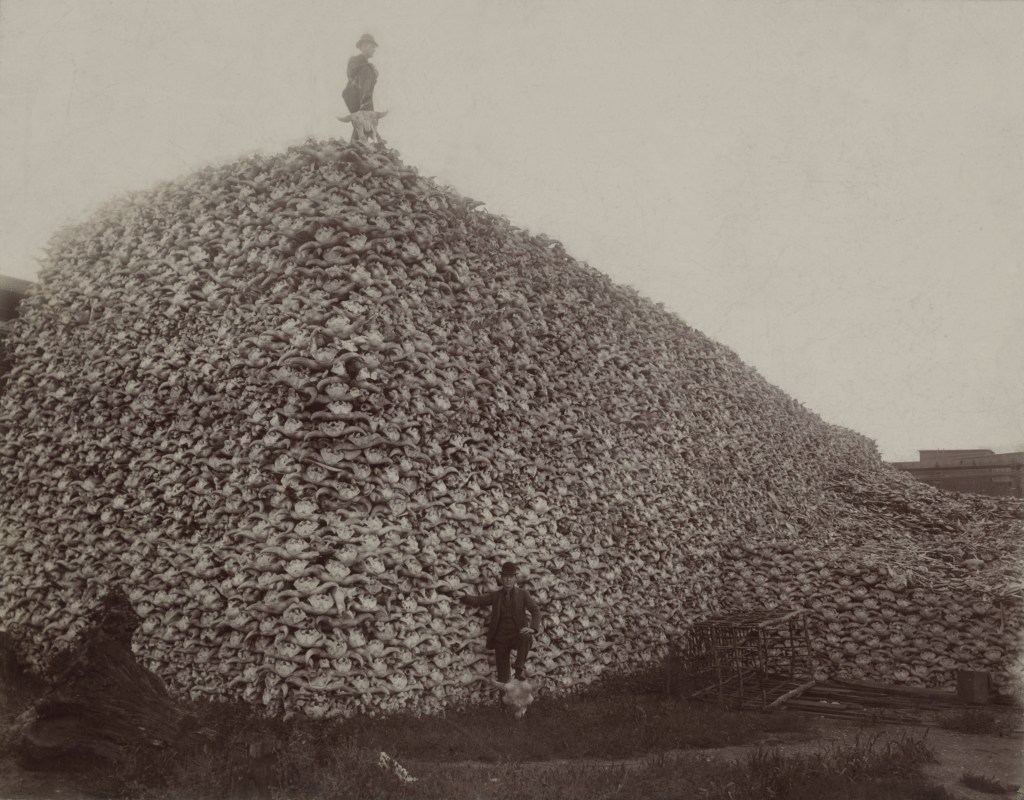
1892: bison skulls await industrial processing at Michigan Carbon Works in Rougeville (a suburb of Detroit). Bones were processed to be used for glue, fertilizer, dye/tint/ink, or were burned to create “bone char” which was an important component for sugar refining. In the 16th century, North America contained 25–30 million buffalo. This picture is in the public domain and taken from this Wikipedia.
I consider this a super fact because it is a shocking historical event that it seems many are unaware of. I was certainly surprised the first time I read about it.
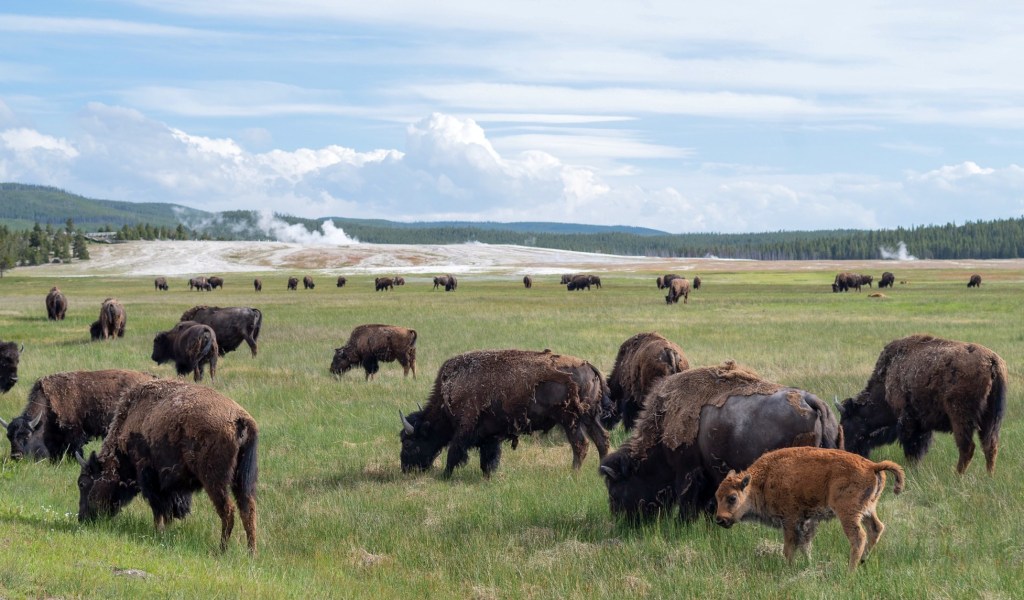
Herd of American bison grazing in a green meadow at Yellowstone National Park, with geysers and mountains in the background under a bright blue sky. Shutterstock asset id: asset id: 2688666937 by NicoleHFlores
My name is Thomas Wikman. I am a software/robotics engineer with a background in physics. I am currently retired. I took early retirement. I am a dog lover, and especially a Leonberger lover, a home brewer, craft beer enthusiast, I’m learning French, and I am an avid reader. I live in Dallas, Texas, but I am originally from Sweden. I am married to Claudia, and we have three children. I have two blogs. The first feature the crazy adventures of our Leonberger Le Bronco von der Löwenhöhle as well as information on Leonbergers. The second blog, superfactful, feature information and facts I think are very interesting. With this blog I would like to create a list of facts that are accepted as true among the experts of the field and yet disputed amongst the public or highly surprising. These facts are special and in lieu of a better word I call them super-facts.
View all posts by thomasstigwikman
58 thoughts on “30-60 million Bison used to roam the plains”
the photo of the skulls is absolutely heartbreaking – isn’t there a famous photo of bison being driven over a cliff? but somehow this one is even worse… politics, money, greed… & why does society need monetary reasons for keeping things alive?…
Yes I agree with you da-AL. It is horrific and you are making good points. I didn’t remember a picture of bison being driven over a cliff but now when you said it I googled it and found it. I learned about this event the first time 20 years ago when we visited Yellowstone National Park and I read up on Bison (we called them Buffalo).
Yes I think the Indian Buffaloes and African Buffaloes are technically Buffaloes but the Bison/Buffalo in North America are really Bison even though a lot of people call them Buffalo. I used to call them Buffalo until I visited Yellowstone National Park. Well I still call them Buffalo sometimes by mistake.
I wonder why that is… eventually they’ll have been called buffalo for long enough that that’s what they’ll be officially called, such is the evolution of language lol
Yes that seems cruel but it is an old / ancient way of hunting. I should say that the extermination of the bison (or if you call them buffalo) was not done by native Americans.
Yes you are right Maggie. I am going to update. I also realized that my “How Did the Bison Population Recover ?” is too short. That was just the start. Thank you so much Maggie.
What a cool post! Must’ve been an amazing sight to see them. It’s unbelievable that the US government deliberarately drove them to extinction; such a shame.
Tragically, the deliberate near-extinction of the bison is not that unbelievable, considering that the creation of the United States was, in essence, a massive land grab by one group of humans who wanted to displace another group that had lived in North America for thousands of years. It is one of those things that certain Americans don’t want us to dwell on, especially on this Semiquincentennial year.
It is one of those less flattering things that you don’t often hear about. I didn’t find out until we visited Yellowstone and I read about Bison / Buffalo before we went.
Thank you so much Kevin. It was very interesting to read about blue and yellow macaws in Rio. What a fascinating come back after a very sad story. I just read it. You are right “Humans pretty much cause more harm in everyplace we go.” But it is great that we are trying to fix things now. I also read Sapiens. It is a great book.
That photo of all the skulls is shocking. I can’t believe they were nearly driven to extinction (well, I can, but it’s awful). Thank goodness they’ve now recovered. They’re stunning animals. Thank you for this, Thomas.
You are right. I did not know about this until we visited Yellowstone National Park 20 years ago and I read up on Bison (we called them Buffalo). I am not surprised that you knew. You are a naturalist with a lot of animal knowledge. Thank you so much Robbie.
It IS a shocking historical event. I knew of the slaughter but was not aware of the intentional background. Words are insufficient to describe how I feel about it, but horrific and grotesque come to mind. It is important that we know the truth. I’m very thankful the bison are recovering and can see how they can be a symbol for Native American freedom and independence.
Yes I agree with you. It is a horrific event that I did not know anything about until about 20 years ago on my first visit to Yellowstone National Park. I read up Bison (or Buffalo as they called them) before traveling to the park. A lot of people I talked to had no idea this happened. I am glad some people worked to save some of them and I am glad they are recovering.
Thanks for this informative post, Thomas. It always shocks me just how near the bison came to utter extinction. I’m glad there has been some population recovery, even if it is only a tiny fraction of their earlier numbers.
Yes you are right. From 30+ million to 300, only 0.001% left. That is pretty close to extinction. And if hadn’t been for that small group of people and Native Americans in the 1890’s they would have gone extinct.
Absolutely horrific of the US government to kill all those animals to hurt the Native Indians. I watched Yellowstone, and it reminds of the fights with the Indians over land, and all that bison. I’m glad they’ve repopulated. 😊
Thank you Debby, and I agree with you. What a horrible thing to do. I am also glad they repopulated. That was pretty close to extinction. Less than 0.001% left from the original population.
Java Bean: “Ayyy, our Dada knows about this story. For example he says he remembers reading about how people would shoot bison from the trains as they went by and would just leave them there to rot. Another shameful episode in history that certain factions would like to just gloss over, according to him …”
Such a vile part of US history. Makes me sick. Animals, drupe trees, and farms are still being sadistically and gleefully razed as a means to starve and emotionally devastate certain groups of human beings.


 Super Facts
What a sight they must have been.
LikeLiked by 2 people
Yes tens of millions of Bison on the plains must have been an amazing sight
LikeLiked by 1 person
Add to your numbers, there are about 170,000 bison in Canada, but only 13,000 or so are wild. Maggie
LikeLiked by 2 people
the photo of the skulls is absolutely heartbreaking – isn’t there a famous photo of bison being driven over a cliff? but somehow this one is even worse… politics, money, greed… & why does society need monetary reasons for keeping things alive?…
LikeLiked by 1 person
Yes I agree with you da-AL. It is horrific and you are making good points. I didn’t remember a picture of bison being driven over a cliff but now when you said it I googled it and found it. I learned about this event the first time 20 years ago when we visited Yellowstone National Park and I read up on Bison (we called them Buffalo).
LikeLiked by 1 person
bison vs buffalo… sometimes I buy buffalo horn from India for my dog to chew on…
LikeLiked by 1 person
Yes I think the Indian Buffaloes and African Buffaloes are technically Buffaloes but the Bison/Buffalo in North America are really Bison even though a lot of people call them Buffalo. I used to call them Buffalo until I visited Yellowstone National Park. Well I still call them Buffalo sometimes by mistake.
LikeLiked by 1 person
I wonder why that is… eventually they’ll have been called buffalo for long enough that that’s what they’ll be officially called, such is the evolution of language lol
LikeLiked by 1 person
Yes it is an interesting phenomenon.
LikeLike
Buffalo jumps were very common with the indigenous population for generations. It is heartbreaking, but was a way of life.
LikeLiked by 1 person
Yes that seems cruel but it is an old / ancient way of hunting. I should say that the extermination of the bison (or if you call them buffalo) was not done by native Americans.
LikeLike
Yes you are right Maggie. I am going to update. I also realized that my “How Did the Bison Population Recover ?” is too short. That was just the start. Thank you so much Maggie.
LikeLike
What a cool post! Must’ve been an amazing sight to see them. It’s unbelievable that the US government deliberarately drove them to extinction; such a shame.
LikeLiked by 3 people
Tragically, the deliberate near-extinction of the bison is not that unbelievable, considering that the creation of the United States was, in essence, a massive land grab by one group of humans who wanted to displace another group that had lived in North America for thousands of years. It is one of those things that certain Americans don’t want us to dwell on, especially on this Semiquincentennial year.
LikeLiked by 2 people
Yes that is difficult history
LikeLiked by 2 people
It is one of those less flattering things that you don’t often hear about. I didn’t find out until we visited Yellowstone and I read about Bison / Buffalo before we went.
LikeLiked by 2 people
Sad what happened. I have read about this. Humans pretty much cause more harm in everyplace we go. The book sapiens talks about how much destruction we do. This reminded me of my post this week on the MacCaw https://beingkevin.com/2026/06/07/the-return-of-rios-blue-and-yellow-macaws-back-after-more-than-200-years/
We broke it and now we are fixing. Probably better not to break it the first time.
LikeLiked by 3 people
Thank you so much Kevin. It was very interesting to read about blue and yellow macaws in Rio. What a fascinating come back after a very sad story. I just read it. You are right “Humans pretty much cause more harm in everyplace we go.” But it is great that we are trying to fix things now. I also read Sapiens. It is a great book.
LikeLike
That photo of all the skulls is shocking. I can’t believe they were nearly driven to extinction (well, I can, but it’s awful). Thank goodness they’ve now recovered. They’re stunning animals. Thank you for this, Thomas.
LikeLiked by 2 people
Thank you so much Esther. It is crazy what we have done to nature. It is great that we are trying to be better now, well at least some of us.
LikeLiked by 1 person
Man is a very destructive creature. I did know about this but it’s still horrifying to read.
LikeLiked by 2 people
You are right. I did not know about this until we visited Yellowstone National Park 20 years ago and I read up on Bison (we called them Buffalo). I am not surprised that you knew. You are a naturalist with a lot of animal knowledge. Thank you so much Robbie.
LikeLike
My pleasure, Thomas. Thank you for your interesting posts.
LikeLiked by 1 person
That was such an awful decision by the US government.
LikeLiked by 3 people
Yes I agree. A lot of bad things happened in history, I think in the history of all countries.
LikeLiked by 1 person
How awful. Really sad.
LikeLiked by 2 people
Yes it is very sad
LikeLiked by 1 person
Thanks for the post.
LikeLiked by 2 people
Thank you so much JR
LikeLiked by 1 person
It IS a shocking historical event. I knew of the slaughter but was not aware of the intentional background. Words are insufficient to describe how I feel about it, but horrific and grotesque come to mind. It is important that we know the truth. I’m very thankful the bison are recovering and can see how they can be a symbol for Native American freedom and independence.
LikeLiked by 1 person
Yes I agree with you. It is a horrific event that I did not know anything about until about 20 years ago on my first visit to Yellowstone National Park. I read up Bison (or Buffalo as they called them) before traveling to the park. A lot of people I talked to had no idea this happened. I am glad some people worked to save some of them and I am glad they are recovering.
LikeLike
Thanks for this informative post, Thomas. It always shocks me just how near the bison came to utter extinction. I’m glad there has been some population recovery, even if it is only a tiny fraction of their earlier numbers.
LikeLiked by 1 person
Yes you are right. From 30+ million to 300, only 0.001% left. That is pretty close to extinction. And if hadn’t been for that small group of people and Native Americans in the 1890’s they would have gone extinct.
LikeLiked by 1 person
Absolutely horrific of the US government to kill all those animals to hurt the Native Indians. I watched Yellowstone, and it reminds of the fights with the Indians over land, and all that bison. I’m glad they’ve repopulated. 😊
LikeLiked by 1 person
Thank you Debby, and I agree with you. What a horrible thing to do. I am also glad they repopulated. That was pretty close to extinction. Less than 0.001% left from the original population.
LikeLiked by 1 person
Absolutely unfathomable.
LikeLiked by 1 person
Yes you are right Debby
LikeLiked by 1 person
difficult subject, well handled… ugh… I can only hope we’re learning from the mistakes of the past.
LikeLiked by 1 person
Thank you so much Linda. Yes I am hoping we are learning from past mistakes. I think at least some of us do.
LikeLiked by 1 person
I like to believe that if there are enough people like you out there, we’re going to be OK.
LikeLiked by 1 person
That is so kind and nice of you to say Mindful Migraine, and I say the same about you.
LikeLiked by 1 person
🙂
LikeLiked by 1 person
It’s crazy how they almost drove buffalo to extinction when there used to be so many.
LikeLiked by 1 person
Yes you are right Sara. 30 million to 300, only 0.001% left. That was very close extinction.
LikeLiked by 1 person
It’s insane how it went down to only 300. To put that much focus into hunting them.
LikeLiked by 1 person
And not just hunting. It was an extermination attempt. Pretty sad event in history I did not know about until we visited Yellowstone National Park.
LikeLiked by 1 person
That’s insane they actually wanted to exterminate the whole species.
LikeLiked by 1 person
Yes as part of the war against Native Americans who relied on the Bison
LikeLiked by 1 person
So sad 😦 killing innocent wild animals not for food or fur but to get at the Natives.
LikeLiked by 1 person
Yes I agree. It is quite disturbing. There are a lot of very disturbing events in history and this one of them.
LikeLiked by 1 person
Yes 😦
LikeLiked by 1 person
Java Bean: “Ayyy, our Dada knows about this story. For example he says he remembers reading about how people would shoot bison from the trains as they went by and would just leave them there to rot. Another shameful episode in history that certain factions would like to just gloss over, according to him …”
LikeLiked by 1 person
Shooting bison from trains and just leave them there to rot is just horrendous. It’s hard to believe that people would do that.
LikeLike
Such a vile part of US history. Makes me sick. Animals, drupe trees, and farms are still being sadistically and gleefully razed as a means to starve and emotionally devastate certain groups of human beings.
LikeLiked by 1 person
Yes I agree Mindful Mystic. It is a bad part of US and I did not know such practices are still being used in modern warfare.
LikeLiked by 1 person
Being used in Gaza and the West Bank.
LikeLiked by 1 person
This is a very interesting, but sad post, such an eye-opener.
LikeLiked by 1 person
Thank you Lynn. You are right it is a sad post. Some of my super fact posts are positive and some of them sad
LikeLike